
Geckos make fascinating pets for people who enjoy observing reptiles and learning about their needs. Popular choices include leopard geckos and crested geckos, but each species requires a suitable habitat, proper heating, the right food, and regular cleaning. Before choosing one, consider its lifespan, handling needs, setup costs, and access to an experienced reptile veterinarian.
Key Takeaways
- Leopard geckos suit keepers who prefer ground-dwelling reptiles with relatively simple habitat layouts.
- Crested geckos climb and need a taller enclosure with carefully managed humidity.
- Most commonly kept geckos eat insects, although some species also eat specially formulated gecko diets.
- Correct temperatures, ventilation, hiding places, and species-specific lighting help support good health.
- Geckos usually tolerate gentle handling rather than seeking human contact like dogs or cats.
- Check local wildlife rules and find a reptile veterinarian before buying a gecko.
Introduction
A small reptile can make an interesting addition to a home, especially for someone who enjoys watching animal behavior. Geckos come in different sizes, colors, and patterns. Some spend much of their time on the ground, while others climb branches and explore vertical spaces.
However, choosing a gecko involves more than picking an attractive color. You need to understand its diet, habitat, temperature needs, behavior, and expected lifespan. You also need to consider who will care for it when you travel or become busy.
Many first-time reptile owners start by comparing leopard and crested geckos. Both can suit prepared beginners, but they need different enclosures and humidity levels. Other species may require more specialized care or offer less tolerance for handling.
This guide explains what to look for, how to prepare a suitable habitat, and which ongoing costs to expect. It also covers common mistakes, health warning signs, and questions about bonding and handling.
Whether you’re researching a first reptile or comparing species for an existing collection, the goal is simple: choose an animal whose needs fit your experience, budget, and daily routine. A healthy gecko depends on good preparation, not just an attractive enclosure.
What Are Geckos as Pets?
Pet geckos are lizards from the infraorder Gekkota that people keep in carefully managed indoor enclosures. They include several species with different behaviors, diets, sizes, and environmental needs.
Unlike mammals, geckos rely on their surroundings to regulate body temperature. They move between warmer and cooler areas to maintain a suitable body temperature. Their enclosure must therefore provide the right conditions rather than simply remain at room temperature.
Merck Veterinary Manual
+1
Common pet species include:
- Leopard gecko: A ground-dwelling lizard that needs warm and cool areas, secure hides, and a suitable insect diet.
- Crested gecko: A climbing species that needs vertical space, branches, foliage, and carefully managed humidity.
- African fat-tailed gecko: A ground-dwelling species with care needs that differ from those of leopard geckos.
- Gargoyle gecko: An arboreal species that needs climbing structures and a suitable humid environment.
- Mourning gecko: A small, active species better suited to specialized keepers who understand its social behavior and reproduction.
These animals do not all need the same care. Research the exact species before purchasing supplies or following a generic reptile care guide.
Quick Facts Box
| Fact | Details |
| Animal group | Reptiles; lizards |
| Common beginner choices | Leopard and crested geckos |
| Typical activity | Often most active at dusk, night, or dawn, depending on species |
| Diet | Insects for many species; some also use formulated diets |
| Housing | Secure, ventilated, species-appropriate enclosure |
| Temperature | Requires a species-specific temperature gradient |
| Humidity | Varies widely by species |
| Lifespan | Often many years; some live for 15–20 years or longer |
| Handling | Usually best kept gentle, brief, and low-stress |
| Veterinary care | An experienced reptile veterinarian |
Lifespan, adult size, and environmental needs vary by species and individual. Confirm the expected range for the specific gecko you choose.
Where Do Pet Geckos Come From?
Geckos occur naturally across many parts of the world, including tropical forests, dry regions, rocky habitats, and islands. Their natural environments help explain why different species need different enclosures.
Leopard geckos come from parts of South Asia and nearby dry regions. Their natural behavior suits a ground-based habitat with secure hiding places. Crested geckos come from New Caledonia, where their climbing habits help explain their need for vertical enclosure space.
A species’ natural habitat offers useful clues about its care. However, a captive enclosure should follow established husbandry guidance rather than simply imitate a photograph of the wild.
When buying a gecko, ask whether it came from a responsible captive-breeding program. Avoid animals collected from the wild without clear legal and welfare documentation. Check applicable import, wildlife, and ownership laws before making a purchase.
History and Evolution
Geckos have evolved into a diverse group of lizards with different adaptations. Some have specialized toe pads that help them climb smooth surfaces, while others spend more time moving across the ground.
Their unusual features have also attracted reptile enthusiasts. Many geckos have large eyes, patterned skin, and the ability to shed their tails when threatened. Not every species has the same toe structure or tail-shedding ability.
The modern pet trade includes captive-bred animals with varied colors and patterns. These traits can appeal to collectors, but appearance should never outweigh health, responsible sourcing, and care requirements.
Before choosing a rare morph or less common species, learn about its needs and the breeder’s practices. A familiar species with clear care guidance may be a better first pet than an unusual animal with limited veterinary support.
Key Characteristics and Care Needs
Geckos can be small and quiet, but their care still requires planning. The right setup depends on whether the species climbs, burrows, prefers dry conditions, or needs a humid habitat.
Temperament and behavior
Many captive-bred leopard geckos become accustomed to calm, predictable interactions. Crested geckos may jump when startled and can move quickly between branches. Individual behavior varies, so never assume a gecko will enjoy being touched.
Provide several secure hiding places. Hides allow the animal to rest without feeling exposed. Keep the enclosure in a quiet location, away from constant disturbance.
Enclosure and temperature
Choose an enclosure that suits the adult animal, not just its current size. Ground-dwelling species need enough floor space, while climbing species need useful vertical space and sturdy branches.
Use a thermostat with suitable heating equipment. Measure temperatures with reliable instruments at the locations the gecko uses. Never rely on touch alone to judge whether a surface is safe.
Humidity and lighting
Measure humidity with a hygrometer. Some geckos need a relatively dry enclosure with a humid hide, while tropical species may need higher humidity and regular moisture cycles.
Provide an appropriate day-and-night light cycle. Research the species’ UVB needs and use suitable equipment when recommended. Correct lighting, nutrition, and temperature work together to support reptile health.
RSPCA
+2
Feeding and hydration
Many pet geckos eat live insects, such as appropriately sized crickets and roaches. Some species also eat a balanced, commercially formulated gecko diet. Match the food to the species and life stage.
Provide clean water in a suitable dish, even when the animal also drinks droplets. Follow reputable guidance for feeder-insect nutrition and calcium or vitamin supplements. Too little or too much supplementation can create health problems, so ask a reptile veterinarian for a species-specific plan.
Quick Comparison Snapshot
| Option | Best For | Key Difference |
| Leopard gecko | Prepared beginners | Ground-dwelling; generally lower humidity |
| Crested gecko | Keepers who enjoy climbing species | Needs vertical space and humidity management |
| African fat-tailed gecko | Keepers seeking a ground-dwelling alternative | Needs a more humid setup than a typical leopard gecko |
| Gargoyle gecko | Keepers interested in arboreal reptiles | Climbs and needs suitable branches and retreats |
These are broad comparisons, not guarantees of temperament. The correct enclosure, health history, age, and individual behavior all matter.
Geckos as Pets Pros and Cons
Geckos can suit homes that have room for a secure enclosure and an owner willing to learn reptile care. Their main benefits include quiet behavior and fascinating activity, while their main challenges involve habitat control, feeding, and long-term responsibility.
| Pros | Cons |
| Usually quiet | Need carefully controlled environmental conditions |
| Do not require outdoor walks | Many species need live feeder insects |
| Offer interesting natural behaviors | May not enjoy frequent handling |
| Some species suit prepared beginners | Veterinary care may require a reptile specialist |
| Many have distinctive colors and patterns | Heating, lighting, and enclosure supplies cost money |
| Can fit into a consistent home-care routine | Some live for many years |
Consider the downsides before buying. A gecko may be small, but its enclosure, food, and health needs still require daily attention and regular spending.
Best gecko pets for beginners
Leopard geckos and crested geckos are common starting points for new reptile keepers. Both can do well with informed care, but the better choice depends on your preferred habitat, feeding routine, and willingness to manage temperature and humidity.
Leopard gecko
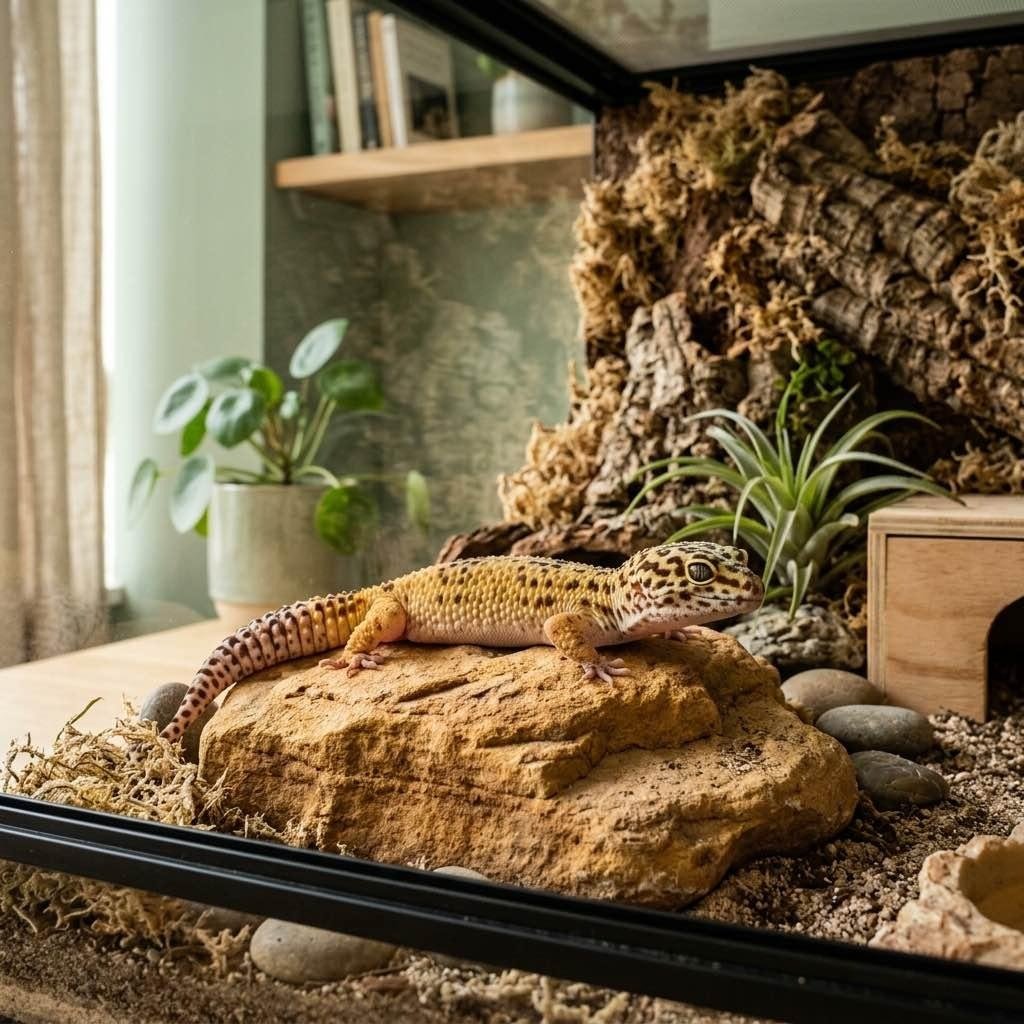
Leopard geckos spend most of their time on the ground. They need floor space, several hiding places, a warm area, and a cooler retreat. Their diet consists mainly of suitable live insects.
They can make a good first reptile for someone who wants a manageable enclosure and is comfortable feeding insects. Learn their handling signals, and never grab the tail.
Crested gecko
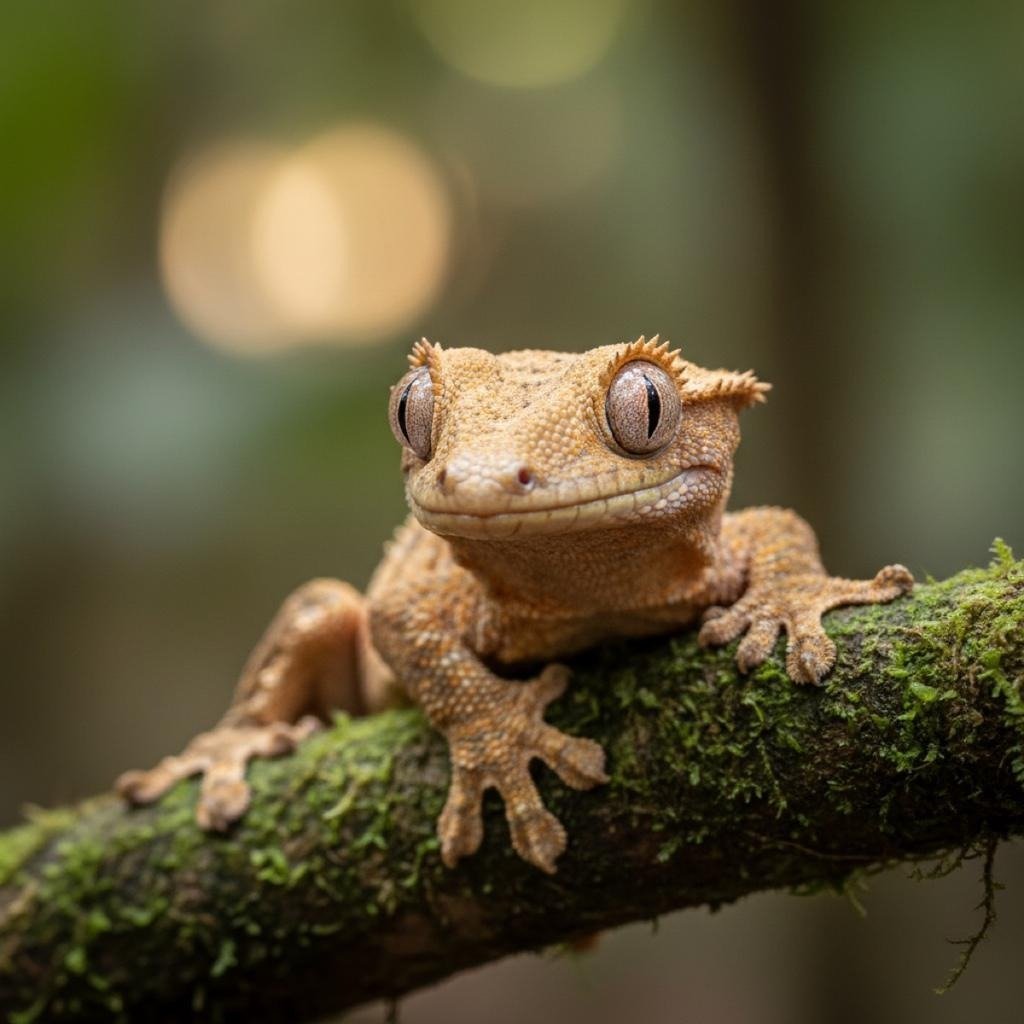
Crested geckos climb and benefit from a taller enclosure with branches, cork bark, and foliage. Their care requires attention to humidity, ventilation, and temperature.
A balanced commercial crested gecko diet can simplify feeding, although you should follow species-specific guidance about insects and supplementation. These geckos can jump suddenly, so handle them close to a safe surface.
Which should a beginner choose?
Choose a leopard gecko if you prefer a ground-based habitat and an insect-focused feeding routine. Consider a crested gecko if you enjoy creating a planted, vertical environment and can maintain its humidity needs.
Neither species is maintenance-free. Set up the habitat first, measure its conditions, and arrange access to a reptile veterinarian.
Different types of pet geckos
Different gecko species suit different levels of experience. Compare their habitat needs, feeding requirements, adult size, and behavior before deciding which one fits your home.
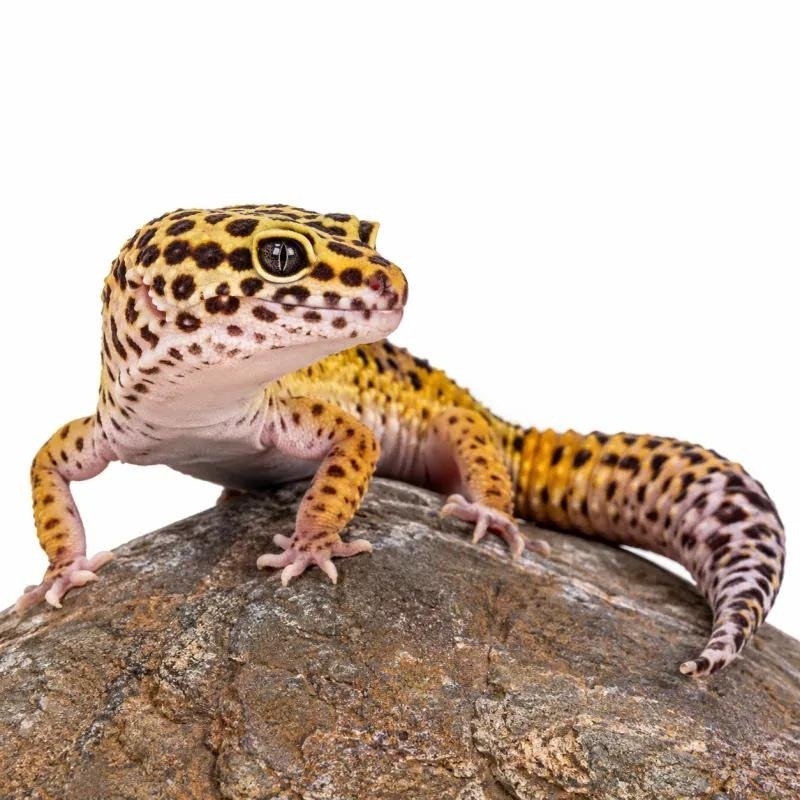
Leopard gecko
Ground-dwelling · Beginner option
A popular choice for keepers who can provide a warm-to-cool temperature gradient, dry enclosure conditions, a humid hide, and suitable insects.
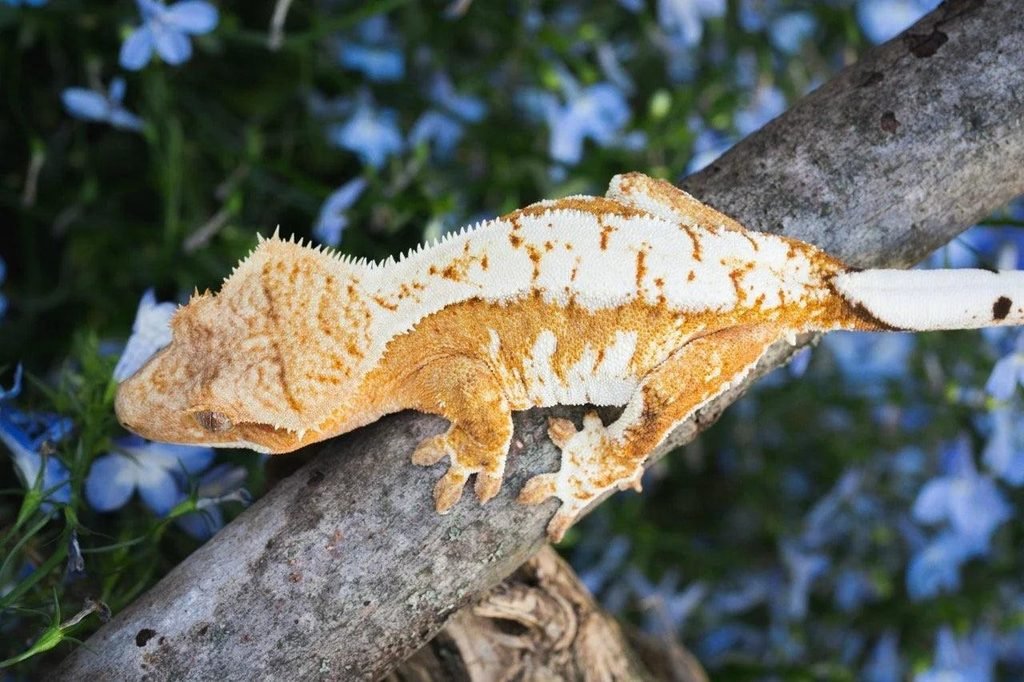
Crested gecko
Arboreal · Beginner with preparation
This climbing gecko needs a tall enclosure, secure branches, good ventilation, and humidity management. It may jump when startled.
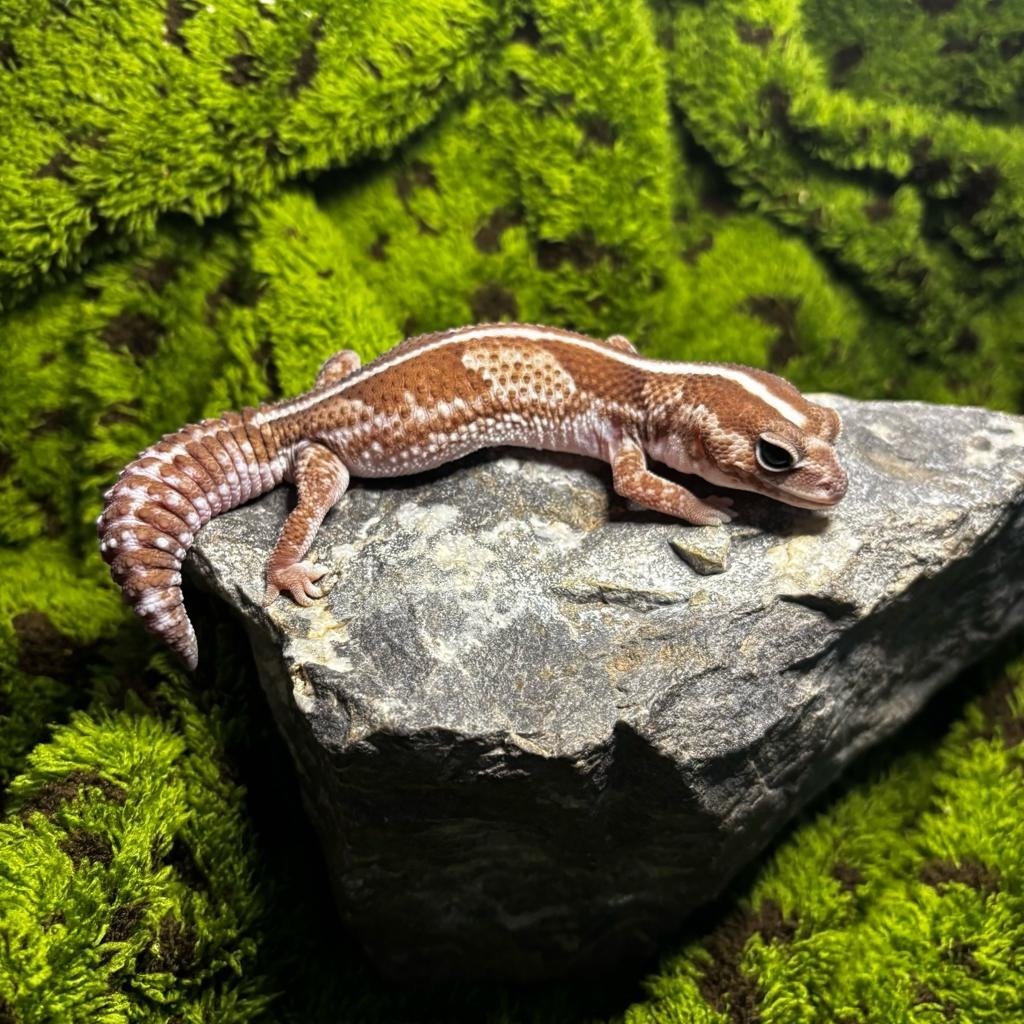
African fat-tailed gecko
Ground-dwelling · Intermediate research recommended
This species resembles the leopard gecko in general body shape but needs a different humidity approach. Learn its habitat requirements before purchase.
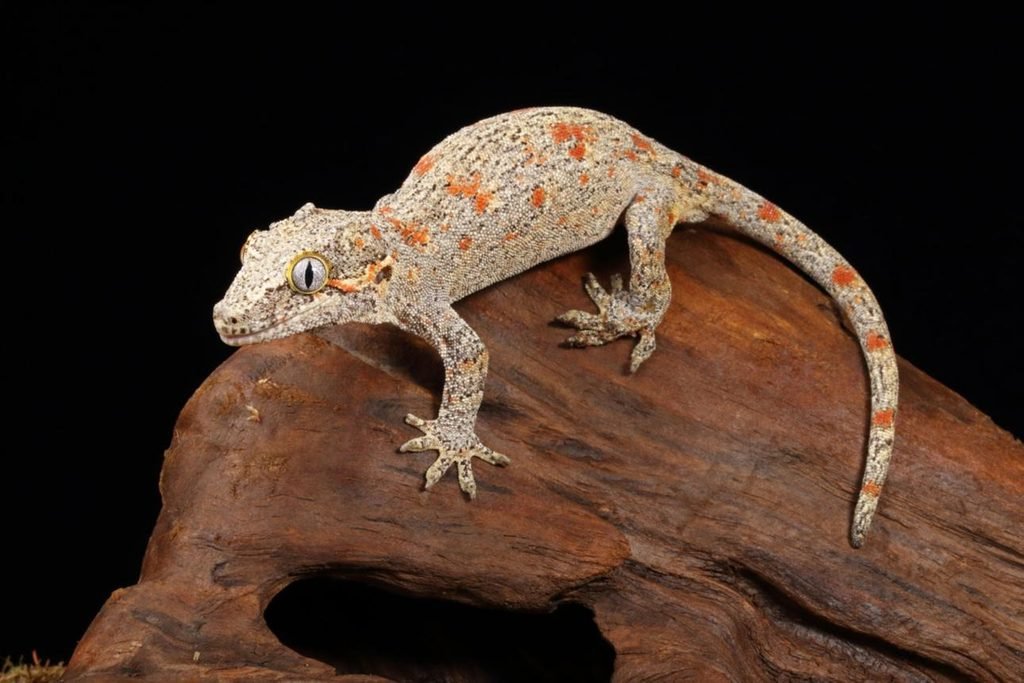
Gargoyle gecko
Arboreal · Specialized setup
Gargoyle geckos climb and need secure vertical space, suitable humidity, and a species-appropriate diet. Their care overlaps with crested geckos in some areas but isn’t identical.
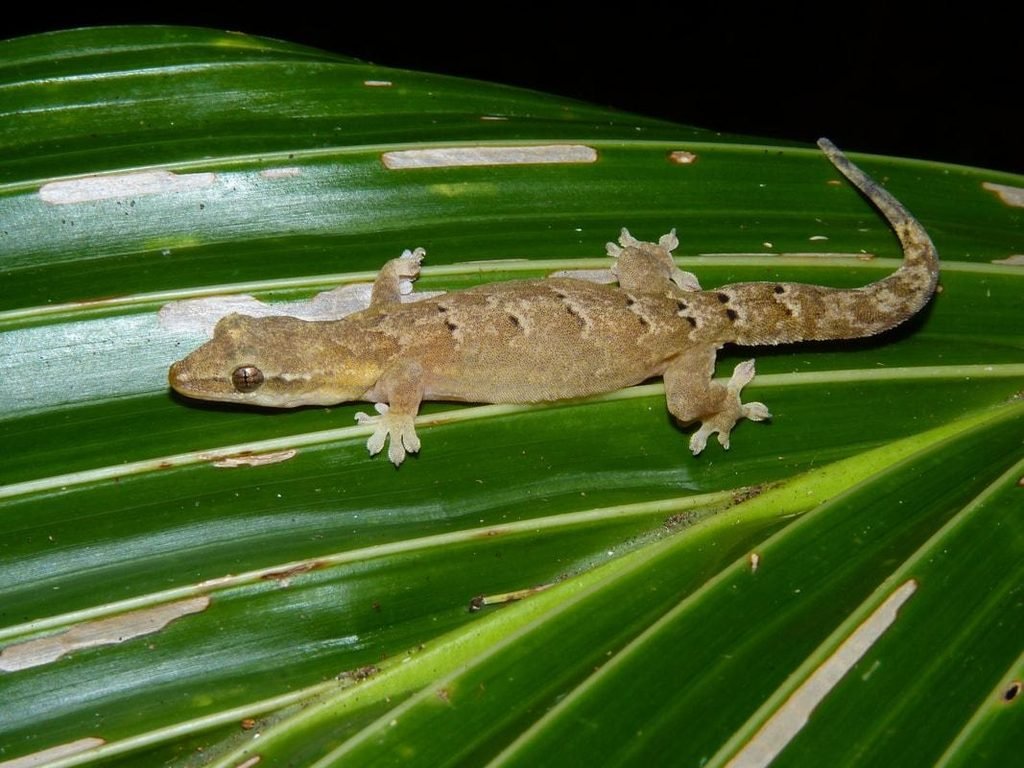
Mourning gecko
Small and active · Experienced keepers
These tiny geckos can reproduce without males. Their small size, escape risk, and breeding behavior make enclosure planning especially important.
Start with a species whose needs you can meet consistently. A rare or unusual gecko isn’t necessarily a better pet simply because it looks different.
Best gecko pets for handling
Leopard geckos often suit keepers who want occasional, gentle handling. Some captive-bred individuals become comfortable with calm contact, but no species guarantees a relaxed response.
Look for a healthy gecko with a clear-eyed appearance, smooth movement, and a good body condition. Ask the seller about its feeding history and response to handling. A calm adult with a known history may be easier to assess than a very young hatchling.
Keep these principles in mind:
- Let a new gecko settle into its enclosure before attempting handling.
- Approach slowly and allow it to see your hand.
- Support the body with both hands when needed.
- Keep handling sessions short and close to the ground.
- Stop if the gecko struggles, opens its mouth defensively, or tries repeatedly to escape.
- Never lift a gecko by its tail. Some species can drop it when frightened.
Crested geckos may also tolerate gentle contact, but sudden jumps can lead to falls. Handle them over a soft, low surface and avoid chasing them around the enclosure.
Some species are better for observation than frequent handling. Respect that difference rather than trying to train every gecko to behave like a mammal.
Crested geckos as pets
Crested geckos can suit keepers who enjoy watching a climbing reptile explore its habitat. They need a tall, secure enclosure with branches, hiding places, suitable humidity, and good airflow.
RSPCA
+1
Setting up the enclosure
Arrange sturdy branches and cork structures at different heights. Add foliage that creates cover without blocking all movement. Check every branch and decoration for sharp edges or loose parts.
Measure both temperature and humidity. Avoid placing the enclosure in direct sunlight, where temperatures can rise quickly. Excessive heat can pose a serious risk to crested geckos.
Feeding a crested gecko
Many keepers use a complete commercial crested gecko diet mixed according to its label. Some husbandry plans also include appropriately sized insects. Confirm the right feeding schedule and supplementation with a reliable species-specific care guide or reptile veterinarian.
Remove leftover food before it spoils. Keep fresh water available, and clean bowls regularly.
Handling and behavior
Crested geckos can leap when startled. Allow the animal to move onto your hand rather than grabbing it from above. Keep interactions low and brief.
These geckos also need privacy and a predictable routine. If yours hides during the day, that behavior alone doesn’t mean it dislikes its enclosure. Look at feeding, body condition, shedding, and activity patterns together.
Gecko pet for sale: What should you check?
When looking for a gecko for sale, prioritize health, responsible sourcing, and accurate care information over color or price. A reputable seller should explain the animal’s origin, feeding history, age if known, and any health concerns.
Before paying, ask:
- Is the gecko captive-bred, and can the seller explain its origin?
- Does it eat the correct food for its species?
- Has it shown normal feeding and shedding behavior?
- Are its eyes clear, and does it move normally?
- Does it have visible wounds, swelling, or unusual body shape?
- Can the seller explain its enclosure, temperature, and humidity needs?
- Is there a reptile veterinarian nearby who treats this species?
- Do local laws permit ownership, sale, and transport?
Avoid sellers who refuse basic questions or cannot identify the animal accurately. Don’t buy a gecko that appears severely thin, lethargic, injured, or unable to move normally without first seeking professional advice.
Buying online
Online listings can help you compare captive-bred animals, but photographs cannot confirm good health. Request current images, a clear feeding history, and details about safe transport. Check the seller’s reputation independently.
Never release an unwanted gecko outdoors. Contact a reptile rescue, experienced keeper network, or qualified animal organization if you can no longer provide care.
Daily Care Routine: How to Get Started
A consistent routine makes it easier to spot changes in behavior and maintain a healthy habitat. Prepare the enclosure before bringing your gecko home.
Step 1: Set up the enclosure
Choose an enclosure that meets the species’ adult space requirements. Add secure hides, climbing structures when appropriate, clean water, and suitable substrate.
Install heating and lighting equipment according to a reliable care guide. Use a thermostat with heat sources and measure the warm and cool areas before introducing the animal.
Step 2: Check environmental conditions
Use a digital thermometer and a hygrometer. Check readings in the locations your gecko uses, not just near the enclosure entrance.
Record the readings daily while learning your setup. Follow species-specific temperature and humidity ranges rather than applying one general setting to all geckos.
Step 3: Feed appropriately
Offer the correct food at a schedule suited to the species, age, and body condition. For insect-eating geckos, select prey of a safe size and follow reliable advice on gut-loading and supplements.
Remove uneaten insects when necessary. Some feeder insects can bite or stress a gecko if left inside.
Step 4: Refresh water and remove waste
Replace dirty water promptly and clean the dish. Remove waste and spoiled food each day. Follow a regular cleaning schedule for the entire enclosure.
Use reptile-safe cleaning methods and rinse surfaces thoroughly. Keep the gecko away from cleaning fumes and wet disinfectant residues.
Step 5: Observe your pet
Watch its appetite, movement, eyes, skin, droppings, and body condition. Note any major changes.
Handle only when appropriate. Many geckos do well with limited interaction and plenty of undisturbed time.
Cost Breakdown
The cost of owning a gecko includes more than the animal itself. You need to budget for the enclosure, heating and monitoring equipment, food, supplements, cleaning supplies, and veterinary care.
Exact prices vary by country, species, breeder, enclosure size, and product quality. The ranges below are illustrative US-dollar budgeting estimates, not verified current market prices. Use local quotes before purchasing.
| Expense | Planning estimate (USD) | What affects the cost |
| Gecko purchase or adoption | 20–200+ | Species, age, morph, source |
| Enclosure and furnishings | 100–350+ | Size, material, hides, branches |
| Heating, thermostat, and monitoring | 50–150+ | Equipment quality and habitat needs |
| Initial food and supplements | 20–60 | Food type and feeding needs |
| Ongoing food and supplies | 15–50 per month | Species, appetite, local prices |
| Initial veterinary examination | 50–150+ | Clinic, location, testing needs |
| Emergency veterinary care | Varies widely | Condition, tests, treatment, location |
These estimates do not guarantee that a complete setup will fall within the stated range. A specialized enclosure or an unexpected health problem can increase costs substantially.
How to budget responsibly
Buy the essential equipment before the animal. Spend enough to maintain safe temperatures, humidity, ventilation, and monitoring. Avoid cutting corners on thermostats or enclosure security.
Keep an emergency fund for veterinary care. If you cannot find a veterinarian who treats reptiles or cannot afford unexpected treatment, reconsider the timing of your purchase.
For keepers in Pakistan, import availability, local prices, electricity reliability, and access to exotic-animal veterinary care may affect the budget. Confirm local costs and legal requirements rather than relying on US estimates.
Common Mistakes Pet Owners Make
Many gecko health problems begin with a mismatch between the animal’s needs and its environment. Avoid these common mistakes when setting up your habitat and building a care routine.
1. Choosing a gecko based on appearance alone
A striking color pattern doesn’t tell you whether the species suits your experience. Research its adult size, diet, humidity needs, and temperament first.
2. Using the wrong temperature
A room that feels comfortable to you may not provide the correct conditions for a reptile. Use a thermostat and reliable thermometers, and check the readings regularly.
3. Ignoring humidity
Too little moisture can interfere with shedding in species that need higher humidity. Excess moisture and poor ventilation can also cause problems. Measure humidity and follow guidance for the exact species.
4. Feeding an unsuitable diet
Not every gecko eats the same food. Insect-eating species need appropriate prey and nutritional support. Species that use formulated diets need products designed for their nutritional requirements.
5. Handling too often
Frequent handling can cause stress, especially after a move or during adjustment. Give your gecko time to settle, and let its behavior guide your interactions.
6. Housing incompatible geckos together
Different species should not share an enclosure. Even geckos of the same species may fight, compete for resources, or injure each other. Individual housing usually simplifies feeding, monitoring, and disease control. Ask a reptile veterinarian before considering any shared setup.
7. Waiting too long to seek veterinary care
Changes in appetite, weight, movement, or shedding may signal a problem. Don’t assume a gecko will recover without help. Contact a reptile veterinarian when concerning signs appear.
Similar Options and Alternatives
If you’re unsure whether a gecko fits your needs, compare it with other reptiles. These alternatives have distinct care requirements and aren’t automatically easier.
| Option | Best For |
| Bearded dragon | Keepers interested in a larger, daytime-active lizard with specific UVB and heating needs |
| Corn snake | People comfortable feeding whole prey and maintaining a secure snake enclosure |
| Blue-tongued skink | Experienced planners seeking a larger, ground-dwelling lizard with a varied diet |
| Anole | Keepers interested in small, active lizards and carefully managed habitat conditions |
| African dwarf frog | People who prefer an aquatic animal rather than a terrestrial reptile |
Research each animal before making a choice. A different species may require more space, specialized lighting, different food, or more complex veterinary care.
When to Consult a Vet or Professional
Arrange an initial health check with a veterinarian experienced in reptiles. A professional can assess body condition, discuss parasite screening, review the diet, and help you confirm the enclosure’s conditions.
Seek prompt veterinary advice if you notice:
- Refusal to eat along with weight loss or unusual weakness.
- Labored breathing, open-mouth breathing, or unusual respiratory sounds.
- Swelling, bleeding, wounds, or a suspected burn.
- Difficulty walking, tremors, a weak jaw, or abnormal limb posture.
- Repeated shedding problems or skin that remains stuck around the toes or eyes.
- Persistent diarrhea, abnormal droppings, or blood in the stool.
- Sudden changes in activity or an inability to move normally.
A single missed meal does not always mean an emergency. Appetite can change with age, season, stress, reproductive status, and temperature. However, repeated changes or other symptoms deserve attention.
Do not give human medication, use home remedies, or attempt to force-feed a sick gecko without veterinary guidance. Record recent feeding, temperature, humidity, and shedding details to help your veterinarian assess the problem.
Fun Facts About Geckos
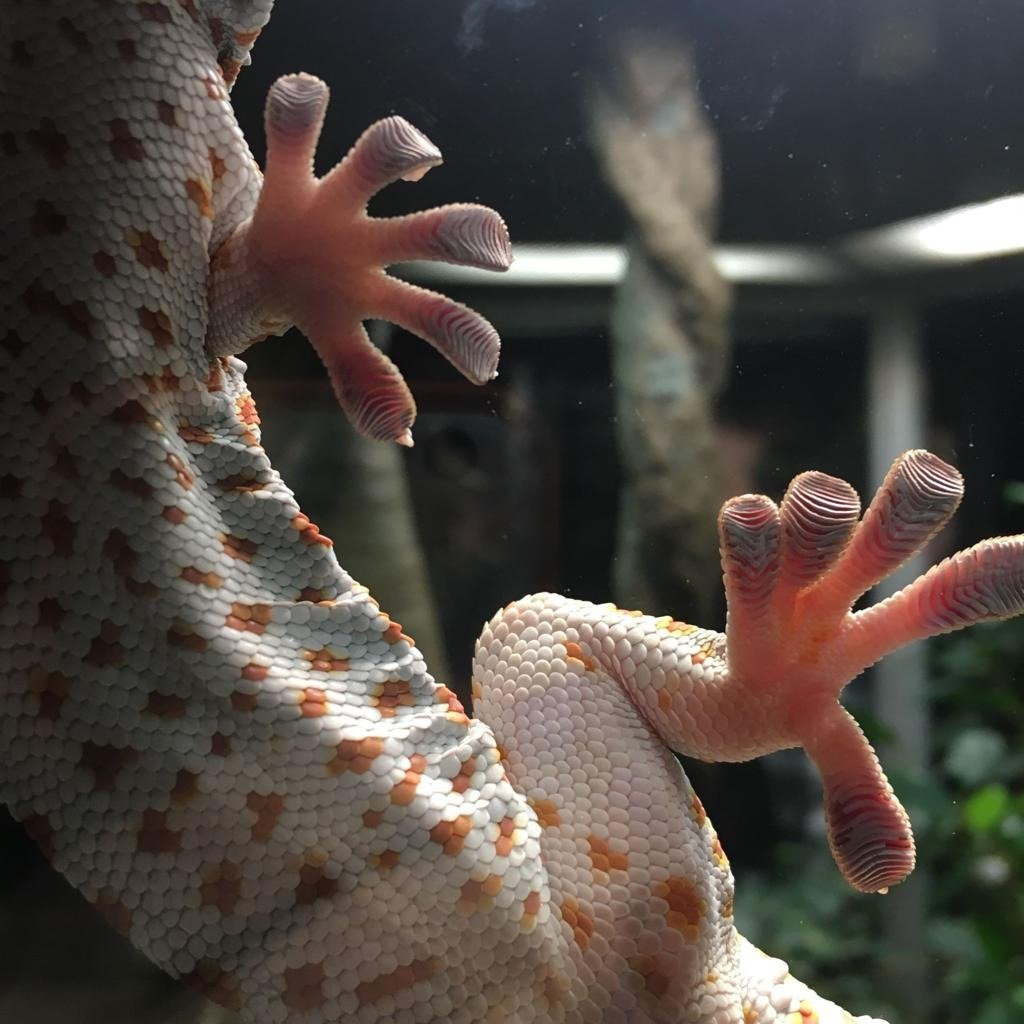
1. Some geckos climb smooth surfaces.
Specialized toe structures help many geckos grip surfaces that other lizards cannot easily climb.
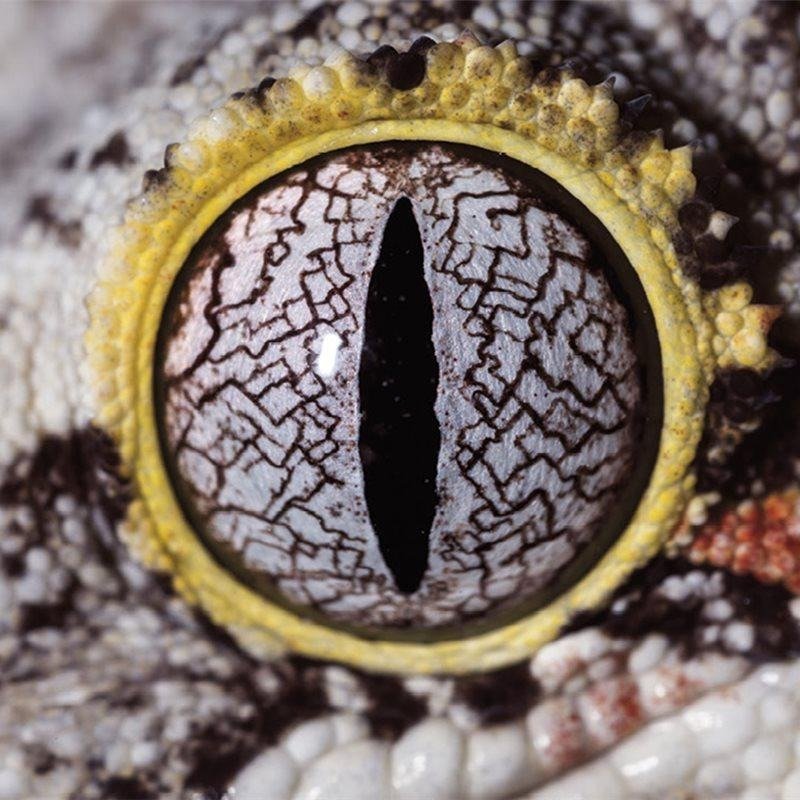
2. Their eyes differ by species.
Some geckos have vertical pupils, while others have different pupil shapes suited to their activity patterns.
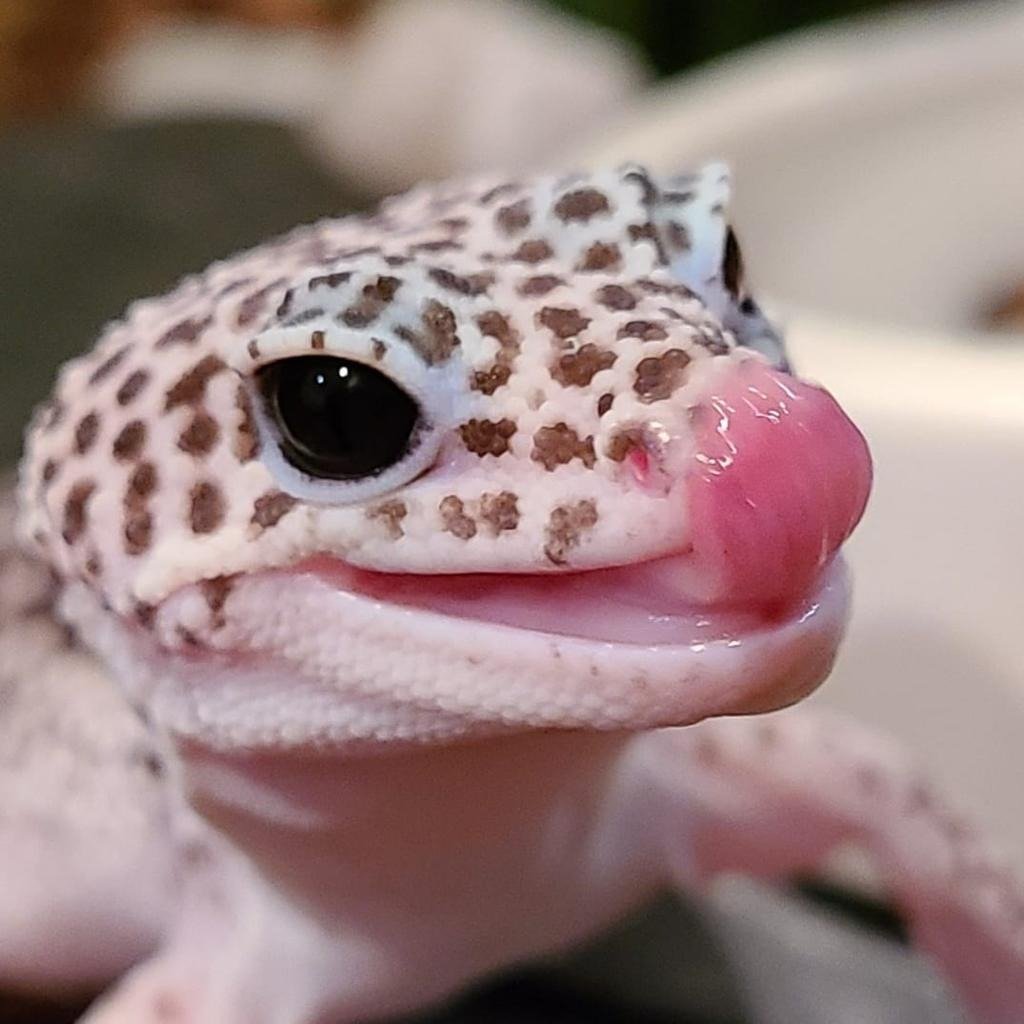
3. They use their tongues for more than eating.
Geckos may lick their eyes to clean them, particularly because many species lack movable eyelids.
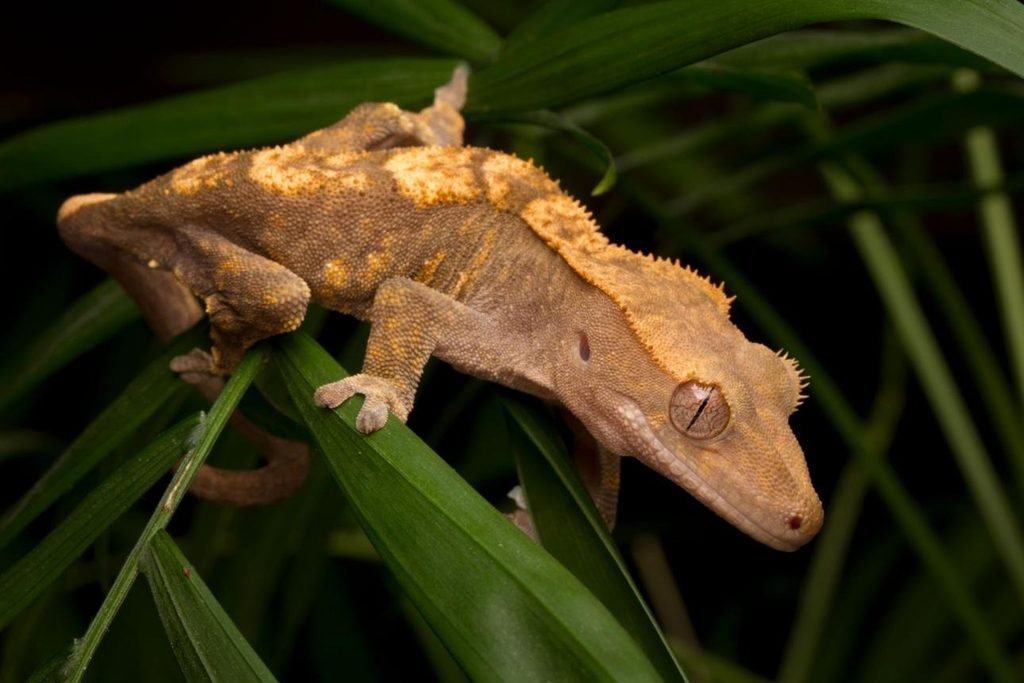
4. Many are most active at low-light times.
Crested and leopard geckos often show dawn, dusk, or nighttime activity, although patterns vary.
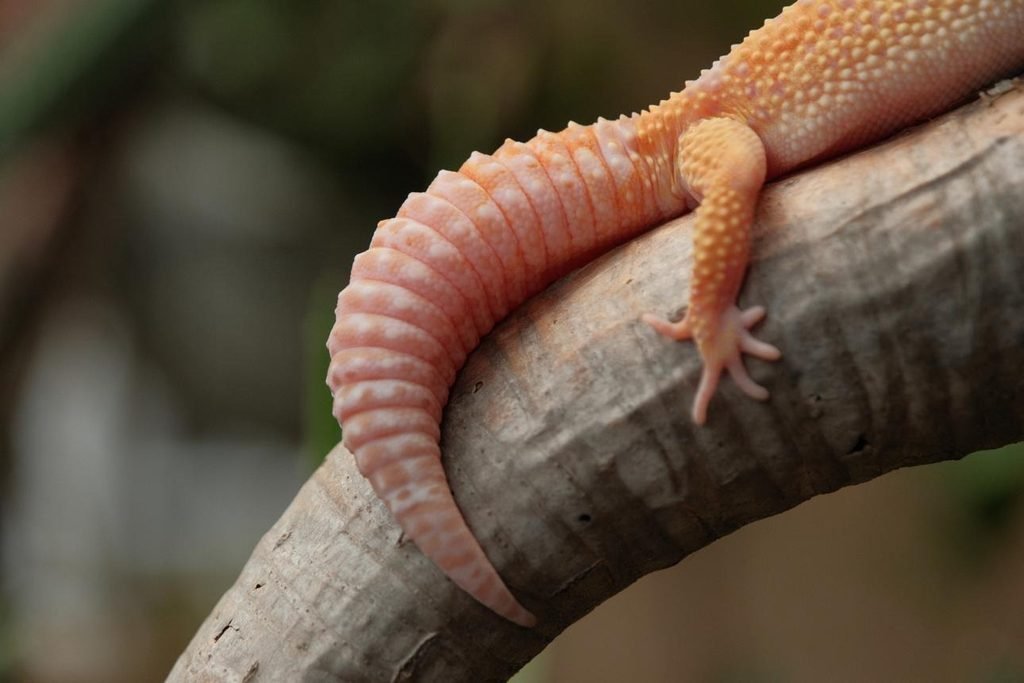
5. Some can shed their tails.
Tail loss can help certain geckos escape predators. Regrowth varies by species, and the new tail may look different.
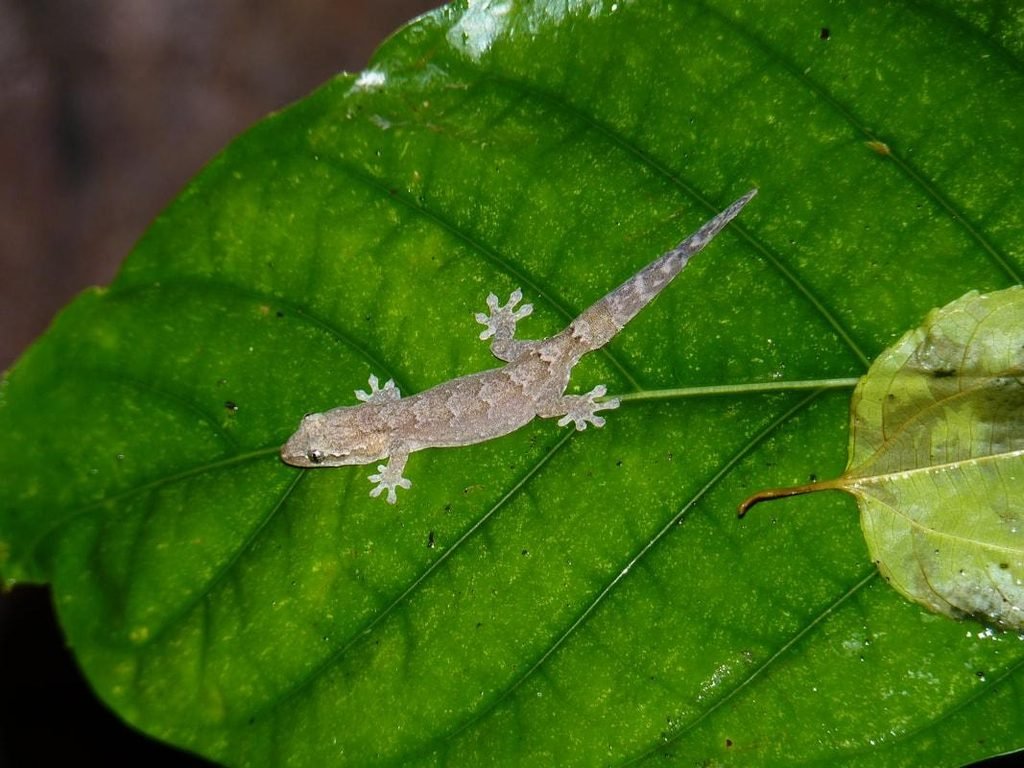
6. Some geckos reproduce without males.
Mourning geckos are a well-known example of a species that can reproduce through parthenogenesis.
Frequently Asked Questions
What is the friendliest pet gecko?
Leopard geckos often make a good choice for people who want occasional, gentle handling. Many captive-bred individuals learn to tolerate calm interactions, although temperament varies. Some crested geckos also become comfortable with their keepers, but they may jump when startled. A gecko’s early experiences, health, and environment can affect its behavior. Ask the breeder about feeding history and handling responses before choosing an animal. Remember that a calm gecko may simply tolerate handling rather than enjoy it. Respect its signals, and choose observation over contact whenever it appears stressed.
Do pet geckos like to be held?
Most geckos do not seek human contact in the same way a social mammal might. Some become accustomed to gentle handling, while others remain nervous or prefer to stay in their enclosure. Start slowly after your gecko settles into its new home. Let it approach your hand, support its body, and keep interactions short. Never squeeze it or lift it by the tail. If it repeatedly tries to escape, jumps away, or shows defensive behavior, stop and give it space. You can build trust through calm, predictable care without frequent handling.
Is gecko high maintenance?
Geckos usually need less direct interaction than dogs, but their environmental needs can make them demanding in other ways. You must maintain suitable temperatures, humidity, lighting, clean water, and a species-appropriate diet. Many also need live insects and nutritional supplements. Daily checks help you spot equipment failures and health changes before they become serious. The workload varies by species, enclosure design, and feeding routine. A prepared owner can establish a manageable schedule, but a gecko is not a pet you can leave unattended for long periods without suitable care arrangements.
Can geckos bond with humans?
Geckos can learn to recognize familiar routines and may become less fearful around a consistent caregiver. Some individuals approach a keeper during feeding or remain calm during necessary handling. However, researchers and pet owners should not automatically interpret these behaviors as affection in the human sense. A gecko may associate your presence with food, safety, or predictable interactions. Build a positive relationship by meeting its needs, avoiding sudden movements, and respecting its boundaries. You do not need to handle your gecko frequently to care for it well. A secure habitat and low-stress routine matter more than physical contact.
How long do pet geckos live?
Lifespan varies by species, genetics, diet, and the quality of care. Some commonly kept geckos live for many years, and leopard geckos may reach around 10–20 years under suitable care. Treat any lifespan estimate as a planning guide rather than a guarantee. Before buying, consider whether you can provide appropriate housing and veterinary care throughout the animal’s life. Ask the breeder for the species’ expected lifespan and discuss preventive care with a reptile veterinarian. A gecko’s small size should never lead you to underestimate its long-term needs.
Can you keep two geckos in the same tank?
For most pet owners, separate enclosures offer the safest and simplest approach. Geckos may compete for food, hides, warm areas, or territory. Some combinations can lead to aggression, injuries, stress, or unwanted breeding. Different species should not share an enclosure because their environmental needs may differ. Even two females of one species may not live peacefully together. Individual housing also makes it easier to monitor each gecko’s appetite and droppings. If you are considering cohabitation for a particular species, consult an experienced reptile veterinarian and species-specific husbandry guidance first.
What supplies do you need before bringing a gecko home?
Prepare the enclosure, suitable substrate, hides, water dish, heating equipment, thermostat, thermometer, and hygrometer before buying your gecko. Add climbing branches and foliage for species that need them. You may also need suitable lighting, feeder-insect containers, supplements, and cleaning supplies. The exact list depends on the species, so don’t purchase everything from a generic kit without checking its suitability. Run the enclosure and measure its conditions before introducing the animal. Arrange a reptile veterinarian in advance, and keep a reserve fund for unexpected care.
Final Thoughts
Choosing a gecko starts with understanding the animal, not just deciding which one looks best. Leopard geckos and crested geckos offer two different experiences, from a ground-based habitat to a climbing enclosure filled with branches and foliage.
Think carefully about your budget, available space, feeding preferences, and access to veterinary care. You should also consider the animal’s lifespan and who will care for it when you’re away. These details matter just as much as the initial purchase.
Before bringing a gecko home, prepare its enclosure, test the temperature and humidity, and learn the correct feeding routine. Find a reptile veterinarian who can provide preventive care and help you respond to health concerns.
Most importantly, respect your gecko’s natural behavior. Some individuals tolerate gentle handling, while others prefer quiet observation. You can provide excellent care without expecting your pet to behave like a dog or cat.
With thoughtful preparation and consistent care, a gecko can be a fascinating long-term companion. Choose the species whose needs you can meet every day, and you’ll give your new pet a much better start.