
Types of turtles for pets include aquatic turtles, semi-aquatic turtles, and terrestrial box turtles. Popular choices include red-eared sliders, painted turtles, musk turtles, and box turtles. Each species has different space, lighting, diet, and handling needs. Before choosing one, consider its adult size, lifespan, local ownership laws, and long-term care costs.
Key Takeaways
- Red-eared sliders suit experienced keepers who can manage large aquatic habitats and strong filtration.
- Painted turtles offer attractive markings but still need clean water, UVB lighting, and a proper basking area.
- Musk turtles stay relatively small compared with many common aquatic species, although they still need specialized care.
- Box turtles spend much more time on land and need a different habitat from aquatic turtles.
- Small size does not mean easy care. Even small turtles need suitable temperatures, lighting, nutrition, and veterinary attention.
- Always check local laws and buy from a reputable, legal source. In the United States, federal law generally prohibits selling turtles with shells shorter than four inches as pets.
CDC
+1
Introduction
Turtles attract people who want an unusual pet with a calm, fascinating personality. Their patterned shells, slow movements, and interesting feeding habits make them appealing to families and reptile enthusiasts. However, a turtle needs much more than a small bowl of water and a few pieces of food.
Choosing the right species takes careful thought. Some turtles spend most of their time swimming, while others need dry ground, shelter, and room to explore. Their adult size also varies widely. A tiny hatchling may eventually need a large enclosure, powerful filtration, and a more involved care routine.
When researching types of turtles for pets, many people focus on appearance or purchase price. Those details matter, but they should not drive the decision. You also need to consider your available space, electricity costs, access to an exotic-animal veterinarian, and willingness to care for a long-lived reptile.
This guide compares popular species and explains their main differences. You’ll learn which turtles suit different experience levels, what equipment they need, how much ownership may cost, and which mistakes to avoid.
One important point comes first: turtles generally suit people who enjoy observing animals more than frequently handling them. They can recognize familiar routines, but they rarely enjoy cuddling like dogs or cats. If you want a hands-on pet, another animal may suit your lifestyle better.
What Are Pet Turtles?
Pet turtles are reptiles that people keep in suitable home habitats rather than in the wild. Common choices include aquatic species that swim, semi-aquatic species that use both water and land, and terrestrial species that spend most of their time on land.
The word turtle covers many different species, not one standard type of pet. A red-eared slider needs a water-based habitat, while a box turtle needs access to land, shelter, moisture, and a suitable outdoor or indoor enclosure.
These differences affect almost every part of ownership. Habitat design, water depth, heating, lighting, food, and veterinary care must match the species.
Before bringing one home, identify the turtle by its correct species name. A seller’s label such as “baby turtle” or “pond turtle” does not provide enough information to plan proper care.
Quick Facts Box
| Fact | Details |
| Animal group | Reptiles |
| Common pet categories | Aquatic, semi-aquatic, terrestrial |
| Popular species | Red-eared slider, painted turtle, musk turtle, box turtle |
| Main habitat needs | Species-appropriate water or land, shelter, heat, and UVB |
| Diet | Varies by species and age; many aquatic turtles eat both animal and plant foods |
| Lifespan | Often several decades, depending on species and care |
| Handling | Usually best kept to gentle, necessary handling |
| Veterinary care | A veterinarian experienced with reptiles |
| Main household health concern | Salmonella transmission |
| Long-term commitment | Equipment, cleaning, nutrition, and ongoing health care |
Lifespan and habitat requirements vary by species. Ask a reptile veterinarian or trusted species-specific care resource for details before choosing your turtle.
Merck Veterinary Manual
+1
Where Do Pet Turtles Come From?
Pet turtles come from different regions around the world. Their natural environments help explain why their care needs differ so much.
Red-eared sliders originated in parts of the southern and central United States and northern Mexico. Painted turtles live across much of North America. Common musk turtles also come from North America, while box turtles occupy a range of terrestrial habitats.
In the wild, these animals encounter natural sunlight, changing seasons, suitable food, and complex environments. A home enclosure must provide the important conditions each species needs.
Never assume a turtle belongs in your local pond simply because the climate seems suitable. Releasing a pet can harm native wildlife, spread disease, or break local laws. If you can no longer care for your turtle, contact a reptile rescue, animal shelter, or qualified veterinarian for rehoming advice.
History and Evolution of Turtle Keeping
People have kept turtles in captivity for a long time, but modern pet ownership brings different responsibilities. Better knowledge of reptile health has helped owners understand the importance of suitable lighting, temperature control, nutrition, and enclosure design.
Red-eared sliders became familiar pets through the pet trade. Their striking markings and availability helped make them popular. However, many buyers underestimated how large these turtles could grow and how much equipment they would need.
Today, responsible ownership means looking beyond a turtle’s appearance. Prospective keepers should consider conservation, legal sourcing, adult size, and the cost of maintaining a healthy habitat.
Small turtles also deserve special attention because their size can tempt people into buying them on impulse. In the United States, the sale of turtles with shells shorter than four inches faces a federal restriction because of public-health risks. Rules elsewhere may differ.
CDC
+1
Key Characteristics and Care Needs
The most important differences between pet turtles involve habitat, adult size, diet, and behavior. Understanding these needs helps you avoid choosing an animal that cannot thrive in your home.
Aquatic turtles
Aquatic turtles spend much of their time in water. They need enough swimming space, clean water, a dry basking platform, suitable heat, and species-appropriate UVB lighting.
A reliable filter helps manage waste, but it does not replace regular water testing and maintenance. Water temperature, basking temperature, and lighting placement should follow the species’ care requirements.
Merck Veterinary Manual
+1
Semi-aquatic turtles
Semi-aquatic turtles use both water and dry areas. They may swim, rest on land, bask, and hide in vegetation or shelters.
Their enclosure must provide easy access between water and land. Avoid steep platforms or slippery ramps that prevent the turtle from climbing out safely.
Terrestrial turtles
Terrestrial turtles, including box turtles, spend more time on land. They need secure floor space, suitable substrate, hiding places, moisture levels, and access to appropriate heat and UVB.
Do not place a terrestrial turtle in a deep aquarium designed for a strong swimmer. Likewise, a small dry terrarium cannot meet the needs of a fully aquatic species.
Temperature, light, and nutrition
Turtles depend on their surroundings to regulate body temperature. Poor temperature control can affect appetite, activity, digestion, and overall health.
UVB lighting helps many turtles produce vitamin D3, which supports calcium use and healthy bones and shells. A healthy diet must also match the species’ nutritional needs. Merck Veterinary Manual notes that many freshwater turtles eat both animal matter and plant material, with dietary patterns changing by species and age.
Merck Veterinary Manual
+1
Quick Comparison Snapshot
These four options illustrate how much turtle care can differ.
| Option | Best For | Key Difference |
| Red-eared slider | Experienced keepers with substantial space | Grows relatively large and needs a spacious aquatic habitat |
| Painted turtle | Keepers who enjoy observing aquatic behavior | Colorful shell markings and a strong need for swimming and basking areas |
| Common musk turtle | People seeking a smaller aquatic species | Compact size, but still requires clean water and suitable aquatic conditions |
| Box turtle | Keepers who prefer a land-based setup | Needs a terrestrial habitat rather than a deep swimming tank |
No species suits every household. Confirm adult size, local legality, and the exact habitat requirements before committing to any turtle.
Types of Pet Turtles That Stay Small
Some turtle species remain smaller than popular sliders, making them attractive to keepers with limited space. However, even a small turtle needs a properly sized habitat, temperature control, suitable lighting, and regular cleaning.
Common musk turtle
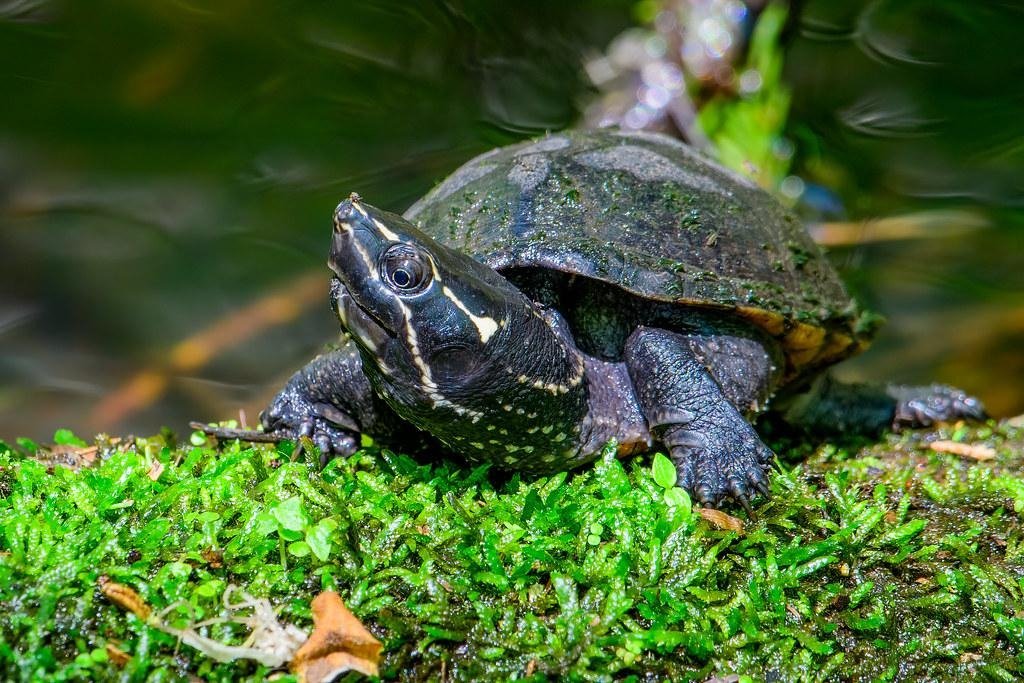
The common musk turtle, also called the stinkpot, is a compact freshwater turtle. It spends much of its time in water and often walks along the bottom rather than swimming constantly in open water.
Its smaller adult size can make it worth considering if you have limited room. However, it still needs an appropriate aquatic enclosure, clean water, a safe route to the surface, and suitable basking opportunities.
Musk turtles can release a strong-smelling substance when frightened. They may also bite if someone handles them roughly or makes them feel threatened. Choose this species for observation, not frequent handling.
Mud turtles
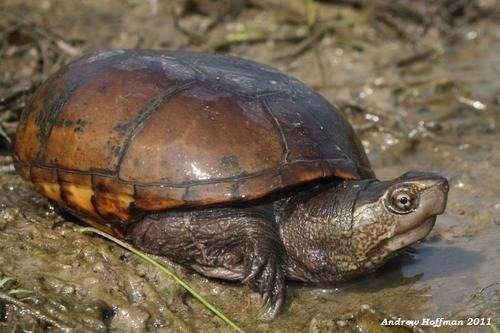
Mud turtles belong to a group of relatively small aquatic or semi-aquatic turtles. Their precise needs vary by species, so you should identify the exact species before preparing its enclosure.
Many mud turtles use shallow water and spend time exploring the bottom. They still require suitable water quality, hiding places, temperature control, and access to appropriate land or basking areas.
Do not assume every mud turtle needs the same depth or layout. Ask an experienced reptile veterinarian for species-specific guidance.
Important note about small turtles
Small turtles still create waste, need room to move, and may live for decades. Their size does not remove the need for filtration, lighting, veterinary care, or a long-term budget.
If you’re in the United States, avoid any seller offering turtles with shells under four inches for ordinary pet ownership. Federal restrictions apply to their sale and distribution as pets, subject to limited exceptions.
CDC
+1
Types of Aquatic Turtles for Pets
Aquatic turtles suit keepers who enjoy watching swimming, feeding, and basking behavior. They require more equipment than many beginners expect, especially when it comes to water quality and filtration.
Red-eared slider
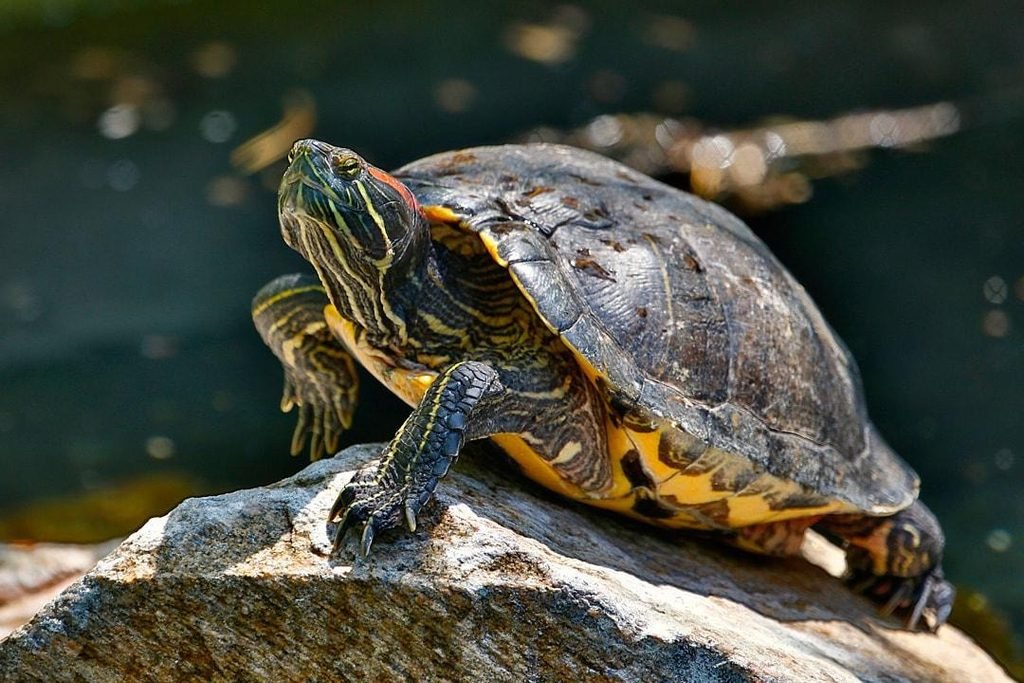
Red-eared sliders have a recognizable red marking behind each eye. They are active freshwater turtles that spend time swimming and basking.
Their adult size makes advance planning essential. A hatchling may look suitable for a small aquarium, but the enclosure must accommodate the animal as it grows. Strong filtration, a secure basking area, and suitable lighting all contribute to healthy care.
These turtles can also live for decades. They are a poor impulse purchase for someone who only has room for a small tank.
Painted turtle
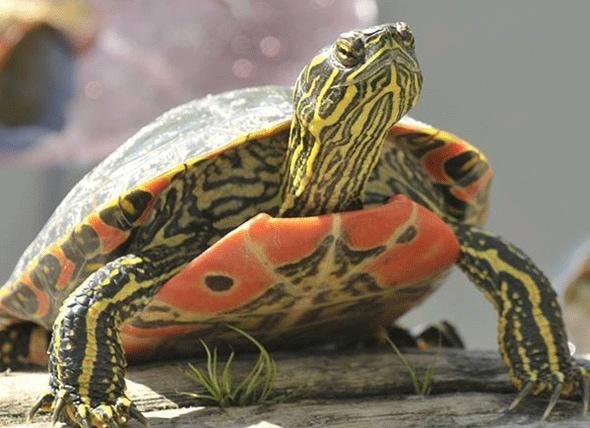
Painted turtles have attractive red and yellow markings along their shells and skin. They often bask on logs or rocks and swim through freshwater habitats.
They need clean water, a dry basking area, UVB lighting, and a diet suited to their age and species. Their colorful appearance makes them appealing, but they still require consistent daily care.
Painted turtles may suit a keeper who wants an aquatic reptile and has researched its full-grown size and enclosure requirements.
Map turtles
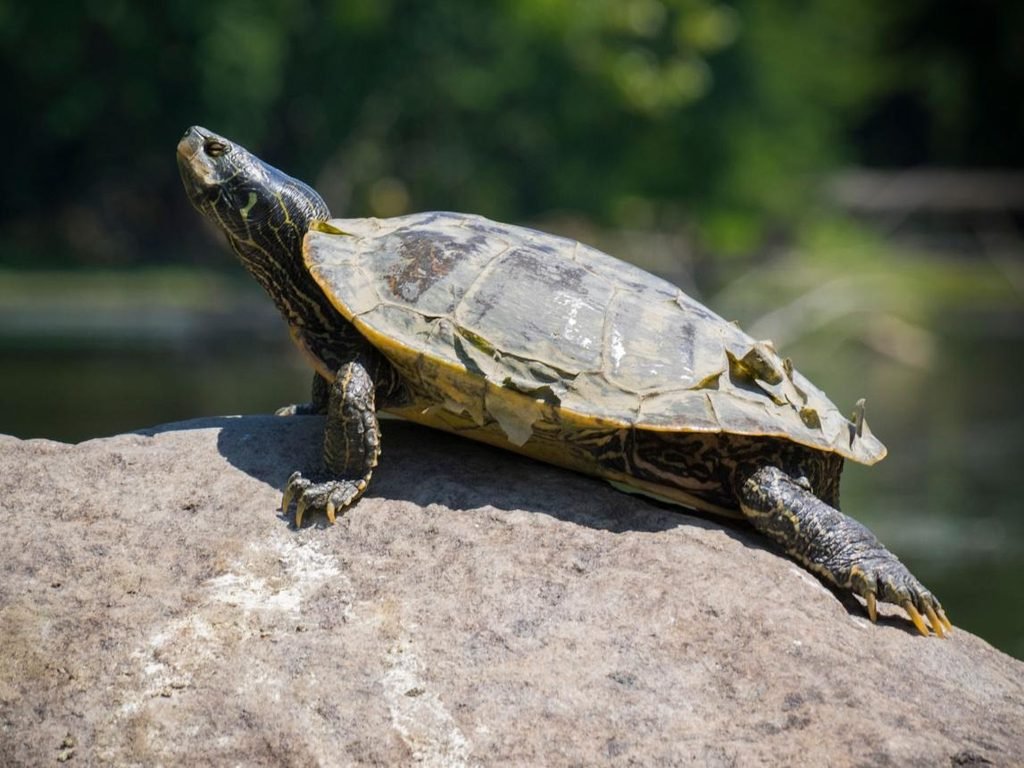
Map turtles have patterned shells that resemble contour lines on a map. Their care needs vary across species, and some require particularly careful attention to water quality and habitat design.
Many map turtles are strong swimmers. A suitable enclosure should provide swimming room, secure basking access, and appropriate lighting.
Before choosing one, research the exact species rather than relying on a generic map turtle care guide. Their adult size, diet, and habitat preferences can differ.
Which aquatic turtle should you choose?
The best option depends on your space, experience, and ability to maintain an aquatic habitat. A smaller musk turtle may take up less room than a slider, but neither is a low-maintenance decoration.
Plan the complete habitat before acquiring the turtle. If you cannot provide suitable water quality, lighting, and long-term space, consider another pet.
Best Pet Turtle for Beginners
A beginner should choose a turtle whose needs they can meet consistently, rather than selecting one based on color or price. Even relatively manageable species need careful preparation and access to veterinary care.
A common musk turtle may appeal to someone who wants a smaller aquatic species. A painted turtle may appeal to someone who enjoys watching an active swimmer. However, neither becomes beginner-friendly simply because it is available in pet shops.
Before choosing a species, ask yourself three questions:
- Can I afford the enclosure, filtration, lighting, food, and ongoing electricity costs?
- Can I provide the right temperature, water quality, and daily care throughout the turtle’s life?
- Can I reach a veterinarian who treats reptiles?
If you answer no to any of these questions, pause before buying.
What makes a turtle easier to care for?
Look for a species with clearly documented care requirements and a realistic adult size for your available space. Choose a reputable source that can identify the animal and explain its feeding history.
Avoid sellers who promise that a turtle will stay tiny, needs only a bowl, or can live on dried shrimp alone. Those claims can lead to poor welfare.
For first-time keepers, a good setup matters more than finding a supposedly easy species. Learn the basics of reptile care before bringing any turtle home.
Pet Turtles for Sale: What Buyers Should Know
If you’re searching for pet turtles for sale, focus on responsible sourcing rather than the lowest price. A healthy, legally sourced turtle with a known history is a better choice than an animal sold without identification or care information.
Where should you look?
Consider reputable reptile specialists, established breeders, or rescue organizations that can explain the turtle’s background. Ask for its scientific name, approximate age, feeding history, known health issues, and expected adult size.
Check the laws in your country, state, or city before paying. Some species face ownership restrictions, trade controls, or conservation protections. In Pakistan or another country outside the United States, do not assume that American sales rules apply; confirm current local requirements.
Signs of a potentially healthy turtle
A healthy-looking turtle should show alert behavior appropriate to its species. Check for clear eyes, normal movement, and a shell without obvious wounds, soft damaged areas, or unusual discharge.
Watch for wheezing, mucus around the nostrils, marked weakness, or difficulty moving. These signs warrant veterinary assessment.
Appearance alone cannot confirm good health. Arrange a reptile veterinary examination, especially if you have other reptiles at home.
Questions to ask before buying
- What is the exact species?
- How large will it become?
- What temperatures and lighting does it need?
- What foods has it been eating?
- Was it bred in captivity or collected from the wild?
- Can you provide any health or feeding records?
- What happens if the animal develops health problems?
Never collect a wild turtle just because it looks suitable as a pet. Wild capture may harm local populations and can violate wildlife laws.
Merck Veterinary Manual
+1
Types of Turtles With Pictures
Pictures help you compare markings and general appearance, but they cannot replace accurate species identification. Young turtles can look quite different from adults, and related species may share similar patterns.
Here are four useful visual comparisons:
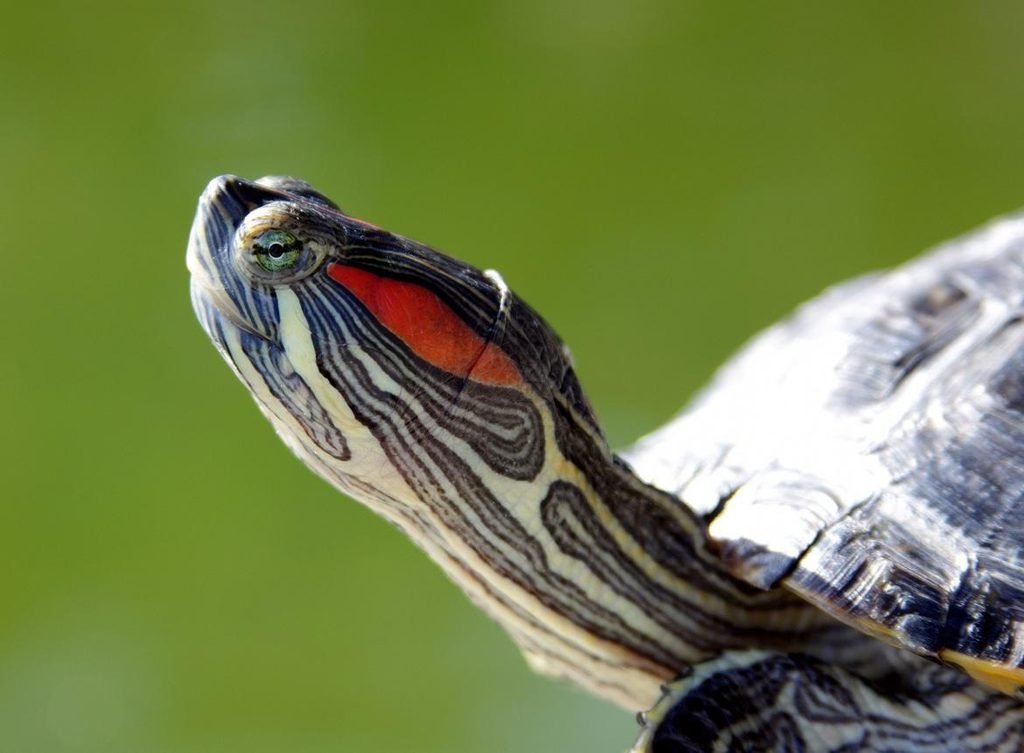
Red-eared slider
Look for the red stripe behind the eye and patterned green or olive shell. Adults need substantial aquatic space.
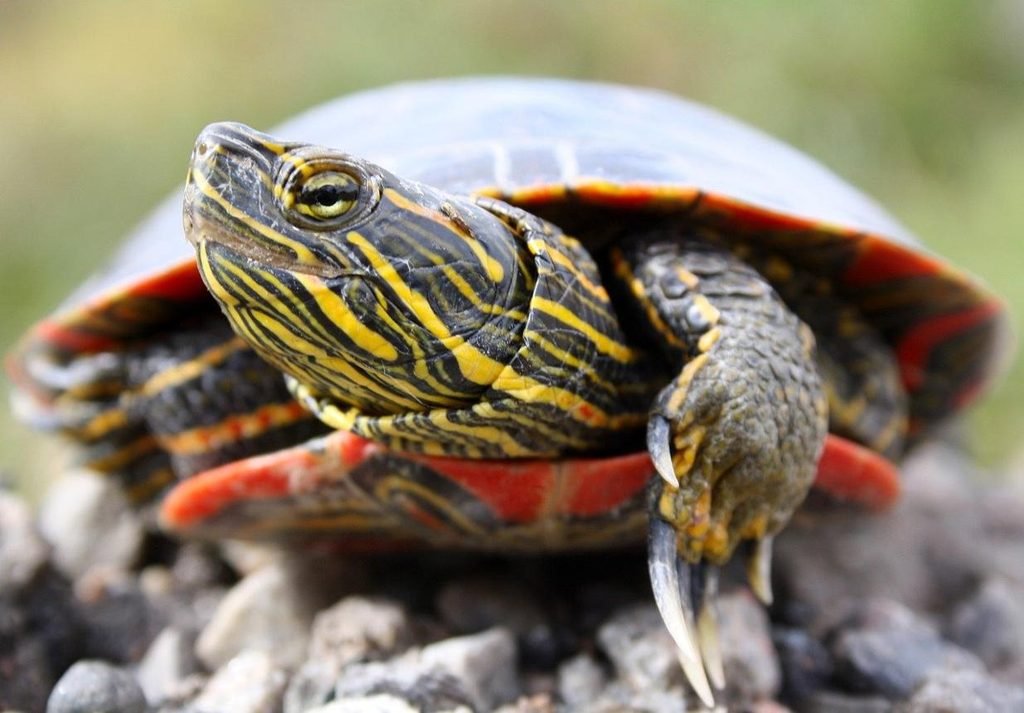
Painted turtle
Often shows red or yellow markings around the shell edges and colorful lines on the head and limbs.
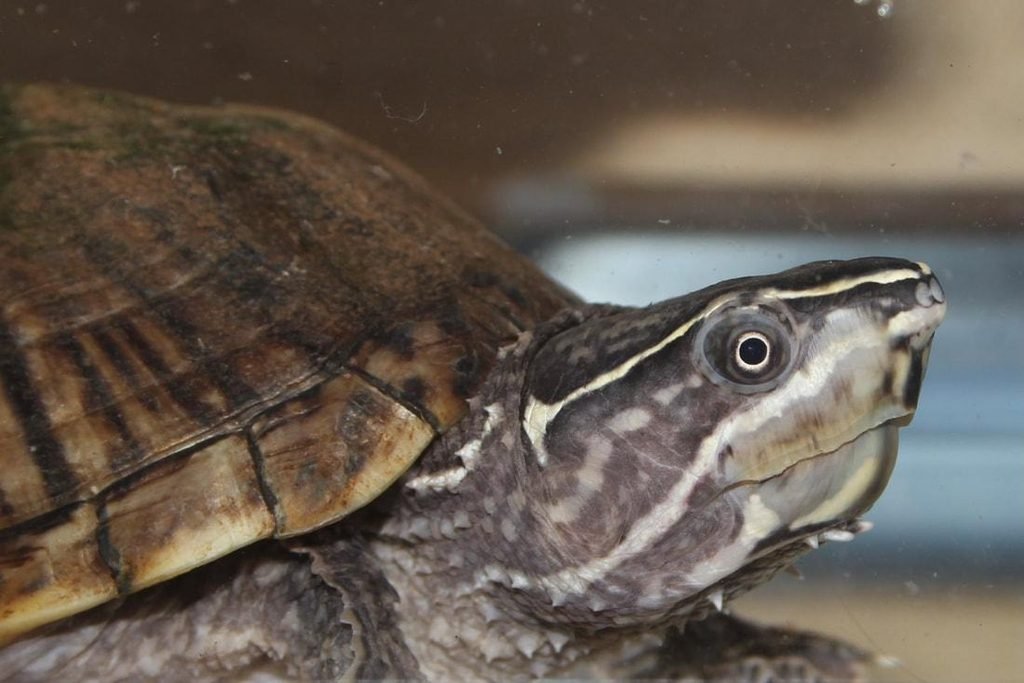
Common musk turtle
Usually has a relatively plain, domed shell and a compact body. It spends much of its time in water.
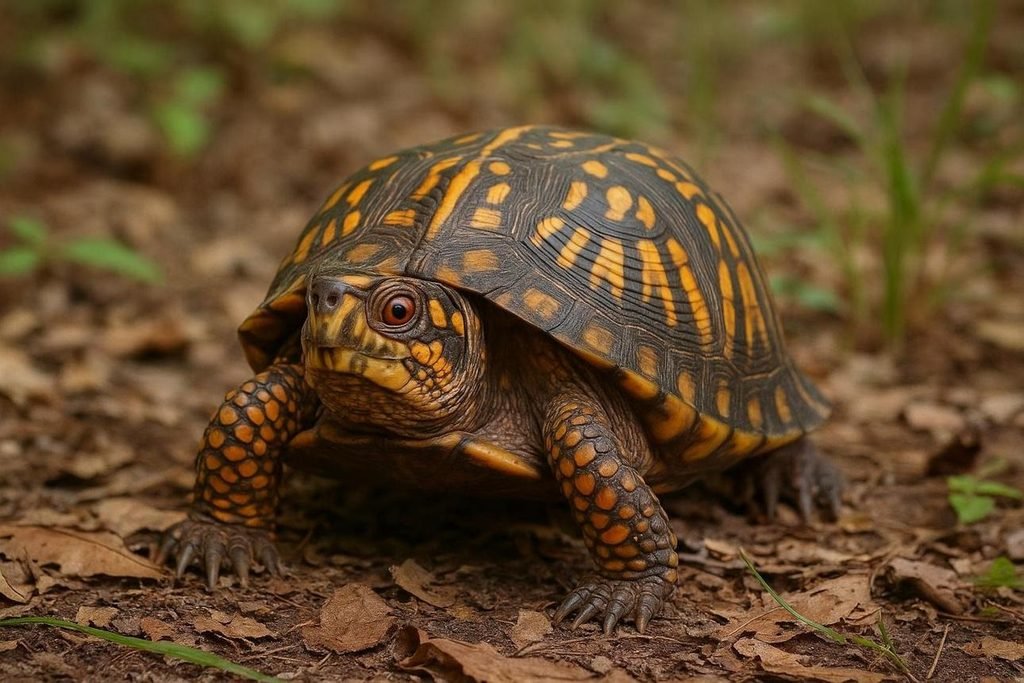
Eastern box turtle
Often displays a high-domed shell with yellow or orange patterns. It needs a land-based habitat.
Use these pictures as visual guides, not as proof of species identity. If you’re unsure which turtle you have, ask a reptile veterinarian or qualified identification expert.
Top 10 Best Pet Turtles
There is no universal ranking of the ten best pet turtles. The right choice depends on legal availability, space, experience, and the species’ welfare needs.
Rather than ranking ten species without accounting for those differences, consider these established groups and species as a starting point for research:
- Red-eared slider
- Painted turtle
- Common musk turtle
- Mud turtles
- Map turtles
- Eastern box turtle
- Three-toed box turtle
- Spotted turtle
- Reeves’s turtle
- Wood turtles
This list is not a recommendation to buy every species. Some turtles have specialized habitat needs, conservation concerns, or legal restrictions. Spotted turtles and wood turtles, in particular, require careful attention to conservation status and legal sourcing.
Research the exact species before deciding. A species that works well for an experienced keeper with a dedicated reptile room may not suit a beginner in a small apartment.
A better choice is one turtle whose needs you understand and can meet for its entire life.
Daily Care Routine: How to Get Started
A good turtle care routine keeps its habitat clean, its environment stable, and its diet appropriate. The exact schedule depends on the species, enclosure, filtration system, and the turtle’s age.
Step 1: Prepare the habitat
Set up the enclosure before bringing your turtle home. Provide enough space for natural movement, suitable water or land, secure hiding places, and a safe basking area where needed.
Install the correct heat and UVB equipment. Use reliable thermometers to check temperatures in the relevant parts of the enclosure.
Step 2: Check water and equipment
For aquatic turtles, check water quality and confirm that the filter works properly. Remove leftover food and visible waste before they affect the water.
Use a water test kit when appropriate. Follow species-specific guidance for water changes and filter maintenance.
Step 3: Feed a suitable diet
Feed a balanced, species-appropriate diet. Many freshwater turtles eat a mix of animal-based foods and plant matter, but the proportions vary with species and age.
Merck Veterinary Manual
+1
Avoid relying on one food, such as dried shrimp, as the entire diet. Ask your reptile veterinarian about suitable foods and any supplements your turtle may need.
Step 4: Observe behavior
Watch how your turtle moves, eats, swims, and uses its basking area. Familiar behavior helps you notice changes early.
Contact a veterinarian if your turtle develops unusual weakness, persistent appetite loss, breathing problems, eye swelling, or abnormal shell changes.
Step 5: Clean safely
Wash your hands after touching the turtle, its food, tank water, or habitat equipment. Keep turtle equipment away from food-preparation areas.
Turtles can carry Salmonella even when they look healthy. Never kiss a turtle or allow it to roam across kitchen counters.
CDC
+1
Cost Breakdown: How Much Does a Pet Turtle Cost?
The purchase price represents only one part of turtle ownership. Habitat equipment and long-term care often matter more than the initial cost of the animal.
Your budget will depend on the species, enclosure size, local prices, electricity costs, and access to veterinary care. These factors vary widely, so obtain local estimates before making a decision.
| Expense | What to Budget For |
| Turtle | Purchase or adoption fee |
| Enclosure | Suitable tank or land-based habitat |
| Filtration | Filter, replacement media, and maintenance supplies |
| Lighting | UVB bulb, fixture, and basking light where required |
| Heating | Suitable heater or other species-appropriate heat source |
| Food | Balanced pellets and other suitable foods |
| Water care | Testing supplies and cleaning equipment |
| Veterinary care | Initial examination, routine care, and unexpected illness |
| Electricity | Ongoing costs for lights, heaters, and filtration |
| Replacement equipment | Bulbs, filters, damaged fittings, and other supplies |
How can you save money responsibly?
- Choose a species whose adult size fits your budget and space.
- Buy appropriate equipment before acquiring the animal.
- Compare equipment quality, not just the purchase price.
- Set aside money for veterinary care.
- Avoid undersized tanks and cheap equipment that cannot meet the turtle’s needs.
Never cut costs by skipping UVB lighting when required, using unsuitable containers, or neglecting water quality.
Common Mistakes Pet Owners Make
Many turtle care problems start with misunderstandings about their needs. Avoid these common mistakes to protect your pet’s health.
Buying a turtle because it looks tiny. Hatchlings grow, and their adult size determines their long-term housing needs.
Using a small bowl. Aquatic turtles need suitable swimming space, clean water, and access to a dry basking area. A bowl rarely meets these needs.
Ignoring UVB lighting. Many pet turtles need appropriate UVB exposure to support healthy calcium use and shell development.
Feeding only one food. Diets that lack the nutrients a species needs can lead to health problems.
Handling the turtle too often. Frequent handling may cause stress or defensive behavior. Support the animal carefully when handling becomes necessary.
Keeping two turtles together without planning. Turtles may compete for food, basking space, or territory. Some may injure one another.
Releasing an unwanted turtle outdoors. This can harm the turtle and local ecosystems. Seek help from a reptile rescue or qualified professional instead.
Skipping veterinary care. Reptiles may hide signs of illness. Establish a relationship with a veterinarian who treats turtles.
Pros and Cons of Keeping a Pet Turtle
Turtles can be rewarding pets for people who enjoy observing wildlife-like behavior. However, they have needs that many first-time owners underestimate.
| Pros | Cons |
| Fascinating swimming, feeding, and basking behavior | Specialized equipment can cost a lot |
| No daily walks required | Aquatic enclosures need regular cleaning |
| Many species have distinctive colors and patterns | Handling often needs to stay limited |
| Feeding routines can be predictable | Lifespans may extend for decades |
| Some species remain relatively small | Small size does not mean simple care |
| Quiet compared with many household pets | Access to reptile veterinary care may be limited |
A turtle may suit someone who enjoys a steady care routine and long-term responsibility. It may not suit someone who wants a cuddly companion or cannot maintain a proper enclosure.
Similar Options and Alternatives
If you want a reptile but are unsure whether a turtle suits your home, compare its needs with other animals before deciding. Each alternative has different housing, nutrition, handling, and veterinary requirements.
| Option | Best For |
| Leopard gecko | Keepers interested in a land-dwelling reptile with a carefully controlled enclosure |
| Bearded dragon | People who want an active lizard and can provide substantial space, lighting, and heat |
| Crested gecko | Keepers interested in an arboreal gecko and suitable humidity management |
| Guinea pig | People who want a small mammal with more opportunities for gentle interaction |
| Aquarium fish | People who enjoy observing aquatic animals without handling a reptile |
| Pet rat | Owners who want an intelligent small mammal and can provide social interaction |
These animals are not automatically easier or cheaper than turtles. Research their full care requirements, lifespan, social needs, and veterinary costs before choosing one.
When to Consult a Vet or Professional
A veterinarian experienced with reptiles can help you select a suitable species, check its health, and build an appropriate care plan. Seek professional advice early rather than waiting for an obvious emergency.
Arrange veterinary assessment if your turtle shows:
- Persistent loss of appetite or unusual weakness.
- Wheezing, open-mouth breathing, or discharge around the nose.
- Swollen or closed eyes.
- A soft, damaged, or unusually discolored shell.
- Trouble swimming, floating abnormally, or difficulty moving.
- Unusual swelling, wounds, or changes in droppings.
These signs do not confirm a specific illness. A qualified veterinarian must assess the turtle and recommend any treatment.
Consult an expert before making major changes to temperature, diet, supplements, or lighting if you suspect a health problem. Do not give human medicines or home remedies without veterinary guidance.
You should also seek expert help if you cannot identify the species, suspect illegal wildlife trade, or need to rehome a turtle. A reputable rescue or wildlife authority can help you find a lawful and safe solution.
Fun Facts About Pet Turtles
- Turtles are reptiles. They rely on environmental heat to regulate their body temperature.
- Shells form part of the body. A turtle’s shell connects to its skeleton; it is not a removable home.
- Not all turtles swim equally well. Aquatic species generally have different body shapes and movement patterns from terrestrial turtles.
- Many turtles bask. Depending on the species, basking helps with thermoregulation and other normal body functions.
- Diet changes with age in some species. Many freshwater turtles eat more animal matter when young and more plant matter as they mature.
Merck Veterinary Manual
+1 - Turtles can live a long time. Some species require decades of care, making advance planning essential.
- A clean-looking turtle can still carry germs. Salmonella may spread through the animal, its droppings, tank water, and habitat equipment.
CDC
+1
Frequently Asked Questions
What is the best turtle to own as a pet?
The best turtle depends on your experience, available space, and ability to meet its needs. A common musk turtle may appeal to someone looking for a smaller aquatic species, while a painted turtle may suit someone who enjoys watching an active swimmer. Neither is automatically easy to keep. Research adult size, diet, lighting, water requirements, and local ownership rules before choosing. If this is your first reptile, consult a reptile veterinarian or experienced, responsible keeper before buying. Choose the animal whose long-term needs you can meet, not simply the one that looks cutest.
What’s the friendliest turtle?
Turtles generally do not show friendliness in the same way dogs or cats do. Some individuals may become comfortable with familiar feeding routines and the presence of their keeper, but that does not mean they enjoy being touched. Temperament varies by species and individual. A frightened turtle may withdraw, scratch, or bite when someone tries to pick it up. If you want a turtle, focus on observing its natural behavior and handling it only when necessary. Provide hiding places and avoid forcing interactions. A calm environment supports better welfare than frequent attempts to make a turtle affectionate.
Should I get 1 or 2 turtles?
For most new keepers, starting with one turtle is the simpler choice. Many turtles do not need a companion, and keeping two together can introduce competition for food, basking space, and hiding places. Some individuals may become aggressive, even if they appeared peaceful when young. Two turtles may also require separate enclosures if conflict develops. Before considering multiple animals, research the exact species and its social behavior. Never assume that a larger tank alone will prevent every problem. A single turtle with suitable space, nutrition, and environmental care can thrive without a tank mate.
What type of turtle likes to be held?
No turtle should be chosen primarily because you want to hold it frequently. Turtles are generally better suited to observation than cuddling, and handling can cause stress. Some individuals tolerate necessary handling better than others, but tolerance does not prove enjoyment. If you must pick up a turtle, support its body securely, avoid dropping it, and keep your hands away from its mouth. Wash your hands afterward because turtles can carry Salmonella. If close physical interaction is important to you, consider a suitable alternative pet after researching its own welfare and handling needs.
Can I leave my turtle for 3 days?
Whether a turtle can safely go three days without direct attention depends on its species, age, health, equipment, and environment. A stable, well-maintained enclosure does not eliminate risks such as a failed heater, faulty filter, or water-quality problem. Young, sick, or recovering turtles may need closer monitoring. Before travelling, confirm that the temperature-control equipment works, the habitat is clean, and the turtle has appropriate food and water arrangements. For a three-day absence, arranging a knowledgeable person to check the animal is a sensible precaution. Ask your veterinarian for advice if your turtle has special care needs.
Can turtles recognize their owners?
Turtles can learn associations between familiar people, feeding routines, and certain cues. Some may approach the enclosure when their keeper arrives or behave differently around a familiar person. However, these behaviors do not necessarily mean a turtle feels affection in the human sense. Individual responses vary, and a turtle may approach because it expects food rather than because it wants interaction. You can build familiarity through calm, consistent care and predictable routines. Avoid tapping the glass, chasing the animal, or handling it repeatedly to test recognition. Let the turtle choose whether to approach or retreat.
Final Thoughts
Choosing a turtle starts with understanding the animal, not just admiring its shell. Red-eared sliders, painted turtles, musk turtles, and box turtles have different habitat requirements, adult sizes, and care routines. The right choice depends on what you can provide throughout the animal’s life.
Before bringing a turtle home, research its exact species, prepare the enclosure, check local wildlife laws, and locate a veterinarian who treats reptiles. Budget for appropriate lighting, heating, food, filtration where needed, and unexpected medical expenses.
Remember that turtles are usually observation pets rather than cuddly companions. They need clean surroundings, suitable temperatures, proper nutrition, and a calm environment. Small turtles still require serious care, and their needs do not disappear because they fit in your hand.
If you are ready for a long-term commitment, take your time comparing species and learning their needs. If you cannot yet provide the right habitat, waiting is the responsible choice. A well-informed decision gives you and your future pet a much better start.

Sophia Bennett is an animal care contributor at PetJournalHub. She writes educational articles about companion animals, pet wellness, training, and daily care. She believes that trustworthy information helps every pet owner build a healthier and happier life for their pets.