
Rare pets are uncommon companion animals that stand out because of their appearance, behavior, or special care needs. Examples include axolotls, sugar gliders, hedgehogs, and unusual small mammals. However, rarity does not make an animal suitable for every home. Before choosing one, research its diet, housing, lifespan, veterinary needs, and local ownership laws.
Key Takeaways
- Uncommon companion animals can offer fascinating experiences, but many need specialized care.
- Axolotls, hedgehogs, sugar gliders, and chinchillas have very different needs.
- Some unusual animals dislike handling, while others need extensive social interaction.
- Check local laws, wildlife protections, and housing rules before acquiring an animal.
- Find a qualified exotic-animal veterinarian before bringing your pet home.
- Budget for habitat equipment, proper food, routine veterinary visits, and emergencies.
Introduction
Dogs and cats make wonderful companions, but they aren’t the only animals people consider when choosing a pet. Some people love the quiet beauty of an aquarium, while others enjoy watching a small mammal explore its habitat or observing a reptile bask under carefully controlled lighting.
Interest in unusual animals often begins with a photo or video. An axolotl’s feathery gills, a hedgehog’s tiny face, or a sugar glider’s gliding movements can spark curiosity. Yet the reality of keeping an uncommon animal involves much more than its appearance.
Choosing among rare pets requires careful research. Some animals need precise temperature and humidity levels. Others need companionship from their own species, large enclosures, specialized diets, or access to veterinarians with advanced training. A pet that looks easy to care for online may demand more time and money than expected.
Legal ownership also matters. Rules can differ by country, state, province, and city. Some species require permits, while others face restrictions because of wildlife conservation, disease risks, or public safety.
This guide explains which unusual companion animals may suit different households, how to prepare for their needs, and which popular online searches refer to games rather than real animals. You’ll also learn how to assess costs, avoid common mistakes, and make a responsible choice that supports animal welfare.
What Are Rare Pets?
Rare pets are animals that people keep as companions but encounter less often than familiar household pets. The word rare has no single legal or scientific meaning in pet ownership. It may describe an unusual species, a less common variety, or an animal that few people in a particular area keep.
For example, an axolotl is an aquatic amphibian, while a chinchilla is a small mammal with dense fur. Both may attract people seeking something different from a dog or cat, but their housing, feeding, and handling needs differ greatly.
It helps to distinguish three categories:
- Uncommon companion animals: Species such as chinchillas, degus, and certain small mammals that people keep in suitable domestic settings.
- Exotic pets: A broad term for nontraditional companion animals, including certain reptiles, birds, amphibians, and mammals.
- Wild animals: Species that retain wild behavioral and environmental needs. These animals generally do not make appropriate household companions.
Not every unusual animal belongs in a home. The American Society for the Prevention of Cruelty to Animals (ASPCA) opposes keeping wild animals as pets because their welfare and safety needs can be difficult to meet.
ASPCA
+1
Quick Facts Box
| Fact | Details |
| Topic | Uncommon companion animals |
| Examples | Axolotls, chinchillas, hedgehogs, sugar gliders |
| Main care factors | Diet, housing, temperature, enrichment, veterinary access |
| Typical lifespan | Varies widely by species |
| Legal status | Depends on species and location |
| Best first step | Research the species and locate an experienced veterinarian |
| Main risk | Underestimating specialized care requirements |
Where Do Unusual Companion Animals Come From?
Uncommon pets come from different backgrounds. Some species have a long history of captive breeding, while others come from wildlife populations or specialized breeding programs.
Chinchillas, for example, originated in the Andes of South America. Axolotls come from the lake system around Mexico City. Sugar gliders are native to Australia and nearby regions. Their natural environments help explain why their care requirements differ.
A species’ origin does not automatically determine whether it makes a suitable pet. Captive-bred animals may still have demanding needs, and wild-caught animals can raise serious welfare and conservation concerns.
Before buying an animal, ask about its origin, breeding history, and documentation. Choose a reputable source that can explain the animal’s diet, age, health history, and care needs. Never capture wildlife simply because it looks unusual or appears abandoned.
History and Evolution of Uncommon Pet Keeping
People have kept birds, fish, small mammals, and reptiles for generations. Over time, captive breeding and improved husbandry knowledge have made some nontraditional species more accessible to responsible owners.
Online communities have also made unusual animals easier to discover. Photos and videos can introduce viewers to species they might never encounter locally. However, an entertaining clip rarely shows the full daily routine, habitat expense, veterinary care, or long-term commitment.
Veterinary knowledge continues to develop, but care guidance varies by species. The Merck Veterinary Manual explains that many nontraditional pets have specific housing, nutrition, social, and veterinary needs.
Merck Veterinary Manual
+1
The best approach combines curiosity with reliable research. Learn about an animal’s natural behavior before deciding whether your home can support it.
Key Characteristics and Care Needs
Different species have different personalities, physical needs, and levels of interaction. Understanding those differences matters more than choosing the animal with the most unusual appearance.
Axolotls
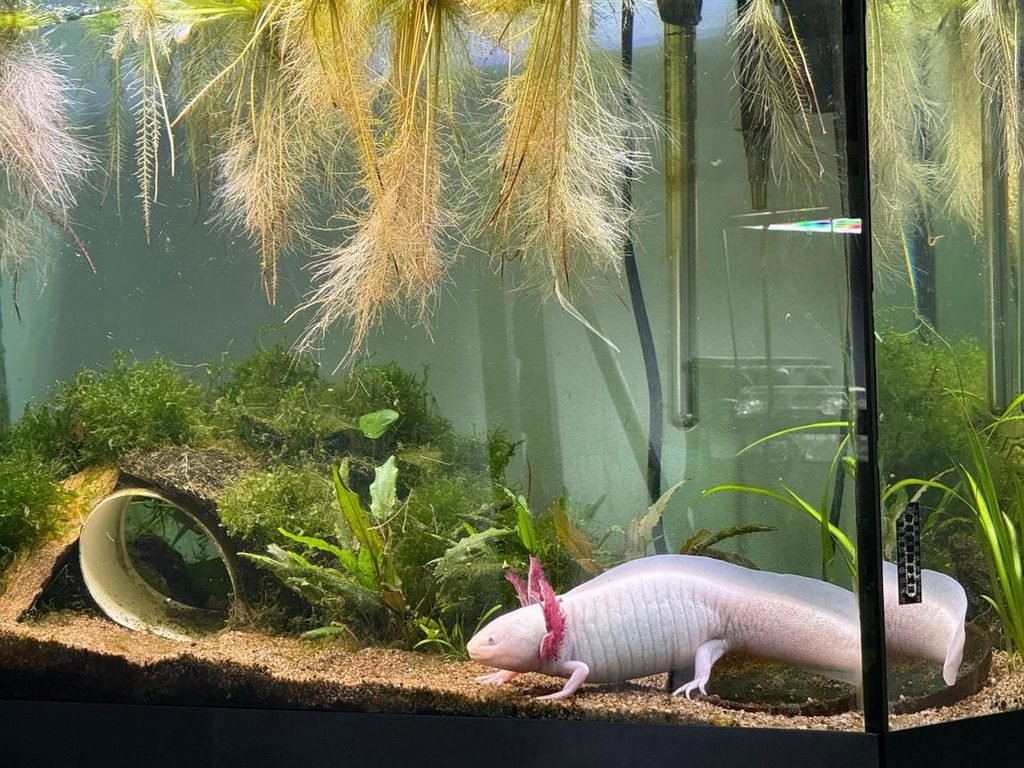
Axolotls are aquatic amphibians known for their external gills and distinctive faces. They need a carefully managed aquarium, clean water, suitable filtration, and stable species-appropriate conditions.
They are observation pets rather than cuddly companions. Frequent handling can stress or injure them, so an aquarium owner should focus on water quality and habitat management.
Chinchillas

Chinchillas have exceptionally dense fur and an active, curious nature. They need room to move, safe items to chew, suitable food, and opportunities for exercise.
Their delicate bodies and sensitivity to heat make proper handling and temperature control important. They generally suit people who enjoy observing and gently interacting with animals rather than carrying them constantly.
Hedgehogs

Hedgehogs are small, spiny mammals that often remain active at night. They need secure housing, appropriate nutrition, enrichment, and careful handling that respects their natural behavior.
Some become comfortable with familiar people, but others remain shy. Check local laws and veterinary access before considering one.
Sugar Gliders
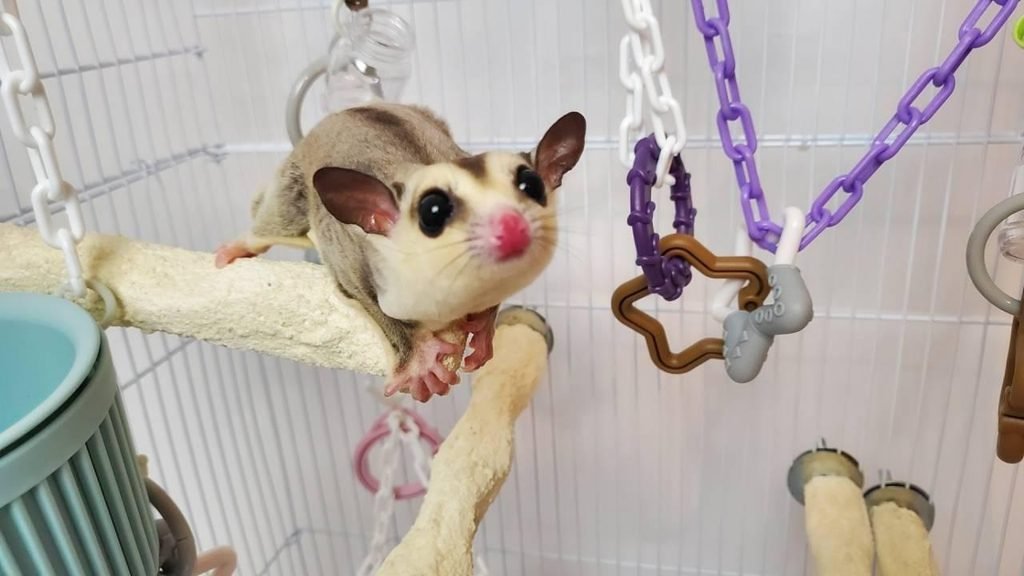
Sugar gliders are small, nocturnal marsupials with strong social needs. They climb, glide, and explore, so they require a tall, secure enclosure and a carefully planned diet.
They are not simply pocket-sized pets. Their social behavior and nighttime activity can demand considerable time and planning.
Leopard Geckos
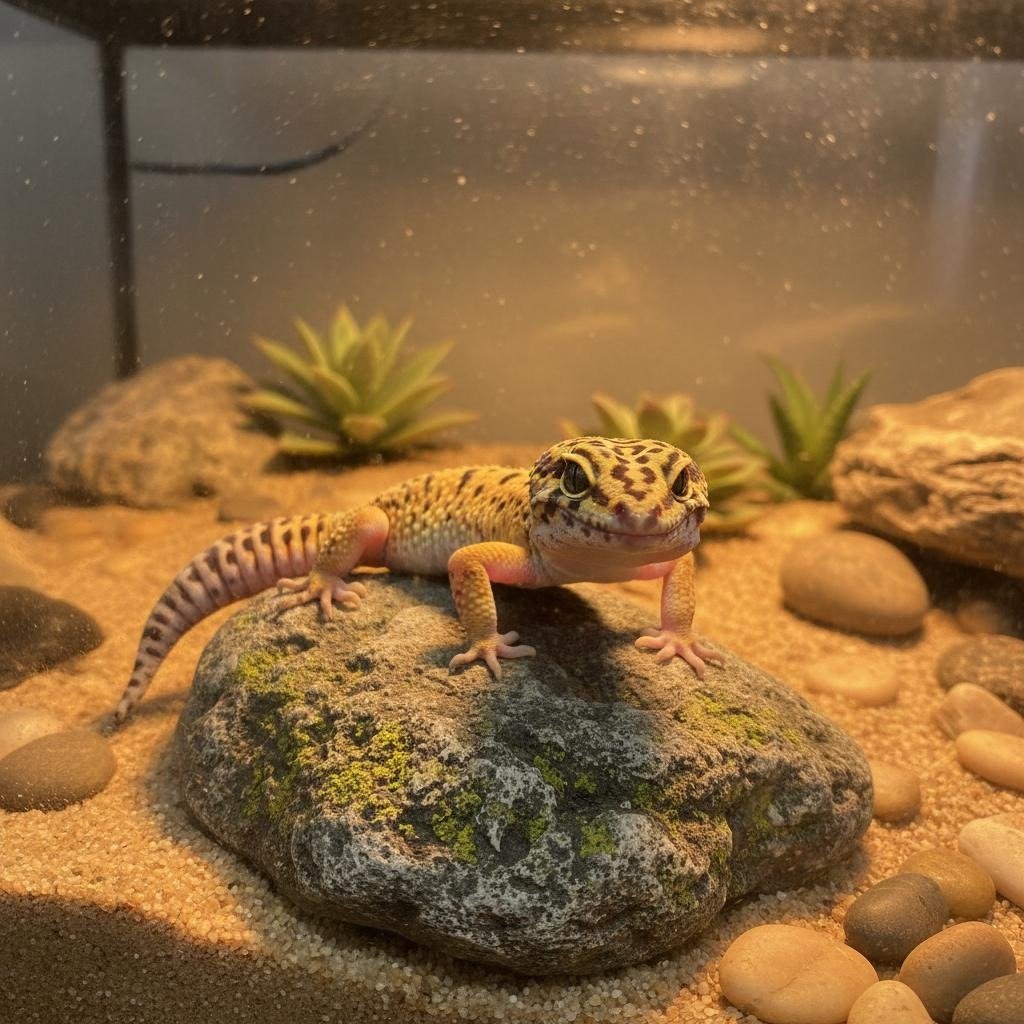
Leopard geckos may suit experienced beginners who can provide the right habitat. They need controlled temperatures, suitable hiding places, correct nutrition, and careful attention to lighting and supplementation.
They generally do not need the same kind of social interaction as a highly social mammal. Still, their specialized environmental needs require research and preparation.
Quick Comparison Snapshot
| Option | Best For | Key Difference |
| Axolotl | People who enjoy aquariums | Aquatic amphibian with sensitive water needs |
| Chinchilla | Owners who enjoy active small mammals | Dense fur and sensitivity to heat |
| Hedgehog | People comfortable with nighttime activity | Spiny body and often solitary behavior |
| Leopard gecko | Owners who prefer observing reptiles | Requires controlled habitat conditions |
These are starting points, not universal recommendations. Suitability depends on the animal’s source, your experience, local laws, and the care you can provide.
Rare Pets List
A useful list should compare care needs rather than rank animals by appearance alone. The following species illustrate different kinds of commitment.
- Axolotl: Best for someone prepared to manage an aquatic habitat.
- Chinchilla: Needs exercise, appropriate food, and protection from excessive heat.
- Hedgehog: Often active at night and may dislike frequent handling.
- Sugar glider: Needs social enrichment, climbing space, and careful dietary planning.
- Leopard gecko: Requires a suitable terrarium and controlled environmental conditions.
- Degu: A social rodent that needs enrichment and careful consideration of compatible companionship.
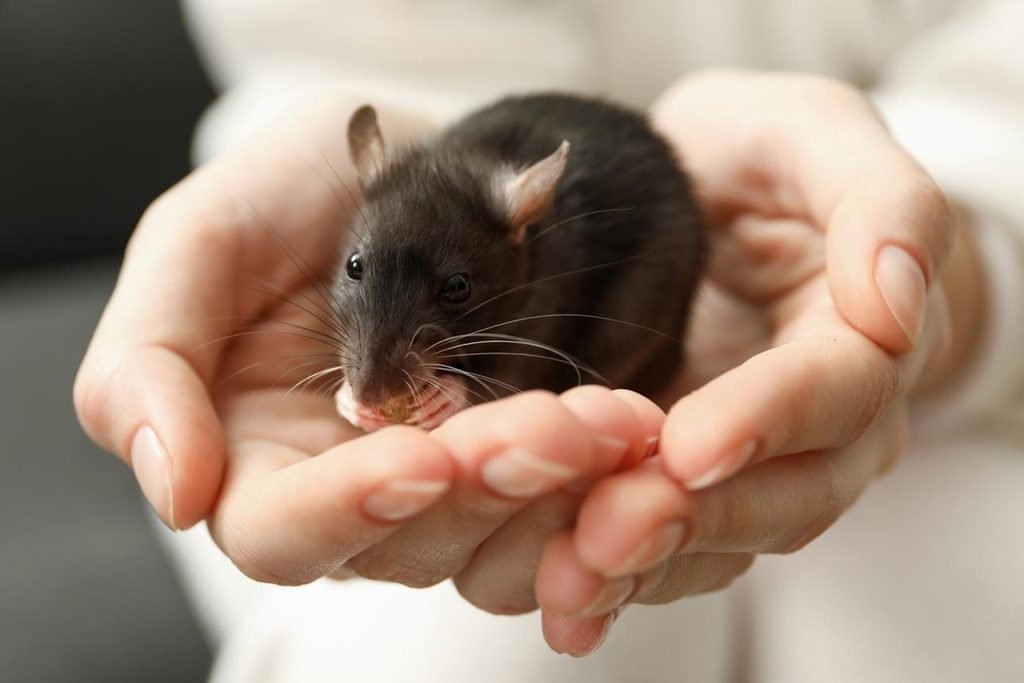
- Fancy rat: Often enjoys human interaction and enrichment, although it still needs suitable housing and social planning.
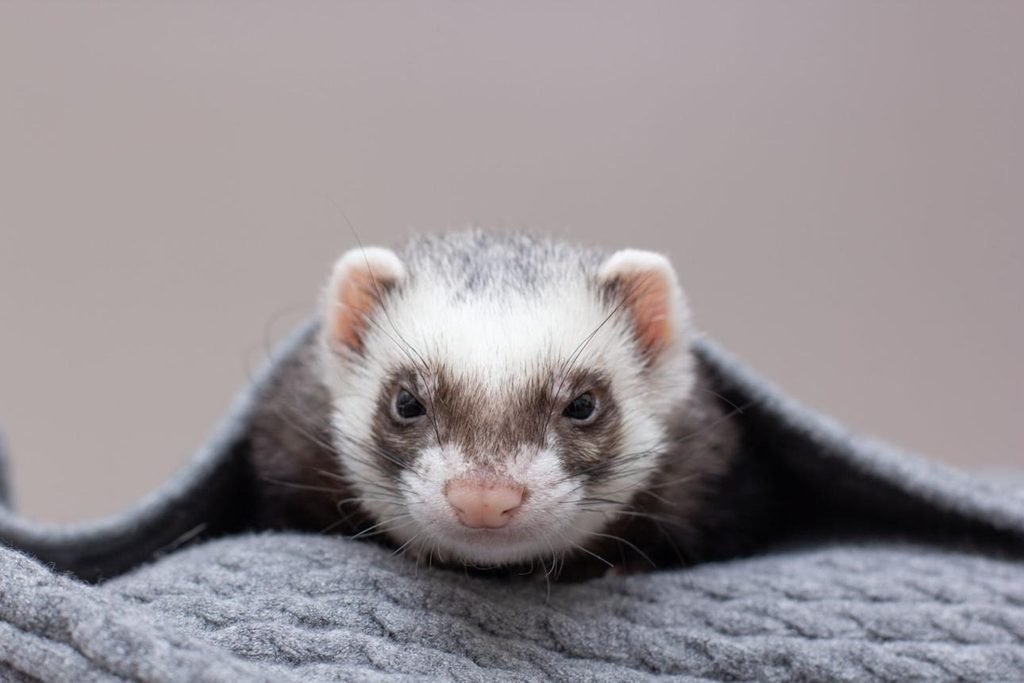
- Ferret: Playful and curious, but requires substantial supervision, enrichment, and access to appropriate veterinary care.
These animals are not interchangeable. A rat’s social behavior differs from a hedgehog’s, while an axolotl has entirely different needs from both. Research each species individually before making a decision.
Rare Pets Adopt Me
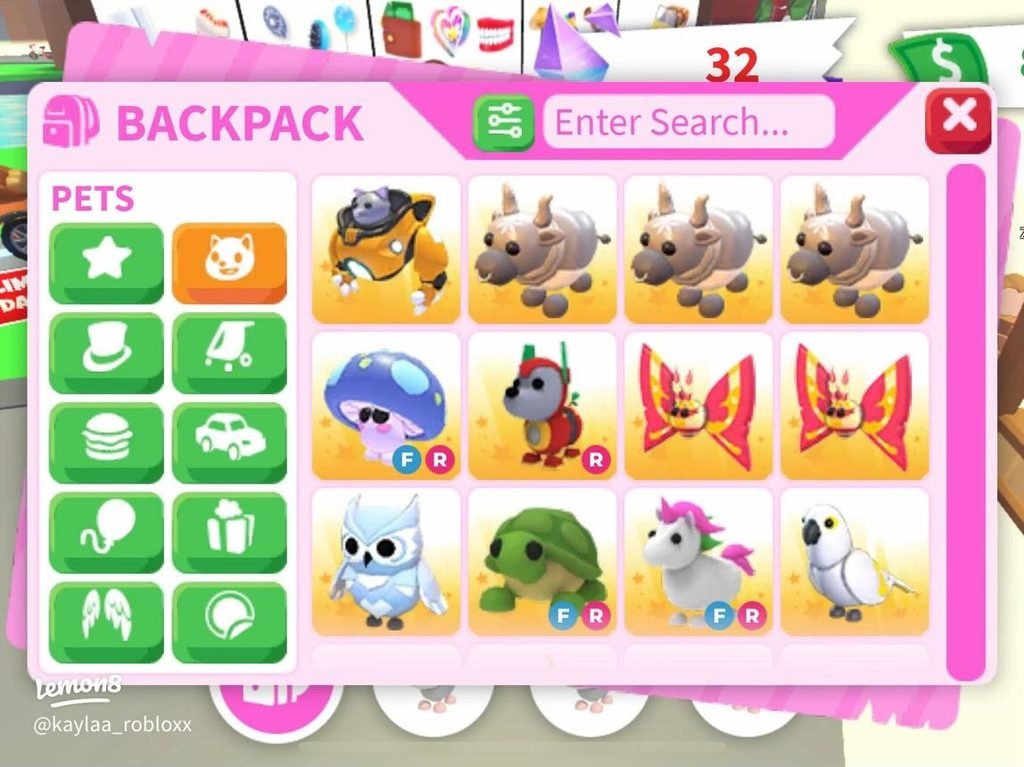
Adopt Me! is a Roblox game in which players collect, raise, trade, and care for virtual pets. In this context, rarity describes a game’s pet classification rather than an animal’s real-world conservation status or suitability as a companion.
Players may search for rare, ultra-rare, and legendary pets to complete collections or trade with others. The game uses its own rarity system, so those labels do not translate directly into real animal categories.
If you’re researching this keyword for a child, keep the distinction clear. A virtual pet does not need food, veterinary care, or a physical habitat. A real animal does. Game rarity also does not establish an animal’s market value outside the game.
Unusual Pets That Are Legal to Own
No single list can establish which unusual animals everyone may legally own. Laws depend on your location, the exact species, how the animal was obtained, and whether permits or other documents apply.
Before bringing an animal home, take these steps:
- Identify the species by its correct scientific name, not just a seller’s common name.
- Check national and local wildlife laws, import rules, and permit requirements.
- Ask your landlord or housing association about animal restrictions.
- Confirm that a qualified veterinarian can treat that species.
- Request reliable records of the animal’s origin and health history.
- Check whether the animal’s care needs fit your available space and schedule.
If you’re in the United States, consult the relevant state wildlife agency and local authorities. If you’re in Pakistan, check the applicable provincial wildlife department and import rules before acquiring an unusual species.
Legal ownership does not automatically mean responsible ownership. Some animals can legally enter private homes but still have needs that most households cannot meet. Avoid protected wildlife, dangerous species, and animals sold without trustworthy origin records.
For guidance on animal welfare, consult the ASPCA’s position on exotic animals as pets.
ASPCA
+1
Rare Pets Game

pico-pets-virtual-monster-battle-collection-game.en.softonic.com
Some searches for unusual pets refer to virtual pet games rather than animal ownership. These games may use rarity levels, collectible creatures, trading systems, or special event rewards.
That creates a different search intent from someone looking for a real companion animal. Game players want information about collections, availability, and game mechanics. Prospective owners need guidance on animal welfare, habitat setup, and legal requirements.
When researching a particular game, confirm its exact title and platform. Avoid relying on real-world animal-care articles to answer questions about digital collectibles. Likewise, don’t use a game’s rarity label as evidence that a real species is endangered or difficult to care for.
Keep these two interests separate when planning an article, buying supplies, or deciding whether to adopt an animal.
Rare Pets WoW

World of Warcraft (WoW) is a fantasy online game with collectible companions and hunter pets. Players interested in rare in-game creatures may search for their locations, appearances, taming requirements, or availability.
These virtual creatures belong to a game system. Their rarity and abilities do not reflect real-world animal behavior or conservation status.
If you’re searching for WoW hunter pets, use resources specific to the game’s current version. Game updates can change availability, abilities, and collection mechanics. For real pet ownership, use veterinary and animal-welfare resources instead.
Keeping this distinction clear helps readers find the right answer without confusing game achievements with responsible animal care.
Rare Exotic Pets
Some uncommon companion animals appeal to experienced keepers because their behavior, appearance, or habitat needs differ from those of dogs and cats. However, the label exotic covers a broad range of species.
Consider these examples carefully:
- Degus: Social rodents that need enrichment, space, and suitable companionship.
- Tarantulas: Invertebrates best suited to keepers who understand species-specific enclosure and handling risks.
- Certain captive-bred reptiles: May suit prepared owners who can maintain suitable heat, humidity, lighting, and diet.
- Specialist pet birds: Can have complex social, behavioral, and environmental needs that demand daily attention.
- Aquatic invertebrates: Some shrimp and snails offer an unusual aquarium experience without mammalian handling needs.
An unusual species is not automatically a better choice than a familiar one. Consider its welfare, lifespan, natural behavior, and veterinary requirements before deciding.
Avoid purchasing primates, big cats, venomous animals, or other dangerous wildlife as household pets. Such animals can present serious safety and welfare problems. The ASPCA advises against keeping wild animals as pets.
ASPCA
+1
Best Exotic Pets That Cuddle
People who want a pet they can hold should focus on temperament and comfort with handling, not rarity. Even within one species, individual animals differ in how much physical contact they enjoy.
Here are some options to research:
- Fancy rats: Many enjoy positive human interaction and can learn to approach familiar people. They need appropriate housing, enrichment, and social planning.
- Guinea pigs: Many become comfortable with gentle handling, although some prefer staying on the ground or in a secure hiding place.
- Ferrets: Curious and playful, they may enjoy interacting with people. Their activity and supervision needs make them a poor fit for some households.
- Chinchillas: Some become comfortable around their owners, but many dislike being restrained or cuddled.
A calm animal is not necessarily an animal that wants to be held. Freezing, struggling, hiding, biting, or trying to escape may signal fear or discomfort.
Let the animal approach voluntarily, support its body correctly, and keep interactions short at first. Children should always have adult supervision. Never squeeze, chase, or force an animal to tolerate contact.
If cuddling is your main priority, a well-matched, social domesticated animal may offer a better experience than an exotic species.
100 Exotic Animals
The phrase “100 exotic animals” often suggests a broad catalogue rather than a practical pet-care question. A list of 100 species would not tell you which animals suit your home, and it could encourage impulse purchases without explaining their needs.
Instead, organize research into meaningful groups. Examples include:
| Group | Examples | Main Consideration |
| Small mammals | Chinchillas, degus, fancy rats | Social needs, space, diet |
| Reptiles | Leopard geckos, bearded dragons, certain snakes | Heat, lighting, enclosure design |
| Amphibians | Axolotls, selected captive-bred frogs | Water or humidity requirements |
| Birds | Budgerigars, cockatiels, specialist parrot species | Social contact, flight, enrichment |
| Invertebrates | Certain tarantulas, stick insects, aquarium shrimp | Species-specific habitat and handling |
| Aquatic animals | Selected ornamental fish and invertebrates | Water quality and tank management |
These examples are not a blanket recommendation to acquire every species. Some animals may require permits, specialist facilities, or care beyond what a household can reasonably provide.
Before adding any animal to a shortlist, verify its scientific identity, conservation status, legal restrictions, source, adult size, expected lifespan, and veterinary needs. A responsible shortlist should eliminate unsuitable species before comparing appearance or price.
Daily Care Routine: How to Get Started
Good care begins before you bring an animal home. Set up its habitat, learn its normal behavior, and establish a reliable feeding and cleaning routine.
Step 1: Research the species
Read species-specific care guidance from qualified veterinarians and reputable welfare organizations. Learn about diet, activity patterns, social behavior, temperature, humidity, and space.
Avoid relying on short videos or seller advice alone. Ask a veterinarian to review any unclear or conflicting care recommendations.
Step 2: Prepare the habitat
Choose a secure enclosure that meets the animal’s adult needs. Add suitable hiding places, climbing structures, bedding, lighting, or water equipment as required by the species.
Test heating, filtration, humidity, and other equipment before the animal arrives. Never assume that a small enclosure will remain adequate as the animal grows.
Step 3: Arrange suitable food and water
Buy a species-appropriate diet from a reliable source. Some animals need fresh plant foods, some need insects, and others require carefully balanced prepared diets.
Do not improvise a diet from general pet food. Ask an experienced veterinarian about nutritional requirements, supplements, and safe food choices.
Step 4: Plan daily observation
Watch how your pet moves, eats, drinks, rests, and responds to its environment. Remove waste and spoiled food, clean equipment as needed, and maintain the correct habitat conditions.
Learn what normal behavior looks like for that species. This makes it easier to notice changes early.
Step 5: Provide suitable enrichment
Offer safe opportunities for exploration, climbing, digging, hiding, foraging, or other natural behaviors. Social species may need compatible companions, while other animals require separate housing.
Never introduce unfamiliar animals without researching their compatibility and housing requirements.
Step 6: Schedule veterinary care
Find a veterinarian with experience treating the species before you need emergency help. Ask about wellness exams, preventive care, quarantine for new animals, and emergency arrangements.
Keep purchase or adoption records and save the details of your pet’s diet, habitat conditions, and health history.
Cost Breakdown: What Should You Budget For?
The total cost of an unusual companion animal extends far beyond its purchase or adoption fee. Housing, food, electricity, replacement equipment, and veterinary care may account for a large part of your long-term spending.
Prices vary by country, species, seller, and local veterinary services. Rather than relying on a single online price, build a budget around these categories.
| Expense | What to Include |
| Initial acquisition | Adoption fee or purchase price, plus required paperwork |
| Habitat | Enclosure, tank, bedding, hides, branches, or substrate |
| Equipment | Heating, lighting, filtration, thermometers, and humidity controls |
| Food | Species-appropriate staple foods and any necessary supplements |
| Routine veterinary care | Wellness visits, examinations, and preventive care as advised |
| Emergency fund | Unexpected illness, injury, diagnostic tests, or urgent treatment |
| Replacement supplies | Bulbs, filters, bedding, cleaning products, and worn equipment |
How to estimate your actual costs
Ask a local veterinarian for typical examination fees and emergency-care costs. Get quotes for habitat equipment and calculate recurring expenses using realistic feeding quantities.
Remember that some animals need specialized equipment that consumes electricity every day. Others need fresh foods or live insects, which can add ongoing work and expense.
Consider the cost of suitable care over the animal’s entire expected lifespan. A cheap purchase can become an expensive responsibility if the enclosure, diet, or veterinary care proves difficult to maintain.
My advice: Don’t acquire an animal until you can afford both its normal care and an unexpected veterinary bill. If its needs exceed your budget, choose a more suitable companion.
Common Mistakes Pet Owners Make
Many problems begin when someone chooses an animal before understanding its needs. Avoid these mistakes to protect both your pet and your household.
Buying based on appearance
An animal’s looks reveal little about its temperament, adult size, or care requirements. Research its behavior and welfare needs before making a decision.
Trusting social media as a care guide
Short videos may show an animal cuddling, eating, or performing a trick. They rarely explain the full habitat setup or the work required behind the scenes.
Use qualified veterinary sources for care decisions.
Underestimating habitat requirements
A small animal does not always need a small enclosure. Climbers, burrowers, and active mammals may need more room and enrichment than a starter kit provides.
Choosing an unsuitable diet
Different species have different nutritional needs. Feeding a convenient substitute can cause problems when it lacks essential nutrients or contains unsuitable ingredients.
Ignoring social behavior
Some animals need companionship from their own species. Others may fight when housed together. Research species-specific social needs rather than assuming every pet needs a partner.
Skipping legal checks
A seller’s willingness to sell an animal does not prove that ownership is lawful. Check applicable laws and paperwork independently.
Waiting until an emergency to find a vet
Not every veterinary clinic treats every species. Confirm access to qualified care before bringing the animal home.
Pros and Cons of Keeping an Uncommon Companion Animal
Choosing an unusual companion can be rewarding, but it comes with trade-offs.
| Pros | Cons |
| Offers a chance to learn about different species | Requires more research before acquisition |
| Some species suit observation-focused households | Some dislike handling or frequent interaction |
| Can encourage curiosity about animal behavior | Specialized equipment may increase costs |
| May fit a specific lifestyle when carefully chosen | Qualified veterinary care may be difficult to find |
| Provides opportunities for habitat design and enrichment | Legal and sourcing rules can be complex |
The right choice depends on your household, experience, budget, and willingness to meet the animal’s needs. A pet that suits one experienced keeper may be a poor fit for a beginner.
Similar Options and Alternatives
If you like the idea of an unusual animal but want to reduce the complexity of your decision, consider these alternatives. They offer different experiences without assuming that every species suits every household.
| Option | Best For |
| Fancy rats | People who want an interactive small mammal and can provide suitable social housing |
| Guinea pigs | Owners interested in gentle observation and interaction with a domesticated herbivore |
| Budgerigars | People prepared for bird-safe housing, daily enrichment, and social interaction |
| Leopard geckos | Keepers who enjoy observing reptiles and can maintain a suitable terrarium |
| Aquarium shrimp | People interested in small aquatic invertebrates and careful water management |
| Domestic rabbits | Households able to provide appropriate space, enrichment, diet, and veterinary care |
These alternatives are not automatically easier or cheaper. Rabbits, birds, and small mammals all have specific needs that prospective owners should understand.
Before deciding, compare daily care time, noise, cleaning, expected lifespan, handling preferences, and access to veterinary services. The best match is the animal whose needs you can meet consistently.
When to Consult a Vet or Professional
Consult a qualified veterinarian before acquiring a species with specialized nutritional, environmental, or medical needs. A veterinarian experienced with exotic companion animals can help you assess habitat setup, diet, preventive care, and likely health risks.
Seek prompt veterinary advice if your pet shows unusual behavior or a significant change in its normal routine.
Watch for warning signs such as:
- Refusing food or a major change in appetite.
- Labored breathing, collapse, or unusual weakness.
- Sudden changes in movement or balance.
- Repeated vomiting or diarrhea, where relevant to the species.
- Wounds, bleeding, swelling, or signs of pain.
- Unusual inactivity or prolonged hiding beyond the animal’s normal pattern.
Breathing difficulty, collapse, uncontrolled bleeding, and other severe symptoms warrant emergency veterinary attention. Don’t wait for a routine appointment when an animal appears critically ill.
Avoid home remedies, unverified supplements, and medication intended for another species. Small animals can deteriorate quickly, and treatment depends on the cause of the problem.
For reptiles, habitat conditions are especially important. The Merck Veterinary Manual explains that enclosure design, temperature, humidity, lighting, and diet all affect reptile care.
Merck Veterinary Manual
+1
Fun Facts About Uncommon Companion Animals
Here are several facts that help explain why these animals need different care approaches.
- Axolotls are amphibians. Their external gills give them a distinctive appearance, and their aquatic lifestyle makes water management essential.
- Chinchillas have dense fur. Their coats and sensitivity to heat make a suitable environment especially important.
- Sugar gliders are marsupials. They have a gliding membrane that helps them travel between trees in their natural environment.
- Hedgehogs have protective spines. Their body language and response to handling differ from those of many familiar companion mammals.
- Degus are social rodents. Their social needs make companionship and enrichment important parts of their care planning.
- Leopard geckos shed their skin. Like other reptiles, they need environmental conditions that support normal body functions and healthy shedding.
- Pet birds need mental stimulation. Foraging opportunities, suitable social contact, and a good environment support their welfare.
Merck Veterinary Manual
+2
These facts offer a starting point for learning about different species. They should not replace a detailed care plan for the particular animal you choose.
Frequently Asked Questions
What is the rarest pet to own?
There is no single animal that qualifies as the rarest pet everywhere. Rarity depends on the species, location, captive-breeding population, and legal restrictions. Some animals rarely appear in the companion-animal trade, while others remain available only through specialized breeders or licensed facilities. A low supply does not make an animal a responsible pet choice. Avoid buying threatened wildlife or animals with unclear origins simply because they seem difficult to find. If you’re interested in an uncommon species, prioritize conservation, lawful sourcing, and the animal’s ability to thrive in a suitable home.
What are 10 unique and unusual pets?
Ten animals people often research as unusual companions include axolotls, chinchillas, hedgehogs, sugar gliders, degus, leopard geckos, bearded dragons, fancy rats, ferrets, and certain captive-bred tarantulas. Each offers a different experience. Some are aquatic, some are active mammals, and others are reptiles or invertebrates. However, this is a list of animals to research, not a recommendation to acquire every species. Check ownership laws, housing requirements, diet, lifespan, and veterinary access first. Some may be unsuitable for beginners or restricted in your area.
What is the cutest exotic pet?
Cuteness depends on personal preference, so no single species deserves that title for everyone. Some people love the round faces of chinchillas, while others prefer hedgehogs, sugar gliders, or leopard geckos. However, appearance should never be the main factor in choosing a companion. Consider whether the animal enjoys handling, how active it becomes at night, and how much space it needs. An animal that looks adorable in a photograph may become stressed when someone tries to hold it. Choose a species whose natural behavior and care needs match your household.
Which pets are exotic?
The term exotic pet generally refers to a nontraditional companion animal rather than a dog or cat. Depending on the context, examples may include reptiles, amphibians, birds, small mammals, and certain invertebrates. However, the term does not have one universal legal definition. A species may qualify as exotic in one place but fall under a different category elsewhere. More importantly, an exotic pet is not necessarily a wild animal, and a wild animal is not automatically suitable for private ownership. Check local regulations and consult an experienced veterinarian before acquiring any species with specialized needs.
Are unusual pets suitable for first-time owners?
Some nontraditional companion animals may suit prepared beginners, but suitability depends on the species and the owner’s resources. A leopard gecko, for example, still requires a carefully planned habitat, correct nutrition, and appropriate veterinary care. Some small mammals also need specialized diets or social arrangements. Start by identifying the daily tasks you can handle, the space available, and the veterinary services in your area. Then research species that fit those limits. Avoid choosing an animal simply because a seller describes it as easy to care for.
Do unusual pets need special veterinarians?
Many do. A general veterinary clinic may treat dogs and cats but lack the equipment or experience needed for a particular reptile, bird, amphibian, or small mammal. Before acquiring an animal, contact nearby clinics and ask whether they regularly treat that species. Find out how they handle emergencies, preventive care, and diagnostic testing. If no suitable veterinarian is available within a reasonable distance, reconsider your choice. Access to qualified medical care forms part of responsible ownership, not an optional extra after you bring the animal home.
Can you keep an exotic animal in an apartment?
Possibly, but the answer depends on the species, enclosure requirements, building rules, and local law. Some animals need little floor space but still require specialized equipment, ventilation, lighting, or a carefully managed aquarium. Others need room to climb, glide, exercise, or explore outside their enclosure under safe supervision. Noise, odors, cleaning, and electricity use can also affect apartment living. Ask your landlord about restrictions, measure the space available, and confirm the animal’s adult habitat needs. Never assume that a small animal automatically makes a suitable apartment pet.
How can you tell if an exotic pet comes from a responsible source?
Start by asking the seller for the animal’s scientific name, origin, age, health records, and any required permits or transfer documents. A reputable source should explain the species’ diet, housing, behavior, and long-term needs without pressuring you into an immediate purchase. Be cautious if the seller cannot identify the species, offers no credible paperwork, or encourages you to ignore legal restrictions. Avoid animals taken illegally from the wild. Where possible, consult an experienced veterinarian or recognized rescue organization before committing. Responsible sourcing protects animal welfare and helps you avoid costly or unlawful purchases.
Final Thoughts
Choosing an uncommon companion animal can be a wonderful way to explore the natural world, but the decision should begin with responsibility rather than appearance. Every species has its own needs, and those needs should guide your choice.
Before committing, make sure you understand the animal’s diet, habitat, behavior, expected lifespan, and veterinary requirements. Check local laws, confirm that the animal comes from a trustworthy source, and prepare its enclosure before bringing it home.
Think honestly about your schedule and budget, too. Some animals need daily social interaction, while others thrive when people observe them without frequent handling. Neither type is automatically better; the right fit depends on what you can provide.
If you’re new to animal ownership, start with a species whose needs you can meet confidently. Speak with a qualified veterinarian when you have questions about care or suitability.
The best companion isn’t necessarily the rarest or most unusual. It’s the animal you can support with patience, knowledge, and consistent care throughout its life.

Daniel Brooks is a pet research writer at PetJournalHub. He specializes in pet behavior, product research, and responsible pet ownership. He focuses on delivering accurate, reader-friendly guides that help pet owners provide the best care for their animals.