
The best small pets for cuddling often include pet rats, guinea pigs, and some rabbits, because many individuals can learn to enjoy gentle human contact. Some hamsters and chinchillas may also form bonds with their owners, but they usually have different handling needs. Choose a pet based on its personality, care requirements, and comfort with touch rather than its size or appearance.
Key Takeaways
- Pet rats often suit owners who want an interactive, curious small companion.
- Guinea pigs can become comfortable with gentle lap time when you support their bodies properly.
- Some rabbits enjoy petting beside their owners but dislike being lifted.
- Hamsters are often more comfortable with brief, calm interactions than extended cuddling.
- Chinchillas need careful handling and a cool, suitable environment.
- Every small pet needs proper housing, species-specific food, enrichment, and access to veterinary care.
Introduction
A small pet can bring companionship, fun, and a comforting presence into your home. You might want an animal that rests beside you while you read, sits on your lap during a quiet evening, or greets you when you approach its enclosure. However, small animals differ greatly in how they respond to human touch.
Choosing the right companion means looking beyond cute pictures and soft fur. Some animals actively seek attention, while others prefer exploring, playing, or relaxing nearby. Even animals known for their friendly nature have individual personalities. A pet that enjoys being stroked may still dislike being picked up.
The best small pets for cuddling also need more than affection. Their daily routines include feeding, cleaning, exercise, enrichment, and health checks. Some species need compatible animal companions, while others generally prefer living alone. These needs affect your budget, available space, and daily schedule.
This guide compares seven small pets, explains how to build trust, and explores which animals may suit different households. You’ll also learn about realistic costs, common mistakes, and warning signs that mean an animal needs professional care.
The goal is simple: help you find a companion whose natural behavior matches your expectations. When you respect an animal’s boundaries, you create better conditions for a trusting relationship.
What Are Small Pets for Cuddling?
Small pets for cuddling are companion animals that may enjoy gentle stroking, sitting on a person’s lap, or relaxing close to a trusted owner. They include several domesticated mammals, but no species guarantees an affectionate personality.
Pet rats, guinea pigs, and some rabbits often appeal to people seeking hands-on companionship. Hamsters, chinchillas, and other small animals may bond with their owners without enjoying prolonged holding.
The word cuddling can mean different things. For one animal, it might involve sitting quietly against your body. For another, it may mean accepting a few gentle strokes before returning to its enclosure.
Look for an individual pet that approaches voluntarily, remains relaxed during interaction, and can move away when it wants. These behaviors offer better clues than breed labels or a seller’s promise that an animal loves cuddles.
Quick Facts Box
| Fact | Details |
| Best starting choices | Pet rats, guinea pigs, and individual rabbits with suitable temperaments |
| Other possibilities | Hamsters and chinchillas, with realistic handling expectations |
| Typical lifespan | Varies by species; many common small rodents live around 1–4 years, while rabbits and guinea pigs often live longer |
| Housing | A secure, appropriately sized enclosure with hiding places and enrichment |
| Diet | Species-specific food, with fresh hay or other dietary components where appropriate |
| Social needs | Some species need compatible companions; others prefer solitary housing |
| Veterinary care | Routine preventive care and access to a veterinarian experienced with the species |
| Main safety rule | Never force an animal to stay in your arms when it struggles or tries to escape |
Lifespan varies with genetics, diet, husbandry, and health. Merck Veterinary Manual provides comparative lifespan information for common pet rodents.
Merck Veterinary Manual
+1
Where Do Cuddly Small Pets Come From?
Small companion animals come from different evolutionary backgrounds. Their natural behavior helps explain why some enjoy human contact more readily than others.
Domestic rabbits descend from European rabbits. Guinea pigs originated in South America, where their wild relatives live in social groups. Domestic rats descend from the brown rat, and selective breeding has produced animals commonly kept as companions.
Hamsters come from several species with different natural habits. Chinchillas originated in the Andes of South America and have specialized needs related to their dense fur and environment.
Domestication can make animals more accustomed to people, but it does not remove their instincts. A rabbit may still fear being lifted because it is a prey animal. A hamster may prefer exploring at night rather than sitting on your lap during the day.
Understanding these differences helps you select a companion for the right reasons. It also prevents you from expecting every small mammal to behave like a miniature dog.
History and Evolution of Small Companion Pets
People have kept small mammals for different purposes throughout history. Some species entered homes through domestication and selective breeding, while others became popular through their manageable size and interesting behavior.
Over time, owners and breeders selected certain animals for appearance, temperament, or ease of handling. Today, rescue organizations, responsible breeders, and specialist veterinarians help people learn more about individual animals and their needs.
However, popularity does not prove that a species enjoys cuddling. Social media videos may show a calm rabbit or a rat sleeping on someone’s shoulder, but one animal’s behavior cannot predict another’s personality.
Modern responsible ownership places greater emphasis on animal welfare. Owners should provide adequate space, enrichment, appropriate social contact, and veterinary treatment rather than choosing a pet solely for its ability to sit still.
Key Characteristics and Care Needs
Before choosing a small companion, consider temperament, handling tolerance, activity patterns, housing, and social needs. These factors affect whether an animal fits your lifestyle.
Temperament: Pet rats often show curiosity and enjoy interaction with familiar people. Guinea pigs can become comfortable with gentle petting, while rabbits vary widely in their tolerance for handling.
Activity patterns: Hamsters often become active in the evening or at night. Guinea pigs are active at different times throughout the day. Chinchillas also need an environment that supports their natural activity patterns.
Housing: A small body does not mean an animal needs a tiny cage. Each species needs enough room to move, explore, rest, and express natural behavior.
Social contact: Rats and guinea pigs are social animals that often benefit from compatible companions. Hamsters generally need individual housing because many are territorial.
Merck Veterinary Manual
+1
Handling: Use slow movements and support the animal’s body. Never squeeze, chase, or grab a pet to force affection.
Health care: Research suitable food, safe bedding, dental needs, grooming, and veterinary access before bringing an animal home.
Quick Comparison Snapshot
| Option | Best For | Key Difference |
| Pet rats | Owners seeking interactive companionship | Often curious and responsive to people |
| Guinea pigs | Owners who enjoy quiet lap time | Social, vocal animals that need ample floor space |
| Rabbits | Owners who prefer petting beside them | Many dislike being lifted |
| Hamsters | People who prefer observing and brief handling | Often active at night and usually housed alone |
This snapshot is a starting point, not a ranking of every animal. Individual temperament and previous handling experience can change the outcome.
Best Small Pets for Anxiety
Small pets may provide companionship and a calming daily routine, but no animal is guaranteed to reduce anxiety. If you want a pet for emotional comfort, choose one whose care needs feel manageable rather than stressful.
Pet rats may suit people who enjoy interactive play and building trust. Guinea pigs can offer gentle companionship through quiet observation and supervised lap time. A relaxed rabbit may enjoy strokes while resting on the floor beside its owner.
Consider your own routine before deciding. An animal that needs frequent cleaning, specialist veterinary care, or a demanding feeding schedule might add pressure when life already feels difficult.
You should also consider noise, bedding allergies, cleaning needs, and the emotional commitment of caring for a living animal. Small pets can become ill and may need urgent treatment.
If anxiety significantly affects your daily life, a mental health professional can help you explore appropriate support. A pet can be one part of a broader wellbeing routine, but it should not replace needed care.
Low Maintenance Pets That Like to Cuddle
No small pet is truly low maintenance. Some may require simpler grooming than others, but all need daily attention, appropriate housing, food, water, enrichment, and health monitoring.
A short-haired guinea pig may need less coat care than a long-haired variety, but it still needs a suitable diet and clean living space. A friendly rat may enjoy interaction, yet its enclosure needs regular cleaning and enrichment.
Hamsters may appeal to people who prefer observing a pet during quiet evening hours. However, they need adequate space, deep substrate for burrowing, a suitable wheel, and opportunities to explore.
Choose a pet whose daily requirements fit your schedule. If you have little time for cleaning, handling, or veterinary appointments, waiting until your routine changes may be kinder than choosing an animal simply because it looks easy to care for.
Best Small Pets for Cuddling Adults
Adults often have more control over their schedule and can create a quiet environment for gentle interaction. Pet rats, guinea pigs, and some rabbits can suit adults who enjoy building trust over time.
Rats may be a good match for someone who wants to teach simple behaviors, provide enrichment, and interact with an intelligent animal. Guinea pigs may suit people who prefer calm, supervised lap sessions once the animals feel secure.
Rabbits can be wonderful companions for adults who appreciate an animal’s independent personality. Many enjoy head rubs or lying near a familiar person, but they may resist being picked up.
Consider work hours, travel, housing rules, and access to veterinary care. An adult who travels frequently may need a reliable pet sitter. Your ideal pet should fit your life without relying on constant attention or forced contact.
Best Pets for Cuddling
Pet rats are often among the strongest choices for people seeking an interactive small mammal. Many enjoy exploring a trusted person’s hands or clothing and can learn to approach when called.
Guinea pigs can also make rewarding companions. Some settle comfortably on a supported lap after they become familiar with their owner, although others prefer shorter sessions.
Rabbits may enjoy petting while all four feet remain on the ground. Their affection often looks different from a pet that wants to be carried.
The important distinction is between tolerating contact and choosing it. A pet that freezes in your arms might feel frightened rather than relaxed. Give the animal room to approach and leave freely.
When possible, meet an adult animal before adopting it. Ask its current caregiver how it responds to handling, whether it has any known fears, and what interaction it already enjoys.
Best Small Pets for Bedroom
A bedroom can house a small pet only if you can provide suitable space, ventilation, safe temperatures, and a clean environment. You should also consider noise, odors, allergies, and sleep disruption.
Pet rats can be active and vocal at inconvenient times. Hamsters often exercise at night, and their wheels or digging may disturb light sleepers. Guinea pigs make a range of sounds and need a roomy enclosure rather than a small decorative cage.
Avoid placing an enclosure in direct sunlight, beside a heater, or in a drafty spot. Keep it away from electrical cords and other household hazards.
Clean the enclosure regularly and wash your hands after handling animals or their supplies. The CDC notes that small mammals can carry germs even when they appear healthy.
CDC
Check your lease, dormitory rules, and household agreements before choosing a bedroom pet. If noise, space, or cleaning would create problems, a different location or a different pet may be more suitable.
Unique Cuddly Pets
If you want an unusual companion, look beyond appearance and consider its natural behavior. Some less-common pets can become accustomed to people, but they may need specialized housing, diets, or veterinary care.
Chinchillas are soft and fascinating animals, yet many prefer limited handling. Their dense fur requires a suitable dust-bathing routine, and they need protection from excessive heat. They are not the best choice if your main goal is long cuddle sessions.
Ferrets can be playful and social, but they need substantial supervised activity, a suitable diet, and specialist veterinary care. They are also not rodents, and local ownership rules may apply.
Sugar gliders have complex social and dietary needs. They are not simple beginner pets and should not be chosen just because videos show them clinging to people.
Before choosing an unusual species, confirm its legal status, veterinary availability, lifetime costs, and welfare needs. A familiar pet with a compatible temperament may offer a better experience than an exotic animal selected for novelty.
Small Cuddly Pets That Don’t Smell
No small pet is completely odor-free. A clean enclosure, suitable bedding, proper diet, and regular health checks help control smells, but every animal produces waste.
Guinea pigs need frequent spot cleaning and regular enclosure maintenance. Rats also benefit from clean, well-ventilated housing, while rabbits need appropriate litter areas and routine cleaning.
Odor can increase when bedding stays damp, waste accumulates, or an animal develops a health problem. Strong or sudden changes in smell deserve attention rather than simply adding air freshener.
Avoid scented sprays, strong perfumes, and cleaning chemicals around an enclosure. These products may irritate sensitive animals or mask a problem that needs treatment.
Choose safe bedding and follow species-specific cleaning guidance. If the smell persists despite good hygiene, ask a veterinarian to assess the animal and review its housing.
What Animals Like to Cuddle With Humans?
Some domesticated animals enjoy close contact with familiar people, but their preferred form of affection varies. Rats may climb onto a trusted owner, guinea pigs may accept gentle stroking, and some rabbits may rest beside a person for petting.
A pet’s history matters. Animals that received gentle, patient socialization may feel more comfortable around people than animals with little positive handling experience.
Look for voluntary approach, relaxed posture, and the ability to move away. Repeated escape attempts, tense body language, struggling, or defensive behavior mean you should stop and give the animal space.
Never assume that an animal wants contact simply because it remains still. Freezing can signal fear, especially in prey species. Let the pet decide whether to return after a break.
The most rewarding bond comes from learning an individual animal’s signals. You may discover that a pet prefers sitting beside you rather than being held, and that can still be a meaningful form of companionship.
Daily Care Routine: How to Build a Cuddly Bond
A predictable routine helps small pets feel secure. Gentle, positive interactions can build trust, but you should let the animal set the pace.
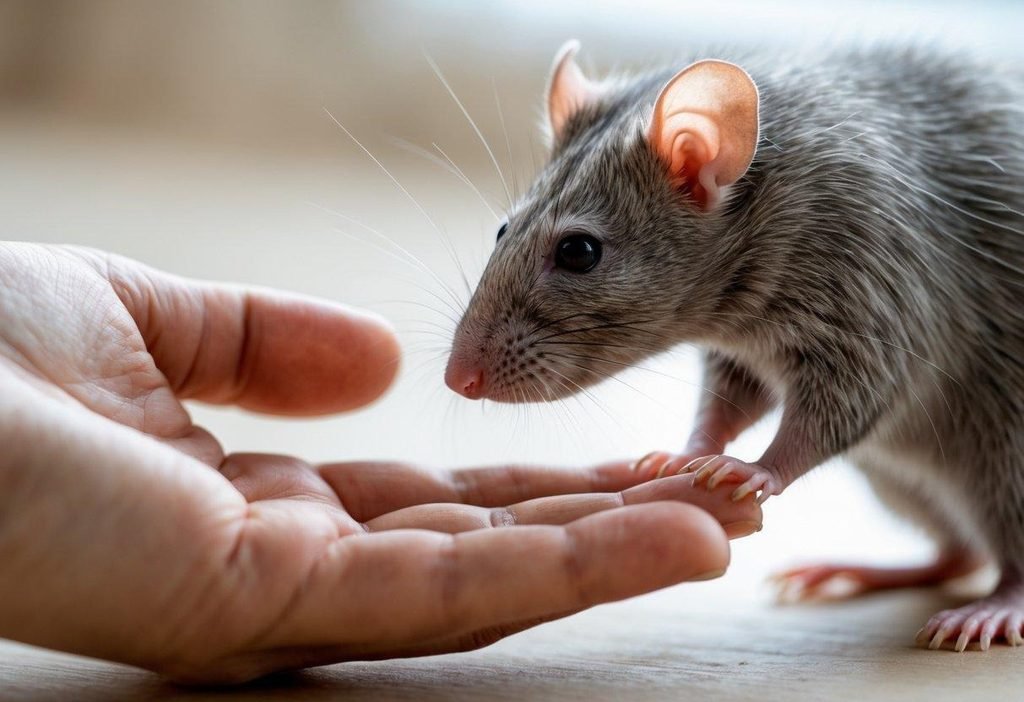
1. Create a safe environment
Prepare the enclosure before bringing your pet home. Include species-appropriate food, water, hiding places, bedding, and enrichment. Keep the room quiet and free from hazards.
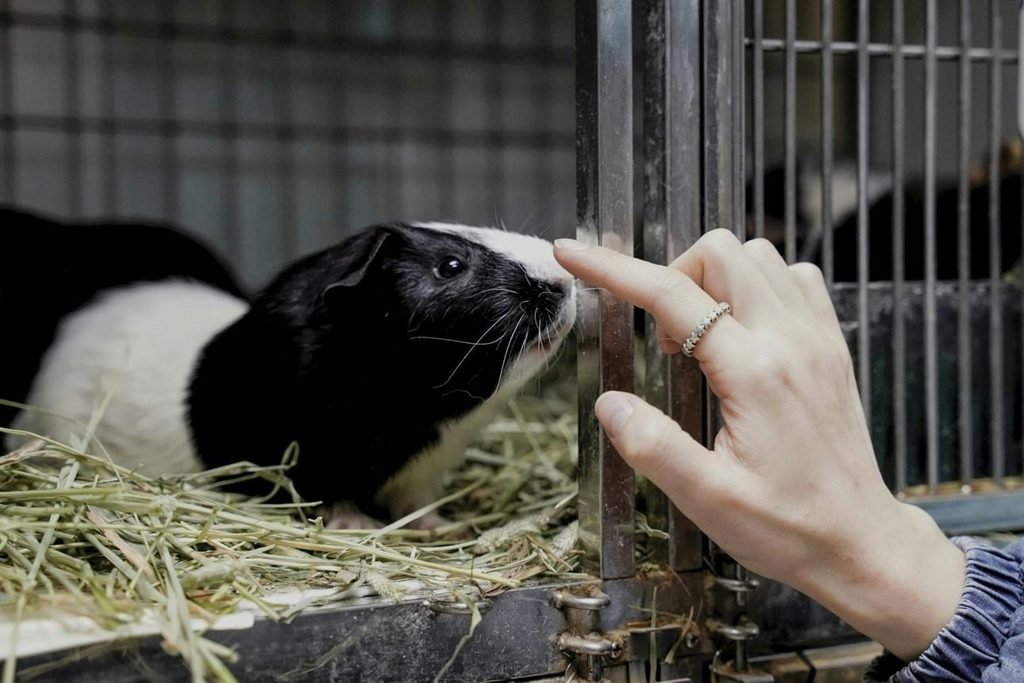
2. Let your pet approach first
Sit nearby and speak softly. Offer your hand for the animal to investigate without blocking its escape route. Avoid reaching into a hiding place to pull it out.
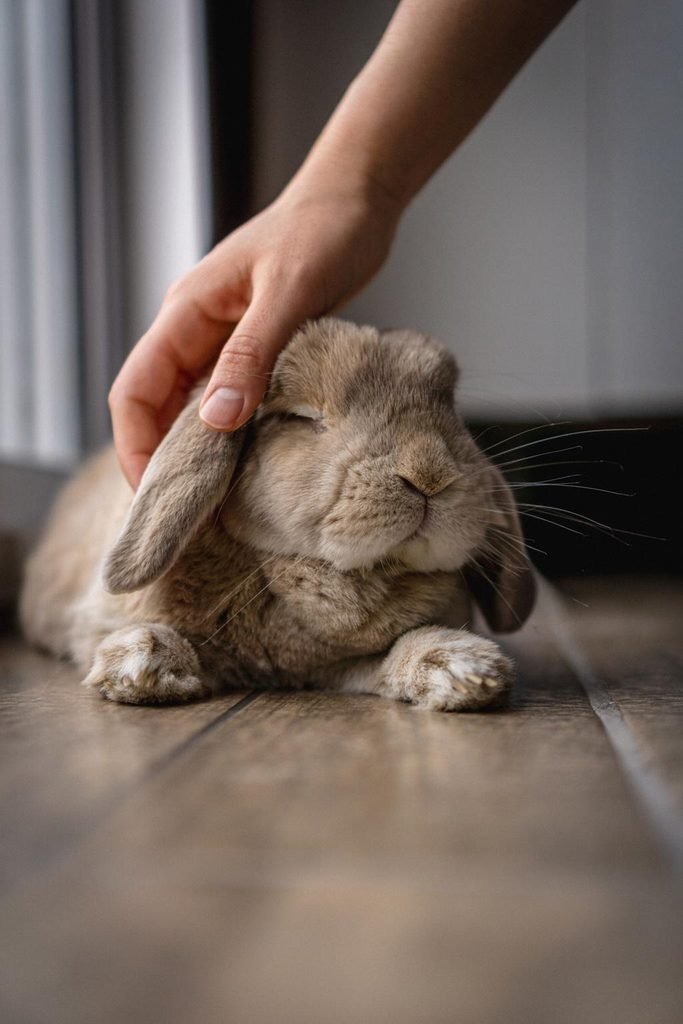
3. Start with gentle contact
Try a brief stroke in an area the animal accepts. Watch its response and stop if it moves away, stiffens, or shows signs of fear. Never force a cuddle.
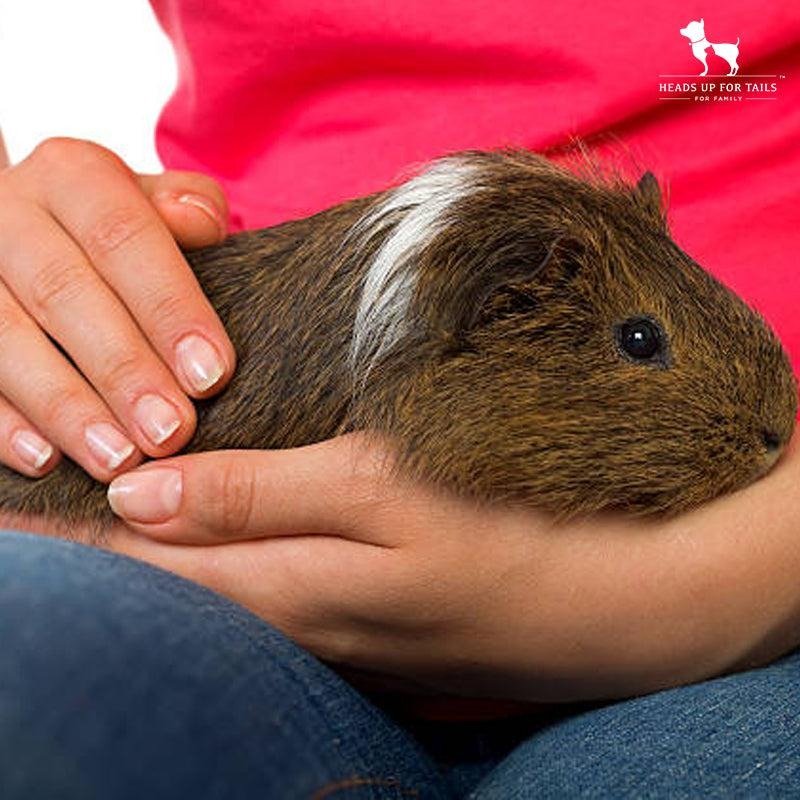
4. Handle safely when necessary
Support the whole body and keep the animal close to a low, stable surface. Rabbits need careful support of their hindquarters, while guinea pigs need secure support beneath their body.
Merck Veterinary Manual
+1
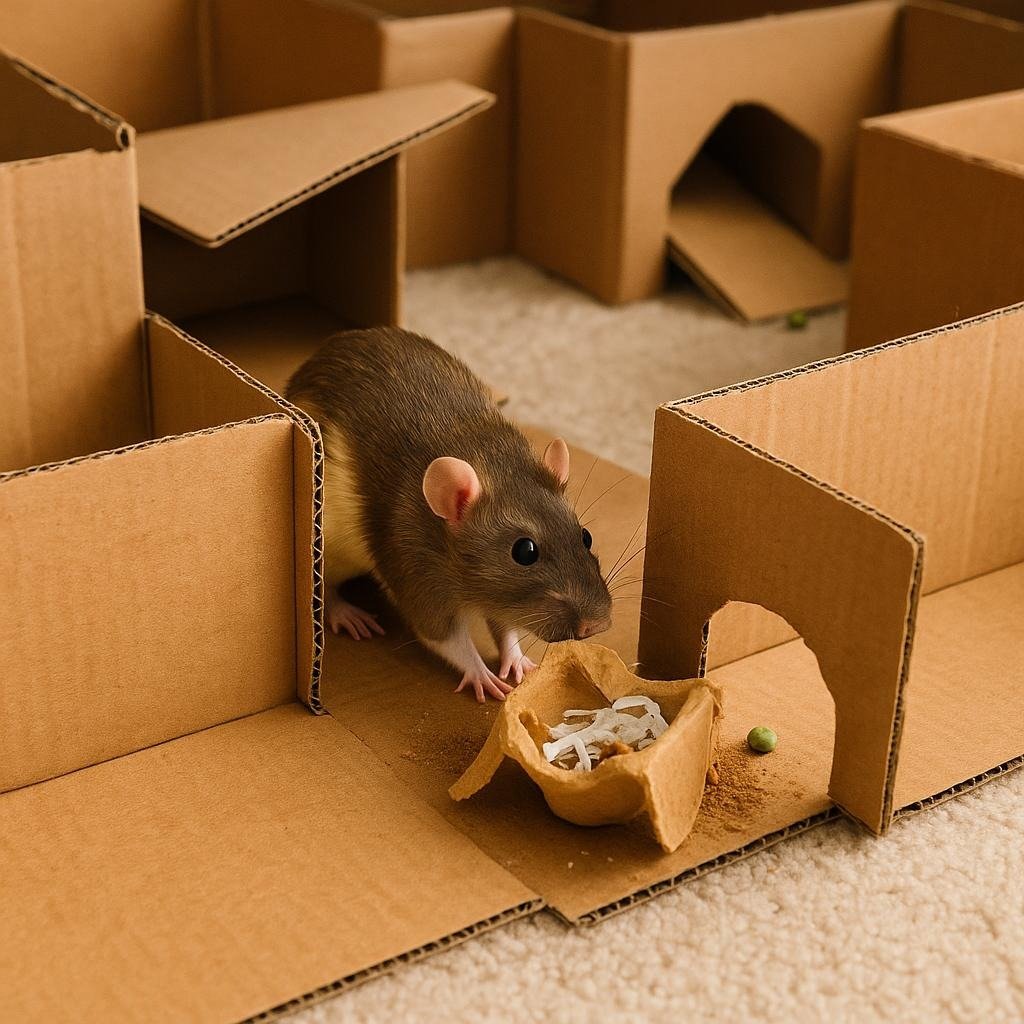
5. Make interaction rewarding
Use suitable food rewards, enrichment, and calm repetition. End sessions while your pet remains comfortable rather than waiting until it struggles.
A simple daily checklist
- Refresh water and provide the correct food.
- Check appetite, droppings, movement, and general behavior.
- Remove soiled bedding and clean dirty areas.
- Offer exercise, enrichment, and appropriate social interaction.
- Give your pet a quiet place to rest without interruption.
The amount of handling a pet needs varies by species and individual. Young animals, newly adopted pets, and animals recovering from illness may need a different approach. Ask a knowledgeable veterinarian for guidance if you’re unsure.
Cost Breakdown: What Should You Budget?
The cost of a cuddly small pet includes more than the adoption or purchase price. Housing, food, bedding, enrichment, routine veterinary care, and emergency treatment can add up over the animal’s lifetime.
Prices vary by country, city, species, and supplier. Rather than relying on one universal estimate, prepare a local budget before bringing your pet home.
| Expense | What to include |
| Initial setup | Enclosure, carrier, bedding, hideouts, feeding bowls, and enrichment |
| Adoption or purchase | Adoption fee or purchase price from a responsible source |
| Food | Species-appropriate pellets, hay, fresh vegetables, or other required foods |
| Cleaning | Safe bedding, litter, waste bags, and suitable cleaning supplies |
| Veterinary care | Initial examination, preventive care, and treatment when needed |
| Ongoing enrichment | Chew toys, tunnels, exercise equipment, and replacement supplies |
| Backup care | Pet sitting, boarding, and transport to a veterinarian |
Some species also need compatible companions, which increases setup and recurring costs. Rats and guinea pigs commonly need suitable social housing, while hamsters generally require separate enclosures.
Before adopting, contact a local veterinarian who treats small mammals. Ask about consultation fees, emergency access, and common health expenses for your chosen species. Keep an emergency fund rather than spending your entire budget on the initial setup.
The most affordable pet is not necessarily the one with the lowest purchase price. A suitable enclosure, good diet, and timely veterinary care protect animal welfare and can help prevent avoidable problems.
Common Mistakes Pet Owners Make
Even well-meaning owners can misunderstand how small animals show comfort. Avoid these common mistakes to make your relationship safer and more rewarding.
Assuming every pet loves being held. Some animals enjoy strokes but dislike lifting. Respect that difference instead of trying to make the pet tolerate cuddling.
Buying a tiny cage. Small animals still need space to move, explore, hide, and exercise. Choose housing based on the species’ needs, not the animal’s body size.
Ignoring social needs. Some animals thrive with compatible companions, while others may fight if housed together. Research the needs of your chosen species before deciding on one pet or several.
Waking a pet for attention. An animal that sleeps during the day may become frightened or irritable when disturbed. Plan interactions around its normal activity patterns.
Using food as the only sign of trust. Taking a treat does not automatically mean a pet welcomes touching. Watch its body language during the entire interaction.
Overlooking warning signs. Changes in appetite, movement, droppings, breathing, or behavior may signal illness. Don’t assume that an animal is simply having a bad day.
Skipping research about veterinary care. Some small mammals need a veterinarian with specific experience. Identify an appropriate clinic before an emergency occurs.
Choosing a pet based on viral videos. Online clips show individual moments, not the complete daily care routine. Research the species and meet the animal whenever possible.
Pros and Cons of Keeping a Small Cuddly Pet
| Pros | Cons |
| Can provide companionship and interesting daily interactions | Affection and handling tolerance vary |
| Many species fit homes that cannot accommodate larger animals | Small pets still need adequate living space |
| Some animals can learn routines and recognize familiar people | Trust-building may take weeks or longer |
| Daily care can create a rewarding routine | Cleaning and feeding require consistent effort |
| Different species offer different activity patterns | Noise, odors, and nighttime activity may affect your household |
| Some animals have relatively short lifespans | Veterinary care and emergencies can be costly |
Small pets work best when you enjoy their natural behavior, not just the idea of holding them. Consider the disadvantages carefully before making a long-term commitment.
Similar Options and Alternatives
If your first choice doesn’t suit your home, other companion animals may offer a better fit. The table below focuses on different ownership experiences rather than repeating the four main choices in the earlier comparison.
| Option | Best For |
| Mice | People who enjoy observing small, active animals and providing enrichment |
| Gerbils | Owners interested in watching burrowing, digging, and social behavior |
| Chinchillas | Experienced owners who can provide specialist care and a suitable cool environment |
| Degu | Owners prepared to meet the needs of a highly social small mammal |
| Adult rescue rabbit | People who want to assess an individual animal’s temperament before adoption |
| Adult rescue rat | Owners looking for an animal whose established handling preferences are known |
These alternatives do not all make good cuddle pets. Mice and gerbils, for example, are generally better suited to observation and careful interaction than extended holding. Chinchillas also have handling preferences that may not match a person’s expectations.
An adult rescue animal can be a useful option because a caregiver may already know its temperament. Still, behavior can change as the animal settles into a new home.
Check local ownership rules and veterinary access before adopting any less-common species. Select the animal whose needs you can meet consistently, even if it is not the one that looks most cuddly.
When to Consult a Vet or Professional
A veterinarian can help you choose a suitable species, assess health concerns, and understand safe handling. For small mammals, look for a clinician with experience treating that particular animal.
Arrange a veterinary appointment if your pet develops unusual behavior or signs of illness. Seek prompt advice for reduced eating, difficulty breathing, persistent diarrhea, unusual discharge, injury, or a sudden drop in activity. Small animals can deteriorate quickly, so don’t wait for symptoms to become severe.
Contact a qualified professional if your pet repeatedly bites, panics during handling, or struggles whenever you approach. Pain, fear, past experiences, or an unsuitable environment may contribute to the behavior. A veterinary examination can help identify possible medical causes.
For rabbits, seek urgent veterinary care after a suspected fall or handling injury, especially if the animal struggles to move or shows signs of pain. Incorrect handling can cause serious spinal injuries.
Merck Veterinary Manual
+1
Never give medication or supplements without appropriate veterinary guidance. If you need help with handling, ask the clinic to demonstrate a safe technique for your species.
Fun Facts About Small Companion Animals
- Guinea pigs communicate through sounds. They may squeak, chirp, or make other noises in response to people, food, and their surroundings.
- Rats are social animals. They often benefit from suitable companions and opportunities for interaction.
- Rabbits have powerful hind legs. Proper support helps prevent injury during necessary handling.
- Hamsters often prefer solitary housing. Many species can become territorial and fight when housed together.
- Chinchillas have dense fur. Their coat and environmental needs require specialized care.
- Guinea pigs need a suitable diet every day. Unlimited grass hay, fresh water, and appropriate leafy greens form important parts of routine care.
Merck Veterinary Manual
+3
These facts highlight an important point: a pet’s natural needs should guide your choice. Understanding behavior makes it easier to build a trusting relationship without forcing an animal into an unsuitable role.
Frequently Asked Questions
Which small pet is the most cuddly?
Pet rats are often a strong choice for people seeking an interactive small companion. Many enjoy exploring familiar hands and spending time with trusted owners. Guinea pigs may suit people who prefer gentle, supported lap sessions, while some rabbits enjoy being stroked beside a person. However, no species guarantees an affectionate personality. When choosing a pet, ask about its previous handling experience and watch how it responds to people. An animal that approaches voluntarily is a better candidate than one that remains still from fear.
Which pets enjoy cuddling?
Some pet rats, guinea pigs, rabbits, and individual domesticated small mammals enjoy certain kinds of close human contact. Their preferences differ. A rat may climb onto your hand, while a guinea pig may tolerate gentle stroking on a supported lap. A rabbit may prefer lying beside you on the floor. The key is to let the animal choose the interaction. Start with brief contact, watch for signs of discomfort, and stop when the pet moves away. Avoid assuming that a pet enjoys being lifted just because it accepts petting.
What is the most chill pet?
There is no single calmest small pet for every household. Some guinea pigs settle into predictable routines, some rabbits enjoy quiet company, and some rats relax around familiar people. Others remain active, cautious, or independent. Age, health, temperament, environment, and past experiences all influence behavior. If you want a relaxed companion, meet the individual animal and ask its caregiver about its daily habits. An adult pet with a known temperament may be easier to assess than a very young animal whose personality is still developing.
What pet likes to cuddle the most?
For many owners, a friendly pet rat offers a good balance of social interaction and small size. Some rats enjoy climbing onto their owners, investigating clothing, and resting near familiar people. However, another rat may prefer play and exploration over sitting still. Guinea pigs and rabbits can also develop trusting relationships, although many dislike being picked up. Choose an individual animal based on its behavior rather than expecting a particular species to be the most affectionate. Provide safe housing, suitable companionship, and regular care regardless of how much contact the pet enjoys.
Are small cuddly pets good for children?
Some small pets can suit families with older children who understand gentle handling and animal boundaries. However, small size does not make a pet easy to handle. Rabbits can injure themselves if they struggle during lifting, and guinea pigs can fall or become frightened when handled carelessly. Adults should supervise interactions, manage daily care, and ensure children never chase or squeeze an animal. For very young children, observing pets with an adult may be safer than holding them. Always choose a species that fits the family’s time, budget, and ability to provide consistent care.
Can a small pet sleep in your bed?
A small pet should generally sleep in its own secure enclosure rather than share your bed. You could accidentally roll onto the animal, trap it in bedding, or cause a fall. Bedding and mattresses may also expose pets to unsafe materials or make it difficult to control their environment. If you want evening companionship, arrange a supervised interaction in a safe, low area before returning your pet to its enclosure. Keep the animal’s normal sleep schedule in mind and never wake it simply because you want to cuddle.
How long does it take for a small pet to become cuddly?
The timeline depends on the species, the individual animal, and its past experiences. Some pets become comfortable with gentle interaction relatively quickly, while others need weeks or months to feel safe. Begin by offering a calm environment, predictable care, and opportunities to approach voluntarily. Avoid chasing, grabbing, or repeatedly lifting a nervous animal. Measure progress by relaxed behavior and willingness to interact, not by how long the pet stays in your arms. Some animals may never enjoy cuddling, and respecting that preference is part of responsible ownership.
Final Thoughts
Choosing a small companion is about finding the right relationship, not simply finding the softest animal. Pet rats, guinea pigs, and some rabbits can offer rewarding companionship, but each species has its own needs and preferences.
Think about how you want to spend time with your pet. If you enjoy interactive play, a friendly rat may suit you. If you prefer quiet company, a guinea pig or a rabbit that enjoys gentle petting could be a better match. If you mainly enjoy watching animal behavior, a hamster may fit your expectations more closely.
Before adopting, prepare the enclosure, research the correct diet, identify a suitable veterinarian, and calculate ongoing expenses. If possible, meet the animal first and ask its current caregiver about its temperament.
Remember that affection cannot be forced. Give your pet time to settle in, learn its body language, and allow it to decide when it wants contact. Even an animal that never enjoys being held can become a wonderful companion.
The best choice is one that fits your household and receives consistent, thoughtful care throughout its life.

Emily Carter is a pet care writer at PetJournalHub. She enjoys creating clear, practical, and well-researched articles about pet health, nutrition, grooming, and everyday care. Her goal is to help pet owners make informed decisions through reliable, easy-to-understand content.