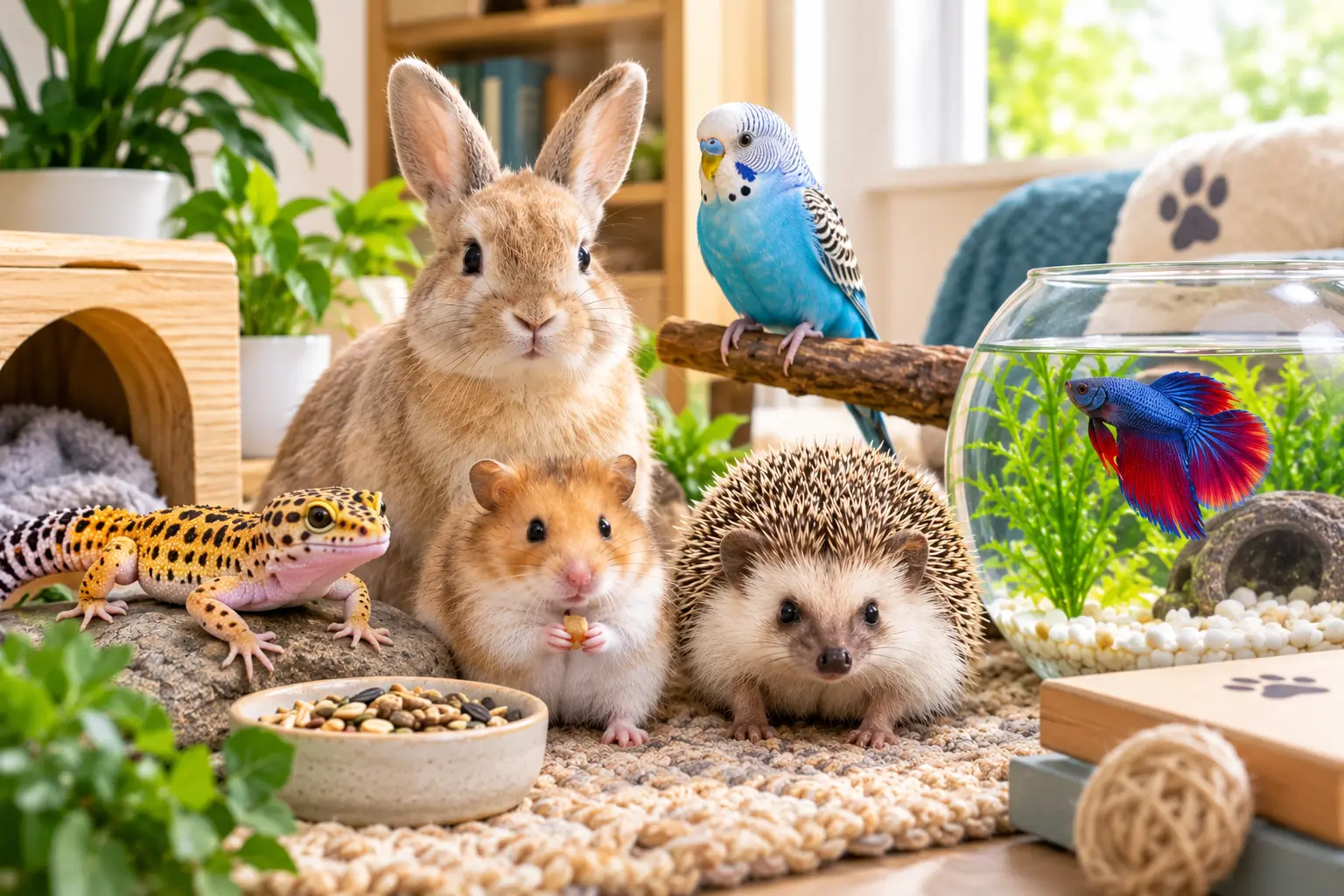
The lowest maintenance pets are animals that need little daily care, minimal grooming, and can handle being alone for hours at a time. Fish, hermit crabs, betta fish, and certain reptiles top the list. These pets fit busy schedules, small apartments, and first-time owners who want companionship without a heavy time or money commitment.
Key Takeaways
- Low maintenance doesn’t mean no maintenance — every pet needs basic daily or weekly care.
- Fish, small reptiles, and certain rodents need the least hands-on time each day.
- Cats generally need less daily attention than dogs but still need vet visits and litter care.
- Apartment renters should check pet policies and noise rules before choosing a pet.
- Cost varies a lot by species — always budget for food, housing, and vet care, not just adoption fees.
- Always check with a vet or reputable breeder/shelter before bringing home any new pet.
Introduction
Life gets busy. Work, family, and travel don’t leave much room for a pet that needs constant attention. That’s why so many people search for lowest maintenance pets before adopting.
The good news? Plenty of animals make wonderful companions without demanding hours of your day. For example, some fish just need feeding and a clean tank. Likewise, some reptiles thrive on a simple weekly routine. Even certain cat breeds are famously chill and low-key.
Because of this, this guide breaks down the easiest pets to care for, what they actually need day to day, and how much they typically cost. Specifically, you’ll find honest comparisons, real care routines, and clear guidance on when a low-maintenance pet still needs a vet’s help. Still, no pet is truly zero-effort — but some come pretty close.
What Is a Low Maintenance Pet?
A low maintenance pet is any animal whose care needs fit easily into a busy lifestyle. In short, think simple feeding, light grooming, and tolerance for being alone.
For instance, these pets don’t need daily walks, constant supervision, or expensive grooming visits. Common examples include betta fish, hermit crabs, leopard geckos, guinea pigs, and short-haired cats. Additionally, some birds, like budgies, also fall into this category once their cage routine is set up.
However, low maintenance is relative. A goldfish still needs clean water and regular feeding. Similarly, a cat still needs litter changes and yearly vet checkups. So, the bar is lower, not gone.
Who Low Maintenance Pets Are Best For
- Busy professionals with long work hours
- College students in dorms or small apartments
- First-time pet owners easing into pet care
- Older adults who want companionship without heavy physical demands
- Families testing the waters before getting a higher-care pet
Quick Facts Box
| Fact | Details |
| Lowest daily time commitment | Fish and hermit crabs (5–15 minutes/day) |
| Most apartment-friendly | Fish, small reptiles, guinea pigs |
| Longest lifespan option | Tortoises (can live decades) |
| Cheapest to start | Betta fish or goldfish setups |
| Best for cuddling | Guinea pigs, rabbits, some cat breeds |
| Least grooming needed | Fish, reptiles, short-haired cats |
Key Characteristics and Care Needs
Low maintenance pets share a few traits. Overall, they typically need simple habitats, predictable feeding schedules, and little to no daily exercise routine.
For the most part, they don’t require grooming beyond basic tank or cage cleaning. Also, many are quiet, which matters a lot for apartment living. That said, temperament varies by species, so it helps to research the specific animal, not just the general category.
Here’s what tends to separate a truly low-care pet from one that only looks easy at first glance:
- Feeding simplicity — one or two feedings a day, no prep needed
- Habitat upkeep — weekly or biweekly cleaning instead of daily
- Social needs — comfortable being alone for work hours
- Health monitoring — fewer emergency vet visits when cared for properly
- Noise level — quiet enough for shared walls or thin apartment doors
Quick Comparison Snapshot
| Option | Best For | Key Difference |
| Betta fish | Small spaces, first-timers | No walking, no grooming, quiet |
| Guinea pig | Owners who want cuddles | Needs a cage-mate and daily handling |
| Leopard gecko | Reptile fans, quiet homes | Nocturnal, minimal handling needed |
| Short-haired cat | Adults wanting independence | Needs litter care and vet visits |
Low Maintenance Pets That Like to Cuddle
Guinea pigs and rabbits are the top low maintenance pets that still enjoy cuddling. Both bond with their owners and enjoy gentle handling once they feel safe.
For example, guinea pigs squeak with excitement at feeding time and often nuzzle into a lap for pets. Similarly, rabbits can be litter-trained and enjoy quiet lap time, though they startle easily around loud noises.
In addition, cats, especially breeds like the Ragdoll or British Shorthair, offer affection without demanding constant activity. These cats tend to be calm indoors and content with a nap-heavy schedule. Still, this can vary a lot by individual personality, so meeting an animal before adopting helps set realistic expectations.
Low-Maintenance Pets That Can Be Left Alone
Fish, reptiles, and hermit crabs handle being alone the best, since they don’t form the same attachment-based routines dogs do. A properly set up tank can run for a full workday without any check-ins.
Likewise, cats do well alone for 8–10 hours if they have food, water, and a clean litter box. Plus, automatic feeders and water fountains stretch this even further for longer trips.
Meanwhile, small rodents like hamsters are mostly active at night anyway, so daytime alone-time fits their natural schedule. Even so, avoid leaving any pet alone for multiple days without a sitter or automated care setup.
Top 10 Easiest Pets to Take Care Of
Based on daily care demands, grooming needs, and typical vet visit frequency, these pets consistently rank as the easiest to keep:
- Betta fish
- Goldfish
- Hermit crabs
- Leopard geckos
- Guinea pigs
- Hamsters
- Budgies (parakeets)
- Short-haired cats
- Bearded dragons
- Corn snakes
Overall, each of these fits a simple weekly or daily routine. That said, reptiles like bearded dragons need a bit more setup upfront (heat lamps, UVB lighting), but they still settle into an easy rhythm once established.
Low-Maintenance Pets for Adults
Adults juggling work and other responsibilities often do best with fish, reptiles, or an independent cat breed. These pets don’t need training walks or constant supervision.
For this reason, working adults tend to prefer pets that tolerate long alone-time without anxiety. A well-set-up reptile enclosure or aquarium, for instance, can go a full day without intervention. Likewise, cats offer companionship in the evening without needing entertainment all day long.
Because of cost and time, adults living solo often lean toward one low-maintenance pet rather than a pair. That said, some species, like guinea pigs, do better emotionally with a companion of their own kind.
Low Maintenance Pets: Mammals
Guinea pigs, hamsters, and short-haired cats are the easiest low-maintenance mammals to care for. Mammals generally need more daily interaction than fish or reptiles, but these three keep things simple.
For instance, hamsters are solitary and mostly self-sufficient once their cage is set up correctly. Guinea pigs, on the other hand, need daily fresh vegetables and cage cleaning a few times a week. Meanwhile, cats need the least daily hands-on time among common mammal pets, especially adult cats already litter-trained.
Also, rabbits belong on this list for owners with a bit more space. Although they need larger enclosures than hamsters or guinea pigs, they still fall well below dogs in daily time demands.
Low-Maintenance Pets for Apartments
Fish, small reptiles, and cats are the best low-maintenance pets for apartment living, since they’re quiet and don’t need outdoor space. Always check your lease for pet restrictions first.
For example, aquariums take up counter or floor space but create zero noise complaints. Similarly, reptile tanks are quiet and don’t trigger allergies the way fur-bearing pets sometimes do. However, cats do need a litter box, so plan for ventilation and regular cleaning in smaller spaces.
Therefore, avoid pets with loud vocalizations in thin-walled apartments. For instance, some birds, while low-maintenance in care terms, can be surprisingly noisy and may not suit shared buildings.
Low Maintenance Pets That Don’t Smell
Fish, reptiles, and hermit crabs are the least smelly pet options when their habitats are cleaned on schedule. Odor almost always comes from neglected cleaning, not the animal itself.
In fact, a dirty fish tank or reptile enclosure will smell regardless of species, so consistency matters more than the animal type. Cats, on the other hand, are naturally clean and groom themselves, but litter boxes still need regular scooping to stay odor-free.
Similarly, small rodents like hamsters have minimal odor if bedding gets changed weekly. However, guinea pigs and rabbits need more frequent cage cleaning to avoid smell buildup, since they produce more waste than smaller rodents.
Pets That Are Easy to Take Care Of and Cheap
Betta fish, goldfish, and hamsters are among the cheapest low-maintenance pets to own long-term. Starter costs are low, and ongoing expenses stay manageable with basic supplies.
For example, a simple betta setup can cost under $50 to start, with monthly costs mostly limited to food and occasional filter supplies. Similarly, hamsters cost a bit more upfront for a proper cage but stay cheap to feed. Still, this can vary depending on the specific supplies and habitat size you choose, so it’s worth comparing a few options before buying.
On the other hand, guinea pigs and rabbits cost more due to their need for larger enclosures, hay, and fresh produce. Reptiles, meanwhile, vary widely — some, like leopard geckos, stay affordable, while others need pricier heating and lighting equipment.
Daily Care Routine and How to Get Started
Every pet, no matter how low-maintenance, needs a consistent routine. Here’s a general starting checklist that applies across most easy-care pets:
- Set up the habitat first — tank, cage, or enclosure ready before bringing the pet home
- Establish a feeding schedule — same time daily builds a healthy routine
- Clean on a set schedule — weekly for most cages, as needed for tanks
- Watch for behavior changes — early signs of illness are easier to catch with a routine
- Schedule a vet visit — even low-maintenance pets benefit from an initial checkup
Overall, starting with a proper setup prevents most common problems. In fact, rushing the habitat setup is one of the biggest reasons new low-maintenance pet owners run into trouble later.
Cost Breakdown
Costs vary widely across low-maintenance pet types. Here’s a general range to expect, though actual prices depend on your location and supplier.
| Pet Type | Starter Cost | Monthly Cost (approx.) |
| Betta fish | $30–$80 | $5–$10 |
| Goldfish | $40–$100 | $10–$15 |
| Hamster | $60–$150 | $15–$25 |
| Guinea pig (pair) | $150–$300 | $30–$50 |
| Leopard gecko | $150–$400 | $20–$40 |
| Short-haired cat | $100–$300 (adoption) | $40–$70 |
Again, these figures are general estimates and can shift based on your area and the specific setup you choose. So, always budget for an emergency vet fund too, since unexpected health issues can come up with any pet.
Common Mistakes Pet Owners Make
Even easy pets run into trouble when basic care gets skipped. These mistakes come up again and again:
- Buying too small a habitat to save money upfront
- Skipping the initial vet checkup because the pet “seems fine”
- Underestimating cage or tank cleaning frequency
- Choosing a pet based on looks instead of researching actual care needs
- Assuming “low maintenance” means “no attention needed”
In most cases, these mistakes come from rushing the research phase. Therefore, spending a week reading about a species before buying prevents most early problems.
Pros and Cons of Low Maintenance Pets
| Pros | Cons |
| Less daily time commitment | Still need vet care and monitoring |
| Often more affordable long-term | Some species have specific temperature or lighting needs |
| Great for small living spaces | Less interactive than dogs for some owners |
| Good for first-time owners | Illness can be harder to spot early in quiet pets |
Similar Options and Alternatives
| Option | Best For |
| Axolotls | Owners wanting a unique, quiet aquatic pet |
| Parakeets/Budgies | Owners wanting light interaction and personality |
| Tortoises | Long-term owners wanting a decades-long companion |
| Corn snakes | Owners comfortable with reptile husbandry basics |
| Chinchillas | Owners wanting a soft, active small mammal |
Overall, each of these fits a slightly different lifestyle than the pets covered above. Tortoises, for example, are low-maintenance day-to-day, but they require a long-term commitment spanning decades, which isn’t the right fit for everyone.
When to Consult a Vet or Professional
Even the easiest pets need professional care at key moments. So, schedule a vet visit within the first week of bringing home any new pet, low-maintenance or not.
Specifically, contact a vet right away if you notice loss of appetite, unusual lethargy, visible injury, or changes in breathing. Similarly, reptile and fish owners should consult a specialist if temperature or water quality issues come up, since these can affect health quickly.
Again, this guide offers general information only. Therefore, always check with a licensed veterinarian for anything related to diagnosis, medication, or your specific pet’s health.
Fun Facts About Low Maintenance Pets
- Betta fish can recognize their owners after repeated feeding interactions.
- Hermit crabs molt their exoskeleton as they grow, which can take weeks.
- Some tortoise species can live well beyond 50 years with proper care.
- Guinea pigs make a distinct “wheeking” sound specifically at feeding time.
- Leopard geckos can drop their tails as a defense mechanism, then regrow them.
- Hamsters are largely nocturnal, so daytime quiet is completely normal for them.
- Goldfish have memory spans longer than the popular myth suggests.
Frequently Asked Questions
What is the easiest pet to take care of?
Betta fish are widely considered the easiest pet to take care of. After all, they need only a properly sized tank, regular feeding, and periodic water changes. They don’t require walks, grooming, or daily handling. In fact, their care routine takes just a few minutes a day once the tank is set up correctly. As a result, betta fish make a popular starter pet for people testing whether they’re ready for pet ownership at all.
What is the best pet with low maintenance?
The “best” low maintenance pet really depends on your living situation and what kind of interaction you want. For instance, renters often do best with fish or reptiles due to noise and lease restrictions. On the other hand, people wanting some affection tend to prefer guinea pigs or a calm, short-haired cat breed. Ultimately, there’s no single best option — it comes down to matching the pet’s needs with your daily routine and available space.
Which pet is the cheapest to maintain?
Betta fish and goldfish are typically the cheapest pets to maintain month to month, since basic food and occasional supplies make up most ongoing costs. Similarly, hamsters come in as a close second, needing only bedding, food, and a few toys. That said, costs can vary depending on your location and the specific supplies you choose. So, comparing local prices before committing is a smart step for any new pet owner.
What is the pet with the least amount of maintenance?
Hermit crabs often top the list for least maintenance, since they only need a stable habitat, occasional misting for humidity, and simple feeding. Because of this, they don’t need daily interaction and tolerate being left alone well. Likewise, fish come in close behind, as their entire care routine revolves around feeding and periodic tank maintenance. Overall, both options suit owners who want a pet presence without a demanding daily routine.
Are low maintenance pets good for kids?
Some low-maintenance pets work well for kids, especially guinea pigs and fish, because they teach responsibility without overwhelming a child’s schedule. However, reptiles require closer adult supervision due to specific temperature and handling needs. Either way, always supervise young children around any pet, and choose species known for a calmer temperament when kids will be involved in daily care.
Final Thoughts
Choosing a low maintenance pet doesn’t mean choosing a pet that needs nothing from you. Instead, it means finding an animal whose care routine fits realistically into your life.
Overall, fish, reptiles, guinea pigs, and calm cat breeds all offer companionship without a heavy daily burden. Ultimately, the right fit depends on your space, your schedule, and how much interaction you actually want from a pet.
So, take time to research the specific species before bringing one home. In the end, a little upfront planning makes the whole experience smoother for both you and your new companion.

Daniel Brooks is a pet research writer at PetJournalHub. He specializes in pet behavior, product research, and responsible pet ownership. He focuses on delivering accurate, reader-friendly guides that help pet owners provide the best care for their animals.