
The best pets to have are animals whose needs match your lifestyle, living space, budget, and experience. Dogs and cats offer companionship, while rabbits, guinea pigs, hamsters, fish, and birds suit different households. Before choosing a pet, consider daily care, lifespan, housing, social needs, veterinary expenses, and whether everyone at home can help responsibly.
Key Takeaways
- Dogs and cats suit people who want regular companionship and can manage daily care.
- Guinea pigs and rabbits need more space, social interaction, and specialized care than many beginners expect.
- Hamsters and fish have specific habitat requirements despite their small size.
- Children need adult supervision when handling or caring for animals.
- Adoption fees represent only part of the cost. Food, housing, supplies, and veterinary care add up.
- Choose a pet based on its needs, not just its appearance or popularity.
Introduction
Choosing a pet can feel exciting until you start comparing the many animals that could join your household. Some people want an affectionate companion who follows them around the house. Others prefer a quiet animal that fits a smaller living space or a pet they can observe without handling often.
The right choice depends on much more than appearance. A playful puppy needs training, exercise, and close supervision. A cat needs daily attention, enrichment, and a clean litter box. Small animals require suitable enclosures, proper diets, and access to veterinary care. Even fish need carefully maintained water conditions and enough space to thrive.
When exploring pets to have, think about your routine before choosing a species. Consider how many hours you spend away from home, whether you travel often, and how much time you can give an animal each day. Your landlord’s rules, household allergies, available space, and long-term budget also matter.
This guide compares popular companion animals, explains their care needs, and highlights options for families, beginners, and people living in smaller homes. It also covers common mistakes, typical expenses, and ways to prepare before bringing an animal home.
The goal is simple: help you find a companion whose needs you can meet throughout its life, rather than choosing an animal that seems appealing only at first.
What Are Pets to Have?
Pets are domesticated animals that people keep for companionship, enjoyment, or shared activities. Common choices include dogs, cats, rabbits, guinea pigs, hamsters, birds, and fish. The best option depends on the animal’s needs and your ability to provide proper care.
Some pets enjoy close contact with people. Others prefer watching their surroundings or interacting on their own terms. A friendly reputation also doesn’t guarantee that every animal will enjoy being held.
Before choosing, think about three things: how you want to interact with your pet, how much care you can provide, and whether you can support its needs for life.
Quick Facts Box
| Fact | Details |
| Main purpose | Companionship and responsible animal care |
| Popular choices | Dogs, cats, fish, birds, rabbits, and small mammals |
| Best beginner option | Depends on your routine and experience |
| Daily commitment | Feeding, cleaning, interaction, and observation |
| Main expenses | Food, habitat, supplies, preventive care, and emergencies |
| Living space | Varies by species, size, and activity level |
| Lifespan | Ranges from relatively short-lived pets to animals that live for decades |
| Best first step | Research the species and consult a veterinarian when needed |
Where Do Companion Pets Come From?
People keep companion animals from several sources, including animal shelters, rescue groups, responsible breeders, and reputable pet stores. The best source depends on the species and the animal’s individual needs.
Adoption gives many animals a chance to find a suitable home. Shelters and rescues may also provide information about an animal’s history, behavior, and known health needs.
For fish, reptiles, birds, and small mammals, research the seller carefully. Ask about the animal’s origin, diet, housing, and health history. Avoid sellers who cannot explain their care practices.
Never take a wild animal home simply because it looks friendly or unusual. Wildlife often needs specialized care, and local laws may prohibit private ownership.
History and Evolution of Pet Ownership
Humans have formed relationships with domesticated animals over thousands of years. Dogs and cats developed different roles in human communities, while people also kept birds, fish, and small mammals as companions.
Today, people choose pets for many reasons. Some want an active outdoor companion. Others enjoy watching fish, caring for rabbits, or sharing their home with a social bird.
Modern pet ownership also brings greater responsibility. Owners must consider animal welfare, suitable housing, preventive veterinary care, and the environmental impact of their choices. A pet should fit your life without compromising its physical or behavioral needs.
Key Characteristics and Care Needs
Different animals require different levels of attention, space, and specialized care. Understanding these differences helps you avoid choosing a pet based on appearance alone.

Dogs
Dogs often enjoy training, walks, games, and time with their families. They need daily exercise, social contact, grooming as appropriate, and consistent training. Their needs vary by age, health, temperament, and energy level.

Cats
Cats can suit many homes, including some apartments. They need a clean litter box, suitable scratching surfaces, daily play, nutritious food, and veterinary care. Indoor cats also need safe opportunities to climb, explore, and express natural behaviors.

Guinea pigs
Guinea pigs are social animals with specific dietary and housing needs. They require ample floor space, constant access to suitable hay, fresh water, and a source of vitamin C. Plan for compatible companionship and access to veterinary care.
Hamsters
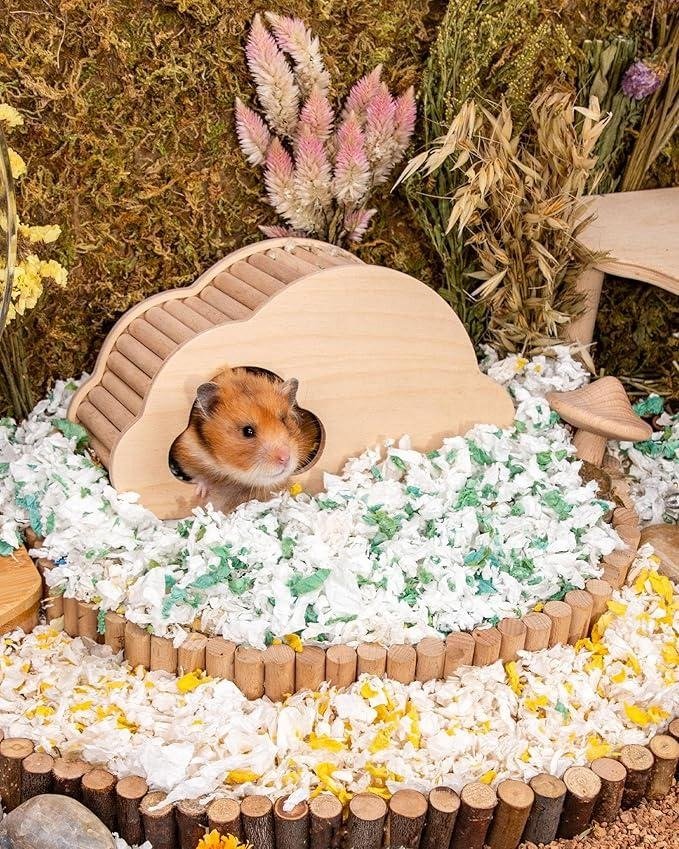
Hamsters need secure enclosures, deep bedding for burrowing, an appropriate exercise wheel, and suitable enrichment. Many sleep during the day, so they may not suit children who want frequent daytime interaction.
Fish
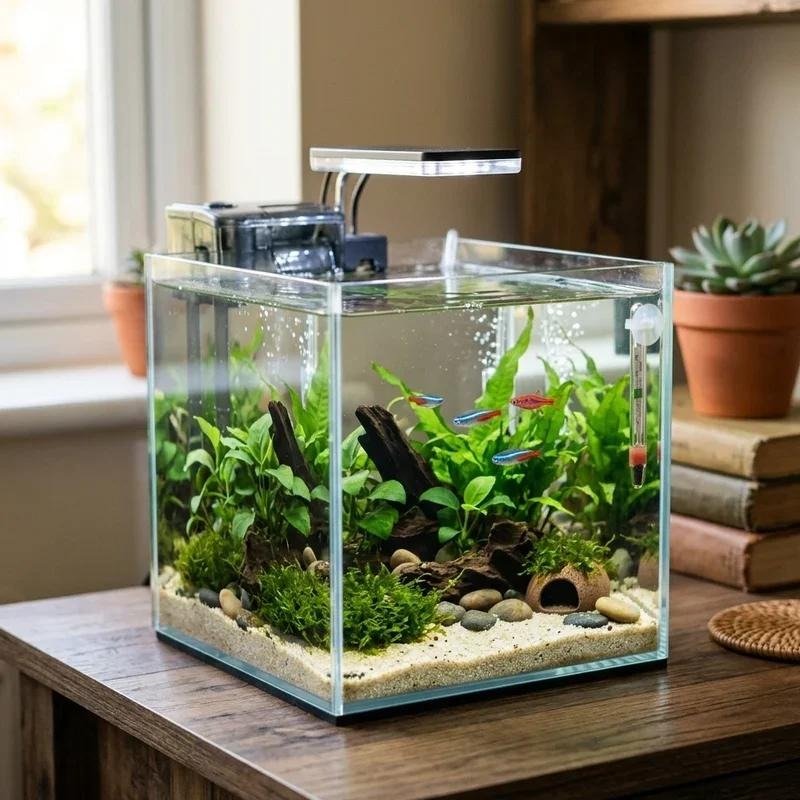
Fish offer an opportunity to observe aquatic life. Their needs include suitable tank size, filtration, stable water conditions, and species-appropriate feeding. A small bowl does not meet the needs of many fish.
Birds, rabbits, and reptiles also appeal to many pet owners. However, they need species-specific diets, habitats, handling, and veterinary support. Some birds live for decades, so their care can become a long-term commitment.
Quick Comparison Snapshot
| Option | Best For | Key Difference |
| Dog | Active households | Needs outdoor exercise and regular training |
| Cat | People seeking a companion with flexible routines | Needs litter care, enrichment, and daily interaction |
| Guinea pig | Owners who enjoy observing and gently interacting with small animals | Needs ample floor space and careful dietary planning |
| Fish | People who enjoy observing aquatic life | Requires water-quality management rather than physical handling |
No animal on this list is automatically low-maintenance. Even pets that need little direct handling depend on daily checks and suitable living conditions.
Top 10 Easiest Pets to Take Care Of
The easiest pet depends on your schedule, budget, and experience. Some animals need less direct interaction than others, but every pet requires reliable care.
Here are ten popular options worth researching. This is a practical shortlist, not a ranking that guarantees easy care.
- Adult cat: May suit people who want companionship without daily outdoor walks.
- Adult dog with a suitable temperament: Can suit owners who have time for walks, training, and social interaction.
- Guinea pigs: Often appealing to gentle, observant owners who can provide space and social care.
- Hamsters: May suit adults who prefer observing a small animal and respect its sleep schedule.
- Budgies: Offer engaging behavior and social interaction but need daily attention and a suitable flight environment.
- Zebra finches: Can appeal to people who enjoy observing birds rather than handling them frequently.
- Freshwater fish: May suit people who enjoy maintaining an aquarium and monitoring water conditions.
- Leopard geckos: Require suitable heating, humidity management, a secure habitat, and a proper insect-based diet.
- Rats: Can form strong bonds with people and need social companionship, enrichment, and regular enclosure cleaning.
- Rabbits: Can suit prepared owners who provide room to move, appropriate food, gentle handling, and rabbit-savvy veterinary care.
Important: Small size does not equal simple care. Before deciding, compare the animal’s full habitat requirements, lifespan, social needs, and likely veterinary expenses.
Top 10 Pets to Have
The most suitable companion depends on what you want from the relationship. These ten choices offer different ways to enjoy animal companionship.

1. Dogs
Best for people who enjoy active companionship, outdoor walks, and training. Choose an individual whose energy level and temperament fit your household.

2. Cats
Good for people who want an interactive companion and can maintain a clean litter area, enrichment, and regular health care.

3. Guinea pigs
A good possibility for owners who enjoy gentle interaction and can provide appropriate food, space, and social companionship.

4. Rabbits
Intelligent and active animals that need room to move, daily enrichment, and careful handling.

5. Hamsters
Suitable for people who prefer a small animal they can observe and interact with gently at appropriate times.
6. Rats
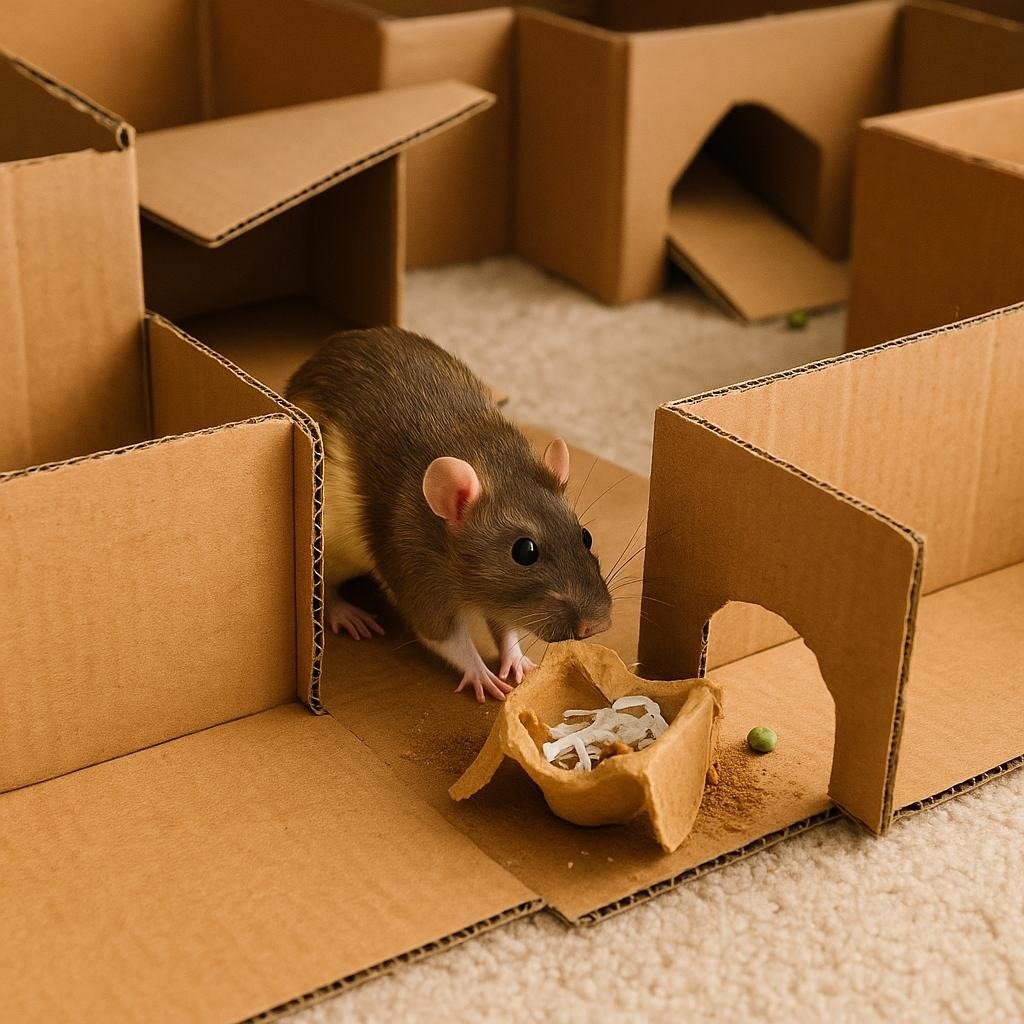
Social, curious animals that need enrichment, companionship, and time outside their enclosure in a safe setting.

7. Budgies
Active birds that need social interaction, enrichment, safe space for movement, and a suitable diet.
8. Freshwater fish
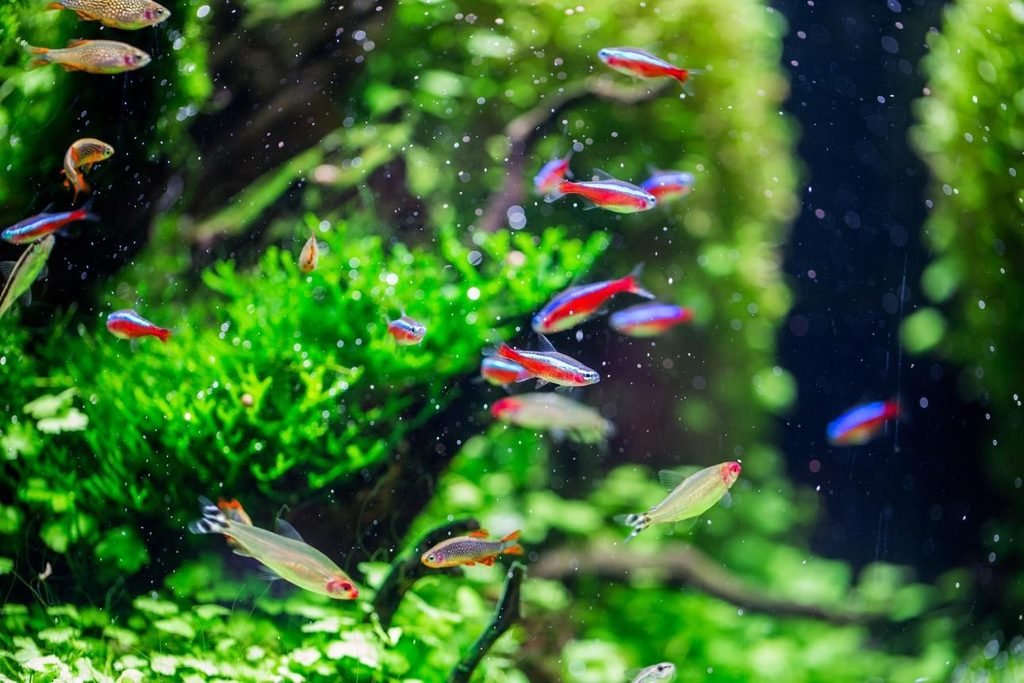
A strong option for people who enjoy aquariums and can maintain stable water quality.
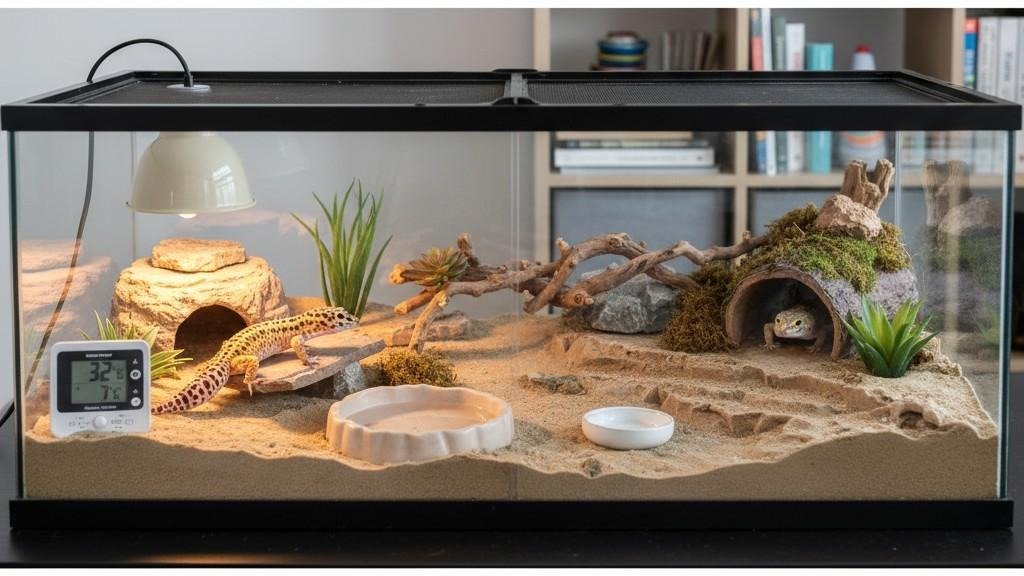
9. Leopard geckos
Interesting reptiles for owners willing to manage temperature, habitat conditions, and suitable live food.

10. Cockatiels
Expressive companion birds that need daily interaction, enrichment, proper nutrition, and long-term planning.
Before choosing any of these animals, check local ownership rules and find a veterinarian who treats that species. The American Society for the Prevention of Cruelty to Animals (ASPCA) offers useful guidance on general pet care and animal welfare.
ASPCA
+2
Pets to Have at Home
The best household pet fits your available space, family routine, and housing rules. You do not need a large house to enjoy animal companionship, but you must provide the right environment.
For a house with a secure outdoor area, a suitable dog may fit well. Cats can adapt to indoor living when owners provide climbing opportunities, play, hiding spots, and clean litter areas.
Guinea pigs and rabbits need much more room than a small cage provides. Fish need an appropriately sized, established aquarium with suitable filtration. Birds need safe space, social interaction, and protection from household hazards.
If you rent, check your lease before bringing home an animal. Also consider noise, odors, cleaning, allergies, and the cost of finding pet care during holidays.
Pets to Have in the World
If you want to explore the wider variety of companion animals, consider domesticated species with established care guidance. Dogs, cats, rabbits, guinea pigs, budgies, rats, and some reptiles can suit different households.
Horses and certain farm animals may also live as companions where local rules, land, and suitable facilities allow. They need more space, specialized care, and often greater financial resources.
Wild animals such as monkeys, foxes, and many wild cats do not make suitable household pets. Their complex needs can be difficult to meet in a home, and ownership may be restricted by law.
Choose a domesticated companion whose welfare you can support. Do not buy an unusual animal simply because it looks rare or attracts attention online. The ASPCA advises against keeping wild animals and wild-domestic hybrids as pets.
ASPCA
+1
Pets to Have for Kids
The best family pet matches the child’s age, the animal’s temperament, and the adult’s ability to supervise care. No pet should depend entirely on a young child for food, cleaning, or medical attention.
Consider these options:
- A calm adult dog: May suit a family that can manage training, walks, and close supervision.
- A well-matched cat: Can offer companionship when children respect the animal’s boundaries.
- Guinea pigs: Allow gentle observation and interaction, provided adults handle daily care and teach safe handling.
- Fish: Help children observe animal behavior and learn about habitat maintenance.
- Budgies: Can interest older children who understand the need for gentle behavior and daily care.
Avoid choosing an animal solely to teach responsibility. Adults must remain accountable for the pet’s welfare. Never leave a young child alone with a dog or another animal that could bite, scratch, or become frightened.
Teach children not to disturb sleeping animals, grab tails, chase pets, or interrupt feeding. If an animal moves away, let it leave. These simple rules protect both children and pets. The American Veterinary Medical Association provides additional dog safety guidance for families.
American Veterinary Medical Association
+1
Cute Pets to Have
Cute pets come in many shapes and sizes, but appearance should never outweigh proper care. A tiny animal can have demanding dietary, housing, or social needs.
Popular choices include:
- Rabbits: Their soft fur and expressive ears appeal to many people.
- Guinea pigs: Their vocal sounds and social behavior make them engaging companions.
- Cats: Their varied coat patterns and playful behavior attract many pet lovers.
- Hamsters: Their burrowing, climbing, and food-gathering behavior can be fascinating to observe.
- Budgies: Their bright feathers and active personalities make them appealing birds.
- Fancy rats: Their curiosity and ability to learn make them interesting companions.
Meet an animal when possible before adopting it. Observe how it responds to people, and ask about its health, temperament, and history. A cute pet that dislikes frequent handling may not match your expectations, and that preference deserves respect.
Top 10 Cutest Pets to Own
Cuteness is personal, so this list reflects common visual appeal rather than a scientific ranking. Each animal still needs species-appropriate care.
- Ragdoll cats: Known for their soft coats and striking eyes.
- Golden retrievers: Often admired for their expressive faces and friendly appearance.
- Holland Lop rabbits: Recognizable by their drooping ears.
- Guinea pigs: Their round bodies and varied coat patterns appeal to many owners.
- Syrian hamsters: Their small size and cheek pouches can make them fun to observe.
- Budgies: Their colorful feathers and lively movements attract attention.
- Cockatiels: Their crests and expressive body language make them distinctive.
- Fancy rats: Their whiskers and curious behavior can be endearing.
- Leopard geckos: Their patterned skin and broad eyes appeal to reptile enthusiasts.
- Freshwater fish: Their colors and graceful movements can bring life to an aquarium.
Breed or species alone cannot predict personality. Spend time learning about the individual animal before deciding whether it fits your home.
Pets to Have in Your Room
A bedroom can accommodate some pets, but only when it provides the right environment. Consider temperature, ventilation, noise, hygiene, and the animal’s need for space and interaction.
A cat may rest in a bedroom if it can access food, water, a clean litter box, and suitable enrichment. However, the room should not become an isolated space that limits its movement or social contact.
Hamsters often sleep during daylight hours and may become active at night. Their wheels, digging, and movement can disturb your sleep. Never reduce their habitat or remove essential equipment just to make a room quieter.
Fish tanks need stable temperatures, appropriate filtration, and safe electrical arrangements. Avoid placing an aquarium where direct sunlight causes overheating or excessive algae growth.
Birds and rabbits also need more than a small bedroom corner. Birds require suitable movement and interaction, while rabbits need room to exercise and explore. Keep electrical cords, toxic plants, fumes, and unsafe windows out of reach.
Room-sharing rule: Choose the bedroom only if you can meet every welfare need without sacrificing your sleep, cleanliness, or the animal’s comfort.
Daily Care Routine: How to Get Started
A consistent routine helps you notice changes in appetite, behavior, movement, and waste. Build your schedule around the species rather than expecting every animal to follow the same pattern.
- Prepare the habitat. Set up the enclosure, bedding, litter area, aquarium, or safe resting space before the animal arrives.
- Provide suitable food and water. Follow reliable species-specific feeding guidance and ask a veterinarian about individual needs.
- Clean the living area. Remove waste, wash food bowls, and maintain the habitat without exposing the animal to unsafe cleaners or fumes.
- Offer exercise and enrichment. Provide walks, play, climbing, burrowing, foraging, or other activities that suit the species.
- Check health and behavior. Notice changes in eating, drinking, breathing, movement, droppings, or social behavior.
- Plan preventive care. Arrange veterinary checks and discuss vaccinations, parasite prevention, dental care, and other species-specific needs.
Keep a basic record of feeding, cleaning, and health observations. This helps you maintain a routine and gives your veterinarian useful information if a problem develops.
Cost Breakdown
The total cost of a pet includes much more than its adoption fee or purchase price. Housing, food, cleaning supplies, preventive care, and unexpected illness can make a major difference to your budget.
| Expense | Examples |
| Initial setup | Enclosure, bed, carrier, aquarium, or secure habitat |
| Food | Species-appropriate meals, hay, pellets, or live feeder insects |
| Routine supplies | Litter, bedding, toys, grooming tools, and cleaning materials |
| Veterinary care | Exams, preventive care, diagnostic tests, and treatment |
| Home preparation | Gates, cord protection, secure windows, or tank stands |
| Care during travel | Pet sitter, boarding, or a trusted caregiver |
| Emergency fund | Unexpected illness, injury, or urgent treatment |
Costs vary by location, species, age, health, and product quality. Get local estimates before choosing a pet, and ask a veterinarian about likely preventive-care expenses.
In Pakistan, prices can also vary by city, import availability, and access to experienced exotic-animal veterinarians. Compare the ongoing cost of suitable food and care, not just the price of buying the animal.
Common Mistakes Pet Owners Make
Many pet-care problems start with expectations that do not match an animal’s needs. Avoid these common mistakes:
- Choosing by appearance alone: An attractive animal may need more time or specialized care than you expect.
- Assuming small pets need tiny cages: Many small mammals need substantial floor space and enrichment.
- Buying before preparing: Set up a safe habitat and locate veterinary support first.
- Ignoring social needs: Some animals need compatible companions or regular interaction.
- Feeding unsuitable food: Different species have different nutritional needs. Avoid relying on random online advice.
- Leaving children responsible: Adults must oversee feeding, cleaning, handling, and medical care.
- Skipping preventive care: A pet can appear healthy while still needing routine veterinary attention.
- Overlooking future changes: Moving, travel, work schedules, and household changes can affect your ability to care for an animal.
Responsible ownership begins before the pet enters your home. The American Veterinary Medical Association emphasizes matching a pet to your lifestyle and committing to its care throughout its life.
American Veterinary Medical Association
+1
Pros and Cons of Pet Ownership
Pets can enrich everyday life, but ownership also brings real responsibilities.
| Pros | Cons |
| Companionship and shared activities | Ongoing food and care expenses |
| Opportunities to learn about animal behavior | Daily cleaning and maintenance |
| Encouragement to build a routine | Travel and housing restrictions |
| Enjoyment from training, play, or observation | Possible allergies or noise |
| A meaningful long-term relationship | Emotional difficulty when a pet becomes ill or dies |
The balance depends on your circumstances. A pet can be a rewarding companion when you have the time, resources, and willingness to meet its needs.
Similar Options and Alternatives
If your first choice does not fit your routine, another animal may suit you better. Compare the type of relationship and daily care each option requires.
| Option | Best For |
| Adult rescue dog | People seeking a companion with a known history and assessed temperament |
| Adult rescue cat | Households wanting companionship and an individual whose behavior staff can describe |
| Zebra finches | People who enjoy watching birds rather than handling them often |
| Leopard gecko | Experienced or well-prepared owners comfortable with reptile habitat management |
| Domestic rats | Owners who enjoy interactive small mammals and can provide social companionship |
| Freshwater shrimp | Aquarium enthusiasts who can maintain stable water conditions and compatible tank mates |
| Domestic mice | People interested in observing small mammals and providing suitable housing |
| Ferrets | Owners prepared for active play, secure spaces, specialized care, and local ownership rules |
These alternatives serve different interests, so they do not replace one another perfectly. Ask an experienced rescue, reputable species specialist, or veterinarian about the animal’s care requirements before committing.
When to Consult a Vet or Professional
Consult a licensed veterinarian before bringing home an animal with specialized health or habitat needs. An early appointment can help you plan preventive care, nutrition, safe handling, and appropriate housing.
Seek prompt veterinary advice if your pet develops unusual breathing, repeated vomiting, severe diarrhea, sudden weakness, difficulty moving, or a marked change in behavior. Birds, rabbits, rodents, and other small animals may hide signs of illness, so don’t wait for symptoms to become severe.
For behavior concerns, consult a qualified professional who uses humane, evidence-based methods. Ask your veterinarian to rule out pain or illness before treating a sudden behavior change as a training problem.
For reptiles, birds, rabbits, and small mammals, look for a veterinarian with relevant experience. Not every clinic treats every species.
If you suspect poisoning, contact a veterinarian or an animal poison service promptly. Do not give human medication or attempt home treatment without professional direction.
Fun Facts About Companion Animals
- Dogs use body language, scent, and vocal signals to communicate.
- Cats rely on scent and scratching as part of their natural behavior.
- Guinea pigs communicate through a range of vocal sounds.
- Hamsters naturally engage in behaviors such as burrowing and food storage.
- Rabbits need opportunities to hop, explore, and chew suitable materials.
- Budgies are social birds that benefit from interaction and enrichment.
- Fish use a range of sensory systems to navigate their environments.
These behaviors explain why suitable housing and enrichment matter. A habitat should support natural activity rather than simply contain the animal.
Frequently Asked Questions
What are the top 10 best pets to have?
Ten popular choices include dogs, cats, guinea pigs, rabbits, hamsters, rats, budgies, freshwater fish, leopard geckos, and cockatiels. Each offers a different experience. Dogs often suit active households, while cats may fit people who prefer indoor companionship. Fish appeal to aquarium enthusiasts, and reptiles interest owners who enjoy habitat management. Small mammals can provide engaging interactions but still need suitable space, nutrition, and veterinary care. The best choice depends on your available time, budget, experience, and home environment. Compare the animal’s needs before deciding rather than relying on popularity alone.
What is the easiest pet to take care of?
There is no universally easiest pet because care needs vary by species and individual animal. An adult cat may suit someone who wants companionship without daily walks. Fish may suit someone who enjoys maintaining an aquarium, but water quality requires regular attention. Hamsters need suitable habitats and often prefer nighttime activity. Guinea pigs need space, companionship, and careful feeding. Before choosing, list the daily tasks you can manage and the expenses you can afford. Then compare those limits with reliable species-specific care guidance. A pet is a good fit when you can meet its needs consistently.
What are the 20 most popular pets?
Common companion animals include dogs, cats, freshwater fish, goldfish, budgies, cockatiels, rabbits, guinea pigs, hamsters, domestic rats, domestic mice, ferrets, leopard geckos, bearded dragons, corn snakes, turtles, tortoises, shrimp, canaries, and zebra finches. However, popularity varies by country, housing type, culture, and local ownership rules. This list represents familiar companion-animal choices, not a verified ranking of the world’s 20 most popular pets. Some species need specialized habitats or experienced veterinary care. Before selecting an animal, research its adult size, lifespan, diet, social needs, and legal status in your area.
What’s the coolest pet to have?
The coolest pet depends on what fascinates you. A budgie may impress you with its vocal behavior, while a leopard gecko offers an opportunity to learn about reptiles. Freshwater shrimp can add interest to a carefully maintained aquarium, and rats often display curious, interactive behavior. Unusual pets can be rewarding, but rarity does not make an animal a better companion. Some exotic species have demanding diets, specialized housing needs, or legal restrictions. Choose a domesticated animal with well-understood care requirements and accessible veterinary support. A healthy, well-cared-for pet is more rewarding than an unusual animal whose needs you cannot meet.
Should I adopt a pet or buy one?
Adoption is worth considering because shelters and rescue groups often help animals find suitable homes. Staff may also share information about an animal’s behavior and health history. If you need a particular breed or species, look for a responsible, knowledgeable source that prioritizes animal welfare. Ask about the animal’s origin, living conditions, health records, and return policies. Avoid sellers who pressure you to pay quickly or refuse reasonable questions. Whichever route you choose, research the animal’s needs and prepare your home first. The goal is a suitable lifelong match, not simply the fastest way to acquire a pet.
Can I keep a pet if I work full-time?
Possibly, but your work schedule must fit the animal’s social and care needs. Adult cats may handle periods alone better than some highly social animals, although they still need attention and enrichment. Dogs often require arrangements for exercise, bathroom breaks, and companionship during the day. Small mammals, birds, and reptiles also need daily care, even if they do not need constant human contact. Consider a pet sitter, trusted caregiver, or other reliable support before committing. Never assume that an animal can manage long periods without suitable care simply because it lives in an enclosure.
Final Thoughts
Choosing a companion animal is about building a good match between your life and another living creature’s needs. Dogs, cats, small mammals, birds, fish, and reptiles can all bring enjoyment to a household, but they offer different experiences and require different levels of care.
Start by deciding how much time you can give each day. Then consider your living space, budget, household members, and access to veterinary care. Research the animal’s adult size, lifespan, diet, social needs, and legal status before making a commitment.
If you are unsure, speak with a reputable rescue organization or a veterinarian who treats your preferred species. Meeting an animal before adopting can also help you understand its personality and needs.
The best choice is not necessarily the smallest, cutest, or most unusual animal. It is the companion whose welfare you can protect throughout its life.
With thoughtful planning, realistic expectations, and consistent care, you can build a rewarding relationship with an animal that truly belongs in your home.

Emily Carter is a pet care writer at PetJournalHub. She enjoys creating clear, practical, and well-researched articles about pet health, nutrition, grooming, and everyday care. Her goal is to help pet owners make informed decisions through reliable, easy-to-understand content.