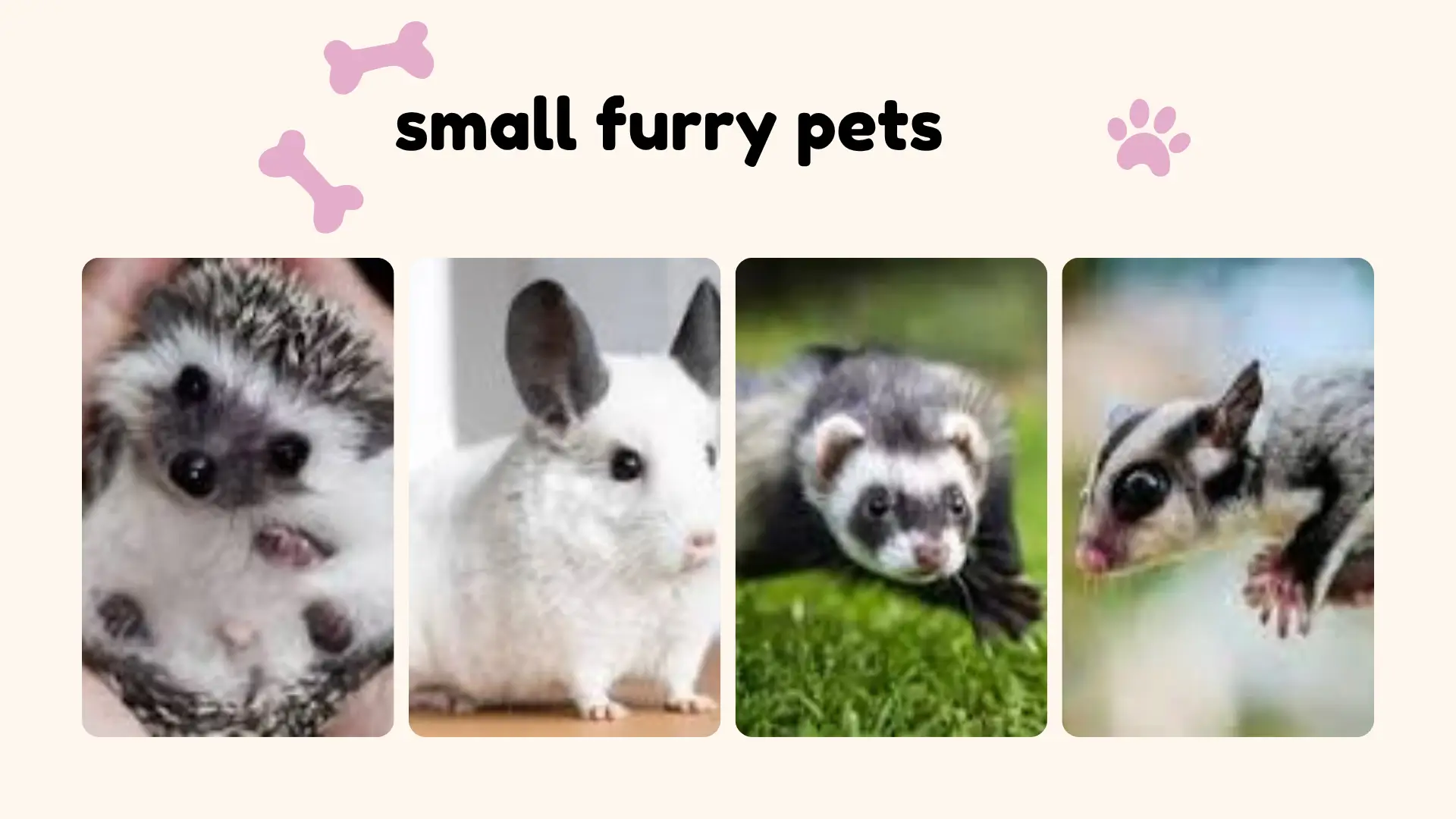
Small furry pets are compact, low-footprint companion animals like guinea pigs, hamsters, rabbits, rats, and chinchillas. They fit well in apartments, need daily hands-on care, and each species has its own personality, diet, and housing needs. They’re a popular choice for families and first-time pet owners.
Key Takeaways
- Small furry pets include guinea pigs, hamsters, gerbils, rats, rabbits, and chinchillas.
- They’re best for people with limited space, kids old enough for gentle handling, or first-time owners.
- Weekly costs are low, but starter supplies and vet visits add up fast.
- Some species (hamsters, gerbils) are nocturnal and better for quiet evening bonding.
- A few “exotic” options, like sugar gliders and hedgehogs, are restricted in certain states.
- Every species needs species-specific food. A rabbit and a hamster should never eat the same diet.
Introduction
A lot of people search for small furry pets when they want a pet, but not the full commitment of a dog or cat.
Small furry pets fill that gap. They’re compact, budget-friendlier than most dogs, and each species has its own quirks. A hamster acts nothing like a rabbit. A guinea pig acts nothing like a rat.
This guide walks through the real differences between species, what daily care actually looks like, and what it costs to keep one healthy and happy. By the end, you’ll know exactly which small furry pet fits your home, your schedule, and your budget.
What Are Small Furry Pets?
Small furry pets are small mammals kept as companions, usually under 5 pounds, that live in a cage or enclosure rather than roaming a house freely. The group covers rodents, rabbits, and a few other small mammals.
Common examples include:
- Guinea pigs
- Hamsters (Syrian and dwarf)
- Gerbils
- Fancy rats and mice
- Rabbits
- Chinchillas
Rabbits technically aren’t rodents. They belong to a separate group called lagomorphs. But pet owners usually lump them into the “small furry pets” category because their care and housing needs overlap a lot with rodents.
Each species has its own lifespan, temperament, and space requirements. That’s why picking the right one matters more than people expect.
Lifespan varies more than most first-time owners assume. Hamsters and mice typically live 1.5 to 3 years, which is short enough that families with young kids sometimes treat it as a first lesson in pet loss. Guinea pigs and rats usually live 4 to 6 years, and rabbits can live 8 to 12 years with good care, closer to a small dog’s lifespan than a hamster’s. Thinking through that timeline upfront helps set the right expectations before you commit.
Quick Facts Box
| Fact | Details |
| Typical lifespan | 2–8 years, depending on species |
| Average weight | 1 ounce to 3 pounds |
| Best for | Apartments, first-time owners, kids with supervision |
| Activity pattern | Varies — hamsters and gerbils are nocturnal; guinea pigs and rabbits are more active by day |
| Housing | Wire or solid-bottom cage, hutch, or enclosure with bedding |
| Social needs | Some species (guinea pigs, rats) need a same-species friend; others (hamsters) do better alone |
Where the Term Comes From
There’s no single origin story for “small furry pets” as a phrase. It’s really just a catch-all term pet stores and shelters use to group small companion mammals together, separate from cats, dogs, birds, and reptiles. Some people also call this group “pocket pets,” a nickname that stuck because many of them are small enough to comfortably carry in a jacket pocket for a short trip to the vet.
Interest in these pets tends to rise and fall with housing trends. As more people live in apartments or shared housing where dogs aren’t allowed, small furry pets often become the practical alternative.
Key Characteristics and Care Needs
Care needs vary by species, but a few things apply across the board. Every small furry pet needs a clean enclosure, a species-appropriate diet, fresh water daily, and time out of the cage for supervised exercise or bonding.
Temperament also varies a lot:
- Guinea pigs are social and vocal. They do best in pairs.
- Hamsters are mostly solitary and can be territorial with other hamsters.
- Rats are highly social and bond closely with their owners.
- Rabbits need space to hop and can be litter-trained.
- Chinchillas are skittish at first but calm down with gentle, consistent handling.
Cage size matters more than most new owners realize. A cage that looks “big enough” in a pet store display is often too small for daily life. Bigger is almost always better here.
Diet is another area where species diverge sharply. Guinea pigs and rabbits need constant access to hay, since it wears down their continuously growing teeth and keeps digestion moving. Hamsters and gerbils do better on a seed-and-pellet mix with only occasional fresh produce. Rats are the most flexible eaters of the group, doing well on a balanced rodent block supplemented with small amounts of fruit or vegetables.
Bedding choices matter too. Paper-based or aspen bedding is generally considered safer than cedar or pine shavings, since the oils in cedar and pine can irritate a small animal’s respiratory system. Checking the bedding label before buying is a simple step that prevents a lot of avoidable health issues.
Quick Comparison Snapshot
| Option | Best For | Key Difference |
| Guinea Pig | Kids and gentle handling | Social, needs a same-species partner |
| Hamster | Small spaces, solo owners | Solitary, active at night |
| Rabbit | Owners wanting a longer-term bond | Larger space needs, can be litter-trained |
| Rat | Owners wanting interaction | Very social, quick to bond with people |
Small Furry Pets Names
Beyond species names, most small furry pets also have breed-level names that shape their look and temperament. Knowing these helps when you’re comparing options at a shelter or breeder.
Guinea pigs come in named breeds like the American, Abyssinian, and Peruvian, each with a different coat type. Hamsters split into Syrian (solitary, larger) and dwarf types like Roborovski and Campbell’s, which are smaller and faster-moving. Rabbits have dozens of recognized breeds, from the compact Netherland Dwarf to the much larger Flemish Giant.
Rats are usually grouped by coat and color rather than formal breed names, like Hairless, Rex, or Dumbo (named for their larger, lower-set ears).
Small Furry Pets List
Here’s a working list of the species most commonly kept as small furry pets:
- Guinea pigs
- Syrian and dwarf hamsters
- Gerbils
- Fancy rats
- Fancy mice
- Rabbits
- Chinchillas
- Degus
Each of these has different housing, diet, and social needs, so “small furry pet” is really an umbrella term, not a single care standard. Choosing from this list should come down to activity level, lifespan, and how much daily interaction you want.
Best Small Pets for Cuddling
If cuddling is the main goal, some species are simply better suited to it than others. Guinea pigs and rats tend to top this list because both are social by nature and adjust well to regular handling.
Guinea pigs rarely bite and tend to relax once they’re used to being held. Rats are intelligent, food-motivated, and often learn to recognize their owner. Rabbits can also become cuddly, but many prefer being petted at ground level over being picked up.
Hamsters and gerbils are more independent. They can be handled gently, but they’re less likely to seek out cuddling the way a guinea pig or rat might.
Small Pets List
It helps to zoom out beyond fur. The broader “small pets” category also includes non-furry animals like fish, small birds (budgies, finches), and reptiles such as leopard geckos.
Compared to furry options, these alternatives usually need less daily hands-on interaction. A fish tank or gecko enclosure can run quietly in the background, while a guinea pig or rat expects regular attention and playtime.
If you want a low-maintenance pet with minimal handling, a non-furry option might fit better. If you want an animal you can hold and bond with, small furry pets usually win out.
Small Furry Pets for Sale
If you’re looking to bring one home, you’ll typically find small furry pets through pet stores, small-animal breeders, or rescue organizations. Rescues and shelters are worth checking first. Many take in surrendered guinea pigs, rabbits, and rats that need new homes.
If you do buy from a store or breeder, ask about the animal’s age, health history, and whether it’s been handled regularly. A well-socialized animal settles into a new home much faster than one that hasn’t had human contact.
Avoid impulse purchases. Small furry pets are living animals with real care needs, not a spur-of-the-moment add-on to a shopping trip.
Small Exotic Mammal Pets
A few small mammals fall outside the usual guinea pig-and-hamster lineup: sugar gliders, hedgehogs, and degus. These are sometimes grouped under “small exotic mammal pets.”
Sugar gliders are marsupials, not rodents, and need a specialized diet plus a lot of social time, since they’re naturally group animals. Hedgehogs are solitary and nocturnal, with specific temperature needs to stay healthy.
Before getting either one, check your state and local laws. Ownership of sugar gliders and hedgehogs is restricted or banned in some states, so this is worth confirming before you commit.
Daily Care Routine and How to Get Started
Getting started with any small furry pet follows a similar pattern, even though the specifics shift by species.
- Set up the enclosure first. Add bedding, a hideout, food and water dishes, and any species-specific extras (a wheel for hamsters, hay racks for guinea pigs and rabbits).
- Choose the right diet. Check the product label or ask your vet, since diets vary a lot between species.
- Clean the cage weekly, spot-cleaning daily to keep ammonia buildup down.
- Handle gently and often, starting with short sessions so the animal gets used to your scent and touch.
- Watch for changes in eating, drinking, or activity level, since small animals hide illness well.
Consistency matters more than perfection here. A predictable routine helps most small furry pets settle in and feel secure.
Before bringing any small furry pet home, it helps to have supplies ready in advance rather than scrambling the first night:
- A properly sized cage or enclosure for the specific species
- Species-appropriate bedding (paper-based or aspen, not cedar or pine)
- A hideout or nest box for security
- Food and water dishes, or a water bottle
- Species-correct food (hay-based for guinea pigs and rabbits, seed or pellet mix for hamsters and gerbils)
- Chew toys or wooden blocks to manage constantly growing teeth
- A small-animal carrier for vet visits
Having this ready before pickup day cuts down on stress for both you and the animal, since it can settle into its space right away instead of waiting on a supply run.
Cost Breakdown
Starting costs vary depending on species and cage size. Here’s a general range to expect:
- Initial setup (cage, bedding, food dishes, hideout): 50–200
- Monthly food and bedding: 15–40
- Annual vet checkups: 30–100, more if an issue comes up
- The animal itself: Often free to low-cost through rescues, or 10–50 through breeders or stores
Costs can vary a lot depending on species, location, and whether you go through a rescue or a breeder, so it’s worth checking current prices with your local shelter or vet before budgeting.
Rabbits and chinchillas tend to run higher on the cost scale than hamsters or mice, mostly because of their larger enclosures and, in a chinchilla’s case, the dust bath supplies they need to keep their fur healthy. Unexpected vet visits are the biggest wildcard in any small pet budget, so setting aside a small emergency fund from the start is a smart habit, even if you never end up needing it.
Common Mistakes Pet Owners Make
New owners tend to repeat a few of the same mistakes:
- Buying too small a cage. Bigger is almost always better for daily wellbeing.
- Feeding the wrong diet. A hamster and a guinea pig have very different nutritional needs.
- Skipping same-species companionship for social animals like guinea pigs and rats.
- Handling too roughly or too soon, before the animal has adjusted to its new home.
- Ignoring subtle signs of illness, since small animals often hide sickness until it’s serious.
Avoiding these early mistakes makes a real difference in how quickly your pet settles in.
Pros and Cons
| Pros | Cons |
| Lower cost than most dogs or cats | Shorter lifespan for some species |
| Good fit for small living spaces | Some species are nocturnal, limiting daytime bonding |
| Lower daily time commitment than a dog | Cage cleaning is a weekly must-do |
| Wide range of personalities to choose from | Illness can be hard to spot early |
Similar Options and Alternatives
| Option | Best For |
| Small parrot or budgie | Owners who want an interactive, vocal pet without fur allergies |
| Aquarium fish | Low daily handling, calming to watch |
| Leopard gecko | Quiet, low-maintenance owners who don’t need to cuddle their pet |
| Ferret | Owners who want a playful, higher-energy small mammal (note: illegal in a few states) |
When to Consult a Vet or Professional
Small furry pets are prey animals by instinct, which means they often mask pain or illness until it’s advanced. Any change in eating, drinking, energy, or droppings is worth a vet visit, not a wait-and-see approach.
This is especially true for guinea pigs, which can’t produce their own vitamin C and can get seriously ill without it in their diet. It’s also true for rabbits, whose digestive systems can shut down quickly if something’s wrong.
Always talk to a licensed veterinarian who treats exotic or small animals for anything related to diagnosis, medication, or dosage. General care tips in this guide are not a substitute for professional veterinary advice.
Fun Facts
- Guinea pigs are actually native to South America, not New Guinea.
- Rabbits aren’t rodents. They’re part of a separate group called lagomorphs.
- Rats are known to be ticklish and can make a chirping sound described as laughter during play.
- Hamsters can store a surprising amount of food in their cheek pouches to carry back to their burrow.
- Chinchillas take dust baths instead of water baths to keep their dense fur clean.
- A group of guinea pigs is sometimes called a “herd.”
Frequently Asked Questions
What is the best small furry pet to get?
There’s no single “best” pick since it depends on your lifestyle. Guinea pigs suit people who want a social, gentle pet that enjoys company. Hamsters suit those with less space who don’t mind a nocturnal schedule. If you want a pet that bonds closely and learns your routine, rats are often a better fit than smaller rodents like gerbils or mice.
What animal is small and furry?
Any small mammal with a fur coat generally counts, including guinea pigs, hamsters, gerbils, rats, mice, rabbits, and chinchillas. Some people also include less common options like degus or hedgehogs, though hedgehogs actually have spines rather than fur. The common thread is size (usually under a few pounds) and a coat of hair rather than scales or feathers.
What are some examples of small furry animals?
Beyond the usual pet-store lineup, examples include gerbils, degus, and dwarf hamster varieties like the Roborovski. In the wild, small furry animals also include species like voles and shrews, though those aren’t kept as pets. For pet ownership specifically, guinea pigs, rabbits, and rats remain the most commonly chosen options in the US.
What is the smallest cuddly pet?
Among commonly kept small furry pets, dwarf hamsters and mice rank among the smallest, often weighing just an ounce or two as adults. Despite their size, they still enjoy gentle handling once they’re used to it. If small size matters more than lifespan, a dwarf hamster is worth considering, though its shorter 1.5 to 2-year lifespan is worth factoring in before you commit.
Final Thoughts
Small furry pets cover a lot of ground, from social guinea pigs to independent hamsters to cuddle-loving rats. The right choice comes down to your space, your schedule, and how much daily interaction you actually want from a pet.
None of these animals are low-effort. They all need clean housing, the right diet, and attention to subtle health changes. But for the right household, they offer a real, rewarding bond without the space or cost of a bigger pet.
Take your time choosing a species, set up the enclosure before bringing the animal home, and lean on a vet who treats exotic or small animals whenever something seems off. That groundwork makes the whole experience better for both of you.

Sophia Bennett is an animal care contributor at PetJournalHub. She writes educational articles about companion animals, pet wellness, training, and daily care. She believes that trustworthy information helps every pet owner build a healthier and happier life for their pets.