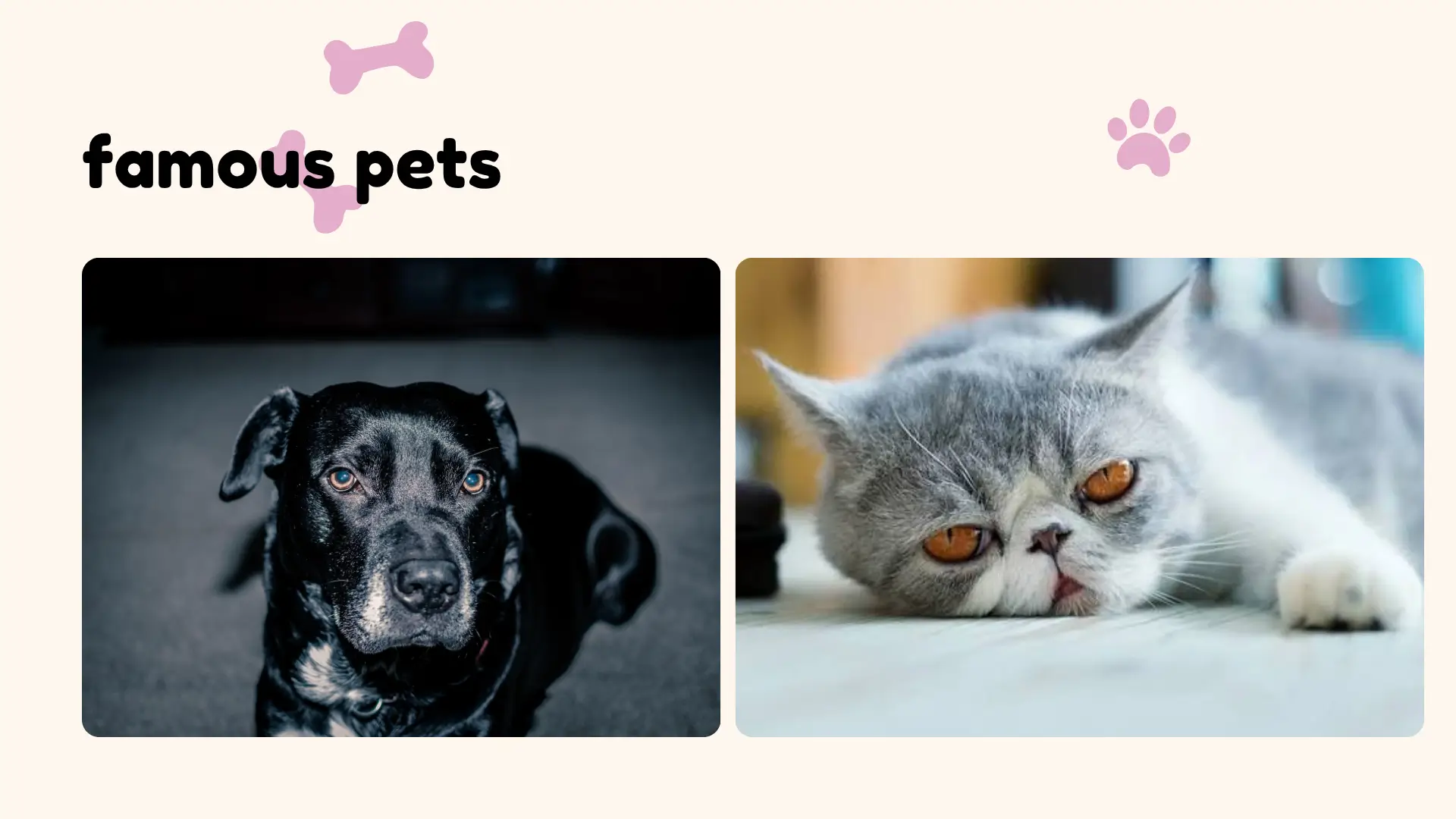
Featured Snippet Answer: Famous pets are animals who became widely known through real historical events, movies, cartoons, or social media. Some, like Hachiko or Laika, are remembered for loyalty or courage. Others, like Garfield or Snoopy, are cartoon characters. Together they shape how we see pets in culture.
Key Takeaways
- Famous pets fall into a few clear groups: real historical animals, movie and TV stars, cartoon characters, and social media pets.
- Most famous pets became known through one striking moment, a long-running show, or years of consistent online content.
- Learning their stories can help pet owners understand loyalty, training, and the bond between people and animals.
- This topic is a growing trend, driven largely by TikTok and Instagram pet accounts.
- No famous-pet story should push you toward risky costumes, diets, or stunts. Your vet always comes first.
Introduction
Ask any pet lover to name a famous animal, and they’ll rattle off a list fast. Lassie. Snoopy. Grumpy Cat. Hachiko. These names stick because they connect to something real: loyalty, humor, or a story that stayed with us.
People search for famous pets for a few reasons. Some want fun trivia for a quiz night. Others are curious about the true stories behind the movies and cartoons they grew up with. Many pet owners are simply looking for inspiration, wondering what it takes for an animal to capture the world’s attention.
This space keeps growing. Social media turned ordinary dogs and cats into household names almost overnight. A single video can now do what took a Hollywood studio months to build decades ago.
This guide walks through where famous pets come from, the different types you’ll find in history, film, and pop culture, and what their stories can teach everyday pet owners. We’ll also cover the practical side: costs, common mistakes, and when a vet should always be part of the picture.
What Is “Famous Pets”?
Famous pets are animals that gained wide public recognition, either through real events or fictional storytelling. The term covers everything from war dogs to cartoon cats.
Some earned fame through one dramatic act. Others became known through years of consistent screen time or online posts. A few, like Grumpy Cat, became famous almost by accident, thanks to a distinctive look shared across the internet.
The category isn’t limited to dogs and cats. Famous pets include a Soviet space dog, a sign-language-using gorilla, and even an octopus that guessed soccer results. What ties them together is public attention, not species or breed.
Quick Facts Box
| Fact | Details |
| Most common famous pet species | Dogs, followed by cats |
| Earliest widely known real famous pet | Animals from ancient royal courts and military history |
| Modern fame driver | Social media platforms like Instagram and TikTok |
| Fictional vs. real | Both categories are equally popular in search interest |
| Common traits linked to fame | Loyalty, humor, distinctive appearance, or a dramatic true story |
Where Does the Idea of Famous Pets Come From?
The idea of a “famous pet” goes back centuries, long before cameras existed. Royal courts and military units kept animals whose stories were passed down through writing and art.
Ancient Egyptian cats held near-sacred status, and their images appear throughout Egyptian art and writing. Roman and medieval nobility often had dogs painted into family portraits, giving those pets a kind of visual permanence.
Photography and film changed the scale entirely. Once animals could appear on screen, their personalities reached far beyond one household or town. This shift is well documented by film historians, though exact “first famous pet” claims vary by source, so it’s best treated as a general pattern rather than one fixed date.
History and Evolution
Famous pets moved through clear eras. Early fame came from real-world heroism or loyalty. Hachiko, an Akita in Japan, waited for his deceased owner at Shibuya Station for years, a story confirmed by historical records and honored with a statue that still stands today.
Hollywood’s golden age brought the next wave. Rin Tin Tin, a German Shepherd rescued from a World War I battlefield, became one of the biggest stars in early film. Lassie followed, first as a book character and then across films and a long-running TV series.
Cartoons added a permanent layer of fictional famous pets. Snoopy, Garfield, and Scooby-Doo became cultural fixtures that outlasted many live-action stars.
The internet era changed the pace completely. Grumpy Cat, Doug the Pug, and Jiff Pom built fame through consistent posting rather than a single studio deal. This shift toward social-media-driven pet fame is a widely reported trend, though follower counts and platform popularity shift often.
Key Characteristics of Famous Pets
Famous pets don’t share one breed or look. What they share is a quality that makes people remember them.
- A strong personality trait, like loyalty, stubbornness, or humor
- A distinctive appearance, such as Grumpy Cat’s naturally downturned mouth
- A real story with emotional weight, like Hachiko’s wait at the station
- Consistent visibility, whether through a TV series or a steady social feed
Temperament matters just as much as looks. Many famous real-life pets were calm around crowds and cameras, a trait that took patient, gradual training rather than luck alone.
Quick Comparison Snapshot
| Type of Famous Pet | Best For | Key Difference |
| Real historical pets (Hachiko, Laika) | Readers interested in true stories | Fame comes from a real, documented event |
| Movie and TV pets (Lassie, Rin Tin Tin) | Fans of classic film and television | Fame built through scripted, ongoing roles |
| Cartoon pets (Snoopy, Garfield) | Kids and nostalgic adults | Fame comes from illustrated, fictional characters |
| Social media pets (Doug the Pug, Grumpy Cat) | Modern pet-content fans | Fame built through short-form video and photos |
Famous Pets Names
Some names became so iconic that owners still borrow them today. Lassie, Rex, Toto, and Snoopy show up again and again in dog-naming lists and forums.
A name alone doesn’t create fame, but it does shape first impressions. Short, easy-to-call names tend to work best for training, regardless of whether you’re chasing internet fame or just want a dog that responds quickly outdoors.
If you’re naming a new pet, the American Kennel Club and other breed clubs suggest picking a name with a clear, distinct sound, since dogs respond better to names that don’t blend in with common commands.
Famous Pets Animals
While dogs and cats dominate the list, other species have earned real fame too. Koko the gorilla became known for learning sign language and communicating with researchers over many years.
Paul the Octopus gained worldwide attention for correctly predicting the outcomes of several 2010 World Cup matches, a story widely covered by international news outlets at the time.
Birds, horses, and even reptiles occasionally break through as well, usually tied to one specific event, a war effort, a rescue story, or an unusual talent that caught public attention.
Famous Pets in History
Real historical pets often carry the most emotional weight. Laika, a stray dog from Moscow, became the first animal to orbit Earth aboard Sputnik 2 in 1957, a mission documented by Soviet space records.
Presidential pets form their own mini-history. Socks, the Clinton family’s cat, and Bo and Sunny, the Obama family’s Portuguese Water Dogs, both received regular media coverage during their time at the White House.
Checkers, Richard Nixon’s dog, became linked to a famous political speech, cementing the dog’s name in American political history long after the event itself faded from daily conversation.
Famous Pets in Movies
Hollywood built entire careers around animal actors. Rin Tin Tin appeared in dozens of films during the silent and early sound eras, helping define the “hero dog” archetype still used today.
Toto, the small terrier from The Wizard of Oz, became one of the most recognized movie animals of all time. Beethoven, the gentle St. Bernard from the 1990s film series, introduced a new generation to a big, lovable family dog.
More recently, Uggie, the Jack Russell Terrier from The Artist, drew attention for his expressive performance, proving animal actors can still headline modern films.
Famous Pets Cartoon
Cartoon pets often outlive their live-action counterparts because they never age and never leave the screen. Snoopy, from the Peanuts comic strip, became one of the most recognized fictional dogs in the world.
Garfield brought a lazy, food-obsessed cat into daily newspapers and later animated shows. Scooby-Doo turned a nervous Great Dane into the centerpiece of a decades-long mystery franchise.
These characters shaped how many people picture certain traits: Snoopy’s daydreaming, Garfield’s sarcasm, and Scooby’s loyalty despite constant fear.
World Famous Pets Band
This entry is a bit different from the rest of this list, and it’s worth being upfront about that. “World Famous Pets” is not a pet story at all. It’s the name of a music group formed by singer-songwriter Edie Brickell along with musicians Matt Chamberlain, Kaveh Rastegar, and Mason Stoops.
The band released music and toured under this name, and it shares no connection to animal fame. We’re including it here only because the phrase overlaps with this article’s keyword, and a pet-focused site should be honest when a search term points somewhere unrelated.
Famous Pete’s
Same situation here. “Famous Pete’s” refers to restaurants, most notably a well-known pizza spot in Philadelphia and a family diner chain in New York’s Hudson Valley. It has nothing to do with animals.
We’re flagging it rather than stretching it into a pet story, since accuracy matters more than forcing every keyword to fit.
Famous Peter
This term doesn’t point to any clear, verifiable pet story either. Rather than guess or invent a connection, we’ll say plainly: if you searched this expecting pet content, it likely doesn’t exist under this exact phrase. Try “famous pet dogs” or a specific animal’s name instead for better results.
How to Get Started Learning About Famous Pets
If you want to explore this topic further, start with a category that interests you most. Real history, classic film, cartoons, and social media each have their own depth.
- Pick one category, like historical pets or movie animals.
- Look up two or three well-documented stories in that category.
- Read from a reliable source, such as a museum archive, film history site, or established news outlet.
- Compare how the animal’s fame started, through one event or through years of exposure.
- Apply any training or bonding lessons to your own pet, using positive, reward-based methods.
Cost Breakdown
Chasing “famous pet” status isn’t something we’d recommend as a goal, since it can push owners toward risky choices. But general pet ownership costs are worth knowing if a famous pet’s story inspired you to adopt.
- Adoption fees: Often 50–300 depending on the shelter and location
- Basic supplies: Roughly 200–500 for a crate, bed, bowls, and toys
- Annual food costs: Commonly 250–700, depending on size and diet
- Routine vet care: Often 200–400 a year for checkups and vaccines
These figures can vary widely by region and pet size, so it’s best to confirm current costs with a local shelter or veterinarian before budgeting.
Common Mistakes Pet Owners Make
A few patterns show up again and again among owners inspired by famous pets.
- Forcing a “personality” on a pet instead of letting its natural temperament show
- Overdoing costumes or props for photos, which can cause stress or overheating
- Skipping basic training while chasing viral moments
- Ignoring signs of anxiety during filming or photo sessions
- Feeding treats for content without checking ingredients with a vet first
Pros and Cons of Learning From Famous Pet Stories
| Pros | Cons |
| Builds appreciation for training and bonding | Can create unrealistic expectations for a pet’s behavior |
| Offers real, inspiring stories about loyalty | Some stories get retold with exaggerated details online |
| Encourages more thoughtful, patient pet care | Chasing “fame” can lead to pushing a pet past its comfort zone |
| Highlights the human-animal bond across history | Not every famous pet story applies to every breed or animal |
Similar Options and Alternatives
If famous pets caught your interest, a few related topics offer more to explore, each with its own angle beyond what’s covered above.
| Option | Best For |
| Military and working animal history | Readers interested in service dogs, war horses, and search-and-rescue animals |
| Royal and presidential pet archives | Readers curious about political and royal households through their animals |
| Pet training and behavior guides | Owners who want practical, step-by-step training help |
| Pet photography tips | Owners who want better photos without stressing their pet |
When to Consult a Vet or Professional
Any time a pet’s routine changes for photos, videos, or public appearances, a vet visit should come first. This includes new treats, costumes worn for long periods, or travel to unfamiliar places.
Watch for signs of stress during filming or photo sessions, like panting, pacing, or trying to hide. If you notice these signs, stop the activity and give your pet a break.
For anything involving diet changes, medication, or unusual symptoms, always talk to a licensed veterinarian rather than relying on trends you’ve seen online. What worked for one famous pet may not be safe for yours.
Fun Facts
- Hachiko’s loyalty story led to a bronze statue at Shibuya Station in Tokyo, still a popular meeting spot today.
- Laika became the first animal to orbit Earth in 1957 aboard the Soviet satellite Sputnik 2.
- Rin Tin Tin was rescued from a World War I battlefield in France before becoming a Hollywood star.
- Grumpy Cat’s real name was Tardar Sauce, and her expression came from a natural underbite and feline dwarfism.
- Paul the Octopus correctly predicted the outcomes of several matches during the 2010 FIFA World Cup.
- Socks and Bo both received official mentions in White House press coverage during their respective administrations.
- Koko the gorilla learned to use a modified form of American Sign Language over decades of study.
Frequently Asked Questions
What is the most famous pet? There’s no single, universally agreed answer, since fame depends on region, era, and whether someone means real animals or fictional ones. Hachiko is often cited as the most famous real pet due to his widely documented loyalty story and lasting memorial. In pop culture, Lassie and Snoopy are frequently named among the most recognized fictional pets, thanks to decades of continuous media presence across TV, film, and comics.
What is the top 10 best pet? “Best” pet depends entirely on your lifestyle, not a fixed ranking. Dogs and cats top most popularity lists because they adapt well to homes and bond closely with people. Smaller households or apartments often do better with cats, rabbits, or birds, since these pets typically need less space. Rather than chasing a generic “best” list, match the pet to your daily schedule, living space, and how much hands-on care you can realistically offer.
What are the 10 most popular pets in the world? Global pet popularity generally follows this pattern: dogs and cats lead by a wide margin, followed by fish, birds, small mammals like rabbits and hamsters, and reptiles such as turtles or bearded dragons. Exact rankings shift by country and survey source, so treat any specific top-10 list as a general guide rather than a fixed fact. Local shelters and national pet associations often publish more region-specific popularity data if you want current numbers.
What are the top 20 most popular pets? Expanding past the top 10 usually adds more specific breeds and species: certain dog breeds like Labrador Retrievers and French Bulldogs, cat breeds like Maine Coons, plus guinea pigs, ferrets, chickens, and various fish species. These extended lists vary by country and by which pet organization compiled them, so numbers can differ between sources. If you’re choosing a new pet, focus less on popularity rankings and more on which animal fits your home and time availability.
Final Thoughts
Famous pets stick with us because their stories are simple at heart. Loyalty, humor, courage, or just a funny face, these are things we recognize in our own pets every day.
You don’t need a famous pet to feel that same bond at home. Every dog waiting by the door or cat curling up on your lap is living out a small version of the same story that made Hachiko or Snoopy so memorable.
If anything, these stories are a reminder to slow down and pay attention to the animal already in front of you. That’s where the real connection lives, no fame required.

Emily Carter is a pet care writer at PetJournalHub. She enjoys creating clear, practical, and well-researched articles about pet health, nutrition, grooming, and everyday care. Her goal is to help pet owners make informed decisions through reliable, easy-to-understand content.