
The best turtles for pets depend on your space, experience, budget, and ability to meet their long-term care needs. Common musk turtles, painted turtles, and red-eared sliders are popular options to research. Before choosing one, consider its adult size, habitat, diet, lifespan, and veterinary needs. No turtle is completely maintenance-free.
Key Takeaways
- Common musk turtles appeal to keepers looking for a smaller aquatic turtle.
- Painted turtles suit people who enjoy watching an active basking species.
- Red-eared sliders can be rewarding pets, but their adult size demands substantial space.
- Every aquatic turtle needs clean water, appropriate filtration, a dry basking area, and suitable UVB lighting.
- Turtles can live for decades, so plan for long-term care and veterinary expenses.
- Turtles can carry Salmonella even when they look healthy. Wash your hands after handling them or cleaning their habitat.
PetMD
+2
Introduction
Turtles attract people who want a fascinating pet without the noise and daily interaction associated with dogs. Their slow movements, curious behavior, and distinctive shells make them interesting animals to observe. Some turtles also recognize feeding routines and become comfortable around familiar caregivers.
However, choosing a turtle involves more than finding one that looks cute in a pet shop. Different species have different habitat needs, adult sizes, diets, and temperature requirements. A tiny hatchling can grow into an animal that needs a large aquarium, powerful filtration, and regular specialist veterinary care.
That is why choosing the right species before buying supplies matters. You need to understand the animal’s adult size and care requirements, not just the conditions it needs as a baby.
This guide to the best turtles for pets compares popular options, explains the differences between aquatic and land-dwelling turtles, and outlines the costs and daily work involved. It also covers turtle ownership around children, common care mistakes, and questions to ask before bringing one home.
The goal is to help you choose a turtle whose needs fit your home and experience. Remember that local wildlife laws and pet-trade rules vary by location. Always check the rules that apply where you live before purchasing or adopting a turtle.
What Are the Best Turtles for Pets?
The best pet turtle is one whose long-term needs you can meet consistently. For many prospective owners, common musk turtles, painted turtles, and red-eared sliders are useful species to compare.
Aquatic turtles spend much of their time in water but also need access to a dry basking area. Terrestrial turtles, such as box turtles, need land-based habitats with appropriate shelter, humidity, temperature, and space.
These animals are not interchangeable. A habitat designed for an aquatic turtle will not meet a box turtle’s needs, and a land enclosure cannot replace an aquatic turtle’s swimming area.
Before selecting a species, consider three questions:
- Space: Can you provide a suitable adult-sized enclosure?
- Care: Can you maintain its water quality, lighting, temperature, and diet?
- Commitment: Can you care for the turtle throughout its potentially long life?
Your answers matter more than a turtle’s color, purchase price, or popularity.
Quick Facts About Pet Turtles
| Fact | Details |
| Main groups | Aquatic, semi-aquatic, and terrestrial |
| Typical habitat | Species-specific aquarium or land enclosure |
| Essential equipment | Appropriate lighting, heating, shelter, and habitat controls |
| Diet | Varies by species, age, and life stage |
| Lifespan | Often many years; some live for decades |
| Handling | Usually best kept to a minimum |
| Veterinary care | A veterinarian experienced with reptiles |
| Hygiene | Handwashing and safe habitat cleaning are essential |
These are general guidelines, not universal care specifications. Confirm the precise habitat, temperature, lighting, and feeding requirements for your chosen species with a qualified reptile veterinarian.
Where Do Pet Turtles Come From?
Pet turtles come from different parts of the world, depending on the species. Painted turtles and red-eared sliders originate in North America, while common musk turtles also come from North America.
Other pet turtles originate in Africa, Asia, and other regions. Their natural environments help explain their different needs. Some live in ponds and slow-moving waterways, while others occupy wetlands, forests, or terrestrial habitats.
This background matters when planning a turtle’s home. A species adapted to warm water may need controlled heating, while another may need different seasonal conditions.
Never assume that a turtle will thrive in your local climate simply because it lives outdoors in another part of the world. Research the exact species and provide a suitable enclosure year-round.
History and Evolution of Turtle Keeping
People have kept turtles in captivity for a long time, and the pet trade has made some species widely available. Red-eared sliders became especially familiar in the aquarium trade because of their recognizable appearance and availability.
Greater availability does not automatically make a species suitable for every household. Small hatchlings can grow substantially, and owners sometimes underestimate the cost of an adult habitat.
Modern responsible ownership focuses on species-specific husbandry, captive-bred animals where appropriate, proper veterinary care, and preventing the release of unwanted pets into the wild.
If you cannot continue caring for a turtle, contact a reputable rescue or qualified animal organization. Never release a captive turtle into a pond, river, or other natural habitat.
Key Characteristics and Care Needs
Pet turtles differ in size, behavior, habitat, and feeding needs. Understanding these differences helps you select an animal that fits your circumstances.
Habitat and swimming space
Aquatic turtles need enough water to swim, a secure dry basking platform, and an enclosure designed for their adult size. A small decorative bowl does not provide a suitable long-term home.
Land-dwelling turtles need different arrangements, including appropriate substrate, hiding places, and environmental conditions. Research their requirements separately instead of adapting an aquatic turtle setup.
Lighting and temperature
Many commonly kept turtles need UVB lighting to support normal calcium metabolism and shell and bone health. They also need species-appropriate temperatures and a suitable basking area.
A window that receives sunlight is not a dependable replacement for a properly designed UVB setup. Ordinary glass blocks much of the UVB radiation needed for this purpose.
Water quality
Aquatic turtles create waste that can quickly affect water quality. Use suitable filtration, monitor the water, and maintain a consistent cleaning routine.
A filter does not remove the need for water changes or regular checks. Poor water quality can contribute to health problems.
Diet and behavior
Turtles have different nutritional needs. Some eat a mixture of animal-based foods and plant matter, while others require a more specialized diet.
Most turtles are better suited to observation than frequent handling. They may bite, scratch, or become stressed when restrained, even if they appear calm.
Quick Comparison Snapshot
The following table compares four options based on general ownership considerations. Suitability still depends on the individual species, enclosure, and owner’s experience.
| Option | Best For | Key Difference |
| Common musk turtle | People seeking a smaller aquatic turtle | Usually stays smaller than many popular sliders |
| Painted turtle | Owners who enjoy watching active behavior | Colorful markings and basking habits |
| Red-eared slider | Owners prepared for a larger aquatic setup | Active, recognizable, but can grow quite large |
| Box turtle | Owners interested in a land-based turtle | Needs a terrestrial habitat rather than an aquarium |
PetMD
+2
Top 10 Best Turtles for Pets
No single ranking fits every household, and there are not ten equally suitable choices for beginners. The following species and groups offer a useful starting point for further research.
1. Common Musk Turtle
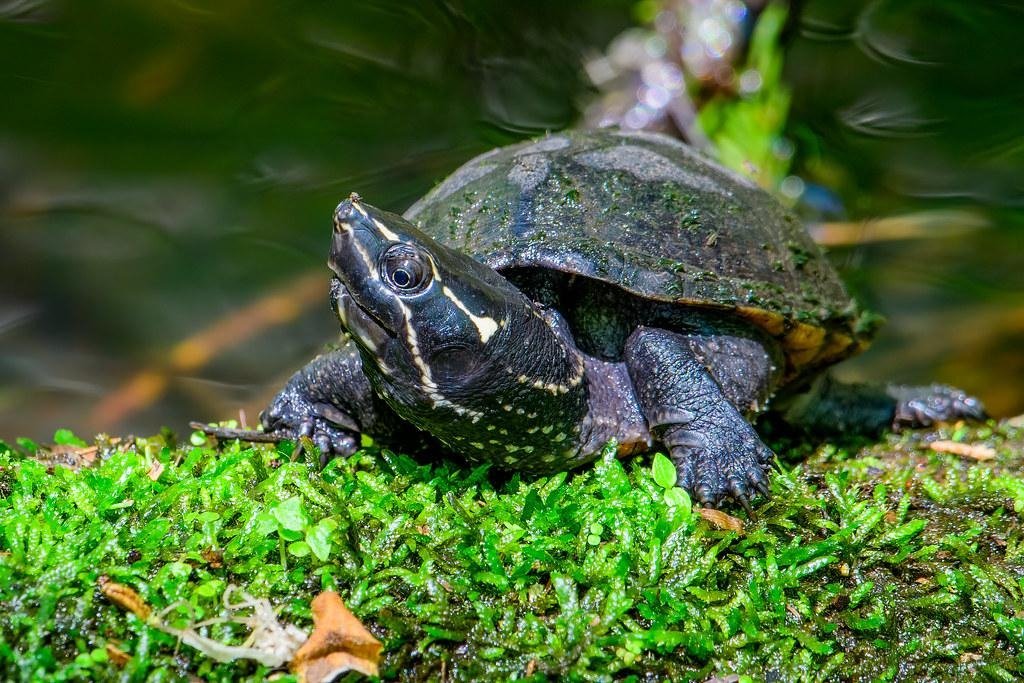
The common musk turtle is a popular option for people interested in a smaller aquatic species. It spends much of its time underwater and may walk along the bottom instead of swimming constantly in open water.
Its smaller adult size can make habitat planning easier than it would be for a large slider. However, it still needs clean water, suitable lighting, temperature control, a secure enclosure, and appropriate food.
Musk turtles can release a strong odor when stressed or threatened. Avoid excessive handling, and give the animal places to hide.
Best fit: A keeper who wants a smaller aquatic turtle and can maintain a properly equipped aquarium.
2. Painted Turtle
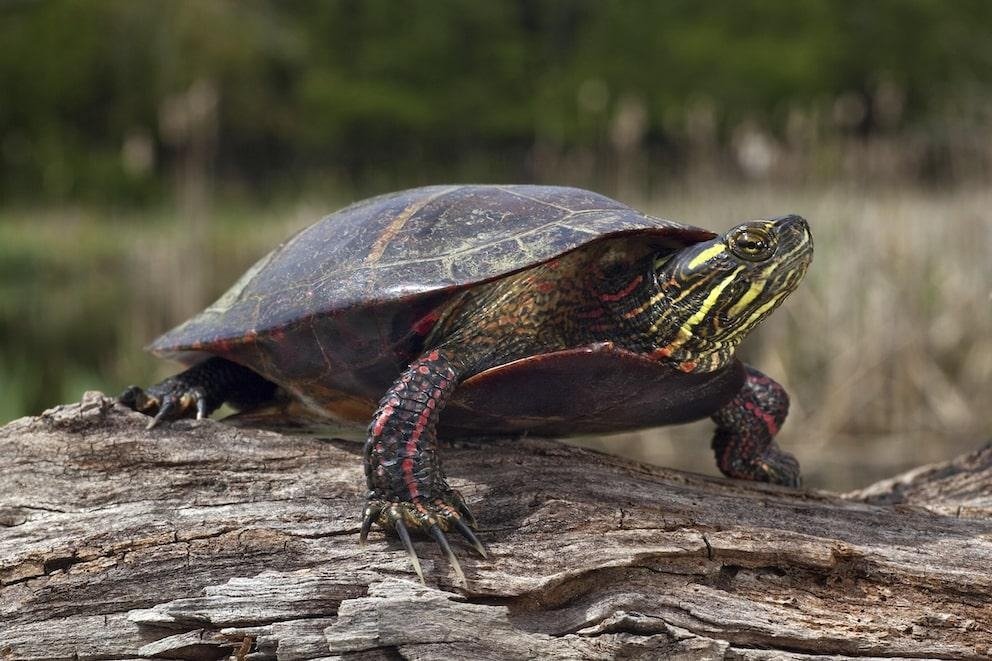
Painted turtles are known for their colorful markings and basking behavior. They can be appealing to owners who enjoy observing a turtle swimming, exploring, and resting under a basking light.
They need a suitable aquatic enclosure with clean water and a dry area where they can climb out completely. Their space requirements depend on the species and the animal’s adult size.
Painted turtles are not miniature pets. Plan for a full-grown turtle rather than choosing equipment based on the size of a young animal.
Best fit: Owners who enjoy an active aquatic turtle and can provide adequate swimming space.
3. Red-Eared Slider
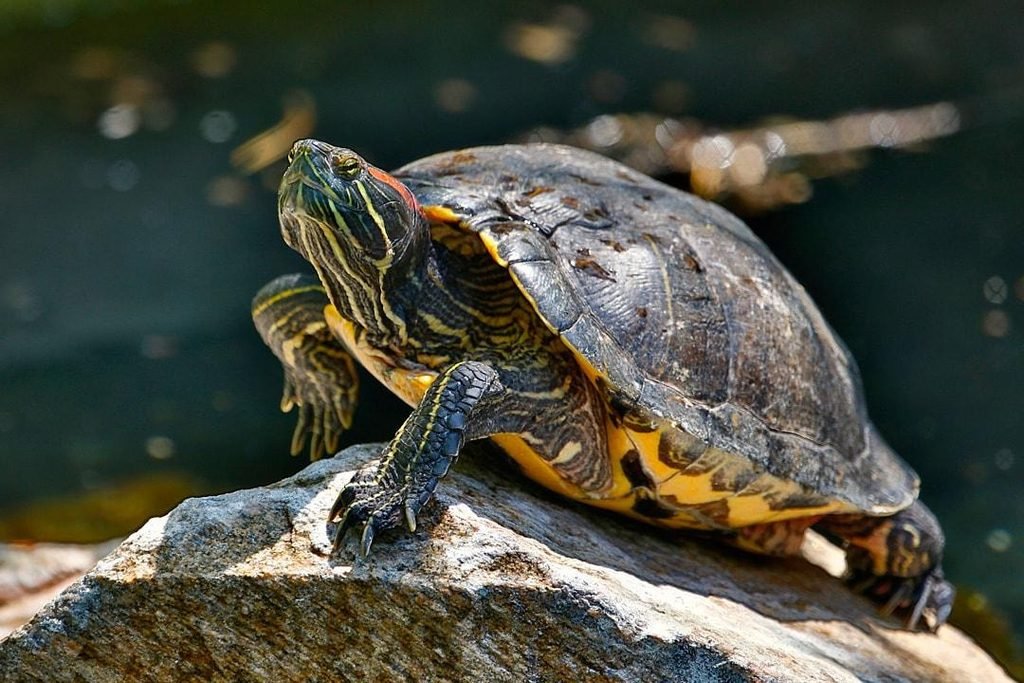
Red-eared sliders are among the most recognizable pet turtles. Their red markings behind the eyes help distinguish them from many other aquatic species.
They are active swimmers and often spend time basking. Their popularity can make them easier to research, but their adult size and waste production require serious planning.
A hatchling may look suitable for a small aquarium, yet the adult animal needs a much larger habitat. Never buy one without planning for the eventual enclosure and ongoing maintenance.
Best fit: Owners with room, budget, and time for a substantial aquatic setup.
4. Yellow-Bellied Slider
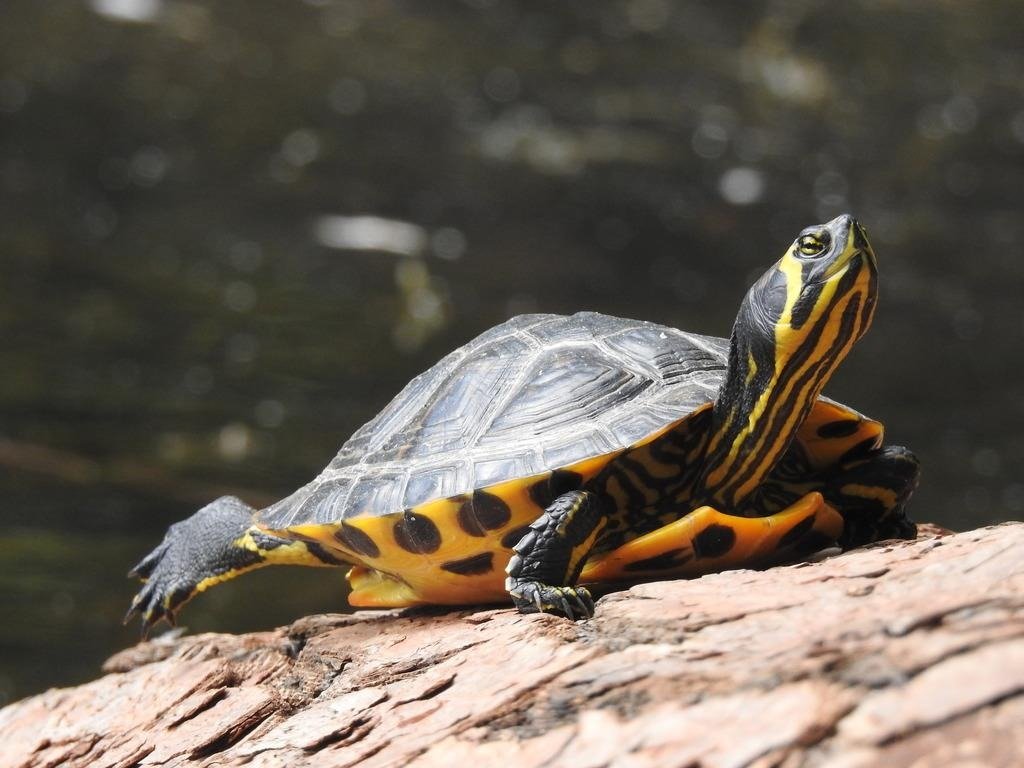
Yellow-bellied sliders are another aquatic species worth researching. Their yellow markings help distinguish them from red-eared sliders.
Like other sliders, they need swimming space, filtration, basking access, appropriate lighting, and a balanced diet. Their care should reflect their adult size rather than the small size of a young turtle.
They may suit owners who enjoy observing active aquatic reptiles, provided they can manage the enclosure as the turtle grows.
Best fit: Experienced planners who can accommodate an adult aquatic turtle.
5. Reeve’s Turtle
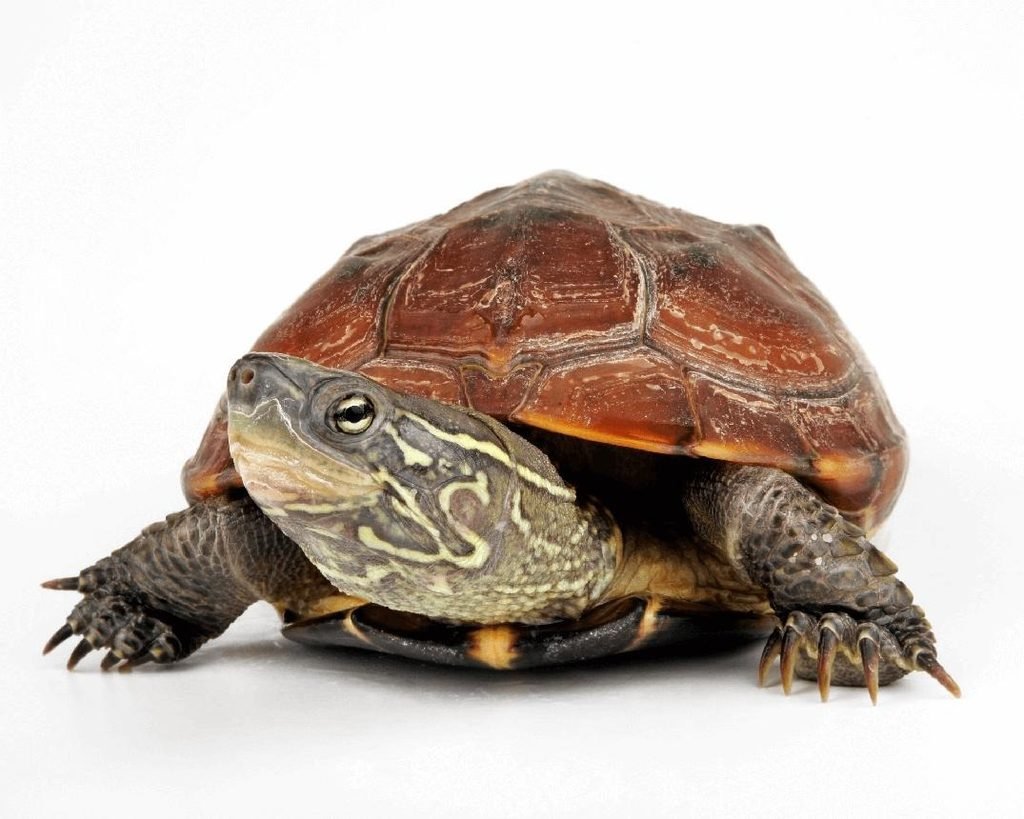
Reeve’s turtles are an Asian turtle species kept by some reptile enthusiasts. Their appearance and aquatic habits make them worth considering for people researching alternatives to sliders.
However, size, behavior, and care needs vary with the animal and conditions. Before buying one, research its specific habitat requirements and confirm that captive ownership and sale are legal in your area.
Do not assume that a less familiar species requires less work. Specialized care can make a seemingly manageable turtle more challenging.
Best fit: Owners willing to research species-specific needs before acquiring a turtle.
6. Map Turtle
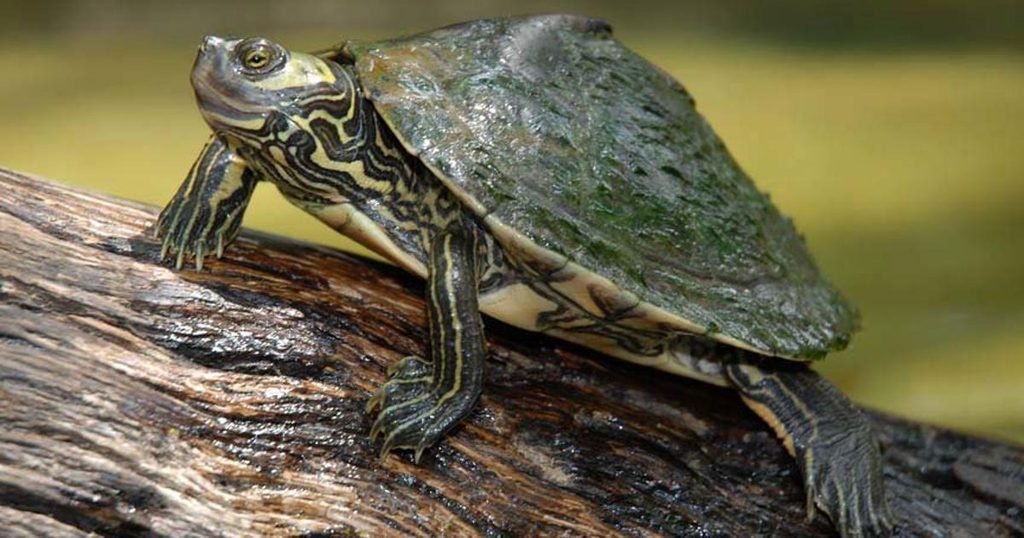
Map turtles have intricate patterns on their shells that resemble lines on a map. Their appearance makes them attractive to keepers who enjoy observing natural markings.
Their requirements can differ among species, and some need careful attention to water quality and habitat conditions. Research the exact species rather than relying on a general map-turtle care guide.
Consider adult size, availability of veterinary care, and the equipment needed before deciding whether one fits your home.
Best fit: A keeper who enjoys detailed shell patterns and is prepared to meet species-specific needs.
7. African Sideneck Turtle
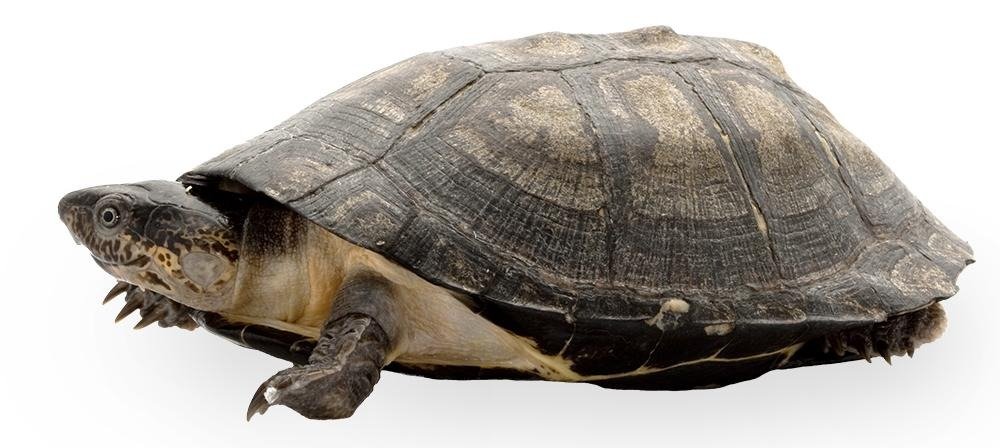
African sideneck turtles are known for their distinctive way of moving their necks sideways beneath the shell. They can be interesting animals to observe in a well-planned habitat.
The common name covers turtles with different needs, so identify the exact species before purchasing. Many require warm water, a suitable basking area, UVB lighting, and careful water maintenance.
Availability and veterinary expertise may also influence whether this is a practical choice for you.
Best fit: Owners who can confirm the species and follow a detailed care plan.
8. Box Turtle
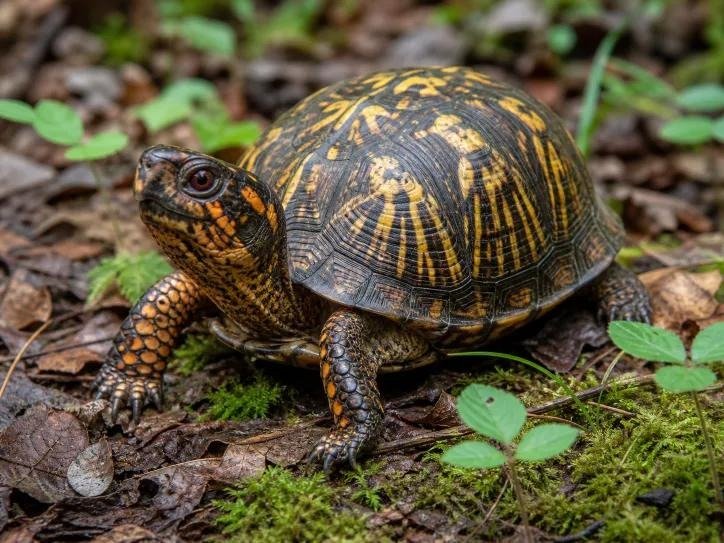
Box turtles are terrestrial turtles, not typical aquarium turtles. They need a land-based enclosure with suitable substrate, hiding areas, humidity, temperature control, and opportunities for natural behavior.
Their needs differ significantly from those of aquatic species. A dry tank with a water dish alone will not meet their full environmental requirements.
Some box turtle species face conservation pressures, and local laws may restrict collecting or keeping them. Check the source and legality carefully, and favor responsible, lawful acquisition.
Best fit: Owners prepared to manage a carefully controlled land habitat.
9. Wood Turtle
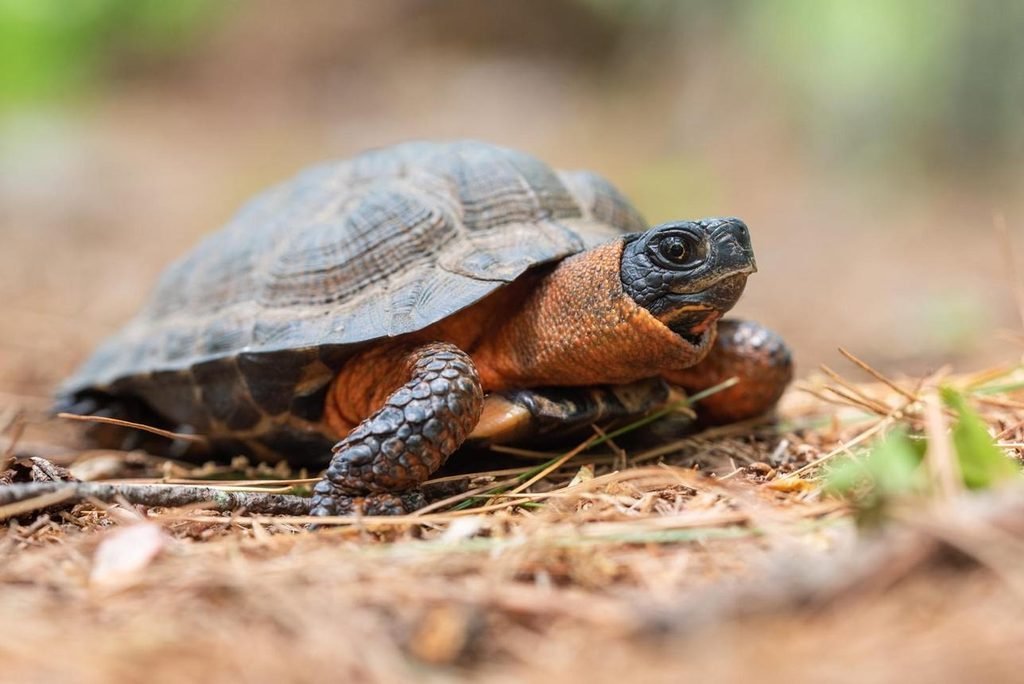
Wood turtles are semi-aquatic animals with specialized habitat needs. They may appeal to experienced reptile keepers who want to research a less conventional species.
However, wood turtles raise important legal and conservation concerns in some areas. Their availability in the pet trade does not prove that a specimen was obtained legally or sustainably.
Before considering one, consult local wildlife authorities and an experienced reptile veterinarian. Do not collect a wild turtle to keep as a pet.
Best fit: Experienced keepers who can verify legality, sourcing, and appropriate care.
10. Eastern Mud Turtle
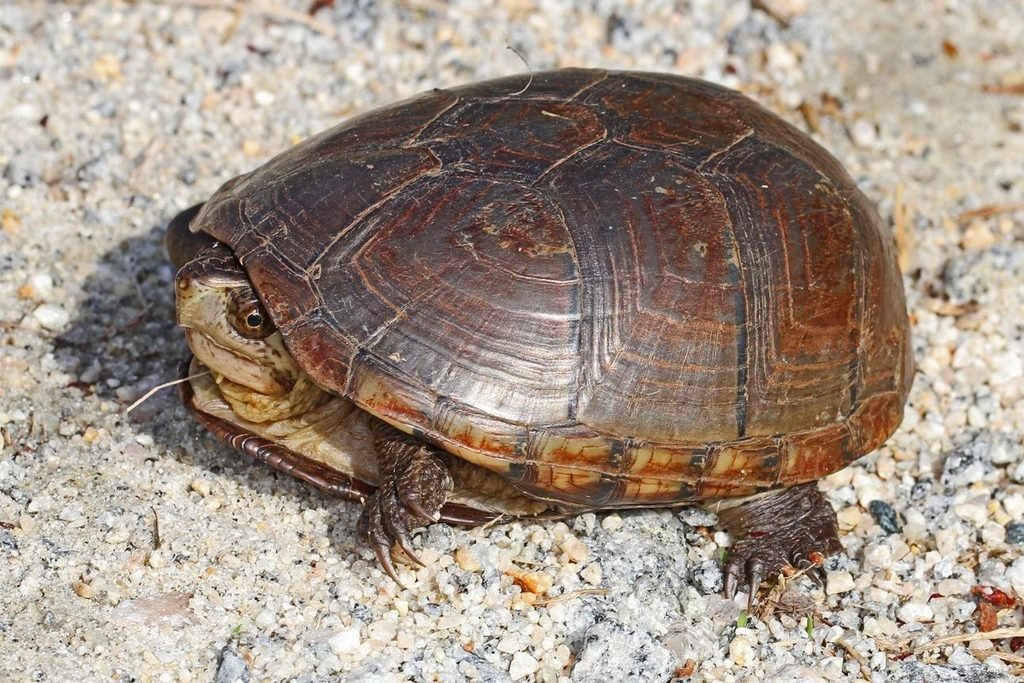
Mud turtles are small aquatic or semi-aquatic turtles, depending on the species. Their relatively compact size may attract people who cannot accommodate a very large slider.
They still need an appropriate aquatic habitat, clean water, a suitable basking or resting area, and a balanced diet. Requirements vary across species, so verify the exact animal’s needs before buying.
As with other turtles, confirm local restrictions and make sure a reptile veterinarian can provide ongoing care.
Best fit: A keeper who wants to explore a smaller species and can provide proper aquatic housing.
These ten options are not a universal top-ten ranking. For many beginners, the common musk turtle, painted turtle, and red-eared slider provide the clearest starting comparison. More specialized or conservation-sensitive species deserve extra research before acquisition.
Best Pet Turtle for Beginners
A common musk turtle or painted turtle may suit some first-time owners, while a red-eared slider can work for someone prepared for a larger habitat. The right choice depends on your space, budget, and willingness to maintain the enclosure.
Beginners should prioritize manageable care requirements rather than a turtle’s appearance. Before buying, ask a reptile veterinarian or experienced, reputable breeder to review your planned setup.
Use this checklist:
- Confirm the exact species and expected adult size.
- Research its diet and environmental requirements.
- Set up and test the enclosure before bringing the turtle home.
- Find a veterinarian who treats reptiles.
- Check local ownership and wildlife regulations.
A smaller species can make space planning easier, but it still needs proper equipment and daily attention.
Types of Pet Turtles That Stay Small
Some species remain smaller than large sliders, making them easier to accommodate in a suitable home aquarium. Common musk turtles are one option worth researching, although their size and requirements still depend on the individual species.
Do not confuse a small adult turtle with a baby turtle. Many species sold as tiny hatchlings grow much larger as they mature.
Before choosing a compact species, consider more than shell length. You must also provide enough water or land space, room for equipment, a secure enclosure, and an appropriate basking or resting area.
Important: No turtle is a good choice if you cannot provide its full adult habitat. Avoid buying an animal simply because it fits a small tank today.
Best Turtle for a Pet for Kid
A turtle can help a family learn about animal behavior and responsible care, but it is not usually a hands-on pet for young children. Adults must manage the habitat, feeding, cleaning, and veterinary appointments.
Turtles can carry Salmonella even when they appear healthy. The CDC advises against keeping pet turtles in households with children younger than five because of the risk of serious illness.
CDC
If an older child wants a turtle, make the arrangement an adult-supervised family responsibility. Teach the child to observe the animal calmly, avoid kissing or cuddling it, and wash their hands after contact.
Do not let a child clean the tank alone or carry a turtle around the house. Keep its habitat and equipment away from food preparation areas.
What Is the Friendliest Turtle for a Pet?
There is no single turtle species that is always the friendliest. Individual behavior varies, and a turtle that calmly approaches its enclosure wall may still dislike being picked up.
Some aquatic turtles learn to associate their caregivers with food. This behavior can make them interesting to observe, but it does not mean they enjoy physical contact.
If you want a pet that enjoys cuddling, a turtle may not meet your expectations. Choose one because you enjoy observing its natural behavior and can provide the right habitat, not because you expect affection.
Pet Turtles for Sale: What to Check Before Buying
Before looking for a turtle for sale, identify the species you want and research its adult needs. A responsible seller should be able to tell you the species, approximate age or size when known, feeding routine, and relevant health history.
Ask whether the turtle was bred in captivity or collected from the wild. Request documentation where appropriate, and check local rules on keeping or transporting that species.
Watch for warning signs, including discharge from the eyes or nose, damaged shells, unusual lethargy, or difficulty swimming. These signs warrant veterinary attention, although a healthy-looking turtle can still carry disease.
Avoid impulse purchases and sellers who cannot explain the animal’s care needs. In the United States, federal rules restrict selling or distributing turtles with shells shorter than four inches as pets, with limited exceptions. Rules elsewhere may differ.
CDC
Daily Care Routine: How to Get Started
A consistent routine helps you notice changes in behavior, appetite, and habitat conditions before they become serious problems.
Morning checks
- Confirm that the water and enclosure temperatures remain within the species’ recommended ranges.
- Check that the basking area and lighting equipment work correctly.
- Observe the turtle’s movement, breathing, eyes, and general behavior.
- Offer the appropriate food according to its age and species.
During the day
Give the turtle access to its required warm and cool areas. Avoid unnecessary handling, loud disturbances, or repeated attempts to make it interact with you.
Remove uneaten food when appropriate to prevent water quality from deteriorating. Monitor the filter and make sure the turtle can climb onto its basking platform safely.
Evening checks
Check the enclosure again and follow the correct lighting schedule. Many turtles need a regular day-and-night cycle, so use a suitable timer where appropriate.
Weekly and routine maintenance
Test water quality as needed, clean equipment, and perform partial water changes according to your setup and species. Replace or service equipment according to the manufacturer’s instructions.
Do not change all habitat conditions at once without a reason. Stable, species-appropriate conditions help reduce stress.
Cost Breakdown: How Much Does a Pet Turtle Cost?
The total cost of keeping a turtle includes more than the purchase price. Equipment, electricity, food, cleaning supplies, and veterinary care can become the larger expenses over time.
| Expense | What to Budget For |
| Turtle | Depends on species, source, and local availability |
| Enclosure | Aquarium or land habitat sized for adult needs |
| Filtration | Suitable filter and replacement media, if applicable |
| Lighting and heat | Appropriate UVB and heating equipment |
| Food | Species-appropriate pellets and other required foods |
| Maintenance | Water testing, cleaning supplies, and equipment upkeep |
| Veterinary care | Initial examination, routine visits, and unexpected treatment |
Prices vary significantly by country, species, equipment quality, and veterinary access. Request local quotes before purchasing. Do not rely on the cheapest starter kit if it cannot meet the turtle’s needs.
Build an emergency fund for veterinary treatment and equipment failure. A heater or filter breakdown can quickly create a serious problem for an aquatic turtle.
Common Mistakes Pet Owners Make
Even a well-intentioned owner can make mistakes when turtle care seems simpler than it really is.
Choosing a turtle based on hatchling size. Small hatchlings can grow into animals that need much more room. Research the adult size first.
Using a bowl instead of a proper habitat. Aquatic turtles need swimming space, suitable water conditions, and a place to bask.
Skipping UVB lighting. Many commonly kept turtles need appropriate UVB exposure to support normal calcium metabolism. Ask a reptile veterinarian to confirm the lighting requirements for your species.
Feeding the same food every day. Nutritional needs vary with species and age. Build a balanced feeding plan instead of guessing.
Keeping incompatible turtles together. Turtles may compete, bite, or injure one another. Separate housing is often the safer choice unless an expert confirms that the arrangement suits the animals.
Handling the turtle too often. Repeated restraint can cause stress. Keep handling brief and necessary.
Releasing an unwanted pet. Captive turtles may harm local ecosystems or spread disease. Contact a rescue or animal welfare organization for rehoming advice instead.
PetMD
+2
Pros and Cons of Keeping a Turtle
| Pros | Cons |
| Interesting natural behavior to observe | Requires specialized habitat equipment |
| No walks or outdoor exercise sessions like a dog | Regular cleaning and water maintenance may be demanding |
| Several species offer different sizes and lifestyles | Adult size can surprise unprepared owners |
| Can suit people who prefer observing animals | Most do not enjoy frequent handling |
| Can be rewarding for long-term keepers | May need specialist veterinary care for many years |
Turtles can be rewarding pets for people who enjoy reptile care. They are less suitable for anyone seeking a cuddly, low-cost animal that needs little equipment.
Similar Options and Alternatives
If none of the species above fits your home, consider whether a different kind of turtle—or a different pet altogether—would be a better match.
| Option | Best For |
| Terrestrial box turtle | People who can provide a species-appropriate land habitat |
| Common musk turtle | Owners researching a smaller aquatic species |
| Painted turtle | People who enjoy watching active aquatic behavior |
| Red-eared slider | Owners with room for a large, well-maintained aquatic setup |
| A different small pet | Families who need a pet with different housing and interaction needs |
This table is a decision guide, not a claim that every listed animal is easy to care for. Compare adult requirements, local regulations, and veterinary access before making a choice.
When to Consult a Vet or Professional
Arrange an initial health examination with a veterinarian experienced in reptiles. The vet can assess the turtle, review its diet, and help you check the enclosure’s lighting, temperature, and water conditions.
Seek prompt veterinary advice if you notice any of these signs:
- Loss of appetite or unusual weakness.
- Swollen or persistently closed eyes.
- Nasal discharge, wheezing, or open-mouth breathing.
- Difficulty swimming, floating abnormally, or trouble moving.
- Shell damage, bleeding, swelling, or unusual soft areas.
- A sudden change in activity or behavior.
Do not try to treat a suspected infection or shell problem with household products or medication intended for another animal. A veterinarian needs to determine the cause and recommend appropriate care.
Consult local wildlife authorities before acquiring a species with possible conservation or ownership restrictions. An experienced professional can also help you evaluate whether your home and budget suit the turtle you want.
Fun Facts About Pet Turtles
- A turtle’s upper shell is called the carapace, while the lower shell is the plastron.
PetMD - Red-eared sliders get their name from the red markings near their eyes.
- Painted turtles have distinctive colorful markings.
- Map turtles have shell patterns that resemble lines on a map.
- Many aquatic turtles leave the water to bask.
- Different turtle species need different diets and habitat conditions.
- Some pet turtles live for decades, making ownership a long-term commitment.
PetMD
+1
Frequently Asked Questions
Which turtle is the friendliest?
No turtle is guaranteed to be friendly, and friendliness means something different for reptiles than it does for dogs or cats. Some turtles learn to approach people at feeding time or become comfortable with a familiar routine. However, they may still dislike being picked up or touched.
If you want an animal to observe, a turtle can be a rewarding choice. If you want a pet that actively seeks cuddles, consider another species. Choose your turtle based on its care requirements and natural behavior rather than expecting it to enjoy human contact.
Which turtle likes to be handled?
Most aquatic turtles do not enjoy frequent handling. They may tolerate necessary contact during health checks or enclosure maintenance, but tolerance does not prove that they enjoy it. A turtle may withdraw into its shell, struggle, or try to escape when restrained.
Keep handling brief and gentle when necessary, support the animal securely, and avoid dropping or squeezing it. Wash your hands after contact, and never kiss a turtle. If you need to handle one for medical reasons, ask a reptile veterinarian to demonstrate the safest technique for its species and size.
PetMD
+1
Are turtles a good house pet?
Turtles can be good pets for people who enjoy observing animals and can maintain a specialized habitat. They do not need walks, but aquatic species require filtration, water maintenance, appropriate lighting, and temperature control. Many also live for decades.
They are not ideal for every household. Families must consider hygiene, available space, equipment costs, and access to a reptile veterinarian. Turtles can carry Salmonella, so handwashing and safe habitat cleaning are essential. Households with young children or people at increased risk of serious infection should review public health guidance before choosing a turtle.
Merck Veterinary Manual
+1
What is the most easiest turtle to take care of?
There is no turtle that is easiest for every owner. A common musk turtle may be worth researching if you want a smaller aquatic species, but it still needs suitable water conditions, filtration, lighting, food, and veterinary care. A larger turtle may require more space and more demanding equipment.
The easiest choice is the species whose needs you can reliably meet. Before buying, confirm adult size, expected lifespan, diet, enclosure requirements, and local legal restrictions. Prepare the habitat first and find a reptile veterinarian before bringing the animal home.
Do pet turtles need a heat lamp and UVB light?
Many commonly kept turtles need both a suitable heat source and UVB lighting, but exact requirements depend on the species and habitat. A basking area lets an aquatic turtle leave the water and regulate its body temperature. Appropriate UVB supports normal calcium metabolism and shell and bone health.
Do not guess the lamp distance or temperature. Use reliable thermometers and follow species-specific guidance from a reptile veterinarian or trusted veterinary resource. Also make sure the turtle cannot touch hot bulbs or knock equipment into the water.
PetMD
+1
Can two pet turtles live in the same tank?
Sometimes, but sharing an enclosure can create problems. Turtles may compete for food and basking areas, bite one another, or show stress. Different species should not be housed together without expert guidance, and even members of the same species may not get along.
Separate enclosures give you more control over feeding, health monitoring, and habitat conditions. If you already keep multiple turtles together, watch for aggression or injuries and consult a reptile veterinarian about safe housing. Plan the enclosure around the animals’ individual needs rather than assuming they want company.
PetMD
+1
Final Thoughts
Choosing a turtle starts with understanding the animal you can care for over the long term. A smaller species may simplify enclosure planning, while a larger turtle can suit someone with more space and a bigger maintenance budget.
Common musk turtles, painted turtles, and red-eared sliders are useful starting points for your research. Each offers a different experience, and none should be considered maintenance-free. Before making your decision, confirm the species, adult size, habitat needs, diet, and expected lifespan.
Prepare the enclosure before bringing your turtle home. Set up the right lighting and temperature controls, learn how to maintain water quality if needed, and find a veterinarian who treats reptiles. Check local laws and buy or adopt through a responsible source.
Remember that turtles are usually pets to observe rather than cuddle. They need a safe habitat, careful handling, and consistent care. If you can meet those needs for years to come, you will be much better prepared to give your turtle a healthy, comfortable home.

Sophia Bennett is an animal care contributor at PetJournalHub. She writes educational articles about companion animals, pet wellness, training, and daily care. She believes that trustworthy information helps every pet owner build a healthier and happier life for their pets.