
The easiest pets to care for are animals whose daily needs fit your time, budget, home, and experience. Cats, certain adult dogs, hamsters, gerbils, and some fish may suit different households. However, every pet needs proper food, clean housing, attention, and health care. The best choice is one you can care for consistently throughout its life.
Key Takeaways
- Best for companionship: An adult cat may suit people who want affection without daily walks.
- Best for active families: A calm, well-matched adult dog can make a wonderful companion.
- Best for small spaces: Gerbils, hamsters, and suitable fish setups can fit some homes.
- Best for children: Choose based on the child’s maturity, the animal’s needs, and adult supervision.
- Best for a tight budget: Compare lifetime expenses, not just the adoption fee or purchase price.
- Most important rule: No pet is completely maintenance-free. Every species needs suitable housing, nutrition, enrichment, and veterinary care.
American Veterinary Medical Association
+1
Introduction
Choosing a pet sounds exciting until you start thinking about feeding schedules, cleaning, vet visits, and daily responsibilities. You may want a friendly companion without spending hours on grooming or exercise. Perhaps you live in an apartment, work long hours, or want a pet your family can care for together.
That is why many people search for the top 10 easiest pets to take care of. They want an animal that fits their lifestyle without creating more work than they can manage.
The good news is that several pets can suit first-time owners. Some cats need little grooming, certain adult dogs already know basic house rules, and small mammals fit into compact homes when their enclosures meet their needs. Fish can also be rewarding, although keeping their water healthy takes regular attention.
Still, easy care means different things to different people. A cat may need less outdoor exercise than a dog, but litter cleaning and preventive health care remain essential. A hamster may take up little room, yet it needs suitable bedding, a secure enclosure, and opportunities to explore.
This guide compares ten popular choices, explains their daily needs, and helps you weigh costs and safety. You will also learn which animals may suit children and which pets demand more care than their small size suggests.
The goal is simple: choose a companion whose needs you can meet comfortably, rather than picking an animal based on appearance alone.
What Are the Easiest Pets to Care For?
The easiest pets are those whose feeding, cleaning, exercise, and social needs fit your normal routine. For one person, that may mean an independent adult cat. For another, it may mean watching fish or caring for a small mammal.
There is no universal winner because each species has different needs. Your home, schedule, budget, and access to veterinary care all affect the decision.
Here are ten options worth considering:
- Adult cats: Often a good match for people who want companionship without scheduled outdoor walks.
- Guinea pigs: Gentle, social animals that need generous housing and daily care.
- Hamsters: Small pets with specific housing needs and activity patterns.
- Gerbils: Active burrowing rodents that enjoy digging and exploring.
- Betta fish: Colorful fish that need suitable water conditions and a properly equipped aquarium.
- Certain freshwater fish: Suitable species can work for beginners who learn aquarium care first.
- Leopard geckos: Reptiles with specialized heating, lighting, and feeding needs.
- Domestic rats: Intelligent, social animals that need companionship and enrichment.
- Adult dogs with suitable temperaments: Potentially good companions for owners who can provide walks, training, and attention.
- Budgies: Small, lively birds that need social interaction, space, and mental stimulation.
This list is a practical starting point, not a scientific ranking. A low-maintenance pet still depends on responsible care, and some animals require more specialist knowledge than their size suggests.
American Veterinary Medical Association
+1
Quick Facts Box
| Fact | Details |
| Best overall starting point | A well-matched adult cat may suit many busy households |
| Small-space options | Gerbils, hamsters, and suitable aquarium setups |
| Pets for active owners | Dogs and social birds |
| Pets needing specialist equipment | Fish, reptiles, and some birds |
| Main daily tasks | Feeding, cleaning, observation, and enrichment |
| Main long-term expense | Food, supplies, routine veterinary care, and unexpected treatment |
| Best choice for children | An animal whose needs match the family’s ability to supervise and provide care |
These are general comparisons. Individual animals, species, housing requirements, and local veterinary services can change the level of effort and cost.
Key Characteristics and Care Needs
Before choosing a pet, look beyond its size and appearance. Consider how often it needs attention, what kind of habitat it requires, and whether it enjoys handling.
Time and daily attention
Dogs generally need regular walks, training, play, and companionship. Cats need daily interaction, litter care, and opportunities to climb, scratch, and play. Small mammals need feeding, habitat maintenance, and enrichment, even when they spend much of the day inside an enclosure.
Fish do not need cuddling or walks, but they still require regular observation and water maintenance. Reptiles may need carefully controlled temperatures and species-specific lighting.
Space and housing
A small animal does not automatically need only a small cage. Hamsters need room to explore and burrow, while guinea pigs need substantial floor space and suitable companionship. Fish need an aquarium that supports their species and adult size.
Measure the available space before buying supplies. Also check your lease, household rules, and local laws.
Social needs and temperament
Some pets enjoy handling, while others prefer watching people from a safe distance. Individual temperament matters as much as species.
Choose an animal whose normal behavior suits your expectations. If you want a cuddly companion, a fish or a hamster that dislikes handling may disappoint you.
Quick Comparison Snapshot
| Option | Best For | Key Difference |
| Adult cat | People wanting an affectionate indoor companion | No routine outdoor walks, but litter and enrichment are essential |
| Hamster | Owners interested in observing a small animal | Usually most active during the evening or night |
| Betta fish | People who enjoy aquarium care | Water quality and suitable tank conditions matter more than handling |
| Adult dog | Active owners seeking close companionship | Needs regular walks, training, and direct social interaction |
This snapshot highlights four different care styles. The right choice depends on which routine you can maintain every day.
Top 20 Easiest Pets to Take Care Of
Although the main list focuses on ten options, you can broaden your search by considering other suitable species and individual animals. The following twenty choices are possibilities to research, not a ranking from easiest to hardest.
| Pet | What to Consider |
| Adult domestic cat | Litter care, play, scratching, and health checks |
| Calm adult dog | Walking, training, exercise, and companionship |
| Hamster | Secure enclosure, deep bedding, and nighttime activity |
| Gerbil | Digging space, social needs, and enrichment |
| Guinea pig | Roomy housing, suitable companionship, and a proper diet |
| Domestic rat | Social interaction, enrichment, and veterinary access |
| Budgie | Daily interaction, flight space, and mental stimulation |
| Canary | Appropriate housing, diet, and species-specific care |
| Zebra finch | Social housing and space for movement |
| Betta fish | Heated, suitable aquarium and water quality |
| Guppies | Appropriate tank conditions and population control |
| Platies | Suitable water conditions and reproduction management |
| Corydoras catfish | Compatible tankmates and suitable aquarium conditions |
| Leopard gecko | Temperature control, suitable lighting, and appropriate food |
| Crested gecko | Humidity, temperature, climbing space, and diet |
| Corn snake | Secure enclosure, temperature control, and species-specific feeding |
| Domestic rabbit | Space, enrichment, hay, and regular health care |
| Domestic mouse | Secure housing, social needs, and careful handling |
| Hermit crab | Species-specific habitat, humidity, and suitable resources |
| Poodle mix or another suitable adult dog | Individual coat, exercise, health, and training needs |
Some choices on this list require more specialized care than beginners expect. Rabbits, reptiles, fish, and birds all have needs that can be difficult to meet without research. Confirm the requirements of the exact species before committing.
Top 10 Easiest Pets to Take Care Of at Home
The best household pets are those that can thrive safely in your available space. Cats, small mammals, and certain fish may work well indoors, but their care routines differ.
1. Adult domestic cat

An adult cat can be a practical choice for people who want companionship without daily outdoor walks. Many cats groom themselves, and some adapt well to indoor living.
You still need to scoop the litter box, provide fresh water, serve appropriate food, and schedule playtime. Scratching posts, climbing areas, and hiding places help support normal behavior.
Consider adopting an adult cat whose temperament and known needs fit your home. A long-haired cat may need more brushing, while a cat with medical needs may require extra care.
2. Hamster
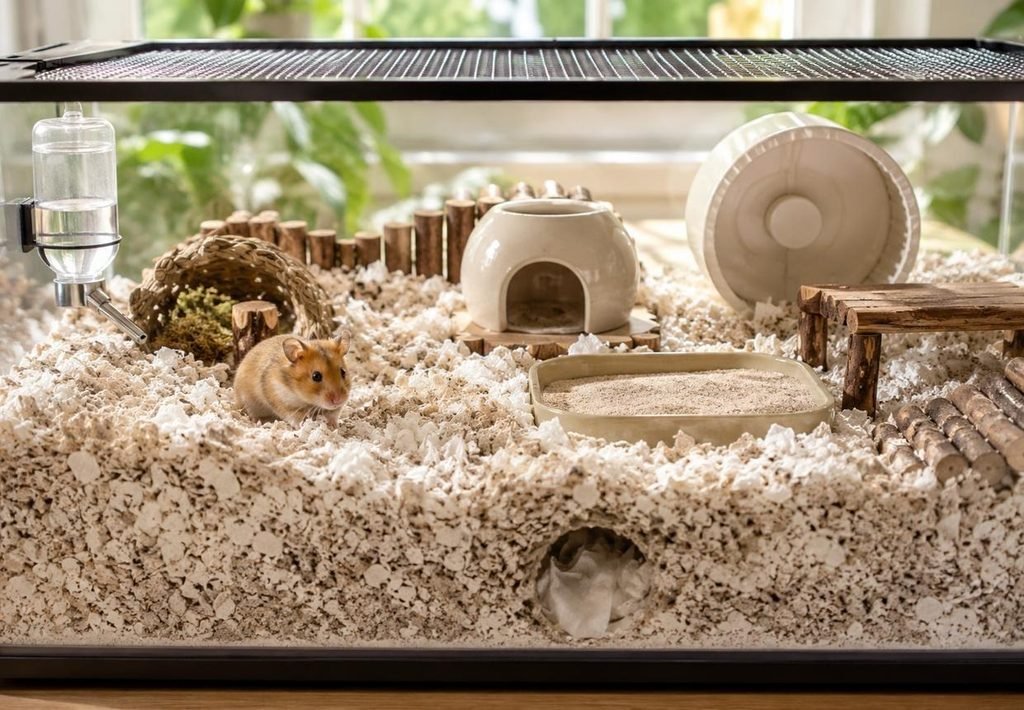
Hamsters suit people who enjoy watching an animal explore rather than handling it constantly. They need a secure enclosure, suitable bedding, a safe exercise wheel, hiding places, and a balanced diet.
Many hamsters sleep during the day and become active in the evening or at night. That routine may not suit a child who wants to play with a pet after school.
Handle a hamster gently and let it approach at its own pace. An adult should oversee its care, especially when children live in the home.
3. Gerbil
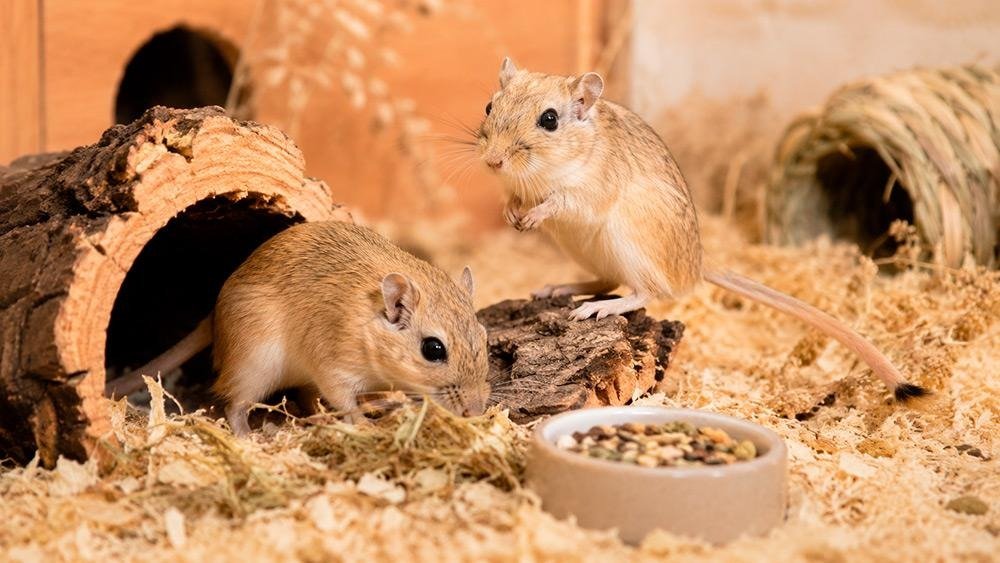
Gerbils are active small mammals that enjoy digging, exploring, and using tunnels. Watching their natural behavior can be rewarding without requiring long outdoor exercise sessions.
They need a secure enclosure with deep bedding, suitable food, fresh water, and regular cleaning. Gerbils are social animals, so research compatible same-sex companions and proper introductions before bringing them home.
They are not ideal for people who want a pet to cuddle for long periods. Their small bodies also require gentle handling and careful supervision.
4. Betta fish
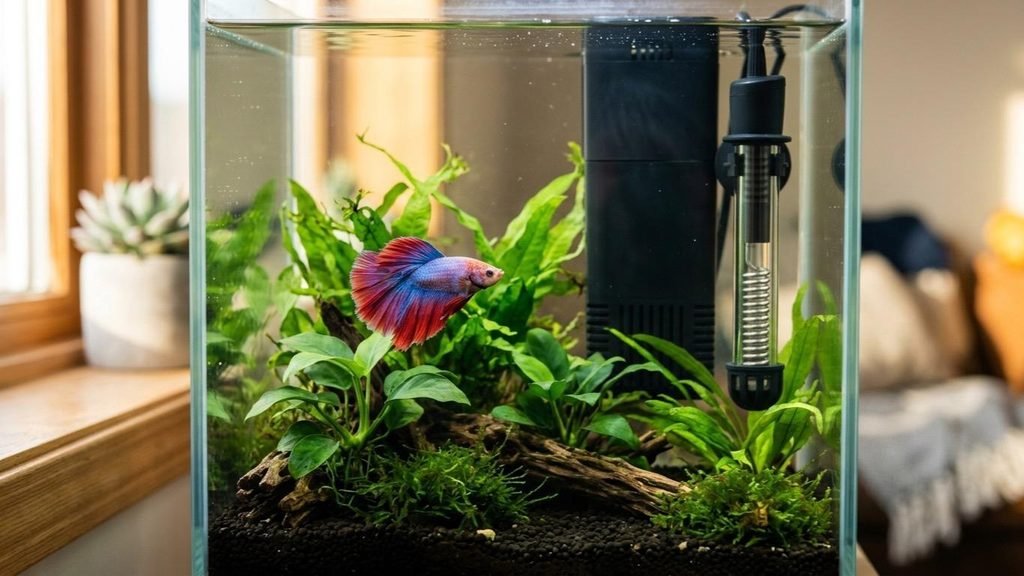
Betta fish can suit people who enjoy a calm aquarium rather than a hands-on companion. Their bright colors and flowing fins make them interesting to observe.
However, a small bowl is not a suitable shortcut to responsible care. Bettas need an appropriately sized, heated aquarium, good water quality, and a suitable filtration setup. Owners must learn how to cycle an aquarium and maintain its water conditions.
Feed a suitable fish diet and avoid overfeeding. Test water quality as needed, and never replace all the water without considering how that affects the aquarium’s biological balance.
5. Guinea pig
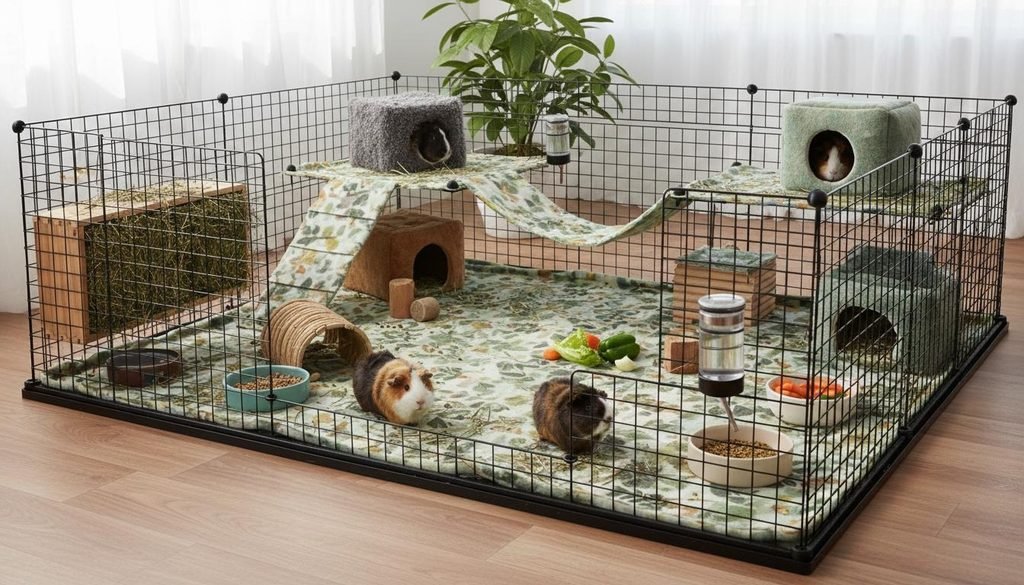
Guinea pigs can be friendly pets for families prepared to meet their social and housing needs. Many enjoy gentle interaction once they feel safe.
They need ample floor space, hiding places, unlimited access to suitable grass hay, fresh water, and a balanced diet that meets their vitamin C needs. Many also benefit from living with a compatible guinea pig companion.
Their daily care includes checking food and water, removing soiled bedding, and watching for changes in appetite or behavior. Guinea pigs are not the cheapest choice simply because they are small.
6. Domestic rat

Domestic rats can make engaging companions for people who enjoy interactive pets. They often learn routines, explore toys, and form bonds with their caregivers.
Rats need secure, spacious housing, daily social interaction, enrichment, and regular cleaning. They are social animals, so owners should research suitable same-sex companions and how to introduce them safely.
Their short lives can also be emotionally difficult for families. Before adopting, locate a veterinarian who treats rats and plan for their health needs.
7. Leopard gecko
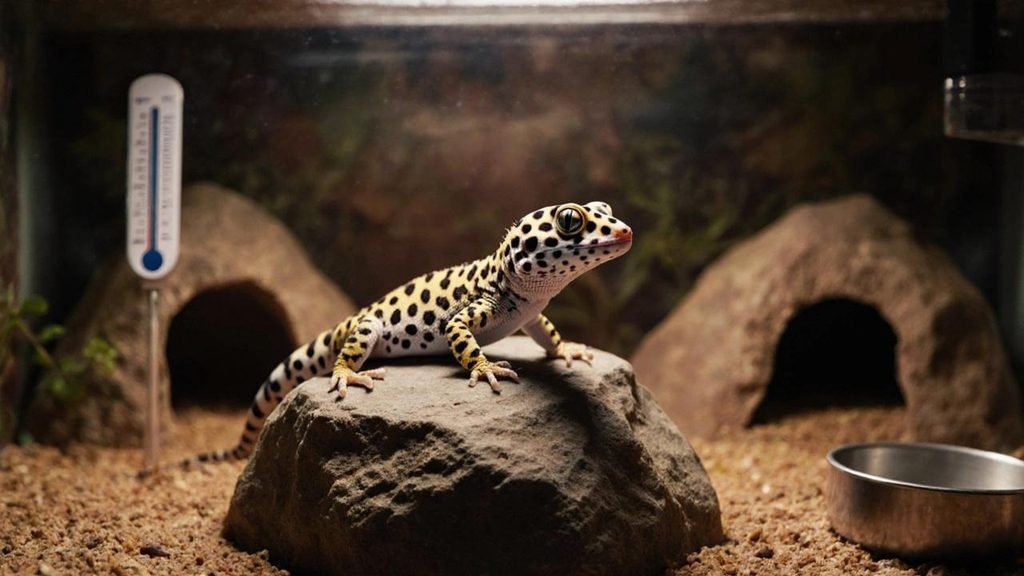
Leopard geckos appeal to owners who prefer observing a quiet reptile. They do not need walks, but their habitat needs careful setup.
You must provide suitable temperatures, hides, safe flooring, fresh water, and an appropriate diet of insects. Their heating and lighting requirements deserve research before purchase.
Leopard geckos are not completely hands-off pets. Temperature problems and poor nutrition can harm their health, and some may dislike frequent handling. Find a reptile-experienced veterinarian before bringing one home.
8. Adult dog with a suitable temperament

An adult dog may be easier to manage than a young puppy if it already has useful house habits and a temperament that suits your household. However, age alone does not guarantee an easy experience.
Dogs need walks, exercise, training, companionship, grooming, and preventive veterinary care. Some need far more activity or coat care than others.
Ask a shelter or rescue about the dog’s known behavior, energy level, health, and history. Choose based on the individual dog, not simply its size or breed label.
American Veterinary Medical Association
+1
9. Budgie
Budgies are small parrots with lively personalities. They can suit people who enjoy observing bird behavior and building trust through gentle, regular interaction.
They need a roomy enclosure, daily opportunities for safe movement, enrichment, fresh water, and a suitable diet. They also need social contact and protection from household hazards, including fumes from certain cooking appliances and unsafe materials.
A budgie is not simply a colorful decoration. Noise, mess, and daily attention are part of ownership, and veterinary care may require an avian specialist.
10. Freshwater fish
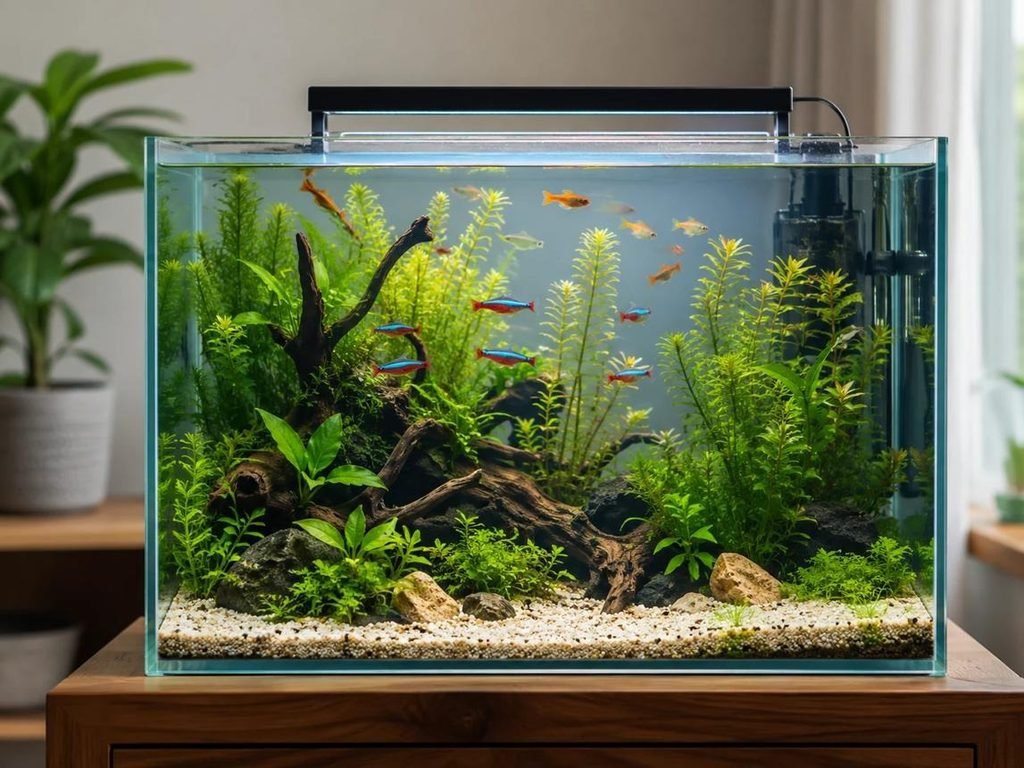
A suitable freshwater aquarium can be a good fit for someone who enjoys observing animals and maintaining a small ecosystem. The key is choosing compatible fish and setting up the aquarium before adding them.
Different species need different tank sizes, temperatures, water conditions, and diets. Fish also produce waste, so filtration, water testing, and regular maintenance matter.
Start with a researched setup rather than buying several fish on impulse. A properly maintained aquarium can be rewarding, but an overcrowded or uncycled tank can quickly develop serious problems.
What Is the Easiest Pet to Take Care of for a Kid?
For a child, the easiest pet is one whose care needs the family can reliably meet. A calm adult cat, a well-matched adult dog, or a small animal may work, depending on the child’s age and the adults’ availability.
Children can help measure food, refill water, or clean supplies with appropriate supervision. However, an adult must remain responsible for the animal’s health and welfare.
Choosing by age and maturity
Young children may struggle to handle fragile animals gently. Hamsters and gerbils can bite if frightened, and small mammals can suffer injuries if dropped. An aquarium may be easier to observe than to maintain.
Older children may enjoy learning a regular care routine, but they still need guidance. Do not choose a pet based only on a child’s promise to handle every task.
The best family pet has a temperament that suits the household and needs the adults can meet for its entire life.
American Veterinary Medical Association
+1
Pets That Are Easy to Take Care Of and Cheap
Some pets cost less to acquire than others, but purchase price alone tells you little about lifetime expenses. Food, housing, heating, bedding, cleaning supplies, and veterinary care can add up.
Lower-cost choices to research
- Adopted adult cats: Adoption may include some initial services, depending on the shelter, but ongoing costs remain.
- Gerbils: Food and bedding may cost less than many dog supplies, although a suitable enclosure requires an initial investment.
- Hamsters: Basic recurring supplies may be manageable, but proper housing and veterinary care still matter.
- Freshwater fish: Costs depend heavily on aquarium size, equipment, species, and electricity use.
Avoid choosing a pet simply because it appears cheap. An under-equipped habitat can create health and welfare problems that lead to higher expenses later.
If your budget cannot cover appropriate housing and veterinary care, waiting may be the kinder choice.
What Is the Easiest Pet to Take Care Of for a 12 Year Old?
A 12-year-old may be ready to help with a pet’s daily routine, but the best choice depends on maturity, interests, and family support. An adult cat, compatible small mammals, or an established aquarium may be worth considering.
At this age, children can learn how to measure food, clean an enclosure, observe behavior, and report changes to an adult. These tasks help develop responsibility.
The family should still plan for school days, holidays, illness, and busy periods. An adult needs to take over whenever the child cannot provide care.
Before choosing a pet, ask the child what they enjoy most: handling an animal, observing it, training it, or maintaining its habitat. Match that preference with the animal’s actual needs.
Top 10 Easiest Pets to Take Care Of for Kids
Families should look for pets with manageable routines, suitable temperaments, and care requirements adults can support. These ten options offer different experiences, but none guarantees a simple ownership experience.
- Adult cat: A possible choice for a family wanting an indoor companion.
- Calm adult dog: Best for families prepared for walks, training, and active supervision.
- Guinea pig: Suitable for families able to provide space, daily care, and companionship.
- Gerbil: Good for observing natural behaviors, with gentle handling.
- Hamster: Often best for children who enjoy watching rather than frequent handling.
- Domestic rat: An interactive choice for families willing to meet social needs.
- Budgie: Appropriate for families ready to provide bird-safe housing and interaction.
- Betta fish: An observation-focused pet that still needs proper aquarium care.
- Suitable community fish: A good option for families interested in water quality and aquarium maintenance.
- Leopard gecko: Worth considering only when adults can manage specialist habitat and feeding requirements.
Before making a decision, visit a responsible shelter or consult a veterinarian familiar with the species. Let the animal’s welfare guide the choice, not the child’s wish for a particular appearance.
What Is the Easiest Pet to Take Care Of Other Than a Fish?
If you do not want fish, an adult cat may be a practical starting point for a busy household. Cats often manage their own grooming and do not need outdoor walks, though they still need attention and daily litter care.
A hamster or gerbil may suit someone who enjoys observing small animals. However, both need appropriate housing, enrichment, and careful handling.
A calm adult dog can be a better choice for someone who wants a close, interactive relationship and has time for exercise. Budgies also offer interaction, but they need daily social contact and suitable space.
Think about what you want from a pet before choosing. The easiest animal for your schedule may not be the one that offers the most physical affection.
Easiest Pet to Take Care Of in the World
There is no single easiest pet in the world because people have different homes, schedules, budgets, and levels of experience. A cat may be easier for someone who works outside the home, while a carefully planned aquarium may suit someone who enjoys regular maintenance.
Climate also matters. A reptile may require heating equipment, while some birds need protection from temperature changes and household fumes. Local access to species-appropriate veterinary care matters, too.
Rather than looking for a universal winner, compare the animal’s daily workload, habitat requirements, social needs, expected lifespan, and likely costs.
The best pet is the one whose needs you can meet reliably, including when your routine changes.
Daily Care Routine: How to Get Started
A reliable routine makes pet care easier because you can catch problems early and avoid missed tasks. Build the routine around the species rather than expecting every animal to follow the same schedule.
Step 1: Prepare the habitat
Set up the enclosure, aquarium, or safe living area before bringing your pet home. Check that the space meets the animal’s needs for movement, rest, temperature, hiding, and enrichment.
For fish, establish suitable water conditions before adding animals. For reptiles, check heating and lighting equipment. For cats and dogs, remove hazards and prepare a quiet resting area.
Step 2: Establish feeding and water habits
Use a suitable diet for the animal’s species, age, and health. Follow reliable feeding guidance, measure portions when appropriate, and provide fresh water according to the animal’s needs.
Avoid feeding human snacks or unfamiliar foods without checking whether they are safe.
Step 3: Clean and inspect daily
Check food, water, waste, and general behavior each day. Remove soiled bedding or waste as needed, and maintain litter boxes or aquariums according to the relevant care plan.
Step 4: Provide enrichment
Give pets suitable toys, exploration opportunities, hiding places, or social interaction. Dogs may need walks and training, while cats benefit from play and climbing opportunities.
Step 5: Plan preventive health care
Arrange a veterinary check and ask about vaccines, parasite prevention, nutrition, dental care, and species-specific risks. Keep important records and know where to seek urgent help.
American Veterinary Medical Association
+1
Cost Breakdown: What Should You Budget For?
Pet costs vary by location, species, health, equipment, and where you obtain the animal. Instead of relying on a universal price list, build a budget around the expenses your chosen pet will actually require.
| Expense | What to Include |
| Initial acquisition | Adoption fee, purchase price, or rehoming expenses |
| Housing | Cage, aquarium, enclosure, bedding, or safe room setup |
| Equipment | Filters, heaters, lights, carriers, bowls, or exercise supplies |
| Food | Species-appropriate daily nutrition and treats where suitable |
| Cleaning | Litter, bedding, waste bags, aquarium supplies, and cleaning products |
| Veterinary care | Initial examination, preventive care, and treatment |
| Grooming | Brushes, nail care, professional grooming where needed |
| Emergency fund | Unexpected illness, injury, or urgent treatment |
| Care during travel | Pet sitter, boarding, or a trusted caregiver |
How to keep costs manageable
Adopting through a responsible shelter may reduce initial expenses, although included services differ. Buying durable equipment and planning food purchases can also help.
Do not save money by skipping veterinary care, buying an unsuitable enclosure, or feeding an unbalanced diet. Ask local veterinarians for typical preventive-care costs before choosing a species.
Common Mistakes Pet Owners Make
Many pet-care problems begin when people underestimate an animal’s needs. A little research before adoption can prevent avoidable stress for both the pet and the household.
Choosing by appearance alone: A cute animal may need more exercise, specialist equipment, or handling skills than you expect.
Buying a habitat that is too small: Small pets still need space to move, hide, explore, and express normal behaviors.
Assuming children will handle everything: Children’s routines change. Adults must remain responsible for daily care and health decisions.
Ignoring social needs: Some animals need compatible companions or regular interaction. Others prefer space and limited handling.
Overfeeding: Too much food can harm health and create waste. Follow suitable feeding guidance and monitor your pet’s condition.
Skipping veterinary planning: Not every clinic treats every species. Find appropriate veterinary support before an animal becomes ill.
Buying multiple animals without research: Some species need companionship, while others may fight or reproduce quickly when housed together.
Treating low maintenance as no maintenance: Every pet needs daily observation, clean living conditions, suitable nutrition, and a long-term care plan.
Pros and Cons of Choosing a Low-Maintenance Pet
A pet with a manageable routine can fit well into a busy life. However, the amount of work varies widely, and even relatively independent animals need regular care.
| Pros | Cons |
| Can fit into a busy household | Daily care still takes time |
| May need less grooming or exercise than some alternatives | Needs can change with age and health |
| Some species suit smaller homes | Space requirements may be underestimated |
| A predictable routine can make care easier | Travel requires backup arrangements |
| Can offer companionship and learning opportunities | Food, equipment, and veterinary care cost money |
| Some animals suit first-time owners | First-time owners still need species-specific knowledge |
A good match reduces avoidable stress. It does not remove the responsibility of caring for another living being.
Similar Options and Alternatives
If the ten main choices do not fit your home, these alternatives may be worth researching. Their care requirements differ, so compare the specific species and individual animal before deciding.
| Option | Best For |
| Canary | People who enjoy observing birdsong and can provide appropriate bird care |
| Zebra finch | Owners interested in watching small birds in a suitable social setup |
| Domestic mouse | People who enjoy observing small mammals and can meet their housing and social needs |
| Rabbit | Households with space for exercise, suitable food, and careful handling |
| Crested gecko | Reptile enthusiasts prepared to manage humidity, temperature, and diet |
| Corn snake | Experienced or well-prepared keepers who can provide a secure, species-appropriate enclosure |
| Platies | Aquarium owners who understand water quality and population management |
| Corydoras catfish | People with a suitable, established aquarium and compatible tankmates |
These are alternatives, not automatic beginner recommendations. Research adult size, lifespan, habitat, diet, social requirements, and veterinary availability before bringing any of them home.
When to Consult a Vet or Professional
Contact a veterinarian if your pet stops eating, has unusual breathing, shows a sudden behavior change, develops repeated vomiting or diarrhea, or appears weak or distressed. These signs can have many causes, so do not attempt to diagnose the problem yourself.
Seek urgent veterinary advice for breathing difficulty, collapse, severe bleeding, suspected poisoning, or other serious symptoms. Do not wait for a routine appointment when your pet appears critically ill.
A veterinarian can also help before adoption. Ask about suitable diets, preventive care, habitat requirements, safe handling, and common health concerns for your chosen species.
For behavioral concerns, a qualified animal behavior professional may help, particularly when fear, aggression, or stress affects daily life. For reptiles, birds, and small mammals, look for a veterinarian with relevant experience.
Reliable professional advice helps you make decisions based on your animal’s actual needs rather than general internet claims.
American Veterinary Medical Association
+1
Fun Facts About Pet Care
- Cats groom themselves: Even so, some cats need extra brushing, nail care, or help with coat problems.
- Hamsters are often active at night: Their normal activity patterns can affect when they interact with people.
- Gerbils enjoy digging: A suitable habitat allows them to explore this natural behavior.
- Guinea pigs need vitamin C: Their diet must provide this essential nutrient.
- Betta fish need appropriate water conditions: Their colorful appearance does not mean they can thrive in a tiny bowl.
- Budgies are social birds: They need interaction, enrichment, and a suitable environment.
- Adult dogs have individual personalities: Age and breed alone cannot tell you whether a dog will fit your household.
- Small pets still need veterinary care: Their size does not make health problems less important.
Understanding an animal’s natural behavior makes it easier to choose a suitable pet and provide a better home.
Frequently Asked Questions
What is the easiest pet to maintain?
An adult cat may suit many people who want a companion without daily outdoor walks. Cats often handle their own grooming, but they still need fresh food and water, litter cleaning, play, and routine health care. A fish aquarium may appear simpler, yet maintaining water quality takes knowledge and regular effort. The easiest pet depends on what kind of work you prefer. Think about whether you have more time for exercise, cleaning, habitat maintenance, or social interaction before choosing.
What pet is the cheapest?
There is no single cheapest pet for every household. A small mammal may have modest food costs, while a fish can require expensive aquarium equipment at the start. Cats and dogs bring ongoing expenses such as food, preventive care, and possible emergency treatment. Before adopting, compare the full cost of suitable housing, daily supplies, food, veterinary visits, and care during holidays. Adoption fees alone do not reveal lifetime costs. Choose a pet only when you can afford appropriate care throughout its life.
What’s the cleanest house pet?
No pet keeps a home completely clean, but some may create less visible mess than others. Fish stay within their aquarium, although the tank still needs maintenance and water changes. Cats often groom themselves, but they shed hair and need clean litter boxes. Small mammals may scatter bedding or food outside their enclosures. A pet’s cleanliness also depends on health, grooming, housing, and your cleaning routine. If household cleanliness is a priority, consider allergies, shedding, odors, noise, and the time needed to maintain the pet’s environment.
What are the 10 cutest pets?
Cuteness is personal, but many people enjoy the appearance and behavior of cats, dogs, guinea pigs, hamsters, gerbils, rabbits, budgies, betta fish, leopard geckos, and domestic rats. Each has a different personality and care routine. A cute animal may not enjoy frequent handling or suit a young child. Instead of choosing by appearance, learn how the species behaves and what it needs to thrive. Consider adoption where appropriate, meet the individual animal if possible, and make sure its daily and long-term needs fit your household.
Can I leave an easy-care pet alone all day?
That depends on the species, individual animal, habitat, and length of time you will be away. Some adult cats tolerate a normal workday better than highly social pets, but they still need daily care and interaction. Dogs need bathroom breaks, exercise, and companionship. Small mammals, birds, and fish also need regular checks for food, water, environmental conditions, and signs of illness. Never assume an animal can safely go without care because it lives in an enclosure. Arrange a responsible caregiver when your absence would interrupt its normal routine.
Are small pets suitable for apartments?
Many small pets can live in apartments, provided their housing meets their needs and the building permits them. Cats may need climbing areas, scratching surfaces, and places to hide. Small mammals need secure enclosures with enough room for normal activity. Fish need an appropriate aquarium and stable water conditions. Check noise, odor, floor space, temperature, and access to veterinary services before choosing. A small pet still needs a suitable environment, and an apartment’s limited space should never force an animal into inadequate housing.
Should I adopt an adult pet or a baby animal?
An adult pet may suit a first-time owner because its size and temperament are often easier to assess. Some adult dogs already have house-training skills, and adult cats may have established habits. However, adults can also have medical or behavioral needs that require extra care. Young animals often need more supervision, socialization, training, or habitat adjustments as they grow. Ask the shelter, rescue, breeder, or veterinarian about the individual animal’s history and needs. Choose based on compatibility, not the assumption that one age group is always easier.
Final Thoughts
Finding the right pet starts with an honest look at your daily routine. Think about how much time you have, what you can afford, how much space you can provide, and whether you want an animal that enjoys interaction or one you prefer to observe.
An adult cat may suit a busy household. Gerbils and hamsters may appeal to people who enjoy small animals, while fish can reward owners who like maintaining an aquarium. Dogs offer close companionship, but they need regular exercise, training, and attention.
For families with children, involve them in age-appropriate tasks while keeping an adult responsible for the animal’s welfare. Before adopting, research the species, prepare the habitat, and locate a veterinarian who can provide appropriate care.
Remember that the best choice is not necessarily the smallest, cheapest, or quietest pet. It is the animal whose needs you can meet consistently, even when life gets busy.
Take your time, ask questions, and choose thoughtfully. A suitable match can make pet ownership more enjoyable for both you and your new companion.

Emily Carter is a pet care writer at PetJournalHub. She enjoys creating clear, practical, and well-researched articles about pet health, nutrition, grooming, and everyday care. Her goal is to help pet owners make informed decisions through reliable, easy-to-understand content.