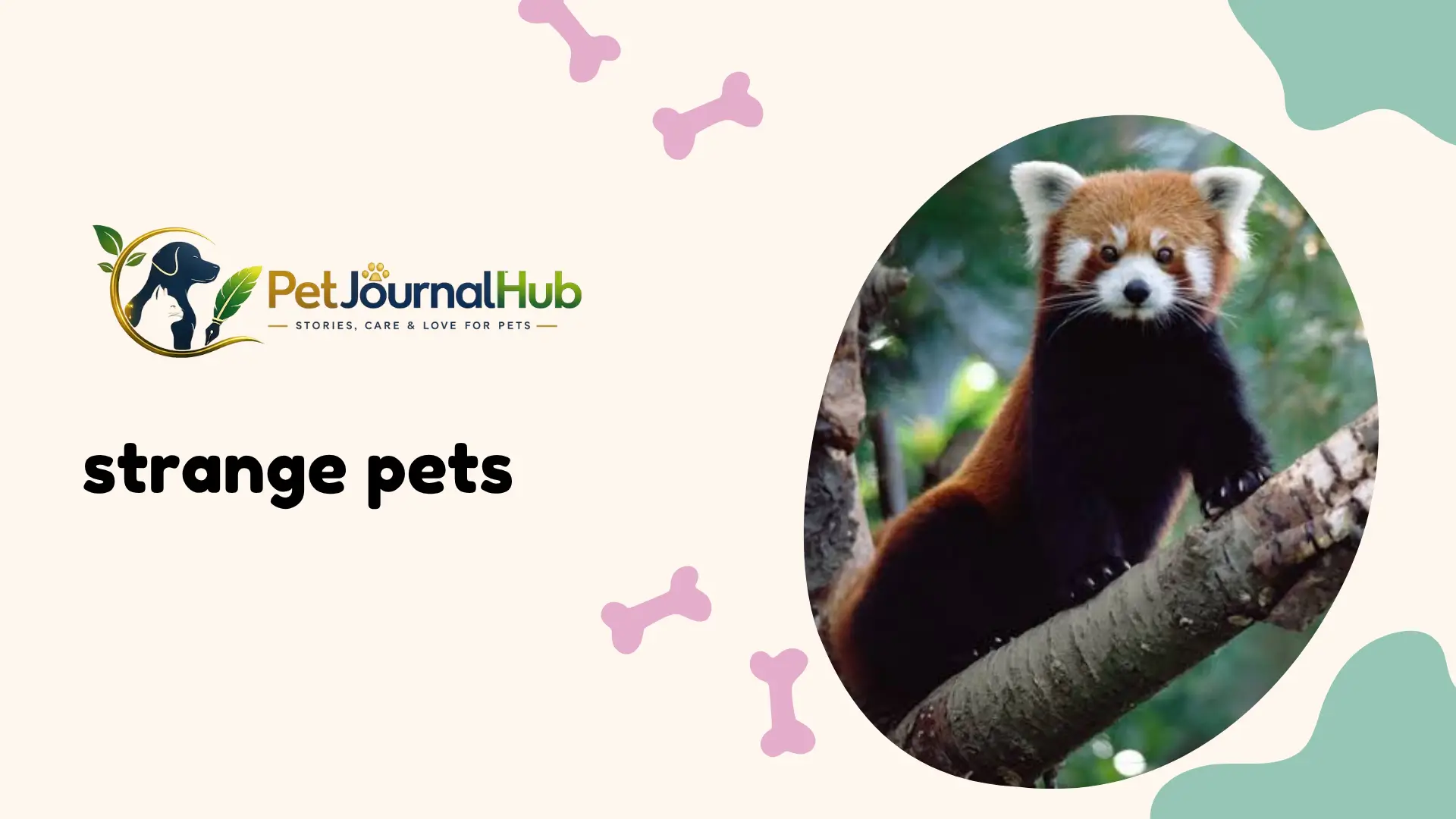
Strange pets are unusual animals — like hedgehogs, axolotls, sugar gliders, or hissing cockroaches — that people keep as companions instead of typical dogs or cats. Most need specialized housing, diet, and legal permits. They suit owners who want a low-noise, space-saving pet and don’t mind extra research before adopting.
Key Takeaways
- Strange pets include reptiles, amphibians, insects, and small exotic mammals.
- Many are quiet, low-shedding, and good for small apartments.
- Legality varies a lot by state, county, and city.
- Startup costs range from under $50 (insects) to several hundred dollars (reptile habitats).
- Some species need a licensed exotic vet, not a standard vet clinic.
- Always research local laws before you buy or adopt.
Introduction
Scrolling through pet videos, you’ve probably seen someone’s pet hedgehog curled up in a blanket or a tank of tiny axolotls smiling back at the camera. These aren’t typical pets, and that’s exactly the appeal.
More people are choosing strange pets because they fit small homes, don’t need daily walks, and stand out on social media. Some are also drawn to species that live a long time or need less daily attention than a dog.
This guide explains what counts as a strange pet, which ones are legal, what they cost, and how to care for them the right way. You’ll also see where owners commonly go wrong, so you can avoid the same mistakes.
What Is a Strange Pet?
A strange pet is any animal kept as a companion that falls outside the usual dog-cat-goldfish mold. This includes small exotic mammals, reptiles, amphibians, and even certain insects.
The category is broad on purpose. A sugar glider and a hissing cockroach have almost nothing in common, except that both surprise people at a party. What ties them together is that they require different care than a typical household pet.
Common examples include:
- Hedgehogs
- Axolotls
- Sugar gliders
- Madagascar hissing cockroaches
- Fennec foxes
- Tarantulas
- Chinchillas
- Bearded dragons
Each of these has its own housing needs, diet, and lifespan. None of them can be cared for the same way you’d care for a cat.
Quick Facts Box
| Fact | Details |
| Common lifespan range | 2–15+ years, depending on species |
| Typical enclosure type | Glass tank, wire cage, or bioactive terrarium |
| Legal status | Varies by state and city; always check local exotic pet laws |
| Vet type needed | Exotic animal veterinarian, not always a standard clinic |
| Noise level | Generally low; many species are silent or near-silent |
| Best for | Owners with limited space who enjoy research-heavy hobbies |
Where Does Interest in Strange Pets Come From?
Interest in unusual pets has grown alongside social media, where short videos of exotic animals get shared widely. There isn’t one single origin point — it’s more a slow shift in what people consider a normal companion animal.
Reptile keeping and small-mammal keeping both have long histories in hobbyist communities, long before social platforms existed. What’s changed recently is visibility. Platforms like TikTok and Reddit have made niche pet communities easier to find, which has pulled more curious newcomers into the hobby.
This can vary depending on the platform and region, so treat any specific “trend” claim with caution unless it comes from a verified source like a breed club or veterinary association.
Key Characteristics and Care Needs
Strange pets vary enormously, but a few care principles apply across most species. Temperature control matters more than it does for cats or dogs, since many exotic pets are ectothermic (cold-blooded) or sensitive to drafts.
Diet is another major difference. Many strange pets need live or specialized food, such as insects, specific fruits, or commercial exotic-pet formulas. A cat’s kibble bag will not work here.
Housing also differs by species:
- Reptiles and amphibians usually need a tank with controlled heat and humidity.
- Small mammals like sugar gliders need tall, enriched cages for climbing.
- Insects need simple but secure enclosures with proper ventilation.
Always check species-specific guidance before buying supplies, since requirements can vary even between similar-looking animals.
Quick Comparison Snapshot
| Option | Best For | Key Difference |
| Hedgehog | First-time exotic owners | Low-maintenance, but needs steady warmth |
| Axolotl | Aquarium hobbyists | Fully aquatic, no land access needed |
| Sugar Glider | Owners with time for bonding | Social, needs a same-species companion |
| Hissing Cockroach | Budget-conscious beginners | Minimal cost, no heating or lighting needed |
Strange Pets List
A solid strange pets list usually spans four groups: small mammals, reptiles, amphibians, and invertebrates. Grouping them this way makes it easier to compare care needs.
Small mammals include hedgehogs, sugar gliders, chinchillas, and fennec foxes. These tend to need the most daily interaction and the most legal paperwork.
Reptiles include bearded dragons, leopard geckos, and ball pythons. Most are quiet and don’t need constant handling, which suits busier owners.
Amphibians include axolotls and certain frog species. These typically live in water-based setups and need stable water quality.
Invertebrates include tarantulas and hissing cockroaches. They’re usually the cheapest entry point into exotic pet keeping.
10 Most Awesome and Unusual Pets
Narrowing a huge list down to ten favorites helps first-time exotic owners know where to start. This shortlist favors animals with manageable care requirements and legal availability in most US states.
- Hedgehog
- Axolotl
- Sugar glider
- Bearded dragon
- Chinchilla
- Leopard gecko
- Ball python
- Tarantula
- Madagascar hissing cockroach
- Fennec fox
Fennec foxes and sugar gliders sit at the higher end of both cost and legal restriction, so double-check your local rules before falling in love with either one.
Strange Pets List With Pictures
Seeing a strange pet before committing to one matters more than it does with a dog or cat, since many exotic species look very different from what people expect. A hedgehog’s spines, for instance, look sharper in photos than they feel in person.
Reliable places to see accurate photos and videos include breed-specific forums, established reptile and exotic pet retailers, and veterinary university websites. These sources tend to show real animals in real enclosures, not staged marketing shots.
Avoid relying only on random social media clips for identification. Lighting, filters, and camera angles can make an animal’s size, color, or temperament look different than it actually is.
Strange Pets in the World
Unusual pet-keeping looks different depending on where you live. In parts of Southeast Asia, slow lorises are sometimes kept illegally despite being a protected, venomous species. In Japan, exotic reptile cafes are popular, letting people interact with animals without owning one.
In the US and UK, laws are typically set at the state or local level rather than nationally, which means one city can allow an animal that a neighboring one bans. This patchwork makes “is it legal here” a genuinely important first question, not a formality.
Because rules shift often, always confirm current regulations with your local wildlife or agriculture department rather than assuming last year’s rules still apply.
Unusual Pets That Are Legal to Own
Legality is the single biggest factor separating a fun exotic pet from a costly mistake. Rules differ by state, county, and sometimes city, so what’s legal one town over might not be legal where you live.
Generally legal in most US states, with some local exceptions:
- Hedgehogs (banned in a few states and cities, including parts of California)
- Sugar gliders (restricted in a handful of states)
- Bearded dragons and leopard geckos
- Axolotls (banned for sale in a few states over invasive-species concerns)
- Chinchillas
Commonly restricted or banned:
- Fennec foxes (require special permits in many states)
- Venomous reptiles
- Certain wild-caught or native species
This can vary depending on your specific state and even your city, so always confirm with your local wildlife agency or animal control office before buying.
Strange Pets You Can Own
If you’re searching for strange pets you can own, there are more options than the usual dogs, cats, and fish. Depending on where you live, unusual companion animals can include hedgehogs, axolotls, sugar gliders, leopard geckos, bearded dragons, chinchillas, tarantulas, and Madagascar hissing cockroaches.
However, being able to own an animal depends on more than its availability at a pet store. Local laws, enclosure requirements, diet, veterinary care, and the animal’s behavior should all be considered before bringing one home.
Popular Strange Pets You Can Own
Some unusual pets are relatively common in the exotic-pet hobby:
- Hedgehogs: Small and generally quiet, but they need appropriate temperatures and species-specific food.
- Axolotls: Fully aquatic amphibians that require a properly maintained aquarium and stable water conditions.
- Leopard geckos: Popular beginner reptiles that need suitable heating, hiding areas, and an appropriate insect-based diet.
- Bearded dragons: Active reptiles that require proper lighting, heating, space, and a balanced diet.
- Chinchillas: Social small mammals that need a cool environment, a large enclosure, and safe opportunities for exercise.
- Tarantulas: Low-space pets that are mainly suited to owners who prefer observing rather than handling an animal.
- Madagascar hissing cockroaches: Inexpensive invertebrates that can be kept in a secure, well-ventilated enclosure.
Check the Rules Before Buying
The phrase “strange pets you can own” does not mean every animal is legal everywhere. Regulations can differ between countries, states, counties, and cities. Some species may require permits, while others may be completely prohibited.
Before purchasing or adopting an unusual pet, check your local wildlife or animal-control authority and confirm that the species is legal to keep. You should also locate an exotic-animal veterinarian and learn the animal’s housing, feeding, lifespan, and handling requirements.
Choosing an unusual pet should be based on its long-term care needs rather than appearance alone. A pet that looks fascinating online may require specialized equipment, expensive veterinary treatment, or much more daily care than expected.
Unusual Pets for Kids
Kid-friendly exotic pets should be low-risk, easy to handle, and forgiving of a child’s learning curve. Leopard geckos are a common recommendation because they’re calm, don’t need live food daily, and rarely bite.
Hissing cockroaches also work well for kids interested in insects, since they’re harmless, low-cost, and don’t require heating equipment. Chinchillas can suit slightly older children who understand gentle handling, since they’re delicate and easily startled.
Adult supervision matters with any exotic pet. Reptiles and amphibians can carry salmonella, so kids should always wash their hands after handling, per guidance commonly shared by veterinary and public health sources.
Strange Pets Show
Exotic pet expos and reptile shows are common ways for new owners to see animals in person before buying. These events typically feature licensed breeders and vendors, which lowers the risk of buying a sick or illegally sourced animal compared to unknown online sellers.
Some regions also have televised or streamed programs featuring exotic pet owners and breeders, which can be useful for research, though entertainment content shouldn’t replace advice from an actual vet or breeder.
If you attend an in-person show, ask sellers directly about an animal’s origin, age, and any health guarantees before buying.
Strange Pets Toy
Enrichment matters even for animals that don’t play the way a dog does. Reptiles benefit from climbing branches and hide boxes rather than typical toys. Sugar gliders and chinchillas do well with safe chew items and climbing structures suited to their size.
Avoid generic small-pet toys sold for hamsters or rabbits unless the packaging confirms they’re safe for your specific species. Materials that are fine for one animal can be a choking or toxicity risk for another.
Daily Care Routine and How to Get Started
A consistent daily routine keeps most strange pets healthy and reduces stress for both the animal and the owner. The exact routine depends heavily on species, but a few steps apply broadly.
Getting started checklist:
- Research your specific species’ legal status in your area.
- Set up the enclosure and let temperature or humidity stabilize before bringing the animal home.
- Source food appropriate to that species, whether live insects, produce, or commercial formula.
- Schedule a check-up with an exotic-animal vet within the first few weeks.
- Build a simple daily log for feeding, cleaning, and any behavior changes.
Once set up, daily care usually involves feeding, spot-cleaning the enclosure, and a quick health check. Deeper cleaning is typically weekly, though this can vary depending on the species and enclosure size.
Cost Breakdown
Costs vary widely across the strange pet category, so budgeting ahead helps avoid surprises. Below are rough starting ranges; exact prices depend on your location and supplier.
| Item | Approximate Cost Range |
| Insect starter setup (cockroaches) | $30–$80 |
| Reptile tank setup (gecko or dragon) | $150–$400 |
| Aquatic setup (axolotl) | $150–$350 |
| Small mammal cage (sugar glider, chinchilla) | $150–$500 |
| Monthly food costs | $10–$60 |
| Exotic vet check-up | $50–$150 per visit |
These figures can vary depending on brand, region, and whether you buy new or secondhand equipment, so treat them as a starting estimate rather than a fixed budget.
Common Mistakes Pet Owners Make
New exotic pet owners tend to repeat the same few errors, most of which are avoidable with a little upfront research.
- Skipping local law checks before buying an animal
- Using generic pet-store heat lamps without proper thermostats
- Feeding the wrong diet, such as store-bought crickets with no gut-loading
- Assuming a standard vet clinic can treat an exotic species
- Underestimating enclosure size needs as the animal grows
Each of these mistakes is preventable. Reading species-specific care guides before buying supplies solves most of them.
Pros and Cons
| Pros | Cons |
| Often quiet and low-shedding | Vet care can be harder to find and more expensive |
| Space-efficient for apartments | Legal status can be confusing and changes often |
| Long lifespans possible for some species | Setup costs can be high upfront |
| Fascinating to observe and learn about | Not all species tolerate handling well |
Similar Options and Alternatives
If a specific strange pet doesn’t fit your situation, a close alternative might. This table adds species not already covered in the comparison snapshot above.
| Option | Best For |
| Crested gecko | Owners wanting a low-maintenance reptile with minimal heating needs |
| Guinea pig | Families wanting a social small mammal that’s easier to legally own everywhere |
| Betta fish | Beginners wanting a low-cost, low-space starter pet |
| Corn snake | New reptile owners wanting a famously docile species |
When to Consult a Vet or Professional
Any change in appetite, activity level, skin, or shell condition warrants a call to an exotic-animal vet, since small exotic pets can decline quickly once symptoms appear. Don’t wait to “see if it improves” with species that hide illness well, which includes most reptiles and small mammals.
Before bringing home any strange pet, it’s also worth calling ahead to confirm a local vet actually treats that species. Not every clinic accepts exotics, and this can vary a lot by region.
For anything involving medication, dosing, or a suspected illness, always consult a licensed veterinarian directly rather than relying on internet advice, including this article.
Fun Facts
- Axolotls can regrow entire limbs, a trait researchers actively study.
- Hedgehogs are lactose intolerant, so dairy isn’t safe for them.
- Sugar gliders are marsupials, not rodents.
- Madagascar hissing cockroaches make sound by forcing air through their spiracles, not their mouths.
- Some bearded dragons can live 10 years or more with proper care.
- Fennec foxes have the largest ears relative to body size of any fox species.
Frequently Asked Questions
What are the most unusual pets? Among the most unusual pets people commonly keep are axolotls, sugar gliders, hedgehogs, Madagascar hissing cockroaches, and fennec foxes. What makes them unusual isn’t just appearance — it’s that their care needs differ sharply from typical pets like dogs or cats, often requiring specific temperature control, diet, or legal permits most owners don’t expect going in.
What is the most unusual pet in the UK? In the UK, animals like African pygmy hedgehogs, stick insects, and certain reptile species are among the more unusual pets kept legally. UK exotic pet law tends to focus on licensing for potentially dangerous species under the Dangerous Wild Animals Act, so always check current DEFRA guidance before acquiring anything beyond common reptiles or small mammals.
What is an uncommon pet? An uncommon pet is simply one that isn’t part of the usual dog, cat, or goldfish lineup — think chinchillas, tarantulas, or leopard geckos. “Uncommon” is about ownership rates, not necessarily difficulty. Some uncommon pets, like leopard geckos, are actually easier to care for daily than a dog.
Which pets are exotic? Exotic pets are typically non-domesticated species, including most reptiles, amphibians, and non-traditional mammals like sugar gliders or fennec foxes. The exact legal definition of “exotic” varies by state, so an animal considered exotic in one place might be regulated differently, or not at all, somewhere else.
Final Thoughts
Strange pets aren’t for everyone, and that’s fine. They reward owners who enjoy research, don’t mind specialized setups, and want a companion that’s a little different from the usual dog or cat.
Before bringing one home, confirm your local laws, budget for both setup and ongoing costs, and find an exotic-animal vet in advance. A little preparation up front makes the difference between a rewarding new hobby and an overwhelmed first week.
Whichever species catches your eye, take it slow, do the research, and let the animal’s real needs guide your decision, not just how it looks in a video.

Sophia Bennett is an animal care contributor at PetJournalHub. She writes educational articles about companion animals, pet wellness, training, and daily care. She believes that trustworthy information helps every pet owner build a healthier and happier life for their pets.