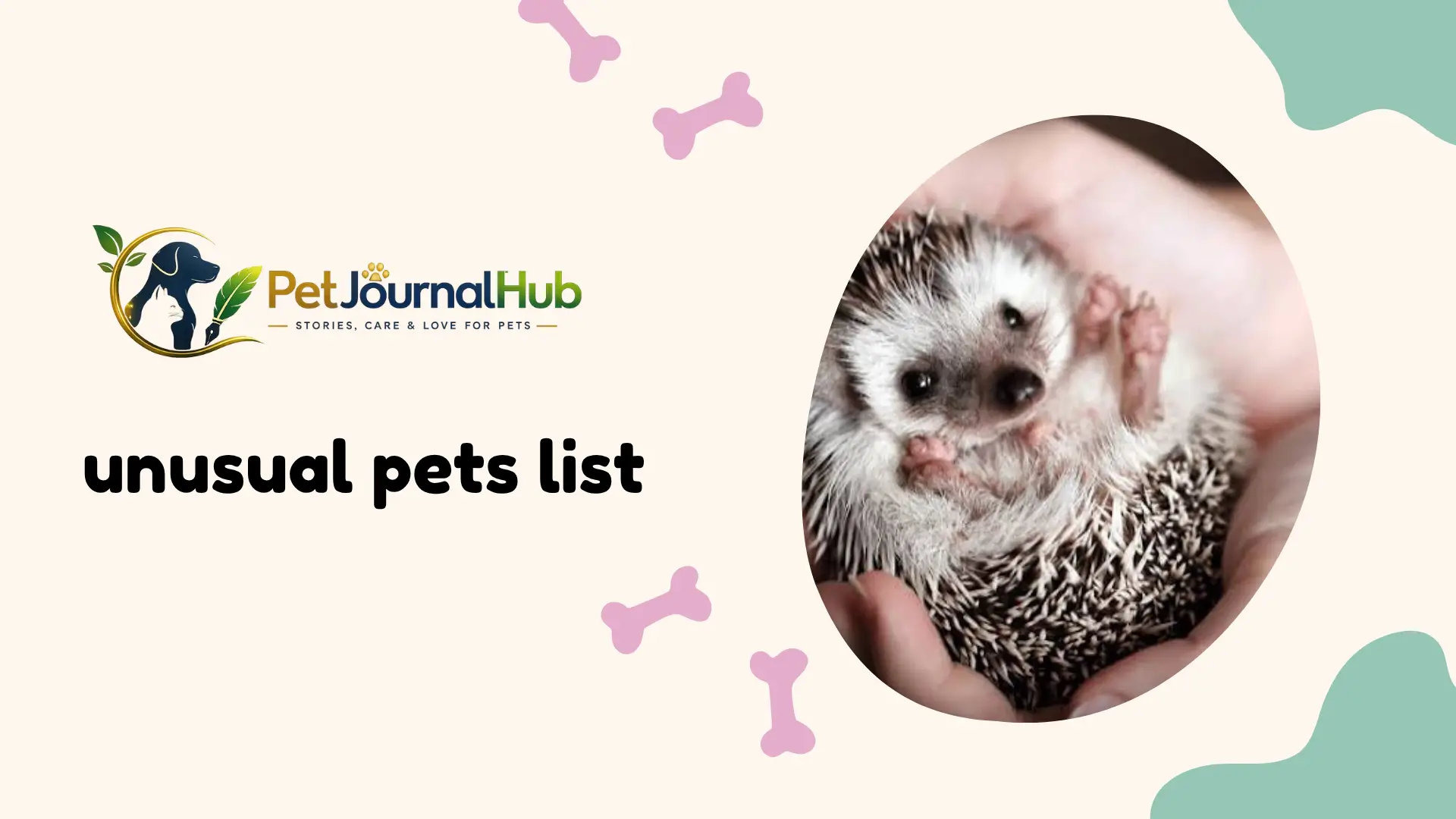
An unusual pets list is a roundup of non-traditional animals — like hedgehogs, sugar gliders, axolotls, and bearded dragons — that people keep instead of cats or dogs. These pets often need special housing, diets, and sometimes permits. Always check your state and city laws before bringing one home.
Key Takeaways
- Unusual pets span small mammals, reptiles, amphibians, birds, and invertebrates.
- Legality changes by state and even by city, so check local rules first.
- Many need specialized diets, heat sources, or enclosures that standard pets don’t.
- Setup costs can run higher than a typical dog or cat due to gear and vet expertise.
- Some unusual pets, like leopard geckos, suit kids well. Others need an experienced owner.
- Not every exotic animal belongs in a home. Some are safer left to sanctuaries.
Introduction
Search “unusual pets list” and you’ll find people asking the same thing: what else can I keep besides a dog or cat? Maybe you live in an apartment, have allergies, or just love animals other people overlook.
This curiosity isn’t new, but it has picked up steam. Small pet forums, breed-specific clubs, and social platforms have made it easier to see what other owners keep and how they care for them.
The tricky part is that “unusual” covers a huge range. A hedgehog and a serval are both considered exotic, but they need completely different homes, budgets, and experience levels.
This guide walks through real categories of unusual pets, what they need day to day, what they cost, and where the legal lines sit. By the end, you’ll know which unusual pets fit your lifestyle and which ones are better admired from a distance.
What Is an Unusual Pets List?
An unusual pets list groups animals that fall outside the usual dog-cat-fish routine. Think hedgehogs, sugar gliders, bearded dragons, and axolotls.
These lists usually break animals into a few broad groups:
- Small mammals: hedgehogs, sugar gliders, chinchillas, degus
- Reptiles: bearded dragons, leopard geckos, ball pythons
- Amphibians: axolotls, tree frogs, fire-bellied toads
- Birds: finches, quail, cockatiels
- Invertebrates: tarantulas, hermit crabs, giant millipedes
Some lists also include larger exotics like servals or capuchin monkeys. Those come with much stricter legal and ethical considerations, which we’ll cover honestly further down.
Quick Facts Box
| Fact | Details |
| Common categories | Small mammals, reptiles, amphibians, birds, invertebrates |
| Legal status | Varies by state and city; some species are banned outright |
| Care difficulty | Ranges from beginner-friendly to advanced |
| Typical lifespan | 2 years (hermit crab) to 20+ years (tortoise) |
| Starting setup cost | Roughly $50 to $500+, species dependent |
| Best suited for | Owners willing to research species-specific needs |
The Growing Trend Behind Unusual Pet Ownership
Interest in unusual pets isn’t a brand-new fad. Reptile keeping has been a serious hobby since the mid-1900s, and falconry dates back centuries.
What’s changed is access to information. Species-specific clubs, forums, and online communities make it easier to learn proper care before buying an animal. This shift toward researching first, buying second, is a genuine improvement for animal welfare.
Apartment living plays a role too. Many renters want a pet that doesn’t need a yard or bark at neighbors. A leopard gecko or a betta fish solves that problem neatly.
This growth in interest can vary a lot by region and species, so treat any single number you see online with some skepticism. What’s consistent is that more owners are asking care questions before adoption, not after.
Key Characteristics and Care Needs
Unusual pets share a few traits that separate them from traditional pets. Most need a controlled environment, a specific diet, and an owner who understands their species.
Housing and Temperature
Reptiles and amphibians are cold-blooded. They need heat lamps, UVB lighting, or humidity control to stay healthy. A tank that’s too cold or dry can cause serious illness.
Diet Specialization
Sugar gliders need a varied diet with the right calcium-to-phosphorus balance. Hedgehogs need low-fat insects and cat food, not fruit-heavy diets. Feeding the wrong thing can shorten a pet’s life.
Handling and Social Needs
Some unusual pets, like sugar gliders, are highly social and can become stressed alone. Others, like ball pythons, do fine with minimal handling. Matching the pet’s social needs to your schedule matters as much as the cage size.
Quick Comparison Snapshot
| Option | Best For | Key Difference |
| Hedgehog | Solo apartment owners | Nocturnal, needs a heat source |
| Bearded Dragon | Reptile beginners | Docile and easy to handle |
| Sugar Glider | Owners with lots of time | Needs a bonded pair, not solo |
| Axolotl | Aquatic pet fans | Fully aquatic, no land setup needed |
List of Unusual Pets by Category
A useful list of unusual pets is easier to picture when it’s sorted by care type, not just by cuteness.
- Low-maintenance starters: hermit crabs, betta fish, leopard geckos
- Moderate care: bearded dragons, chinchillas, cockatiels
- Higher care: sugar gliders, ball pythons, axolotls
- Advanced only: larger reptiles, some parrot species
Sorting this way helps first-time exotic pet owners avoid biting off more than they can chew. Starting small builds confidence before moving toward a more demanding species.
Unusual Pets List With Pictures Worth Seeing First
Before buying any unusual pet, look up real photos and videos of adult animals, not just babies. A baby bearded dragon looks nothing like a full-grown one, and sizing expectations matter for enclosure planning.
Reputable breeder sites, zoo pages, and species-specific forums are good places to see accurate images. This helps you judge size, color variation, and enclosure scale before committing.
Seeing an adult sugar glider’s nighttime activity level, for example, tells you far more than a still photo of a sleeping baby ever could.
10 Most Awesome and Unusual Pets Worth Knowing
Some unusual pets stand out for how approachable and interesting they are for everyday owners:
- Bearded dragon — calm and easy to handle
- Leopard gecko — quiet, low-maintenance reptile
- Hedgehog — small, portable, full of personality
- Axolotl — fully aquatic, unique appearance
- Sugar glider — social, but needs a bonded partner
- Chinchilla — soft-coated and long-lived
- Hermit crab — great starter invertebrate
- Degu — social rodent, active during the day
- Fire-bellied toad — beginner amphibian
- Cockatiel — talkative, social bird
More Ways to Search for an Unusual Pets List
People look for an unusual exotic pets list in a few different ways, depending on how specific they want to get. Some search a broader list of unusual pets just to browse categories, while others jump straight to a top 10 unusual pets list when they want quick, ranked picks without reading a full guide.
Here’s how these searches usually differ:
| Search Style | What They Want | Best Fit |
|---|---|---|
| Unusual exotic pets list | Broader mix, includes rarer or wilder species | Readers exploring beyond beginner pets |
| List of unusual pets | General overview, beginner to moderate species | First-time exotic pet researchers |
| Top 10 unusual pets list | Fast, ranked shortlist | Readers who want quick decisions |
Unusual Pets That Are Legal to Own
Legality is where many new exotic pet owners run into trouble. What’s legal in one state can be banned in the next city over.
Hedgehogs, for example, are illegal in some states and cities, including parts of California, while legal almost everywhere else. Sugar gliders face similar patchwork rules.
Before buying, check with your state’s fish and wildlife department and your local city ordinances. Some cities require permits even for animals that are legal statewide.
Exotic Pets List: Beyond the Basics
Once someone gets comfortable with beginner unusual pets, some move toward larger or wilder species like servals, capuchin monkeys, or large constrictor snakes.
These animals require significant space, expert-level knowledge, and often specialized permits or licensed facilities. Many veterinary and animal welfare groups caution against keeping wild-natured species as household pets at all.
If you’re drawn to this tier, talking to a licensed exotic animal veterinarian first is a smart, safety-first step before any purchase.
What Are the Top 10 Exotic Animals People Search For?
Search interest tends to cluster around a familiar group: axolotls, fennec foxes, sugar gliders, hedgehogs, bearded dragons, capuchin monkeys, servals, chinchillas, tarantulas, and wallabies.
Notice the range here. Some, like axolotls and hedgehogs, suit an average household. Others, like servals and capuchin monkeys, need licensed facilities and are restricted or banned in most states.
Searching for a species doesn’t mean it’s a good fit for home ownership. Always research legality and care difficulty side by side.
100 Exotic Animals: Where Pet Owners Should Draw the Line
Searches for “100 exotic animals” usually pull up broad wildlife lists that mix zoo animals with actual pet-suitable species. That distinction matters a lot.
A comprehensive wildlife list might include animals like tigers or elephants, which are never appropriate pets under any circumstance. For home ownership, it’s more useful to stick with the pet-suitable categories covered throughout this guide.
If you’re curious about the full range of exotic species generally, a zoology or wildlife conservation resource is a better fit than a pet care guide.
Exotic Animals List A–Z (Quick Reference)
Here’s a short, pet-focused snapshot across the alphabet, not a full wildlife catalog:
- Axolotl, Bearded dragon, Chinchilla, Degu, Ferrit (ferret), Gecko, Hedgehog, Iguana, Millipede, Parrot, Sugar glider, Tarantula
This is meant as a quick-scan starting point. For any species that interests you, look up dedicated care guides before moving further.
Unusual Pets for Kids
Kids can absolutely enjoy an unusual pet, as long as the species matches their age and supervision level. Low-handling, low-risk species work best.
- Leopard geckos — hardy and calm
- Hermit crabs — simple daily care
- Betta fish — low-maintenance aquatic pet
- Cockatiels — social, good for older kids
Avoid species that bite defensively, need nighttime activity, or require complex temperature control for young children. Adult supervision still matters for feeding and handling with any of these.
Daily Care Routine and How to Get Started
Getting started with an unusual pet follows a similar pattern across species:
- Research the species’ adult size, lifespan, and legal status
- Set up the enclosure and let it stabilize before adding the animal
- Establish a feeding schedule matched to that species’ diet
- Monitor temperature and humidity daily for reptiles and amphibians
- Schedule a wellness visit with an exotic-savvy vet early on
Consistency matters more than perfection here. Unusual pets do best with predictable routines, not occasional attention.
Cost Breakdown
Costs vary widely by species, so treat these as general ranges rather than fixed numbers.
- Initial setup: $50 (hermit crab) to $500+ (reptile tank with heating and lighting)
- Monthly food: $10 to $40 depending on species
- Vet visits: Exotic-specialist vets often charge more than standard vet clinics
- Ongoing supplies: Substrate, UVB bulbs, and enrichment items need regular replacing
This can vary depending on where you live and which species you choose, so it’s worth calling a local exotic vet clinic for a realistic estimate before buying.
Common Mistakes Pet Owners Make
New unusual pet owners tend to repeat a few avoidable mistakes:
- Buying an animal before researching its adult size or lifespan
- Skipping a check on local and state legality
- Underestimating heating, lighting, or humidity needs
- Assuming all exotic pets are low-maintenance
- Not locating an exotic-savvy vet before an emergency happens
Most of these mistakes come from excitement outpacing preparation. Slowing down before purchase solves nearly all of them.
Pros and Cons
| Pros | Cons |
| Unique companionship, less common than cats or dogs | Specialized care often costs more |
| Many fit small living spaces | Finding an exotic vet can be harder |
| Can be a great fit for allergy sufferers | Legal status varies and can change |
| Educational for kids with supervision | Some species have long lifespans, a long commitment |
Similar Options and Alternatives
| Option | Best For |
| Guinea pig | Families wanting a social, easy-care small mammal |
| Betta fish | Renters wanting a quiet, low-space pet |
| Parakeet | Owners wanting a social bird without a large cage |
| Rabbit | Owners wanting a mammal with dog-like bonding potential |
These alternatives sit between traditional pets and the more specialized animals covered above. They’re worth considering if an unusual pet’s care level feels like a stretch right now.
When to Consult a Vet or Professional
Any health concern in an unusual pet deserves a call to a licensed veterinarian, ideally one with exotic animal experience. General vets don’t always have training in reptile, amphibian, or marsupial care.
Contact a vet right away if your pet stops eating, shows unusual lethargy, or has visible injury or shedding problems. Don’t wait to see if symptoms resolve on their own.
Before buying any unusual pet, it’s smart to locate an exotic-animal vet in your area first. Not every clinic treats every species.
Fun Facts
- Axolotls can regrow entire limbs, a trait researchers study closely.
- Hedgehogs are lactose intolerant, so dairy isn’t a safe treat.
- Sugar gliders can glide up to 150 feet between trees in the wild.
- Bearded dragons can wave one arm as a social greeting gesture.
- Hermit crabs must switch to a larger shell as they grow.
- Chinchillas take dust baths instead of water baths to stay clean.
Frequently Asked Questions
What are the most unusual pets? Some of the most commonly kept unusual pets include hedgehogs, sugar gliders, axolotls, bearded dragons, and hermit crabs. Each comes from a different animal group, so their care needs differ a lot. Hedgehogs need warmth and a low-fat diet, while axolotls stay fully aquatic their whole lives. Before choosing one, match the species to your living space and daily schedule, not just its looks.
What is the best unusual pet to own? There’s no single “best” unusual pet since it depends on your experience level and home setup. For total beginners, a leopard gecko or betta fish tends to be forgiving and low-stress. For apartment dwellers wanting more personality, hedgehogs are a popular middle-ground choice. The right pick balances your available time, budget, and comfort with the species’ specific care routine.
What are some unusual pets you can have? Beyond the common picks, owners also keep degus, fire-bellied toads, giant millipedes, and quail. These tend to be less discussed but can suit specific households well. Degus are social and active during the day, unlike many nocturnal exotics. Quail need outdoor or semi-outdoor space, so they suit owners with a yard rather than an apartment.
What is the weirdest pet you can legally own? Legality shifts by location, but some legally ownable pets that surprise people include hissing cockroaches, giant African millipedes, and certain tarantula species. These invertebrates need minimal space and simple care routines. They’re not for everyone, but they’re genuinely low-maintenance once set up correctly. Always double check state rules, since even invertebrates face restrictions in a few areas.
How much does it cost to own an unusual pet long-term? Long-term costs depend heavily on species and lifespan. A hermit crab might cost under $200 a year, while a long-lived tortoise or parrot can mean decades of ongoing food, housing, and vet expenses. Budgeting for the full lifespan up front, not just the first year, helps avoid financial strain later. This can vary a lot, so research your specific species’ typical lifetime cost before buying.
Final Thoughts
An unusual pets list covers far more ground than most people expect, from tiny hermit crabs to axolotls that never leave the water. The right pick depends on your space, schedule, and willingness to research a species properly before bringing it home.
Legality and vet access matter just as much as cuteness. A quick call to your local wildlife office and an exotic-savvy vet clinic can save real headaches later.
Whatever you choose, take the time to learn the species’ actual needs first. An informed owner makes for a healthier, happier unusual pet.

Emily Carter is a pet care writer at PetJournalHub. She enjoys creating clear, practical, and well-researched articles about pet health, nutrition, grooming, and everyday care. Her goal is to help pet owners make informed decisions through reliable, easy-to-understand content.