A pet-conscious roach killer helps control cockroaches while limiting your dog’s, cat’s, or other pet’s contact with pesticides. Enclosed bait stations, sticky traps placed out of reach, and careful pest prevention can reduce exposure risks. However, no product is completely risk-free. Always check the active ingredients, read the label, and follow every safety instruction.
Key Takeaways
- Start without chemicals: Remove food scraps, fix leaks, seal cracks, and clean hiding spots before choosing a pesticide.
- Consider enclosed bait stations: They can limit access to insecticide when pets cannot reach or damage the station.
- Choose placement carefully: Never put bait or traps near pet bowls, toys, bedding, or favorite hiding places.
- Avoid casual spraying: Aerosols and foggers can spread pesticide beyond the target area.
- Do not trust marketing alone: Words such as “natural” and “pet-friendly” do not prove that a product is harmless.
- Act quickly after exposure: Contact a veterinarian if your pet eats bait, chews a station, or develops unusual symptoms.
Introduction
Cockroaches can turn a clean home into a stressful place, especially when you share it with a curious dog, a playful cat, or a small pet that explores every corner. You want to remove the pests, but you also want your animals to stay safe. That makes choosing the right pest-control method an important part of responsible pet care.
Searching for a roach killer safe for pets can bring up sprays, powders, gels, bait stations, and home remedies. These options do not carry the same risks. Some methods reduce contact with pesticides, while others can leave residues on floors, counters, or surfaces that pets lick.
The good news is that you often do not need to spray your entire home to control cockroaches. Cleaning food spills, removing water sources, sealing entry points, and using carefully placed traps can help. If you need an insecticide, the product label should guide your choice and its use.
This guide explains the differences between common treatments, how to compare products, what to know about popular brands, and what to do if your pet encounters a pesticide. It also covers practical shopping questions and when to bring in a professional.
Your goal is not simply to kill roaches. It is to control the infestation while keeping your pets away from harmful substances.
What Is a Roach Killer Safe for Pets?
This term describes a cockroach-control product or method designed to reduce the chance of exposing household pets to pesticides. It does not mean that a product is harmless if a dog chews it or a cat swallows it.
Options include sticky traps, enclosed bait stations, targeted gel baits, and nonchemical pest prevention. Each works differently and requires different precautions.
For example, a sticky trap may catch crawling insects without using insecticide, but it can still trap a pet’s paw or fur. An enclosed bait station may reduce direct contact, but a determined dog could chew through its casing.
The safest choice depends on the pest problem, the animal’s behavior, the product’s ingredients, and where you plan to use it. Homes with rabbits, birds, reptiles, fish, or other small animals may need extra precautions.
The US Environmental Protection Agency (EPA) advises consumers to read pesticide labels and keep pets away from products and treated areas as directed.

US EPA
+1
Quick Facts Box
| Fact | Details |
| Main purpose | Control cockroaches while reducing pet exposure |
| Nonchemical options | Cleaning, sealing gaps, monitoring traps |
| Targeted pesticide options | Enclosed bait stations and appropriately placed gel baits |
| Main safety concern | Chewing, swallowing, inhaling, or contacting pesticide residues |
| Best first step | Remove food, water, and hiding places |
| Important limitation | No product is guaranteed harmless to every pet |
| When to get help | Suspected ingestion, pesticide exposure, or a serious infestation |
Where Does Pet-Conscious Roach Control Come From?
Pet-conscious pest control comes from a broader approach called integrated pest management, or IPM. This approach combines prevention, monitoring, and targeted treatments instead of relying only on repeated pesticide applications.
The EPA recommends removing food and water sources, sealing entry points, and considering baits or other targeted methods when needed. These steps can reduce the need for widespread chemical treatment.

US EPA
+1
For pet owners, the same principle means thinking about where a pesticide will go before using it. A product that works well in a closed cabinet may be unsuitable for an open floor where a puppy plays.
History and Evolution of Cockroach Control
People have used many approaches to control cockroaches, from household cleaning and physical traps to chemical insecticides. Modern pest management offers more targeted options, including enclosed bait stations and gel formulations.
The important change for pet owners is not that modern products are automatically safe. It is that homeowners can compare treatment methods and limit exposure by choosing suitable products, following labels, and correcting the conditions that attract pests.
A newer label or a familiar brand name does not remove the need for caution. Product ingredients and instructions can also change over time.
Key Characteristics and Care Needs
The best pest-control method balances effectiveness with the way your pets use the home. Consider these differences before buying anything.
- Sticky traps: Useful for monitoring and catching individual roaches. They do not control every infestation and can stick to curious paws or fur.
- Enclosed bait stations: Contain bait inside a housing. Choose a location your pet cannot reach, open, drag away, or chew.
- Gel baits: Allow targeted application in suitable cracks or crevices. Never apply them where pets can lick or touch the bait.
- Contact sprays: Kill insects that receive the treatment, but they may also create airborne droplets or leave residues.
- Foggers: Release pesticide across a large area. They can expose pets and may miss cockroaches hiding inside cracks and other protected spaces.
- Nonchemical prevention: Reduces access to food, water, and shelter. It supports long-term control but may not eliminate a severe infestation on its own.
Remember that product ingredients matter as much as the delivery method. A station or gel can still cause harm if an animal gets access to its contents.
Quick Comparison Snapshot
This table compares broad treatment types rather than claiming that every product in a category carries the same risk.
| Option | Best For | Key Difference |
| Enclosed bait stations | Targeted control in inaccessible locations | Contains bait inside a housing |
| Gel bait | Treating suitable cracks and crevices | Requires precise placement |
| Sticky traps | Monitoring and catching individual roaches | Can work without insecticide |
| Cleaning and sealing | Prevention and reducing pest activity | Avoids pesticide exposure during those steps |
Best starting point: Improve sanitation, remove water sources, and seal gaps. If cockroaches remain, compare targeted treatments and ask a qualified pest-control professional about the risks to your specific animals.
Homemade roach killer safe for pets
Homemade cockroach remedies are not automatically safer than commercial products. Common household ingredients can irritate pets, cause illness if swallowed, or create other hazards when mixed or applied incorrectly.
Start with nonchemical measures instead of mixing a homemade poison. Clean crumbs and grease, store food in sealed containers, fix leaks, and use traps in places your pets cannot reach.
Avoid homemade mixtures containing essential oils, concentrated chemicals, or other substances promoted online as pet-safe insecticides. Some essential oils can harm cats and other animals, depending on the substance and exposure.
Boric acid and borax also deserve caution. They are not harmless simply because they are familiar household substances. Keep powders away from pets, and do not sprinkle them on open floors or near feeding areas.
If you want a DIY approach, focus on prevention and monitoring rather than creating a poison. For a persistent infestation, choose a properly labeled product or consult a pest-control professional.
Roach killer safe for pets near me
When looking for local pest-control help, ask companies about their treatment methods and their plans for protecting animals. A nearby company is not automatically a safer choice; its procedures and products matter more than its distance from your home.
Before scheduling a visit, ask whether the technician can use targeted baiting, crack-and-crevice treatment, and prevention measures instead of spraying every room. Explain which animals live with you, including pets that stay in cages or tanks.
Ask for the product names, active ingredients, label precautions, and exact instructions for returning pets to treated areas. Also ask whether the company can provide written information about the treatment.
If you live in an apartment, notify the property manager about a recurring infestation. Cockroaches may travel between units, so treating one room may not solve the underlying problem.
Cockroach killer safe for pets and kids
Households with children and pets need a treatment plan that limits access to both groups. Enclosed bait stations may help when used correctly, but their placement still matters.
Keep every pesticide in its original container and store it in a locked or otherwise inaccessible location. Never transfer it into a food jar, drink bottle, or unmarked container.
Do not leave loose bait, gel, or pesticide powder where a child or animal could touch it. Remove food bowls, pet toys, and bedding from the treatment area when the label requires it.
A product labeled for use in homes is not necessarily safe for direct contact. Follow all child and pet precautions on the label, and keep both away from treated areas for the specified period. The EPA stresses that labels explain proper use, storage, and first-aid steps.

US EPA
+1
Roach killer safe for pets reddit
Online communities, including Reddit, can offer personal experiences with cockroach treatments in homes with dogs and cats. However, one person’s positive experience does not establish that a product is safe for every animal.
A pet owner may report that a bait station worked without an obvious problem. That does not tell you whether another pet could chew the station, ingest the bait, or react differently to the same ingredient.
Use online discussions to discover questions worth asking, not as a substitute for the product label or veterinary guidance. Check the active ingredients and confirm that the product suits your intended indoor use.
Be cautious about homemade remedies, advice to ignore label warnings, or claims that a pesticide becomes harmless once it dries. Some products can leave residues after drying.
For a useful comparison, focus on the actual product, its label, and its placement requirements rather than the number of positive comments.
Best roach killer safe for pets
The best option depends on the severity of the infestation and how easily your pets could reach the treatment. No single product suits every household.
For a few occasional cockroaches, start with sticky monitoring traps in inaccessible locations, along with better sanitation and sealed food storage. For a recurring problem, an enclosed bait station may offer a more targeted approach if you can keep your animals away from it.
For larger infestations, a licensed pest-control professional can assess the source and recommend a treatment plan. Ask for targeted applications and clear instructions for protecting your animals.
Compare products using these criteria:
- Active ingredient: Identify the pesticide rather than relying on the brand name.
- Application method: Consider whether the product uses a station, gel, spray, or powder.
- Access risk: Check whether your pet could lick, chew, move, or open it.
- Label directions: Confirm indoor use, placement rules, and re-entry instructions.
- Storage: Make sure you can store unused product securely.
A suitable product is one that addresses your infestation while allowing you to follow every safety instruction.
Pet Safe Roach Killer Amazon
Online marketplaces make it easy to compare pest-control products, but a product listing alone cannot establish pet safety. Sellers may use broad marketing phrases that leave out important details about the active ingredient or exposure risks.
When shopping on Amazon, read the full product label and look for the exact formulation you plan to buy. Check the active ingredients, permitted use locations, precautions, and manufacturer information. Make sure the package you receive matches the product you researched.
Do not rely only on customer reviews, star ratings, or phrases such as “natural” and “non-toxic.” A product can pose a risk if your pet chews its container or eats its contents.
If the listing does not provide enough information, visit the manufacturer’s official website or choose a product with clearer instructions. If you cannot confirm that a treatment suits your household, ask a pest-control professional before using it.
Is Combat roach killer safe for pets?
Combat sells cockroach-control products, but you should not assume that every product in its range has the same formulation or precautions. The exact product name, active ingredients, and label directions determine how to use it safely.
Some bait products use enclosed stations, while other formulations may have different application requirements. Even an enclosed station can create a poisoning risk if a pet chews it or reaches the bait inside.
Before using a Combat product, check the package for:
- The complete product name and active ingredients.
- Directions for indoor use and placement.
- Warnings about children and pets.
- Storage and disposal instructions.
- First-aid guidance and the manufacturer’s contact details.
Place the product only where the label permits and your pets cannot reach it. If your dog or cat damages a station, or you suspect ingestion, contact a veterinarian promptly. Do not assume the small size of a bait station makes its contents harmless.
Roach Killer Safe for pets Walmart
Walmart may offer different cockroach-control products depending on the store and online inventory. Availability does not mean a particular item is appropriate for every pet-owning household.
Compare the full label before choosing a product. Look for a clearly identified active ingredient, specific indoor-use directions, and precautions for animals. If the package information is incomplete, check the manufacturer’s documentation before buying.
You can also buy nonchemical supplies, such as sticky monitoring traps, sealed food containers, and materials for closing small gaps. These items can support a prevention plan without adding insecticide to your home.
When comparing prices, consider how much product you need, whether the treatment suits your infestation, and whether you can place it securely. A cheap product that your pet can reach is not a sensible choice.
If you cannot keep your animal away from a treatment location, choose a different method rather than taking chances.
Daily Care Routine: How to Get Started
A daily routine can help reduce cockroach activity and make any necessary treatment easier to manage. Focus first on removing the food, water, and shelter that allow roaches to thrive.

1. Clean food spills each day
Wipe counters, sweep crumbs, and clean grease around the stove. Store dry food in sealed containers, including pet food.
2. Remove water sources
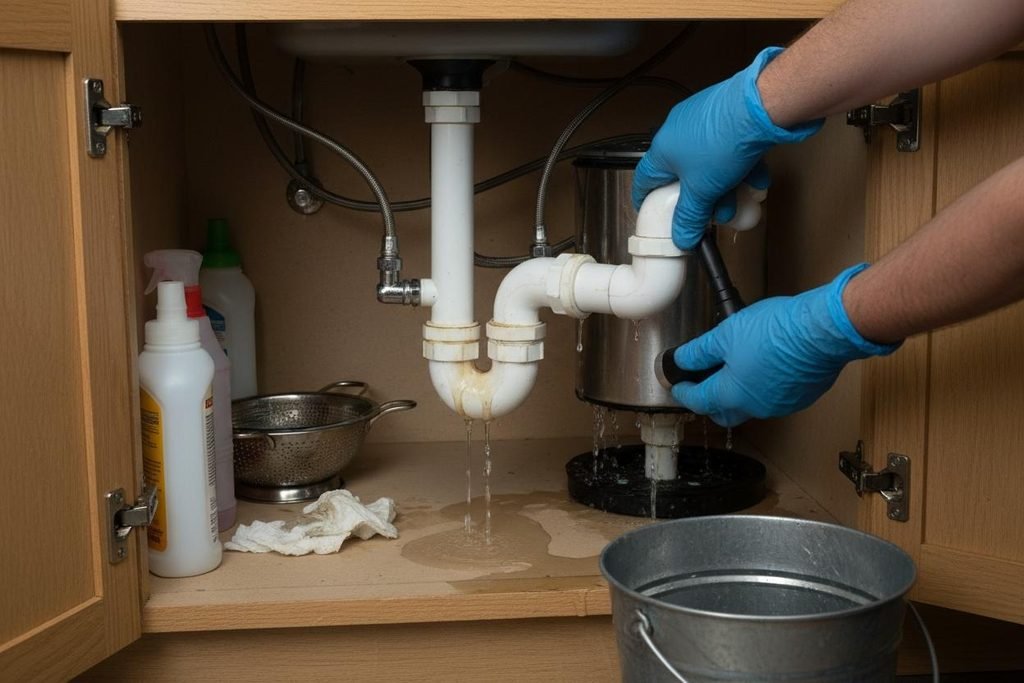
Repair leaking taps and pipes. Dry standing water around sinks and check damp cabinets.
3. Seal entry points
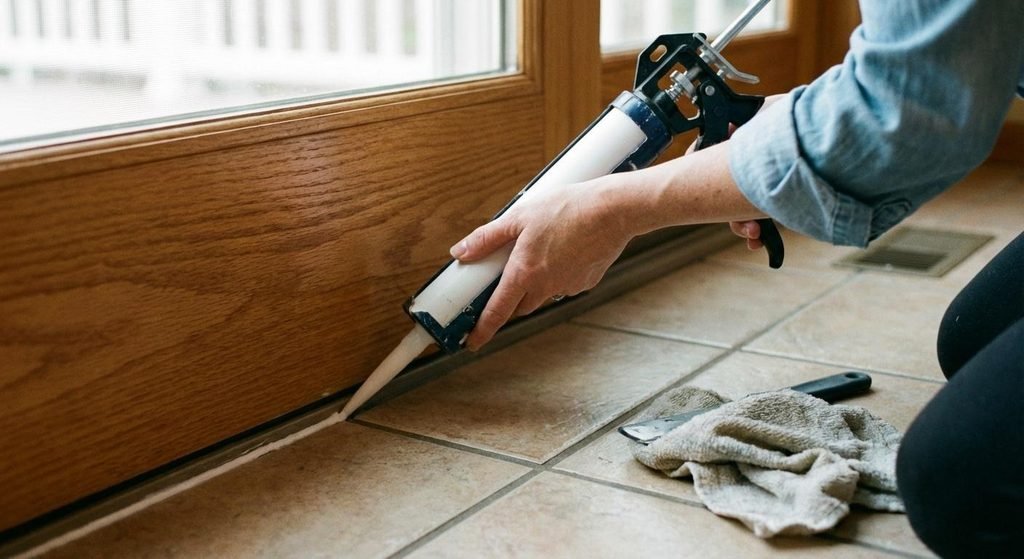
Close suitable gaps around pipes, cabinets, and baseboards. Check door edges and window screens for openings.
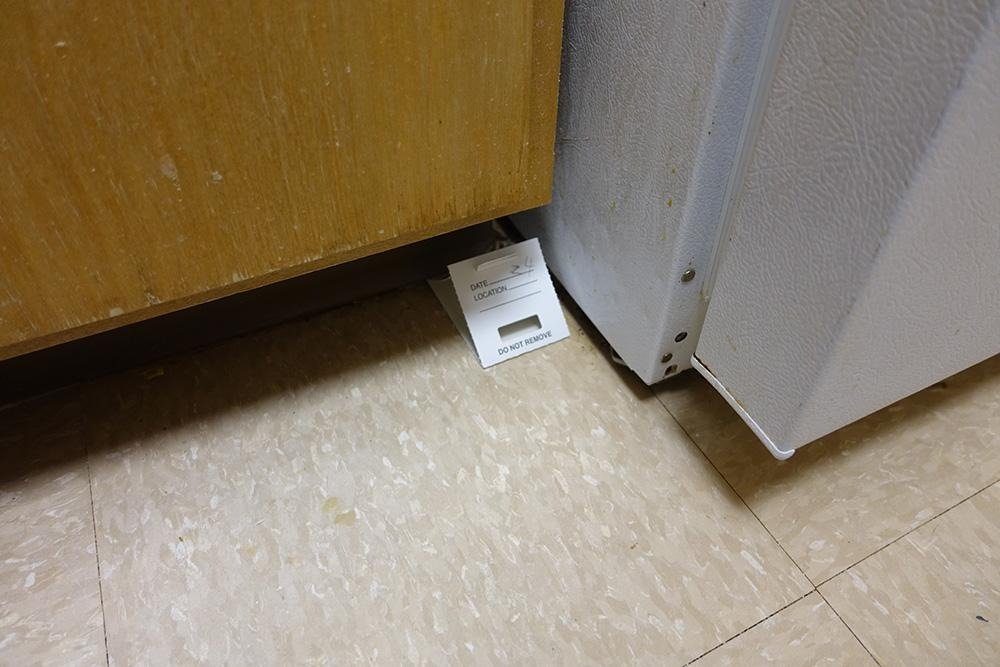
4. Monitor activity safely
Place monitoring traps where pets cannot reach them. Check them regularly and note where cockroaches appear.
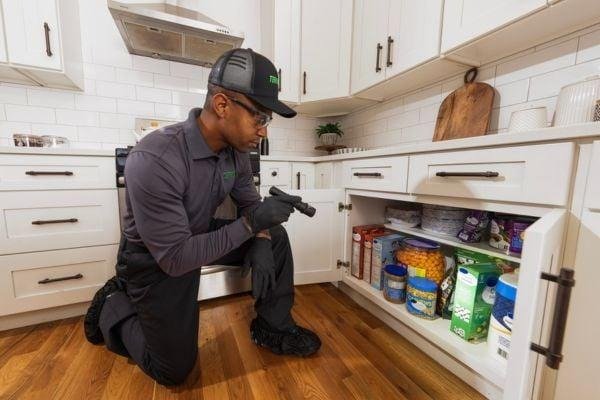
5. Treat the source
If roaches continue to appear, choose a labeled treatment that fits the location. Hire a qualified professional if the infestation persists.
The EPA recommends removing food and water sources, sealing hiding places, and using pesticides carefully as part of a broader pest-control plan.

US EPA
+1
Cost Breakdown
Cockroach-control costs vary by location, infestation size, product type, and whether you hire a professional. Since prices and stock change, compare current local offers instead of relying on a fixed price estimate.
| Cost category | What affects the cost |
| Sticky traps | Pack size and trap design |
| Enclosed bait stations | Number of stations and product formulation |
| Gel bait | Package size and application requirements |
| Prevention supplies | Caulk, sealed containers, and cleaning materials |
| Professional treatment | Infestation severity, follow-up visits, and treatment plan |
A small problem may respond to cleaning, sealing, and monitoring. A widespread infestation can require several visits or coordinated treatment across multiple areas.
Avoid buying several different pesticides just to try them one after another. Combining treatments without checking their labels can create unnecessary exposure and may interfere with some baiting strategies.
Ask a pest-control company for an itemized quote. Confirm whether the price includes follow-up visits, what products it will use, and how long pets must stay away.
Common Mistakes Pet Owners Make
Even a suitable product can create problems when someone uses it incorrectly. These common mistakes can undermine both pest control and pet safety.
Assuming natural means harmless. Plant-based ingredients can still cause harm. Evaluate the actual ingredient and exposure risk.
Leaving bait near food bowls. Pets may investigate unfamiliar objects around their feeding area. Keep pesticide products away from food, water, and feeding supplies.
Spraying the entire room. Broad spraying can increase exposure without reaching cockroaches hidden in cracks. Use only the application method permitted by the label.
Ignoring small signs of an infestation. Droppings, egg cases, and repeated sightings may signal a problem that needs attention. Find the source instead of treating only visible insects.
Mixing products or remedies. Combining insecticides or household chemicals can create hazards. Follow the label and avoid unapproved mixtures.
Letting pets return too early. Drying does not automatically remove every pesticide risk. Follow the label’s exact re-entry and ventilation instructions.
Waiting after suspected poisoning. Do not wait for symptoms if your pet may have swallowed pesticide. Seek veterinary advice promptly.
Pros and Cons
No cockroach-control method works perfectly in every home. Consider its strengths and limitations before choosing one.
| Pros | Cons |
| Cleaning and sealing reduce conditions that attract roaches | May not eliminate a severe infestation alone |
| Sticky traps help monitor pest activity | Can catch paws or fur if pets reach them |
| Enclosed bait stations allow targeted treatment | Pets may chew or damage the housing |
| Gel bait can target suitable hiding places | Placement must prevent licking or contact |
| Professional treatment can address larger problems | Costs more and may require temporary pet restrictions |
| A combined prevention plan reduces reliance on broad spraying | Requires consistent effort and monitoring |
For many households, combining sanitation, moisture control, monitoring, and targeted treatment offers a practical starting point. Choose the approach that you can maintain safely.
Similar Products and Alternatives
These alternatives serve different purposes from the four treatment types in the quick comparison. Choose based on your infestation, your home layout, and your ability to prevent pet access.
| Option | Best For |
| Door sweeps and weather stripping | Reducing cockroach entry through gaps around doors |
| Food-grade storage containers | Keeping pantry food and pet food inaccessible to pests |
| Caulk and suitable gap fillers | Closing entry points around pipes and cabinets |
| Leak repair supplies | Removing moisture that attracts cockroaches |
| Professional integrated pest management | Recurring or widespread infestations |
| Monitoring boards designed for insects | Identifying where roaches travel before choosing a treatment |
These alternatives support prevention rather than replacing every treatment. For example, sealing a gap will not kill cockroaches already living inside a cabinet. Likewise, monitoring traps can reveal activity but may not control a large population.
Avoid placing any trap where a pet can reach it, even if it contains no pesticide. Sticky surfaces and small removable parts can still create problems.
When to Consult a Vet or Professional
Contact a veterinarian immediately if your pet eats cockroach bait, chews a bait station, licks a pesticide spill, or shows unusual symptoms after possible exposure. Do not wait for symptoms when ingestion seems likely.
Potential warning signs include vomiting, unusual drooling, weakness, tremors, difficulty breathing, or seizures. These signs can have many causes, so a veterinarian must assess the situation rather than relying on symptoms alone.
If exposure occurs:
- Move your pet away from the product and prevent further contact.
- Keep the product package or take a clear photo of its label.
- Contact your veterinarian or an emergency veterinary service for instructions.
- Do not induce vomiting or give home remedies unless a veterinary professional directs you to do so.
- Follow professional guidance about bringing the animal in for assessment.
The National Pesticide Information Center explains that pesticide risk depends on the amount of exposure, the substance’s toxicity, and the animal involved.

National Pesticide Information Center
+1
For a persistent infestation, consult a qualified pest-control professional. Ask for a written treatment plan, the products’ active ingredients, and clear instructions for keeping pets away.
Birds, fish, reptiles, rabbits, and other small animals may need special precautions. Tell the technician exactly which species live in your home.
Fun Facts About Cockroach Control
- Cockroaches seek food and water. Removing easy access to both can help reduce pest activity.
- Small gaps matter. Sealing suitable openings can limit routes into cabinets and rooms.
- Monitoring helps guide treatment. Trap locations can reveal where cockroaches travel.
- Bait placement matters. A treatment works only when the pest can access it as intended, without creating an unacceptable risk to pets.
- Foggers are not a universal solution. The EPA recommends targeted pest-control methods where appropriate instead of relying on broad pesticide applications.
- Labels provide essential safety details. They explain where a product may be used and how to store and handle it.
- Prevention takes consistency. Cleaning, moisture control, and sealing gaps work best as ongoing habits.
These facts reflect practical pest-management principles rather than guarantees about any specific product.

US EPA
+2
Frequently Asked Questions
What kills roaches but is safe for pets?
No cockroach killer is guaranteed harmless to every pet. Nonchemical methods, such as cleaning, sealing entry points, and carefully placed sticky traps, avoid adding insecticide during those steps. Enclosed bait stations may reduce direct access when you place them correctly, but their contents can still harm an animal that chews or opens the station. Choose products based on their active ingredients, label directions, and your pet’s behavior. If your animal tends to chew household objects, consult a pest-control professional about alternatives that reduce exposure.
Is roach killer toxic to dogs?
Some cockroach-control products can poison dogs, particularly if a dog swallows bait, chews a station, or contacts pesticide residues. The risk depends on the active ingredient, the amount involved, and the dog’s size and health. A small amount does not automatically mean a harmless exposure. Keep the package and contact a veterinarian promptly if your dog eats or may have eaten a pesticide product. Watch for unusual behavior, but do not wait for symptoms before seeking advice. Never induce vomiting or give a home remedy unless a veterinary professional instructs you to do so.
How do I get rid of roaches when I have a dog?
Begin by removing food scraps, sealing food containers, cleaning under appliances, fixing leaks, and closing suitable gaps. Pick up your dog’s food bowl after meals when practical, and store kibble in a sealed container. If you need a pesticide, select a product labeled for your intended indoor use and place it somewhere your dog cannot reach, chew, or move it. Avoid spraying areas where your dog sleeps or plays. For recurring sightings, use a qualified pest-control service that understands your household’s pet-safety needs.
Can I use roach spray if I have a cat?
You may be able to use a labeled indoor cockroach spray in a home with cats, but only if you can follow every precaution and prevent exposure. Remove your cat, its bowls, toys, bedding, and other supplies from the treatment area as directed. Follow the label’s ventilation, application, and re-entry instructions exactly. Do not assume that a dry surface is automatically safe for licking or walking on. Cats groom themselves, so residue on their paws or fur can become an ingestion risk. Ask your veterinarian or the product manufacturer if you are unsure about a particular formulation.
Are cockroach bait stations safer than sprays for pets?
Enclosed bait stations can reduce direct contact with insecticide compared with some spray applications, but that does not make every station safe around every pet. A dog may chew the housing, while a curious cat may bat or move it. The active ingredient also matters. Place stations only in locations permitted by the label and inaccessible to your animals. If your pet can reach every practical placement location, do not use that station. Ask a pest-control professional about other options for your home.
Are essential oils a safe way to repel cockroaches around cats?
Do not assume that essential oils are safe because they come from plants. Some concentrated oils can harm cats, and risks depend on the oil, concentration, exposure route, and amount involved. Diffusing oils or applying them to surfaces can also expose animals through inhalation, skin contact, or grooming. Essential oils are not a dependable substitute for a well-planned cockroach-control strategy. Use sanitation, moisture control, and sealed food storage first. Before using any oil-based pest product around your cat, consult your veterinarian and check the full product label.
What should I do if my pet chews a roach bait station?
Move your pet away from the damaged station and prevent access to any spilled bait. Contact your veterinarian or an emergency veterinary service promptly, even if your pet seems normal. Keep the packaging so the professional can identify the active ingredient and concentration. Do not try to make your pet vomit or give milk, food, or other home treatments unless a veterinarian directs you. If the product has contacted your pet’s mouth or fur, ask the veterinary professional how to handle that exposure safely. Quick, accurate information helps guide the next steps.
How can I tell whether I need professional cockroach treatment?
Consider professional help if cockroaches continue appearing despite consistent cleaning, if you see them in several rooms, or if activity returns soon after treatment. Repeated sightings during the day can also justify a closer inspection, although sightings alone do not prove how severe an infestation is. A professional can identify likely hiding places, check for entry points, and recommend a targeted plan. Tell the technician about your pets before treatment begins. Ask for product details, precautions, follow-up requirements, and written instructions for safe re-entry.
Final Thoughts
Cockroaches are frustrating, but you do not need to cover your home in pesticide to start tackling the problem. A consistent routine of cleaning, sealing gaps, managing moisture, and storing food properly can make your home less inviting to pests.
When those steps are not enough, compare targeted treatments carefully. Enclosed bait stations and gel baits may suit some households, while traps and professional pest management may work better in others. Your pet’s habits, the treatment location, and the product label should guide your decision.
Remember that no label or marketing phrase guarantees zero risk. Keep pesticides away from food bowls, bedding, toys, and places where animals explore. Follow every application, storage, and re-entry instruction.
If your pet may have swallowed a bait or contacted a pesticide, contact a veterinarian promptly rather than trying a home remedy. If cockroaches keep returning, ask a qualified professional to investigate the source.
The best approach protects both your home and your animals. With careful prevention and a well-chosen treatment plan, you can work toward a cleaner, more comfortable space for everyone.

Emily Carter is a pet care writer at PetJournalHub. She enjoys creating clear, practical, and well-researched articles about pet health, nutrition, grooming, and everyday care. Her goal is to help pet owners make informed decisions through reliable, easy-to-understand content.