
Choosing a college pet means finding an animal whose needs match your schedule, budget, housing, and experience. Cats, compatible adult dogs, guinea pigs, hamsters, and fish may suit some students, but no pet fits every campus lifestyle. Check housing rules, research proper care, and plan for veterinary bills before bringing an animal home.
Key Takeaways
- Check campus housing rules before adopting or buying any animal.
- Cats may suit students who want companionship and can manage daily care.
- Guinea pigs need social interaction, spacious housing, and a balanced diet.
- Fish and small mammals still need proper equipment, cleaning, and regular attention.
- Budget for veterinary care, food, supplies, and unexpected expenses.
- Consider your summer plans, roommates, allergies, and post-graduation housing.
Introduction
College brings new friends, busy schedules, late-night study sessions, and plenty of changes. For many students, having an animal companion sounds like a great way to make a new place feel like home. A pet may offer companionship and encourage a regular daily routine. However, pet ownership also brings responsibilities that can conflict with classes, exams, part-time jobs, and weekend trips.
Choosing the right animal takes more thought than picking the cutest option. A quiet hamster still needs a suitable enclosure and daily care. A fish tank requires careful maintenance, while a dog needs exercise, training, and companionship. Even animals that occupy little space can require significant time and money.
Students also face housing restrictions. Some residence halls prohibit pets other than approved assistance or support animals, while others allow limited species under specific rules. Never assume a small animal automatically qualifies for dorm living.
This guide to pets to have in college compares ten options, explains their needs, and covers costs, housing, daily routines, and common mistakes. It also explores alternatives for students who love animals but cannot responsibly care for one right now.
The goal is simple: help you choose a companion based on your real life, not just your preferences. The best choice is an animal whose needs you can meet throughout college and beyond.
What Does College Pet Ownership Involve?
College pet ownership means caring for an animal while managing the demands of student life. The right choice depends on your living arrangements, schedule, finances, experience, and ability to provide consistent care.
Some students live in pet-friendly apartments with enough room for an animal. Others share crowded dorm rooms, travel home during breaks, or rely on limited monthly budgets. Those differences can change which pets make practical choices.
Before choosing an animal, consider these questions:
- Does your residence allow this species?
- Can you afford appropriate food, housing, routine veterinary care, and emergencies?
- Can you provide daily care during exams and holidays?
- Will roommates tolerate the animal, its noise, smell, or equipment?
- Can you keep the animal after graduation if your housing changes?
A pet should never depend on an uncertain housing arrangement or an unreliable care plan. If your situation changes often, volunteering at a shelter or helping a friend with pet care may provide companionship without a long-term commitment.
Quick Facts Box
| Fact | Details |
| Main topic | Choosing a suitable companion animal during college |
| Possible options | Cats, dogs, small mammals, fish, reptiles, and invertebrates |
| Main deciding factors | Housing, time, cost, space, and animal welfare |
| Daily responsibilities | Feeding, cleaning, enrichment, observation, and interaction |
| Veterinary needs | Depend on species, age, health, and local veterinary access |
| Best first step | Confirm housing permission and research the animal’s full needs |
Key Characteristics and Care Needs
No single animal suits every college student. Some need regular social interaction, while others need carefully controlled habitats rather than frequent handling.
Cats often offer companionship without scheduled outdoor walks, but they still need play, litter care, preventive veterinary services, and attention. Dogs generally require more direct involvement, including exercise, toilet breaks, training, and social contact.
Small mammals also differ widely. Guinea pigs need spacious housing and companionship from compatible guinea pigs. Hamsters usually live alone and need secure enclosures, suitable bedding, and opportunities to explore. Rabbits need much more room and specialized care than their small appearance suggests.
Fish need an appropriate aquarium, filtration where required, water-quality management, and a suitable feeding routine. Reptiles often need species-specific heat, lighting, humidity, and diet. These requirements can make them poor choices for a student who lacks reliable space or equipment.
The central rule is to research the adult animal’s needs before deciding. An inexpensive purchase does not guarantee inexpensive care, and a small animal does not automatically mean a simple commitment.
Top 10 Pets to Have in College
The best student pets balance companionship, manageable care routines, and the space you can provide. These ten options offer different experiences, but none works for every student or housing arrangement.

1. Adult cat
An adult cat may suit a student living in pet-friendly housing who wants an affectionate companion. Cats need daily feeding, litter-box cleaning, play, scratching outlets, and veterinary care. Their personalities vary, so meet the individual cat before adopting.

2. Adult dog
Dogs can offer close companionship, but they need regular walks, toilet breaks, training, and social interaction. Consider one only if you have suitable housing and a dependable plan for long class days. Puppies usually demand even more time.

3. Guinea pigs
These social animals can make engaging companions for students with enough room for a suitable enclosure. They need constant access to hay, fresh water, appropriate food, regular cleaning, and compatible guinea pig companionship. They are not ideal for cramped rooms.
4. Hamster
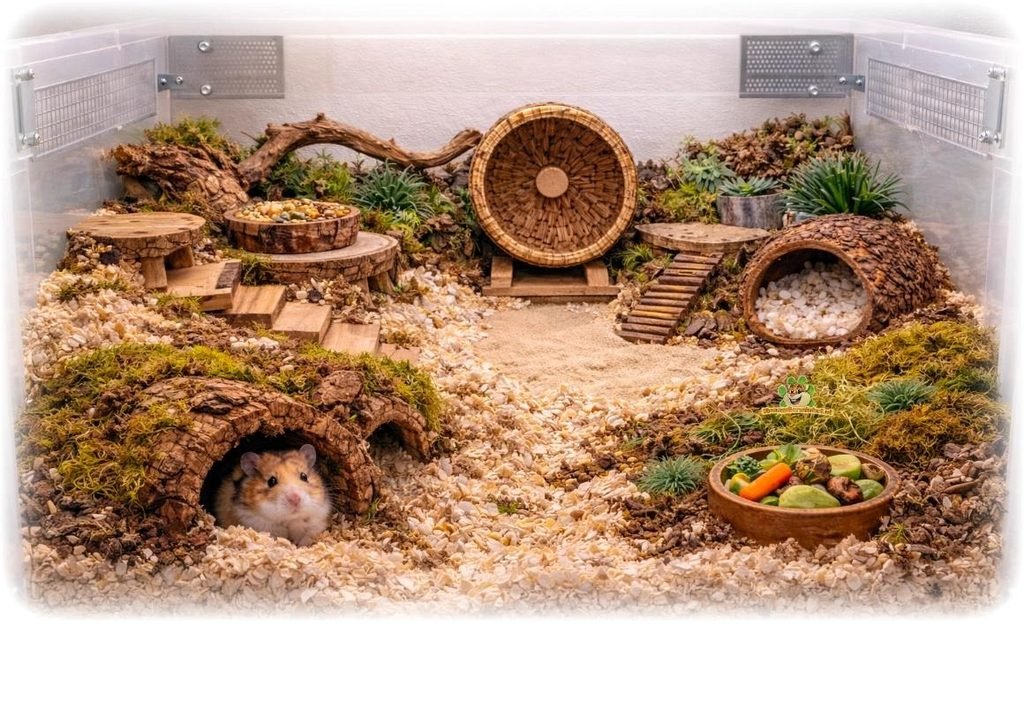
Hamsters may suit students who enjoy observing animals more than handling them. They need a secure enclosure, deep bedding, suitable enrichment, and a species-appropriate diet. Many are most active at night, which can disrupt light sleepers sharing a room.

5. Pet rats
Rats are intelligent, social animals that can build strong bonds with their caregivers. They need companionship from compatible rats, a roomy enclosure, enrichment, cleaning, and regular interaction. Check that your housing permits them before making a commitment.
6. Aquarium fish
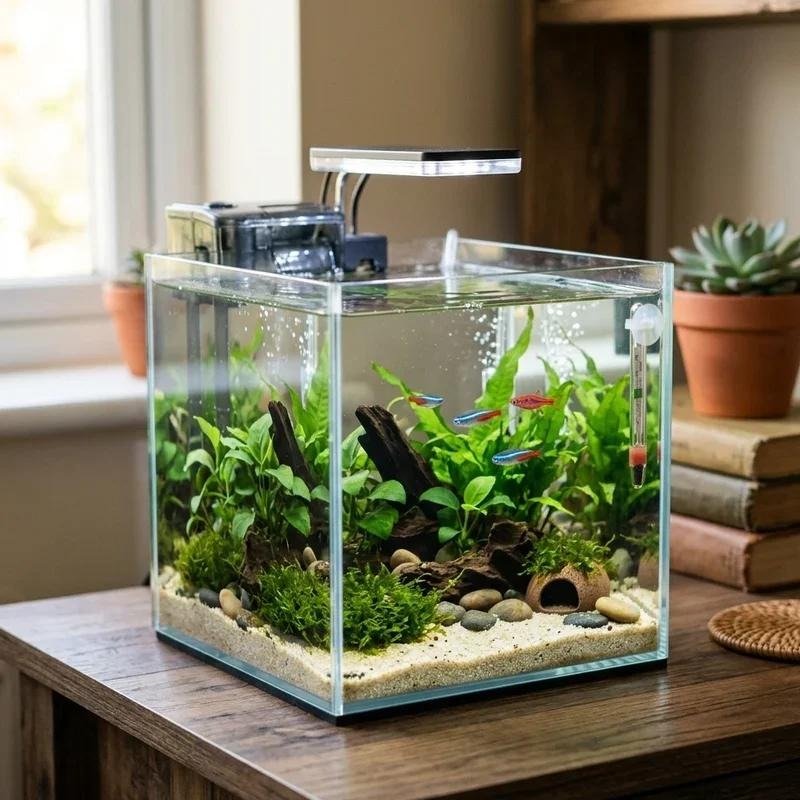
Fish suit students who enjoy observing aquatic life and maintaining an aquarium. They need appropriate tank size, filtration when required, water testing, and careful feeding. A bowl is not a suitable substitute for a properly planned aquarium.
7. Leopard gecko
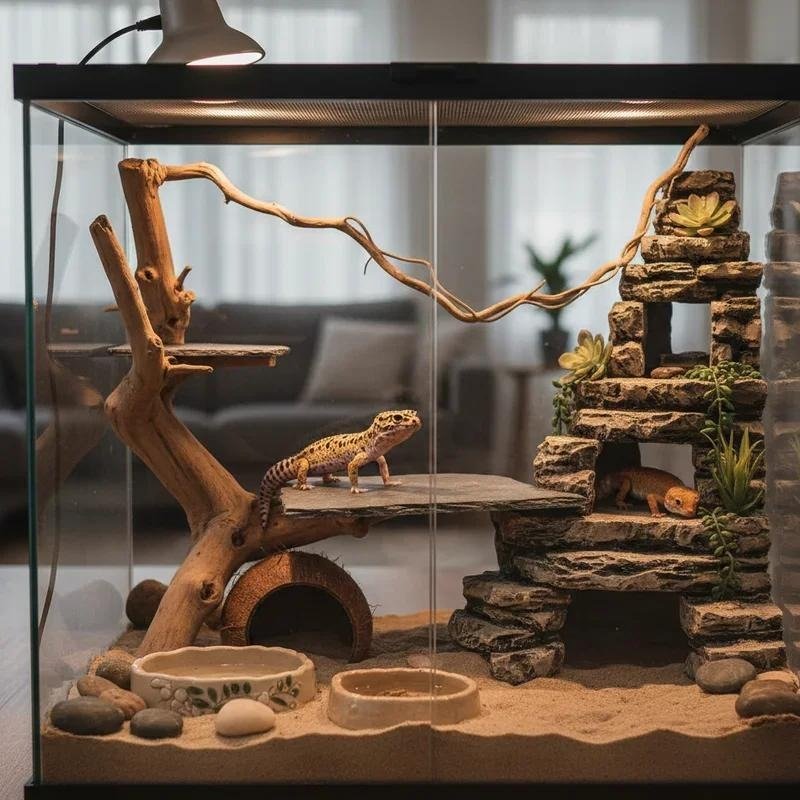
A leopard gecko may suit an experienced student who can maintain its specific habitat. It needs suitable heating, temperature monitoring, hiding places, and an appropriate insect-based diet. Check equipment rules, electricity access, and local veterinary services first.

8. Gerbils
Gerbils are active burrowing rodents that need deep bedding, enrichment, and secure housing. Compatible same-sex companions often suit their social needs. Their digging and chewing make proper enclosure design essential, especially in a small shared room.
9. Budgies
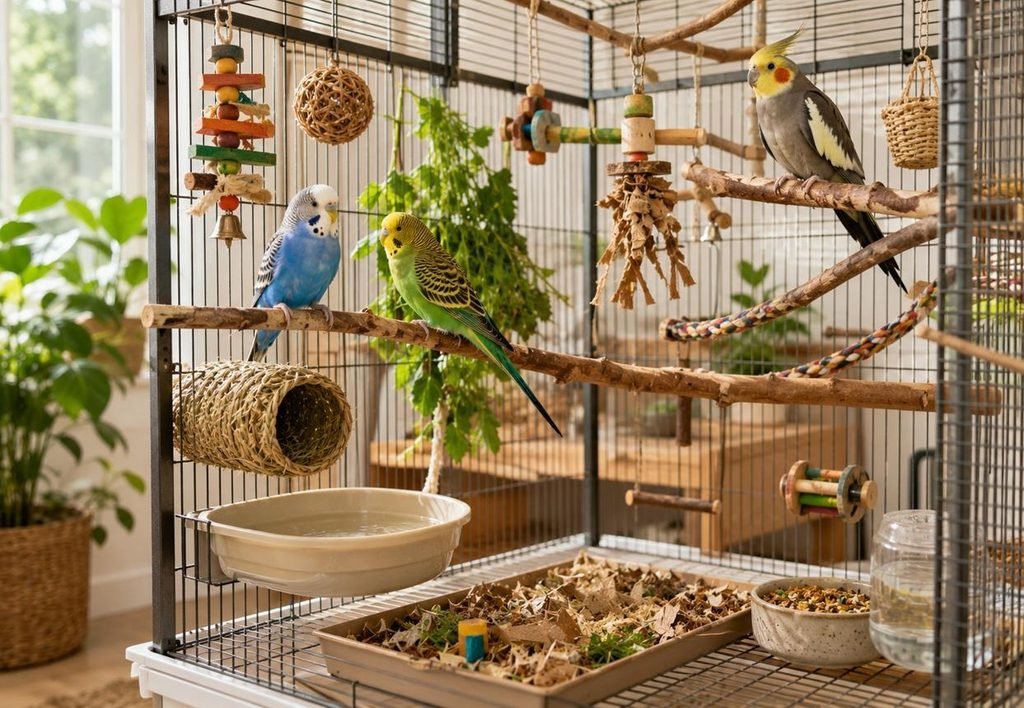
Budgies can be social, engaging companions for students who understand bird care. They need appropriate space, enrichment, social interaction, cleaning, and access to avian veterinary care. Vocalizing, feather dust, and daily attention can create problems in shared housing.
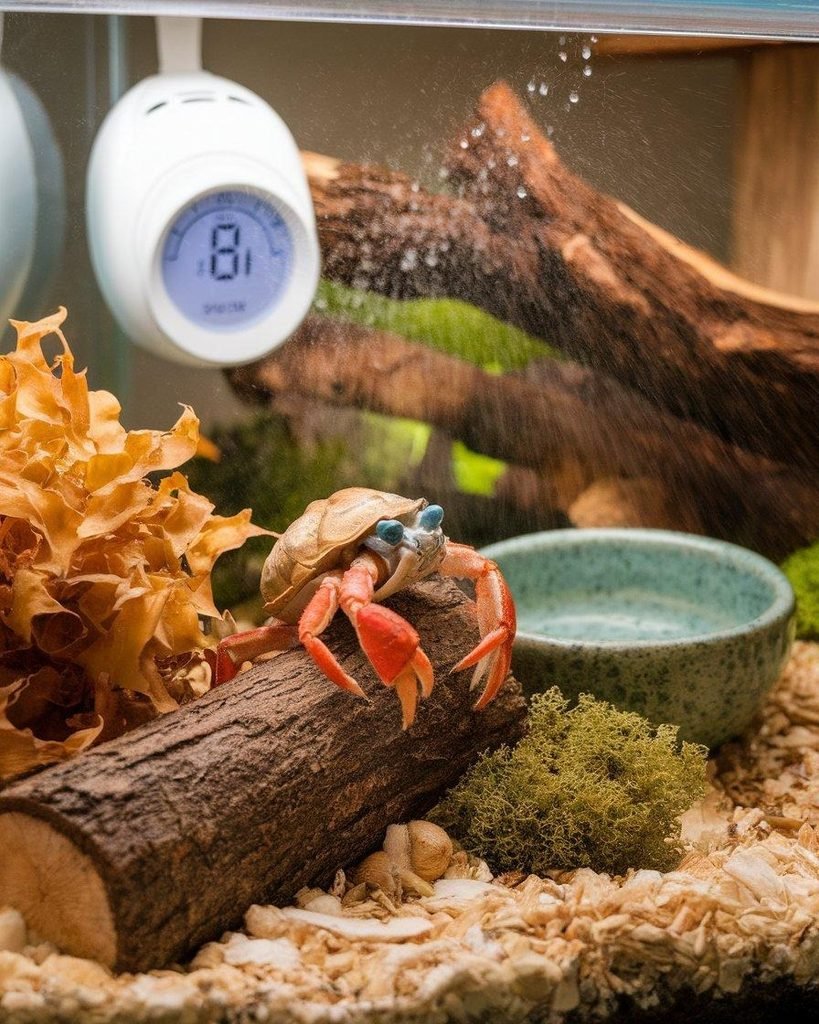
10. Hermit crabs
Hermit crabs appeal to students who enjoy observing unusual animals. They require a carefully maintained habitat with suitable humidity, temperature, substrate, water, and spare shells. Their specialized needs make them a poor impulse purchase.
Treat this list as a starting point, not a ranking of the easiest animals. Check each species’ full care requirements, lifespan, local legality, and housing rules before choosing.
Cute Pets to Have in College
Cute pets can bring joy to a student’s room, but appearance should never determine the decision. Choose an animal whose natural behavior and care needs match your lifestyle.

Cats
Cats may appeal to students who enjoy cuddling and interactive play. However, some prefer limited handling, and every cat needs a safe environment and regular care.
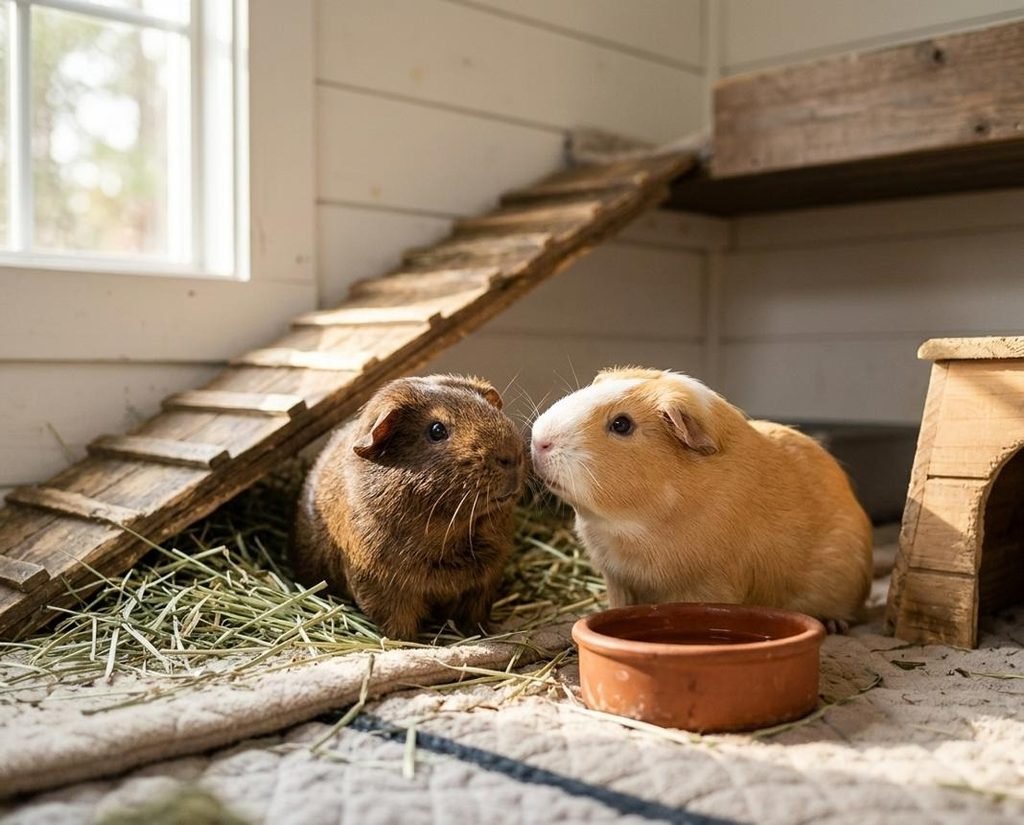
Guinea pigs
Their expressive sounds and social behavior can be charming. They also need space, companionship, and daily feeding and cleaning routines.
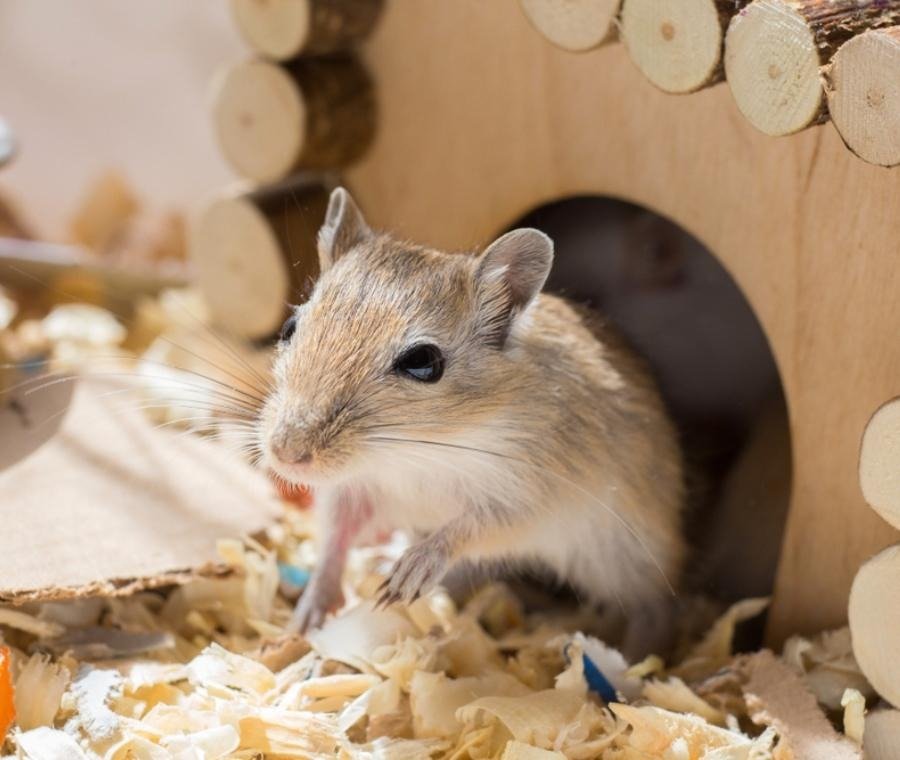
Gerbils
Gerbils are fun to watch as they dig, explore, and interact. They need a secure, enriching enclosure rather than a tiny decorative cage.
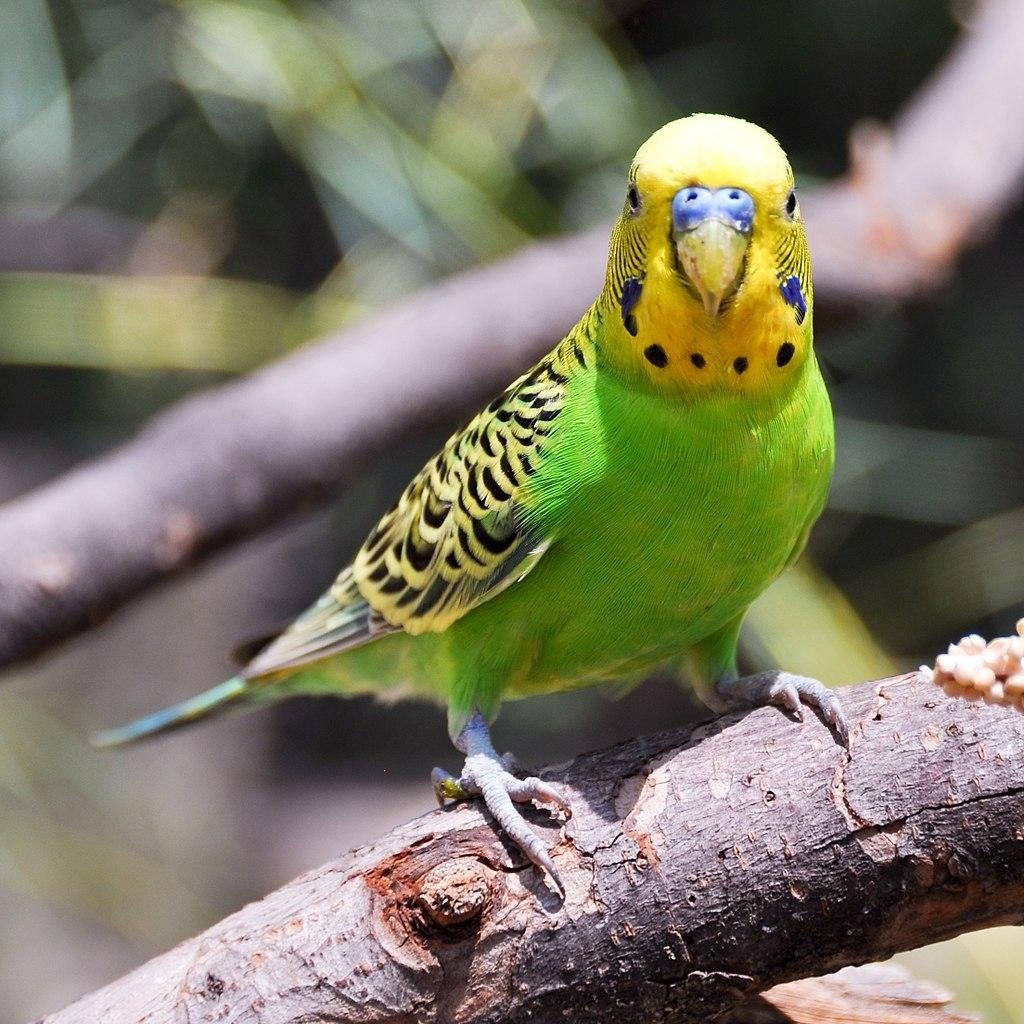
Budgies
These birds can develop engaging relationships with people. They also need daily attention, suitable space, and an environment free from harmful fumes.
Remember that baby animals often need extra care and training. An adult animal with a known temperament may offer a more predictable match for student life.
Best Pets to Have in College
The best choice depends on your housing and daily schedule. A cat may suit an off-campus student, while a properly maintained aquarium may fit someone whose residence permits fish but prohibits other pets.
Use these examples as a practical guide:
- For a student in a pet-friendly apartment: Consider an adult cat if you can cover its ongoing care and future housing.
- For someone with limited free time: Consider volunteering at a shelter instead of adopting an animal. If you still want a pet, compare the full care requirements of permitted species.
- For someone who enjoys watching animals: Consider an aquarium or an appropriately housed small mammal.
- For an experienced animal keeper: A suitable reptile or bird may work if you can meet its specialized needs.
- For someone who travels often: Wait until you have reliable backup care, or choose an animal-free way to enjoy companionship.
The best pet is not necessarily the smallest, cheapest, or quietest. It is the animal whose needs you can meet consistently, including during exams, breaks, and unexpected changes.
Best Furry Pets for College Students
Furry pets offer different kinds of companionship, from interactive play to quiet observation. Cats, dogs, guinea pigs, hamsters, rats, and gerbils all need specific care, so compare their behavior rather than choosing by size alone.
Cats may suit students who want an animal that can live comfortably indoors with suitable enrichment. Dogs generally need more scheduled exercise and direct supervision. Guinea pigs need substantial floor space and compatible companionship, while rats need enrichment and regular interaction.
Hamsters and gerbils may work for students who enjoy observing natural behaviors. However, their sleep patterns, chewing, digging, and enclosure needs may clash with a shared room.
Before adopting a furry animal, check whether you can access an appropriate veterinarian. Also consider allergies, bedding dust, cleaning needs, and the cost of suitable housing. Never choose a tiny cage simply because your room is small. If you cannot provide the space an animal needs, choose a different way to enjoy pets.
Are Bunnies Good Pets for College Students?
Rabbits can make affectionate companions, but they are not automatically easy pets for students. They need room to move, daily enrichment, appropriate hay-based nutrition, regular cleaning, and access to a veterinarian experienced with rabbits.
Rabbits also chew, so their living area needs protection from exposed electrical cords and unsafe materials. Many dislike being picked up, even when they enjoy spending time near people. Their behavior can surprise students who expect a cuddly animal that behaves like a stuffed toy.
Housing is another concern. Some colleges prohibit rabbits, while others allow them only in designated accommodations. Shared apartments also require agreement from every roommate.
Consider a rabbit only if you have enough space, a stable long-term home, and money for routine and unexpected veterinary care. If you want a rabbit mainly because it looks small and quiet, research its adult needs first.
Pets in College: Rules, Roommates, and Responsibility
Living with a pet during college requires cooperation. You must protect the animal’s welfare while respecting roommates, neighbors, and housing rules.
Start by reading your residence agreement. Some schools permit only fish, while others allow specific small mammals or provide designated pet-friendly housing. For example, Truman State University lists several approved animals under its pet-friendly housing program, while Princeton’s dormitory rules allow fish in qualifying tanks but prohibit other ordinary pets. These examples show why you must check your own institution’s current policy.
Truman State University
+1
Discuss practical concerns with roommates before bringing an animal home. Agree on noise, cleaning, shared spaces, allergies, and what happens if someone feels uncomfortable. Do not assume your roommate will help with feeding or veterinary visits.
You also need a plan for holidays and emergencies. Arrange a responsible caregiver before traveling, and keep your pet’s supplies and medical information accessible. If you move to a different apartment after the semester, make sure your next home can accommodate the animal.
Students who need a disability-related assistance animal should follow the institution’s official accommodation process. Do not confuse those arrangements with ordinary pet permission.
College Pets Reddit: What Should Students Consider?
Online discussions about college pets can offer personal experiences, but individual stories cannot establish what will work for every student. A post praising a hamster as easy to care for may leave out enclosure costs, veterinary access, or the time needed for cleaning.
When reading Reddit or other student forums, look for specific details rather than broad claims. Does the writer explain their housing rules, weekly routine, budget, and arrangements for breaks? Do they describe challenges as well as benefits?
Be especially careful with advice that recommends keeping an animal in an undersized enclosure, skipping veterinary care, or leaving it alone for long periods. Popularity does not make unsafe advice reliable.
Use online communities to identify questions you should investigate. Then verify species-specific care with reputable animal welfare organizations and a qualified veterinarian. Your own housing contract and the needs of your individual animal should guide the final decision.
Dorm Pets: Which Animals May Be Allowed?
Dorm pet rules vary widely, and many residence halls prohibit ordinary pets. Never buy or adopt an animal based on a general internet list of dorm-friendly species.
Some institutions allow fish in limited aquarium sizes. Others permit selected small mammals, reptiles, or birds under specific conditions. A few offer pet-friendly housing communities with registration requirements. Policies may also restrict heating equipment, enclosure types, or the number of animals in a room.
Truman State University
+2
Before bringing any animal into a dorm:
- Read the current written pet policy.
- Ask housing staff about species, tank, cage, and equipment restrictions.
- Get any required approval before acquiring the animal.
- Confirm that roommates agree where the rules require it.
- Make a plan for cleaning, power outages, breaks, and veterinary care.
A permitted pet still needs appropriate housing. If the dorm’s limits prevent you from meeting the animal’s welfare needs, do not keep it there.
Daily Care Routine: How to Get Started
A reliable care routine helps you protect your pet’s health while balancing classes and other responsibilities. The exact schedule depends on the species, age, and individual animal.
Before bringing your pet home
- Confirm permission from your housing provider.
- Find a veterinarian who treats your chosen species.
- Prepare suitable housing, food, water, enrichment, and cleaning supplies.
- Set aside money for routine care and emergencies.
- Arrange a backup caregiver for travel, illness, and academic breaks.
Build a routine around classes
Morning: Check your pet’s behavior, provide fresh water and appropriate food, and complete any required habitat checks.
During the day: Make sure the animal has a safe environment, suitable temperature, and enough space. Arrange a caregiver if your pet needs attention while you attend classes.
Evening: Complete feeding as appropriate, clean soiled areas, provide exercise or enrichment, and spend suitable time interacting with your pet.
Weekly: Clean equipment and living areas according to species-specific guidance. Check food supplies, inspect the enclosure, and review any changes in behavior or appetite.
Do not rely on an automatic feeder to replace proper care. Equipment can fail, water quality can change, and animals can become ill while you are away. Plan for direct checks and dependable backup support.
Cost Breakdown: What Does a College Pet Cost?
Pet expenses depend on the species, local prices, quality of equipment, veterinary needs, and unexpected events. The purchase or adoption fee is only one part of the total cost.
| Expense | What to plan for |
| Adoption or purchase | Initial fee, transport, and any required paperwork |
| Housing and equipment | Enclosure, aquarium, filter, heating, lighting, or other species-specific items |
| Food and water supplies | Appropriate food, hay, treats where suitable, and water equipment |
| Cleaning | Bedding, litter, cleaning tools, and safe cleaning products |
| Veterinary care | Exams, preventive care, tests, and treatment when needed |
| Enrichment | Toys, hiding places, scratching surfaces, or habitat materials |
| Backup care | Pet sitters, boarding, or travel arrangements |
| Emergency reserve | Unexpected illness, injury, or equipment replacement |
Which pets are cheapest?
There is no reliable universal cost ranking. Fish may have low ongoing food costs, for example, but an appropriate aquarium, filtration, water testing, and setup can require significant spending. Small mammals may cost less to acquire than a dog, yet still need spacious housing and veterinary care.
Before choosing a pet, request local estimates for setup, routine care, and emergency treatment. Calculate what you can afford each month without depending on money you might not receive. If a single unexpected bill would prevent you from getting necessary veterinary care, wait until your budget improves.
Common Mistakes Pet Owners Make
Many problems start when students underestimate an animal’s needs or make a decision before checking their circumstances.
Choosing by appearance alone. A cute animal may have demanding dietary, social, or habitat requirements. Research its adult needs before committing.
Assuming small means easy. Hamsters, fish, reptiles, and other small animals still need proper housing, monitoring, and daily attention.
Ignoring dorm rules. An unauthorized pet can lead to housing problems and an urgent need to find another home for the animal.
Forgetting about breaks. Pets need care during holidays, internships, family visits, and unexpected trips. Arrange reliable support before you leave.
Skipping veterinary planning. Find an appropriate veterinarian before an emergency occurs. Avoid relying on social media for diagnoses or medication instructions.
Underestimating the commitment. Some pets live for many years. Consider where you will live after graduation and whether your future plans can accommodate the animal.
Depending on roommates. A roommate may agree to live with a pet without agreeing to feed it, clean its enclosure, or pay for care. Make ownership responsibilities clear.
Pros and Cons of Having a Pet in College
A pet can enrich student life, but it also adds financial and practical demands.
| Pros | Cons |
| Companionship during time at home | Ongoing food and veterinary expenses |
| Opportunities to learn responsibility | Daily care even during exams |
| A regular routine | Limits on travel and spontaneous plans |
| Enjoyable interaction and enrichment | Possible housing restrictions |
| A chance to learn about animal behavior | Roommate conflicts, allergies, or noise |
| A long-term relationship with an animal | Difficult decisions when housing changes |
Pet ownership works best when the benefits do not come at the expense of the animal’s welfare or the student’s basic needs. If the drawbacks outweigh what you can manage, waiting is a responsible choice.
Similar Pets and Alternatives Worth Considering
Not every student needs a conventional furry companion. These alternatives may suit different interests, provided you can meet their specific needs.
| Option | Best For |
| Foster a cat through an approved rescue | Students with suitable housing, flexible schedules, and rescue support |
| Volunteer at an animal shelter | Students who want regular animal contact without full-time ownership |
| Help a friend care for a dog | Students who enjoy dogs but cannot provide daily care |
| Keep aquatic shrimp in a suitable aquarium | Experienced or well-prepared students interested in aquatic habitats |
| Consider a corn snake | Students with reptile experience, appropriate equipment, and access to suitable veterinary care |
| Observe wildlife responsibly | Students who enjoy animals but cannot keep one at home |
| Pet-sit for a trusted owner | Students who want hands-on experience for a defined period |
Fostering still carries responsibilities, and a rescue may require a stable placement, specific supplies, or veterinary visits. Check the organization’s terms and your housing rules before agreeing.
Wild animals should remain in their natural environments. Do not capture local wildlife or buy exotic animals without understanding their legal status and welfare needs.
When to Consult a Vet or Professional
Contact a veterinarian when you need help choosing an appropriate species, planning preventive care, or understanding changes in your pet’s health. A veterinarian familiar with the species can explain nutrition, housing, routine examinations, and warning signs.
Seek prompt veterinary advice if your pet stops eating, develops breathing problems, becomes unusually weak, has persistent diarrhea, or shows a sudden change in behavior. Breathing distress, collapse, serious bleeding, or suspected poisoning warrant urgent veterinary attention.
Do not wait for a symptom to become severe before seeking help. Small animals can hide signs of illness, and some species need specialized treatment. Never give human medication or change a pet’s treatment without veterinary guidance.
A veterinarian can also help you plan care before travel, discuss safe handling, and identify suitable preventive measures. For species-specific guidance, consult a qualified professional rather than relying only on general pet-care articles.
Fun Facts About College Pet Choices
- Cats communicate through body language, vocal sounds, scent, and other behaviors.
- Guinea pigs are social animals whose sounds can communicate different needs and reactions.
- Hamsters are generally most active during the evening and night, although activity varies.
- Rats can learn tasks and explore puzzles that provide mental enrichment.
- Fish depend on suitable water conditions, not just food and a clean-looking tank.
- Many reptiles rely on environmental temperature to support normal body functions.
- Budgies are social birds that need suitable interaction and enrichment.
- Rabbits have continuously growing teeth, making appropriate feeding and dental health important.
These facts also highlight why pet choice requires research. Animals have different ways of communicating, different environmental needs, and different signs of distress. Understanding those differences helps owners provide better care.
Frequently Asked Questions
What pet is best for a college student?
An adult cat may suit a student with pet-friendly housing, a steady budget, and enough time for daily interaction and care. A properly maintained aquarium may suit someone who prefers observing animals and can manage water quality. Guinea pigs, rats, and other small mammals can also work, but their housing and social needs deserve careful attention. The best option depends on your schedule, space, finances, and access to veterinary care. Check your housing policy first, then choose an animal whose needs you can meet throughout college and after graduation.
What are the top 10 easiest pets?
There is no universal list of ten easiest pets because care needs differ by species and individual animal. Cats, some small mammals, and certain fish may suit particular households, but each needs proper housing, food, monitoring, and veterinary care. Reptiles and birds may require specialized equipment or professional care. Even an animal that needs little direct handling still depends on its owner for a healthy environment. Instead of choosing by an online ranking, compare the time, space, cost, lifespan, and specialist care each species requires. Ask a veterinarian or reputable welfare organization for guidance before deciding.
What are 10 popular pet names?
Popular pet names vary by country, language, and the type of animal. Ten familiar choices include Luna, Bella, Milo, Charlie, Daisy, Max, Lucy, Oliver, Coco, and Teddy. You can choose a name based on your pet’s appearance, personality, or a favorite book or film character. Keep the name easy to say, especially if you plan to use it during training. There is no need to select a trendy name; a name you enjoy using is usually the best fit. Remember that a name does not replace patient training, gentle handling, or consistent care.
What are the top 3 best pets?
Cats, dogs, and fish are three common pet choices, but they suit different lifestyles. Cats may fit households that want an interactive indoor companion and can provide daily care. Dogs may suit people who have time for exercise, training, and regular companionship. Fish may appeal to people who enjoy observing aquatic life and maintaining a healthy aquarium. None is automatically better than the others. Consider your budget, living space, experience, and daily schedule. For college students, housing permission and plans for academic breaks should guide the decision before popularity or personal preference.
Can you keep a pet in a college dorm?
Sometimes, but the answer depends on the institution and residence hall. Some colleges allow limited aquarium sizes, while others permit specific small animals or provide pet-friendly housing. Many prohibit ordinary pets in standard dorm rooms. Read the current written policy and ask housing staff about registration, equipment, and break-period rules before bringing an animal home. If you need a disability-related assistance animal, follow the institution’s official accommodation process. Never assume that a pet is allowed just because another college permits the same species.
Is a hamster a good pet for a busy student?
A hamster may suit someone who enjoys observing an animal and can provide suitable housing, enrichment, food, water, and regular checks. However, hamsters often become active at night, which can disturb roommates or light sleepers. They also need more than a tiny cage and occasional feeding. Research the species’ enclosure, bedding, exercise, and veterinary needs before choosing one. If your schedule keeps you away for long periods or your room cannot accommodate appropriate housing, consider another way to enjoy animals until your living situation changes.
Should college students adopt pets or buy them?
Both choices require careful research, and neither automatically guarantees a good match. Adoption organizations may help you understand an animal’s known temperament, history, and needs. If you obtain an animal from a breeder or other source, research its welfare practices and health history. Avoid impulse purchases and sellers who cannot answer reasonable questions about care. Whichever route you choose, confirm housing permission, budget for veterinary services, and prepare suitable equipment before bringing the animal home. Your priority should be a healthy, appropriate match rather than the lowest initial price.
Final Thoughts
College can be a wonderful time to build a meaningful relationship with an animal, but the decision deserves careful planning. The right companion should fit your housing, schedule, budget, experience, and long-term plans without compromising its welfare.
Start with your living arrangements. Confirm which animals your college allows, discuss expectations with roommates, and identify a veterinarian before bringing a pet home. Then compare the full cost and daily routine of your preferred species.
An adult cat may suit one student, while a well-maintained aquarium or a pair of appropriately housed small mammals may better suit another. Some students will find that volunteering or pet-sitting offers the companionship they want without a permanent commitment.
If you cannot provide suitable housing, reliable daily care, and emergency funds right now, waiting is a responsible decision. Your circumstances may improve after graduation or when you move into a pet-friendly apartment.
The best choice is not the trendiest animal or the one that costs the least to acquire. It is a companion whose needs you can meet consistently, with patience, kindness, and a realistic plan for the years ahead.

Sophia Bennett is an animal care contributor at PetJournalHub. She writes educational articles about companion animals, pet wellness, training, and daily care. She believes that trustworthy information helps every pet owner build a healthier and happier life for their pets.