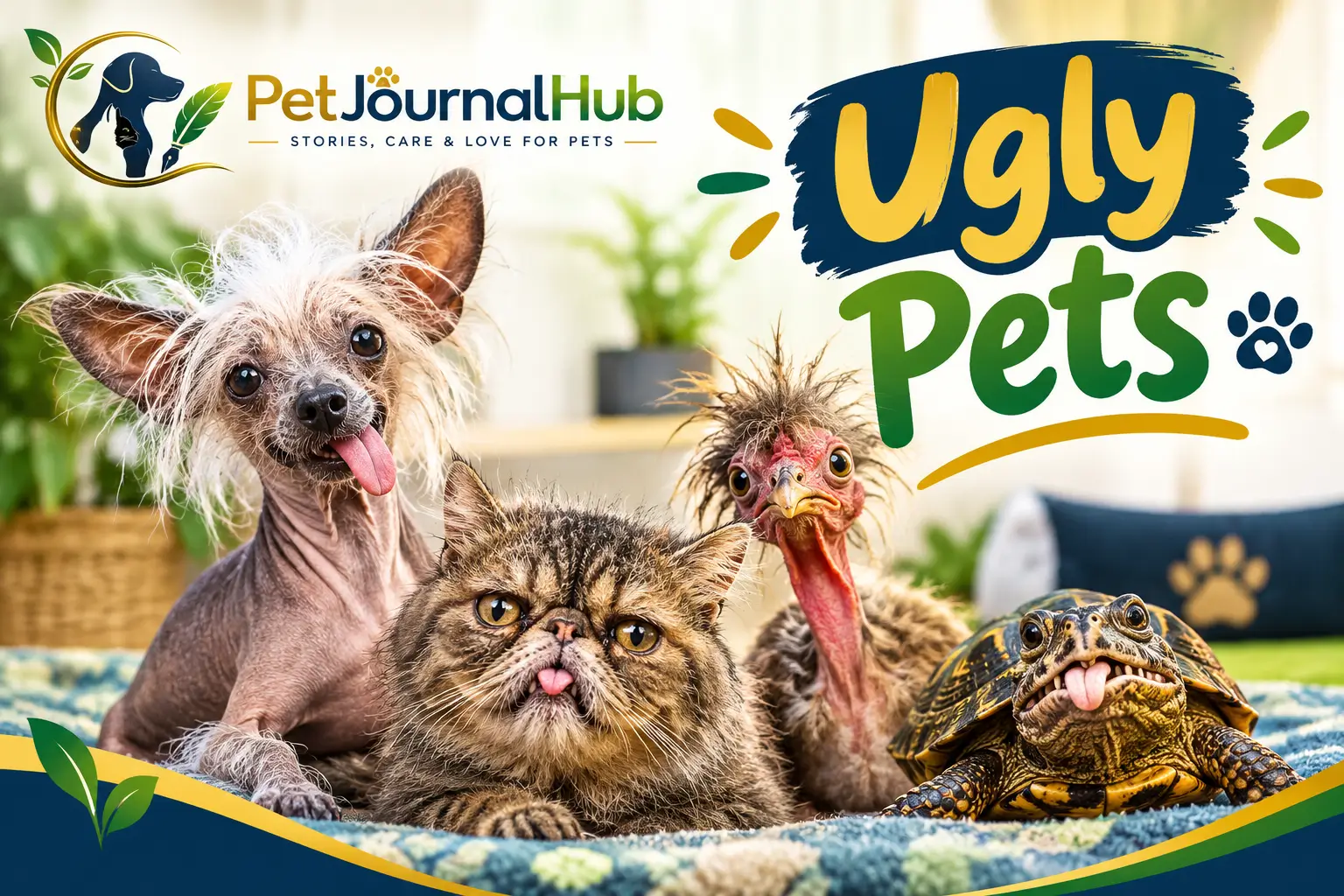
The term “ugly pets” describes animals that some people find unusual, funny-looking, or less traditionally cute. These animals can include wrinkled dogs, hairless cats, and pets with distinctive faces or coats. Their appearance does not determine their personality or suitability as companions. Responsible owners should focus on health, temperament, daily care, and whether an animal fits their home.
Key Takeaways
- Beauty is subjective. An animal that looks strange to one person may look adorable to another.
- Chinese Crested dogs, Sphynx cats, and Pugs have distinctive features that attract attention.
- Unusual looks do not automatically mean low maintenance. Some animals need extra skin, eye, dental, or coat care.
- Adoption gives overlooked animals a chance to find loving homes.
- Research a pet’s health needs, expected costs, and temperament before bringing it home.
- Avoid buying animals purely for viral photos or novelty. Choose a companion whose needs you can meet.
Introduction
Have you ever seen a dog with a wrinkled face, a cat without fur, or an animal with such an unusual appearance that you had to look twice? Strange-looking animals attract attention because they challenge our usual ideas about what makes a pet cute.
People search for unusual animals for many reasons. Some want a funny-looking companion with a big personality. Others enjoy learning about unusual breeds, browsing animal photographs, or discovering pets they have never seen before. Social media and animal competitions also help introduce distinctive-looking pets to wider audiences.
But appearance tells only a small part of an animal’s story. A wrinkled face may require regular cleaning. A hairless body needs protection from environmental conditions. A dog with a short muzzle may face breathing challenges. These details matter much more than whether an animal looks unusual in a photograph.
This guide explores distinctive-looking companion animals, explains what makes them different, and offers practical advice for choosing and caring for them. You will also learn which famous-looking animals belong in the wild rather than a family home.
Whether you are considering adoption or simply enjoy discovering unusual creatures, the goal is simple: appreciate every animal without overlooking its welfare.
What Does the Term Mean?
The phrase describes pets whose physical features differ from conventional beauty standards. People may notice wrinkles, missing fur, unusual proportions, prominent teeth, or distinctive skin textures.
There is no official scientific list of the world’s ugliest pets. Beauty depends on personal taste, culture, and familiarity with different animals.
Some common examples include:
- Chinese Crested dogs: Often recognized by their hairless bodies and tufts of hair.
- Sphynx cats: Known for their nearly hairless skin, large ears, and prominent cheekbones.
- Pugs: Recognized by their short muzzles, round eyes, and wrinkled faces.
- English Bulldogs: Known for their stocky bodies, broad heads, and facial folds.
- Affenpinschers: Small dogs with rough coats and expressive faces.
- Hairless rats: Small rodents with exposed skin and whiskers.
These animals differ in their care needs, behavior, and suitability for different households. A distinctive appearance never guarantees a particular temperament.
Owners should also avoid confusing normal breed features with signs of illness. New swelling, skin sores, discharge, sudden hair loss, or painful changes deserve veterinary attention.
Quick Facts Box
| Fact | Details |
| Scientific classification | No single classification exists for unusual-looking pets |
| Common examples | Chinese Crested dogs, Sphynx cats, Pugs, English Bulldogs |
| Main attraction | Distinctive facial features, coats, body shapes, or skin |
| Temperament | Varies by species, breed, individual, and experience |
| Grooming needs | Range from routine brushing to specialized skin care |
| Typical costs | Depend on species, location, food, supplies, and veterinary needs |
| Best selection method | Match the animal’s needs to your home and lifestyle |
| Main safety concern | Avoid choosing pets based on appearance alone |
Where Do Unusual-Looking Pets Come From?
Unusual physical traits can arise naturally through genetic variation. Human selective breeding has also shaped the appearance of many domestic dogs and cats over generations.
For example, breeders developed dogs with different coat types, sizes, facial shapes, and body proportions. Some hairless breeds also have a long history rather than representing a recent internet trend.
People have valued different traits for different reasons. Certain breeds developed for hunting, guarding, or companionship. Their present-day appearance may reflect that history, selective breeding, or both.
However, not every unusual animal belongs in a home. A blobfish, naked mole-rat, or deep-sea fish may attract attention online, but that does not make it a suitable companion. Wild animals often require specialized environments and care that ordinary households cannot provide.
Responsible pet ownership starts with understanding an animal’s natural behavior and needs, not simply finding its appearance interesting.
ASPCA
+2
History and Evolution of Unusual Pet Breeds
People have shaped domestic animals for many generations. Selective breeding helped produce dogs with different jobs, sizes, coats, and facial structures.
Some breeds developed unusual appearances through these breeding choices. The Chinese Crested became known for its distinctive hair pattern, while the Pug developed a compact body and short muzzle. The Sphynx became famous for its nearly hairless appearance.
Modern photography and social media have made these animals easier to discover. Pictures can spread quickly because unusual faces and expressions often catch people’s attention.
That attention can benefit rescue animals when it encourages adoption. However, popularity can also lead to impulse purchases and demand for extreme physical traits.
A responsible owner should learn about the animal behind the photograph. Research its health, behavior, grooming needs, and expected lifetime costs before making a decision.
Key Characteristics and Care Needs
Distinctive-looking pets have no single set of care requirements. Their needs depend on their species, breed, age, health, and individual personality.
Skin and coat care
Hairless animals still need grooming. Sphynx cats may need regular skin cleaning, while hairless dogs may need protection from sun exposure and cold weather.
Wrinkled dogs may require careful cleaning and drying around their facial folds. Ask a veterinarian to show you suitable methods if your dog’s skin traps moisture or develops irritation.
Health and comfort
Some physical features deserve extra attention. Flat-faced dogs, including Pugs and English Bulldogs, can have breathing problems. Certain eye shapes, skin folds, and body structures may also increase the risk of specific health concerns.
Choose a pet for its overall health and temperament rather than for the most exaggerated appearance.
Exercise and behavior
An unusual-looking animal still needs species-appropriate activity, social contact, enrichment, and rest. Some dogs enjoy long walks, while others need shorter, carefully managed outings.
Cats need safe climbing spaces, play, and opportunities to explore. Small mammals require suitable enclosures, hiding places, and enrichment.
Nutrition and routine veterinary care
Feed a complete diet suited to the animal’s species and life stage. Keep fresh water available and arrange preventive veterinary visits.
Your veterinarian can help create a care plan based on the animal’s age, medical history, and specific needs.
Quick Comparison Snapshot
This table compares four recognizable companion animals with distinctive appearances.
| Option | Best For | Key Difference |
| Chinese Crested dog | Owners prepared for skin or coat care and regular interaction | Hairless and powderpuff varieties |
| Sphynx cat | People who want an interactive cat and can manage skin care | Nearly hairless body and large ears |
| Pug | Owners who understand flat-faced dog health concerns | Short muzzle and compact body |
| English Bulldog | Households prepared for careful health monitoring | Stocky build and pronounced facial folds |
No option suits every household. Meet the individual animal, review its health history, and discuss breed-related risks with a veterinarian before deciding.
American Kennel Club
+2
Top 25 Ugliest Animals
There is no scientifically accepted ranking of the 25 ugliest animals. Still, several species frequently attract attention because their appearance differs from familiar pets.
Here are 25 examples for readers who enjoy unusual animal facts. This is an informal collection, not a ranking of animal value or suitability as a pet.
- Sphynx cat
- Chinese Crested dog
- Pug
- English Bulldog
- Neapolitan Mastiff
- Brussels Griffon
- Affenpinscher
- Bedlington Terrier
- Xoloitzcuintli
- Hairless rat
- Naked mole-rat
- Blobfish
- Aye-aye
- Proboscis monkey
- Warthog
- Marabou stork
- Star-nosed mole
- Shoebill
- Goblin shark
- Matamata turtle
- Hagfish
- Giant isopod
- Red-lipped batfish
- Anglerfish
- Saiga antelope
Some entries are domestic animals, while others are wild species. Many wild animals have specialized diets, habitats, social needs, or legal protections. Enjoy learning about them, but do not treat this list as a pet-shopping guide.
For a companion animal, prioritize welfare and compatibility over unusual looks.
Ugly Pets List
A practical list should distinguish animals that may live with people from species that belong in the wild.
Companion animals with distinctive looks
Chinese Crested dog: Its hairless variety has exposed skin and hair on parts of its head, feet, and tail. Its powderpuff variety has a full coat.
Sphynx cat: This breed has little visible fur, although its skin may have a fine covering. Owners must pay attention to skin cleanliness and warmth.
Pug: Its short muzzle and wrinkled face create a recognizable expression. However, flat-faced anatomy can affect breathing and heat tolerance.
English Bulldog: Its broad head and facial folds give it a distinctive appearance. Owners should discuss breathing, skin, mobility, and weight management with their veterinarian.
Affenpinscher: Its rough coat and expressive face create a scruffy appearance. Regular grooming and positive training help support comfortable family life.
Unusual animals that are not ordinary pets
Blobfish, aye-ayes, goblin sharks, and many other unusual species belong in their natural habitats or appropriately managed conservation settings.
The ASPCA advises against keeping wild animals as pets because their needs and safety risks can exceed what a household can manage.
ASPCA
+1
Ugly Pets Toy
Some people searching for this phrase may want a novelty toy rather than a living animal. An ugly-animal plush toy, funny pet figurine, or character toy can offer a way to enjoy unusual designs without taking on animal-care responsibilities.
If you are shopping for a child, check the product’s recommended age, material quality, and small-part warnings. For a toy intended for a real pet, inspect its construction and remove it if the animal can tear off and swallow pieces.
A novelty toy does not need food, grooming, veterinary care, or a long-term commitment. That makes it a practical alternative for people who love unusual animal characters but cannot responsibly care for another living creature.
Do not confuse novelty products with animal adoption. A toy can reproduce a funny face, but a real animal has individual needs, feelings, and behavior.
What Is the Ugliest Land Animal?
There is no official winner for the title of ugliest land animal. The naked mole-rat, aye-aye, and proboscis monkey often stand out because their features look unusual to people unfamiliar with them.
The naked mole-rat has wrinkled skin, prominent front teeth, and very little visible body hair. It lives in underground colonies and has specialized social behavior. Those needs make it unsuitable as an ordinary household pet.
The aye-aye is a nocturnal primate from Madagascar. Its large eyes, prominent ears, and long middle finger help it find food. It belongs in the wild, not in a typical home.
The proboscis monkey has a large nose, especially in adult males. It lives in Southeast Asian habitats and needs a natural environment, a suitable diet, and social contact.
These animals show why appearance alone offers little insight into an animal’s value or welfare. A feature that looks strange to us often serves an important purpose.
Top 100 Ugliest Animals
A list of 100 unusual-looking animals can make an entertaining wildlife reference, but it should not imply that these species deserve poor treatment. Their appearances reflect adaptations, ancestry, and natural variation.
Rather than invent a scientific ranking, use the following groups as starting points for further reading.
| Group | Examples |
| Distinctive domestic dogs | Chinese Crested, Pug, English Bulldog, Neapolitan Mastiff |
| Unusual cats | Sphynx, Peterbald, Devon Rex, Cornish Rex |
| Unusual mammals | Naked mole-rat, aye-aye, proboscis monkey, warthog |
| Unusual fish | Blobfish, anglerfish, goblin shark, hagfish |
| Distinctive birds | Shoebill, marabou stork, turkey vulture |
| Unusual reptiles | Matamata turtle, gharial, marine iguana |
| Unusual amphibians | Axolotl, purple frog, Surinam toad |
| Unusual invertebrates | Giant isopod, horseshoe crab, sea cucumber |
| Distinctive small mammals | Star-nosed mole, tenrec, hyrax |
| Other remarkable wildlife | Saiga antelope, naked-neck chicken, red-lipped batfish |
These examples span very different habitats and biological groups. Some are domestic animals, some live in specialized captive settings, and others should remain in the wild.
If you want a longer wildlife list for educational purposes, organize it by species and habitat instead of ranking living creatures from best-looking to worst-looking.
Top 10 Ugliest Animals
The following informal list combines familiar companion animals with unusual wildlife. It reflects common human reactions to their appearance, not a scientific judgment.
- Blobfish: A deep-sea fish famous for its soft appearance outside its natural environment.
- Naked mole-rat: A mostly hairless mammal with visible teeth and wrinkled skin.
- Aye-aye: A nocturnal primate with large eyes and a long, slender finger.
- Proboscis monkey: A primate known for the prominent nose of adult males.
- Goblin shark: A deep-sea shark with an elongated snout and protruding jaws.
- Hagfish: A marine animal known for producing large amounts of slime.
- Shoebill: A large bird with a distinctive, shoe-shaped bill.
- Marabou stork: A large bird with a mostly bare head and neck.
- Sphynx cat: A domestic cat known for its nearly hairless skin.
- Chinese Crested dog: A dog whose hairless variety has a distinctive pattern of body hair.
The first eight examples are wild animals, not recommendations for pet ownership. The last two are domestic breeds, but they still require careful consideration of their individual health and care needs.
Top 5 Ugliest Animal in the World
No reliable scientific measure identifies one animal as the world’s ugliest. Still, five species frequently attract attention for their unusual appearance.
Blobfish: Its familiar soft-looking appearance comes from photographs taken outside its deep-sea environment. Its body normally functions under different pressure conditions.
Naked mole-rat: Its nearly hairless body and large incisors give it a striking look. It spends its life in underground colonies.
Aye-aye: Its large eyes and elongated finger help it find food. It is a specialized wild primate.
Goblin shark: Its long snout and protruding jaws make it look very different from familiar sharks.
Proboscis monkey: Its large nose creates an unmistakable appearance, particularly in adult males.
These animals are remarkable because they differ from the creatures most people see every day. Their appearance does not make them less important to their ecosystems.
Ugly Animal Pictures
Animal photographs can help readers appreciate unusual features without disturbing living creatures. When browsing pictures, look for accurate captions that identify the species and explain its natural behavior.
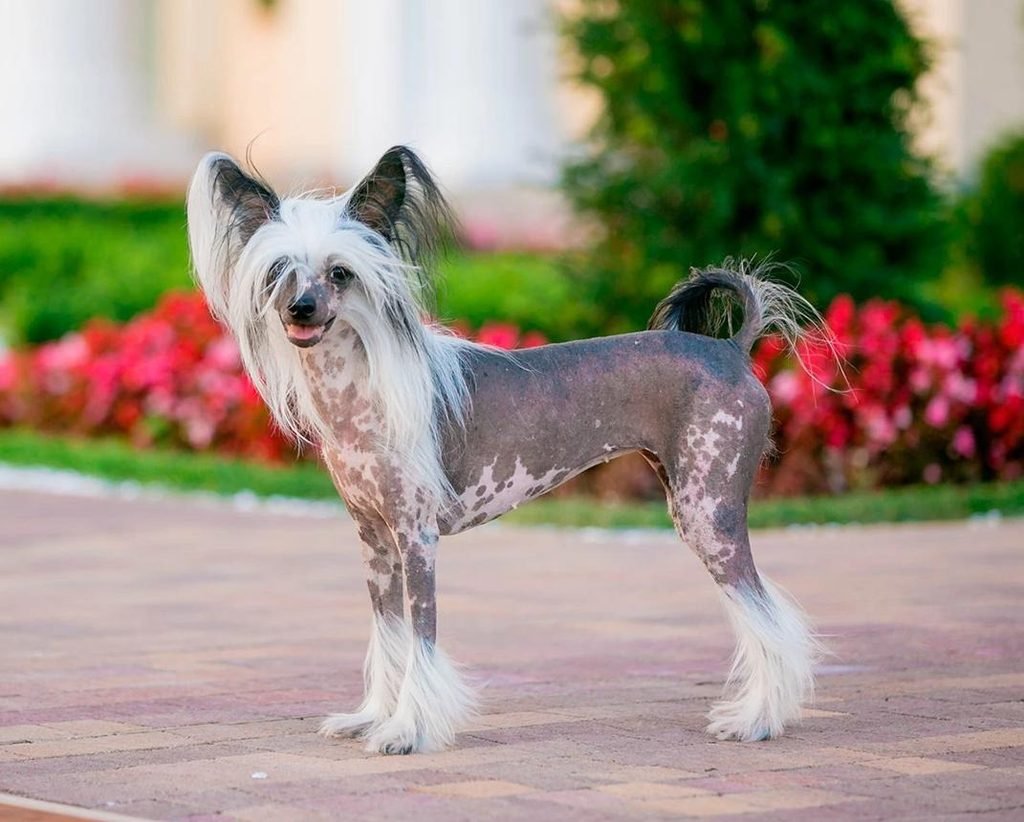
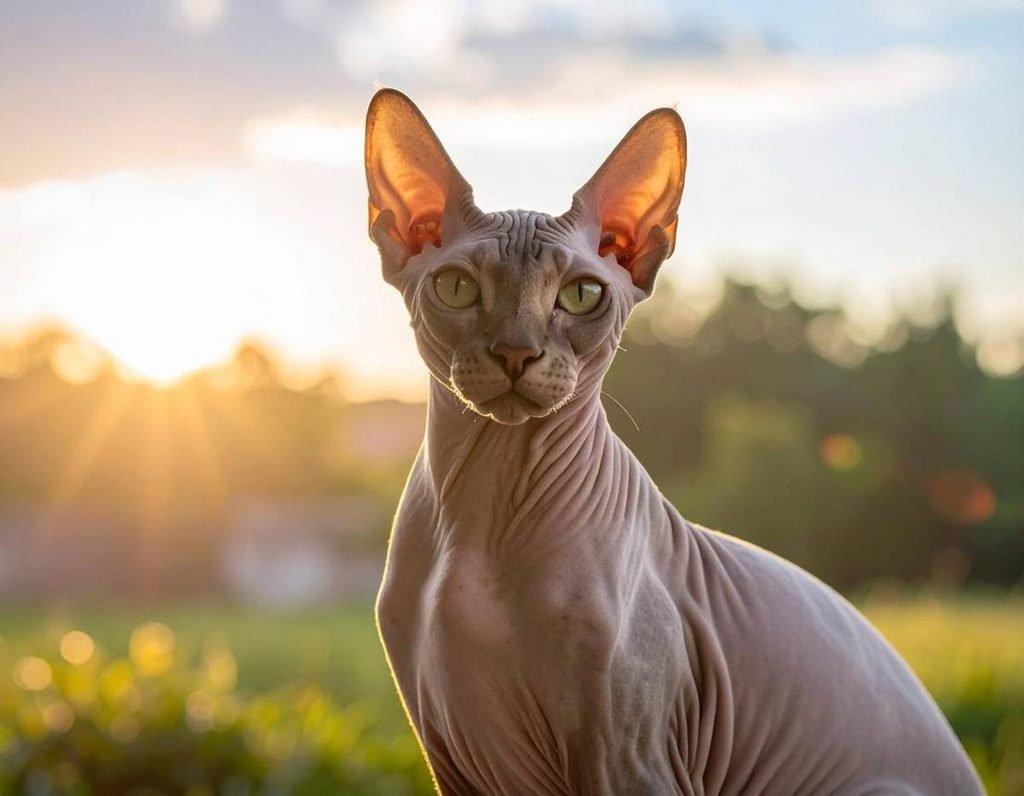
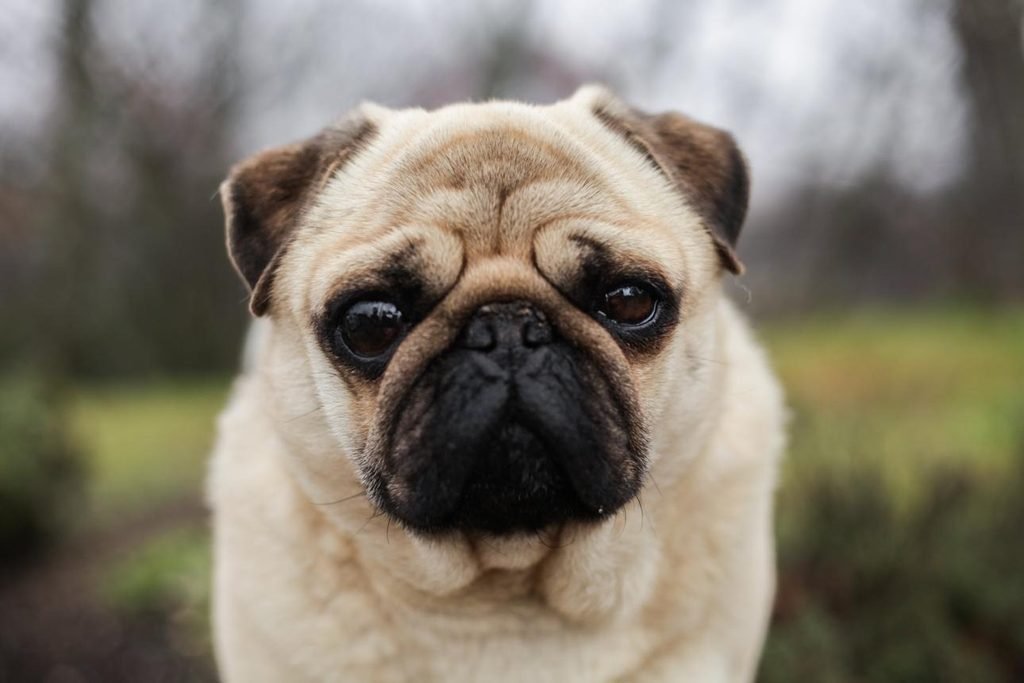
When choosing photographs for a pet-care article, consider these guidelines:
- Use clear images that show the animal’s natural features.
- Prefer reputable sources with accurate species identification.
- Avoid photos that show frightened animals or encourage unsafe handling.
- Do not suggest that a wild animal makes a good pet simply because its picture looks appealing.
- Use licensed or properly authorized images on your website.
For PetJournalHub.com, photographs of domestic animals work best alongside practical information about health, grooming, and temperament. Wild-animal images fit educational sections rather than adoption recommendations.
Daily Care Routine: How to Get Started
Caring for an unusual-looking pet follows the same basic principles as caring for any companion animal. The details change according to the species and the individual animal.
1. Prepare your home
Set up a safe resting area, suitable food and water bowls, and species-appropriate enrichment before bringing your pet home.
Remove hazards such as exposed electrical cords, toxic substances, and small objects the animal might swallow. Check that doors, windows, and outdoor areas offer suitable protection.
2. Establish a feeding routine
Choose a complete, appropriate diet for the animal’s species and life stage. Avoid assuming that all dogs, cats, or small mammals can eat the same foods.
Ask your veterinarian about nutrition if your pet has a medical condition, unusual body condition, or special dietary needs.
3. Follow a grooming schedule
Brush coated animals as needed. Clean skin folds only with products and methods your veterinarian recommends. Hairless pets may still need bathing, nail care, ear care, and protection from extreme temperatures.
Avoid harsh household cleaners, scented products, and unapproved remedies on an animal’s skin.
4. Provide exercise and enrichment
Offer activities suited to your pet’s age, physical condition, and natural behavior. Dogs may enjoy walks and training games, while cats often benefit from interactive toys and climbing spaces.
Never force an animal into costumes, handling, or photographs that cause fear or discomfort.
5. Arrange routine veterinary care
Schedule a health examination after adoption or purchase. Discuss vaccinations, parasite prevention, dental care, reproductive health, and any breed-related concerns.
Keep records of changes in appetite, behavior, breathing, skin condition, and activity. These details can help your veterinarian spot problems early.
Cost Breakdown
The cost of an unusual-looking pet depends on its species, location, source, age, health, and care needs. Purchase or adoption fees represent only one part of the total expense.
| Expense | What to budget for |
| Adoption or purchase | Initial fee, transport, and any required paperwork |
| Food | A suitable diet throughout the animal’s life |
| Housing | Bedding, enclosure, crate, litter box, or other essentials |
| Grooming | Brushes, appropriate skin-care supplies, or professional services |
| Routine veterinary care | Exams, preventive treatments, and vaccinations where applicable |
| Emergency care | Unexpected illness, injury, testing, or treatment |
| Training and enrichment | Toys, classes, scratching posts, or activity equipment |
| Pet care during travel | Boarding, a sitter, or help from a trusted caregiver |
Costs vary widely, so a single price estimate would be misleading without a specific animal and location.
Before committing, ask a local veterinarian about routine and breed-specific expenses. Check adoption organizations for current fees and make room in your budget for unexpected medical bills.
An animal with a low initial price can still require substantial ongoing care. Choose a pet you can support comfortably throughout its life.
Common Mistakes Pet Owners Make
A distinctive appearance can attract people quickly. These mistakes can turn that excitement into an avoidable welfare problem.
Choosing looks over health: Do not select a dog with extreme facial features without understanding possible breathing, eye, skin, or mobility problems.
Assuming hairless means maintenance-free: Hairless cats and dogs still need skin care, nail care, and protection from their environment.
Buying on impulse: Viral photographs and novelty trends do not reveal an animal’s behavior, daily needs, or long-term costs.
Ignoring the animal’s background: Ask for health records and learn about the animal’s history. A reputable rescue or breeder should answer reasonable questions.
Trying unapproved home treatments: Human skincare products and household remedies may irritate or harm animals. Ask your veterinarian before applying a new product.
Keeping unsuitable wild species: Some animals need specialized diets, large territories, social groups, or regulated habitats. A home enclosure cannot always meet those needs.
Neglecting preventive care: Regular examinations and prompt attention to changes can help protect an animal’s health.
The best response to an unusual appearance is curiosity, not an assumption that the animal will be easy to care for.
Pros and Cons
Choosing a distinctive-looking companion can be rewarding, but it also comes with responsibilities.
| Pros | Cons |
| You may enjoy a unique-looking companion | Special features can come with extra care needs |
| Unusual pets can help start conversations about animal welfare | Some people may make unfair assumptions about the animal |
| Adoption may give an overlooked animal a loving home | Individual health and behavior still require careful assessment |
| Learning about a breed can deepen your understanding of animals | Popularity can encourage irresponsible breeding or impulse buying |
| A suitable companion can provide years of friendship | Food, veterinary care, and supplies create ongoing costs |
These advantages depend on choosing the right animal and meeting its needs. A distinctive appearance is not a substitute for a good temperament, healthy living conditions, or responsible care.
Similar Breeds and Alternatives
If you like unusual-looking animals but want to explore other companion options, consider these breeds and types. Each offers a different appearance and care profile.
| Option | Best For |
| Devon Rex cat | People who enjoy a cat with a short, wavy coat and large ears |
| Cornish Rex cat | Households prepared for an active, fine-coated cat |
| Peterbald cat | Experienced or well-prepared owners interested in a cat with varying amounts of hair |
| Xoloitzcuintli | Owners who can provide training, exercise, and suitable skin care |
| American Hairless Terrier | Active households that can protect exposed skin and provide regular activity |
| Standard mixed-breed dog | People who want to match with an individual dog’s temperament rather than a specific look |
| Adult rescue cat | People seeking a companion whose established personality may be easier to assess |
| Adult rescue dog | Households that want to learn about an individual dog’s behavior before adoption |
The best alternative depends on your home, schedule, experience, and budget. Hairless breeds are not automatically hypoallergenic or low-maintenance. The American Kennel Club explains that skin protection and grooming remain important for hairless dogs.
American Kennel Club
+2
Whenever possible, meet the animal before committing. Ask about its health history, behavior around children or other pets, grooming routine, and any ongoing medical needs.
When to Consult a Vet or Professional
Contact a veterinarian if your pet develops new or worsening health concerns. Do not assume that a change is normal just because the animal belongs to a distinctive breed.
Seek prompt veterinary advice for:
- Labored breathing, unusual breathing noises, or reduced tolerance for activity.
- Eye redness, squinting, discharge, or apparent pain.
- Skin sores, swelling, persistent itching, or a bad smell around skin folds.
- Sudden appetite changes, repeated vomiting, or ongoing diarrhea.
- Difficulty walking, signs of pain, or a sudden change in behavior.
- Heat-related distress, collapse, or severe weakness.
Breathing difficulty, collapse, and severe heat-related symptoms require emergency veterinary care. Contact an emergency clinic rather than waiting for a routine appointment.
A veterinarian can also help before you adopt. Ask about common health concerns for the breed, suitable nutrition, preventive care, and the cost of managing any known condition.
For behavior concerns, a qualified, reward-based trainer or a veterinary behavior professional may help. Choose someone who uses humane methods and understands the animal’s needs.
Fun Facts About Unusual-Looking Animals
These facts show how distinctive features can have a purpose beyond appearance.
1. Hairless dogs still need grooming. Skin care, nail trimming, and regular cleaning remain important even without a full coat.
American Kennel Club
+1
2. The Sphynx is not completely without hair in every case. Its skin may have a fine covering that feels like soft peach fuzz.
3. The Pug’s facial structure matters for health. Its short muzzle can affect airflow and heat tolerance, so owners should understand flat-faced breed risks.
4. Aye-ayes use specialized feeding behavior. Their long middle finger helps them locate and extract food from wood.
5. Naked mole-rats live in social colonies. Their underground lifestyle differs greatly from that of common household rodents.
6. A blobfish’s appearance depends on its environment. The familiar images often show an animal outside the deep-sea conditions where it normally lives.
7. A funny-looking animal can still have complex needs. Physical appearance offers little information about diet, social behavior, habitat, or medical care.
Frequently Asked Questions
What is the most disliked pet?
There is no reliable universal ranking of the most disliked pets. Preferences depend on culture, personal experience, allergies, living conditions, and comfort with different animals. Some people avoid snakes, rats, hairless cats, or certain dog breeds because they dislike their appearance or feel uncertain about their care. Others love those same animals. A more useful question is whether a particular pet fits your lifestyle. Consider noise, cleaning, exercise, handling, veterinary costs, and the animal’s expected lifespan before deciding. Popularity should never determine how well an animal deserves to be treated.
What are some unique and ugly animals?
Many animals attract attention because they look different from familiar species. Examples include the blobfish, naked mole-rat, aye-aye, goblin shark, and shoebill. Among domestic companions, the Sphynx cat, Chinese Crested dog, and Pug have distinctive features. These examples do not share the same care needs. Some are domestic animals, while others belong in the wild or specialized conservation settings. Before considering an unusual species as a pet, check its legal status and welfare requirements. Admiring a wild animal through photographs or documentaries is often the most responsible way to enjoy it.
What are the top 20 ugly dog breeds?
No official authority ranks dog breeds by ugliness. However, people who enjoy distinctive appearances may recognize the Chinese Crested, Pug, English Bulldog, Neapolitan Mastiff, Affenpinscher, Brussels Griffon, Xoloitzcuintli, Bedlington Terrier, Bull Terrier, Shar-Pei, Pekingese, French Bulldog, Borzoi, Komondor, Bergamasco Sheepdog, Irish Wolfhound, Scottish Deerhound, Bullmastiff, Chinese Shar-Pei, and American Hairless Terrier. These dogs differ greatly in size, temperament, exercise, grooming, and health needs. Some physical traits can create medical risks. Research each breed carefully and choose for health and compatibility, not appearance alone.
What are some weird pets?
People often describe hairless rats, unusual fish, axolotls, stick insects, and certain reptiles as weird pets. However, unusual does not mean easy to care for. Axolotls, for example, need carefully managed aquatic conditions, while many reptiles require specific temperature, lighting, diet, and enclosure setups. Some species also face legal restrictions or conservation concerns. Before choosing one, check local regulations and consult a veterinarian with relevant experience. If you want something unusual with fewer animal-welfare concerns, a plush toy, wildlife photography project, or visit to a reputable zoo can offer a similar sense of discovery without taking on an unsuitable pet.
Are unusual-looking pets harder to care for?
Not always. Care depends on the animal’s biology, health, behavior, and environment rather than its appearance alone. A short-coated dog may need less brushing than a long-coated breed, but a hairless animal may need extra skin care. Some flat-faced breeds require close attention to breathing and heat exposure. Before adoption, ask about daily grooming, exercise, feeding, and veterinary needs. Consider the animal’s lifetime costs as well. A careful match between your routine and the pet’s requirements matters more than whether the animal looks unusual.
Should I adopt an unusual-looking pet or buy from a breeder?
Adoption can give a pet that receives less attention a chance to find a home. Shelters and rescues may also provide useful information about an adult animal’s temperament and medical history. If you choose a breeder, look for transparent health records, appropriate living conditions, and responsible breeding practices. Avoid sellers who emphasize extreme physical traits while dismissing health concerns. Never buy an animal before checking the laws and care requirements that apply to it. Whichever route you choose, meet the animal when possible and confirm that you can provide appropriate care for its entire life.
Final Thoughts
Unusual-looking animals remind us that beauty comes in many forms. A wrinkled dog, a nearly hairless cat, or a scruffy little companion can become a beloved family member when its needs and personality suit the household.
The important thing is to look beyond first impressions. Learn about the animal’s health, temperament, grooming routine, activity level, and long-term expenses. If you are considering a breed with distinctive physical features, ask a veterinarian about possible health risks before making a commitment.
Adoption is also worth exploring. Some animals receive less attention because they do not match familiar ideas of cuteness. Meeting them in person may reveal a wonderful companion whose personality matters far more than appearance.
Wild animals deserve the same respect, but that does not mean they belong in our homes. Enjoy them through responsible wildlife photography, documentaries, and conservation programs.
Ultimately, the right pet is not the one that looks the strangest or attracts the most attention. It is the one whose needs you understand and can meet throughout its life.

Daniel Brooks is a pet research writer at PetJournalHub. He specializes in pet behavior, product research, and responsible pet ownership. He focuses on delivering accurate, reader-friendly guides that help pet owners provide the best care for their animals.