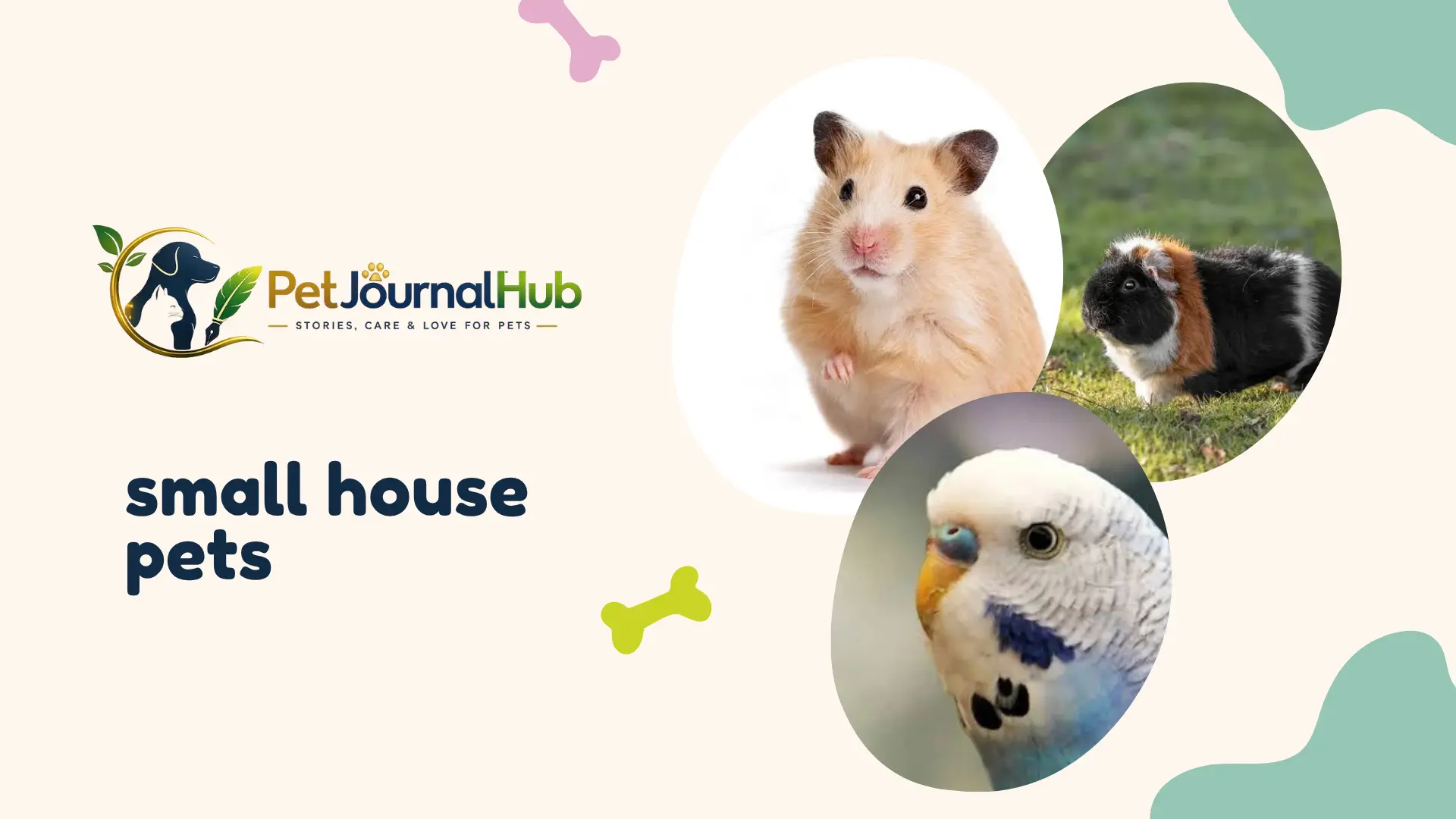
Small house pets are compact, low-space animals like guinea pigs, hamsters, rabbits, and rats that thrive indoors on modest square footage. They’re a popular choice for apartment dwellers, families with kids, and first-time pet owners who want companionship without the space or cost of a dog or cat.
Key Takeaways
- Small house pets include guinea pigs, hamsters, rabbits, rats, gerbils, and some birds and fish.
- They’re best for apartments, small homes, and families who want a lower-maintenance pet.
- Daily care usually takes 15–30 minutes, but habitat cleaning takes longer weekly.
- Costs vary widely by species — expect ongoing food, bedding, and vet expenses.
- Some species (guinea pigs, rats) are gentler for kids; others (hamsters) need more careful handling.
- Always research a species’ lifespan and social needs before bringing one home.
Introduction
You don’t need a backyard or a big budget to have a pet that greets you every day. Small house pets pack a lot of personality into a small footprint, which is exactly why they’ve become so popular with renters, busy professionals, and families with young kids.
Maybe you’ve watched guinea pig videos on TikTok, or maybe your kid has been begging for “any pet, just something.” Either way, small pets solve a real problem: they let you experience pet ownership without needing extra rooms, big yards, or hours of daily walks.
They’re not “starter pets” in the dismissive sense, though. Many species live for years and need real routines, proper habitats, and thoughtful handling. This guide walks through the best options, honest care needs, and what to expect before you commit.
What Is “Small House Pets”?
Small house pets are animals small enough to live comfortably indoors in a cage, tank, or enclosure, without needing outdoor space. The category covers rodents, rabbits, some birds, and fish.
Common examples include guinea pigs, hamsters, gerbils, rats, mice, rabbits, budgies, and betta fish. Each species has its own personality, noise level, and handling needs, so “small” doesn’t mean “identical care.”
Some people also count hedgehogs or small reptiles in this group. These need more specialized setups, so we’ll focus mainly on the classic small mammal and pet options families search for most.
Quick Facts Box
| Fact | Details |
| Typical lifespan | 1.5–8 years, depending on species |
| Space needed | A dedicated cage, hutch, or tank — not free-roam of a house |
| Daily care time | 15–30 minutes for feeding, checking, and interaction |
| Best for | Apartments, small homes, first-time owners, families |
| Common species | Guinea pigs, hamsters, rabbits, rats, gerbils, budgies, fish |
| Noise level | Low to moderate; rabbits and guinea pigs can “talk” softly |
Key Characteristics and Care Needs
Small house pets share a few traits: modest space needs, manageable diets, and shorter lifespans than dogs or cats. But temperament varies a lot between species.
Guinea pigs are social and vocal, often “wheeking” when they hear the fridge open. Hamsters tend to be solitary and most active at night. Rabbits are intelligent and can be litter-trained, but they need more space than people expect.
Rats are surprisingly affectionate and food-motivated, making them easy to train. Each species needs species-specific bedding, diet, and enclosure size, so it’s worth researching the exact animal before buying supplies.
Quick Comparison Snapshot
| Option | Best For | Key Difference |
| Guinea Pig | Kids and cuddling | Social, needs a same-species friend |
| Hamster | Small spaces, solo owners | Solitary, mostly nocturnal |
| Rabbit | Longer-term companionship | Needs the most space of this group |
| Rat | Trainability and bonding | Highly intelligent, food-motivated |
Small House Pets List
A solid small house pets list includes guinea pigs, hamsters, gerbils, rats, mice, rabbits, budgies, and betta fish. Each fits different lifestyles and comfort levels with handling.
Guinea pigs and rabbits suit people who want daily interaction. Hamsters and gerbils suit those who prefer quieter, lower-key pets. Rats offer a middle ground: social, smart, and easy to bond with, but still small enough for an apartment.
Birds like budgies add sound and color but need more environmental enrichment. Betta fish are the lowest-maintenance option on this list, needing no handling at all, just a properly sized, filtered tank.
Best Small Pets for Cuddling
Guinea pigs and rats top the list for cuddling. Both tolerate gentle handling well once they trust you, and both tend to settle calmly in a lap or against your chest.
Rabbits can also be cuddly, but many prefer being petted on the ground rather than picked up. Hamsters are more prone to nipping if startled, since they’re easily overwhelmed by scent and sudden movement.
If cuddling is your main goal, guinea pigs are usually the safer bet for consistent, gentle interaction, especially with regular, calm handling from a young age.
Small House Pets for Kids
Guinea pigs and rats are generally considered better first pets for kids than hamsters. They’re more tolerant of handling and less likely to bite out of fear.
Hamsters can still work for kids, but usually with closer adult supervision, since their fast movements and light sleep can lead to startled nips. Rabbits need gentle handling training too, since improper holds can hurt their spine.
Whatever species you choose, teach kids to approach slowly, speak softly, and let the animal sniff their hand first. This builds trust and lowers the chance of stress-related biting.
Best Small House Pets
If you want an all-around strong option, guinea pigs, rats, and rabbits are usually the top picks. They combine manageable size with real personality and social bonding potential.
Guinea pigs suit families wanting a gentle, expressive companion. Rats suit people who enjoy training and interactive play. Rabbits suit those ready for a longer commitment and larger habitat.
Hamsters and gerbils remain excellent choices too, especially for solo owners or smaller living spaces, as long as expectations around handling stay realistic.
Best Small Pets for Anxiety
Some owners find that caring for a small pet adds a calming routine to their day, and gentle interaction with animals like guinea pigs or rabbits can feel soothing. This isn’t a substitute for professional mental health support, but many people describe it as a comforting addition to their day.
If anxiety relief is a major reason for getting a pet, talk with a doctor or therapist about whether an emotional support or therapy animal designation fits your situation, since this involves specific legal and medical criteria.
Species with calmer temperaments, like guinea pigs, are often easier to enjoy without added stress from unpredictable biting or high energy.
Small Pets That Are Easy to Take Care Of
Betta fish and hamsters are often considered the easiest small pets to care for day-to-day. Fish need tank maintenance but no handling, while hamsters need a simple daily routine of food, water, and a clean cage.
Guinea pigs need slightly more work since they require a cage-mate and daily fresh vegetables. Rabbits need the most consistent care, including regular grooming and larger space upkeep.
If low daily effort is your priority, start with species that don’t require handling stress or complex social needs, and confirm care specifics with a vet or exotic pet specialist.
Small Pet House
A small pet’s habitat matters as much as the animal itself. Look for a home with solid flooring, proper ventilation, and enough space for the species to move, hide, and exercise.
Wire cages work well for guinea pigs and rats, but hamsters often do better in tanks or solid-sided enclosures to prevent escapes. Rabbits typically need the largest setup, often a pen rather than a small cage.
Always check size guidelines for the specific species, since minimum space recommendations can vary depending on the animal’s size and activity level.
What Are the Best Pets for a Small House?
For a small house or apartment, guinea pigs, hamsters, and rats are usually the best fit. They need a dedicated cage rather than open floor space, which works well in tighter homes.
Rabbits can also work in small houses, but they need a larger, sturdier enclosure and daily supervised exercise time outside the cage. Fish tanks are another strong option since they take up counter or floor space without needing a “room.”
Before choosing, measure your available space and compare it to the minimum enclosure size for each species you’re considering.
Small House Pets: Choosing the Right Pet and Housing
When you live in a small house or apartment, choosing the right pet is only part of the decision. You also need to consider where the animal will sleep, eat, exercise, and spend most of its time. The best small house pets are those whose enclosure can fit comfortably into your home while still meeting their species-specific welfare needs.
Small House Pets for Different Living Spaces
Guinea pigs, hamsters, rats, gerbils, rabbits, budgies, and fish can all be kept indoors, but they do not have the same housing requirements. A hamster may fit well into a smaller dedicated area, while guinea pigs need more floor space and rabbits generally require a substantially larger pen or exercise area.
If you are comparing small house pets, focus on the animal’s adult size, activity level, social needs, noise, and enclosure requirements rather than choosing based only on how small the animal looks. A properly sized habitat may take more room than a new owner expects.
What to Look for in a Small Pet House
A small pet house should provide enough room for normal movement, resting, feeding, hiding, and enrichment. Ventilation is also important, and the enclosure should be easy to clean and secure enough to prevent escapes.
For some animals, a simple hideout inside a larger enclosure is more appropriate than a tiny enclosed house. Guinea pigs, rabbits, and rats need enough overall living space to move around rather than spending most of their time inside a small shelter.
When shopping for small pet houses, check the dimensions and construction materials carefully. Avoid choosing an enclosure simply because it is marketed as suitable for a particular species. Compare the product’s usable floor area with current welfare recommendations for that animal.
Small Pet Housing: What Each Animal Needs
Small pet housing should be designed around the individual species. Hamsters generally need a secure enclosure with deep bedding and opportunities to burrow and explore. Guinea pigs need substantial floor space, appropriate bedding, hiding areas, and access to hay. Rats benefit from vertical space, climbing opportunities, solid resting areas, and enrichment.
Rabbits need considerably more room than their small-pet label might suggest. A pen or rabbit-proofed indoor area can provide more appropriate living space than a traditional small cage. Budgies need a suitably sized cage plus safe opportunities for exercise outside it, while fish require an appropriately sized, filtered and cycled aquarium.
This is why pet house small should not automatically mean “smallest enclosure available.” The goal is to create a habitat that fits your home without compromising the animal’s welfare.
Indoor and Outdoor Housing Considerations
For most of the small companion animals discussed in this guide, indoor housing makes it easier to control temperature, monitor health, and protect them from predators. An outdoor small pet house may be unsuitable for many species unless it has been specifically designed for the animal, climate, ventilation, security, and weather conditions.
Before keeping any small pet outdoors, consider seasonal temperatures, humidity, predators, parasites, escape risks, and access to veterinary care. In many cases, an indoor enclosure or protected indoor pen is the safer and more practical choice.
A Simple Housing Checklist
Before bringing home a small pet, make sure you have:
- An enclosure that meets the animal’s space requirements
- Safe bedding or appropriate substrate
- Food and water equipment
- At least one suitable hiding area
- Species-appropriate toys and enrichment
- A secure location away from extreme temperatures and household hazards
- Enough room for cleaning and routine maintenance
- A plan for veterinary care
The right housing setup allows a small pet to move, rest, eat, hide, and behave normally. If your available space cannot accommodate the minimum needs of a particular species, choosing another animal may be more responsible than trying to make an undersized enclosure work.
Daily Care Routine and How to Get Started
Most small pets follow a simple daily rhythm: fresh food and water, a quick habitat check, and some interaction time. Weekly, you’ll do a deeper cage clean.
A typical daily routine looks like this:
- Refresh food and water
- Spot-clean soiled bedding
- Spend 15–20 minutes on interaction or play
- Check for signs of illness, like reduced appetite or unusual stillness
Weekly tasks include:
- Full bedding change
- Wiping down the enclosure
- Checking supplies like hay, chew toys, or filters
Starting out, buy the enclosure and supplies first, then let the habitat settle for a day or two before bringing your pet home.
Cost Breakdown
Costs vary a lot by species, so treat these as general ranges rather than fixed numbers. Confirm current pricing with your local pet store or breeder.
Typical starting costs can include:
- Enclosure and setup: often $50–$200
- Monthly food and bedding: often $15–$40
- Initial vet checkup: varies widely by location and species
Rabbits and guinea pigs tend to have higher ongoing costs than hamsters or fish, mainly due to larger habitat needs and more frequent vet visits.
Common Mistakes Pet Owners Make
New owners often underestimate space needs, especially for rabbits and guinea pigs. A cage that looks fine in a store photo may be too small for daily comfort.
Another common mistake is buying a single guinea pig, since they’re social animals that generally do better with a same-species companion. Skipping this can lead to a lonely, less active pet.
People also forget to research diet specifics. Some species need constant access to hay, while others need controlled portions to avoid obesity. Always check species-specific nutrition guidance, and ask a vet if you’re unsure.
Pros and Cons
| Pros | Cons |
| Low space requirements | Shorter lifespans than dogs or cats |
| Lower daily cost than larger pets | Some species need same-species companions |
| Good for apartments and small homes | Habitat cleaning takes real weekly effort |
| Many species are gentle with kids | Handling mistakes can cause stress or injury |
Similar Options and Alternatives
Beyond the classic small pets, a few other options are worth considering if you want something different from the usual list.
| Option | Best For |
| Ferrets | Owners wanting a playful, higher-energy small pet |
| Hedgehogs | Owners comfortable with more specialized care and handling |
| Chinchillas | Owners wanting a quiet, long-lived companion (7–15 years) |
| Parakeets/Budgies | Owners wanting interaction and sound without a mammal |
Ferrets and hedgehogs need more specialized diets and housing than the core small pets list, so research thoroughly, and check local laws, since some areas restrict ownership of these species.
When to Consult a Vet or Professional
Any change in appetite, energy, or behavior is worth a vet visit, especially since small animals can hide illness until it’s advanced. Don’t wait if your pet stops eating or seems unusually still.
Find a vet who specifically treats “exotic” or small mammal patients, since not every vet clinic handles guinea pigs, rabbits, or rodents. Ask ahead of time when choosing a clinic.
Never guess on medication or dosages for a small pet. Their bodies process medicine differently than dogs or cats, and a licensed vet should always guide any treatment plan.
Fun Facts
- Guinea pigs make a distinct “wheeking” sound, often linked to anticipating food.
- Rabbits can jump and run quickly, which is part of why they need larger enclosures than their size suggests.
- Hamsters are mostly active at dawn and dusk, a pattern called crepuscular.
- Rats are known for being highly trainable and food-motivated.
- Betta fish are sometimes called “Siamese fighting fish” because males can be territorial with each other.
- Chinchillas take dust baths instead of water baths to keep their fur clean.
Frequently Asked Questions
What is the best small house pet? There’s no single “best” pet, since it depends on your space, schedule, and comfort with handling. Guinea pigs are a strong all-around choice for families because they’re social and generally gentle. Rats suit people who want a highly trainable companion. Hamsters work well for quieter, solo households. Matching the species to your lifestyle matters more than picking a universally “best” option.
What are some unusual but cool pets? Beyond the usual small pets, some owners enjoy hedgehogs, chinchillas, or even certain reptiles for a different kind of companionship. These options often need more specialized housing, diet, and handling knowledge than guinea pigs or hamsters. Before choosing an unusual pet, check local laws, since some exotic species have ownership restrictions depending on where you live. Research care needs thoroughly first.
What are some good small pets for indoors? Guinea pigs, hamsters, rats, and rabbits are all well-suited to indoor-only living, since they don’t require outdoor exercise space. Fish tanks are another strong indoor option, needing only counter or floor space. Birds like budgies also do well indoors but need daily time out of the cage for exercise. All of these fit comfortably into apartments or smaller homes.
What are some small pets? Common small pets include guinea pigs, hamsters, gerbils, rats, mice, rabbits, budgies, and betta fish. Each has different social needs, noise levels, and handling requirements. Some, like hamsters, are solitary, while others, like guinea pigs, do better with a same-species companion. Choosing the right one depends on your available time, space, and comfort level with hands-on care.
How long do small house pets typically live? Lifespan varies quite a bit by species. Hamsters usually live 2–3 years, guinea pigs around 5–7 years, and rabbits often 8–12 years with good care. Rats tend to live 2–3 years as well. Always check species-specific lifespan expectations before choosing, since this affects the long-term commitment you’re taking on.
Final Thoughts
Small house pets offer a real, rewarding way to bring companionship into a small space without an overwhelming daily commitment. Whether you choose a guinea pig, a hamster, or a rabbit, each species brings its own personality and rhythm into your home.
The key is matching the animal to your actual lifestyle, not just picking whatever looks cutest online. Take time to research space needs, social requirements, and realistic costs before bringing a pet home.
Done thoughtfully, a small pet can be just as meaningful a companion as a larger one, just on a smaller, more manageable scale.

Sophia Bennett is an animal care contributor at PetJournalHub. She writes educational articles about companion animals, pet wellness, training, and daily care. She believes that trustworthy information helps every pet owner build a healthier and happier life for their pets.