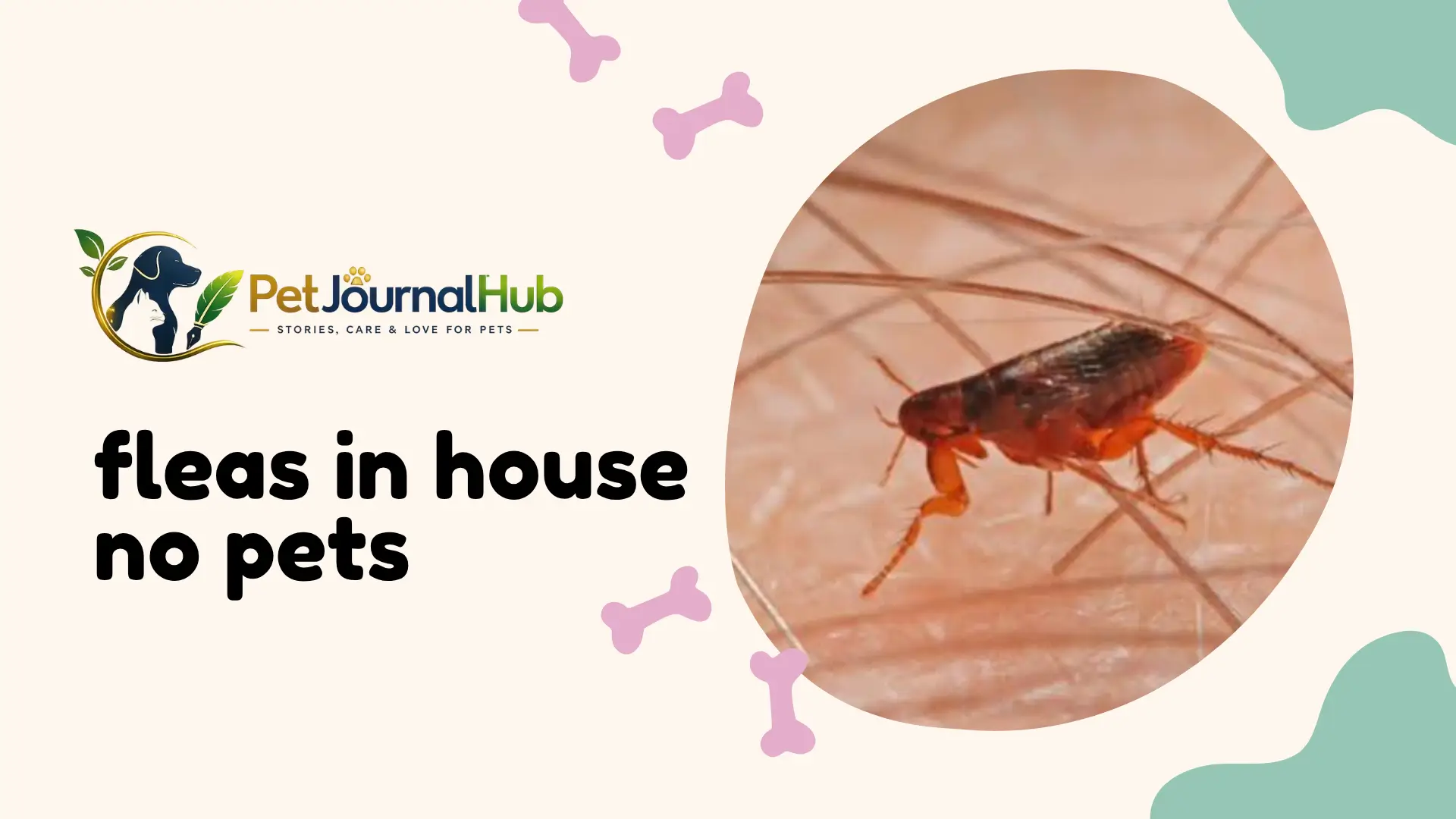
Finding fleas in house no pets situations is confusing — and more than a little unsettling. How can you have a flea problem when there’s no dog, no cat, not even a hamster in sight? It might feel like a mystery, but there’s a perfectly logical explanation behind it. And the good news is, it’s a problem you can fix. Here’s our expert advice on how.
Are You Sure It’s Fleas? How to Confirm
Before diving into causes, it’s worth ruling out other culprits. Flea bites usually appear as small, itchy, red bumps clustered around the ankles and lower legs — a telltale sign since fleas can’t jump very high and tend to bite exposed skin close to the floor. This is different from bed bug bites (which often appear in lines or clusters on any part of the body, usually where skin touches bedding) or mosquito bites (which are more randomly scattered and swell up faster).
If you want to confirm live fleas are actually present, try the classic “white sock test”: pull on a pair of long white socks and shuffle slowly around carpeted areas, especially near skirting boards and under furniture. Fleas are drawn to movement and warmth, and their dark bodies show up clearly against white fabric, jumping onto the socks within a few minutes if they’re present.
How Do Fleas Get Into a House With No Pets?
There are a few common ways fleas end up in a pet-free home.
Have you had friends visiting with a pet recently? They could have unknowingly brought fleas along on their animal’s coat, dropping eggs on your carpet or furniture without anyone noticing.
Or perhaps you’ve just moved into a new place? Flea infestations can lie dormant for up to nine months, depending on conditions like heat and humidity. So if the previous occupants were pet parents, their pets could easily have left an infestation behind — one that’s simply been waiting for the right moment to reactivate.
Wildlife is another major and often overlooked source. Rodents such as mice and rats, along with squirrels, raccoons, or even birds nesting in attics, wall cavities, or under decking, can carry fleas into or around your home without ever setting a paw inside it. If your house backs onto woodland, has an accessible crawl space, or has had a rodent problem recently, this is often the real explanation when there’s genuinely no pet involved.
It’s also possible to carry flea eggs into the house on clothing or shoes, though this is a less common route and unlikely on its own to cause a full infestation.
How Can a Flea Infestation Survive Without a Pet in the House?
This is the part that surprises most people — and it’s thanks to the flea life cycle.
A flea’s life happens in four stages: egg, larva, pupa, and adult. Eggs typically hatch into larvae within two to fourteen days. The larvae then burrow into carpets, flooring, furnishings, and any little nooks and crannies they can find, feeding on organic debris before spinning themselves into a protective cocoon. Inside this cocoon, they become pupae — and this is the stage that can lie dormant for weeks, or even up to nine months, until conditions are right.
Going back to those visiting or previous pets (or nearby wildlife): flea eggs drop off wherever an animal goes, so it’s likely eggs were scattered around your home well before you noticed anything.
These newly emerged adult fleas only break out of their cocoon when they detect a potential host nearby — sensing warmth, movement, and carbon dioxide. Clever, really. Unfortunately, in a house with fleas but no pets, that host is you.
The good news? The fleas in your home are most likely cat or dog fleas. While they will bite humans, they don’t consider us a suitable long-term host — they much prefer dogs and cats for living and breeding. This means that, given enough time, they’ll eventually die off on their own.
Flea Bites on Humans: What to Expect and How to Treat Them
If fleas have been biting you, you’ll likely notice small, itchy red welts, often in small clusters or lines, concentrated around the ankles, lower legs, and waistline. Unlike on pets, fleas can’t complete their life cycle by feeding on human blood alone, so bites tend to be a temporary nuisance rather than an ongoing problem — provided the infestation itself is dealt with.
To ease the itching and reduce the risk of infection from scratching:
- Wash bites with soap and water as soon as you notice them.
- Apply a cold compress to reduce swelling and itchiness.
- Use an over-the-counter antihistamine cream or oral antihistamine if itching is severe.
- Avoid scratching, as broken skin increases the risk of secondary infection.
If bites become increasingly swollen, painful, or show signs of infection (spreading redness, warmth, pus), it’s worth checking in with a pharmacist or doctor.
How Can I Get Rid of Fleas Faster When I Have No Pets?
Most people don’t want to wait around for fleas to die off naturally — and we don’t blame them. Here’s how to speed things up.
Using a household flea spray like FRONTLINE HOMEGARD® will kill fleas and larvae, and stop flea eggs from hatching in the house, helping you get on top of the infestation quickly. If you’d prefer a non-chemical option, diatomaceous earth (food-grade) sprinkled on carpets and left for a day or two before vacuuming is a commonly used alternative, though it tends to work more slowly than a dedicated flea spray.
Apply your chosen treatment to non-washable furniture and home textiles such as carpets, mats, and sofas, and don’t forget cracks and crevices in flooring and soft-upholstered furniture — this helps give fleas the boot and prevents their return. Remember to spray hard-to-reach places like under beds and sofas too.
A quick safety note: whichever product you choose, always read the label first. Ventilate the room during and after application, keep children and pets out of the treated area until it’s fully dry, and wash your hands after handling any spray or powder.
Alongside spraying the house, wash all bedding at a minimum of 60 degrees where possible, just to be safe. Vigorous vacuuming also helps: flea pupae cocoons are very sticky, so they won’t necessarily get sucked up directly, but the vibration from the vacuum encourages the fleas to hatch out early — making them easier to target with your spray treatment. Empty the vacuum canister or bag outside into an external bin straight after, so you’re not just relocating the problem.
How Long Does It Take to Get Rid of Fleas?
With consistent treatment, most people start seeing a noticeable drop in flea activity within one to two weeks. However, because eggs and pupae can keep emerging in waves, it’s common for a full infestation to take four to six weeks to clear completely. Repeating the vacuum-and-spray routine every few days during this window, rather than treating once and stopping, makes a big difference to how quickly it resolves.
When to Call a Pest Control Professional
If you’ve sprayed, vacuumed, and washed thoroughly for more than two to three weeks and are still seeing fleas — or if the infestation seems to be spreading rather than shrinking — it may be time to bring in a pest control professional. This is especially worth considering if you suspect wildlife (like rodents in the walls or attic) is a continuing source, since the underlying entry point needs addressing alongside the flea treatment itself.
Preventing Fleas From Coming Back
Once you’ve cleared an infestation, a few habits help stop it from happening again:
- Vacuum carpets and soft furnishings regularly, particularly in a home that gets a lot of foot traffic or visitors.
- Ask visiting friends or family whether their pets are on flea prevention before they come over, especially if you know fleas have been an issue before.
- Inspect and, where possible, treat secondhand furniture, rugs, or carpets before bringing them into your home.
- Seal up potential entry points for rodents and other wildlife, such as gaps around pipework, vents, or roof spaces.
Frequently Asked Questions
Can fleas live in a house with no pets forever? No. Cat and dog fleas need an animal host to complete their breeding cycle. Without one, they can survive for a while by biting humans, but they’ll gradually die off — usually within a few weeks to a couple of months.
How long can fleas survive without a host? Adult fleas can typically survive for a few days to about two weeks without feeding, though this varies with temperature and humidity. It’s the pupae stage, not the adult, that can remain dormant for much longer — up to nine months — waiting for a host to trigger hatching.
Do fleas lay eggs on humans? No. Flea eggs are laid on an animal host and simply fall off into the environment (carpets, bedding, furniture). Fleas do not lay eggs on human skin or hair.
Key Takeaway
A fleas in house no pets situation isn’t as rare or mysterious as it seems — it almost always traces back to a visiting animal, a previous pet, dormant eggs, or nearby wildlife that were simply waiting for the right conditions to hatch. With the right combination of spraying, washing, and vacuuming — done consistently over several weeks — you can clear the infestation well before it clears itself.

Sophia Bennett is an animal care contributor at PetJournalHub. She writes educational articles about companion animals, pet wellness, training, and daily care. She believes that trustworthy information helps every pet owner build a healthier and happier life for their pets.