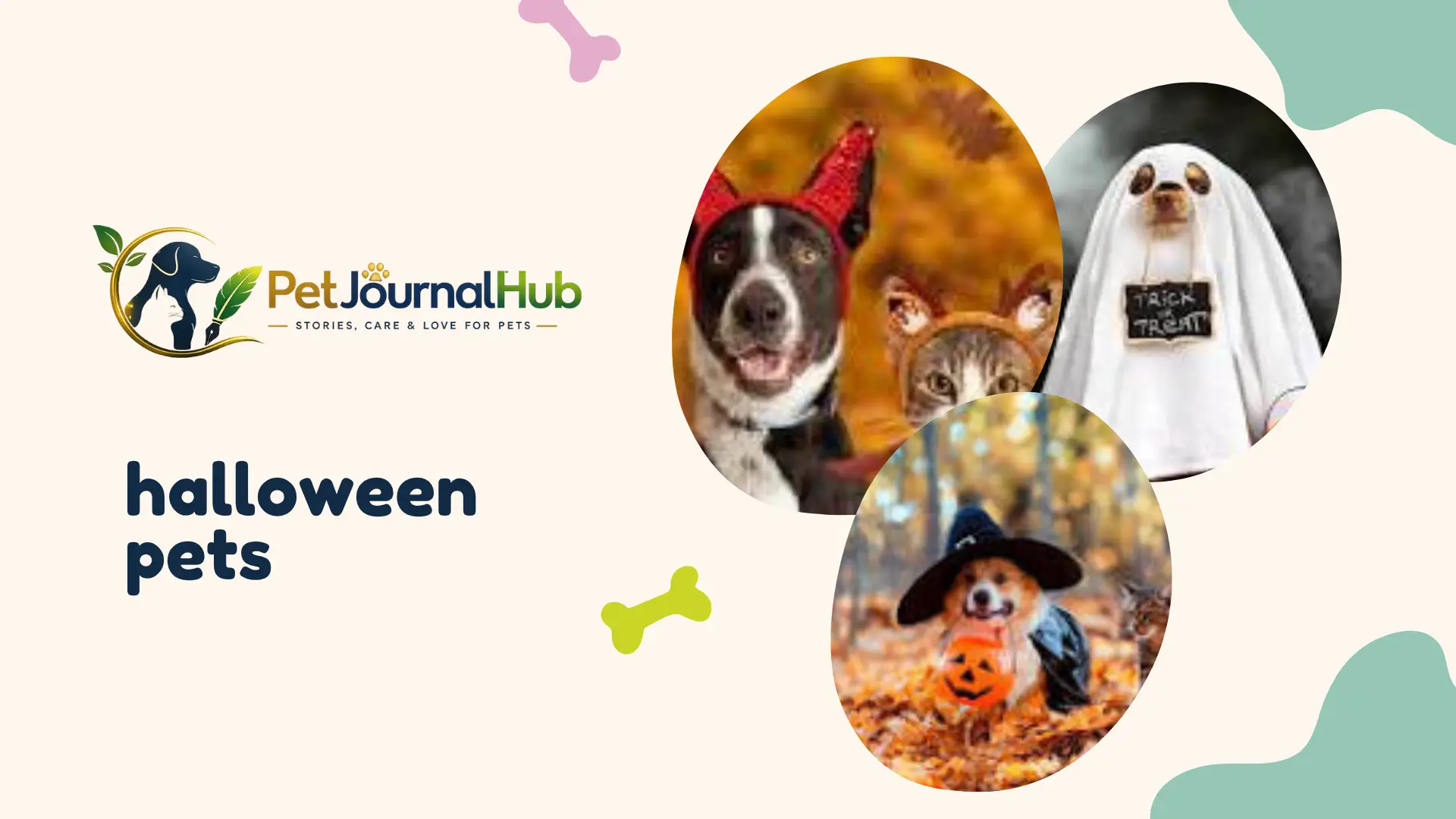
Halloween pets are dogs, cats, and other companion animals dressed up, decorated, or included in Halloween festivities. For most pets, this means a costume, a themed photo, or extra care around candy, decorations, and trick-or-treaters. Done safely, it’s a fun way to include your pet in the holiday.
Key Takeaways
- Halloween pets means including your dog, cat, or small animal in costumes, photos, or seasonal fun.
- Costumes should never restrict breathing, vision, or movement.
- Chocolate, xylitol, and grapes are common Halloween hazards for pets.
- Loud doorbells and strangers in costumes can stress out shy or anxious pets.
- ID tags and microchips matter more on Halloween, since more doors open and close.
- Not every pet enjoys costumes, and that’s okay — comfort comes first.
Introduction
Halloween pets have become one of the most photographed parts of the holiday. Scroll through social media in October, and you’ll see cats in tiny capes and dogs in pumpkin suits everywhere.
This trend keeps growing every year. Pet costume sales rise each fall, and many neighborhoods now host pet costume contests alongside trick-or-treating.
But Halloween isn’t only about cute photos. Open doors, ringing bells, candy bowls, and fog machines can all affect a pet’s stress level and safety. Some animals thrive in the chaos. Others need a quiet room and a closed door.
This guide covers both sides of halloween pets: the fun costume ideas and the safety steps that keep the night from turning into an emergency vet visit. You’ll get practical advice you can use whether your pet loves dressing up or would rather sit this one out.
What Is Halloween Pets?
Halloween pets refers to any companion animal — usually a dog or cat — that takes part in Halloween activities. This can mean a costume, seasonal decor in photos, or simply extra supervision during trick-or-treat hours.
Some pets wear full outfits, like a hot dog costume or a tiny witch hat. Others just get a bandana or a Halloween-themed collar. Both count.
The idea isn’t new. Pet costumes have existed for decades, but online sharing turned it into a yearly tradition. Many pet owners now plan their pet’s costume weeks in advance, matching it to a family theme or a trending internet look.
Not every animal needs an outfit to join in. A calm dog sitting near the candy bowl, or a cat watching from a window, is still part of the Halloween pets tradition.
Quick Facts Box
| Fact | Details |
| Common pets involved | Dogs, cats, rabbits, guinea pigs |
| Popular costume styles | Pumpkins, superheroes, food items, storybook characters |
| Top safety risks | Chocolate, tight costumes, escaped pets, loud noises |
| Best prep time | 2–3 weeks before Halloween, to test-fit costumes |
| Vet involvement | Recommended if your pet has anxiety, breathing issues, or skin sensitivity |
Key Characteristics and Care Needs
Halloween care needs depend on your pet’s personality more than their breed. A relaxed dog might enjoy the doorbell parade. A nervous cat might hide for the whole night.
Here’s what matters most:
- Comfort: Costumes should allow full movement, easy breathing, and clear vision.
- Temperature: Avoid heavy fabrics on warm nights or thin ones in cold climates.
- Noise tolerance: Some pets startle easily at doorbells and costumed strangers.
- Supervision: Open doors on Halloween night mean higher escape risk than usual.
If your pet shows signs of stress — panting, pacing, hiding, or growling — the kindest move is to skip the costume and give them a quiet space instead.
Quick Comparison Snapshot
| Option | Best For | Key Difference |
| Full costume (with sleeves) | Calm, costume-tolerant dogs | Most coverage, needs a fit test |
| Bandana or collar accessory | Cats and costume-shy pets | Lightweight, low stress |
| No costume, just supervision | Anxious or senior pets | Zero restriction, still festive with decor nearby |
Pete the Cat Halloween Costume Ideas
A quick, direct answer: “Pete the Cat” costumes are a popular Halloween pick because the character is a well-known, easygoing blue cat from a widely loved children’s book series, and the look is simple to recreate with a blue outfit and a calm, cool expression.
Pet owners often search for this style because it’s easy to put together at home. A blue shirt or bodysuit, a few felt shapes for stripes, and a laid-back attitude are usually enough to get the reference across.
This costume tends to work best on cats and small dogs that already tolerate light clothing. Because the character is known for staying chill no matter what happens, it also pairs naturally with pets that don’t mind a bit of dress-up.
If your pet resists costumes entirely, a simple blue collar or bandana can nod to the same idea without any full-body fabric. That keeps things comfortable while still fitting the theme.
Pets in Halloween Costumes
Direct answer: pets in Halloween costumes are most successful when the costume fits well, doesn’t cover the face or eyes, and has been tried on before the big night.
A good costume check takes two minutes. Put it on your pet indoors first. Watch how they walk, sit, and turn around.
Look for these warning signs:
- Pulling or scratching at the fabric
- Tripping or refusing to move
- Heavy panting soon after putting it on
- Hiding or freezing in place
If any of these happen, remove the costume right away. A stressed pet in a cute outfit is still a stressed pet.
Many owners find that accessories work better than full costumes. A hat, bandana, or small cape gives a festive look with almost no restriction on movement.
Halloween Yard Signs and Pet Safety
Direct answer: seasonal yard signs and decorations near your home can affect pets on Halloween night, so it’s worth checking your own yard and your walking route for anything that could scare, trip, or tempt a curious pet.
This isn’t about a specific brand or business — it’s a broader reminder that Halloween decor, including yard signs, inflatable figures, and string lights, adds new sights and smells to a dog’s usual walk.
Some dogs bark at inflatable decorations or refuse to walk past them. Others try to sniff or chew on decor within reach.
Before Halloween night, walk your usual route once in daylight. Note any decorations that might spook your pet, and plan an alternate path if needed.
Daily Care Routine for Halloween Night
Direct answer: a simple Halloween routine keeps your pet calm and safe — secure them during trick-or-treat hours, keep candy out of reach, and check their costume or collar before any photos or outings.
A workable evening plan looks like this:
- Feed your pet earlier than usual, so they’re not begging near the candy bowl.
- Move nervous pets to a quiet room with water and a favorite toy before doorbell traffic starts.
- Double-check collar tags or microchip info in case a door gets left open.
- If dressing them up, do it in short bursts for photos rather than all evening.
- Keep candy, wrappers, and glow sticks stored well above nose height.
This routine takes ten minutes to set up but prevents most Halloween emergencies.
Cost Breakdown
Halloween pet costs are usually low compared to other pet expenses. Basic costumes for small dogs and cats often run in the affordable range, while elaborate or licensed-character outfits cost more.
Typical spending falls into a few categories:
- Basic costume or bandana: low cost, widely available at pet stores
- Premium or themed costume: mid-range cost, often sold seasonally
- Halloween-safe treats made for pets: similar to regular treat pricing
- Emergency vet visit (if a hazard occurs): the highest possible cost, and the one worth preventing
This can vary depending on your location and where you shop, so check current pricing at your local pet store or preferred retailer.
Common Mistakes Pet Owners Make
A few mistakes show up every Halloween season. Owners often don’t realize the costume is too tight until their pet starts pulling at it.
Other frequent slip-ups include:
- Leaving candy bowls at nose or paw height
- Forgetting that chocolate and xylitol (found in some sugar-free candy) are dangerous for pets
- Skipping a leash check before opening the door for trick-or-treaters
- Assuming a calm pet will stay calm all night, even with dozens of doorbell rings
Most of these mistakes are easy to avoid with a bit of planning earlier in the day.
Pros and Cons of Dressing Up Pets for Halloween
| Pros | Cons |
| Fun photos and family memories | Some pets find costumes stressful |
| Easy way to join in seasonal traditions | Poor-fitting costumes can restrict movement |
| Many affordable, simple options exist | Extra laundry and prep time needed |
| Costume contests can raise money for shelters | Not suitable for every pet’s temperament |
Similar Options and Alternatives
| Option | Best For |
| Halloween-themed pet bandana | Pets who dislike full costumes but still want to join in |
| Pumpkin-carving photo shoot (no costume) | Owners who want festive photos without any clothing |
| Pet-safe Halloween treats | Including pets in the holiday through food instead of dress-up |
| Costume contest at a local pet store | Pets who enjoy attention and short costume wear |
When to Consult a Vet or Professional
Talk to your vet before Halloween if your pet has a history of skin irritation, breathing trouble, or severe anxiety around loud noises. They can suggest whether a costume is appropriate at all.
Contact your vet immediately if your pet eats any chocolate, xylitol-containing candy, grapes, or raisins, even in a small amount. These are common Halloween hazards.
You should also reach out if your pet becomes unusually withdrawn, aggressive, or panicked during trick-or-treat hours. This can vary depending on the animal, so it’s best to confirm any specific symptoms with your vet rather than guessing at the cause.
Fun Facts
- Pet costume sales climb every year in the weeks before Halloween.
- Pumpkin-themed outfits are consistently among the most popular pet costume styles.
- Many animal shelters host pet costume contests as fundraisers.
- Cats generally tolerate costumes less than dogs, according to most veterinary behavior guidance.
- Reflective or lit-up pet gear is popular for nighttime trick-or-treat walks.
- Some pet costume brands design outfits specifically to avoid covering the eyes or ears.
Frequently Asked Questions
What are some Halloween animals?
Halloween is closely tied to certain animals in folklore and pop culture, including black cats, bats, owls, and spiders. These animals show up on decorations, in stories, and in costume themes every October. Black cats in particular have a long history tied to Halloween superstition, though shelters report this connection hasn’t been proven to increase real-world risk to cats. For pet owners, the “Halloween animal” idea is mostly decorative and doesn’t need to change how you actually care for your own pet during the season.
What are some cool Halloween pet names?
Seasonal pet names often borrow from classic Halloween imagery rather than specific characters. Popular styles include names tied to color (Raven, Ash, Onyx), spooky food (Pumpkin, Candy Corn), or classic Halloween words (Ghost, Shadow, Boo). Many owners choose a name that fits their pet’s personality first, then adds a seasonal twist. A name is a permanent choice, so it’s worth picking one you’ll still like long after Halloween ends, rather than something tied only to the holiday.
What animals can you be for Halloween?
If this question is about human costumes styled after animals, popular choices include cats, foxes, owls, and spiders, since these designs are widely available and easy to recreate. If it’s about which animals make good “costume pets,” small, calm dogs and some cats tend to tolerate light costumes best. Larger or more anxious animals often do better with simple accessories instead of full outfits, since comfort matters more than matching a specific animal theme.
What is a Halloween cat?
A “Halloween cat” usually refers to the classic black cat with an arched back, a common decoration and superstition symbol this time of year. It’s a cultural image, not a specific breed. Real black cats are simply a coat color found across many breeds, and there’s no evidence they behave differently around Halloween. Some shelters temporarily pause black cat adoptions in October as a precaution, though policies vary by organization, so it’s worth checking with your local shelter directly if you’re adopting during this season.
Final Thoughts
Halloween pets can be one of the most fun parts of the season, whether that means a full costume, a simple bandana, or just extra cuddles during a loud night. The best celebrations start with knowing your own pet’s comfort level and planning around it.
Keep candy out of reach, check costumes before committing to a full evening, and give anxious pets a quiet space when the doorbell won’t stop ringing. A little prep goes a long way toward a safe, happy Halloween for everyone in the house — including the four-legged ones.

Daniel Brooks is a pet research writer at PetJournalHub. He specializes in pet behavior, product research, and responsible pet ownership. He focuses on delivering accurate, reader-friendly guides that help pet owners provide the best care for their animals.