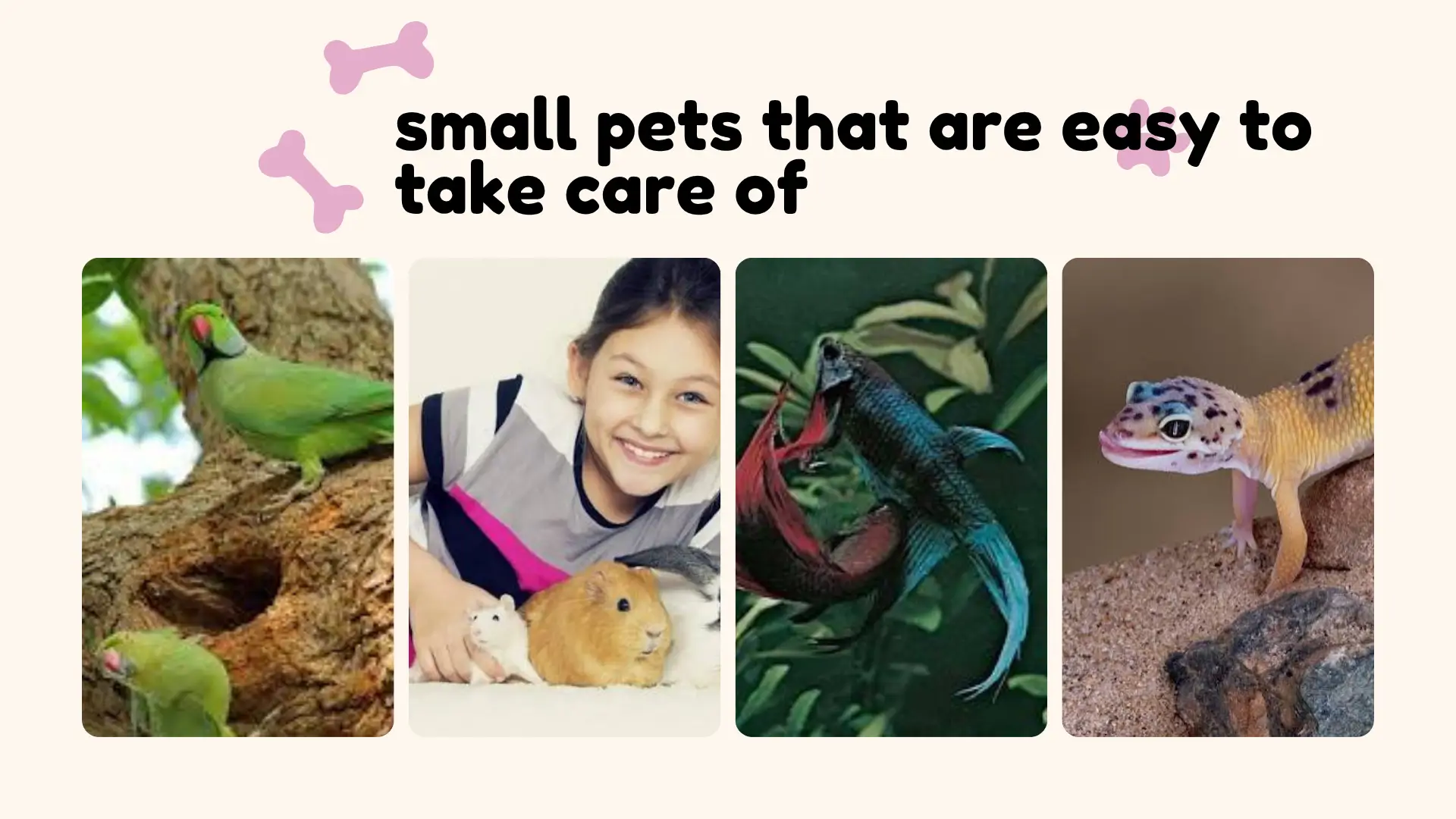
Small pets that are easy to take care of include hamsters, guinea pigs, betta fish, leopard geckos, parakeets, and rabbits. These animals need less daily time, fit in smaller homes, and cost less to feed than dogs or cats, making them a solid choice for beginners, busy adults, and families with kids.
Small Pets That Are Easy to Take Care Of for Different Lifestyles
If you are looking for small pets that are easy to take care of, focus on the animal’s space, feeding routine, and daily attention needs. Hamsters, betta fish, guinea pigs, and leopard geckos can work well for people who want a manageable pet without the demands of a dog or cat.
For families, pets that are small and easy to take care of may be easier to fit into a busy household. If appearance matters too, hamsters, guinea pigs, and rabbits can also be considered cute small pets that are easy to take care of, while children should always have adult supervision.
Some owners may prefer small furry pets that are easy to take care of, such as hamsters or guinea pigs. Others may be interested in small aquarium pets that are easy to take care of, including betta fish, as long as the tank is properly maintained.
The best choice is not simply the smallest animal. Consider the pet’s enclosure, cleaning needs, lifespan, and the amount of interaction you can provide before bringing one home.
Key Takeaways
- Hamsters, guinea pigs, betta fish, and leopard geckos are among the lowest-maintenance small pets for beginners.
- Most easy-care small pets need 15–30 minutes of daily attention, plus weekly cage or tank cleaning.
- Starter costs usually range from $50–$300, with monthly upkeep often under $30.
- Kids do best with sturdier, more predictable pets like guinea pigs or rabbits rather than fragile or nocturnal ones.
- Even low-maintenance pets need a vet check now and then — “easy” doesn’t mean “no care required.”
- Always confirm care specifics with your vet, since needs can vary by breed, age, and health.
Introduction
Not everyone has time for a dog that needs three walks a day. That’s why so many people search for small pets that are easy to take care of — they want a companion that fits into a busy schedule, a small apartment, or a first-pet experience for their kids.
This interest has grown alongside smaller living spaces and busier routines. Apartment living, remote work schedules, and a rise in first-time pet owners have all pushed more people toward low-maintenance animals.
The good news is you have real options. Small pets can still form strong bonds with their owners, show real personality, and bring the same joy as a bigger animal. They just ask for less physical space and less daily time.
This guide walks through the best low-maintenance small pets, what daily care actually looks like, realistic costs, and the mistakes new owners tend to make. By the end, you’ll know exactly which pet fits your home, your schedule, and your budget.
What Is a Low-Maintenance Small Pet?
A low-maintenance small pet is any animal that needs minimal daily hands-on care, a small living space, and simple feeding routines. Think hamsters, guinea pigs, fish, and small reptiles.
These pets share a few traits. They usually live in a cage, tank, or enclosure rather than roaming the house. Their diets are simple and predictable — pellets, hay, or fish flakes rather than varied fresh meals. And most don’t need daily walks or training sessions.
That doesn’t mean zero effort. A betta fish still needs clean, heated water. A guinea pig still needs daily hay and cage cleaning. “Easy” means less time and lower cost, not no responsibility at all.
Quick Facts Box
| Fact | Details |
| Typical daily care time | 15–30 minutes |
| Typical lifespan range | 1–10 years, depending on species |
| Starter setup cost | $50–$300 |
| Average monthly upkeep | $10–$30 |
| Best for | Beginners, kids (with supervision), apartment dwellers, busy adults |
| Space needed | A cage, tank, or hutch — no yard required |
Key Characteristics and Care Needs
Most easy-care small pets share three things: a contained living space, a simple diet, and a predictable routine. Beyond that, their needs vary quite a bit by species.
Hamsters are nocturnal, so they’re most active at night and sleep for much of the day. Guinea pigs are social and often do better in pairs. Betta fish are solitary and shouldn’t be housed with other bettas. Leopard geckos are quiet, low-odor, and need a heat source in their tank.
Temperament also differs. Guinea pigs and rabbits tend to be more interactive and enjoy handling once they trust you. Fish and reptiles are more “watch and enjoy” pets, since they don’t handle physical interaction the same way.
Because needs vary this much by species, it helps to compare a few side by side before deciding.
Quick Comparison Snapshot
| Option | Best For | Key Difference |
| Guinea pig | Kids and families | Social, needs a same-species companion |
| Betta fish | Small apartments | No cage cleaning smell, needs heated tank |
| Hamster | Solo adults | Nocturnal, best for quiet evening interaction |
| Leopard gecko | Low-odor households | Minimal handling needs, simple feeding schedule |
Top 10 Easiest Pets to Take Care Of
The easiest small pets to take care of are guinea pigs, hamsters, betta fish, leopard geckos, parakeets, rabbits, rats, mice, hermit crabs, and goldfish. Each one asks for a different level of interaction, so the “easiest” choice depends on your lifestyle.
Here’s a quick rundown of what makes each one manageable:
- Guinea pigs – simple diet of hay, pellets, and vegetables; enjoy gentle handling.
- Hamsters – solitary, low-cost setup, most active at night.
- Betta fish – no walking or cage cleaning, just tank maintenance.
- Leopard geckos – quiet, low-odor, eat just a few times a week.
- Parakeets – social birds that can learn simple sounds and tricks.
- Rabbits – trainable, can even learn litter-box habits.
- Rats – intelligent, social, and often easier to handle than people expect.
- Mice – tiny space needs, simple diet.
- Hermit crabs – very low-maintenance, need a humid tank.
- Goldfish – classic starter pet, though they need more tank space than people assume.
This list isn’t ranked strictly by “easiest first” — it’s a starting point. Your best match depends on whether you want a pet you can hold, or one you mostly observe.
Small Pets That Are Easy to Take Care Of for Kids and Which Pet Fits a Kid Best
For kids, the easiest pets to care for are guinea pigs, rabbits, and betta fish, since they’re sturdy, predictable, and simple to feed. Fragile or nocturnal pets like hamsters can be harder for younger kids to handle safely.
Guinea pigs are a common first-pet recommendation because they’re social, rarely bite, and make happy little sounds kids enjoy. Rabbits can also work well, especially for older kids who can help with daily feeding and litter-box upkeep.
Betta fish are a good fit for kids who like watching more than holding. There’s no risk of dropping a fish, and daily care is as simple as a small pinch of food.
Hamsters, while popular, aren’t always the best starter pet for younger children. Their nocturnal schedule and delicate size mean they do better with a slightly older kid or an adult handling most of the care.
Whichever pet you choose, adult supervision matters for the first few weeks, until the child learns safe handling and a steady routine.
Small Pets That Are Easy to Take Care Of at Home
At home, the easiest small pets to manage are ones that live fully inside a cage or tank, like betta fish, hamsters, and leopard geckos. They don’t need a yard, a litter box outside, or daily walks.
This matters most for renters and apartment dwellers. A 10-gallon fish tank or a small hamster cage fits on a dresser or desk. There’s no noise complaint risk, and cleaning stays contained to one small area.
Odor control is another home-life factor. Reptile tanks and fish tanks tend to have the least smell, as long as they’re cleaned on schedule. Small mammal cages need more frequent spot-cleaning to stay odor-free.
If you live in a small space, prioritize pets with contained enclosures and predictable cleaning schedules over pets that need more room to roam.
Small Pets That Are Easy to Take Care Of for Adults
For busy adults, the easiest small pets are ones with flexible feeding schedules and low social needs, like betta fish, leopard geckos, and hamsters. These pets don’t require the constant attention a puppy or kitten does.
Adults with unpredictable schedules often do well with fish or reptiles, since a missed hour of interaction doesn’t cause stress the way it might with a dog. Feeding a betta fish or gecko takes just a few minutes, a few times a week.
If you want more interaction after work, a guinea pig or rat offers more personality and daily bonding time without needing a walk outside. Rats, in particular, are known for being social and food-motivated, which makes short daily interactions easy to build into a routine.
Match the pet to your actual schedule, not the schedule you wish you had. A nocturnal hamster fits a night-owl adult better than an early riser.
Pets That Are Easy to Take Care Of and Cheap
Some of the most budget-friendly small pets are hamsters, mice, and betta fish, with starter costs often under $100. Ongoing costs stay low too, usually $10–$20 a month for food and bedding.
Guinea pigs and rabbits cost a bit more upfront, since they need larger enclosures and a steady supply of hay. Still, their monthly costs tend to stay reasonable compared to a dog or cat.
Here’s a rough starter cost range by pet type:
- Betta fish: $30–$75 (tank, heater, filter, fish)
- Hamster: $50–$120 (cage, bedding, wheel, food)
- Mice: $40–$100 (cage setup for a pair)
- Guinea pig: $100–$250 (larger cage, hay, accessories)
- Leopard gecko: $150–$300 (tank, heat lamp, substrate)
These are general ranges, and actual prices vary by region and retailer, so it’s worth pricing supplies locally before you commit.
Daily Care Routine: How to Get Started
Getting started with an easy-care small pet takes three basics: a proper enclosure, a consistent feeding schedule, and regular cleaning. Set these up before the pet comes home, not after.
Step 1: Set up the enclosure first. Add bedding, hiding spots, food and water dishes, and any needed heat source, then let it settle for a day before adding your pet.
Step 2: Feed on a consistent schedule. Most small pets do best with food offered at the same time each day, using species-appropriate pellets, hay, or flakes.
Step 3: Clean on a routine. Spot-clean daily, and do a full enclosure clean weekly or biweekly depending on the species.
Step 4: Build in short interaction time. Even low-handling pets like fish benefit from a few minutes of daily observation, which helps you notice changes in behavior early.
This structure applies to nearly every small pet on this list — only the specific food, bedding, and enclosure size will change.
Cost Breakdown
Beyond the starter setup, ongoing costs usually include food, bedding or substrate, and the occasional vet visit. Most easy-care small pets stay well under $30 a month once they’re settled in.
Is Pet Insurance Worth It for Small Pets?
Pet insurance can help cover unexpected veterinary costs, although it may not be necessary for every small pet. Before choosing a policy, compare the cheapest pet insurance options based on premiums, deductibles, coverage limits, and exclusions rather than price alone.
For owners of dogs and cats, the cheapest pet insurance for dogs or cats may still differ depending on age, breed, location, and coverage. Small pets such as rabbits or exotic animals may have fewer insurance choices, so checking available plans before bringing one home can help you budget more realistically.
If your goal is the best and cheapest pet insurance, look at what each policy actually covers. A low monthly premium may come with a higher deductible or limited coverage for illnesses, accidents, medications, or specialist care.
For a low-cost pet, you may decide that saving a small emergency fund is more practical than paying for insurance. Either way, include possible veterinary expenses in your pet budget because even inexpensive pets can need professional care.
| Cost Category | Typical Monthly Range |
| Food | $5–$15 |
| Bedding or substrate | $5–$10 |
| Tank/cage accessories (as needed) | $0–$10 |
| Vet visits (occasional) | Varies by visit and location |
Vet costs are the hardest to predict, since they depend on the pet’s health and where you live. It’s worth setting aside a small emergency fund even for a “low-cost” pet.
Common Mistakes Pet Owners Make
Even easy-care pets run into trouble when owners skip a few basics. These mistakes show up again and again with first-time small-pet owners.
- Choosing based on looks alone, without checking if the pet’s temperament fits the household.
- Skipping tank or cage size guidelines, which leads to stress and health problems over time.
- Forgetting species-specific needs, like a betta fish’s need for heated water or a gecko’s need for a heat gradient.
- Underestimating cleaning frequency, which causes odor and health issues.
- Housing solitary animals together, like two male bettas, which can lead to serious injury.
Most of these mistakes come from rushing the setup. A little research before bringing the pet home solves almost all of them.
Pros and Cons
| Pros | Cons |
| Lower daily time commitment | Still needs consistent care, not zero effort |
| Smaller living space required | Some pets have short lifespans (1–3 years) |
| Lower overall cost than dogs or cats | Limited physical interaction with some species |
| Good option for renters and apartments | Certain pets (hamsters, geckos) are nocturnal |
| Wide variety of species to choose from | Vet care can be harder to find for exotic pets |
Similar Alternatives to Consider
If none of the pets above feel like the right fit, a few other small animals are worth a look. Each brings a slightly different care style to the table.
| Option | Best For |
| Chinchilla | Owners who want a longer-lived, quiet small mammal |
| Corn snake | Reptile fans wanting minimal handling and simple feeding |
| African dwarf frog | Aquarium owners wanting a low-noise, low-odor pet |
| Canary | Bird lovers who prefer a pet that doesn’t need daily handling |
| Fancy rat | Adults or older kids wanting a social, food-motivated pet |
These alternatives can suit specific preferences, like wanting a longer lifespan or a pet with almost no odor, that the more common picks don’t always cover.
When to Consult a Vet or Professional
Even the easiest small pets need professional care at times. Contact a vet if you notice changes in eating, energy, breathing, or appearance, since small animals can decline quickly once symptoms show.
Not every vet treats small or exotic pets, so it helps to find an exotic-animal vet before you actually need one. The American Veterinary Medical Association’s directory or a quick call to local clinics can confirm who takes on hamsters, reptiles, or fish.
Never guess at medication, dosing, or home treatment for a sick pet. This can vary a lot depending on the species, size, and health history, so it’s always best to confirm with a licensed vet rather than relying on general advice online.
Fun Facts
- Betta fish can recognize their owner’s face over time with regular interaction.
- Hamsters can store food in their cheek pouches to carry back to their nest.
- Guinea pigs often make a happy “popcorning” jump when excited.
- Leopard geckos can drop their tail as a defense mechanism, then regrow it.
- Rats are known to be ticklish and can make a chirping sound when playing.
- Rabbits can be litter-trained, similar to cats.
- Some fish species can live over 5 years with proper tank care.
- Hermit crabs change shells as they grow, rather than growing a bigger one on their own body.
Frequently Asked Questions
What is the easiest small pet to care for? For most beginners, betta fish and hamsters top the list, since both have simple feeding schedules and don’t need daily walks or large living spaces. Betta fish only need a heated, filtered tank and a small amount of food a few times a week. Hamsters need a bit more setup, like bedding and a wheel, but their care routine stays predictable once established. The “easiest” choice still depends on whether you want a pet to hold or one to mostly observe.
What is the easiest small animal to care for? Among small animals (as opposed to fish), leopard geckos and hamsters tend to be the easiest, thanks to simple diets and minimal handling requirements. Geckos eat just a few times a week and don’t need daily interaction to stay healthy. Hamsters need daily feeding and cage upkeep, but no walks or training. Both do well in a single, contained enclosure, which keeps daily care time short and predictable for busy owners.
What is a cheap but good pet? Hamsters, mice, and betta fish are some of the most budget-friendly options, with starter costs often under $100 and monthly upkeep around $10–$20. “Cheap” doesn’t mean lower quality of care — these pets can still live happy, healthy lives with proper setup. The savings come from smaller enclosures, simpler diets, and less specialized equipment compared to pets like reptiles that need heat lamps or larger tanks.
What is the least stinky pet? Fish, like betta fish or goldfish, tend to have the least odor since waste stays contained in water that’s filtered and changed regularly. Reptiles like leopard geckos are also low-odor when their tank is cleaned on schedule. Small mammals like hamsters and guinea pigs can develop odor faster if cage cleaning is skipped, so consistent spot-cleaning matters more for those species than for fish or reptile tanks.
Final Thoughts
Picking a small pet that’s easy to take care of comes down to matching the animal’s needs to your actual lifestyle. A busy adult, a family with kids, and a renter in a small apartment will each land on a different best fit — and that’s fine.
The pets covered here — guinea pigs, hamsters, betta fish, leopard geckos, and the rest — all offer a lower time and space commitment than a dog or cat, without sacrificing the joy of having a pet in your home.
Just remember that “easy” still means “responsible.” Set up the right enclosure, feed on a consistent schedule, and check in with a vet when something seems off. Do that, and any of these small pets can make a great, low-stress companion.

Emily Carter is a pet care writer at PetJournalHub. She enjoys creating clear, practical, and well-researched articles about pet health, nutrition, grooming, and everyday care. Her goal is to help pet owners make informed decisions through reliable, easy-to-understand content.