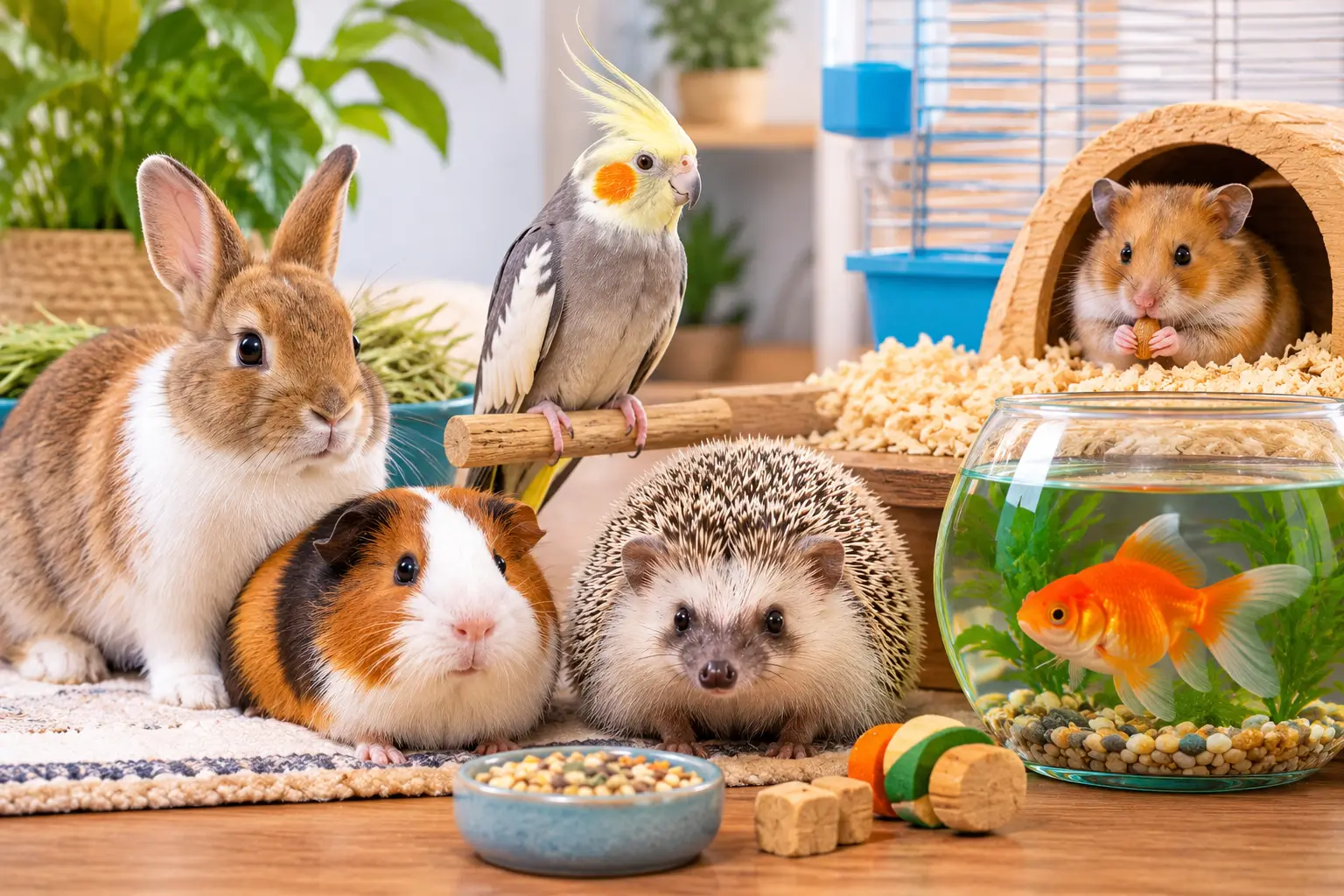
Easiest pets are animals that need minimal daily care, simple diets, and little specialized equipment — think betta fish, guinea pigs, hermit crabs, and leopard geckos. They suit busy owners, first-timers, kids with supervision, and anyone who wants companionship without a heavy time commitment.
Key Takeaways
- “Easy” still means daily feeding and regular cleaning — no pet is fully hands-off.
- Betta fish, guinea pigs, hermit crabs, and leopard geckos rank among the most beginner-friendly choices.
- Cost varies a lot by species, but starter setups usually cost more than the animal itself.
- Kids can help with many of these pets, though an adult should always supervise feeding and handling.
- Even low-maintenance pets need a vet check if their behavior or eating changes.
- Check your local laws before choosing certain reptiles or exotic species.
Introduction
Not everyone has hours a day to spend training a dog or grooming a long-haired cat. Some people just want a companion that fits into a busy schedule, a small apartment, or a first-time pet owner’s comfort zone.
That’s where easiest pets come in. These are animals that ask for less daily upkeep, simpler diets, and fewer surprises. They’re popular with parents looking for a kid-friendly starter pet, college students in dorms, and anyone easing into pet ownership for the first time.
This guide breaks down the most beginner-friendly animals, what they actually cost, and which ones fit different lifestyles. You’ll also get straight answers to common questions like which pet takes the least effort and which options work well for kids.
What Are Easiest Pets?
Easiest pets are animals that require simple, predictable care routines instead of constant attention, specialized skills, or expensive equipment.
This covers a wide range of species. Fish like bettas need a clean tank and regular feeding. Small mammals like guinea pigs need daily food, water, and cage cleaning. Reptiles like leopard geckos eat just a few times a week and don’t need daily walks.
What makes a pet “easy” usually comes down to three things: how often it needs feeding, how much cleaning its habitat requires, and whether it needs social interaction to stay healthy. Some animals score well on all three. Others are easy in one area but demanding in another.
Cats sometimes make this list too, especially adult cats from a shelter. They groom themselves and use a litter box instead of needing walks, though they still need regular vet care and attention.
Quick Facts Box
| Fact | Details |
| Common examples | Betta fish, guinea pigs, hermit crabs, leopard geckos, budgies, adult cats |
| Daily time needed | Usually 10–20 minutes for feeding and quick habitat checks |
| Best for | Beginners, busy owners, kids with adult supervision, small living spaces |
| Startup cost | Often higher than ongoing costs, due to tanks, cages, or enclosures |
| Lifespan | Ranges widely — a few years for fish, over a decade for some reptiles |
| Legal status | Mostly unrestricted, though some reptiles need permits in certain states |
Key Characteristics and Care Needs
Most easiest pets share a few traits: simple diets, predictable schedules, and habitats you can set up once and maintain with light upkeep.
Feeding tends to be straightforward. Betta fish eat a small amount of pellets daily. Guinea pigs need fresh hay, pellets, and vegetables. Leopard geckos eat feeder insects just two or three times a week.
Cleaning routines matter more than people expect. A dirty tank or cage causes more health problems than an occasional missed feeding does. Weekly cleaning is the norm for most small mammals and reptiles on this list.
Social needs vary a lot. Guinea pigs do better with a companion guinea pig, since they’re social animals by nature. Betta fish, by contrast, prefer to live alone and can become aggressive with tank mates.
Quick Comparison Snapshot
| Option | Best For | Key Difference |
| Betta fish | Small spaces, first-time owners | No walking or handling needed at all |
| Guinea pig | Kids and families | Social animal that does best with a companion |
| Leopard gecko | Owners wanting a longer-lived pet | Eats just a few times a week, minimal daily upkeep |
| Hermit crab | Owners wanting a quiet, low-noise pet | Needs specific humidity, not just any tank setup |
Top 10 Easiest Pets To Take Care Of
A shortlist of consistently easy pets includes betta fish, guinea pigs, hermit crabs, leopard geckos, budgies, hamsters, mystery snails, corn snakes, adult shelter cats, and bearded dragons.
Each one lands on this list for a different reason. Betta fish need almost no space and a simple feeding schedule. Hamsters are low-cost but active at night, which suits owners who aren’t home during the day. Bearded dragons need a heat lamp but otherwise settle into a predictable weekly routine.
This list isn’t ranked strictly by ease, since “easiest” depends on your specific lifestyle. A busy parent and a retired apartment-dweller won’t rank these the same way.
Easiest Pets for Beginners
For someone who’s never owned a pet before, a forgiving care routine matters more than a flashy species.
Betta fish are often the top beginner pick because tank setup is simple and mistakes are easier to catch early. Guinea pigs work well for beginners who want more interaction, since they respond to voices and handling once they settle in. Leopard geckos suit beginners who want a reptile without complicated lighting requirements.
Whatever you choose, read a full care guide before bringing the animal home. A few minutes of research prevents most early mistakes.
What Is the Easiest Pet To Take Care Of for a Kid?
For kids, the easiest pets combine simple care steps with a low risk of injury to the animal or the child.
Guinea pigs are a popular choice because they’re sturdy enough for gentle handling and respond well to routine. Betta fish work for younger kids who want to observe rather than handle a pet directly. Hermit crabs also appeal to kids, since their care steps are simple enough to turn into a shared chore.
An adult should still supervise feeding and handling, especially with younger children. This keeps the pet safe and helps the child build good habits early.
Pets That Are Easy To Take Care Of and Cheap
Cost and ease don’t always line up, but a few pets manage both.
Betta fish are usually the cheapest option on this list once the tank is set up, since food and water changes cost very little. Mystery snails are another low-cost pick, often added to an existing tank setup for almost no extra expense. Hamsters also stay affordable, though their cages and bedding need regular replacing.
This can vary depending on where you shop and which supplies you choose, so it’s worth comparing prices locally before you commit to a species.
What Is the Easiest Pet To Take Care Of Other Than a Fish?
If fish aren’t your style, several non-aquatic pets still rank as genuinely low-maintenance.
Leopard geckos top this list for reptile fans, since they eat just a few times weekly and don’t need daily interaction. Hermit crabs work well too, offering a quiet, low-mess alternative once their humidity needs are met. Budgies bring more personality and activity than most easy pets, though they need daily attention and a bit more cage cleaning.
Each of these still needs a properly set-up habitat from day one, even without water changes to worry about.
Easiest Pets To Take Care Of on Reddit
A quick, separate note here, since this is more about where people research than a species itself: pet-focused communities on Reddit, like r/pets or species-specific subreddits, often come up when people search for real owner experiences.
These communities can be useful for hearing what daily care actually looks like from current owners. Treat them as a starting point for questions, not a replacement for vet-reviewed care guides or a licensed veterinarian’s advice on health issues.
Daily Care Routine and How to Get Started
Getting started with any easy pet still takes some upfront planning, even if daily care stays simple.
- Research your chosen species’ specific needs before buying any supplies.
- Set up the full habitat first, including tank, cage, or enclosure, and let it stabilize for a few days if it’s aquatic.
- Buy a starter supply of food suited to that species, not a generic pet-store mix.
- Locate a vet who treats your pet’s species, even if you don’t expect to need one right away.
- Build a simple daily routine for feeding, water checks, and quick habitat glances.
Most easy pets need a daily feeding check and a weekly deeper clean. Fish tanks usually need a partial water change every one to two weeks, depending on tank size and filtration.
Cost Breakdown
Costs vary by species, so treat these as general categories rather than fixed numbers. This can vary depending on where you live and which brand of supplies you pick, so check current pricing before budgeting.
- Startup habitat: Usually the biggest expense, whether that’s a tank, cage, or terrarium with heating
- Purchase or adoption fee: Varies by species and where you get the pet
- Ongoing food costs: Generally low for fish and reptiles, moderate for small mammals
- Vet care: Costs more when a vet specializes in exotic species like reptiles
- Bedding and supplies: Recurring cost for cage-based pets like guinea pigs and hamsters
A well-set-up habitat often costs more upfront than the pet itself, especially for reptiles that need heating or lighting equipment.
Common Mistakes Pet Owners Make
A handful of mistakes come up again and again with first-time easy-pet owners.
Buying the animal before the habitat is ready causes stress for both the pet and the owner. Skipping species-specific research leads people to assume all small pets eat the same diet, which isn’t true. Guinea pig owners sometimes get just one animal, not realizing these pets do better with a companion.
Underestimating cleaning needs trips people up too. A neglected tank or cage causes more health issues than almost any other single factor on this list.
Pros and Cons
| Pros | Cons |
| Lower daily time commitment than dogs or cats | Startup costs can surprise first-time owners |
| Good option for kids with adult supervision | Fewer vets specialize in reptiles and exotics |
| Wide range of species and personalities to choose from | Some species still need very specific habitats |
| Often quieter and better suited to small spaces | Easy still means daily care, not zero care |
Similar Options and Alternatives
If the animals above don’t feel like the right fit, a few other low-maintenance pets are worth a closer look.
| Option | Best For |
| Budgie (parakeet) | Owners wanting more personality and daily interaction |
| Corn snake | Owners comfortable with a reptile that eats only weekly |
| Adult shelter cat | Owners wanting companionship without kitten-level energy |
| Bearded dragon | Owners wanting a larger reptile with a predictable routine |
Each of these has its own care sheet worth reading fully, since even animals grouped together here can have very different daily needs.
When to Consult a Vet or Professional
Any noticeable change in eating, movement, or appearance is worth a vet call, even for pets known as low-maintenance.
Small animals and reptiles often hide illness longer than dogs or cats do, so subtle changes matter. Watch for reduced appetite, unusual lethargy, changes in droppings, or visible swelling, and contact a vet promptly if you notice any of these.
Never try to diagnose or treat a health issue based on general online advice. Species-specific dosing and treatment vary enormously, and a licensed veterinarian is the right resource for any real health concern.
Fun Facts
- Betta fish can breathe air from the surface using a special organ, not just their gills.
- Guinea pigs squeak in a specific pattern many owners learn to recognize as a request for food.
- Leopard geckos can drop their tails as a defense move, and the tail grows back over time.
- Hermit crabs switch to a larger shell as they grow, rather than growing a bigger shell of their own.
- Hamsters store food in their cheek pouches and often relocate it around their cage.
- Adult cats from shelters are frequently already litter-trained, which shortens the adjustment period for new owners.
Frequently Asked Questions
Which is the easiest pet to take care of? Betta fish usually top this list because they need no walking, minimal handling, and a simple daily feeding routine. A properly cycled tank keeps water quality stable for weeks at a time between deeper cleanings. That said, “easiest” still depends on your lifestyle — someone who wants interaction might find a guinea pig more rewarding, even if it takes slightly more daily effort than a fish tank.
What are the top 10 easiest pets? Betta fish, guinea pigs, hermit crabs, leopard geckos, budgies, hamsters, mystery snails, corn snakes, adult shelter cats, and bearded dragons all rank consistently among the easiest pets to own. Each fits a different lifestyle: fish and snails suit hands-off owners, while guinea pigs and budgies suit people who want daily interaction. Matching the species to your schedule matters more than picking whatever ranks highest on a list.
What are the best pets for beginners? Beginners generally do best with species that forgive small mistakes early on, which is why betta fish, guinea pigs, and leopard geckos come up so often. These species have well-documented care routines, so it’s easy to find reliable guides before you buy. Starting with a species that has a predictable routine also builds confidence before you consider a more demanding pet later.
What is the cheapest low-maintenance pet? Betta fish and mystery snails usually cost the least to keep, since their food and supplies stay inexpensive after the initial tank setup. Hamsters also stay budget-friendly, though bedding and cage supplies add up over time. Actual costs vary by region and where you shop, so it’s worth comparing local pet store and online prices before deciding.
Final Thoughts
Easiest pets aren’t about zero effort — they’re about care routines that fit into a busy life without constant guesswork. The right choice depends on your schedule, your living space, and how much interaction you actually want from a pet.
Whether you land on a betta fish, a guinea pig, or a leopard gecko, take time to set up the habitat fully before bringing the animal home. That single step prevents most of the early struggles new owners run into.
A low-maintenance pet still deserves real attention. Choose one that matches your lifestyle honestly, and it’ll likely become one of the easiest, most rewarding parts of your routine.

Sophia Bennett is an animal care contributor at PetJournalHub. She writes educational articles about companion animals, pet wellness, training, and daily care. She believes that trustworthy information helps every pet owner build a healthier and happier life for their pets.