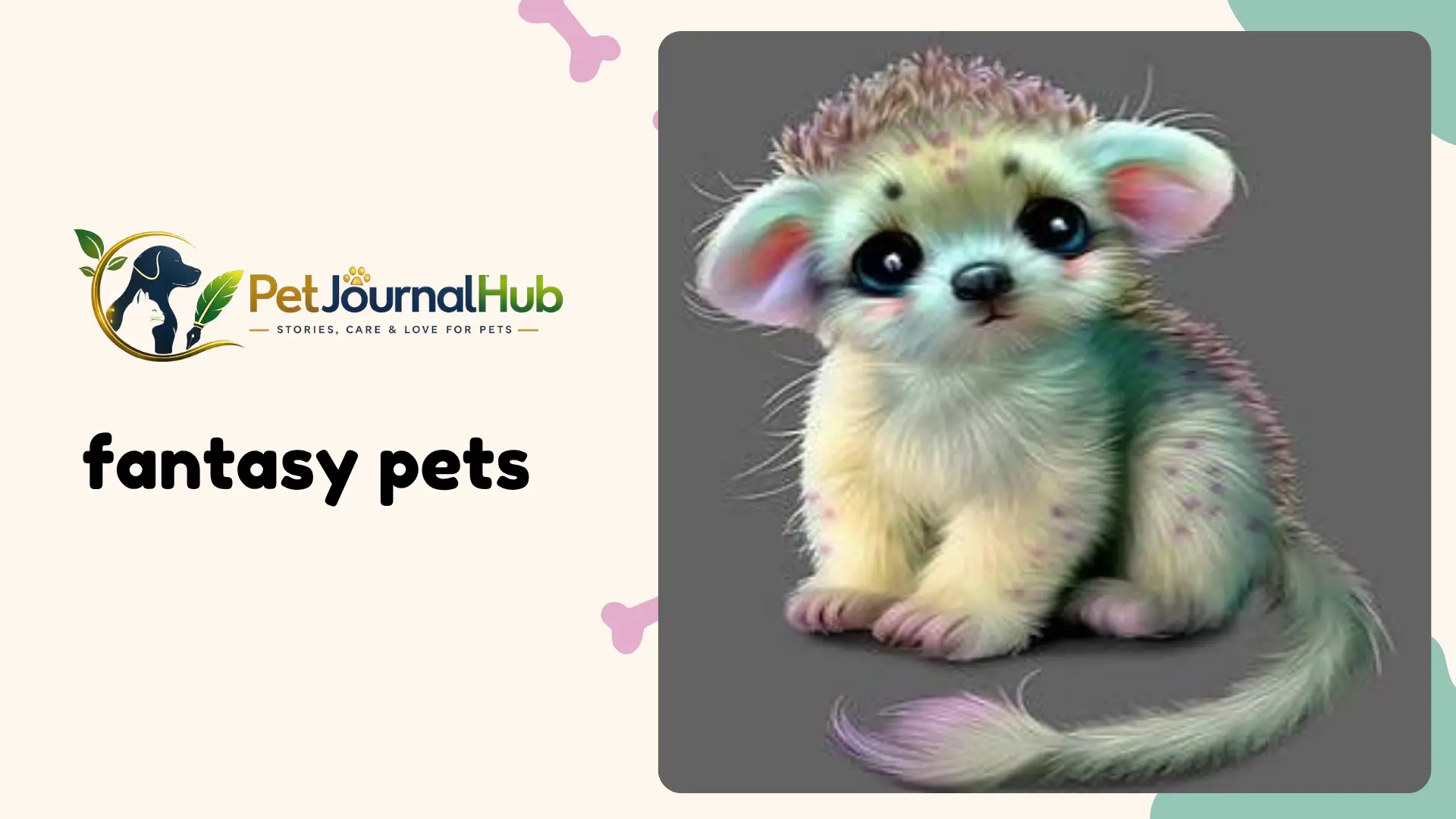
Fantasy pets are dragon, unicorn, wizard, and other mythical-creature-themed costumes, toys, and accessories made for real dogs and cats. They let owners dress up or entertain their pets with imaginative designs, from dragon wing harnesses to fantasy-themed chew toys, without changing anything about the animal itself.
Key Takeaways
- Fantasy pets gear means costumes, toys, and accessories inspired by mythical creatures — not actual exotic animals.
- Popular categories include dragon costumes, unicorn horns, wizard capes, fairy wings, and fantasy-themed chew toys.
- This gear works best for calm pets who tolerate wearing clothing or trying new toy textures.
- Prices range from under $10 for small toys to $50+ for detailed costumes.
- Fit and supervision matter most. A loose costume piece can become a choking hazard.
- Talk to your vet before introducing new chew toys if your pet has dental issues, allergies, or a history of swallowing objects.
Introduction
Search interest in “fantasy pets” spikes every fall, and it’s easy to see why. Halloween has become a full pet holiday, not just a human one. Owners want their dog or cat to join the fun as a tiny dragon, a wizard’s familiar, or a unicorn.
This isn’t a passing fad, either. Pet costume spending keeps climbing year over year, and fantasy themes are some of the most searched styles alongside classic pumpkins and superheroes. Social platforms like TikTok and Instagram have also turned pet cosplay into shareable content, which pushes more owners to try it.
But fantasy pets products raise real questions. Will my dog tolerate a costume? What toys are actually safe for chewing? How much should I expect to spend, and what should I avoid?
This guide covers all of it: what fantasy pets gear actually is, the best categories to shop, safety guidance straight from veterinary and animal welfare sources, and how to pick pieces your pet will actually enjoy wearing or playing with.
What Is Fantasy Pets?
Fantasy pets refers to costumes, toys, and accessories designed around mythical creatures for real, ordinary pets. It’s a styling and enrichment category, not a type of animal.
Think of it as costume play for your dog or cat. A beagle in a dragon costume is still a beagle. A tabby cat wearing a unicorn horn headband is still a tabby cat. The “fantasy” part is entirely in the gear.
Common examples include:
- Dragon costumes with wings, spikes, and a tail
- Unicorn horn headbands or full unicorn bodysuits
- Wizard hats and capes
- Fairy wing harnesses
- Knight or dragon-slayer armor-style vests
- Plush chew toys shaped like dragons, griffins, or other mythical creatures
Most of this gear shows up around Halloween, but plenty of owners use fantasy-themed toys and light accessories year-round, especially for photos or costume-themed pet meetups.
Quick Facts Box
| Fact | Details |
| What it is | Costumes, toys, and accessories with mythical-creature themes for real pets |
| Best suited for | Dogs and cats with calm, tolerant temperaments |
| Common materials | Polyester, fleece, felt, rubber, and plush fabric |
| Typical price range | $8–$60+ depending on detail and size |
| Peak shopping season | Late summer through Halloween |
| Main safety concern | Loose, chewable, or dangling costume pieces |
| Where to buy | Pet retailers, online marketplaces, and independent Etsy makers |
Where Does Fantasy Pets Come From?
Fantasy pets gear grew out of two trends meeting: the pet costume industry and mainstream fantasy fandom. Neither has one single origin point, so it’s more accurate to think of this as a blended trend than a single invention.
Pet costuming itself isn’t new. Owners have dressed up dogs and cats for Halloween for decades. What’s changed is the theme selection. As fantasy media, tabletop gaming, and fantasy-inspired social content grew more mainstream, costume makers started offering dragon, unicorn, and wizard designs alongside the usual pumpkins and hot dogs.
This can vary depending on the retailer and region, so it’s hard to pin fantasy pets gear to one specific brand or year. What’s clear is that it’s now a standard category at most major pet costume retailers, not a niche product anymore.
History and Evolution
Pet costume spending has grown steadily in recent years. <cite index=”3-1″>Americans spent an estimated $860 million on pet costumes for Halloween in 2025, a 22.9% increase over the previous year’s $700 million</cite>, according to the National Retail Federation. <cite index=”7-1″>A separate NRF survey found 23% of consumers planned to dress up their pets that year</cite>.
Fantasy themes have ridden that same growth curve. <cite index=”7-1″>Online searches for dog Halloween costumes jumped 154% in one September, according to MetLife Pet Insurance data, while cat costume searches rose 64%</cite>. That kind of search spike tends to pull niche themes like fantasy creatures along with the classics.
<cite index=”7-1″>Millennials lead pet costume spending at 57%, with Gen Z close behind at 55%</cite>. Both generations grew up with fantasy franchises and tabletop games, which likely helps explain why dragon and wizard themes keep showing up alongside traditional costumes.
Key Characteristics and Care Needs
The most important “care need” for fantasy pets gear isn’t about the animal’s health category — it’s about fit, comfort, and material safety.
Fit matters most. A costume that’s too tight can restrict breathing or movement. One that’s too loose can slip, trip your pet, or dangle in ways that invite chewing.
Material matters second. Breathable fabric like cotton or lightweight fleece works better than stiff synthetic materials, especially for pets who’ll wear a costume for more than a few minutes.
Temperament matters most of all. Some dogs and cats genuinely enjoy dressing up. Others tolerate it briefly for a photo. Some pets never adjust, and that’s completely normal — not every pet needs to wear a costume to have a fun fantasy-themed day.
Quick Comparison Snapshot
| Option | Best For | Key Difference |
| Dragon costume | Dogs who tolerate full-body wear | Wings, spikes, and tail attached to a body suit |
| Unicorn horn headband | Pets who dislike full costumes | Lightweight, sits on the head only |
| Wizard cape and hat set | Photo-focused, short wear time | Two-piece, easy to remove quickly |
| Fantasy chew toy | Pets who don’t tolerate wearables | No wearing involved, just play |
Fantasy Pets List: Costume and Toy Categories to Know
A useful fantasy pets list breaks the category into a few clear buckets, so you’re not guessing what to search for.
Costumes: dragon body suits, unicorn onesies, wizard robes, fairy wing harnesses, knight-style vests.
Headwear-only pieces: unicorn horns, wizard hats, dragon horn headbands. These work well for pets who resist full costumes.
Toys: plush dragons, griffin squeak toys, fantasy-shaped rope and rubber chew toys.
Accessories: bandanas with dragon or fantasy prints, collar charms shaped like tiny dragons or crystals, leash sleeves with scale or fur textures.
Starting with headwear or accessories is a smart move if you’re not sure your pet will tolerate a full costume. It’s a lower-commitment way to test the waters before buying a $50 dragon suit your dog refuses to wear.
Fantasy Pets Toys: What to Look For
The best fantasy pets toys hold up to real chewing, not just photos. Look past the design first and check the construction.
For dogs, prioritize:
- Durable rubber or reinforced fabric over thin plush for aggressive chewers
- No small glued-on parts like plastic eyes or spikes that could break off
- A size that matches your dog’s mouth — too small is a swallowing risk
For cats, prioritize:
- Lightweight plush with catnip or crinkle inserts
- No long strings or ribbons unless supervised during play
- Soft materials that won’t damage teeth
<cite index=”15-1″>Toys and chews should be inspected regularly for wear, tear, or damage, and anything breaking apart should be discarded</cite>. This applies just as much to a dragon-shaped chew toy as to any other pet toy.
Fantasy Pets Dragon Gear: The Most Popular Niche
Dragon-themed gear is the single most popular fantasy pets category, and it’s easy to see why. Dragons translate well into costume design, with wings, spikes, and tails that photograph beautifully.
Dragon costumes for dogs typically come as a one-piece body suit with attached wings and a tail. Some include a soft hood with small horns. For cats, dragon gear is usually lighter: a small hood or a wing harness rather than a full suit, since most cats tolerate less coverage.
Dragon chew toys are also widely available and tend to be sturdier than costume pieces, since they’re built for play rather than photos. If your pet is a strong chewer, a dragon plush toy is often a safer starting point than a dragon costume.
Fantasy Pets DnD Crossover Gear
This is a smaller, more niche corner of the fantasy pets category, worth a quick separate mention rather than folding into the main costume advice above.
Some makers, especially independent sellers on marketplaces like Etsy, produce Dungeons & Dragons-inspired pet gear: bandanas printed with class symbols, dice-bag-shaped toys, or “familiar” costumes styled after D&D creatures. This overlaps more with tabletop gaming fan culture than mainstream pet costuming, so selection tends to be smaller and pricier per item than mass-market dragon or unicorn costumes.
If you’re a D&D player looking to outfit your pet as your character’s companion, expect to search custom or small-batch sellers rather than big pet retail chains.
Daily Care Routine and How to Get Started
Getting a pet used to fantasy gear works best as a short, gradual process rather than a surprise costume reveal.
- Start with a short trial. Put the costume or headpiece on for two to three minutes indoors, then remove it.
- Watch your pet’s body language. Stiffness, freezing in place, or trying to remove the item are signs it’s too much, too soon.
- Increase wear time gradually over a few days if your pet seems relaxed.
- Pair it with treats or praise so the experience stays positive.
- Never leave a pet unattended in a costume, even one that fits well.
- Stick to short toy play sessions at first with new fantasy-themed chew toys, so you can watch how your pet handles the material.
<cite index=”12-1″>The ASPCA recommends not putting a dog or cat in a costume unless you already know they enjoy it</cite>, and suggests trying a simple bandana instead if a pet seems stressed by a full costume.
Cost Breakdown
Fantasy pets gear spans a wide price range depending on detail and size.
| Item Type | Typical Price Range |
| Headband or small accessory | $8–$18 |
| Bandana or collar charm | $6–$15 |
| Basic costume (small pet) | $15–$30 |
| Detailed costume (large dog) | $30–$60+ |
| Chew toy | $8–$20 |
| Custom or small-batch gear | $25–$70+ |
<cite index=”7-1″>On average, pet owners spend about $30 on Halloween costumes and accessories, with about 1 in 5 spending more than $50</cite>, according to a MetLife Pet Insurance survey. Fantasy-themed pieces with more detail, like a full dragon suit with articulated wings, tend to sit toward the higher end of that range.
Common Mistakes Pet Owners Make
- Buying the wrong size. A costume made for a 15-pound dog won’t fit safely on a 40-pound dog, even if it looks close in photos.
- Skipping the trial run. Putting a costume on for the first time right before a party or photo shoot doesn’t give you time to notice discomfort.
- Ignoring dangling parts. Wings, tails, and horns that swing loosely are the most common thing pets chew off and swallow.
- Forcing a stressed pet to keep wearing it. If your pet is trying to remove the costume, that’s a clear signal to stop, not push through.
- Leaving a costumed pet unsupervised. Even a well-fitted costume needs an owner nearby in case it snags or your pet tries to chew it.
Pros and Cons
| Pros | Cons |
| Fun for photos and social sharing | Not every pet tolerates wearing costumes |
| Wide range of styles and price points | Cheaper costumes may have flimsy stitching |
| Toys double as enrichment, not just novelty | Small parts can pose choking risks if not checked |
| Easy to start small with accessories only | Custom or detailed pieces can get expensive |
Similar Options and Alternatives
If full fantasy costumes aren’t the right fit, there are related product categories worth considering instead.
| Option | Best For |
| Seasonal Halloween costumes (non-fantasy themes) | Owners who want variety beyond dragons and unicorns |
| Cosplay-style pet bandanas | Pets who dislike full-body wear but still want a themed look |
| Subscription toy boxes with rotating themes | Owners who want new fantasy-style toys delivered regularly |
| LARP or renaissance-faire-inspired pet gear | Owners attending themed events, not just Halloween |
These options give you a lighter commitment than a full costume, or a way to keep the fantasy theme going outside of Halloween season.
When to Consult a Vet or Professional
Talk to your veterinarian before introducing new costumes or chew toys if your pet has a history of resource guarding toys, known fabric or dye allergies, dental disease, or a habit of swallowing non-food objects.
<cite index=”15-1″>If your pet is actively struggling to breathe, has blue gums, or becomes unresponsive after chewing on a toy or costume piece, that’s an emergency requiring immediate veterinary attention</cite>. Don’t wait to see if it resolves on its own.
For anxious pets, a trainer or veterinary behaviorist can help you gauge whether your pet’s reaction to wearing gear is mild adjustment stress or a sign to skip costumes altogether. This can vary a lot by individual pet, so there’s no one-size-fits-all answer here — your vet knows your pet’s history best.
Fun Facts
- <cite index=”7-1″>U.S. pet owners were expected to spend $860 million on Halloween pet costumes in 2025, up from $700 million the year before</cite>.
- <cite index=”7-1″>Roughly 23% of surveyed consumers said they planned to dress up their pets for Halloween that year</cite>.
- <cite index=”7-1″>Millennials led pet costume spending at 57%, followed closely by Gen Z at 55%</cite>.
- <cite index=”7-1″>Searches for dog Halloween costumes rose 154% in a single September, according to MetLife data</cite>.
- <cite index=”9-1″>Popular costume inspiration sources include online searches, in-store browsing, and social platforms like Pinterest, YouTube, and Instagram</cite>.
- <cite index=”18-1″>The ASPCA recommends ID tags on pets wearing costumes, even microchipped ones, since bystanders can’t scan a chip</cite>.
- <cite index=”18-1″>Dark costumes can be a visibility hazard outdoors at night, so bright colors or reflective trim are worth choosing for evening wear</cite>.
Frequently Asked Questions
What are fantasy pets? Fantasy pets are costumes, toys, and accessories styled after mythical creatures like dragons, unicorns, and wizards, made for real dogs and cats. The term doesn’t refer to an actual species or exotic animal — it’s a product category. Most fantasy pets gear shows up seasonally around Halloween, though toys and light accessories are sold year-round by pet retailers and independent makers.
What is the best fantasy pet? There isn’t one single “best” option, since it depends on your pet’s tolerance for wearing gear. For pets who enjoy costumes, a dragon body suit or unicorn onesie tends to be the most popular and photogenic pick. For pets who dislike full costumes, a lightweight headpiece or a fantasy-themed chew toy gives you the theme without the stress of a full outfit.
What are some fantasy pets? Common fantasy pets products include dragon costumes with wings and tails, unicorn horn headbands, wizard hats and capes, fairy wing harnesses, and plush chew toys shaped like griffins or dragons. Smaller niche options include D&D-inspired bandanas and custom “familiar” costumes from independent sellers. Most major pet retailers carry at least a few of these styles each fall.
What are the most popular fantasy pets? Dragon-themed costumes and toys are consistently the most searched and purchased fantasy pets category, followed by unicorn designs. Wizard capes and hats are popular for quick, low-commitment photo costumes since they’re easy to put on and remove. Fantasy chew toys tend to outsell costumes overall, since toys don’t require a pet to tolerate wearing anything.
Final Thoughts
Fantasy pets gear is a fun, low-stakes way to add some imagination to your pet’s wardrobe or toy box, whether that’s a full dragon costume for Halloween or a simple unicorn horn for a quick photo. The category has grown a lot in recent years, and there’s now enough variety that almost any budget or comfort level can find something that fits.
The real key to success isn’t picking the flashiest costume. It’s matching the gear to your specific pet’s temperament, checking fit and materials carefully, and staying nearby whenever they’re wearing something new. Start small if you’re not sure how your pet will react, and let their comfort guide how far you take the fantasy theme.
Whatever you choose, the goal is the same as with any pet product: your pet should end up happier and safer for having it, not stressed by it.

Emily Carter is a pet care writer at PetJournalHub. She enjoys creating clear, practical, and well-researched articles about pet health, nutrition, grooming, and everyday care. Her goal is to help pet owners make informed decisions through reliable, easy-to-understand content.