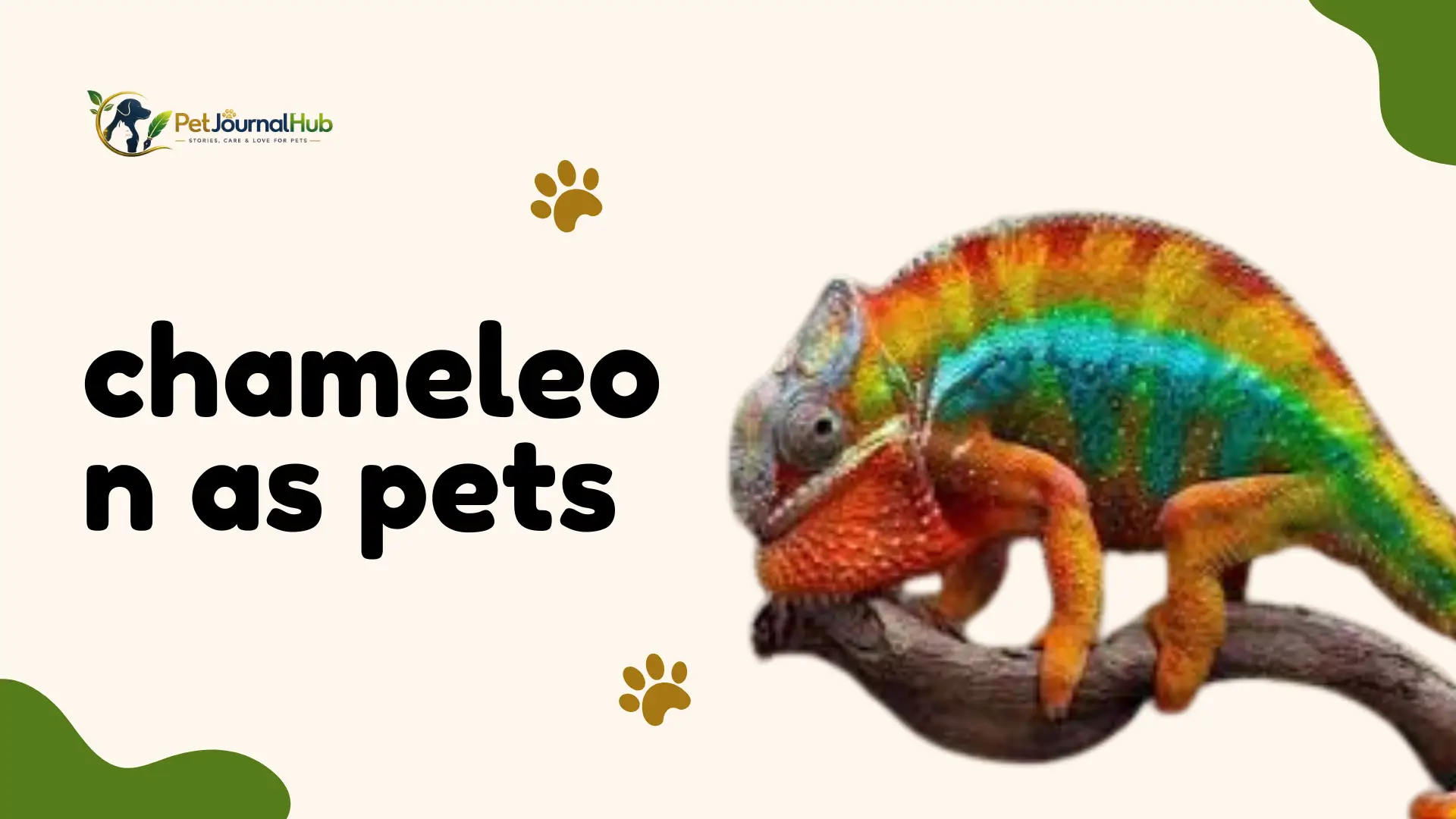
Chameleon as pets means keeping one of these color-changing lizards in a home enclosure with careful attention to humidity, UVB light, and diet. They’re not cuddly pets, but they’re fascinating to watch and can live 5–10 years with proper care. They’re best suited to owners who enjoy observing rather than handling their animals.
Key Takeaways
- Chameleons are low-handling, high-maintenance pets that need specific humidity, temperature, and lighting setups.
- Veiled chameleons are the most common starter species because they tolerate a wider range of conditions.
- They’re not a great fit for young children since chameleons stress easily and dislike being picked up.
- Expect ongoing costs for live insects, misting or drip systems, and UVB bulb replacements.
- A sick or stressed chameleon needs a reptile vet — home remedies can do real harm.
- This can vary depending on the species and your local climate, so always double-check setup details with a reptile-experienced vet or breeder.
Introduction
People search for chameleons as pets for a few different reasons. Some just watched a video of one changing color and got curious. Others are weighing a chameleon against a bearded dragon or gecko and want the real story before committing.
Chameleons have grown more visible on pet TikTok and reptile forums in recent years, and that visibility brings more first-time buyers into pet stores asking about them. That’s not always a good thing. Chameleons are one of the more delicate reptiles to keep, and a lot of new owners underestimate what they need.
This guide walks through what a chameleon as pets actually involves — the setup, the daily care, the cost, and the honest downsides — so you can decide if it’s the right pet for your home.
What Is Chameleon as Pets?
A pet chameleon is a lizard from the family Chamaeleonidae kept in a home terrarium instead of the wild. Most pet chameleons come from parts of Africa and Madagascar, and some species also live naturally in southern Europe and parts of Asia.
They’re known for three things: their independently moving eyes, their long sticky tongues used to catch insects, and their ability to shift color. That color change isn’t really about “blending in” the way movies suggest — it’s more tied to mood, temperature, and communicating with other chameleons.
The species most commonly sold in the US pet trade is the veiled chameleon, followed by panther chameleons and Jackson’s chameleons. Each has different care needs, so knowing the species matters more than knowing the general word “chameleon.”
Quick Facts Box
| Fact | Details |
| Lifespan | Around 5–8 years for veiled chameleons; some species live longer with good care |
| Adult Size | Roughly 12–24 inches depending on species (including tail) |
| Handling Level | Low — most chameleons tolerate little to no handling |
| Diet | Live insects (crickets, roaches, silkworms), gut-loaded and dusted with supplements |
| Enclosure Type | Tall, well-ventilated screen cage with live or artificial plants |
| Experience Level Needed | Beginner-to-intermediate, depending on species |
Key Characteristics and Care Needs
Chameleons need a very specific environment to stay healthy. Getting the humidity, temperature, and lighting wrong is the number one reason pet chameleons get sick.
They’re arboreal, which means they live in branches and foliage rather than on the ground. Their enclosures need to be tall, with plenty of climbing space and visual barriers so the chameleon feels secure.
Core care requirements include:
- UVB lighting for 10–12 hours a day to help calcium absorption
- Daytime temperatures in the mid-70s to low-80s°F, with a slightly warmer basking spot
- Humidity that’s misted or dripped multiple times a day, since most chameleons won’t drink from a standing water bowl
- A varied live-insect diet, dusted with calcium and vitamin supplements
- Minimal handling, since frequent contact can stress them out
Temperament varies by species and individual, but chameleons in general are solitary animals. They don’t need — or want — a cage mate, and housing two chameleons together usually causes stress and fighting.
Quick Comparison Snapshot
| Species | Best For | Key Difference |
| Veiled Chameleon | Beginners | Hardier, tolerates a wider humidity and temperature range |
| Panther Chameleon | Owners wanting bold color | More vivid coloring, needs more precise humidity control |
| Jackson’s Chameleon | Cooler climates | Prefers lower temps, has small “horns,” slower-paced care routine |
| Carpet Chameleon | Smaller space owners | Compact size, but more sensitive to husbandry mistakes |
Types of Chameleons as Pets
Different types of chameleons as pets include veiled, panther, and Jackson’s chameleons. Veiled chameleons are often recommended for beginners, while panther chameleons are popular for their vivid colors. Jackson’s chameleons have distinctive horns and need cooler conditions. Before choosing a chameleon as a pet, consider its lifespan, enclosure requirements, humidity, and feeding needs. Proper research and advice from a reptile-experienced veterinarian can help you select a species suited to your experience.
Can You Have Chameleons as Pets?
Yes, you can keep chameleons as pets in many places, provided local laws allow it and you can meet their specialized care needs. Before choosing one, research the available species, enclosure requirements, UVB lighting, humidity, and live-insect diet.
Different types of chameleons as pets include veiled, panther, and Jackson’s chameleons. A panther chameleon as a pet may appeal to owners who enjoy vibrant colors, while beginners often consider veiled chameleons because they are widely available. If you are wondering how long chameleons live as pets, their lifespan depends on the species, sex, and quality of care; some commonly kept species live around 5–8 years or longer.
Veiled Chameleon as Pets
Veiled chameleons are the most beginner-friendly chameleon species because they handle a broader range of temperature and humidity than most other types. They’re also widely available from reputable breeders, which makes it easier to find a healthy, well-started animal.
Adult males grow a tall casque, or helmet-shaped ridge, on their heads, which is one of their most recognizable features. Females are usually smaller and can lay eggs even without a male present, though those eggs won’t be fertile.
Because they’re more forgiving of small husbandry mistakes, most reptile keepers recommend veiled chameleons as the starting point if you’re new to the species. That doesn’t mean they’re low-maintenance overall — it just means the margin for error is a little wider.
Is a Chameleon a Good Pet for a Child?
Chameleons generally aren’t a good first pet for young children. They dislike handling, startle easily, and their care setup requires daily precision that’s tough for a child to manage alone.
That said, an older child or teen with a genuinely calm, careful approach — and a parent supervising the setup — can do well with one. The appeal for kids is usually watching, not touching, and that’s actually where chameleons shine. Their color changes and slow, deliberate movements make them interesting to observe from outside the enclosure.
If a child mainly wants a pet to hold and cuddle, a chameleon will likely disappoint both the kid and the animal. A gecko or a small mammal tends to be a better match for that kind of interaction.
Can I Have a Chameleon as a Pet?
In most US states, yes, you can legally keep a chameleon as a pet, but a few states and cities restrict certain reptile species. Rules can change, so it’s worth checking your state’s department of natural resources or fish and wildlife website before buying.
Beyond legality, ask yourself a few honest questions:
- Do you have space for a tall enclosure, ideally in a quiet room?
- Can you commit to misting or running a drip system daily?
- Are you comfortable feeding live insects regularly?
- Can you budget for a reptile vet if something goes wrong?
If the answer to most of these is yes, a chameleon can be a rewarding pet. If daily maintenance sounds like a stretch, it’s worth considering a lower-maintenance reptile instead.
Do Chameleons Bite?
Yes, chameleons can bite, though it’s uncommon and usually a last-resort stress response rather than aggression. Most bites happen when a chameleon feels cornered, over-handled, or mistakes a finger for food.
A chameleon bite is rarely dangerous to an adult, but it can pinch and may draw a little blood depending on the size of the animal. The bigger issue is usually what the bite is telling you — that the chameleon is stressed and needs less handling, not more.
Watching for warning signs like a gaping mouth, hissing, or a darkened, agitated color pattern can help you avoid getting bitten in the first place. Respecting those signals also keeps the chameleon calmer overall.
Chameleon Pet for Sale: What to Know Before You Buy
When looking for a chameleon pet for sale, a specialty reptile breeder is generally a safer choice than a big-box pet store. Breeders can usually tell you the exact age, feeding history, and health background of the animal, which matters a lot with a species this sensitive to stress.
Before buying, look for these signs of a healthy chameleon:
- Clear, alert eyes that move independently
- Steady grip and normal climbing behavior
- No visible mouth discharge or swelling
- Good body weight, not overly thin or bony
- Active response to movement nearby
Avoid buying a chameleon that seems lethargic, has sunken eyes, or is housed in an overcrowded tank with other chameleons. Those are red flags for stress or illness, even if the price looks appealing.
How to Take Care of a Chameleon for Beginners
Beginner chameleon care comes down to a consistent daily routine: proper lighting, regular misting, live food, and a calm, low-handling approach. Once the enclosure is set up correctly, the daily tasks become fairly predictable.
A typical daily and weekly routine looks like this:
- Turn on UVB and heat lighting each morning; turn off at night to maintain a natural cycle.
- Mist the enclosure 2–3 times a day, or run an automatic mister/dripper.
- Feed live insects daily for young chameleons, or every other day for adults.
- Dust insects with calcium powder most feedings, and a vitamin supplement a couple times a week.
- Check humidity and temperature with a gauge, adjusting misting frequency as needed.
- Do a weekly deep look at the enclosure for mold, uneaten insects, or plant health.
New owners often ask about handling. A short, gentle interaction once your chameleon is settled in is usually fine for most individuals, but always follow the animal’s body language. This can vary depending on the individual chameleon’s personality, so it’s best to go slowly and watch how your pet responds.
Chameleon Pet Price: What to Expect
A pet chameleon itself typically costs anywhere from $50 to a few hundred dollars depending on species, color morph, and breeder reputation, but the enclosure setup is usually the bigger expense. Ongoing costs also add up faster than many new owners expect.
Rough starting costs to plan for:
- Chameleon (species-dependent): $50–$300+
- Enclosure, screen cage, and stand: $100–$300
- UVB and heat lighting setup: $60–$150
- Misting or drip system: $30–$150
- Live plants, branches, and décor: $40–$100
- Ongoing feeder insects and supplements: $20–$40 per month
This can vary a lot depending on where you shop and whether you buy new or secondhand equipment. Reptile expos and specialty breeders sometimes offer better pricing on the animal itself than pet store chains.
Common Mistakes Pet Owners Make
Even well-meaning owners make setup mistakes that hurt a chameleon’s health over time. Catching these early makes a big difference.
Frequent mistakes include:
- Using a glass tank instead of a well-ventilated screen enclosure, which traps humidity and stale air
- Letting a chameleon drink only from a still water bowl, which many won’t recognize as water
- Skipping supplement dusting, which can lead to calcium deficiency
- Handling too often, which raises stress levels over time
- Housing two chameleons together, which almost always leads to fighting
Most of these mistakes come from treating a chameleon like a “starter reptile” without doing species-specific research first. A little extra reading before setup goes a long way.
Chameleon as Pets: Pros and Cons
Weighing the upsides against the real demands helps set expectations before you commit.
| Pros | Cons |
| Fascinating to watch, with unique color-changing behavior | Not a cuddly or handleable pet |
| Relatively quiet and doesn’t need a large floor footprint | Requires daily misting and precise humidity control |
| Can live several years with proper care | Live insect feeding isn’t for everyone |
| Interesting conversation piece and educational for older kids | Sensitive to husbandry mistakes and stress |
| No shedding mess like fur-bearing pets | Ongoing costs for feeders, lighting, and supplements |
Similar Species and Alternatives
If a chameleon doesn’t sound like quite the right fit, a few other reptiles offer some of the same appeal with different care demands.
| Option | Best For |
| Crested Gecko | Owners wanting easier humidity needs and more handling tolerance |
| Bearded Dragon | Owners who want a reptile that enjoys interaction and basking |
| Leopard Gecko | First-time reptile owners wanting lower humidity requirements |
| Day Gecko | Owners who like bright color but want a smaller, simpler setup |
When to Consult a Vet or Professional
Chameleons hide illness well, so subtle changes matter. Contact a reptile-experienced vet if you notice sunken eyes, refusal to eat for more than a couple of days, dark or unusual coloring that doesn’t resolve, swollen limbs, or lethargy.
Never try to diagnose or medicate a sick chameleon yourself. Reptile illnesses can progress quickly, and a licensed veterinarian who works with exotics is the safest source for treatment. If you’re unsure whether a symptom is urgent, it’s always better to call your vet’s office and ask than to wait it out.
Fun Facts
- A chameleon’s tongue can extend more than the length of its own body to catch prey.
- Each eye can move independently, letting a chameleon look at two different things at once.
- Color change is influenced by mood, temperature, and communication, not just camouflage.
- Many species have a prehensile tail that works almost like an extra hand for climbing.
- Female veiled chameleons can lay eggs even without mating, though those eggs aren’t fertile.
- Some chameleon species are native to Madagascar, which has an especially high diversity of chameleon types.
Frequently Asked Questions
Is a chameleon a good pet to have? It depends on what you’re looking for. Chameleons make great pets for people who enjoy observing an animal’s behavior and color changes rather than holding or playing with it. They’re less ideal if you want a reptile that actively enjoys interaction, since most chameleons prefer to be left alone in their enclosure most of the time.
Do chameleons like to be held? Most chameleons tolerate handling rather than enjoy it, and frequent handling tends to raise their stress levels. Some individuals become a bit more accustomed to brief, gentle contact over time, but this varies by species and personality. A chameleon that hisses, gapes its mouth, or darkens in color during handling is telling you to stop.
Is a chameleon aggressive? Chameleons aren’t typically aggressive toward people, but they are territorial toward other chameleons. Aggression toward humans is usually really a stress or defense response, not true aggressiveness. Keeping stress low through proper housing and gentle handling habits usually prevents defensive behavior like hissing or biting.
Can a chameleon be kept as a pet? Yes, chameleons are legally kept as pets in most of the US, though a few states or municipalities have restrictions worth checking first. Beyond legality, success really comes down to whether you can commit to their specific humidity, lighting, and feeding routine, since they’re less forgiving of care shortcuts than many other reptiles.
Final Thoughts
A pet chameleon isn’t a low-effort animal, but for the right owner, it’s a genuinely rewarding one. Watching a chameleon stalk an insect or shift color as its mood changes offers a kind of quiet fascination that few other pets provide.
The tradeoff is consistency. Chameleons need daily attention to humidity, lighting, and feeding, and they’re not the pet to choose if you want something to snuggle. If you’re drawn to their look but need more hands-on interaction, one of the alternative species above might suit your lifestyle better.
Take time to research your specific species, set up the enclosure correctly before bringing your chameleon home, and build a relationship with a reptile-savvy vet early. That groundwork makes the difference between a chameleon that merely survives and one that genuinely thrives in your care.

Daniel Brooks is a pet research writer at PetJournalHub. He specializes in pet behavior, product research, and responsible pet ownership. He focuses on delivering accurate, reader-friendly guides that help pet owners provide the best care for their animals.