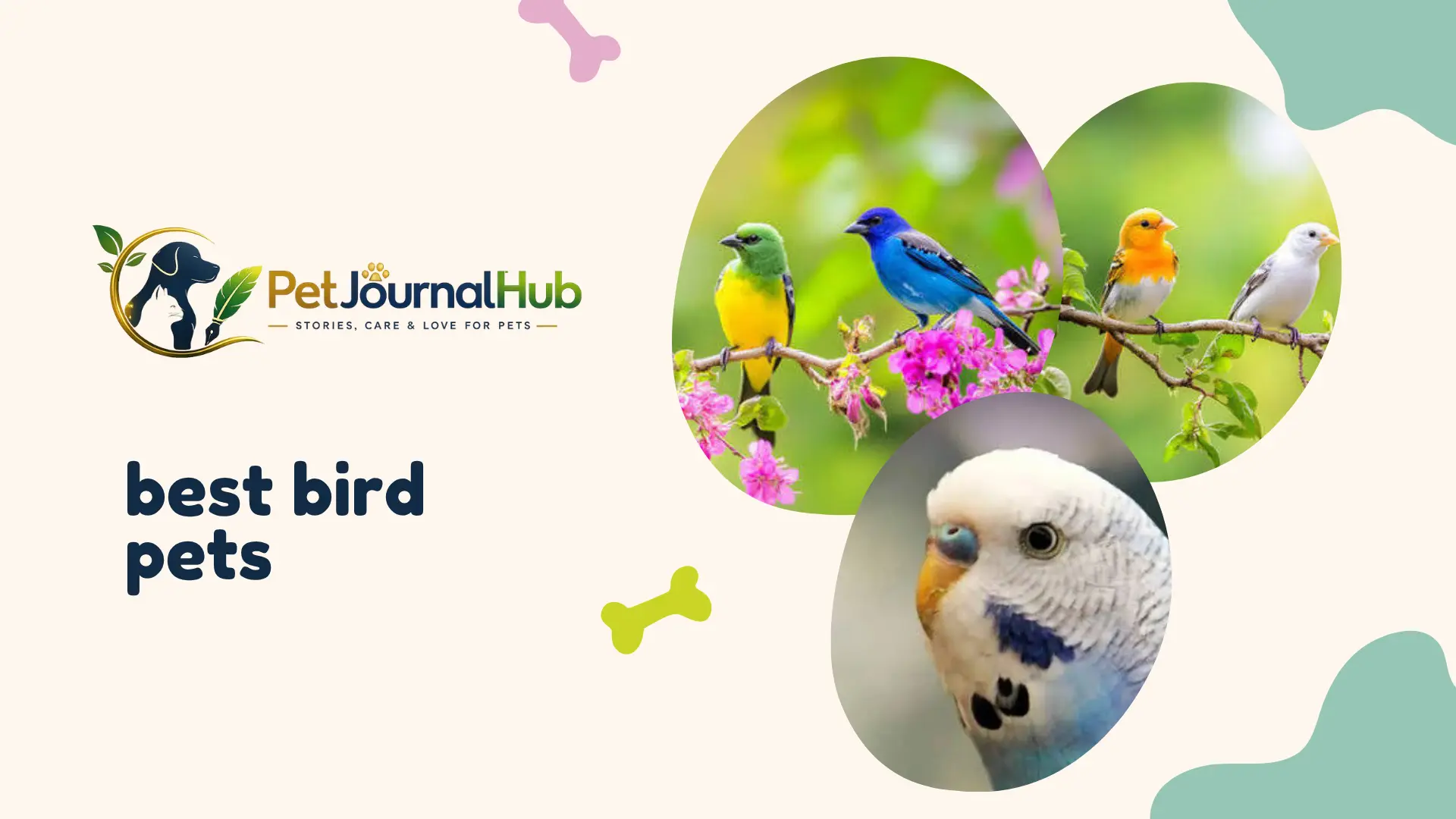
Best bird pets are companion birds suited to home life, chosen for temperament, size, noise level, and care needs. Popular picks include budgies, cockatiels, canaries, and African greys. The right choice depends on your space, experience level, and how much daily interaction you can offer.
Key Takeaways
- Budgies and cockatiels are the top picks for first-time bird owners.
- Canaries suit quiet homes since they don’t need much handling.
- African greys and macaws talk well but need advanced care and space.
- Bird costs include a cage, food, toys, and regular vet visits.
- Noise level and lifespan vary a lot by species, so match the bird to your lifestyle.
- Never choose a bird based on looks alone. Check its care needs first.
Introduction
Choosing a pet bird feels exciting, but it’s easy to get overwhelmed. Some birds live for decades. Others need hours of daily attention. A few are loud enough to test your neighbors’ patience.
That’s why so many pet owners search for the best bird pets before they commit. They want a bird that fits their home, not one they’ll struggle to manage. This guide walks through real options, from quiet canaries to chatty parrots.
Bird ownership has grown steadily as more people work from home and want low-shedding companions. Birds offer personality, color, and connection without needing daily walks. But each species comes with its own personality and demands.
This article covers care needs, costs, common mistakes, and honest comparisons. By the end, you’ll know which bird actually fits your life, not just your Pinterest board.
What Are the Best Bird Pets?
The best bird pets are species known for adapting well to home environments and human interaction. This includes budgerigars (budgies), cockatiels, canaries, lovebirds, conures, African grey parrots, and macaws.
Each species differs in size, sound, and social needs. Budgies and cockatiels are small and social, making them common starter birds. Canaries are quieter and more independent, so they suit owners who enjoy watching rather than handling.
Larger parrots, like African greys and macaws, are intelligent and can bond closely with their owners. But they also live 40 to 60 years in some cases, and need serious daily enrichment. This can vary depending on the species and individual bird, so it’s worth researching thoroughly before adopting one.
Quick Facts Box
| Fact | Details |
| Common starter birds | Budgies, cockatiels |
| Quietest common pet bird | Canary |
| Longest-living common pet birds | African greys, macaws (decades) |
| Best talkers | African greys, budgies, Indian ringnecks |
| Typical starter setup cost | Cage, perches, toys, food dishes |
| Average lifespan range | 5–60+ years depending on species |
Key Characteristics and Care Needs
Bird temperament and care needs shift a lot by species, so there’s no one-size-fits-all answer. Smaller birds like budgies need daily social time but less space. Larger parrots need bigger cages, more toys, and mental stimulation to avoid stress behaviors like feather plucking.
Diet also varies. Most pet birds need a base of formulated pellets, along with fresh vegetables and limited seeds. Seed-only diets are a common mistake, since they lack balanced nutrition. Check the product label or ask your vet for species-specific guidance.
Noise level matters too. Cockatiels chirp and whistle. Macaws and cockatoos can be very loud, especially in the morning and evening. If you live in an apartment, this is worth thinking through before you bring a bird home.
Grooming needs are lighter than most mammals, but birds still need regular nail trims, occasional wing checks, and clean cages. Bathing preferences vary, with some birds loving a light misting and others avoiding water entirely.
Quick Comparison Snapshot
| Option | Best For | Key Difference |
| Budgie | First-time owners | Small, social, easiest care |
| Cockatiel | Families wanting interaction | Friendly, moderately vocal |
| Canary | Quiet homes | Low handling, pleasant song |
| African Grey | Experienced owners | High intelligence, strong talker |
How to Choose the Best Pet Bird for Your Home
If you’re asking what are the best birds for pets, start with your lifestyle rather than appearance. Budgies and cockatiels can suit first-time owners, while canaries are better for people who prefer watching rather than handling. Larger parrots may require more space, attention, and long-term commitment.
When comparing the best pet birds, consider four things: cage space, noise level, daily interaction, and care experience. If you are new to bird ownership, best pet birds for beginners often include budgies, cockatiels, and canaries.
For owners looking for the best birds to have as pets, the right choice depends on how much time and interaction they can provide. Someone wanting a talking companion may consider species known for speech, while someone in a quieter home may prefer a less vocal bird.
There is no single best pet bird for every household. The best bird to have as a pet is one whose care needs, personality, and activity level match your home and daily routine.
Best Birds for Pets
When people search for the best birds for pets in general, they usually want a well-rounded companion. Budgies, cockatiels, lovebirds, and conures fit this description well. They’re social, colorful, and manageable in a typical home.
These birds don’t need constant handling, but they do best with daily interaction. A bird left alone in a cage all day, with no toys or attention, can become stressed or destructive. Rotating toys and offering out-of-cage time helps keep them mentally healthy.
Diet, cage size, and companionship needs still vary between these species. Lovebirds, for example, can be more territorial than budgies. It’s worth reading species-specific care guides before choosing.
Best Pet Birds for Beginners
Beginners usually do best with budgies or cockatiels. Both species are small, affordable to feed, and forgiving if you’re still learning bird body language.
Budgies are ideal if you want a low-maintenance, budget-friendly bird. They’re easy to house and can learn simple words or tricks with patience. Cockatiels are slightly larger and known for their affectionate, easygoing nature.
Canaries also suit beginners who prefer a bird they can enjoy without much hands-on handling. They’re content with a well-stocked cage and consistent routine. This makes them a good fit for people who want bird companionship without daily physical interaction.
Avoid starting with large parrots like macaws or cockatoos. These birds need experienced handling, more space, and a serious long-term commitment.
Top 10 Best Bird Pets
Here’s a quick-scan list of widely kept pet birds, ranked loosely by popularity and ease of care:
- Budgerigar (budgie)
- Cockatiel
- Canary
- Lovebird
- Green-cheeked conure
- Indian ringneck parakeet
- African grey parrot
- Quaker parrot
- Cockatoo
- Macaw
This list moves from easier, smaller birds toward larger, more demanding species. Your ideal pick depends on experience level, home size, and how much daily time you can give.
Best Bird Pets for Home
Home setup matters just as much as species choice. Smaller birds like budgies and canaries fit well in apartments or smaller homes, since their cages take up less space and their noise levels are manageable.
Larger birds need more than just a bigger cage. They need room to stretch their wings, climb, and play outside the cage daily. If your home is small or shared with close neighbors, a large parrot may not be the right fit.
Households with young kids or other pets should also think about placement. Cages should sit away from drafts, direct sun, and kitchen fumes, since birds have sensitive respiratory systems.
Best Birds for Pets That Talk
Not all pet birds talk, and among those that do, ability varies a lot by individual, not just species. African greys are widely known for large vocabularies and clear speech. Budgies, despite their small size, can also become surprisingly good talkers.
Indian ringnecks and Quaker parrots are other species known for picking up words and phrases. Talking ability often depends on consistent, patient interaction rather than the bird alone. Some birds in the same species never talk much at all.
If talking is a top priority, ask breeders or rescues about a specific bird’s personality rather than relying only on species reputation.
Best Pet Birds That Like to Be Handled
Handleable, hands-on birds include cockatiels, lovebirds, and many conures. These species often enjoy sitting on a shoulder or being gently petted once they trust their owner.
Trust takes time to build. A bird’s individual history matters here too. A rescue bird with a rough past may need more patience before it warms up to handling.
Canaries and finches are the opposite. They generally prefer to be watched, not held, and can become stressed with frequent handling. Matching your desire for physical interaction to the right species saves frustration for both of you.
Daily Care Routine and How to Get Started
Getting started with a pet bird means setting up the right space before bringing one home. Here’s a simple starting routine:
- Set up a cage sized for the species, with room to spread wings fully.
- Add perches of different widths to support healthy feet.
- Offer fresh water and a balanced pellet-based diet daily.
- Include a rotating mix of toys for mental stimulation.
- Schedule daily out-of-cage time in a bird-safe room.
- Clean food dishes and cage liners on a regular schedule.
Once your bird settles in, build a consistent daily rhythm. Birds do well with routine, since sudden changes can cause stress. Talk to your bird often, even during simple tasks like cleaning, to build trust over time.
Cost Breakdown
Bird ownership costs vary a lot by species and setup. Smaller birds are generally more affordable to start and maintain than large parrots.
| Expense | Approximate Range |
| Bird purchase or adoption | Varies widely by species and source |
| Cage and setup | One-time cost, higher for larger birds |
| Food and treats | Ongoing monthly cost |
| Toys and enrichment | Ongoing, smaller recurring cost |
| Vet checkups | Periodic, varies by location and provider |
These figures can shift based on your region and the specific bird, so it’s best to get quotes from local pet stores, breeders, or avian vets before budgeting.
Common Mistakes Pet Owners Make
Many bird owners run into the same avoidable issues. Here are the most common ones:
- Choosing a bird based on looks instead of care needs
- Feeding a seed-only diet without pellets or vegetables
- Skipping daily out-of-cage time
- Placing cages in drafty areas or direct sunlight
- Underestimating noise levels before bringing a bird home
- Ignoring early signs of feather plucking or stress
Most of these mistakes come from rushing the decision. Taking time to research a species’ real needs prevents most problems down the line.
Pros and Cons
| Pros | Cons |
| Long lifespan with strong bonding potential | Some species live 40+ years, a long commitment |
| Lower shedding than many mammals | Noise levels can be high in some species |
| Wide range of personalities and sizes | Diet and enrichment needs are easy to get wrong |
| Many species learn tricks or words | Vet care requires an avian-specific vet |
Similar Bird Pets and Alternatives
If the birds above don’t feel like the right fit, these alternatives are worth researching too.
| Option | Best For |
| Finches | Owners who want a bird to watch, not handle |
| Parrotlets | Small-space homes wanting a bold personality |
| Quaker parrots | Owners wanting talking ability in a mid-size bird |
| Senegal parrots | Quieter alternative to larger parrot species |
Each of these fits a slightly different lifestyle than the birds covered earlier, so it’s worth comparing based on noise tolerance, space, and handling preference.
When to Consult a Vet or Professional
Any change in a bird’s eating, breathing, droppings, or feathers deserves a vet visit. Birds are prey animals, so they often hide illness until it becomes serious.
Find an avian-specific veterinarian before you need one, since not all general vets treat birds. Schedule a wellness check soon after adoption, even if your bird seems healthy.
Never attempt to diagnose or medicate your bird based on internet advice. Always confirm any health or dietary concern with a licensed veterinarian.
Fun Facts
- Budgies are native to Australia and live in large wild flocks.
- African greys are known for strong problem-solving skills.
- Some parrots can live longer than their human owners.
- Canaries were historically used in coal mines to detect gas.
- Cockatiels are part of the cockatoo family, despite their small size.
- Many parrot species mate for life in the wild.
- A bird’s beak grows continuously throughout its life.
Frequently Asked Questions
What are the best birds to keep as pets? The best pet birds depend on your experience and home setup. Budgies, cockatiels, and canaries are common, well-suited choices for most households. Larger parrots like African greys can also make great pets, but they need more space, time, and long-term commitment. Matching a bird’s needs to your lifestyle matters more than picking the most popular species.
What is the best pet bird for beginners? Budgies are often considered the best pet bird for beginners because of their small size, affordable care, and social nature. Cockatiels are a close second, known for being gentle and easy to bond with. Both species are forgiving for owners still learning bird body language and daily routines.
What is the friendliest pet bird? Cockatiels and lovebirds are often described as especially friendly, enjoying close contact once they trust their owner. Friendliness also depends heavily on the individual bird’s upbringing and socialization, not just species. A hand-raised bird is often more comfortable with people than one with limited early handling.
What is the easiest bird to take care of? Canaries are among the easiest pet birds to care for since they need minimal handling and a simple daily routine. Budgies are a close second, requiring modest space and an approachable diet. Easier care doesn’t mean no care, though — daily food, water, and cage cleaning are still essential.
What is the best bird for a first-time owner? For a first-time owner, budgies offer the best balance of low cost, manageable size, and social behavior. Cockatiels work well too, especially for owners wanting a bit more interaction. Starting with a smaller, well-documented species helps new owners build confidence before considering larger, more demanding birds.
Final Thoughts
Picking the right pet bird comes down to matching a species’ real needs to your daily life, not just its color or size. Quiet homes do well with canaries. Social households often thrive with budgies or cockatiels. Experienced owners ready for a decades-long commitment might consider African greys or macaws.
Whatever you choose, give your bird proper space, a balanced diet, and daily attention. A well-cared-for bird can become one of the most rewarding companions you’ll ever have, offering personality, connection, and color for years to come.

Daniel Brooks is a pet research writer at PetJournalHub. He specializes in pet behavior, product research, and responsible pet ownership. He focuses on delivering accurate, reader-friendly guides that help pet owners provide the best care for their animals.