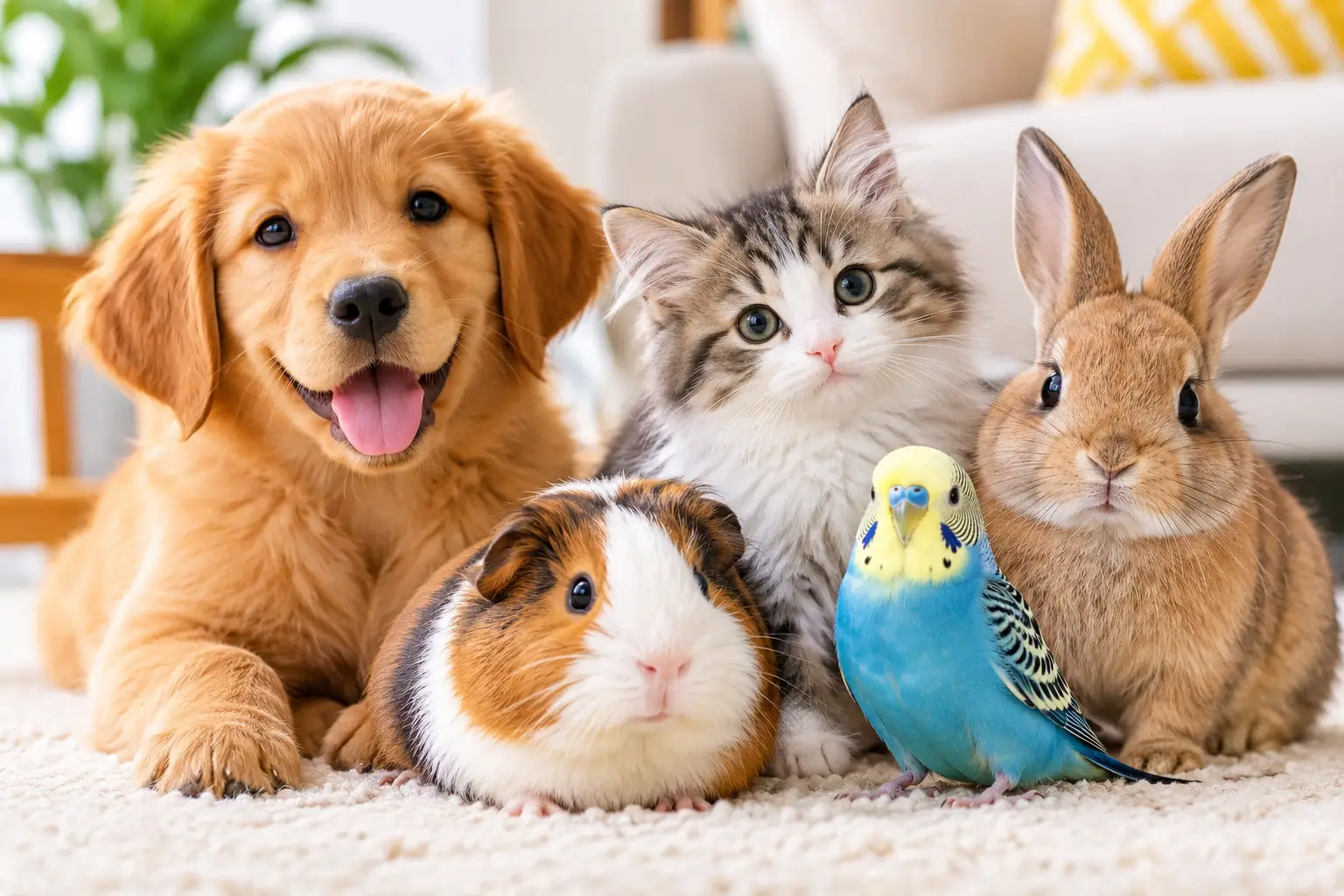
Pretty pets are animals that look healthy, well-groomed, and cared for — a shiny coat, bright eyes, and clean ears often say more about daily care than genetics. Any pet, from a mixed-breed dog to a plain tabby cat, can become a “pretty pet” with the right grooming routine and consistent attention.
Key Takeaways
- Looking good usually means being healthy — diet, grooming, and vet visits all show up in a pet’s coat and posture.
- Pretty pets isn’t one breed or species. It applies to dogs, cats, rabbits, and more.
- Best for owners who want a simple, repeatable grooming and care routine.
- Costs range from a few dollars a month for basic tools to $50–$100+ per professional grooming visit.
- Never skip vet checkups for the sake of appearance. Skin, coat, and weight changes can signal health issues.
Introduction
Type “pretty pets” into Google and you’ll get a mix of results. Some people want cute animal photos. Others are searching for a grooming salon. Some just want to know how to make their own dog or cat look its best.
This guide covers the real, practical side. What actually makes a pet look healthy and well cared for? It’s rarely about breed alone. It’s about food, grooming habits, and regular vet care working together.
Pet grooming searches have grown steadily over the past several years, and mobile grooming and at-home grooming kits have become more common. Owners want their pets to look good, but most also want to do it safely and affordably.
This article walks through the basics: what “pretty pets” really means, how to build a care routine, what it costs, common mistakes, and when a vet visit matters more than a bath.
What Does “Pretty Pets” Mean?
“Pretty pets” usually refers to animals with a clean, healthy, well-groomed appearance rather than one specific breed. The term gets used loosely across social media, pet stores, and grooming businesses.
For most owners, a pretty pet has a shiny coat, trimmed nails, clean teeth, and clear eyes. These are all signs of good daily care, not just good luck.
Some searches for “pretty pets” also point to unrelated things — like a grooming business with that name, or a mobile game. This guide focuses on real pet care, since that’s what most owners actually need help with.
Quick Facts Box
| Fact | Details |
| Applies to | Dogs, cats, rabbits, and other common household pets |
| Main factors | Diet, grooming frequency, coat type, overall health |
| Grooming cost | Roughly $30–$100+ per professional visit, varies by pet size and coat |
| DIY option | Brushing, bathing, and nail trims at home with basic tools |
| Vet involvement | Needed for skin issues, unusual shedding, or weight changes |
| Best starting point | A weekly brushing routine, matched to your pet’s coat type |
Key Characteristics and Care Needs
A pet’s looks come from a mix of genetics and daily habits. You can’t change genetics, but you can absolutely improve care.
Coat health depends on nutrition. A dull, flaky coat often means the diet needs a closer look, ideally with a vet’s input. Regular brushing also spreads natural oils through the fur, which adds shine.
Skin matters just as much as fur. Dry or itchy skin can make even a well-fed pet look scruffy. This is one of the top reasons vets recommend keeping bath frequency in check — too many baths can strip natural oils.
Nail length affects both looks and comfort. Long nails can change how a dog or cat walks, and they’re one of the easiest things to manage with a regular trim schedule.
Dental health rounds out the picture. Clean teeth and fresh breath aren’t just about looks — they’re tied to overall pet health, according to veterinary sources like the American Veterinary Medical Association.
Quick Comparison Snapshot
| Option | Best For | Key Difference |
| At-home grooming kit | Budget-conscious owners with short-coated pets | Lower cost, more time and effort required |
| Professional grooming salon | Long-haired or double-coated breeds | Higher cost, expert handling and tools |
| Mobile grooming service | Busy owners or anxious pets | Convenience, usually priced higher than in-store |
| Self-serve pet wash stations | Owners who want help without full service | Mid-range cost, you do the work with better equipment |
Cute Pets to Buy
If you’re looking for a “pretty pet” to bring home, adoption is worth considering before buying. Shelters and rescues often have healthy, good-looking animals of every coat type and size.
If you do go through a breeder, choose one who focuses on health testing, not just appearance. A responsible breeder will happily show you health records and let you meet the puppy’s or kitten’s parents.
Avoid impulse buys from pet stores or online listings that can’t answer basic health questions. A pet’s long-term looks and health depend heavily on how it was bred and raised early on.
Pretty Pets Grooming Salon
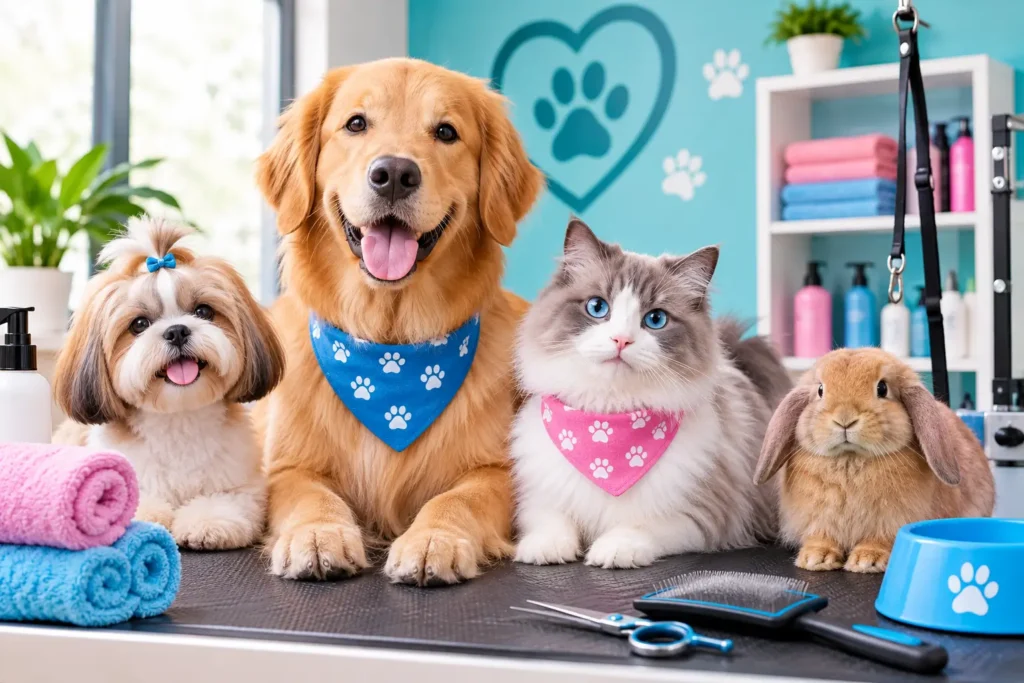
Some searches for “pretty pets” are actually looking for a grooming business by that name. We don’t have verified details on any specific salon, so we can’t speak to a particular company’s services or pricing.
What we can say generally: a good grooming salon, whatever it’s called, should show you clean equipment, ask about your pet’s health history, and never rush a nervous animal. Read recent reviews and ask if you can tour the facility before booking.
Cute Pets for Kids
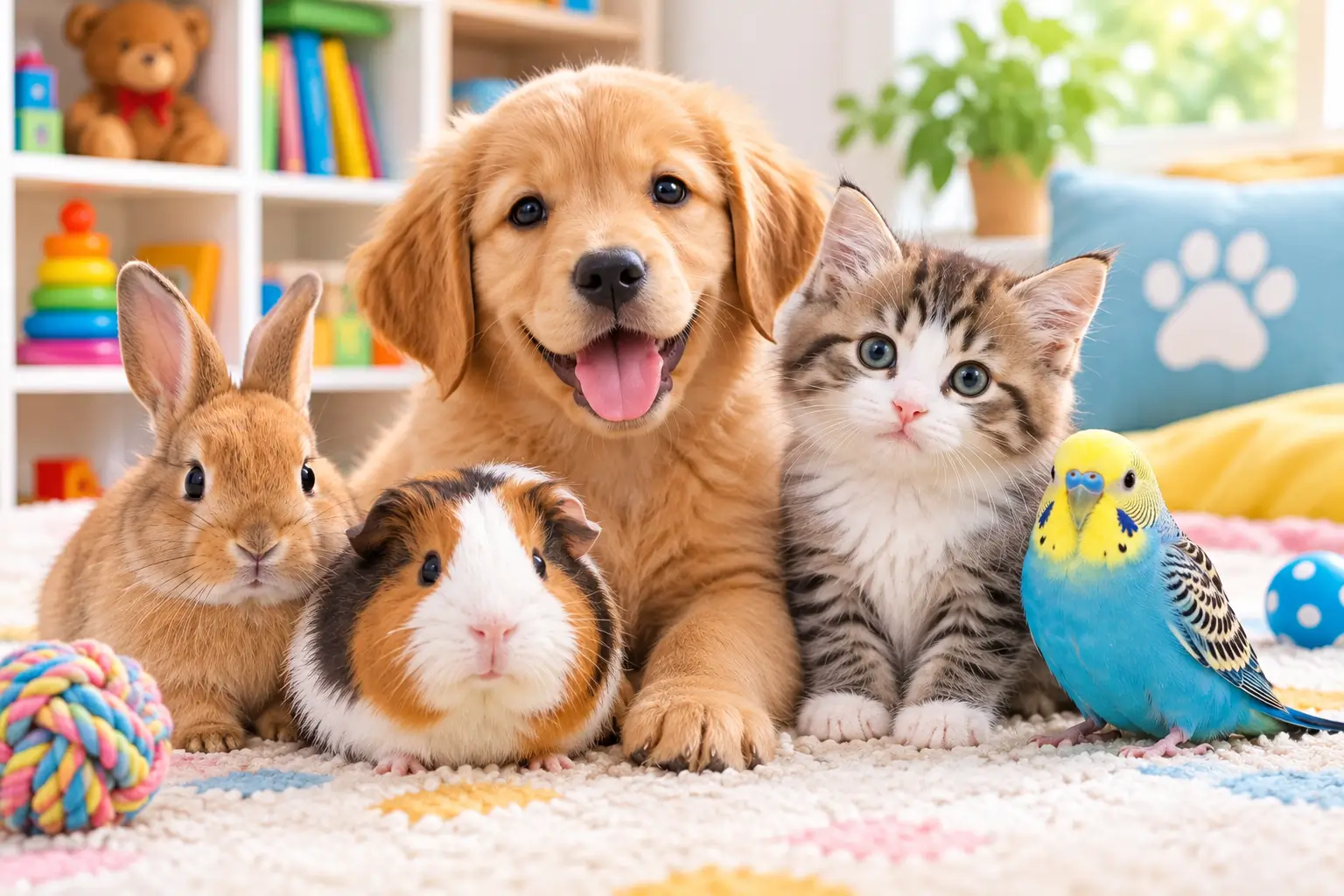
Families often want a pet that’s both good-looking and easygoing with children. Coat type matters here — low-shedding breeds can mean less mess, though no pet is fully allergy-proof.
Temperament matters more than looks for households with kids. A calm, patient pet will hold up better to enthusiastic petting than a high-strung one, regardless of how photogenic it is.
Always supervise young kids around any pet, and teach gentle handling early. This protects both the child and the animal, and it keeps grooming sessions calmer as the pet grows used to being touched.
Cute Pets Cartoon
Cartoon and illustrated pets show up a lot in searches tied to “pretty pets,” usually from people looking for artwork, stickers, or kids’ content rather than care advice.
We’re a pet care site, so we won’t dive into art tutorials here. If you’re after cartoon-style pet drawings, dedicated art and design communities will serve you far better than a pet care guide.
Cute Pets Drawing
Similarly, some searchers want step-by-step drawing guides for cute animals. That’s a great creative hobby, but it’s outside what a pet care resource like this one can responsibly cover.
If you’re drawing your own pet from a photo, good lighting and a clear side profile shot usually make the best reference image — that’s about the extent of our expertise here.
Cute Animals
“Cute animals” is a broader search than “pretty pets” and often includes wildlife, not just household companions. It’s worth knowing the difference before you go looking for care tips.
Wild animals, even adorable ones, aren’t pets and shouldn’t be treated like them. If your interest is wildlife photography or general animal appreciation, that’s a different topic than the grooming and care advice in this guide.
Cute Pets Name
Choosing a name doesn’t affect how a pet looks, but it’s part of the excitement of bringing one home. Short names, one or two syllables, tend to be easier for pets to learn quickly.
Avoid names that sound like common commands, such as “Kit” sounding close to “sit.” This can slow down training and cause confusion during those early weeks.
Cute Pets Adopt Me
If this term brought you here, you might be looking for the Adopt Me! game rather than real pet adoption — that’s a different topic entirely, and not something this guide covers.
If you’re interested in real pet adoption, local shelters and rescue groups are the best place to start. Many list adoptable pets online with photos and temperament notes, so you can find a good match before visiting in person.
Daily Care Routine for a Pretty, Healthy Pet
A simple, repeatable routine makes the biggest difference over time. Here’s a basic weekly structure that works for most dogs and cats:
- Brushing: 2–5 times a week, more often for long-haired pets.
- Bathing: Every 4–6 weeks for most dogs, less often for cats, unless a vet recommends otherwise.
- Nail trims: Every 3–4 weeks, or when you hear nails clicking on the floor.
- Teeth brushing: A few times a week with pet-safe toothpaste.
- Ear checks: Weekly, especially for floppy-eared breeds prone to buildup.
Stick to this routine and adjust the frequency based on your specific pet’s coat and skin needs. This can vary depending on breed and individual sensitivity, so it’s best to confirm details with your vet or groomer.
Cost Breakdown
Grooming costs vary a lot depending on pet size, coat type, and where you live. Here’s a rough range based on common pricing:
- Basic grooming tools: $15–$40 one-time cost (brush, nail clippers, shampoo).
- Professional grooming visit: $30–$100+, depending on size and coat.
- Mobile grooming service: Often $10–$30 more than in-salon pricing.
- Routine vet checkups: $50–$100+ per visit, varies by location and clinic.
These are general estimates. Actual pricing depends heavily on your area and your pet’s specific needs, so it’s worth calling around for quotes.
Common Mistakes Pet Owners Make
Over-bathing is one of the most common mistakes. It can strip natural oils and lead to dry, flaky skin, which works against the “pretty pet” look owners are going for.
Skipping nail trims is another frequent issue. Long nails don’t just look messy — they can also change a pet’s gait and cause joint strain over time.
Some owners also choose grooming products made for a different species. Human shampoo, for example, isn’t formulated for a dog’s or cat’s skin pH and can cause irritation.
Finally, many people focus only on looks and skip regular vet visits. A shiny coat can sometimes mask an underlying issue that only a vet checkup would catch.
Pros and Cons of Focusing on Pet Grooming and Appearance
| Pros | Cons |
| Often reflects good overall health | Can become costly if done exclusively at salons |
| Builds a bonding routine with your pet | Over-grooming can irritate skin if overdone |
| Easier to spot health changes early | Time-consuming for long-haired breeds |
| Improves comfort (clean ears, short nails) | Some pets need gradual training to tolerate grooming |
Similar Options and Alternatives
| Option | Best For |
| DIY grooming with online tutorials | Owners on a budget who enjoy hands-on pet care |
| Subscription grooming boxes | People who want curated tools delivered regularly |
| Local pet grooming schools (student rates) | Owners open to lower-cost, supervised grooming |
| Vet-recommended dermatology clinics | Pets with ongoing skin or coat issues |
When to Consult a Vet or Professional
See a vet if you notice sudden hair loss, persistent scratching, or a change in coat texture that grooming alone doesn’t fix. These can point to allergies, parasites, or other health conditions.
A professional groomer can help with matting, especially on long-haired breeds, but severe mats close to the skin should be handled carefully to avoid injury. Ask your groomer or vet before attempting to cut out mats yourself.
Never attempt to diagnose or treat a skin condition on your own. A licensed veterinarian is the right person to confirm what’s going on and recommend safe treatment.
Fun Facts
- Cats spend a large portion of their day grooming themselves, according to veterinary behavior sources.
- A dog’s sense of smell means grooming products with strong fragrances can be overwhelming for them.
- Double-coated breeds shed seasonally, a process often called “blowing coat.”
- Regular brushing can reduce shedding around the house, not just improve appearance.
- Nail color can sometimes make it harder to see the quick, so light-colored nails are often easier to trim safely at home.
Frequently Asked Questions
What are the top 10 cutest pets? “Cutest” is subjective and varies by personal taste, so there’s no single official ranking. Popular picks across surveys and social media tend to include dogs like Golden Retrievers and Corgis, cats like Ragdolls, plus rabbits, hedgehogs, and guinea pigs. Coat texture, face shape, and size all play into what people find appealing. Rather than chasing a specific “cutest” list, it’s more useful to pick a pet whose energy level and care needs match your lifestyle — a good match usually looks better and lives happier long-term than any pet picked for looks alone.
How much do you tip a $70 dog groomer? Tipping for pet grooming generally follows service-industry norms, often around 15–20% of the total bill. On a $70 grooming visit, that works out to roughly $10–$14. This can vary depending on your region, the groomer’s experience, and how complex the visit was — a difficult, matted coat may warrant a higher tip than a routine trim. If you’re unsure, it’s fine to ask the salon directly what’s customary in your area.
What does FFF mean in dog grooming? FFF commonly stands for “Face, Feet, and Fanny” (or “Face, Feet, and Sanitary”) in dog grooming. It refers to a quick touch-up trim focused on those three areas without doing a full-body groom. Groomers often offer FFF as an add-on between full grooming appointments, since these spots tend to get messy or overgrown faster than the rest of the coat. It’s a budget-friendly way to keep a dog looking tidy without paying for a complete grooming session every time.
What are the red flags for dog grooming? Watch for groomers who won’t let you see the grooming area, seem rushed with anxious pets, or use excessive restraint. Unclean tools, strong chemical smells, or reluctance to answer questions about their process are also warning signs. A trustworthy groomer will explain their approach, ask about your dog’s temperament and health history, and stay calm with nervous pets rather than forcing the session. If your dog comes home with cuts, mats missed, or seems unusually stressed afterward, it’s worth reconsidering that provider.
Is it normal for a pet’s coat to change with the seasons? Yes, many pets shed more heavily in spring and fall as they adjust to temperature changes. This is normal and usually not a sign of a problem, though sudden or patchy hair loss outside these periods is worth mentioning to a vet.
Final Thoughts
A pretty pet isn’t about a specific breed or a lucky roll of genetics. It comes down to steady care — brushing, feeding well, and paying attention when something looks off.
Start small. Pick one part of the routine, like weekly brushing, and build from there. Your pet’s coat and comfort will likely improve within a few weeks.
And remember, looks are often just the visible sign of good health underneath. When in doubt about a skin, coat, or weight change, a vet visit will tell you more than any grooming product ever could.

Emily Carter is a pet care writer at PetJournalHub. She enjoys creating clear, practical, and well-researched articles about pet health, nutrition, grooming, and everyday care. Her goal is to help pet owners make informed decisions through reliable, easy-to-understand content.