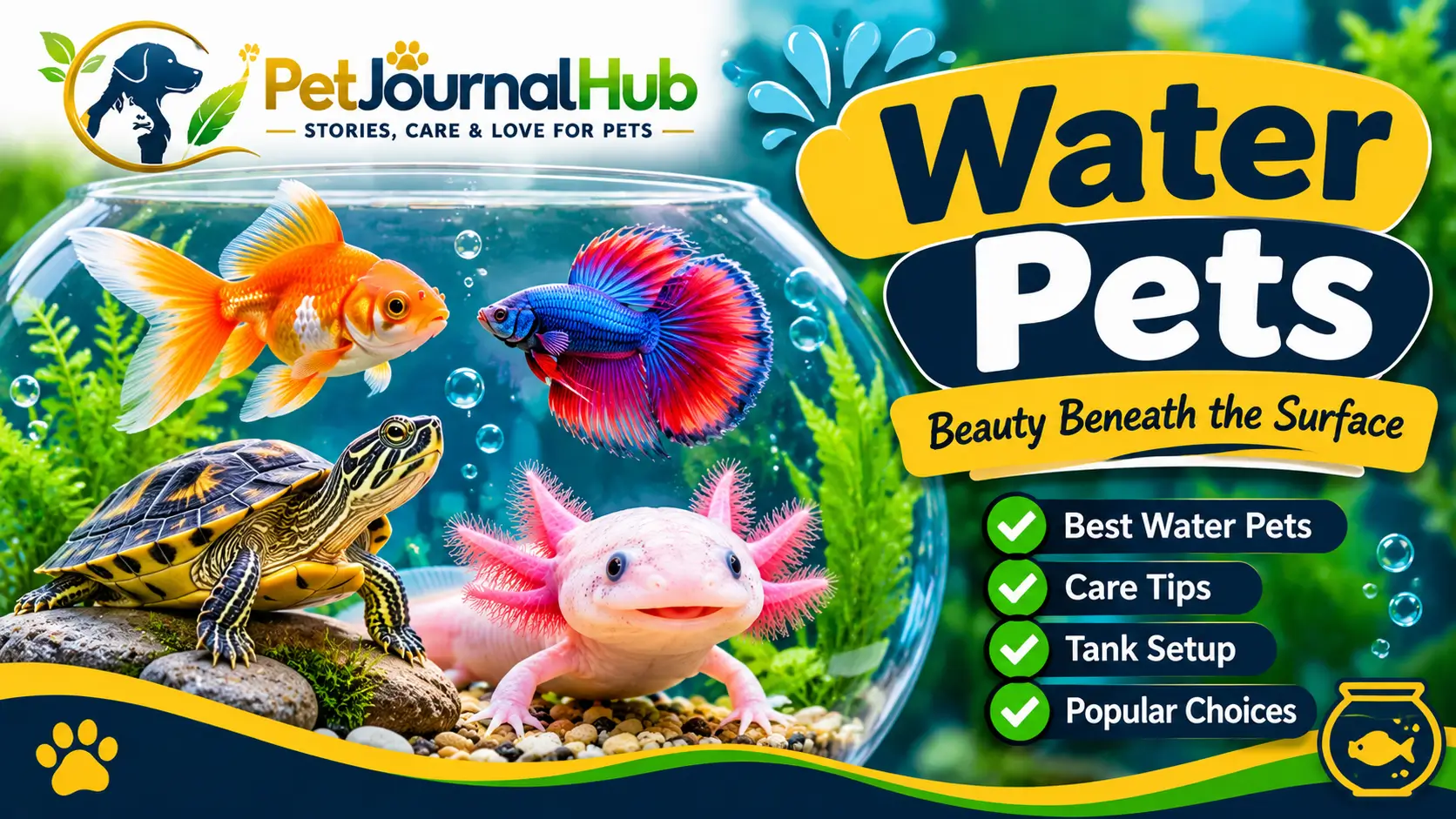
Exotic animals kept as pets include reptiles, amphibians, birds, and small mammals that people do not usually consider traditional household pets. Some species can thrive in captivity with proper care. However, wild animals such as big cats, monkeys, and venomous snakes often have needs and risks that make private ownership unsuitable. Before choosing an exotic pet, check local laws, research its welfare needs, and find a veterinarian experienced with the species.
Key Takeaways
- Some nontraditional pets, including crested geckos, bearded dragons, and certain frogs, may suit well-prepared beginners.
- Every species needs suitable housing, nutrition, temperature control, enrichment, and veterinary care.
- Captive-bred animals are not automatically tame, safe, or easy to maintain.
- Ownership laws, import restrictions, and permit requirements vary by location.
- Never buy wildlife simply because it looks cute or appears easy to handle online.
- If you can no longer care for an exotic pet, contact a qualified rescue or wildlife authority instead of releasing it outdoors.
Introduction
An unusual pet can bring a fascinating new experience into your home. For example, a colorful gecko may appeal to reptile enthusiasts, while a parrot can interest people who enjoy observing intelligent and social birds. However, these animals often have needs that differ considerably from those of dogs and cats.
People researching exotic animals as pets usually want to know which species are suitable for beginners, how much care they require, and whether ownership is legal. These questions deserve careful consideration because choosing a pet involves much more than its appearance.
Some exotic animals have lived in human care for generations. Others remain wild animals with complex behavioral, dietary, and environmental requirements. Even a small animal may need a carefully controlled habitat, specialized food, and regular veterinary examinations.
Online videos can also create unrealistic expectations. An animal that appears calm in a short clip may become stressed by frequent handling. In addition, some species need large enclosures, live for many years, or require expensive medical care.
This guide explains different types of exotic pets, their care requirements, potential costs, and important ownership risks. Ultimately, the goal is to help you choose an animal whose needs you can meet throughout its life.
What Are Exotic Animals as Pets?
Exotic pets are animals outside the usual household-pet category. However, the exact definition varies by location and organization. The term commonly includes certain reptiles, amphibians, birds, small mammals, and invertebrates.
Examples include:
- Reptiles: Bearded dragons, crested geckos, and ball pythons.
- Amphibians: African dwarf frogs and White’s tree frogs.
- Birds: Cockatiels, budgerigars, and certain finches.
- Small mammals: Chinchillas, degus, and sugar gliders.
- Invertebrates: Captive-bred stick insects and selected species kept by experienced hobbyists.
Nevertheless, not every unusual animal belongs in a private home. Tigers, monkeys, wild-caught foxes, and many other wild species have specialized needs that ordinary households cannot adequately meet.
Animal welfare organizations, including the American Society for the Prevention of Cruelty to Animals (ASPCA), emphasize the importance of responsible animal care. Therefore, prospective owners should consider an animal’s origin, natural behavior, welfare requirements, and suitability for captivity before making a decision.
Quick Facts About Exotic Pets
| Factor | What to Know |
|---|---|
| Main animal groups | Reptiles, amphibians, birds, small mammals, and invertebrates |
| Best starting point | A legal species with well-documented care requirements |
| Main responsibilities | Housing, nutrition, enrichment, hygiene, and veterinary support |
| Common challenge | Specialized temperature, humidity, lighting, or social needs |
| Potential health concerns | Some species carry germs that can spread to people |
| Legal requirements | Vary by country, state, province, and city |
| Before adoption | Prepare the habitat and locate an experienced veterinarian |
Where Do Exotic Pets Come From?
Exotic pets may come from established captive-breeding programs, specialist breeders, rescue organizations, or wildlife trade networks. Their source matters because it can affect animal welfare, conservation, health, and legal status.
Captive breeding can reduce demand for wild-caught animals. However, it does not automatically guarantee responsible breeding or good living conditions. Some sellers may also lack reliable information about an animal’s age, health, parentage, or origin.
Before buying an exotic pet, ask the seller for documentation showing where the animal came from. For protected species, check whether ownership, transport, or international trade requires special permits.
In addition, avoid sellers who cannot identify the species, refuse to answer questions, or pressure you to make an immediate purchase. The World Wildlife Fund’s Responsible Pet Guide offers a framework for evaluating animal welfare, conservation, public health, legality, and the risk of introducing invasive species.
History and Evolution of Unusual Pet Ownership
People have kept birds, reptiles, fish, and small mammals for centuries. However, modern transportation, captive breeding, specialist pet shops, and online marketplaces have made a wider range of species accessible.
Social media has also increased the visibility of unusual animals. A short video might show a hand-fed reptile or a tame-looking fox without explaining its daily care, long-term expenses, or stress signals.
Consequently, prospective owners should look beyond online entertainment. Reliable information from qualified veterinarians and established animal-welfare organizations can provide a more realistic understanding of exotic pet ownership.
The most important question is simple: Can you provide a safe, healthy, and suitable environment for this particular animal throughout its life?
Key Characteristics and Care Needs
Exotic pets differ in temperament, lifespan, diet, activity level, and handling preferences. For instance, a gecko and a sugar glider may both be small, but their social needs and daily routines are very different.
Temperament and Handling
Some reptiles tolerate gentle handling, while others prefer limited contact. Birds may need daily interaction and mental stimulation. Meanwhile, many amphibians have delicate skin and should be handled as little as possible.
Never assume an animal enjoys being touched simply because it remains still. Hiding, freezing, struggling, or repeatedly trying to escape may indicate fear or stress.
Therefore, learn the species’ normal behavior before attempting to handle it. Follow appropriate handling guidance and provide places where the animal can retreat.
Housing and Climate
Many reptiles need carefully controlled temperatures. Some also require ultraviolet B (UVB) lighting to support normal physiological functions. Similarly, amphibians often depend on suitable humidity and clean water.
Small mammals may need room to climb, dig, run, or live with compatible companions. As a result, a small body size does not automatically mean an animal can thrive in a small enclosure.
Research the animal’s adult size, activity patterns, and habitat requirements before bringing it home. Also, test any heating, lighting, humidity, or filtration equipment before introducing the animal.
Diet and Veterinary Care
Different species may eat insects, plants, formulated foods, or carefully balanced combinations. A diet suitable for one animal can be harmful to another.
For this reason, obtain feeding guidance from a qualified veterinary or animal-care source. You should also locate a veterinarian who regularly treats the exact species you intend to keep.
The Merck Veterinary Manual identifies nutrition, housing, veterinary care, and social interaction as important considerations when caring for nontraditional pets.
Quick Comparison of Exotic Pets
The following examples provide a starting point for comparing different species. However, suitability depends on your experience, local laws, available space, and ability to provide proper care.
| Animal | Main Consideration | Suitable Starting Point |
|---|---|---|
| Crested gecko | Climbing space and appropriate humidity | Research for beginners |
| Bearded dragon | Heating, UVB lighting, and balanced nutrition | Requires careful preparation |
| African dwarf frog | Clean water and stable aquatic conditions | Best for observation |
| Cockatiel | Daily social interaction and enrichment | Requires regular attention |
These examples are not automatic recommendations. Even species commonly discussed as beginner pets can suffer when owners misunderstand their needs.
Therefore, research each animal individually and consult a knowledgeable veterinarian before making a commitment.
Exotic Animals as Pets: List of Popular Options
An exotic pet list should help you compare real care requirements rather than simply collect unusual animal names. The following species illustrate the range of animals people may consider.
| Animal | General Care Considerations | Important Note |
|---|---|---|
| Crested gecko | Humidity, climbing space, and suitable food | Research its habitat first |
| Bearded dragon | Heat, UVB lighting, diet, and enclosure size | Needs careful preparation |
| Ball python | Secure enclosure, temperature gradient, and suitable prey | Learn its feeding requirements |
| African dwarf frog | Aquatic habitat and water quality | Best suited to observation |
| White’s tree frog | Humidity, ventilation, and suitable temperatures | Requires amphibian-specific care |
| Cockatiel | Social contact, enrichment, and safe housing | Needs daily attention |
| Budgerigar | Activity, social interaction, and appropriate nutrition | Research its social needs |
| Chinchilla | Cool surroundings, space, and dust baths | Sensitive to heat |
| Degu | Social housing, activity, and suitable nutrition | Requires careful social planning |
| Sugar glider | Specialized diet, climbing space, and social contact | Not an easy first pet |
This table is only a starting point. Before choosing a species, research its expected lifespan, adult size, legal status, and complete housing requirements.
100 Exotic Animals: Examples by Category
A list of 100 animal names may attract attention, but it can also mix suitable companion animals with wildlife that should not be kept in private homes. The following examples are grouped by animal type to make research easier.
Reptiles
- Crested gecko
- Leopard gecko
- Bearded dragon
- Ball python
- Corn snake
- Blue-tongued skink
- Kenyan sand boa
- Gargoyle gecko
- Uromastyx
- Russian tortoise
Amphibians
- African dwarf frog
- White’s tree frog
- Pacman frog
- Fire-bellied toad
- Tiger salamander
- Axolotl
- Tomato frog
- African clawed frog
- Gray tree frog
- Dart frogs
Birds
- Cockatiel
- Budgerigar
- Zebra finch
- Society finch
- Canary
- Bourke’s parakeet
- Green-cheeked conure
- Lovebird
- Indian ringneck parakeet
- Eclectus parrot
Small Mammals
- Chinchilla
- Degu
- Sugar glider
- Domestic rat
- Domestic mouse
- Syrian hamster
- Dwarf hamster
- Guinea pig
- Rabbit
- Ferret
Fish and Aquatic Animals
- Betta fish
- Guppy
- Neon tetra
- Zebra danio
- Platy
- Molly
- Cherry barb
- Corydoras catfish
- Freshwater shrimp
- Mystery snail
Invertebrates
- Stick insect
- Leaf insect
- Giant African millipede
- Madagascar hissing cockroach
- Jumping spider
- Tarantula
- Praying mantis
- Isopods
- Blue death-feigning beetle
- Hermit crab
Other Nontraditional Animals
- Domestic pigeon
- Domestic quail
- Domestic duck
- Domestic chicken
- Domestic rabbit
- Domestic ferret
- Hedgehog
- Pygmy hedgehog
- Fancy rat
- Fancy mouse
Species Requiring Extra Caution or Specialist Research
- Fennec fox
- Red fox
- Raccoon
- Skunk
- Prairie dog
- Capybara
- Kinkajou
- Coati
- Wallaby
- Sugar glider
Wild or Highly Specialized Animals
- Tiger
- Lion
- Leopard
- Cheetah
- Jaguar
- Wolf
- Wolf-dog hybrid
- Chimpanzee
- Capuchin monkey
- Macaque
Other Wild or Specialist Species
- Serval
- Caracal
- Bobcat
- Ocelot
- Sloth
- Binturong
- Crocodile
- Alligator
- Venomous cobra
- Large constrictor snake
Important: This is an identification list, not a recommendation to own every animal. Some entries are domesticated species, while others are exotic animals with complex requirements or wild animals that may pose serious welfare and safety concerns.
Some species are prohibited or require permits. Therefore, research each animal separately and leave dangerous wildlife to qualified facilities.
What Are the Top 10 Exotic Animals?
There is no universal top 10 because the right choice depends on your experience, available space, budget, and local laws. Nevertheless, these ten species provide useful starting points for further research.
- Crested gecko: A small climbing reptile that needs a suitable enclosure, appropriate humidity, and species-specific nutrition.
- Bearded dragon: An active lizard that requires suitable heat, UVB lighting, and a balanced diet.
- Leopard gecko: A ground-dwelling reptile that needs a secure enclosure and appropriate temperatures.
- Ball python: A snake that requires secure housing and careful feeding management.
- African dwarf frog: An aquatic amphibian that needs clean water and stable habitat conditions.
- White’s tree frog: A climbing amphibian with specific humidity and temperature requirements.
- Cockatiel: An intelligent bird that needs daily attention, social interaction, and enrichment.
- Budgerigar: A small parrot whose activity, social, and nutritional needs require careful planning.
- Chinchilla: A small mammal that needs cool conditions, sufficient space, and suitable dust baths.
- Domestic rat: A social companion animal that benefits from enrichment, appropriate housing, and regular health checks.
These examples do not represent a scientific ranking. For example, a domestic rat may suit someone seeking an interactive companion, while a reptile may appeal to someone who prefers observing animal behavior.
Ultimately, match the species to your lifestyle rather than choosing the most unusual animal.
Exotic Animals for Sale: What Should Buyers Check?
Searching for exotic animals for sale may lead to breeders, pet stores, online listings, and specialist dealers. However, an advertisement alone does not prove that an animal is healthy, legally traded, or suitable for home care.
Before purchasing an animal, ask the seller these questions:
- What is the animal’s exact species and, where relevant, subspecies?
- Was it captive-bred, and can the seller provide credible records?
- What are its age, feeding history, and known health concerns?
- Which ownership documents or permits does local law require?
- Which veterinarian can treat this species?
- Can you inspect the animal and its living conditions?
- What support is available if the animal becomes seriously ill?
- Where can the animal go if you can no longer care for it?
In addition, avoid sellers who cannot identify the species, conceal its origin, or provide reliable care instructions. Be cautious when someone describes an animal as rare, tame, or easy to maintain without supporting information.
A responsible rescue organization or reputable breeder should welcome questions about lifelong care. The WWF’s Responsible Pet Guide can also help prospective owners assess welfare, conservation, legal, and public-health risks.
Large Exotic Animals for Sale: Are They Suitable Pets?
Large exotic animals generally do not suit ordinary households. Their space, diet, handling, safety, and veterinary requirements may exceed what a private owner can reasonably provide.
Large cats, bears, primates, crocodilians, and other powerful wild animals can injure people. They may also suffer when confined in unsuitable environments.
Furthermore, even a young animal can become much stronger and harder to manage as it matures. Hand-rearing does not make a wild animal domesticated or remove its natural behavior.
If you are interested in large wildlife, consider visiting an accredited zoo or reputable wildlife sanctuary. Alternatively, consult a qualified veterinarian and the relevant wildlife authority before researching any large nontraditional companion species.
Exotic Animals List A–Z
An alphabetical list can help readers identify different species. However, it cannot determine whether an animal is suitable for private ownership.
| Letter | Examples |
|---|---|
| A | African dwarf frog, axolotl |
| B | Ball python, bearded dragon, budgerigar |
| C | Cockatiel, chinchilla, corn snake |
| D | Degu, dart frog |
| E | Eclectus parrot |
| F | Ferret, finch |
| G | Gargoyle gecko, guinea pig |
| H | Hedgehog, hermit crab |
| I | Isopod |
| J | Jumping spider |
| K | Kenyan sand boa |
| L | Leopard gecko, leaf insect |
| M | Millipede, mystery snail |
| N | Neon tetra |
| O | Ocelot |
| P | Pacman frog, parakeet |
| Q | Quail |
| R | Rat, Russian tortoise |
| S | Sugar glider, skink |
| T | Tarantula, tree frog |
| U | Uromastyx |
| V | Venomous snake |
| W | White’s tree frog, wallaby |
| X | X-ray tetra |
| Y | Yellow canary |
| Z | Zebra finch, zebra danio |
Some entries, including ocelots and venomous snakes, are listed for identification only. They are not recommendations for private ownership.
Moreover, common names can refer to several species. Confirm the scientific name before researching legal requirements or care instructions.
Daily Care Routine: How to Get Started
A safe setup begins before the animal arrives. Prepare its habitat, confirm its diet, and arrange veterinary care before making a commitment.
Step 1: Check the Law
First, confirm local ownership rules, import restrictions, and permit requirements. Complete this research before paying a seller or arranging transport.
Step 2: Find a Suitable Veterinarian
Look for a veterinarian who regularly treats the species you plan to keep. Ask about routine examinations, emergency services, expected expenses, and common health concerns.
Step 3: Prepare the Habitat
Set up an enclosure with suitable space, shelter, ventilation, substrate, and enrichment. Depending on the species, you may also need heating, special lighting, humidity controls, or filtration.
Before bringing the animal home, test all equipment. Use appropriate thermometers and humidity gauges where necessary, and confirm that environmental conditions remain within the recommended range.
Step 4: Plan the Diet
Obtain a species-specific feeding guide from a qualified veterinary or animal-care source. Prepare appropriate food and clean water in advance.
Avoid relying on generic pet-food labels because nutritional needs vary considerably between species.
Step 5: Reduce Stress
Give the animal time to adjust to its new surroundings. During the initial period, keep handling gentle and limited. Also, provide hiding places or retreat areas where the animal can feel secure.
Step 6: Build a Daily Check Routine
A consistent routine helps you notice problems early. Each day:
- Check food, water, and waste.
- Monitor temperature, humidity, and equipment when relevant.
- Watch for changes in appetite, movement, breathing, or behavior.
- Clean the habitat according to the species’ requirements.
- Provide appropriate activity, enrichment, and social contact.
Finally, wash your hands after handling animals or cleaning their habitats. Keep food-preparation surfaces separate from animal-care areas, particularly when caring for reptiles and amphibians.
Cost Breakdown: How Much Do Exotic Pets Cost?
The cost of an exotic pet depends on its species, lifespan, habitat, diet, and veterinary requirements. Therefore, the purchase price rarely reflects the total cost of ownership.
| Expense | What to Budget For |
|---|---|
| Purchase or adoption | Animal cost, transport, and required paperwork |
| Habitat | Enclosure, substrate, shelters, and furnishings |
| Equipment | Heating, lighting, timers, thermometers, or filtration |
| Food | Species-specific food and supplements when recommended |
| Routine veterinary care | Examinations and preventive care |
| Emergency treatment | Unexpected illness, injury, or urgent treatment |
| Ongoing supplies | Cleaning products, enrichment, and replacement equipment |
Rather than relying on generic price estimates, request local quotes for the exact species. Ask a veterinarian about consultation fees and emergency costs. In addition, compare equipment prices before choosing an animal.
A low purchase price can hide substantial long-term expenses. Some species need custom enclosures, specialized diets, or veterinary services that may be difficult to access nearby.
Common Mistakes Exotic Pet Owners Make
Even caring owners can make mistakes when they underestimate an animal’s needs. Fortunately, researching these common problems beforehand can help protect both the animal and your household.
Choosing by Appearance
A cute face or unusual color does not reveal whether an animal enjoys handling or suits your lifestyle. Instead, evaluate its temperament, habitat requirements, and daily care needs.
Buying Before Researching
Some people purchase an animal before checking local laws, adult size, lifespan, or veterinary access. As a result, they may struggle to provide suitable care later.
Using the Wrong Enclosure
An attractive habitat may still lack adequate space, ventilation, shelter, or environmental controls. Therefore, follow species-specific housing recommendations rather than choosing an enclosure based on appearance alone.
Feeding an Unsuitable Diet
Different animals need different nutrients. Guessing about food or using an unsuitable diet can cause health problems over time.
Assuming Wild Animals Become Tame
Hand-rearing does not make a wild animal domesticated. Even animals raised around people may retain natural behaviors that make private ownership difficult or dangerous.
Ignoring Social Needs
Some animals need compatible companions or daily interaction. Others may fight when housed together. Research their social behavior before deciding whether to keep one animal or several.
Skipping Veterinary Care
Exotic animals may hide signs of illness. Consequently, sudden changes in appetite, movement, or behavior deserve attention from a qualified veterinarian.
Releasing an Unwanted Pet
A captive animal may not survive outdoors and could harm local wildlife. If you can no longer provide care, contact a qualified rescue, sanctuary, or wildlife authority instead.
Pros and Cons of Exotic Pets
Unusual pets can be rewarding for the right owner. However, their special requirements deserve careful consideration.
| Pros | Cons |
|---|---|
| Offer opportunities to learn about animal behavior | May require specialist veterinary care |
| Some species need little direct handling | Habitat controls can be expensive |
| Captive-bred animals may have established care guidance | Legal restrictions may limit ownership |
| Different species suit different interests | Diet and social needs can be complex |
| Observing natural behaviors can be enjoyable | Some animals dislike handling or human contact |
| Responsible ownership can encourage conservation education | Poor sourcing can harm wildlife populations |
The balance depends on the species and the owner’s circumstances. An animal that suits one household may be unsuitable for another.
Therefore, prioritize welfare, safety, and long-term commitment instead of novelty alone.
Similar Options and Alternatives
If you like the idea of an unusual companion, consider other animals before choosing a more demanding species. Depending on your goals, these alternatives may provide companionship or opportunities to observe animal behavior without the additional challenges associated with wild wildlife.
| Alternative | Best For |
|---|---|
| Domestic rats | People seeking an interactive small mammal who can meet its social needs |
| Guinea pigs | Owners prepared to provide suitable space, companionship, and proper nutrition |
| Domestic rabbits | People who can offer room to move, enrichment, and careful handling |
| Aquarium fish | People who enjoy observing animals and maintaining water quality |
| Captive-bred stick insects | Observers interested in invertebrates and species-specific habitat care |
| Budgerigars | People ready for daily interaction, enrichment, and bird-safe housing |
| Domestic ferrets | Experienced owners able to provide supervision, enrichment, and appropriate veterinary care |
These alternatives still require responsible care. For example, rabbits and guinea pigs need more space and attention than a small cage may provide. Likewise, fish need a properly established and maintained aquarium rather than a bowl chosen for convenience.
If your main goal is companionship, consider a domesticated species before choosing wildlife. A good match matters more than how unusual an animal looks.
When to Consult a Vet or Professional
Contact a qualified veterinarian if your pet stops eating, becomes unusually inactive, struggles to breathe, develops swelling, has trouble moving, or shows a sudden behavioral change.
Severe breathing problems, collapse, serious injury, and rapidly worsening symptoms require urgent veterinary attention.
Do not diagnose an illness or administer medication based on advice intended for another species. Reptiles, birds, amphibians, and mammals can respond differently to treatments. Instead, allow a veterinarian to guide diagnosis, medication, and dosing.
Professional advice is also valuable before acquiring an animal with complex housing, dietary, social, or handling requirements. An experienced exotic-animal veterinarian can help you determine whether your home and budget meet those needs.
For suspected bites, scratches, or exposure to an animal that may carry an infection, seek appropriate medical advice. A healthcare professional can assess the exposure and recommend any necessary next steps.
Finally, if an animal becomes difficult to care for, contact a reputable rescue, sanctuary, or wildlife authority. Never release it outdoors or pass it to an unqualified buyer.
Fun Facts About Exotic Pets
Learning about animal behavior can help owners understand why species-specific care matters. Here are seven useful facts.
- Reptiles need different habitats. A desert-dwelling lizard and a tropical gecko have different temperature and humidity requirements.
- Amphibians have delicate skin. Handling can disturb sensitive skin, so owners should follow species-specific guidance.
- Many parrots are highly social. Their care involves mental activity, suitable interaction, and opportunities to express natural behaviors.
- Some small mammals have strong social needs. Degus, for example, require careful consideration of their social environment.
- Captive-bred does not mean domesticated. Animals bred in captivity may still retain wild behaviors.
- Small animals can need large habitats. Enclosure size should reflect movement, climbing, digging, and other natural activities.
- Animal welfare involves more than physical health. Nutrition, environment, behavior, social contact, and veterinary care all contribute to well-being.
These facts demonstrate why responsible ownership requires more than food and shelter. Each animal needs an environment suited to its natural behavior and biological requirements.
Frequently Asked Questions
What Is the Best Exotic Animal for a Pet?
The best choice depends on your experience, available space, budget, and willingness to meet an animal’s needs throughout its life. For example, some people enjoy observing a crested gecko or aquarium fish, while others prefer the interaction offered by a cockatiel or domestic rat.
No single species suits everyone. Before choosing, confirm that local laws permit ownership, locate an experienced veterinarian, and research the animal’s adult size, diet, lifespan, and social needs.
What Animal Is Good for ADHD?
There is no single pet proven to be the best choice for every person with ADHD. A predictable pet-care routine may appeal to some people. However, feeding, cleaning, training, and veterinary appointments can also add responsibilities.
Personal needs, preferences, support systems, and living arrangements all matter. If you are considering a pet for companionship or routine, evaluate the time and care you can reliably provide. A qualified healthcare professional can offer guidance about ADHD-related support needs.
What Exotic Animal Can You Have as a Pet?
The answer depends on where you live and the exact species. Some places permit certain captive-bred reptiles, birds, amphibians, or small mammals. Others restrict ownership or require permits.
In the United States, for example, rules can differ between federal, state, county, and city authorities. International transport may introduce additional requirements.
Before choosing an animal, check the rules with the relevant wildlife authority. Also, confirm that you can obtain the animal from a legal, traceable source and access a qualified veterinarian.
What’s the Rarest Pet to Own?
There is no reliable universal answer because rarity can mean a small wild population, limited captive breeding, or low availability in the pet trade.
Some endangered or highly specialized animals may be rare. Nevertheless, rarity does not make a species suitable for private ownership. Buying a rare animal can create conservation and welfare concerns, particularly when its origin is unclear.
Rather than seeking the rarest species, consider an animal with established care guidance and a legal, responsible source. If you enjoy rare wildlife, a reputable zoo or conservation center may be a better option.
Are Exotic Pets Suitable for Beginners?
Some nontraditional companion animals may suit beginners who research carefully and prepare an appropriate habitat. Certain captive-bred geckos, for instance, have established care guidance. Even so, they require suitable temperatures, humidity, nutrition, and veterinary support.
Beginners should avoid species with dangerous handling risks, complex diets, or specialized facilities beyond their experience. Read a species-specific care guide, consult an experienced veterinarian, and confirm local laws before buying.
Remember that even an animal marketed as easy to care for needs consistent attention and a long-term plan.
Do Exotic Pets Need a Special Veterinarian?
Many exotic pets benefit from a veterinarian experienced with their particular animal group. Such professionals can identify species-specific health concerns and advise on nutrition, habitat, preventive care, and safe handling.
However, not every general veterinary clinic has the equipment or training to treat every species. Before acquiring an animal, identify a suitable clinic and ask whether it routinely treats that species.
You should also determine where to seek emergency care. Waiting until an animal becomes ill to find an appropriate veterinarian can delay treatment.
Can Exotic Animals Be Kept Safely Around Children?
Safety depends on the species, the child’s age, the animal’s behavior, and the level of adult supervision. Some exotic animals can bite, scratch, or carry germs even when they appear calm.
Children may also handle animals too roughly or overlook signs of stress. Therefore, choose a pet based on animal welfare and household safety rather than a child’s interest in a particular species.
Adults should supervise contact, teach proper handwashing, and prevent unsupervised handling. A veterinarian or public-health professional can explain risks associated with the species you are considering.
What Should You Do If You Can No Longer Care for an Exotic Pet?
Contact a qualified rescue, species-specific rehoming organization, reputable sanctuary, or relevant wildlife authority. Explain the animal’s species, age, health history, behavior, and any legal paperwork you have.
Never release the animal outdoors, abandon it, or give it to an unqualified person. A captive animal may struggle to survive in the wild. In addition, it could spread disease or harm native species.
Some sanctuaries have limited space, so start looking for appropriate help as early as possible if your circumstances change.
Final Thoughts
Choosing an unusual companion should begin with the animal’s needs, not its appearance. A suitable pet requires the right habitat, food, enrichment, and veterinary care, along with an owner who understands its natural behavior.
Before bringing an animal home, confirm the legal requirements and research its adult needs. Prepare the enclosure, identify a qualified veterinarian, and create a realistic budget for routine and emergency care.
If a species requires more space, expertise, or money than you can provide, choosing another animal is a responsible decision.
Most importantly, remember that not every fascinating wild animal belongs in a home. Big cats, primates, and other demanding wildlife are better appreciated through reputable conservation and educational facilities.
The right companion is not necessarily the rarest or most unusual. Instead, it is the animal whose physical, social, and behavioral needs you can meet throughout its life. Careful research before adoption gives both you and the animal a better chance of a healthy, safe, and rewarding relationship.

Daniel Brooks is a pet research writer at PetJournalHub. He specializes in pet behavior, product research, and responsible pet ownership. He focuses on delivering accurate, reader-friendly guides that help pet owners provide the best care for their animals.