Featured Snippet Answer
Pigs can make affectionate, intelligent pets for owners who have enough space, time, money, and access to proper veterinary care. However, they need more than a small pen or a spare room. Pet pigs require daily attention, enrichment, secure outdoor areas, a suitable diet, and long-term planning. They are not the right choice for every household.
Key Takeaways
- Pigs are intelligent, social animals that can learn routines and respond to rewards.
- So-called miniature pigs may grow much larger than buyers expect.
- Pet pigs need secure space, rooting opportunities, shade, shelter, and daily interaction.
- They may not suit young children, small apartments, or households with strict pet restrictions.
- Veterinary access, feeding, fencing, and long-term care can make ownership expensive.
- Check local laws and property rules before bringing a pig home.
Introduction
Pigs attract attention as pets because they are smart, curious, and often affectionate with familiar people. Videos of pigs learning tricks, responding to their names, or relaxing beside their owners can make pig ownership look simple. Real life involves much more than a few cute moments.
If you’re considering a pig, you probably have practical questions. Will it bond with your family? Can it live indoors? Does a miniature pig stay small? How much room does it need? And what happens when it grows, becomes bored, or needs specialized veterinary care?
These questions matter because pigs have different needs from dogs and cats. They explore their surroundings with their snouts, enjoy rooting in soil, and need space to move. They also need consistent training, a balanced diet, and an environment that supports their physical and social needs.
The answer to whether pigs make good pets depends on your home, experience, budget, and expectations. A prepared owner with suitable land may provide a pig with a rewarding life. Someone living in a small apartment may struggle to meet its needs.
This guide explains the benefits, challenges, daily care, costs, safety concerns, and alternatives to consider before making a decision. It also covers family suitability, legal requirements, and religious questions so you can make an informed choice rather than relying on social media videos or breeder promises.
What Are Pet Pigs?
Pet pigs are domestic pigs that people keep for companionship rather than for meat production. They may live indoors, outdoors, or in a carefully planned combination of both, depending on their needs and the owner’s property.
The domestic pig, Sus scrofa domesticus, includes many sizes and types. Some people keep potbellied pigs, while others keep pigs from smaller breeding lines or larger farm breeds.
A pig’s size, personality, and care needs depend on its genetics, health, diet, and environment. The label “mini pig” does not guarantee a tiny adult animal.
Which types of pigs do people keep as pets?
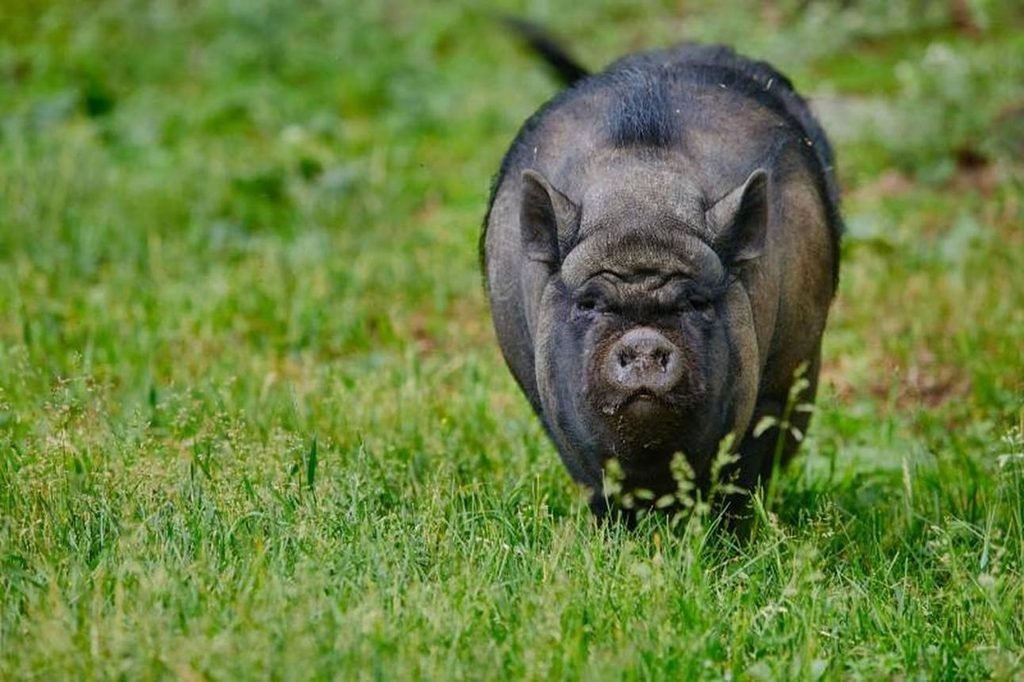
Potbellied pigs
Often associated with companion-pig ownership. Adults still need substantial space and careful weight management.
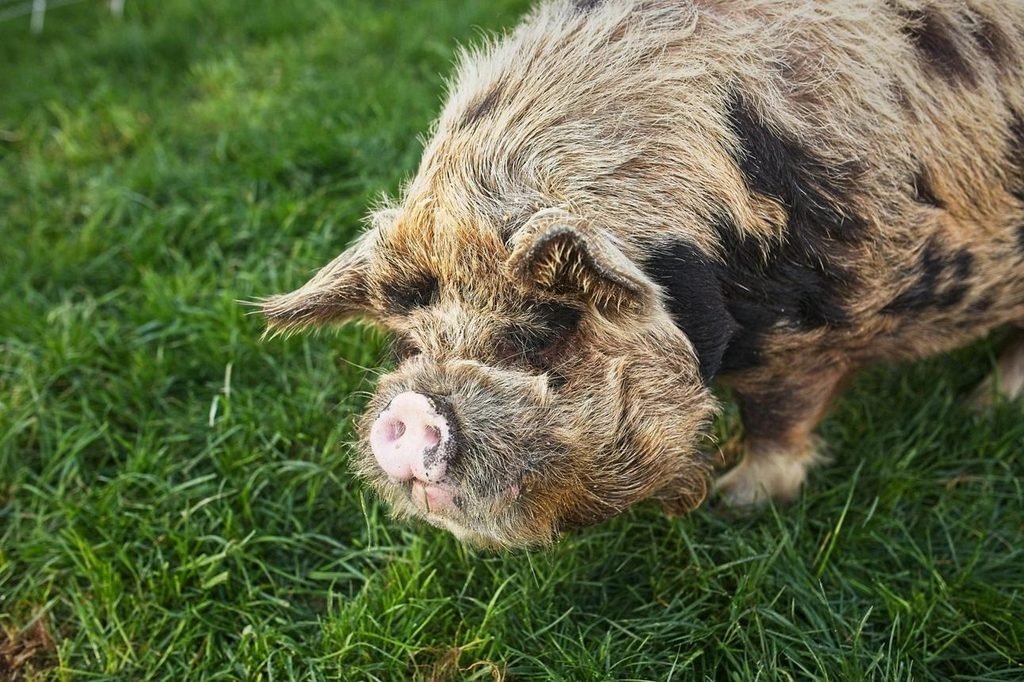
Kunekune pigs
A grazing-oriented breed that needs appropriate pasture, shelter, fencing, and pig-specific care.
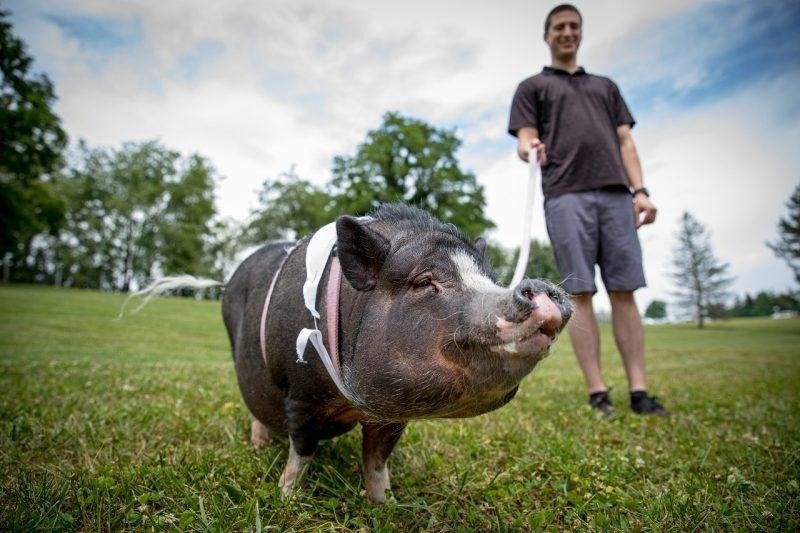
Miniature-type pigs
A broad label for smaller breeding lines, not a guarantee of adult size.

Farm-breed pigs
Often grow much larger and usually need more space and handling experience than most companion owners expect.
Before choosing a pig, ask for its age, parent sizes, health history, and expected adult weight. A qualified veterinarian or experienced pig-care professional can help you assess whether the animal suits your circumstances.
Quick Facts About Pet Pigs
| Fact | Details |
| Animal type | Domestic mammal |
| Scientific name | Sus scrofa domesticus |
| Intelligence | High; pigs can learn cues and routines |
| Social needs | Regular interaction and suitable social contact |
| Diet | Balanced pig feed, with suitable fiber and other foods as advised |
| Housing | Secure space, shelter, shade, and room to root |
| Grooming | Hoof care, skin checks, and routine health care |
| Training | Reward-based training can teach useful behaviors |
| Lifespan | Often around 10–15 years, with individual variation |
| Main challenge | Long-term care, space, cost, and access to pig-experienced vets |
Lifespan varies with genetics, health, housing, and veterinary care. Ask a pig-experienced veterinarian about the likely needs of the individual animal.
Where Do Pet Pigs Come From?
Domestic pigs descend from wild boar populations that humans domesticated thousands of years ago. People mainly raised them for food and other practical uses, rather than as household companions.
Over time, breeders developed different body sizes, coat types, and physical traits. Some potbellied pigs later became companion animals, and breeders marketed smaller pigs to people seeking an unusual pet.
The modern “teacup pig” label often creates unrealistic expectations. It does not identify a universally recognized breed with a guaranteed adult size. Some sellers use it as a marketing term for young or selectively bred pigs.
If a seller promises that a pig will remain tiny, ask for reliable adult-size information and independent veterinary advice. Do not base your decision on a newborn pig’s appearance.
Key Characteristics and Care Needs
Pigs combine curiosity, social behavior, and impressive learning ability. These traits can make them engaging companions, but they also create responsibilities that many first-time owners underestimate.
Intelligence and temperament
Pigs can learn their names, recognize routines, and respond to reward-based training. Many enjoy exploring, receiving attention, and solving simple food puzzles.
However, pigs have individual personalities. Some seek frequent contact, while others prefer more space. A pig may also push, root, vocalize, or guard food when excited or frustrated.
Use calm, consistent training rather than hitting, frightening, or forcing the animal. Set clear boundaries around feeding, doorways, and personal space.
Size and strength
An adult pig can become surprisingly heavy and powerful. Even a pig described as miniature may weigh as much as a large dog or more.
Pigs can push gates, damage furniture, uproot plants, and knock into people. Choose sturdy fencing, secure latches, and an environment that can handle rooting behavior.
Space and enrichment
Pigs need room to walk, explore, rest, and perform natural behaviors. An outdoor area should offer shade, weather protection, secure fencing, clean water, and safe rooting opportunities.
Indoor housing alone may not meet a pig’s needs. If a pig lives partly indoors, provide a pig-safe room and a secure outdoor area whenever possible.
Social interaction
Pigs are social animals. They need daily contact and mental stimulation, not just food and shelter.
Some owners consider keeping two compatible pigs together. However, introductions, space, resources, and individual temperament all matter. Ask an experienced pig-care professional whether a companion would suit your setup.
Quick Comparison Snapshot
This table compares common pig options rather than promising that any type will suit every home.
| Option | Best For | Key Difference |
| Potbellied pig | Owners researching companion pigs | Established companion-pig type, but still needs space and training |
| Kunekune pig | Owners with suitable outdoor land | Grazing-oriented breed with specific pasture and fencing needs |
| Smaller breeding-line pig | Owners who can verify adult size | Size varies; “miniature” does not mean permanently tiny |
| Larger farm-breed pig | Experienced keepers with ample space | Greater potential size and handling demands |
Choose based on the adult animal’s likely size, temperament, welfare needs, and legal status—not appearance alone.
Are Pigs Good Pets for Kids?
Pigs can be interesting animals for children to learn about, but they are rarely an easy first pet for a family with young kids. Their strength, rooting instincts, and sometimes unpredictable movements can create safety problems.
A pig may push a child while searching for food or knock someone over while turning around. Even a friendly animal can hurt a child by accident.
What families should consider
- Adult supervision: An adult must manage feeding, handling, training, and health care.
- Safe boundaries: Children should not enter the pig’s feeding area or corner it.
- Respectful handling: Teach children not to pull ears, chase the pig, climb on it, or disturb it while resting.
- Long-term responsibility: Parents must remain responsible when a child loses interest or leaves home.
A calm temperament does not remove the need for safety precautions. Families with toddlers or children who struggle to follow animal-handling rules should consider a more manageable pet.
Are Pigs Good Pets Reddit Discussions Often Highlight?
Online discussions about pig ownership can offer personal experiences, but individual stories do not prove that pigs suit every household. Some owners describe affectionate, trainable companions. Others discuss destructive rooting, unexpected growth, expensive care, or difficulty finding suitable housing.
Treat these accounts as starting points for questions rather than as veterinary or legal advice. A pig that thrives on a rural property may struggle in an apartment or a neighborhood with strict livestock rules.
When reading a discussion, look for details about the pig’s adult size, living space, diet, veterinary care, and the owner’s experience. Be cautious of posts that show a very young pig without explaining its eventual size or long-term needs.
The most useful question is not whether other people enjoy their pigs. It is whether you can meet the needs of the particular animal throughout its life.
Can Pigs Be House Pets?
Pigs can live partly indoors, and some learn to use a designated toilet area. However, a house must offer enough room, safe surfaces, enrichment, and access to an appropriate outdoor environment.
A spare room or small apartment rarely provides everything a pig needs. Pigs explore with their snouts, move furniture, open accessible cupboards, and may chew or damage items.
Preparing an indoor space
Choose a room with secure doors, washable surfaces, and no access to exposed wires, toxic substances, or small objects the pig might swallow. Provide comfortable bedding, safe enrichment toys, and a designated resting area.
Create a consistent toilet routine, but expect accidents during training or changes in routine. Never rely on toilet training as a substitute for outdoor exercise and rooting opportunities.
Most importantly, check property rules and local regulations before bringing a pig inside. Some areas classify pigs as livestock even when owners treat them as family companions.
Problems With Pet Pigs
The main challenges include unexpected adult size, destructive behavior, specialized veterinary needs, legal restrictions, and the cost of providing suitable space. These problems do not make every pig a poor companion, but they require realistic planning.
Common challenges
Unexpected growth: A pig marketed as tiny may grow much larger than its owner expects. This can affect transport, housing, and handling.
Rooting and damage: Pigs naturally investigate soil with their snouts. Without a suitable place to root, they may damage lawns, gardens, flooring, and furniture.
Noise: Pigs grunt and squeal. Their vocalizations may disturb neighbors or household members, especially around feeding time.
Training needs: Intelligent animals can become difficult to manage without consistent routines and positive reinforcement.
Limited veterinary access: Not every clinic treats pigs. You may need to travel farther or arrange care with a veterinarian who handles livestock or companion pigs.
Housing restrictions: Landlords, homeowners’ associations, and local authorities may prohibit pigs or require permits.
Before adopting, arrange a veterinary contact, inspect your fencing, and plan for adult size. These steps can prevent many avoidable problems.
Are Pet Pigs Dangerous?
Pigs are not predators, but they can injure people through biting, pushing, charging, or knocking them over. Risk depends on the animal’s size, temperament, socialization, handling, and environment.
Food competition can trigger pushing or nipping. A frightened pig may also react defensively when someone corners it or tries to restrain it.
How to reduce risk
- Keep children away from feeding areas and unfamiliar pigs.
- Do not tease, chase, corner, or hit a pig.
- Use secure gates and appropriate barriers.
- Learn safe handling techniques from a pig-experienced professional.
- Seek veterinary or qualified behavioral help if aggression develops.
Never assume a small pig cannot cause an injury. If a pig repeatedly charges, bites, or threatens people, separate it safely from the immediate situation and seek professional guidance.
Pigs as Pets Pros and Cons
Pigs can reward committed owners with companionship, trainability, and engaging behavior. Their needs can also make them a poor fit for homes without adequate land, time, money, and specialized support.
| Pros | Cons |
| Can learn routines and cues | Need consistent training |
| Often curious and engaging | Can become destructive when bored |
| May bond closely with familiar people | Social and enrichment needs take time |
| Enjoy exploring and foraging | Require suitable space and secure fencing |
| Can learn useful household routines | Toilet training may not prevent every accident |
| Offer a distinctive companionship experience | Veterinary care and transport may be difficult to arrange |
| May thrive with experienced owners | Adult size can exceed expectations |
The right choice depends on your ability to meet the pig’s needs rather than on the number of advantages or disadvantages in this table.
Benefits of Having a Pig as a Pet
A well-cared-for pig can offer companionship and opportunities for positive, reward-based training. Watching a pig explore, learn cues, and interact with its environment can be enjoyable for owners who appreciate its natural behavior.
Pigs may also encourage owners to develop a consistent care routine. Feeding, enrichment, cleaning, and observation require attention every day.
Another benefit is the chance to learn about an animal that people often misunderstand. Pigs have complex needs and deserve environments that let them express normal behaviors.
Still, these benefits depend on responsible care. A pig does not automatically become affectionate, easy to handle, or suitable for indoor living. Consider the individual animal and your ability to provide a safe, enriching home before making a commitment.
Can You Keep a Pig as a Pet in Islam?
For Muslims considering pig ownership, religious guidance is an important part of the decision. Many traditional Islamic scholars regard pigs as prohibited animals to keep as pets and consider them ritually impure. For example, the Hanafi guidance published by Jamia Binoria in Pakistan takes a restrictive position on keeping pigs.
Banuri
+1
If you follow a particular school of Islamic jurisprudence, ask a qualified local scholar or mufti for guidance on your specific circumstances. Questions about keeping an animal, touching it, caring for it in a professional role, and handling unavoidable contact may involve different considerations.
This section provides general information, not a personal religious ruling. If you want a companion animal and follow Islamic guidance that prohibits keeping pigs, consider an alternative that fits your beliefs and practical needs.
Daily Care Routine: How to Get Started
Daily pig care involves feeding, cleaning, training, exercise, and checking the animal’s condition. Before bringing a pig home, prepare the environment and arrange veterinary care rather than trying to solve everything after arrival.
1. Prepare secure housing
Build sturdy fencing with reliable latches. Provide shade, weather protection, dry bedding, and a safe area where the pig can rest.
Check the space for sharp objects, poisonous plants, gaps, and hazards the pig could reach by rooting. Make sure outdoor areas offer enough room for movement and exploration.
2. Arrange the right diet
Choose a complete feed designed for the pig’s type and stage of life. Ask a veterinarian to help you determine suitable portions and whether the animal needs any dietary adjustments.
Fresh water must remain available. Avoid excessive treats and table scraps, which can unbalance the diet or contribute to weight gain.
Never assume that a pig can safely eat anything people eat. Local livestock rules may also restrict certain food waste.
3. Provide daily enrichment
Offer safe rooting areas, sturdy toys, and simple food puzzles. Rotate enrichment items to keep the environment interesting.
Spend time observing and training your pig. Short, reward-based sessions can help teach routines without overwhelming the animal.
4. Build predictable routines
Keep feeding, cleaning, exercise, and training schedules consistent. Introduce changes gradually and watch for signs of stress.
If you want to train a pig to use a toilet area or wear a harness, seek guidance from someone experienced with pigs. Do not force equipment onto an animal that struggles or panics.
5. Monitor health and hygiene
Check your pig’s appetite, movement, skin, feet, and behavior every day. Clean resting areas and food containers regularly.
Arrange routine examinations and discuss vaccinations, parasite prevention, hoof care, dental needs, and reproductive health with a veterinarian. The appropriate plan varies with the pig, its environment, and local disease risks.
Cost Breakdown: How Much Does a Pet Pig Cost?
The total cost depends on your location, the pig’s size, housing, feed, veterinary access, and local rules. There is no reliable single price that applies to every owner.
Budget for both the initial setup and recurring expenses.
| Expense | What to Budget For |
| Purchase or adoption | The animal’s source, health assessment, and transport |
| Fencing and shelter | Secure boundaries, shade, weather protection, and repairs |
| Food and water | Complete pig feed, suitable fiber sources, and water containers |
| Bedding and cleaning | Safe bedding, cleaning supplies, and waste management |
| Veterinary care | Examinations, preventive care, testing, and treatment |
| Hoof care | Routine checks and professional trimming when needed |
| Enrichment | Rooting materials, toys, and replacement items |
| Emergency reserve | Unexpected illness, injury, or urgent transport |
Ask local providers for current prices before deciding. A low purchase price does not guarantee low lifetime costs.
Housing may become a major expense if you need new fencing, stronger gates, or shelter construction. Veterinary costs can also rise if the nearest pig-experienced clinic is far away.
Create a monthly budget and keep a separate emergency fund. If you cannot afford suitable housing and veterinary care, wait until your finances allow it.
Common Mistakes Pet Owners Make
Many pig ownership problems begin with unrealistic expectations. Owners may underestimate adult size, overlook natural behaviors, or assume that a smart animal will train itself.
Avoid these common mistakes:
- Trusting the “teacup” label: Research expected adult size instead of relying on a seller’s promise.
- Providing too little space: A small enclosure may prevent natural movement and rooting.
- Overfeeding treats: Extra food can disrupt a balanced diet and contribute to excess weight.
- Ignoring enrichment: Bored pigs may root destructively or develop unwanted behaviors.
- Using punishment: Hitting and frightening an animal can worsen fear and handling problems.
- Skipping legal checks: Confirm zoning, livestock rules, and rental restrictions first.
- Waiting until illness appears: Establish a veterinary relationship before an emergency.
- Assuming every vet treats pigs: Confirm the clinic’s experience and emergency arrangements in advance.
Responsible ownership starts with preparation. If your home cannot meet a pig’s needs, choosing another pet is often the kinder decision.
Similar Options and Alternatives
If you like intelligent or unusual animals but cannot meet a pig’s needs, consider alternatives with care requirements that better match your home. No animal is effortless, and each option needs suitable housing, nutrition, and veterinary care.
| Option | Best For |
| Guinea pigs | People who want small companion mammals and can provide suitable indoor housing, hay, and social companionship |
| Rabbits | Owners who can offer ample exercise space, safe handling, and rabbit-experienced veterinary care |
| Rats | People interested in intelligent small animals, interactive enrichment, and same-species companionship |
| Dogs | Households prepared for walks, training, social interaction, and regular veterinary costs |
| Cats | People seeking a companion that can often adapt to indoor living with proper enrichment |
| Chickens | Owners with suitable outdoor space who can meet flock, shelter, and local poultry rules |
These animals are not interchangeable. Research their lifespan, social needs, diet, and veterinary requirements before choosing one.
When to Consult a Vet or Professional
Contact a veterinarian experienced with pigs before adoption to discuss preventive care, expected adult size, diet, reproductive health, and safe handling. Early advice helps you prepare for needs that may otherwise come as a surprise.
Seek prompt veterinary advice if your pig stops eating, has trouble breathing, repeatedly vomits, develops severe diarrhea, cannot stand normally, or shows sudden changes in behavior. Difficulty breathing, collapse, or severe distress warrants emergency care.
Do not give human medicines or use another animal’s medication unless a veterinarian specifically directs you to do so.
A pig-experienced behavior professional can also help with persistent aggression, food guarding, fear, or destructive behavior. These issues may reflect environmental stress, pain, or training problems, so avoid assuming the pig is simply being stubborn.
If a pig injures someone, seek appropriate medical care for the person as well. Safe separation and professional assessment should come before attempts to retrain the animal.
Fun Facts About Pigs
Here are several useful facts that help explain pig behavior and care needs.
- Pigs are intelligent learners. They can learn cues, routines, and simple tasks through reward-based training.
- Their snouts serve an important purpose. Pigs use them to explore, investigate, and root in the ground.
- Pigs communicate through sounds. Grunts and squeals can occur during social contact, excitement, or feeding.
- They need environmental enrichment. Opportunities to explore and root help support normal behavior.
- Pigs enjoy suitable resting areas. Comfortable bedding and shelter support rest and protection from weather.
- Not all pigs reach the same size. Genetics, breed type, and other factors influence adult growth.
- They need protection from heat. Shade, water, and suitable cooling options help them cope with warm conditions.
These traits explain why pigs need more than food and a fenced corner. Their environment should support both physical health and natural behavior.
Frequently Asked Questions
Is it a good idea to have a pig as a pet?
It can be a good idea for an experienced owner who has enough space, a realistic budget, and access to pig-experienced veterinary care. Pigs can learn routines and form relationships with familiar people, but they also need consistent training and environmental enrichment. Before adopting one, check local laws, housing restrictions, and the animal’s likely adult size. Think about who will care for the pig during holidays, illness, or a change in living arrangements. If you cannot provide long-term care, a different companion animal may be a better fit.
What is the 3-3-3 rule for pigs?
The 3-3-3 rule is an informal pet-adjustment guideline often used in rescue settings. It suggests that an animal may need about three days to settle in, three weeks to learn household routines, and three months to feel more comfortable. It is not a scientifically fixed timeline, and it does not apply equally to every pig. A pig’s adjustment may take longer because of its history, temperament, previous housing, or health. Give the animal a calm environment, predictable routines, and gradual introductions. Ask a pig-care professional for help if distress continues or worsens.
What are the downsides of owning a pig?
The main downsides include the space, expense, and time needed for responsible care. Pigs can grow larger than expected, root up gardens, damage household items, and become difficult to manage without consistent training. Some areas prohibit backyard pigs or classify them as livestock, which can limit housing options. Finding a veterinarian with pig experience may also take extra planning. Owners must prepare for years of food, shelter, preventive care, and possible emergencies. These responsibilities can make pig ownership unsuitable for renters, busy households, or people with limited funds.
Are pigs a clean or dirty animal?
Pigs can keep themselves relatively clean when their environment gives them suitable places to rest, eat, eliminate waste, and explore. They often separate their sleeping areas from their toilet areas when they have enough space. Rooting in soil and wallowing in mud are natural behaviors, not proof that a pig is dirty. Wallowing can help pigs manage heat because they have limited ability to cool themselves through sweating. Owners still need to remove waste, clean feeding areas, provide fresh water, and maintain dry resting spaces. Poor housing, not the animal’s reputation, often creates hygiene problems.
Can pet pigs live alone?
Some pigs live as single companions, but pigs are social animals that need regular interaction and enrichment. A pig kept alone may become bored or stressed if it receives little attention and has few opportunities to explore. Whether to keep one pig or a compatible pair depends on space, temperament, resources, and the owner’s ability to manage introductions. Two pigs also require enough room and separate access to food and resting areas. Ask a pig-experienced veterinarian or behavior professional about your situation before deciding. Do not assume that adding another pig will automatically solve behavioral problems.
Do pet pigs need special veterinary care?
Yes. Pigs have health and husbandry needs that differ from those of dogs and cats, so a veterinarian with pig experience is especially helpful. Routine planning may include examinations, nutrition advice, parasite prevention, hoof care, reproductive health, and vaccinations based on local risks. The right plan depends on the individual animal and where it lives. Contact a suitable clinic before adoption to confirm that it treats pigs and can advise you about emergencies. Do not wait until your pig becomes sick to find a provider, particularly if you live far from a large-animal practice.
Can you train a pig to use a litter box?
Some pigs can learn to use a designated toilet area, but success depends on the animal, training, and environment. Choose an accessible area and reward the pig for using it. Keep the toilet space clean and maintain a predictable routine. Accidents may occur during changes in the household or when the pig feels stressed. Indoor toilet training does not remove the need for exercise, rooting opportunities, or suitable outdoor access. Use a setup that the pig can enter safely, and seek professional advice if training becomes difficult or the animal suddenly changes its toilet habits.
Final Thoughts
A pig can be an engaging companion for the right owner, but it is not a low-maintenance alternative to a dog or cat. Its intelligence, curiosity, and social nature make daily interaction rewarding. Those same traits mean it needs space, training, enrichment, and consistent care.
Before bringing a pig home, look beyond its appearance as a piglet. Research its likely adult size, arrange suitable housing, check local regulations, and find a veterinarian who treats pigs. Build a realistic budget that covers food, fencing, routine care, and unexpected medical expenses.
Consider your household, too. Young children, limited outdoor space, rental restrictions, or a tight budget may make another animal a better choice. If you are interested in pig ownership, spend time with adult pigs and speak with experienced keepers before committing.
Ultimately, good pet ownership means choosing an animal whose needs you can meet throughout its life. Take your time, ask questions, and make a decision based on long-term welfare rather than a cute photo or a seller’s promise.

Sophia Bennett is an animal care contributor at PetJournalHub. She writes educational articles about companion animals, pet wellness, training, and daily care. She believes that trustworthy information helps every pet owner build a healthier and happier life for their pets.