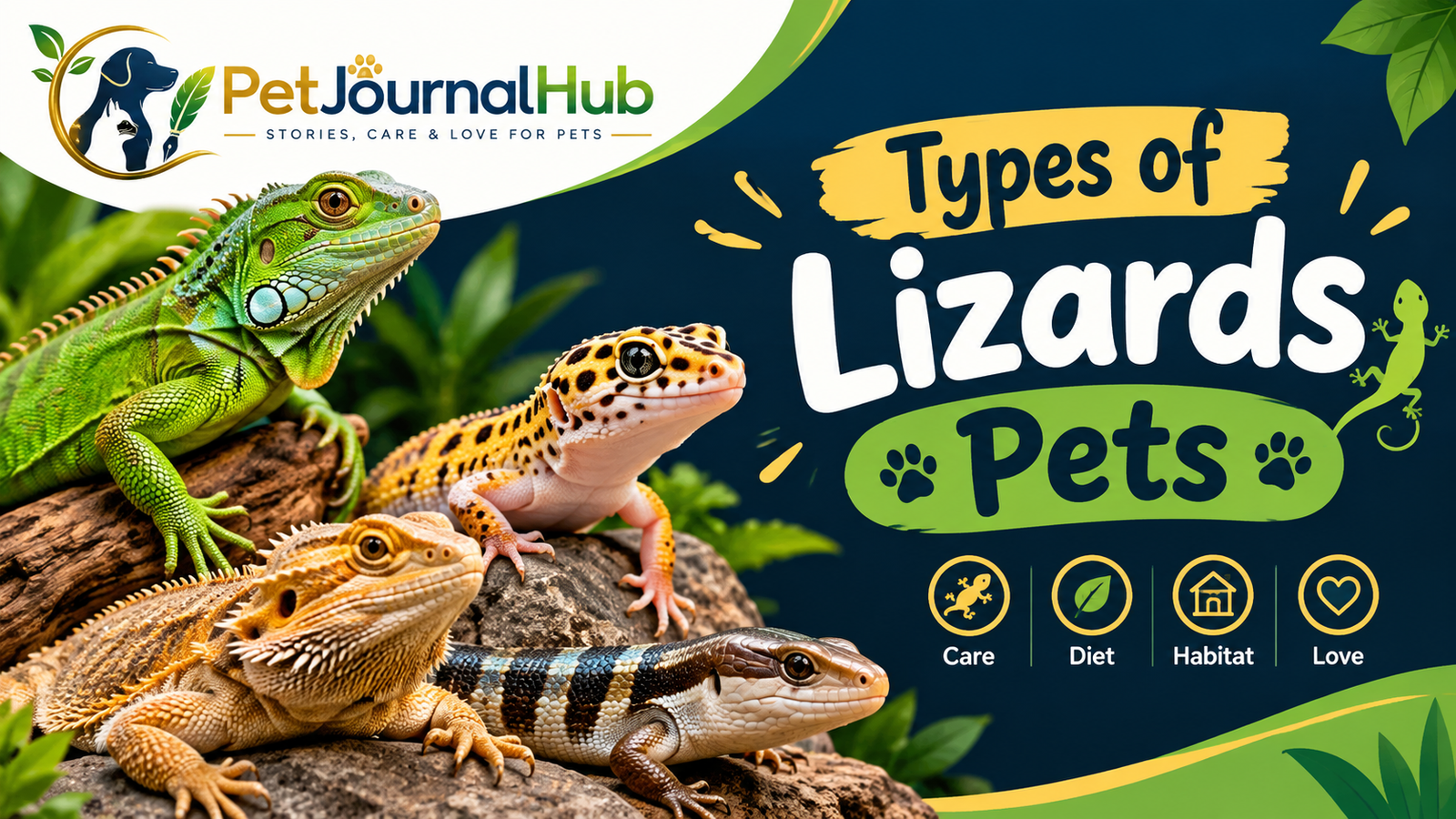
The best pet lizards depend on your experience, space, budget, and ability to provide the right habitat. Bearded dragons, leopard geckos, crested geckos, and blue-tongued skinks are popular choices. Each species has different needs for heat, UVB lighting, humidity, food, and handling. Research these needs before bringing a lizard home.
Key Takeaways
- Best all-around choice: Bearded dragons suit owners who can provide a spacious, carefully heated enclosure and regular interaction.
- Best for smaller spaces: Leopard geckos need less floor space than bearded dragons, but still require a carefully designed habitat.
- Best for vertical enclosures: Crested geckos need climbing branches, suitable humidity, and a tall enclosure.
- Best for experienced beginners: Blue-tongued skinks can become confident pets but need more room and a higher initial investment.
- Essential equipment: A secure enclosure, temperature controls, suitable lighting, hides, and species-specific food all matter.
- Safety first: Check local wildlife and exotic-pet laws, find a reptile veterinarian, and never take a wild lizard home.
Introduction
Choosing a pet lizard can feel exciting until you discover how different their care needs can be. Some lizards spend much of their time climbing branches. Others live close to the ground, hide during the day, or need carefully controlled heat and humidity.
The right choice depends on more than appearance. You also need to consider the animal’s adult size, temperament, diet, lifespan, and daily care routine. A small gecko may fit a compact home better than a large monitor lizard, but even a small species needs proper heating, hiding places, and veterinary care.
When people search for types of lizards pets, they often want one that looks interesting, tolerates gentle handling, and does not require expert-level care. Those goals can work together, but no reptile is completely maintenance-free. Some individuals tolerate handling better than others, and every species needs a suitable environment.
This guide compares popular pet lizards, explains their main care requirements, and highlights the costs and mistakes that new owners should consider. You will also learn how to compare species before choosing one.
Rather than recommending a lizard simply because it looks friendly, this guide focuses on responsible ownership. A healthy captive-bred lizard from a reputable source, combined with proper preparation, gives you a much better starting point.
What Are the Types of Lizards Kept as Pets?
Pet lizards belong to several different species, each with its own habitat, diet, behavior, and care needs. Popular choices include bearded dragons, leopard geckos, crested geckos, blue-tongued skinks, and African fat-tailed geckos.
The word “lizard” covers animals with very different needs. Some live in dry environments, while others need tropical humidity and climbing space. A species that thrives in a simple-looking desert habitat may struggle in a damp enclosure.
Before choosing a lizard, think about your experience and the care you can provide. Beginners often do best with established captive-bred species that have clear care requirements.
Popular pet lizards at a glance

Bearded dragon
Day-active · Omnivorous · Ground-dwelling
Bearded dragons often tolerate calm handling and display curious behavior. They need a roomy enclosure, strong UVB lighting, a basking area, and a varied diet.
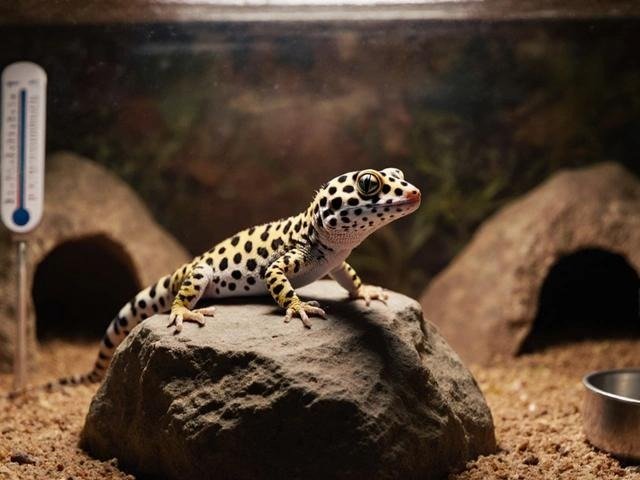
Leopard gecko
Mostly active at dusk and night · Insect-eating
This ground-dwelling gecko suits owners who prefer a smaller lizard. It needs a warm-to-cool temperature gradient, secure hides, and a diet of suitable insects.
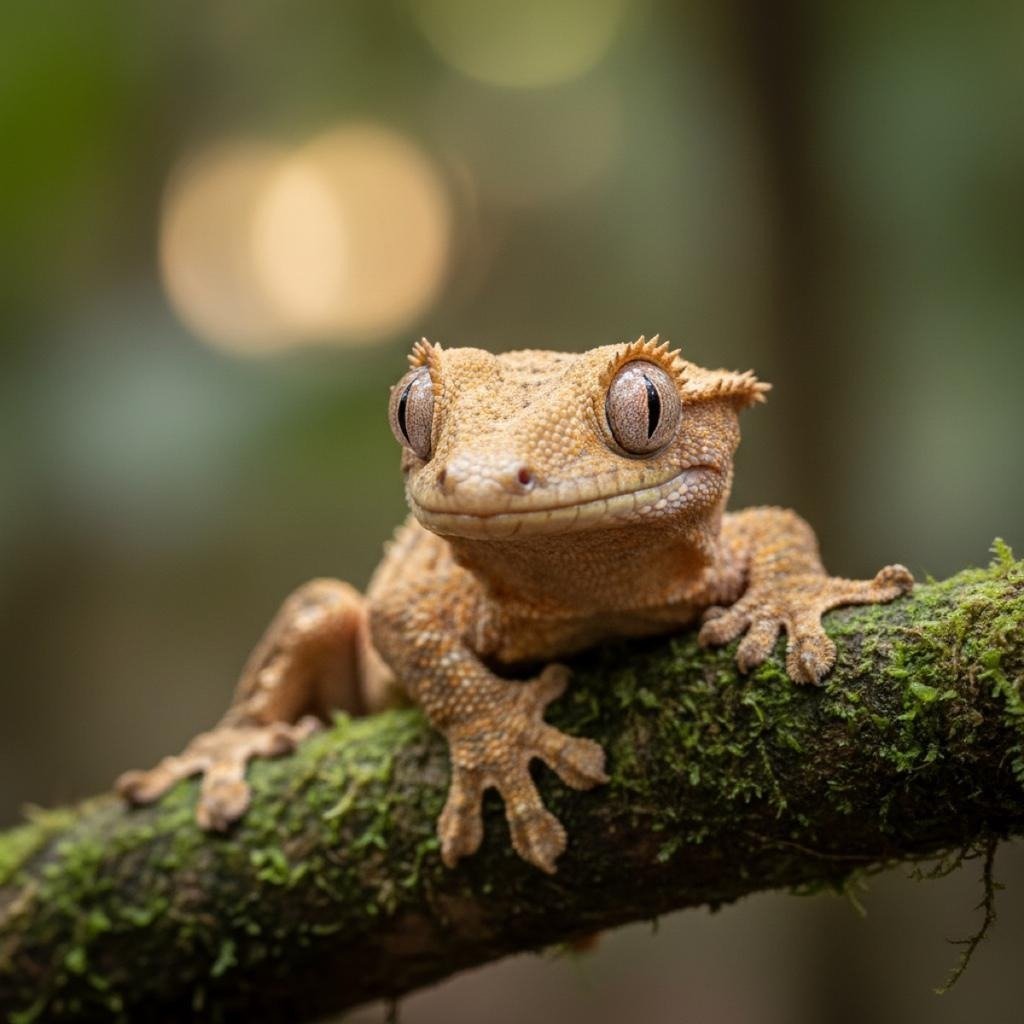
Crested gecko
Climbing · Tropical · Omnivorous
Crested geckos enjoy climbing and need vertical space. Owners must manage humidity, airflow, temperature, and a suitable formulated diet.
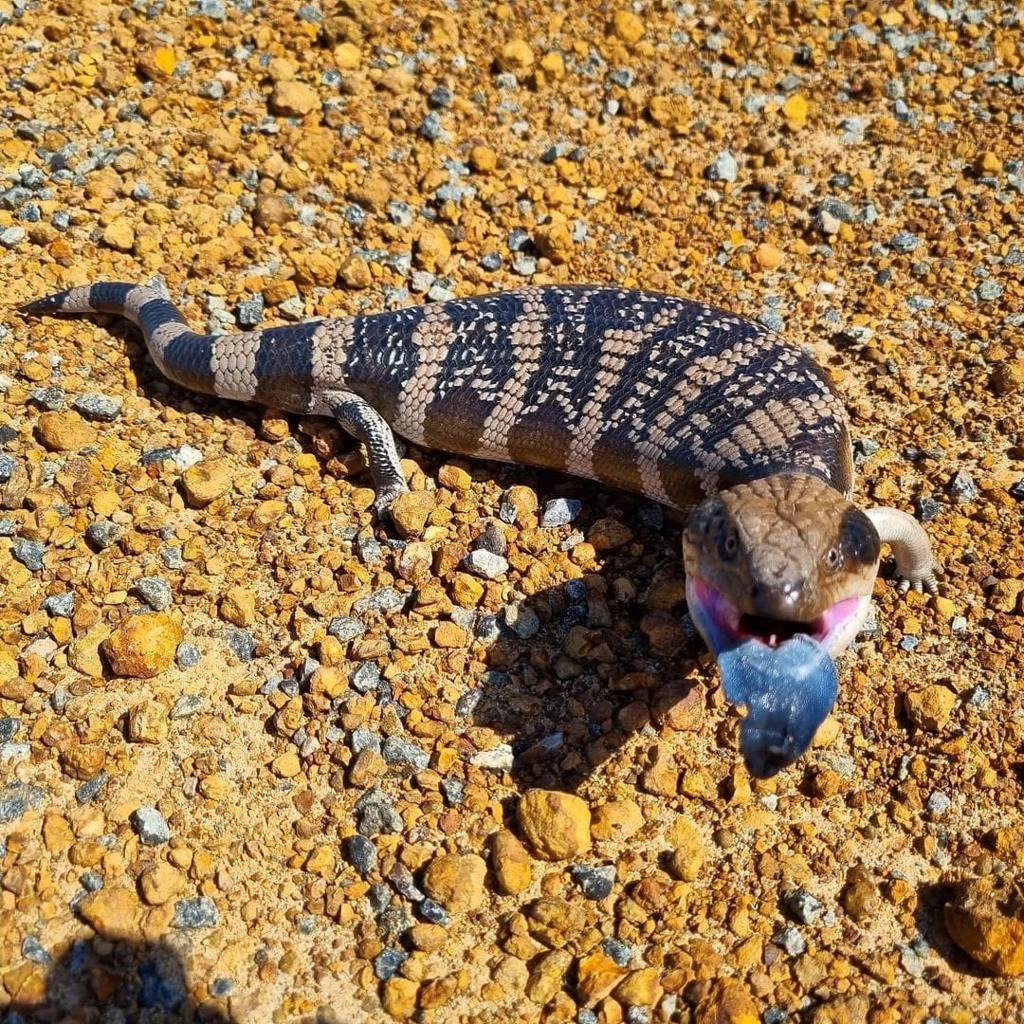
Blue-tongued skink
Ground-dwelling · Omnivorous · Sturdy build
This stocky lizard can make an engaging pet for a prepared owner. It needs more floor space than many geckos and careful attention to temperature and diet.
Quick Facts Box
| Fact | Details |
| Animal group | Reptiles |
| Popular choices | Bearded dragons, leopard geckos, crested geckos, skinks |
| Typical diet | Insects, plant foods, or a species-specific mix |
| Habitat | Dry, semi-arid, or tropical, depending on species |
| Heating | Controlled heat with a suitable temperature gradient |
| Lighting | UVB is essential for many species and beneficial for most |
| Handling | Depends on species and individual temperament |
| Lifespan | Often 10 years or longer for common pet species |
| Best first step | Prepare the enclosure and find a reptile veterinarian |
These details vary by species, age, and individual animal. Check a reliable species-specific care guide before buying equipment. Merck Veterinary Manual explains why temperature, humidity, lighting, and nutrition must work together.
Merck Veterinary Manual
+1
Where Do Pet Lizards Come From?
Pet lizards come from many regions around the world. Their natural habitats help explain why their captive environments differ so much.
Bearded dragons originate in Australia, where they use open habitats and basking areas. Leopard geckos come from parts of South Asia and the Middle East. Crested geckos originate from New Caledonia, a group of islands in the South Pacific.
These origins matter because a lizard’s body and behavior reflect its natural environment. A tropical gecko may need higher humidity than a desert-adapted species. A ground-dwelling lizard may need floor space and hides instead of tall branches.
Choose captive-bred animals whenever possible. Avoid collecting wild lizards, and check local laws before purchasing an exotic species. Some species face trade restrictions or conservation concerns.
History and Evolution of Pet Lizards
People have kept reptiles in captivity for many years, but modern reptile keeping has changed as owners have gained better knowledge of their needs.
Improved thermostats, UVB lighting, digital thermometers, and specialist veterinary care help owners create safer habitats. Captive breeding has also made several established pet species more accessible.
However, easier access does not mean every lizard suits a beginner. Some species grow very large, need complex humidity control, or become difficult to manage as adults. Others have specialized diets or strict legal requirements.
The best choice is an animal whose long-term needs match your resources. Responsible ownership starts with research, not impulse buying.
Key Characteristics and Care Needs
Every pet lizard needs a suitable enclosure, correct temperatures, appropriate food, clean water, and a low-stress environment. The exact setup depends on the species.
Temperament and handling
Some bearded dragons and leopard geckos learn to tolerate gentle handling. Crested geckos can also become accustomed to brief, calm interaction, although they may jump suddenly.
Never assume that a lizard enjoys being held. Watch its body language, support its body, and allow it to retreat. Avoid grabbing the tail, squeezing the body, or waking the animal just to play.
Size and enclosure space
Small lizards still need enough room to move, hide, explore, and regulate their body temperature. Choose an enclosure based on the animal’s expected adult size, not its size at the pet shop.
Climbing species need suitable vertical space and secure branches. Ground-dwelling species need floor area and safe hiding places.
Heat, humidity, and UVB
Reptiles rely on environmental warmth to regulate their body temperature. Provide a warm area and a cooler area so the animal can move between them.
Use a thermostat for heating equipment and digital thermometers to monitor temperatures. Measure humidity with a hygrometer when the species requires it.
UVB lighting supports vitamin D production and calcium use in many reptiles. Follow species-specific guidance for bulb type, distance, and replacement schedule. Ordinary sunlight through a window does not provide reliable UVB exposure.
Merck Veterinary Manual
+1
Feeding and hydration
Diet varies widely among lizards. Leopard geckos eat insects, while bearded dragons need a balanced combination of appropriate plant foods and insects. Crested geckos often eat complete formulated gecko diets, with suitable additional foods when needed.
Provide fresh water and follow the species’ hydration needs. Some geckos also drink droplets from surfaces, so their enclosure may require carefully managed misting.
Quick Comparison Snapshot
This table compares four popular choices by their typical strengths and main differences.
| Option | Best For | Key Difference |
| Bearded dragon | Owners seeking an interactive, day-active lizard | Needs a larger setup and carefully managed UVB and basking heat |
| Leopard gecko | Owners who prefer a smaller ground-dwelling reptile | Eats insects and uses hides more than climbing structures |
| Crested gecko | Owners interested in a climbing species | Needs vertical space and careful humidity management |
| Blue-tongued skink | Prepared owners wanting a sturdy, larger lizard | Requires more floor space and careful long-term planning |
No species is universally easiest. Your available space, local climate, budget, and access to veterinary care all affect which lizard will suit you best.
Types of Lizards Pets With Pictures
The following species offer a useful starting point if you want to compare appearance, size, and lifestyle. Each picture represents a different type of lizard rather than a guarantee of its temperament.
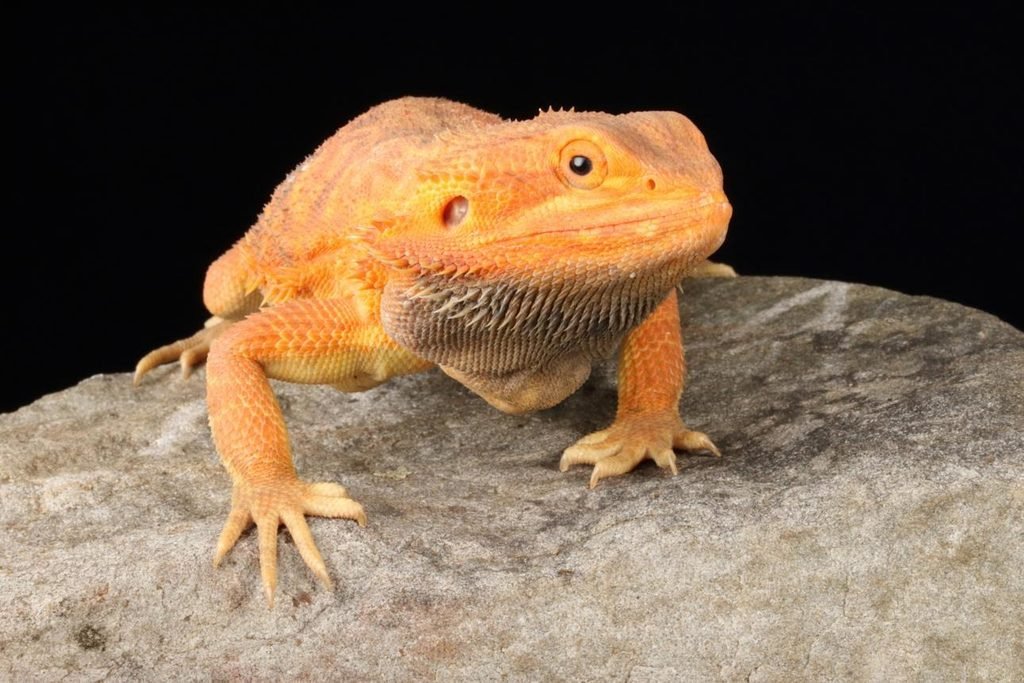
1. Bearded dragon
A popular choice for owners who want a visible, day-active pet. It needs a large enough enclosure, UVB lighting, controlled basking heat, vegetables, and suitable insects.
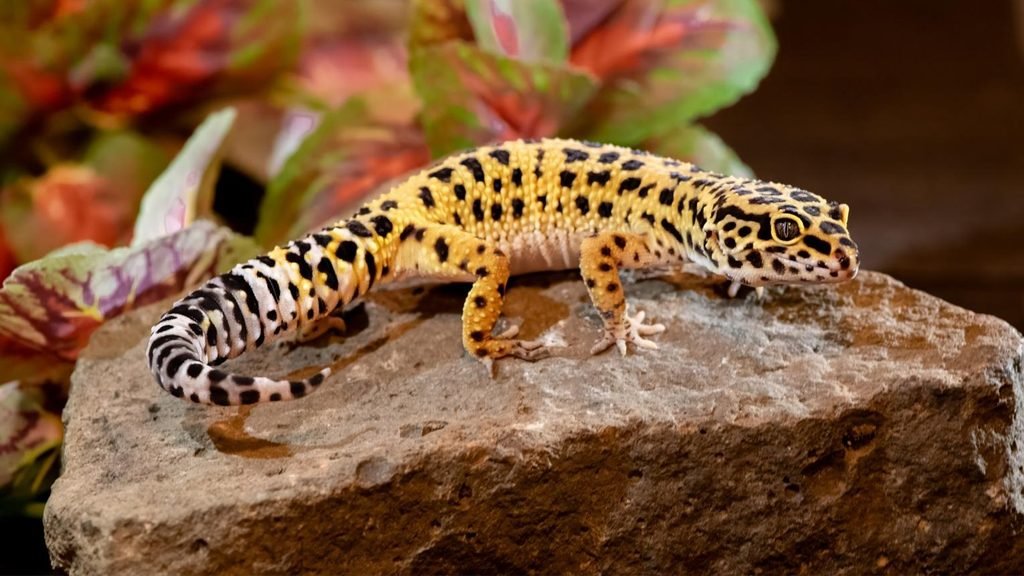
2. Leopard gecko
A smaller ground-dwelling gecko with eyelids and a thick tail. It eats insects and needs secure hides, appropriate heat, and a safe enclosure floor.
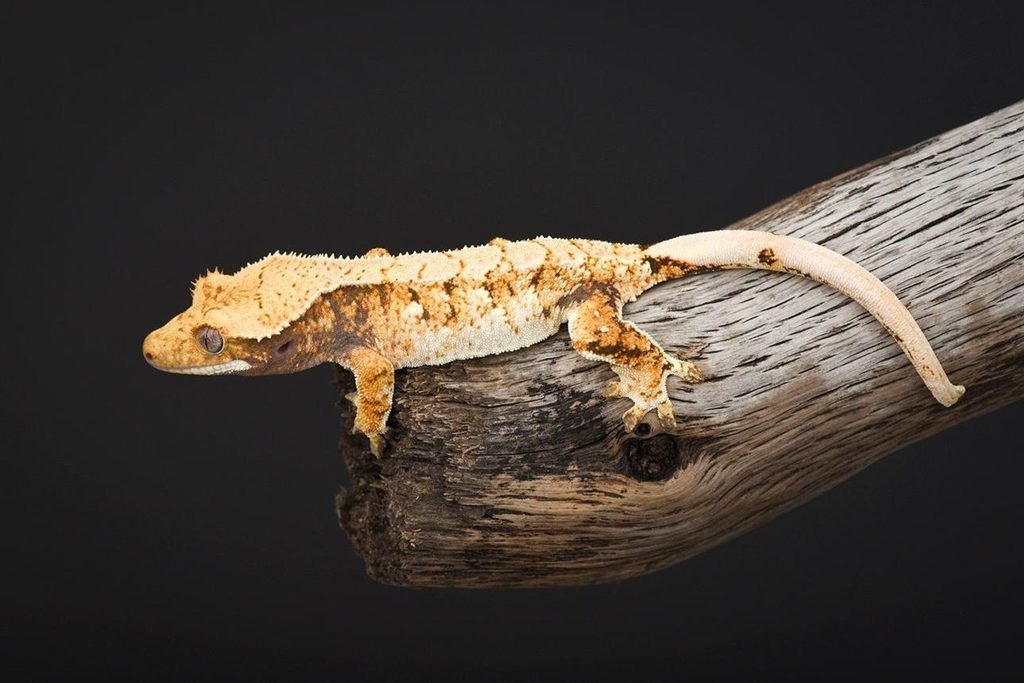
3. Crested gecko
A climbing gecko with distinctive ridges above its eyes. It suits owners who can maintain a vertical habitat with suitable humidity and airflow.
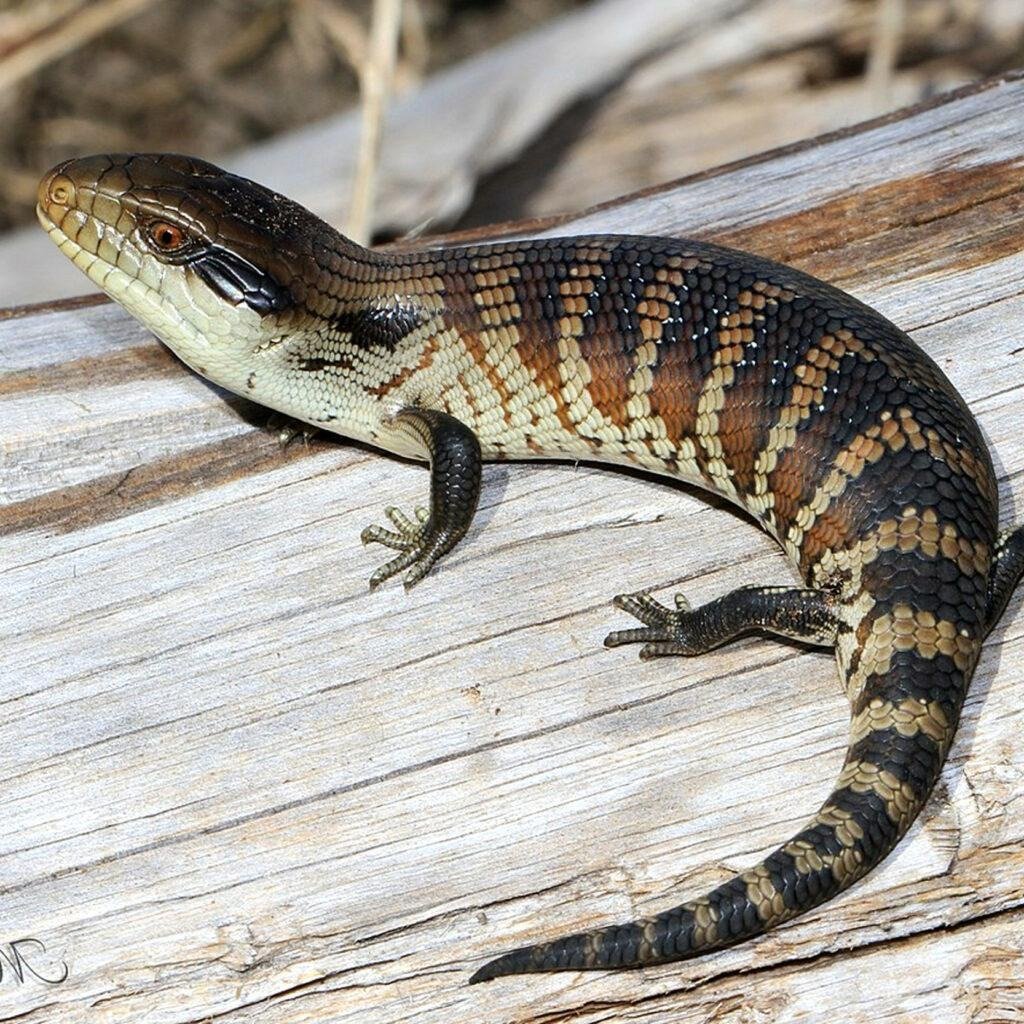
4. Blue-tongued skink
A sturdy lizard with a broad body and bright blue tongue. It needs a spacious ground-level habitat and a carefully balanced diet.
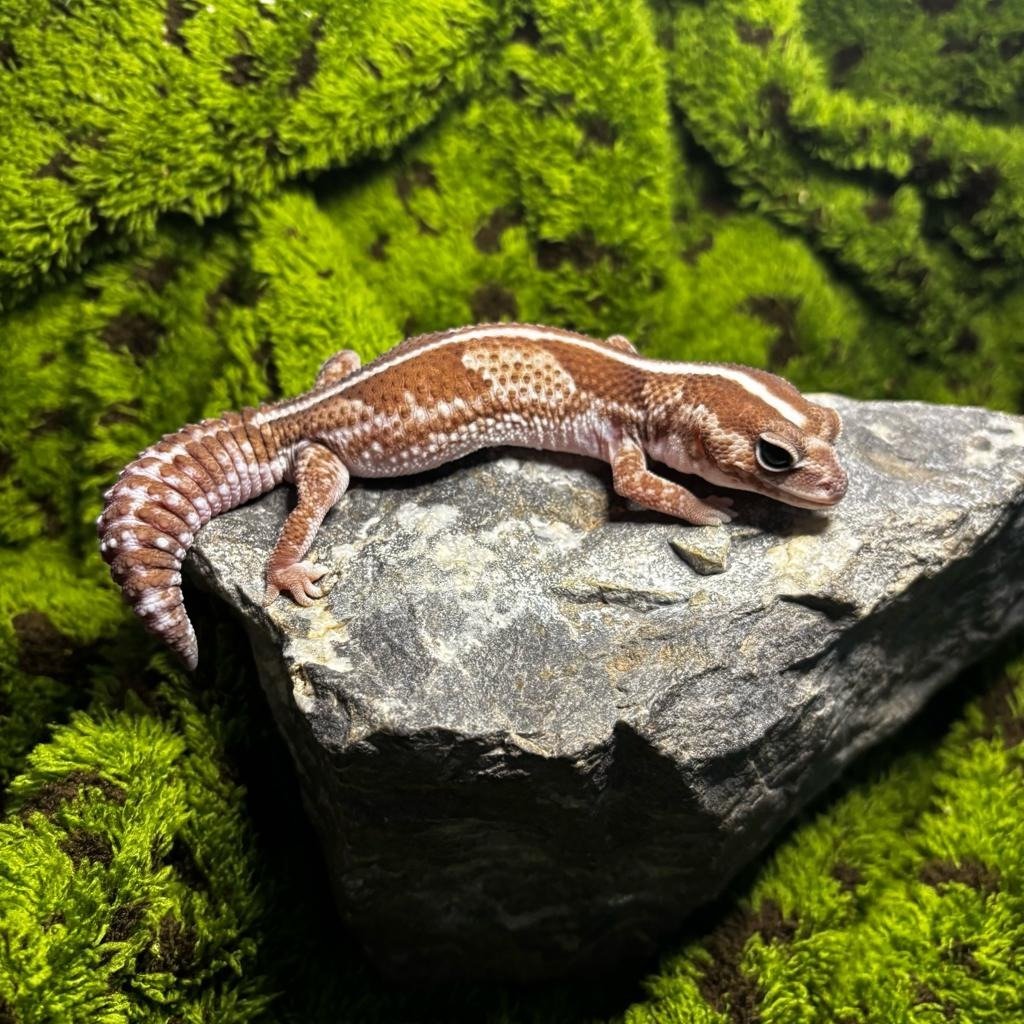
5. African fat-tailed gecko
This ground-dwelling gecko has a thick tail and needs more moisture than many keepers expect from a species associated with dry habitats. It eats insects and benefits from suitable humid hides.

6. Green anole
A small, active climbing lizard. It needs suitable humidity, ventilation, live insect prey, and carefully managed lighting. Its small size does not make it a good handling pet.
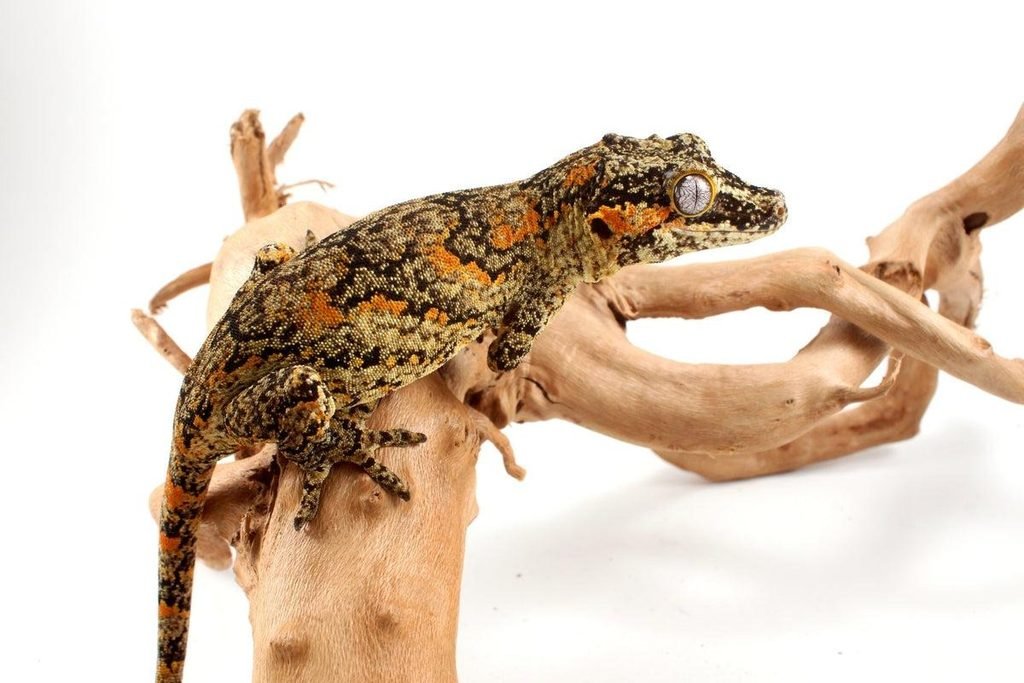
7. Gargoyle gecko
This climbing gecko has a sturdy build and a textured appearance. It needs vertical space, appropriate humidity, and a species-appropriate diet.
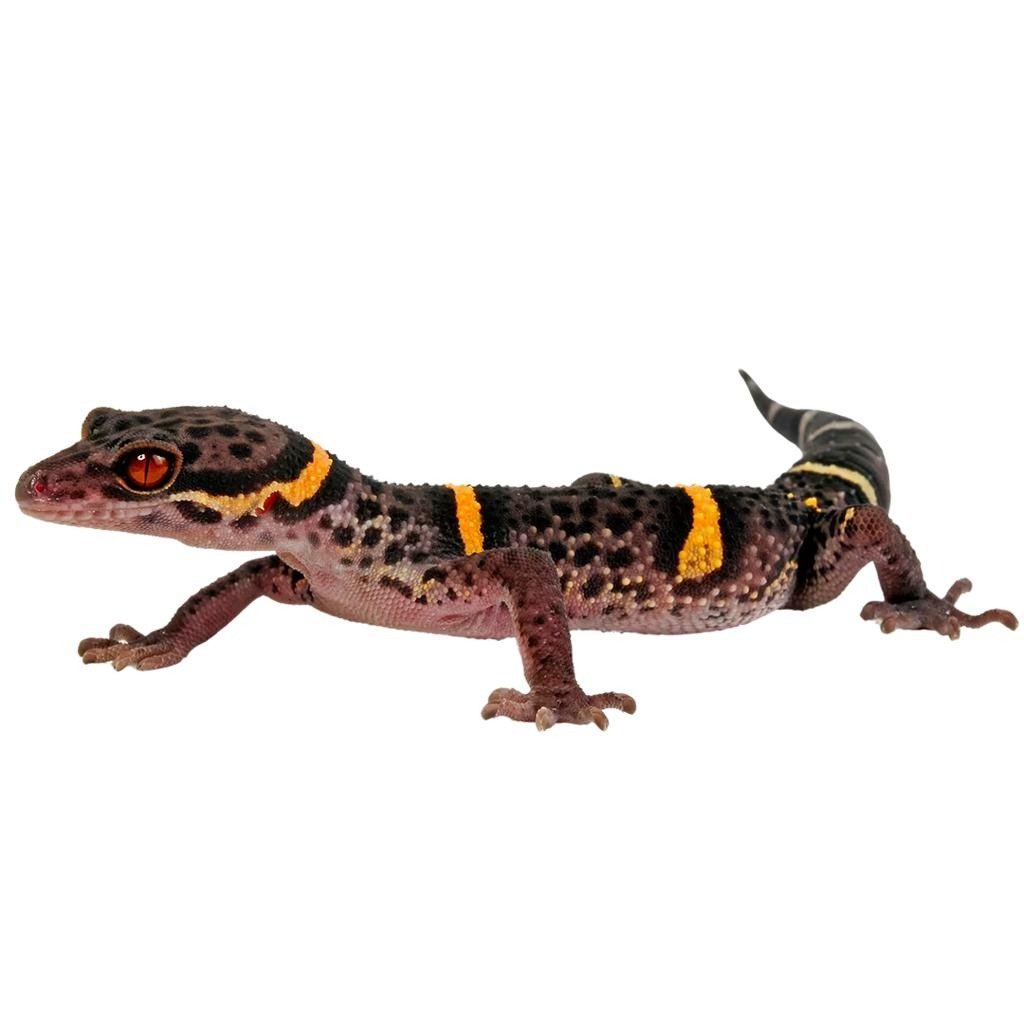
8. Chinese cave gecko
An attractive, ground-dwelling species for keepers who research its needs carefully. It requires species-specific temperature and humidity management and may suit a more experienced keeper better than a first-time owner.

9. Fire skink
Its vivid red and orange coloring makes it stand out. It needs a secure, well-furnished enclosure with suitable humidity and places to burrow or hide.
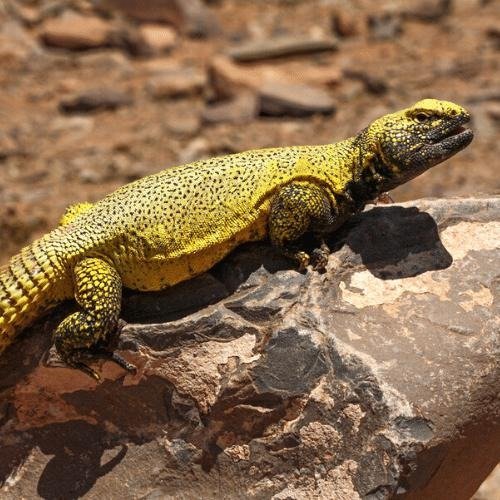
10. Uromastyx
This desert-adapted lizard mainly eats plant foods and needs intense basking heat and appropriate UVB. Its specialized habitat makes it a less straightforward choice for many beginners.
Top 10 Lizard Pets for Beginners
The best beginner lizards are species with well-established captive-care guidance and needs that you can meet consistently. A popular species still requires research and preparation.
Here is a practical ranking based on how approachable each option may be for a prepared first-time keeper. It is not a scientific ranking, and individual animals differ.
- Leopard gecko: A good option for someone who wants a smaller, ground-dwelling lizard.
- Bearded dragon: A strong choice for owners who want a day-active animal and have room for a larger enclosure.
- Crested gecko: Worth considering if you prefer a climbing species and can manage humidity.
- African fat-tailed gecko: A possible choice for keepers willing to monitor moisture and temperature closely.
- Blue-tongued skink: Best for someone with more space and a budget for a larger animal.
- Gargoyle gecko: An interesting option for someone comfortable with arboreal habitat care.
- Green anole: Small and active, but better for observation than frequent handling.
- Fire skink: A colorful choice for owners who can provide secure burrowing areas.
- Uromastyx: Suitable for a keeper who understands its specialized heat and plant-based diet.
- Chinese cave gecko: Better for a keeper who has researched its specific environmental needs.
For a first lizard, I would usually compare a leopard gecko, bearded dragon, and crested gecko first. Their different needs make it easier to choose based on space, daily routine, and preferred interaction.
Types of Lizards Pets Names
If you are searching for species names, start with these common names and learn the scientific names before purchasing an animal.
| Common name | Scientific name |
| Bearded dragon | Pogona vitticeps |
| Leopard gecko | Eublepharis macularius |
| Crested gecko | Correlophus ciliatus |
| Blue-tongued skink | Tiliqua species |
| African fat-tailed gecko | Hemitheconyx caudicinctus |
| Green anole | Anolis carolinensis |
| Gargoyle gecko | Rhacodactylus auriculatus |
| Chinese cave gecko | Goniurosaurus species |
| Fire skink | Mochlus fernandi |
| Uromastyx | Uromastyx species |
Scientific names help you distinguish closely related animals. This matters because different species can need different temperatures, diets, humidity levels, and legal permits.
A seller may use a broad common name for several related species. Ask for the exact species identification, captive-bred status, age, feeding history, and any available health records.
Types of Lizards Pets and Their Names
Different lizard groups suit different types of owners. Instead of choosing by color alone, match the animal’s lifestyle to your home.
- Ground-dwelling lizards: Leopard geckos and African fat-tailed geckos use floor space, hides, and sheltered areas.
- Climbing lizards: Crested geckos and gargoyle geckos need secure branches and vertical room.
- Day-active lizards: Bearded dragons and uromastyx are active during daylight and need appropriate daytime lighting.
- Small observation-focused lizards: Green anoles reward careful habitat management, but frequent handling may stress them.
- Larger, sturdy lizards: Blue-tongued skinks need more room and careful planning for adult size and food.
These categories describe general tendencies rather than strict rules. Research the exact species before setting up its habitat.
Pet Lizards for Beginners
A beginner-friendly lizard is one whose needs you can meet every day, including when life gets busy. It should also be an animal you can afford to care for throughout its life.
A leopard gecko may suit someone with limited floor space who prefers watching an animal explore. A bearded dragon may suit someone who wants a day-active pet and can provide a larger habitat. A crested gecko may appeal to someone who enjoys building a planted or branch-filled vertical enclosure.
Consider three questions before deciding:
- Can you afford the enclosure, heating, lighting, food, and veterinary care?
- Can you maintain the correct environment throughout the year?
- Can you commit to the animal’s full lifespan, even if your housing or schedule changes?
If you answer yes, contact a reptile veterinarian or a reputable breeder for species-specific guidance. Prepare the habitat before bringing the animal home.
40 Types of Lizards: What Pet Owners Should Know
There are thousands of lizard species, but a long list does not mean that every species suits life in a home. Rather than treating 40 names as 40 beginner choices, it is more useful to separate familiar captive species from animals that need specialist care.
Here are 40 lizard names you may encounter in reptile guides, wildlife references, or the pet trade:
- Bearded dragon
- Leopard gecko
- Crested gecko
- Blue-tongued skink
- African fat-tailed gecko
- Green anole
- Gargoyle gecko
- Fire skink
- Uromastyx
- Chinese cave gecko
- African house snake? Not a lizard — excluded from the count.
- Tokay gecko
- Day gecko
- Mourning gecko
- African dwarf gecko
- Giant day gecko
- Gold dust day gecko
- Panther chameleon
- Veiled chameleon
- Jackson’s chameleon
- Green iguana
- Rhinoceros iguana
- Chuckwalla
- Desert iguana
- Collared lizard
- Blue-spotted tree monitor
- Ackie monitor
- Savannah monitor
- Asian water monitor
- Nile monitor
- Argentine black-and-white tegu
- Green basilisk
- Brown basilisk
- Chinese water dragon
- Australian water dragon
- Frilled lizard
- Bearded agama
- Schneider’s skink
- Emerald tree skink
- Solomon Islands skink
- Peters’s banded skink
Important: This is a broad name list, not a recommendation to buy every species. Several listed lizards, including large monitors, iguanas, tegus, and chameleons, have demanding care needs. Some may require permits or face trade restrictions. A few common names also cover multiple species, so confirm the scientific name before buying.
For a first pet, focus on species with clear husbandry guidance, captive-bred availability, and veterinary support. Avoid wild-caught animals and never release an unwanted pet outdoors.
Daily Care Routine: How to Get Started
A good daily routine keeps your lizard’s habitat clean, food appropriate, and environment stable. The exact schedule depends on the species and its age.
Set up the enclosure first
Before bringing your lizard home, prepare the habitat and run its heating and lighting equipment. Check the temperature at the basking area and cooler end. Confirm that humidity stays within the species’ recommended range.
Add secure hides, safe furnishings, and suitable flooring. Keep branches and decorations stable so they cannot fall and injure the animal.
Follow a simple daily routine
- Morning: Check temperatures, lighting, water, and the animal’s behavior.
- Feeding time: Offer the correct food and supplements according to species-specific guidance.
- Cleaning: Remove waste and leftover food before they spoil.
- Evening: Check the enclosure again and follow the correct lighting schedule.
Some species eat daily as juveniles, while adults may need a different feeding schedule. Do not use one feeding plan for every lizard.
Clean the habitat safely
Remove waste regularly and clean food and water dishes as needed. Follow reptile-safe cleaning instructions, rinse thoroughly when required, and keep cleaning chemicals away from the animal.
Wash your hands after handling the lizard, its food, or its enclosure. Reptiles can carry Salmonella even when they look healthy. Keep their equipment away from kitchen counters and food-preparation areas.
CDC
+1
Keep handling calm
Allow a new lizard time to settle into its enclosure. Start with brief, gentle interaction only when the animal appears comfortable. Support its body and avoid sudden movements.
Never force handling when a lizard struggles, repeatedly tries to escape, or shows clear signs of stress.
Cost Breakdown: How Much Does a Pet Lizard Cost?
The total cost depends on the species, enclosure size, heating and lighting equipment, food, and access to an exotic-pet veterinarian. The purchase price represents only one part of the budget.
| Expense | What to budget for |
| Lizard | Purchase or adoption fee |
| Enclosure | Correct adult-size habitat and secure lid |
| Heating | Suitable heat source, thermostat, and guards |
| Lighting | Appropriate UVB and daytime lighting, where needed |
| Monitoring | Thermometers and a hygrometer |
| Habitat supplies | Hides, branches, substrate, and water dish |
| Food | Insects, greens, or formulated diet, depending on species |
| Veterinary care | Initial examination, routine care, and emergency savings |
| Ongoing replacements | Bulbs, substrate, food, and cleaning supplies |
Prices vary by country, city, supplier, and species, so check local costs before buying. A lizard with a low purchase price may still need an expensive habitat.
Do not cut costs by skipping essential UVB lighting, using unsafe heaters, or buying an enclosure that the animal will quickly outgrow. If your budget cannot cover setup and veterinary care, wait until you can provide everything the lizard needs.
Common Mistakes Pet Owners Make
Many reptile health problems start with incorrect habitat conditions or incomplete care. These mistakes are avoidable with research and regular checks.
Choosing by appearance alone: A colorful lizard may have specialized needs. Learn about its adult size, behavior, diet, and habitat before buying.
Using the wrong temperature: A single thermometer reading cannot show whether the entire enclosure offers a suitable temperature range. Measure more than one area.
Ignoring UVB needs: Many lizards need suitable UVB exposure to support healthy calcium use. Ask a reptile veterinarian how to select and position the right light.
Overfeeding or offering an unbalanced diet: Each species needs a suitable feeding plan. Follow trusted care guidance instead of relying on treats or one type of food.
Handling too often: A lizard may tolerate handling without enjoying it. Give the animal time to hide and rest.
Keeping incompatible lizards together: Many species do best alone. Shared enclosures can lead to stress, competition, injuries, and disease transmission.
Skipping veterinary care: Reptiles often hide signs of illness. Arrange an initial health check and seek help when behavior, appetite, or droppings change.
Pros and Cons of Keeping Pet Lizards
Lizards can be fascinating pets, but they suit some households better than others.
| Pros | Cons |
| Interesting behaviors to observe | Need carefully controlled habitats |
| Many species and sizes to compare | Specialized equipment can cost money |
| Some tolerate gentle handling | Not all enjoy frequent interaction |
| No daily walks required | Feeding and cleaning still take time |
| Many species have established captive-care guidance | Veterinary care may require an exotic-animal specialist |
| Can suit different living spaces | Lifespans can create a long-term commitment |
A pet lizard is a good choice when you enjoy observing animal behavior and can maintain its environment consistently. If you want a pet that enjoys cuddling or free access around the home, another type of animal may suit you better.
Similar Options and Alternatives
If none of the four main comparison choices fits your needs, consider these alternatives. Each offers a different experience and comes with its own care demands.
| Option | Best For |
| African fat-tailed gecko | Owners who want a ground-dwelling gecko and can manage its humidity needs |
| Gargoyle gecko | Keepers interested in climbing behavior and a vertical habitat |
| Green anole | People who prefer observing a small, active lizard |
| Fire skink | Owners who enjoy watching burrowing and hiding behavior |
| Uromastyx | Prepared keepers who can provide strong basking heat and a plant-based diet |
| Ackie monitor | Experienced keepers with space for an active, demanding monitor species |
| Panther chameleon | Specialist keepers able to manage a complex arboreal habitat |
| Blue-tongued skink | Owners with room for a larger, sturdy lizard |
Some alternatives are more challenging than others. Chameleons and monitor lizards, for example, can require more specialized care than common beginner species. Research their needs carefully rather than relying on their appearance or seller recommendations.
When to Consult a Vet or Professional
Arrange an initial examination with a veterinarian who has experience treating reptiles. A professional can help assess your lizard’s health, review its diet, and check whether its habitat meets its needs.
Seek prompt veterinary advice if your lizard shows any of these signs:
- Refuses food unexpectedly or loses weight.
- Becomes unusually weak, inactive, or unresponsive.
- Has trouble breathing or develops discharge around the nose or mouth.
- Develops swollen limbs, a soft jaw, tremors, or trouble moving.
- Has wounds, burns, swelling, or persistent skin problems.
- Struggles to shed skin, especially around the toes or eyes.
- Shows repeated changes in droppings or difficulty passing waste.
These signs do not identify a specific disease. Temperature errors, nutrition problems, infections, parasites, and other conditions can cause similar symptoms.
Do not give human medicines or change supplement doses without veterinary guidance. If you suspect overheating, burns, or another urgent problem, contact a reptile veterinarian promptly.
For habitat questions, a qualified reptile veterinarian or experienced specialist can also help you check temperatures, UVB output, humidity, and feeding practices.
Fun Facts About Pet Lizards
- Lizards are ectotherms. They rely on external heat sources and behavior to help regulate body temperature.
Merck Veterinary Manual - Many lizards shed their skin. This normal process is called ecdysis.
Merck Veterinary Manual - Leopard geckos have movable eyelids. This distinguishes them from many other gecko species.
- Crested geckos have specialized toe pads. These help them grip surfaces while climbing.
- Bearded dragons communicate through body movements. Head bobbing and arm waving are among their recognizable behaviors.
Animal Health Topics - Some geckos can drop their tails. Tail loss serves as a defense in certain species, but it can cause stress and does not happen in every lizard group.
- A healthy-looking reptile can carry Salmonella. Clean appearance alone does not remove the need for careful hygiene.
CDC
+1
Frequently Asked Questions
What is the best lizard as a pet?
The best pet lizard depends on your space, budget, and preferred level of interaction. A bearded dragon often suits someone who wants a day-active lizard and can provide a spacious habitat. A leopard gecko may suit someone who prefers a smaller, ground-dwelling species. Crested geckos appeal to owners who enjoy observing climbing behavior. Before deciding, compare adult size, diet, lighting, lifespan, and veterinary access. The best choice is a healthy animal whose needs you can meet consistently, not simply the species with the lowest purchase price.
What is the friendliest type of lizard?
Bearded dragons have a reputation for tolerating gentle handling, although temperament varies between individuals. Some leopard geckos also become comfortable with calm, predictable interaction. Neither species should be expected to enjoy being held all the time. Give your lizard space to retreat, support its body, and stop handling if it struggles or shows stress. Choose an animal from a responsible breeder who can explain its feeding history and previous handling. A calm approach and a suitable habitat help build trust, but they cannot guarantee a particular personality.
What lizards are friendly pets?
Several lizards can become comfortable around familiar caretakers, including bearded dragons, leopard geckos, and some blue-tongued skinks. However, reptiles do not usually form relationships in the same way that dogs or cats do. Their willingness to tolerate handling depends on the species, individual temperament, past experiences, and environment. Let your lizard approach you rather than grabbing it from a hiding place. Keep sessions brief and calm, and always support its body. If you mainly want a pet for frequent cuddling, a lizard may not match your expectations.
What are the top 10 best reptiles to keep as pets?
Popular pet reptiles include bearded dragons, leopard geckos, crested geckos, corn snakes, ball pythons, blue-tongued skinks, African fat-tailed geckos, gargoyle geckos, Russian tortoises, and uromastyx. These animals differ greatly in diet, enclosure requirements, handling, lifespan, and legal status. Some are lizards, while others are snakes or tortoises. Do not treat this list as a universal ranking. Compare the care requirements of each species and check whether you can access suitable veterinary care. A well-matched animal is a better choice than one selected because it appears popular.
Are pet lizards safe around children?
Lizards require careful hygiene around people of all ages. Healthy reptiles can carry Salmonella, and children younger than five face a higher risk of serious illness. The CDC advises against reptile contact for children under five and recommends extra caution for older adults and people with weakened immune systems. Keep reptile equipment away from food-preparation areas, wash hands after contact, and never let a lizard roam freely around the kitchen. An adult should manage feeding, cleaning, and habitat maintenance. Consider another pet if your household cannot follow these precautions.
CDC
+1
Do pet lizards need a special veterinarian?
Yes. It is best to find a veterinarian with reptile or exotic-animal experience before bringing a lizard home. Reptiles have specific needs for temperature, lighting, nutrition, and hydration, and they may hide signs of illness. A reptile veterinarian can help you set up the habitat, establish a suitable feeding plan, and arrange routine health checks. Ask about emergency availability, examination fees, and experience with your chosen species. If no reptile specialist practices nearby, identify the closest suitable clinic before an emergency happens.
Final Thoughts
Choosing a lizard should start with its needs, not its color or size. A small species can still require careful temperature control, specialized food, and a habitat that takes time to maintain.
For many first-time keepers, a leopard gecko, bearded dragon, or crested gecko offers a useful starting point. Each has different strengths. Leopard geckos suit owners who prefer ground-dwelling reptiles, bearded dragons need more room and daytime lighting, and crested geckos require climbing space and suitable humidity.
Before you buy, prepare the enclosure, confirm local ownership rules, find a reptile veterinarian, and plan for ongoing costs. Ask the breeder about the animal’s origin, feeding habits, health history, and exact species.
Remember that even a calm lizard needs rest and privacy. Gentle handling, a stable habitat, proper nutrition, and regular observation help you provide responsible care.
The right pet is one you can support throughout its life. Take your time, research carefully, and choose a species that fits your home and experience.

Sophia Bennett is an animal care contributor at PetJournalHub. She writes educational articles about companion animals, pet wellness, training, and daily care. She believes that trustworthy information helps every pet owner build a healthier and happier life for their pets.