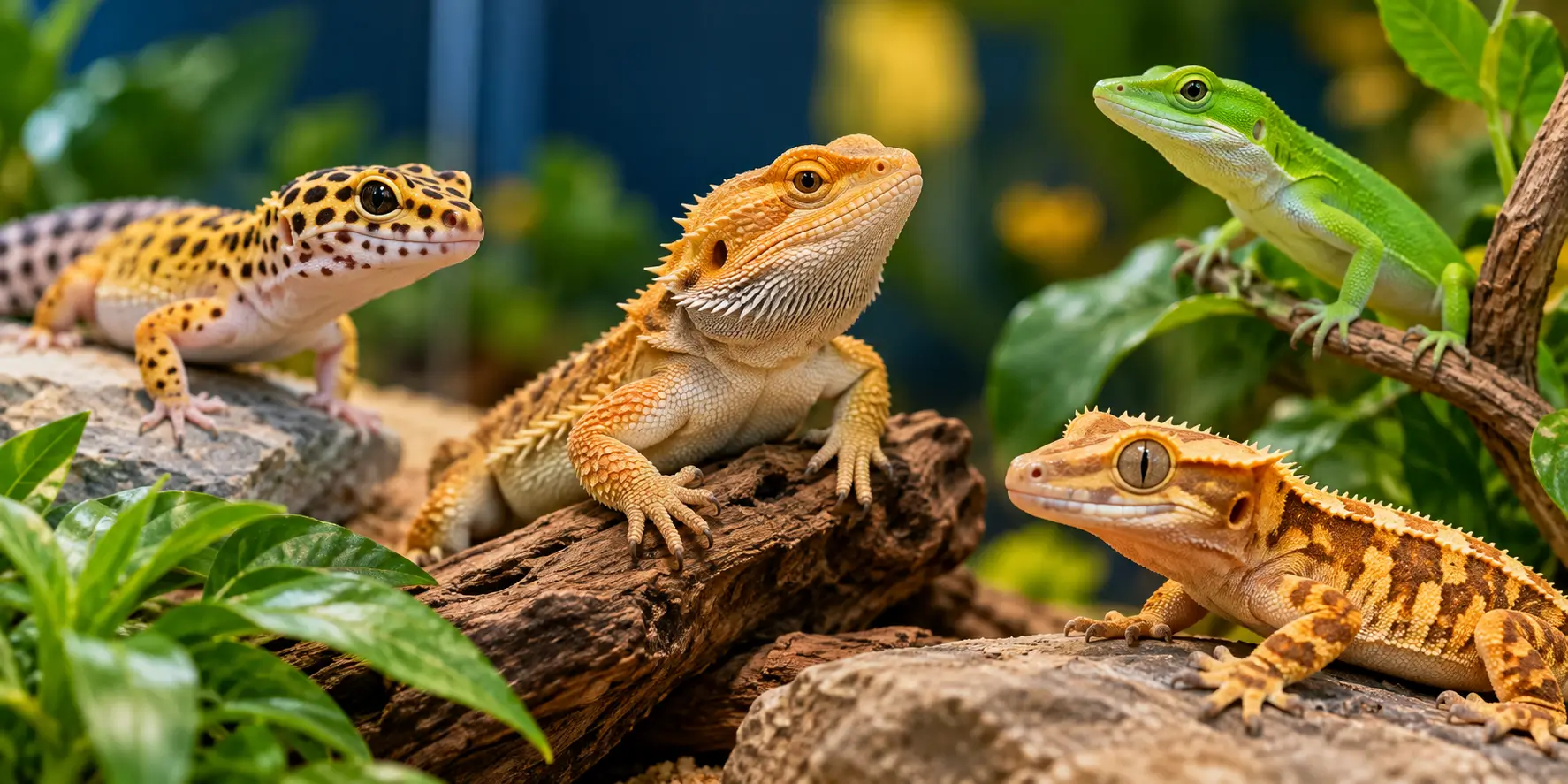
The best pet lizards depend on your experience, budget, available space, and willingness to provide special care. Bearded dragons, leopard geckos, and crested geckos are popular choices for beginners. Blue-tongued skinks suit owners who can provide more space, while uromastyx and other specialized species need careful research. Every lizard needs a suitable habitat, proper heating, lighting, nutrition, and veterinary care.
Key Takeaways
- Best overall for many beginners: Bearded dragons offer daytime activity and can become comfortable with gentle handling.
- Best smaller option: Leopard geckos suit owners who prefer a ground-dwelling reptile and can provide live insects.
- Best climbing companion: Crested geckos enjoy vertical habitats and often eat prepared gecko diets alongside suitable supplements.
- Best for experienced owners seeking a larger lizard: Blue-tongued skinks need more floor space and a carefully planned diet.
- Most important setup priority: Prepare the enclosure, heating, lighting, and temperature controls before bringing your lizard home.
- Safety comes first: Check local wildlife laws, choose a responsible breeder or rescue, and locate a reptile veterinarian before purchasing.
Introduction
Choosing a pet lizard can feel exciting until you discover how different their needs can be. Some lizards spend much of the day exploring, while others hide during daylight and become active at dusk. Some tolerate gentle handling, but others prefer watching the world from a safe hiding place.
The right choice depends on more than appearance. You also need to consider the enclosure’s size, the cost of heating and lighting, food availability, and how much time you can spend on daily care. A small lizard does not always mean an easy pet, and a calm-looking reptile still needs specialized care.
This guide compares popular species, explains their care requirements, and helps you decide which reptile fits your household. You’ll learn what to expect from feeding, habitat setup, handling, veterinary visits, and long-term expenses.
If you’re a first-time reptile owner, start with a species whose needs you can meet consistently. If you already keep reptiles, consider whether you have the space and knowledge to manage a more demanding animal.
The goal is to find a healthy, responsibly sourced lizard whose needs fit your lifestyle—not simply the animal with the brightest colors or lowest purchase price.
What Are the Best Lizards for Pets?
The best choices for many first-time keepers include bearded dragons, leopard geckos, and crested geckos. Blue-tongued skinks and uromastyx can also suit suitable homes, but their care needs differ.
Lizards belong to a diverse group of reptiles. Their size, activity patterns, diet, habitat, and comfort with handling vary widely. You should choose a species based on its adult needs rather than its appearance as a juvenile.
Here are six species worth researching:
- Bearded dragon: A daytime-active omnivore that needs strong UVB lighting, a basking area, and a varied diet.
- Leopard gecko: A ground-dwelling insect eater that needs secure hides and carefully controlled temperatures.
- Crested gecko: A climbing species that needs vertical space, suitable humidity, and access to branches.
- Blue-tongued skink: A sturdy, relatively large lizard that requires generous floor space and a balanced diet.
- Uromastyx: A heat-loving, mainly plant-eating lizard with specialized environmental needs.
- African fat-tailed gecko: A ground-dwelling insect eater that needs a warm habitat, hiding places, and appropriate humidity.
No species is completely maintenance-free. Even a seemingly simple gecko depends on the right habitat and daily observation.
Quick Facts Box
| Fact | Details |
| Animal group | Reptiles |
| Popular beginner choices | Bearded dragons, leopard geckos, crested geckos |
| Typical diet | Insects, plants, prepared diets, or a species-specific combination |
| Housing | Secure, species-appropriate enclosure |
| Essential equipment | Thermometers, suitable heating, lighting, hides, and humidity controls when needed |
| Handling | Varies by species and individual temperament |
| Veterinary care | A veterinarian experienced with reptiles |
| Lifespan | Often many years; some species may live for decades |
| Best first step | Research adult size, care requirements, and local ownership laws |
Lifespan and adult size vary by species, genetics, sex, diet, and husbandry. Ask a reptile veterinarian or reliable species-specific care resource about the expected needs of your chosen animal.
Where Do Pet Lizards Come From?
Pet lizards come from many different habitats around the world. Understanding their natural environments helps explain why their care needs differ so much.
Bearded dragons come from Australia, where they occupy dry and semi-arid environments. Leopard geckos originate from parts of South Asia, including Pakistan, India, and neighboring regions. Crested geckos come from New Caledonia, a group of islands in the southwestern Pacific.
Blue-tongued skinks also originate from Australia and nearby regions, depending on the species. Uromastyx species live in dry regions of Africa, the Middle East, and parts of Asia. African fat-tailed geckos originate in West Africa.
These backgrounds matter because reptiles evolved different ways to manage heat, moisture, light, and food. A desert-adapted species and a humid-forest species cannot thrive under identical conditions.
When choosing a lizard, ask whether the animal was captive-bred. Responsible captive breeding can help reduce pressure on wild populations and lets you ask about the animal’s feeding history and background.
History and Evolution of Pet Lizards
People have kept reptiles for observation, education, and companionship for many years. Modern reptile keeping has expanded alongside specialist lighting, temperature controls, captive breeding, and improved veterinary knowledge.
Bearded dragons and leopard geckos became familiar choices among hobbyists because keepers can maintain them successfully when they meet their specific needs. Crested geckos also gained attention because of their climbing behavior and the availability of prepared diets.
However, greater availability does not automatically mean a species suits every home. Online popularity can make unusual reptiles look easy to keep, even when their adult size or habitat needs present serious challenges.
Today’s responsible keeper should look beyond social media clips and attractive photographs. Choose a species using current care guidance, veterinary advice, and realistic planning.
Key Characteristics and Care Needs
Each lizard needs a different balance of heat, light, humidity, nutrition, and space. Before buying one, understand how its natural behavior affects daily care.
Temperament and handling
Bearded dragons often learn to tolerate calm, gentle handling. Leopard geckos can also become accustomed to careful interaction. Crested geckos may jump suddenly, so handlers need to stay close to a safe surface.
Blue-tongued skinks can become comfortable around familiar people, but their size and strength call for confident handling. Uromastyx may prefer limited interaction, especially when they feel threatened.
Never judge temperament by appearance alone. Give a new lizard time to settle, support its whole body, and stop handling when it struggles or shows signs of stress.
Heat, lighting, and humidity
Reptiles rely on external heat to regulate their body temperature. Most need a warm area and a cooler area so they can move between them.
UVB lighting helps many species produce vitamin D3 and use calcium. The required UVB level depends on the species, enclosure design, lamp, and distance from the animal. Some species need stronger exposure than others.
Use a thermostat with suitable heat sources and measure conditions with reliable instruments. Do not guess temperatures by touching the enclosure.
Diet and nutrition
Different species eat different foods. Bearded dragons need a balanced mix of suitable plant foods and insects, with proportions that change as they grow. Leopard geckos mainly eat appropriate live insects. Crested geckos commonly eat a formulated crested gecko diet, with other foods and supplements guided by reliable species-specific advice.
Blue-tongued skinks and uromastyx need different feeding plans. Never assume that a diet suitable for one lizard will work for another.
A reptile veterinarian can help you select appropriate foods, supplements, and feeding routines.
Quick Comparison Snapshot
| Option | Best For | Key Difference |
| Bearded dragon | Owners who want a daytime-active lizard | Needs a large enclosure and strong UVB lighting |
| Leopard gecko | Owners who prefer a smaller, ground-dwelling reptile | Eats live insects and needs secure hides |
| Crested gecko | Owners interested in climbing behavior | Needs vertical space and humidity management |
| Blue-tongued skink | Owners ready for a larger lizard | Requires more floor space and a varied diet |
These are broad comparisons, not guarantees of temperament. Individual animals differ, and proper care matters more than a species’ reputation.
Top 10 best lizards for pets
Although your keyword requests ten options, a responsible comparison should distinguish realistic beginner choices from species that require more experience. Here are ten lizards to research, with the first six receiving the most attention in this guide.
The list is not a scientific ranking. Suitability depends on the keeper, individual animal, local laws, and available care.
- Bearded dragon: A strong candidate for owners who want a daytime-active lizard and can provide a spacious, well-lit habitat.
- Leopard gecko: A popular choice for people who prefer a smaller, ground-dwelling species.
- Crested gecko: A climbing reptile that can suit keepers who enjoy building a planted or branch-filled habitat.
- African fat-tailed gecko: An alternative for owners who like geckos and can manage its humidity and insect-feeding needs.
- Blue-tongued skink: A larger, sturdy lizard for owners with enough floor space and a suitable feeding plan.
- Uromastyx: A plant-eating, heat-loving lizard for keepers prepared to meet its specialized environmental needs.
- Gargoyle gecko: An arboreal species with similar broad habitat considerations to crested geckos, though its individual care requirements still matter.
- Rankin’s dragon: A smaller relative of the bearded dragon that still needs appropriate heat, UVB, and a carefully managed diet.
- Green anole: A small, active lizard that needs climbing space, suitable humidity, and careful handling because it can be delicate.
- Ackie monitor: An intelligent, active monitor lizard that generally suits experienced keepers who can provide a large, complex enclosure.
Do not choose an animal solely because it appears on a beginner list. Ackie monitors and other demanding species need substantial research and should not be treated as easy first pets.
Best lizards for pets with pictures
Pictures help you compare body shape, colors, and general appearance. However, a photograph cannot show whether an animal has received proper care or whether its temperament suits your household.
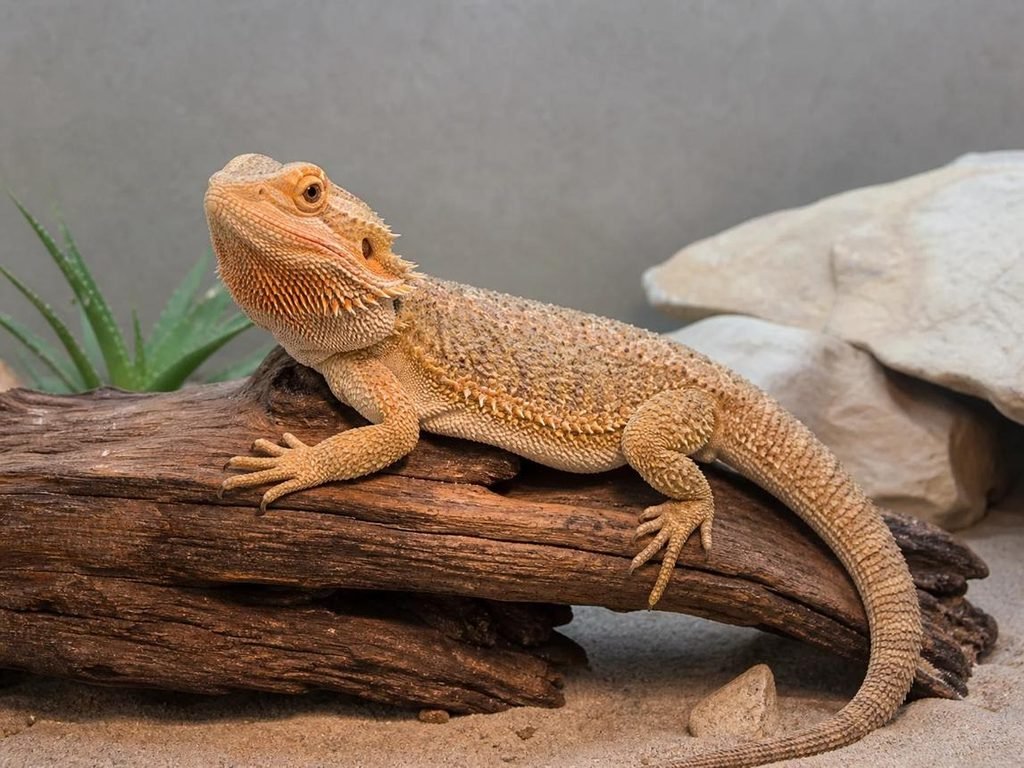
Bearded dragon
A broad-bodied lizard with a triangular head and a spiky-looking beard. It spends much of its active period exploring, basking, and responding to its surroundings.
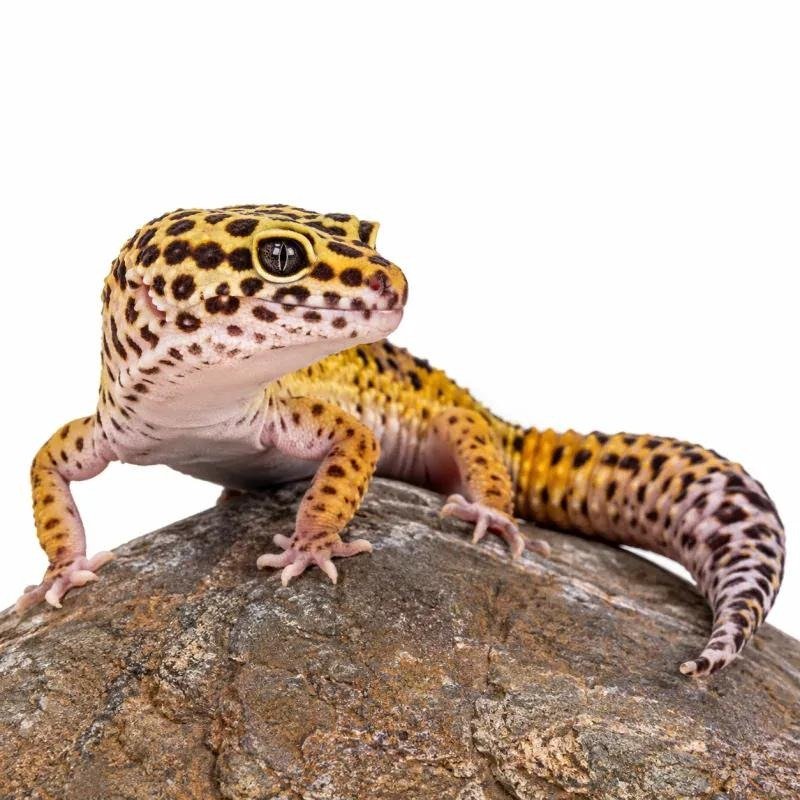
Leopard gecko
A small, ground-dwelling gecko with spotted markings and a thick tail. It needs hiding places and a reliable supply of suitable live insects.
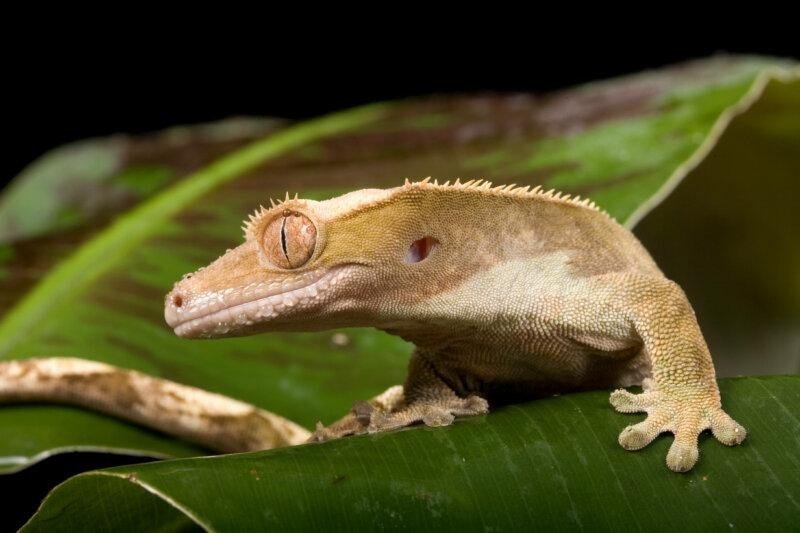
Crested gecko
Recognizable by the ridges above its eyes and its climbing feet. It benefits from branches, foliage, vertical space, and careful humidity control.
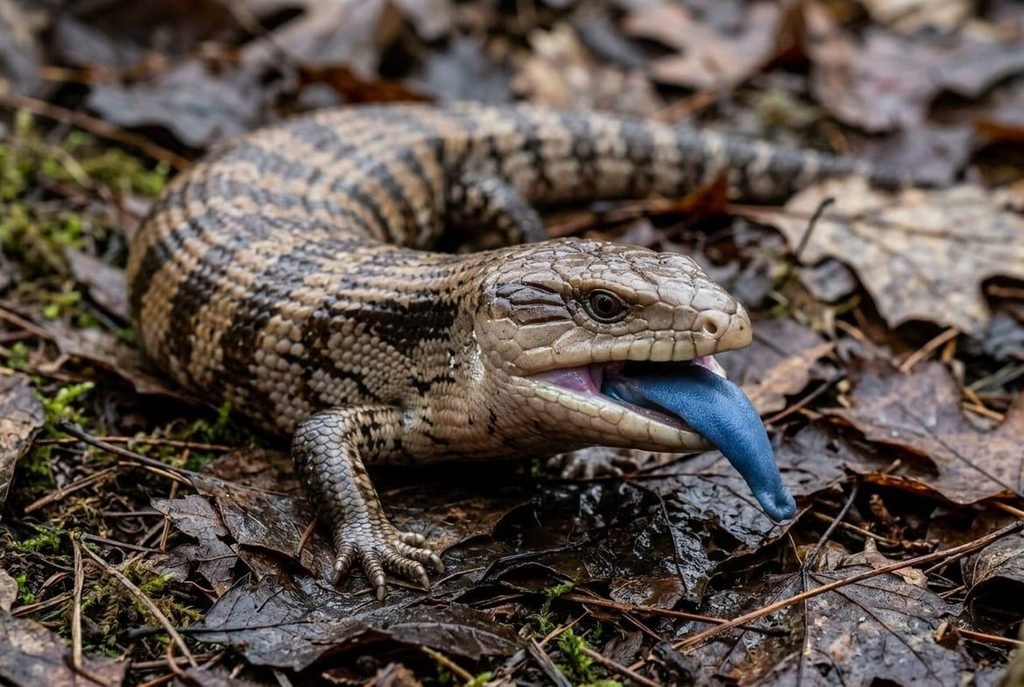
Blue-tongued skink
A stocky lizard with short legs and a distinctive blue tongue. It needs a secure enclosure with enough room to move and explore.
You can compare the remaining species using reliable reptile care guides and photographs from reputable zoos, veterinary resources, and responsible breeders. Look for clear images of healthy animals in suitable habitats rather than staged photos alone.
Best lizards for pets for beginners
For many first-time keepers, bearded dragons, leopard geckos, and crested geckos offer a manageable starting point when their care needs fit the household. None is a low-effort pet, and each needs a different setup.
Bearded dragon: best for daytime interaction
Bearded dragons are active during the day, making their behavior easier to observe. Many become comfortable with gentle handling when owners respect their boundaries.
However, they need a spacious enclosure, a proper basking area, suitable UVB lighting, and a balanced diet. Their equipment and ongoing food costs can surprise people who focus only on the purchase price.
Leopard gecko: best for a smaller habitat
Leopard geckos spend much of their time on the ground and often hide during bright parts of the day. They can suit owners who prefer a smaller reptile and are comfortable caring for live insects.
They still need a secure enclosure, suitable temperature gradients, hides, and appropriate lighting. A small enclosure should never replace a properly planned habitat.
Crested gecko: best for climbing behavior
Crested geckos are interesting to observe as they climb and move through branches. Commercially prepared crested gecko diets can simplify part of their feeding routine.
Their enclosure must provide vertical space, good ventilation, and suitable humidity. They can jump suddenly, so they may not suit children who expect to carry a pet around.
Veterinary and animal-welfare resources identify these species as viable options for suitable keepers, while emphasizing the importance of correct habitat and nutrition. See the Texas A&M veterinary guide to pet lizards and the RSPCA’s leopard gecko care guide.
Veterinary Medicine & Biomedical Sciences
+1
Top 10 lizard pets for beginners
The ten species in the earlier list are not equally beginner-friendly. Your best shortlist should reflect the level of care you can provide every day.
For a first reptile, start by comparing these three:
- Bearded dragon: Consider this species if you want a daytime companion and have space for a large enclosure.
- Leopard gecko: Consider it if you prefer a smaller ground-dwelling reptile and can manage insect feeding.
- Crested gecko: Consider it if you enjoy climbing habitats and can maintain suitable humidity.
African fat-tailed geckos and Rankin’s dragons may also suit prepared keepers, but research their specific needs before deciding. Green anoles require particular care with humidity, climbing space, and delicate handling.
Blue-tongued skinks and uromastyx need more specialized planning. Ackie monitors generally suit experienced keepers rather than beginners.
Before selecting any species, check three things: whether you can afford its complete setup, whether you can source its food reliably, and whether a reptile veterinarian can treat it locally.
Best lizards for pets for sale
If you’re looking to buy a lizard, start with a responsible captive breeder, a reputable reptile rescue, or a specialist seller who can explain the animal’s history and care needs.
Avoid choosing a seller based only on the lowest price or the most unusual color. An inexpensive animal can become expensive if it arrives ill or needs emergency treatment.
Before paying, ask the seller:
- Was the lizard captive-bred, and can you verify its background?
- What foods does it currently eat?
- Has it had any health concerns or treatment?
- What are its approximate age, sex, and current weight, if known?
- Can you see it moving and breathing normally?
- What exact temperature, lighting, humidity, and diet does it need?
- Does local law restrict owning, selling, transporting, or importing this species?
Look for clear eyes, normal movement, a clean mouth and vent, and a body condition appropriate for the species. No visual checklist can guarantee health, so arrange a reptile veterinary examination after bringing your new pet home.
Where possible, consider adoption. Reptile rescues may have animals that need suitable homes, and their staff may already know the animal’s feeding habits and temperament. The RSPCA provides guidance on adopting reptiles and exotic pets.
RSPCA
Best reptile pets for handling
Some reptiles tolerate gentle handling better than others, but no lizard should be expected to enjoy being held all the time. A calm individual can still become stressed when restrained, disturbed during rest, or removed from a suitable temperature.
Bearded dragons often suit owners who want occasional, supervised interaction. Leopard geckos can also learn to tolerate handling when people approach slowly and support their bodies. Blue-tongued skinks may become comfortable with familiar keepers, but their size calls for careful control.
Crested geckos are more likely to jump unexpectedly, so handle them close to the ground or over a soft, secure surface. Avoid grabbing any lizard by its tail. Some species can drop their tails, and crested geckos do not regrow theirs.
To build trust, allow the animal to approach your hand voluntarily. Keep sessions brief at first, watch for signs of distress, and return it to its enclosure when it tries to escape or struggles.
Wash your hands after handling reptiles or cleaning their habitats. Reptiles can carry Salmonella even when they appear healthy, so supervise young children and avoid handling reptiles near food preparation areas.
Daily Care Routine: How to Get Started
A reliable daily routine helps you spot problems early and keep your lizard’s habitat stable. Set up the enclosure before bringing the animal home, then confirm that the equipment works as expected.
Step 1: Prepare the enclosure
Choose a secure enclosure that suits the species’ adult size and behavior. Ground-dwelling lizards need usable floor space, while climbing species need vertical room, branches, and secure hiding places.
Add suitable substrate, hides, water dishes, and enrichment. Avoid decorations with sharp edges or gaps where the animal could become trapped.
Step 2: Test heating and lighting
Install the correct heat source, thermostat, and UVB lighting where required. Use reliable thermometers to check the warm and cool areas, and follow species-specific guidance for humidity.
Run the enclosure before introducing your lizard. This gives you time to correct temperature or humidity problems without stressing the animal.
Step 3: Establish a feeding routine
Prepare the correct food before the lizard arrives. That may include live feeder insects, fresh vegetables, a formulated gecko diet, or a combination based on the species.
Ask a reptile veterinarian for guidance on supplements and feeding amounts. Remove spoiled food and uneaten insects when appropriate.
Step 4: Observe your lizard every day
Check its appetite, movement, breathing, skin, droppings, and general behavior. Clean soiled areas promptly and replace drinking water with fresh water.
Record changes in weight if you can do so safely. A simple log can help you notice gradual changes that are easy to miss.
Step 5: Keep handling calm
Give your new pet time to settle into its enclosure. Begin handling only when it appears comfortable and you understand how to support its body safely.
Avoid waking a resting lizard just to interact. The animal’s comfort and health should guide your routine.
Cost Breakdown: What Does a Pet Lizard Cost?
The total cost includes the animal, enclosure, heating and lighting equipment, food, supplies, and veterinary care. The initial setup can cost more than the lizard itself.
Prices vary by country, species, breeder, equipment quality, and availability. The following table outlines common expenses without pretending that one price applies to every household.
| Expense | What to budget for |
| Lizard | Purchase or adoption fee |
| Enclosure | Secure housing sized for the adult animal |
| Heating | Heat source, thermostat, and temperature instruments |
| Lighting | Appropriate UVB equipment and replacement lamps, when required |
| Habitat supplies | Substrate, hides, branches, water dish, and enrichment |
| Food | Insects, vegetables, formulated diets, or other species-specific food |
| Supplements | Suitable calcium and vitamin products, when needed |
| Veterinary care | Initial examination, routine visits, and emergency treatment |
| Ongoing utilities | Electricity for heating and lighting |
How to plan a realistic budget
Get quotes for the full setup before buying the animal. Compare the cost of replacing lamps, buying feeder insects, and maintaining equipment throughout the year.
Keep an emergency fund for veterinary treatment. Reptile care can become costly when an animal needs diagnostic tests, medication, or specialist treatment.
Do not save money by skipping a thermostat, using unsuitable lighting, or buying an enclosure that the animal will quickly outgrow. Correct equipment protects both the lizard and your budget.
Common Mistakes Pet Owners Make
Many reptile health problems begin with preventable mistakes. The following errors deserve attention before you bring a lizard home.
Choosing by appearance alone. Bright colors and unusual patterns may attract attention, but they do not tell you whether you can meet the animal’s needs.
Buying a tank that’s too small. Young lizards grow, and their adult space requirements may differ greatly from their current needs. Plan for the adult animal.
Guessing temperatures. A heat lamp that feels warm to your hand may still produce unsuitable conditions. Use reliable instruments and a thermostat.
Ignoring UVB requirements. UVB needs vary by species. Follow a suitable lighting plan rather than assuming sunlight through a window or a standard household bulb provides enough exposure.
Feeding the wrong diet. A diet designed for one lizard may not meet another species’ nutritional needs. Research appropriate food and supplements before feeding.
Handling too much. Repeated handling can stress a new or nervous lizard. Give it time to settle and respect its signals.
Keeping incompatible animals together. Many pet lizards do best alone. Competition, aggression, injury, and breeding problems can occur when owners house them together.
Skipping veterinary care. Reptiles may hide signs of illness. Arrange an initial examination and seek help when behavior, appetite, breathing, or movement changes.
Pros and Cons of Keeping a Pet Lizard
| Pros | Cons |
| Interesting behaviors and natural activity to observe | Specialized heating and lighting requirements |
| Many species have distinct sizes and habitat needs | Choosing the wrong species can create serious care problems |
| Some become comfortable with gentle handling | Handling tolerance varies by individual |
| Feeding routines can be predictable once established | Some need live insects or carefully prepared diets |
| Often suitable for people who prefer observing rather than constant interaction | Enclosures and equipment take space |
| Can provide a rewarding long-term hobby | Veterinary care may require an exotic-animal specialist |
A lizard may suit someone who enjoys watching animal behavior and maintaining a carefully controlled habitat. It may not suit someone who wants an affectionate pet that seeks frequent physical contact.
Similar Options and Alternatives
If the six main choices do not match your home, consider other reptiles with different care needs. These alternatives broaden your options without suggesting that every species is suitable for beginners.
| Option | Best For |
| Gargoyle gecko | Keepers interested in an arboreal gecko with distinctive markings |
| Rankin’s dragon | Owners researching a smaller dragon species and prepared to meet its full care needs |
| Green anole | Experienced researchers interested in a small, active climbing lizard |
| Ackie monitor | Experienced keepers able to provide a large, complex habitat and enrichment |
| Corn snake | People open to a snake rather than a lizard and comfortable with its feeding needs |
| African fat-tailed gecko | Keepers interested in a ground-dwelling gecko with specific humidity needs |
A corn snake is included as a broader reptile alternative, not as a lizard. Its needs differ from those of every species in this guide.
Compare adult size, feeding habits, enclosure requirements, expected lifespan, and local legal restrictions before making a final choice.
When to Consult a Vet or Professional
Find a reptile veterinarian before purchasing your lizard. An experienced professional can advise you on species-specific care, preventive examinations, nutrition, and safe handling.
Arrange a veterinary appointment soon after bringing the animal home, even if it appears healthy. Ask the clinic about parasite testing and an appropriate examination schedule.
Seek prompt veterinary help if you notice:
- Labored breathing, unusual open-mouth breathing, or discharge around the nose or mouth.
- Severe weakness, loss of coordination, tremors, or difficulty moving.
- Sudden weight loss, a persistent loss of appetite, or unusual swelling.
- Burns, bleeding, serious wounds, or suspected broken bones.
- Repeated straining, abnormal droppings, or trouble passing waste.
- Retained shed skin that constricts toes or other body parts.
These signs do not all point to the same condition. A licensed veterinarian must assess the animal and recommend treatment. Do not give human medicine or attempt invasive home treatments.
If you suspect overheating or equipment failure, check the enclosure carefully and contact your veterinarian for guidance. Avoid sudden, extreme temperature changes while trying to correct the problem.
Fun Facts About Pet Lizards
- Bearded dragons have a distinctive beard. The spiky skin under the throat can darken and expand in response to certain situations.
- Leopard geckos have movable eyelids. This differs from many gecko species, which lack movable eyelids.
- Crested geckos can lose their tails. Unlike some other geckos, they do not regrow a dropped tail.
- Reptiles depend on environmental heat. Their surroundings help them regulate body temperature.
- Many lizards shed their skin. Growing animals often shed more frequently than adults.
- Geckos use their feet in different ways. Crested geckos climb with specialized toe pads, while leopard geckos mainly move along the ground.
- Not every lizard eats insects. Some species rely heavily on plant foods, while others need a mixture of foods.
These traits can help you appreciate the differences among species, but they also reinforce why each lizard needs a tailored care plan.
Frequently Asked Questions
What is the best lizard to have as a pet?
A bearded dragon or leopard gecko can make a good pet for a prepared beginner. Bearded dragons suit people who want a daytime-active animal and have room for a large enclosure. Leopard geckos suit people who prefer a smaller, ground-dwelling reptile and can provide live insects. Crested geckos are another option for keepers who enjoy climbing habitats. The best choice depends on your available space, budget, comfort with feeding, and ability to maintain the right environment. Research the adult animal’s needs before choosing.
Which lizard is the friendliest?
Bearded dragons and leopard geckos often become comfortable with gentle, patient handling, but friendliness varies between individuals. A lizard that calmly accepts your hand may still prefer to spend most of its time alone. Look for an animal that moves normally, responds to its surroundings, and does not show obvious distress during a brief interaction. Ask the breeder or rescue how the lizard behaves and whether it has a known handling history. Never force contact to make a reptile appear friendly, and remember that tolerance does not necessarily mean the animal enjoys being held.
What is the most cuddly lizard pet?
No lizard is truly cuddly in the same way as a dog or cat. Bearded dragons sometimes rest calmly on a person’s hand or lap when the environment and handling suit them. However, reptiles rely on external heat, and prolonged time away from their enclosure can affect their body temperature. A lizard may also become stressed when restrained or handled for too long. If you want a pet that seeks affection and enjoys frequent cuddles, a reptile may not meet your expectations. Choose one for its behavior and care needs rather than expecting it to provide physical affection.
What are the top 10 cutest lizards?
Cutest is a matter of personal taste, but many people admire bearded dragons, leopard geckos, crested geckos, African fat-tailed geckos, gargoyle geckos, Rankin’s dragons, blue-tongued skinks, uromastyx, green anoles, and chameleons. These reptiles have different colors, patterns, body shapes, and behaviors. Their appearance should not determine your final choice, though. Chameleons, for example, often have more demanding environmental needs than their size suggests. Before choosing any attractive species, research its adult habitat, diet, lifespan, handling tolerance, and legal status. A healthy animal in an appropriate home matters more than its looks.
Are lizards good pets for children?
Lizards can provide children with a useful opportunity to learn about animal behavior, habitats, and responsible care. However, an adult should take responsibility for feeding, cleaning, temperature checks, and veterinary appointments. Young children should not handle reptiles without close supervision because lizards can become stressed or injured. Reptiles can also carry Salmonella, even when they look healthy. Children must wash their hands after contact and should never kiss reptiles or bring them near food preparation areas. Choose an age-appropriate arrangement that prioritizes observation and hygiene over frequent handling.
Do pet lizards recognize their owners?
Some lizards may learn familiar routines and respond to a familiar person, especially when that person provides food and calm, consistent care. However, behavior that looks like affection may reflect familiarity, feeding expectations, or a response to movement. We should not assume that reptiles form human-like emotional bonds. Watch how your lizard behaves when you approach, and avoid forcing interaction if it retreats or becomes agitated. A secure enclosure, predictable care, and respectful handling offer a better foundation for trust than frequent attempts to hold the animal.
Can you keep two pet lizards in the same tank?
Many pet lizards do best in separate enclosures. Housing them together can create competition for food, basking spots, and hiding places. Aggression may occur even when the animals appear calm at first. Some species also have different temperature, humidity, or feeding needs that make shared housing difficult. Never assume that two lizards will get along because they belong to the same species or are similar in size. Ask a reptile veterinarian or experienced species specialist before considering shared housing, and provide separate habitats unless you have reliable, species-specific guidance supporting another arrangement.
Final Thoughts
Choosing a lizard is about finding the right match between the animal’s needs and your ability to provide consistent care. Bearded dragons, leopard geckos, and crested geckos offer useful starting points for many first-time keepers, but each requires a different habitat, diet, and approach to handling.
Before bringing one home, calculate the full setup cost, confirm that you can obtain suitable food, and locate a reptile veterinarian. Prepare the enclosure in advance and learn how to monitor temperature, humidity, and lighting. These steps can prevent common mistakes and help your new pet settle in safely.
Take your time when comparing breeders, rescues, and individual animals. Ask questions, review local ownership laws, and avoid buying a species simply because it looks unusual or appears inexpensive.
The best choice is a lizard whose long-term needs you understand and can meet. With careful research, patient handling, and responsible husbandry, you can create a safe home and enjoy observing your reptile for years to come.

Emily Carter is a pet care writer at PetJournalHub. She enjoys creating clear, practical, and well-researched articles about pet health, nutrition, grooming, and everyday care. Her goal is to help pet owners make informed decisions through reliable, easy-to-understand content.