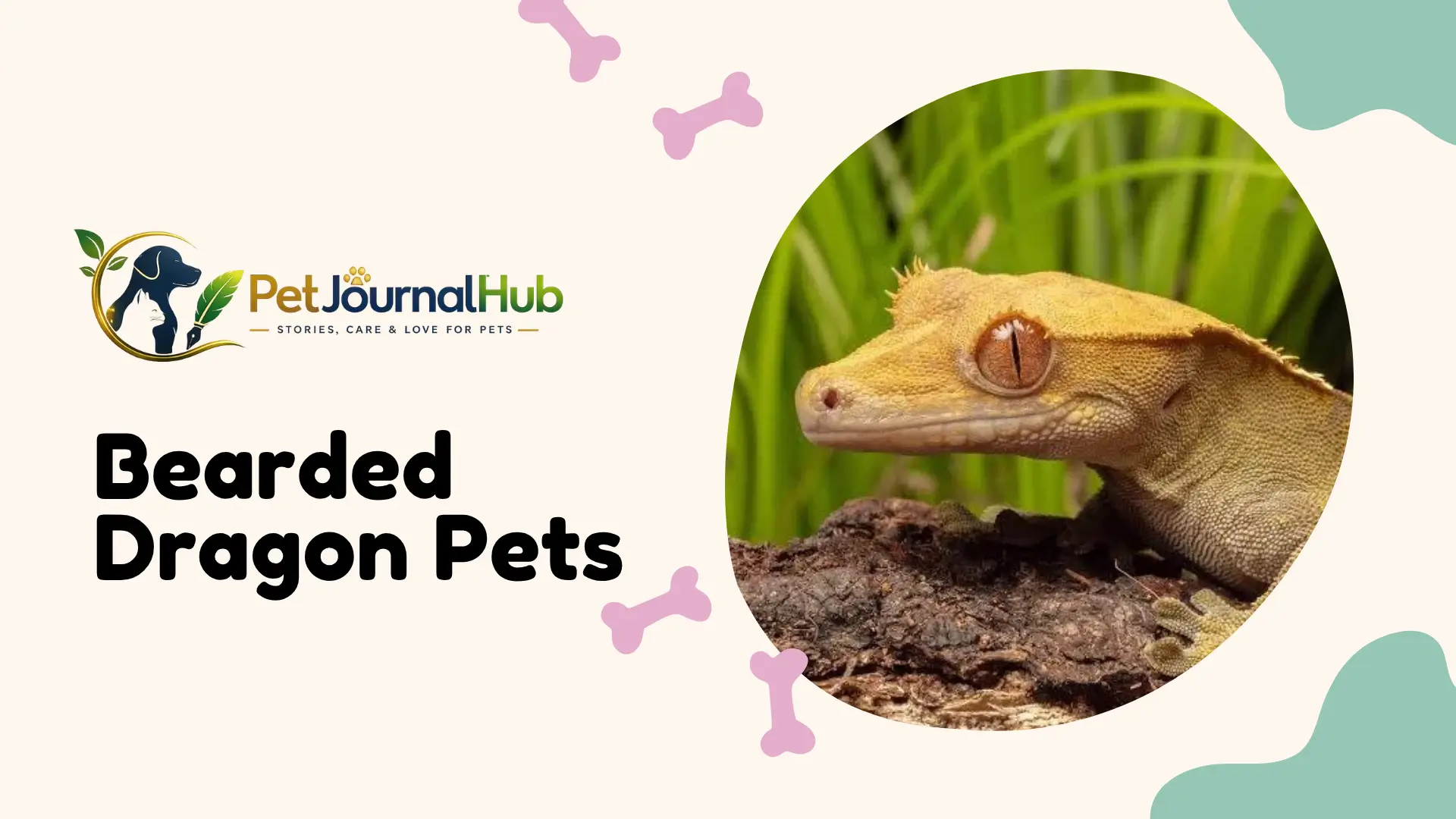
Bearded dragon pets are among the most popular reptiles kept in homes today — and for good reason. They’re calm, interactive, and relatively easy to care for once you understand their needs. The average bearded dragon pet lives to the age of 8 to 10 years, but with proper care, some live even longer. A healthy diet and the right living conditions can have a significant impact on the lifespan of your bearded dragon pet.
An Important Note About Where to Buy Your Bearded Dragon Pet
If you’re considering buying a pet beardie, make sure you go to a reputable bearded dragon breeder or adopt from someone who took good care of their pet. As a bearded dragon vet, we often treat lizards who have parasites or other illnesses as a result of poor living conditions. Always ask the breeder or store about the animal’s feeding history, shedding cycle, and whether it has been seen by a vet.
The Natural History of Bearded Dragons
Bearded dragons originated in Australia and New Guinea. In nature, they live in savannahs, sub-tropical or arid woodlands, deserts, and shrublands. There are 8 known bearded dragon species, but the ones most commonly kept as bearded dragon pets belong to the Pogona genus. All beardies are in the Agamid lizard family. You can recognize an Agamid lizard by its acrodont teeth — teeth that sit on top of the jaw bone rather than in sockets, making them easy to fracture. The front teeth of a bearded dragon are regularly replaced, unlike the back teeth. (It’s important to monitor the oral health of your bearded dragon pet. If you have any concerns, contact us and we can help.)
Beardies as House Pets
The domestication of bearded dragon pets is a relatively new phenomenon that gained popularity in the 1990s. Part of their rise may be attributed to their cameos in movies including Harry Potter and the Chamber of Secrets, Holes, and Nim’s Island.
Common Breeds of Bearded Dragons
The most popular species kept as bearded dragon pets is P. vitticeps, also known as the Central or Inland bearded dragon. Calm in nature and relatively small (~24 inches with the tail), they make a great house pet. You can recognize these beardies by their softer, triangular face.
Another common breed is P. barbata, AKA the common or Eastern bearded dragon. Smaller than the Central beardies, it is growing in popularity. This species has sharper features than the P. vitticeps, although it will also grow to ~24 inches with the tail.
P. henrylawsoni, also called the Rankin’s dragon or Pygmy bearded dragon, is another popular type. At just 12 inches long, people love their practicality. Some owners are attracted to these lizards because they come in a variety of color “morphs,” which many breeders take pride in developing.
Does care differ between species? The core care requirements — housing, UVB, temperature, and diet ratios — are largely the same across all three species. The main practical difference is scale: Rankin’s dragons need smaller enclosures and slightly smaller feeder insects than the Central or Eastern species, and their smaller size means portions (both insects and salad) should be scaled down accordingly. Otherwise, one care routine works for all three.
How to Care for Your Bearded Dragon Pet
Bearded Dragon Cages and Housing
An ideal cage for bearded dragon pets keeps in humidity and heat while remaining easy to clean. We recommend glass tanks because they’re low-maintenance and most comfortable for your beardie. Wire mesh cages can be hard on toe nails, while plastic containers lock in too much humidity.
Bearded dragon pets need plenty of space, sized appropriately for their age:
- Baby: 10-gallon glass tank
- Juvenile: 20-gallon glass tank
- Adult: 40-gallon glass tank (or larger)
Logs, Rocks, and Plants: Bearded dragons love to climb and will enjoy crawling around obstacles or basking on a log beneath their heat lamp. Only add rocks, plants, and logs purchased from a reputable store — never place outdoor-sourced items into your beardie’s tank, due to the risk of bugs, disease, and parasites. Always check that decor is a safe distance from heat lamps.
Bearded Dragon Substrate: Do not use sand, Vita-sand, or gravel. These may seem natural, but they can cause impactions — a dangerous blockage in the gastrointestinal tract — because beardies lick everything, including the cage floor, and can accidentally ingest substrate while eating. Many owners glue together slate or tile to create an easy-to-clean basking ledge and floor. Paper towels also make a safe, practical substrate; feces show up clearly and are easy to replace. Reptile carpet is another safe option.
Providing the Right Climate
Proper lighting and heat are fundamental to the health of any bearded dragon pet, since beardies need exposure to both UVA and UVB rays. UVB allows them to synthesize vitamin D3 in their skin, which lets them absorb the calcium in their diet. Without vitamin D3, calcium can’t be used properly — a serious health risk.
Bearded dragons are mid-day full-sun baskers, needing high UVB exposure with a UV index between 2.6 and 3.5. Always follow the bulb manufacturer’s directions, and place the bulb toward one end of the enclosure rather than the center, so your beardie can escape UV exposure if it wants to.
Choosing a UVB Bulb: Not all UVB bulbs are the same, and picking the right type matters:
- Linear fluorescent tubes – The most commonly recommended option. They provide even UVB coverage across the length of the tank and are generally the safest choice for beardies.
- Compact coil bulbs – More compact and often cheaper, but UVB output can be uneven and, in some cases, has been linked to eye and skin irritation in reptiles. Use with caution and only from reputable reptile-specific brands.
- Mercury vapor bulbs – Combine heat and UVB in a single bulb, which can simplify setup, but they run hot, can’t be used with a dimmer or standard thermostat in the same way, and issues with these bulbs are harder to diagnose since one bulb handles two jobs.
For most home setups, a linear fluorescent UVB tube paired with a separate basking heat bulb gives you the most control and the most even, reliable exposure.
Keep your bearded dragon pet on a consistent light cycle, turning bulbs on and off at the same time daily. Beardies should get 12–13 hours of daylight. Refer to our Lighting Guide for specific bulb recommendations.
How Hot Should the Tank Be?
Use two thermometers — one on the hot side, one on the cool side — placed at the middle of the tank’s height for an accurate reading.
| Age | Hot Spot | Cool Side | Night |
| Under 6 months | Up to 110°F | 80–90°F | 72–80°F |
| Under 1 year | Up to 105°F | 80–90°F | 72–80°F |
| Adult | 90–100°F | 80–90°F | 72–80°F |
Ceramic heat emitters can be used at night if the tank drops below the recommended range — but keep light-emitting bulbs off at night, since light disrupts a beardie’s sleep cycle. Replace UVB bulbs every 4–6 months, since their effectiveness fades even when they still produce visible light.
We do not recommend under-tank heaters for bearded dragon pets, since they emit heat without light. Beardies rely on light as a cue to move away from heat, so without it, they risk overheating and burns.
Shedding
Bearded dragons shed as they grow — young beardies may shed monthly or more, while adults shed just once or twice a year. During shedding, keep cage humidity at 50–60% (a hygrometer helps you track this accurately). Raising humidity slightly when a shed is starting can ease the process.
Unlike snakes, beardies shed in pieces — often the face first, followed by the hind legs. Watch problem areas like toes, hind legs, tail, and cloaca closely to make sure all old skin comes off. A warm water soak (80–85°F, 15–45 minutes depending on how your beardie tolerates it) can help loosen stuck shed. Always supervise soaks and let your beardie dry off under its heat lamp afterward.
How Often Should You Bathe a Bearded Dragon? Outside of shedding, most healthy adult beardies do well with a soak once every 1–2 weeks, mainly for hydration and general skin health. Juveniles can be bathed slightly more often, around once a week, since they shed more frequently and benefit from the extra hydration while growing. Bathing isn’t strictly required for a healthy beardie on a good water/humidity routine, but it’s a low-risk, beneficial habit as long as the water is shallow, warm, and supervised.
Bearded Dragon Diet and Nutrition
Water
Bearded dragon pets need constant access to water. Use a bowl large enough for your beardie to submerge most of its body. Since beardies often defecate in their water, change it daily and clean the bowl with soap and water each time.
Food
Bearded dragons are omnivores, and the ratio of insects to vegetables shifts significantly as they grow:
- Babies (0–3 months): Diet is roughly 80% insects, 20% vegetables. Small amounts of finely chopped greens should be offered daily from the start, even if they’re mostly ignored at first — this is what builds the habit for later.
- Juveniles (3–18 months): Diet gradually shifts toward more vegetables, moving through roughly 50/50 by mid-juvenile stage as growth rate slows.
- Adults (18+ months): Diet flips to mostly herbivorous — about 70–80% leafy greens and vegetables, with insects making up only 20–30%.
If vegetables aren’t introduced early and consistently, many beardies become picky and resist the transition to a mostly plant-based adult diet — so consistency in the baby and juvenile stages matters more than getting the exact ratio perfect on any single day.
For adults, leafy greens should make up the majority of the diet. Clean the salad bowl daily and remove leftovers before they dry out or mold; keep fresh food out of direct light.
Insects
Live insects should make up 20–30% of an adult’s diet. Good choices include crickets, dubia roaches, mealworms, phoenix worms, and hornworms — no larger than half the width of your beardie’s face. Never overfeed insects in one sitting, since their chitin exoskeleton is hard to digest.
- Adults: insects 3–4 times a week, 4–5 insects per sitting
- Babies/juveniles: insects 2–3 times a day, 2–3 small insects per meal
Feeder insects need two things:
- Gut loading — feed insects a nutritionally dense diet (commercial gut-load food or the same veggies your beardie eats) 24–48 hours before offering them, or they won’t be nutritionally useful.
- Dusting — coat insects with a calcium or multivitamin powder before feeding.
Supplement schedule: As a general guide, dust insects with plain calcium (no D3) at most feedings, use calcium with D3 once or twice a week, and offer a reptile multivitamin once a week — adjust based on your vet’s recommendation, since needs vary with age, UVB exposure, and species.
Best Feeder Insects for Bearded Dragon Pets
- Phoenix Worms — excellent calcium-to-phosphorus ratio; can be harder to find but last 2–4 weeks if kept dry and fed consistently.
- Dubia Roaches — easy to keep, low odor, simple to breed at home.
- Crickets — nutritious but noisy and smelly indoors; buy close to feeding time and gut-load them for 24–48 hours first.
- Mealworms — high in fat with a hard exoskeleton, so feed in moderation and always gut load and dust them.
Vegetables and Fruit
70–80% of a bearded dragon pet’s diet should be leafy greens, with fruit as an occasional treat. Adults should get a salad twice daily, made of dark leafy greens, peppers, carrots, broccoli, and other safe vegetables — about ¼ cup per meal.
Foods to Avoid: Some foods are toxic or dangerous for bearded dragon pets and should never be offered, including avocado, rhubarb, onions, fireflies/lightning bugs, and anything high in oxalates (like spinach) fed in excess, which can bind calcium. Always research a food before introducing it, or ask your exotics vet.
Feeding Tips
- Feed live insects outside the tank — insects left inside can bite your beardie.
- Dried insects or fruit are treats only, not daily food.
- Juveniles need frequent feeding since they’re growing fast — at least 3 times a day, each meal including a large salad and 3–4 insects.
Bearded Dragon Behavior
Bearded dragon pets can make wonderful companions, but understanding their behavior is essential. Beardies are solitary and can be territorial, no matter how much space they’re given. Never house multiple beardies together — this leads to fighting between males or unwanted mating.
How Can You Tell When Your Bearded Dragon Is Upset?
When agitated, beardies puff up their spikes and their beard darkens to grey or black. Males displaying to mate show similar behavior. A bearded dragon waving its hand looks cute but actually signals that it feels submissive or threatened.
When Do Bearded Dragons Change Color?
Beardies darken when cool, to absorb more heat, and lighten when warm. A warm beardie may also lift its toes while basking to stay cool. Skin can look faded or a shade darker just before shedding.
Note: Beardies often bask with their mouths open, which is normal. However, open-mouth breathing on the cool side of the tank can signal a breathing problem.
How to Tell Male and Female Bearded Dragons Apart
Sexing a bearded dragon is easiest once they’re close to adult size (around 6–12 months), though experienced keepers and vets can often tell earlier by examining the underside of the tail base:
- Males typically have two visible hemipenal bulges side by side just behind the vent, along with a single, more prominent pre-anal pore row visible on the belly.
- Females have a single, smaller, more centered bulge and less prominent pre-anal pores.
- Males also tend to grow slightly larger heads and broader beards relative to body size, and display head-bobbing and arm-waving behavior more often once mature.
If you’re unsure, your exotics vet can confirm sex reliably during a routine checkup.
Breeding and Egg-Laying Basics
An important thing many new owners don’t expect: female bearded dragons can lay eggs even without ever being near a male. These are infertile (“slugs”) and won’t hatch, but the process of egg-laying (gravidity) is still physically demanding and needs to be supported properly.
Signs a female may be gravid include restlessness, digging behavior, decreased appetite, and a visibly rounder abdomen. She’ll need a dig box of moist, diggable substrate (like Eco Earth) deep enough to lay in — roughly 12+ inches deep — even if there’s no chance the eggs are fertile.
If a female shows digging or straining behavior for more than 24–48 hours without successfully laying eggs, this can indicate egg binding (dystocia), which is a veterinary emergency (see the Emergencies section below). Deliberate breeding between a male and female should only be attempted with guidance from an experienced breeder or exotics vet, given the health risks gravidity carries for females.
Bonding and Handling Your New Bearded Dragon Pet
When you first bring home a bearded dragon pet, give it a few days to settle into its new tank before handling it. Approach slowly from the side rather than from above, since a hand coming from above can mimic a predator. Always support the whole body — never pick up a beardie by the tail, as it can be injured or, in rare cases, dropped as a defense mechanism.
When Can You Start Handling? Baby beardies (under 3 months) should be handled minimally and briefly at first — just a few minutes at a time — since they’re more fragile and easily stressed during rapid growth. From around 3–4 months on, once your beardie is eating well and settled into its enclosure, you can gradually build up to longer, more frequent handling sessions as it grows more comfortable with you.
Short, calm handling sessions build trust over time; signs of stress during handling include darkening color, puffing up, or trying to flee, and are a cue to put your beardie back and try again later.
A Note on Tail Injuries: Unlike some lizard species, bearded dragons do not readily regrow a dropped or lost tail. If the tail is injured, broken, or partially dropped, this is not a routine issue — it requires prompt veterinary attention to prevent infection and manage pain, since the tail contains bone and won’t regenerate the way it might in other lizards.
What Do Bearded Dragons Like to Play?
Give your beardie time outside its cage daily. Many bearded dragon pets enjoy sitting on couches or watching TV with their owners, while others love supervised walks — some owners use a reptile harness for outdoor time. If letting your beardie roam outdoors, choose pesticide-free grass in an enclosed area.
Some beardies enjoy water play, relaxing in a bath, or running through a trickle from a hose. Warm baths are especially helpful before a shed. Others enjoy digging — a dig box filled with Eco Earth, Coco Husk, or Repti Bark (never potting soil with fertilizer) makes a great supervised activity, but shouldn’t be left in the cage unattended for long periods.
Bearded Dragons and Other Household Pets
If you have cats, dogs, or other pets at home, never leave them unsupervised with your bearded dragon pet. Even a curious, gentle dog or cat can startle or injure a beardie, and the stress alone can affect your reptile’s health. Keep the enclosure somewhere other pets can’t access, and always supervise any face-to-face introductions.
Quarantine for New Bearded Dragon Pets
If you already have other reptiles at home, quarantine any new bearded dragon pet in a separate room for at least 30–90 days before introducing it near your existing collection. This gives you time to observe for parasites or illness and get a vet check done, without risking cross-contamination.
Brumation: A Normal (But Often Misunderstood) Behavior
Many new owners mistake brumation for illness. Brumation is a hibernation-like state that adult bearded dragon pets may enter, typically in cooler months, marked by reduced appetite, increased sleeping, and long stretches of inactivity. It’s usually normal in healthy adults, but because the symptoms overlap with sickness, it’s important to rule out illness with your exotics vet first — especially in young beardies, which should not brumate and need veterinary attention if showing these signs.
Traveling With Your Bearded Dragon Pet
Whether it’s a vet visit or a boarding drop-off, transporting a beardie safely takes a bit of planning:
- Use a secure, ventilated travel container — a small plastic critter carrier or a cloth reptile travel bag works well. Avoid loose transport in an open box or on a lap.
- Line the carrier with a paper towel and, for longer trips, a small heat pack (wrapped, never in direct contact with skin) to maintain warmth, especially in cold weather.
- Keep car temperature stable — avoid leaving your beardie in a parked car in hot or cold weather, even briefly, since temperature swings happen fast in a closed vehicle.
- For trips longer than an hour or two, bring a water-moistened paper towel in the carrier to help prevent dehydration, but avoid loose water bowls that can spill.
- Minimize handling and noise during travel — a dark, quiet carrier helps reduce stress more than trying to comfort or interact with your beardie during the ride.
Medical Care for Your Bearded Dragon Pet
When Should You Schedule a Checkup?
When you bring home a new bearded dragon pet, schedule an appointment with an exotic pet vet right away. The vet will check for infections or parasites during the initial exam. Annual exams, including fecal and blood work, help ensure a long, healthy life.
Common Health Concerns
- Metabolic bone disease (MBD)
- Vitamin deficiencies
- Hypervitaminosis
- Sand or dirt impactions
- Wasting disease (Atadenovirus)
- Dehydration
- Protozoa or parasites
- Egg binding (dystocia)
- Mouth rot (stomatitis)
Signs Your Bearded Dragon Pet May Be Sick
- Lethargy
- Abnormal skin discoloration
- Stuck shed
- Decreased appetite
- Decreased fecal production
- Loose or runny stool
- Excessive open-mouth breathing
- Decreased use of limbs
- Open mouth while lethargic on the cool side of the tank (possible breathing trouble)
Bearded Dragon Emergencies
Seek medical care immediately if you observe:
- Overheating or burns
- Falls from high surfaces
- Broken bones (including the tail)
- Impaction
- Egg binding
- Excessive head bobbing
- Seizures or head tilt
Even if you’re not sure whether it’s an emergency, your safest bet is to contact your local exotics specialty vet for advice. At Long Island Bird & Exotics, we’re on call 24 hours a day. Contact us about your bearded dragon pet emergencies if you live in the NY area.
What Does It Cost to Own a Bearded Dragon Pet?
Budgeting matters before you bring one home. A rough starting point:
- Initial setup (tank, lighting, heating, substrate, decor): roughly $200–$400
- Bearded dragon itself: $30–$150+ depending on morph and breeder
- Monthly costs (food, bulb replacement, supplements): roughly $30–$60
- Annual vet exams: varies by clinic and region
Costs can run higher with premium morphs or larger enclosures, so it’s worth budgeting generously before buying.
Boarding for Bearded Dragon Pets
At Long Island Birds and Exotic Pets, we offer boarding services for bearded dragon pets. We have proper tanks and supplies to safely board any beardie, and we’re happy to offer whatever diet your pet prefers — a range of hearty greens and delicious insects. We promise to give your bearded dragon pet lots of TLC, so you can travel stress-free.
Frequently Asked Questions About Bearded Dragon Pets
How long do bearded dragon pets live?
Typically 8–10 years, though good care can extend this further.
Can bearded dragons eat strawberries?
Yes, in moderation, as an occasional treat rather than a daily food.
Do bearded dragon pets need a heat lamp at night?
No — standard heat/light bulbs should be turned off at night. Use a ceramic heat emitter only if night temperatures drop too low.
How often should I take my bearded dragon pet to the vet?
Once when you first bring them home, then annually for a wellness exam, plus any time you notice symptoms of illness.
Can two bearded dragons live together?
No. Beardies are solitary and territorial, and housing them together can lead to fighting or unwanted mating.
How can I tell if my bearded dragon is male or female?
Males typically show two hemipenal bulges behind the vent and more prominent pre-anal pores; females show a single, smaller bulge. Sexing is most reliable once a beardie is close to adult size, or can be confirmed by an exotics vet.
Do female bearded dragons need a male to lay eggs?
No. Females can lay infertile eggs on their own. They still need a proper dig box and monitoring during this process, since prolonged straining without laying can signal a medical emergency.
How often should I bathe my bearded dragon?
About once every 1–2 weeks for adults, and slightly more often for juveniles, plus extra soaks during shedding to help loosen stuck skin.

Daniel Brooks is a pet research writer at PetJournalHub. He specializes in pet behavior, product research, and responsible pet ownership. He focuses on delivering accurate, reader-friendly guides that help pet owners provide the best care for their animals.