Opossums generally do not make suitable pets for most people because they have specialized care needs, natural wild behaviors, and legal restrictions in many places. Although some can become comfortable around familiar humans, they still need species-specific housing, nutrition, and veterinary care. Before considering one, check local wildlife laws and consult an experienced exotic-animal veterinarian.
Key Takeaways
- Opossums are wild marsupials, not domesticated animals like cats and dogs.
- Their nighttime activity, specialized diet, and natural behaviors can make home care challenging.
- Ownership laws differ by state and country. Some places require permits or restrict private ownership.
- A healthy wild opossum usually belongs in its natural habitat, not a household.
- Injured or orphaned opossums need help from a licensed wildlife rehabilitator.
- Domesticated small mammals may offer a more practical option for people seeking an unusual pet.
Introduction
Opossums attract attention because of their unusual faces, hairless tails, and curious behavior. Videos of these animals eating fruit, climbing branches, or exploring a person’s home can make them look like friendly little companions. Some people even search for baby opossums after finding one outdoors.
However, an animal that looks calm in a video may have very different needs in a home. Opossums have natural behaviors that owners cannot simply train away. They are mainly active at night, explore their surroundings, and need an appropriate diet and environment. Their care also differs from that of common household pets.
People asking are opossums good pets often want a clear answer before spending money or bringing an animal home. The answer depends partly on the species, local laws, and the owner’s experience. Even when ownership is legal, providing suitable long-term care can prove difficult.
This guide explains the differences between Virginia opossums and short-tailed opossums, their lifespan, behavior, housing, diet, veterinary needs, and potential costs. It also covers ownership laws, online sales, common mistakes, and alternatives worth considering.
The goal is to help readers understand the animal before making a decision. If you have found an opossum outdoors, the safest response may be very different from choosing a legal captive-bred exotic pet.
What Is an Opossum?
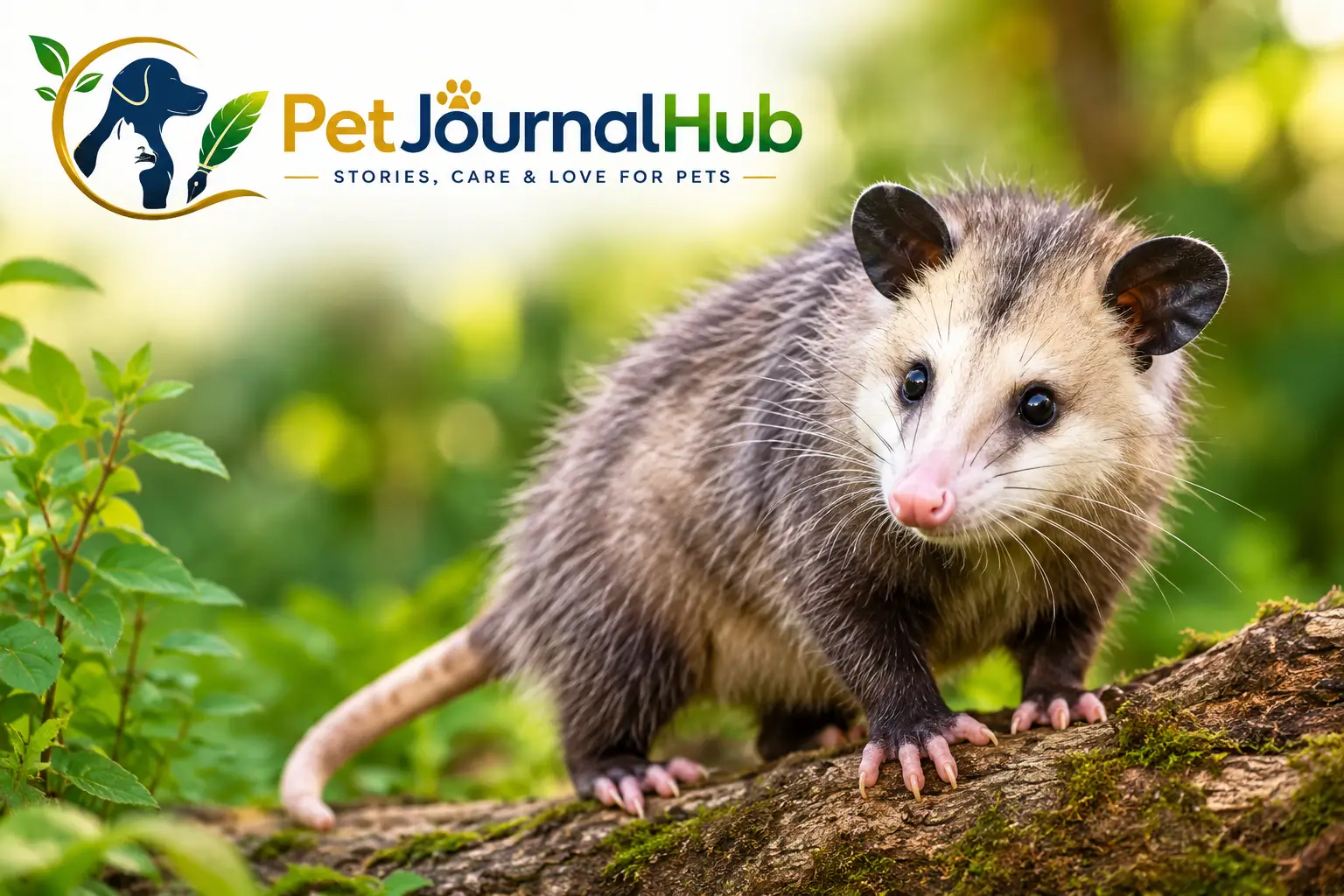
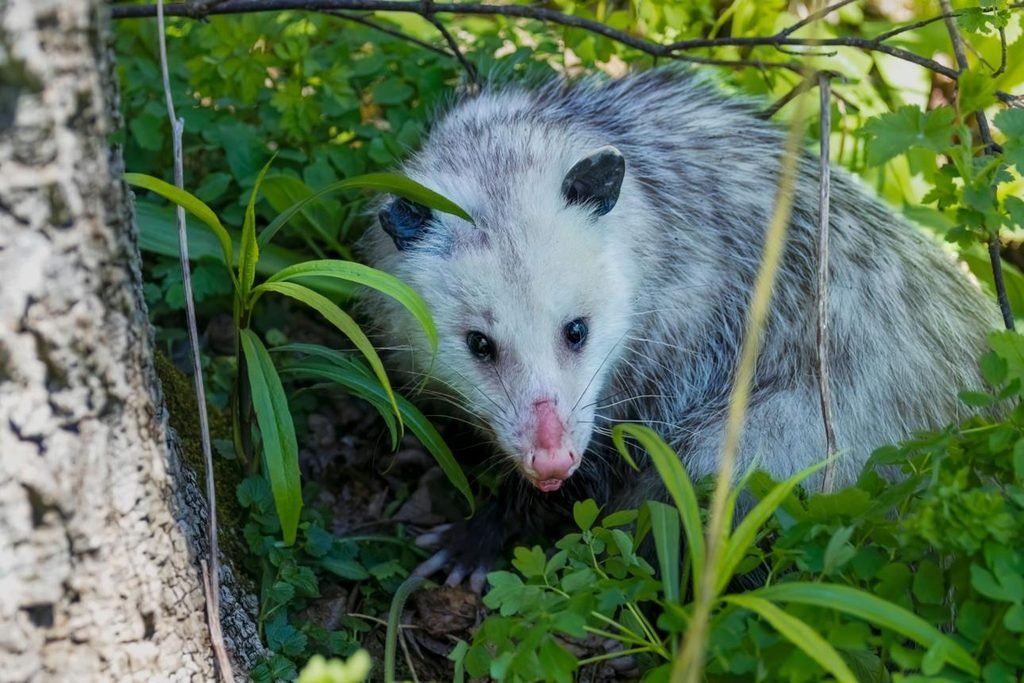
An opossum is a marsupial, a type of mammal whose young develop partly inside a pouch. The Virginia opossum (Didelphis virginiana) is the only marsupial native to North America.
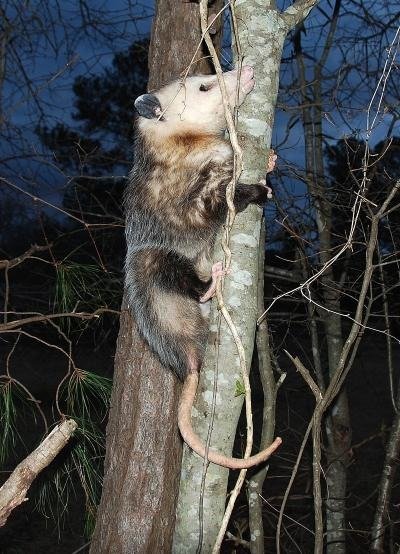
These animals have pointed snouts, rounded ears, grasping feet, and long, mostly hairless tails. They can live in forests, fields, and urban neighborhoods, where they search for food and shelter.
Virginia opossums eat a varied diet that may include insects, worms, fruit, plant material, eggs, and small animals. Their feeding habits change with the food available in their surroundings. The Smithsonian’s National Zoo describes them as adaptable omnivores.
National Zoo
+1
The word possum can cause confusion. In North America, people often use it as a shorter name for the Virginia opossum. Australian possums belong to a different group of marsupials.
Another animal sometimes sold in the exotic-pet trade is the short-tailed opossum. These smaller South American marsupials have different housing and care requirements. Advice for one species should not automatically apply to another.
Quick Facts About Opossums
| Fact | Details |
| Animal group | Marsupial mammal |
| North American species | Virginia opossum |
| Scientific name | Didelphis virginiana |
| Activity | Mainly nocturnal |
| Diet | Omnivorous |
| Social behavior | Generally solitary |
| Lifespan | Often around 1.5–2 years in the wild and 3–4 years under human care for Virginia opossums |
| Main challenges | Specialized diet, nighttime activity, housing, and veterinary access |
| Ownership rules | Vary by location and species |
The lifespan figures above describe Virginia opossums, not every species called an opossum. Individual lifespans also vary with health, environment, and care.
National Zoo
+1
Where Do Opossums Come From?
Virginia opossums naturally occur across much of the Americas, including parts of Central America, Mexico, and the United States. Their range also extends into southern Canada. People have introduced them to some areas outside their original range.
National Zoo
+1
These animals use different habitats, including wooded areas, grasslands, and neighborhoods. They often seek shelter in tree hollows, abandoned burrows, brush piles, and other protected spaces.
Their ability to live near people does not mean they have adapted to domestic life. A wild opossum may enter a garden because it finds food or shelter. That behavior does not mean it wants human contact.
History and Evolution of Opossums
Opossums belong to an ancient lineage of mammals. Their marsupial biology sets them apart from familiar placental mammals such as dogs and cats.
The Virginia opossum has adapted to many environments and can take advantage of food sources near human settlements. It may eat insects, fallen fruit, carrion, and discarded food when these resources are available.
National Zoo
+1
Interest in keeping opossums has also appeared in exotic-pet discussions. However, wildlife rehabilitation groups distinguish caring for an animal temporarily so it can recover from keeping it permanently for companionship. The Opossum Society of the United States does not encourage keeping opossums as pets.
Rehabilitation and Education
+1
There is no reliable evidence here to establish how quickly private opossum ownership is growing. Online attention alone does not prove a broad increase in ownership.
Key Characteristics and Care Needs
Opossums have physical and behavioral traits that shape their care. Understanding these traits matters more than deciding whether the animal looks cute or friendly.
Behavior and temperament
Virginia opossums usually live alone and become active after dark. They explore their surroundings and may climb, investigate hiding places, or search for food during the night.
When frightened or cornered, they may hiss, drool, or show other defensive behaviors. Some enter an involuntary, death-like state when severely threatened. This behavior is not deliberate acting or proof that the animal is comfortable.
Wildlife
+1
Size and movement
Virginia opossums can grow to roughly the size of a house cat, including their tail. Their grasping feet and flexible tails help them move through their environment. They need room to explore and access to suitable hiding places.
Diet and nutrition
A wild opossum’s diet includes both animal and plant foods. Feeding only fruit, cat food, or table scraps does not recreate a balanced diet. Captive nutrition needs careful planning because dietary mistakes can contribute to health problems, including obesity, dental disease, and nutritional disorders.
PubMed
+1
Housing and enrichment
An appropriate enclosure must prevent escapes and injuries while providing space for movement, hiding, climbing where suitable, and exploration. Temperature, humidity, substrate, and enclosure design depend on the species.
Veterinary care
Not every veterinarian treats opossums. Before considering legal ownership of any species, identify a qualified exotic-animal veterinarian who has relevant experience and can discuss preventive care, nutrition, and emergencies.
Quick Comparison Snapshot
The following table compares different routes for someone interested in an unusual small mammal. It is not a claim that every species suits every home.
| Option | Best For | Key Difference |
| Wild Virginia opossum | Wildlife observation outdoors | A wild animal that generally should remain in its habitat |
| Short-tailed opossum | Experienced exotic-animal keepers where legal | Smaller species with its own specialized care requirements |
| Domesticated rat | People seeking an interactive small mammal | Domesticated, social, and generally more familiar in pet care |
| Guinea pig | People seeking a herbivorous companion | Needs suitable hay-based nutrition and social housing |
These options are not interchangeable. Research the needs of any animal before choosing it, and check local restrictions.
Are Opossums Good Pets Reddit?
Online discussions about opossums often focus on their appearance, unusual behaviors, and stories of rescued animals. Such accounts can help readers discover questions to ask, but personal anecdotes do not establish that an animal will behave the same way in another home.
A rescued opossum that appears relaxed around a caregiver may have learned to tolerate that person’s presence. It may still dislike handling, need nighttime activity, or react defensively when frightened.
When reading Reddit discussions or other pet forums, look for details about the species, the animal’s legal status, its source, and the experience of the person describing it. Give greater weight to advice that aligns with licensed wildlife professionals and qualified exotic-animal veterinarians.
Do not use a successful rescue story as a reason to remove a healthy baby from the wild. Wildlife organizations advise people to seek professional guidance when an opossum appears injured or genuinely orphaned.
Wildlife Center of Virginia
+1
What States Allow Possums as Pets?
There is no single rule that makes opossum ownership legal throughout the United States. State wildlife laws, permit requirements, local ordinances, and rules governing the species can all affect whether someone may keep one.
Some regulations address possession of native wildlife, while others cover importing or selling exotic animals. A permit for wildlife rehabilitation may authorize activities that an ordinary pet owner cannot legally perform. Virginia, for example, has specific administrative rules covering the possession, transport, and release of wildlife by authorized people.
Virginia Law
+1
Before acquiring an opossum, check:
- Your state wildlife or natural resources agency.
- City and county animal regulations.
- Permit rules for the exact species.
- Requirements for legal acquisition, transport, and veterinary care.
- Landlord, housing association, or insurance restrictions that may apply.
Ask the relevant agency for written clarification when the rules are unclear. Do not rely on an online seller’s statement that an animal is legal.
Because regulations can change, this article does not present an unverified list of states where private ownership is allowed.
Pet Opossum Lifespan
A Virginia opossum typically lives around 1.5 to 2 years in the wild and may reach 3 to 4 years under human care. These are general figures, not guarantees for an individual animal.
National Zoo
The lifespan of a short-tailed opossum may differ. Owners should not use the Virginia opossum’s lifespan figures to estimate the life expectancy of another species.
Health, nutrition, housing, stress, and access to veterinary treatment can affect an animal’s well-being. Captivity does not automatically extend life or improve welfare. A captive animal can still develop nutritional disease, obesity, dental problems, or other conditions.
If you’re considering a legal captive-bred exotic species, ask an experienced veterinarian about its expected lifespan, common health concerns, and likely long-term costs before making a commitment.
Opossum Pet for Sale
Searching for an opossum for sale can lead to online advertisements, exotic-animal sellers, or private listings. However, finding a listing does not prove that the seller has permission to sell the animal or that ownership is legal in your area.
Wild-caught animals raise additional welfare concerns. Removing a healthy animal from its habitat can disrupt its life, and a young opossum may still depend on its mother.
Before considering any legal captive-bred exotic mammal, ask the seller for:
- The exact species and its scientific name.
- Documentation showing its lawful origin.
- Any permits or transfer documents required locally.
- Veterinary records and information about its current diet.
- Details of its age, housing, and previous care.
- A plan for veterinary support after acquisition.
Avoid sellers who cannot identify the species, encourage illegal capture, or promise that a wild animal will become tame. Do not buy an animal first and investigate the law later.
If you find an orphaned or injured wild opossum, contact a licensed wildlife rehabilitator instead of looking for a buyer.
Rehabilitation and Education
+1
How Much Does a Pet Possum Cost?
There is no reliable universal purchase price for a pet opossum. Costs depend on the species, legal requirements, source, enclosure, diet, and access to an appropriate veterinarian.
A low advertised price can hide substantial expenses. For example, an animal may require a secure enclosure, suitable environmental controls, enrichment items, specialized food, and veterinary examinations.
Plan for these categories before considering ownership:
| Expense | What to consider |
| Acquisition | Legal source, species documentation, and any permitted transfer costs |
| Enclosure | Secure construction, space, ventilation, and appropriate furnishings |
| Food | Species-specific nutrition rather than a single convenient food |
| Environmental needs | Heating, humidity control, or other equipment when required |
| Veterinary care | Initial examination, preventive care, testing, and emergencies |
| Enrichment | Hiding spaces, safe climbing opportunities, and items that encourage natural behavior |
| Emergency reserve | Unexpected illness, injury, or equipment failure |
Ask an exotic-animal veterinarian and reputable suppliers for actual local prices. Add routine and emergency veterinary estimates to the budget before making a decision.
Avoid treating the price of an animal as the full cost of ownership. If you cannot secure legal access to veterinary care or afford appropriate housing, do not acquire the animal.
Opossums as Pets
Keeping an opossum differs from caring for a domesticated companion. Even a legally kept captive-bred animal needs care based on its species, age, health, and natural behavior.
A responsible care plan begins with three questions: Is ownership legal? Can you meet the animal’s physical and behavioral needs? Can you access an experienced veterinarian throughout its life?
Opossums may tolerate familiar people, but owners should not expect dog-like affection or reliable handling. Some individuals may remain fearful or defensive, particularly when someone tries to restrain them.
Wildlife rehabilitation also has a different purpose from pet ownership. Rehabilitators aim to restore injured or orphaned wildlife so it can survive in its natural environment when release is appropriate. The Opossum Society of the United States supports rehabilitation and education rather than permanent pet keeping.
Rehabilitation and Education
+1
Short-Tailed Opossum
The short-tailed opossum is a smaller South American marsupial sometimes discussed in exotic-pet circles. Its care needs differ from those of the North American Virginia opossum, so species identification matters.
Short-tailed opossums are primarily nocturnal and generally solitary. Their care may involve suitable humidity, temperature control, hiding places, and opportunities to explore. Their diet can include specialized prepared foods, insects, and other suitable items selected for their nutritional needs.
ScienceDirect Topics
A small body does not automatically make an animal easy to care for. Before considering one, confirm that ownership is legal, find a veterinarian familiar with the species, and obtain a reliable husbandry plan.
Do not use a Virginia opossum care guide as the only source for a short-tailed opossum. Their size, environment, and nutritional needs differ.
Opossum as a Pet Pros and Cons
The potential benefits and difficulties depend on the species and the individual animal. However, the challenges can be substantial for an inexperienced keeper.
| Potential benefits | Potential drawbacks |
| Unusual opportunity to observe a marsupial | Not domesticated like common companion animals |
| Interesting natural behaviors | Mainly nighttime activity |
| Varied feeding behavior can be educational | Specialized nutrition and veterinary needs |
| Some captive individuals may tolerate familiar people | Tolerance does not guarantee affection or safe handling |
| May appeal to experienced exotic-animal enthusiasts | Legal restrictions and sourcing concerns |
| Relatively short lifespan for some species | A short lifespan still involves a serious care commitment |
Think beyond the novelty of owning an unusual animal. Daily welfare, safe housing, veterinary access, and legal compliance matter more than appearance.
Daily Care Routine: How to Get Started
There is no universal daily routine for every opossum species. If you are legally responsible for a captive animal, ask an experienced veterinarian to create a care plan specific to that species and individual.
A general monitoring routine may include the following:
- Check the enclosure. Look for damaged fittings, escape routes, unsafe objects, and soiled areas.
- Check water and food. Follow the veterinarian’s feeding plan and provide clean water as directed.
- Observe behavior. Notice changes in appetite, movement, breathing, stool, or normal activity.
- Maintain hygiene. Remove waste and spoiled food, and clean the enclosure using animal-safe methods.
- Provide enrichment. Offer suitable hiding places and species-appropriate opportunities to explore.
- Review the environment. Confirm that temperature, humidity, and ventilation remain within the species’ recommended range.
- Record changes. Keep notes about eating, weight when advised, behavior, and any health concerns.
Avoid excessive handling, forced interaction, or attempts to make the animal behave like a domesticated pet. If you find a wild opossum, do not use this routine as a reason to keep it; seek advice from a wildlife professional instead.
Common Mistakes Pet Owners Make
People can make serious mistakes when they judge an opossum by its appearance or by short videos online.
Assuming every opossum is the same species. Virginia and short-tailed opossums have different requirements. Identify the exact species before researching care.
Feeding an unsuitable diet. Fruit alone, table scraps, or a single commercial food may not meet nutritional needs. Veterinary guidance is important because nutritional disorders can develop in captive opossums.
PubMed
+1
Expecting constant interaction. A nocturnal animal may rest during the day and become active when its owner wants to sleep.
Handling a frightened animal. Hissing, drooling, or defensive movement may indicate fear or stress. Do not force contact.
Buying from an unverified seller. A seller’s claims do not replace legal documentation, correct species identification, or veterinary records.
Ignoring veterinary access. Before acquisition, identify a clinic that treats the exact species and can advise on emergencies.
Taking a baby from the wild unnecessarily. A small animal found alone is not always abandoned. Wildlife professionals can help determine whether intervention is necessary.
Wildlife Center of Virginia
+1
Similar Options and Alternatives
If you want an unusual small mammal, consider whether a domesticated species could meet your needs without the legal and husbandry challenges of keeping wildlife.
| Option | Best For |
| Domesticated rats | People interested in interactive small mammals and prepared to provide companionship and enrichment |
| Guinea pigs | Owners who can provide suitable hay-based nutrition, adequate space, and appropriate social housing |
| Hamsters | People seeking a small animal with a different care routine and often solitary housing needs |
| Domestic rabbits | Households able to provide ample space, rabbit-safe surroundings, and specialized veterinary care |
| Wildlife watching | People who enjoy opossums without confining them |
| Wildlife volunteering | People interested in animal care who can pursue training with an authorized rehabilitation organization |
Every alternative has its own welfare needs. Rats, rabbits, guinea pigs, and hamsters are not maintenance-free pets, and none should be chosen without proper research.
For many people, watching wild opossums from a respectful distance offers a way to appreciate these animals without taking responsibility for specialized captive care.
When to Consult a Vet or Wildlife Professional
Seek help from a qualified wildlife rehabilitator or veterinarian if you encounter an opossum that appears injured, seriously ill, or genuinely orphaned.
Warning signs can include open wounds, bleeding, difficulty breathing, severe weakness, abnormal movement, or obvious distress. An opossum that has been in a dog’s or cat’s mouth also needs prompt professional assessment.
Wildlife Center of Virginia
+1
Do not give an unfamiliar wild animal food, water, medication, or home remedies while waiting for instructions. These actions can cause harm, particularly to very young animals.
If an opossum is in immediate danger, keep people and pets away and contact a licensed wildlife rehabilitator for safe next steps. Avoid handling it unless a qualified professional instructs you to do so.
For a legally kept captive animal, contact an exotic-animal veterinarian about changes in appetite, unexplained weight loss, diarrhea, unusual lumps, abnormal movement, or changes in breathing. A professional who knows the species can assess the problem and recommend appropriate care.
Fun Facts About Opossums
10
- They are marsupials. Their young develop in a pouch after birth.
- They are mainly nocturnal. They usually become active after dark.
- They eat a varied diet. Insects, fruit, plant material, and small animals can form part of their food intake.
- They have grasping feet. Their feet help them move through their surroundings.
- They can play dead involuntarily. This is a defensive response rather than a deliberate trick.
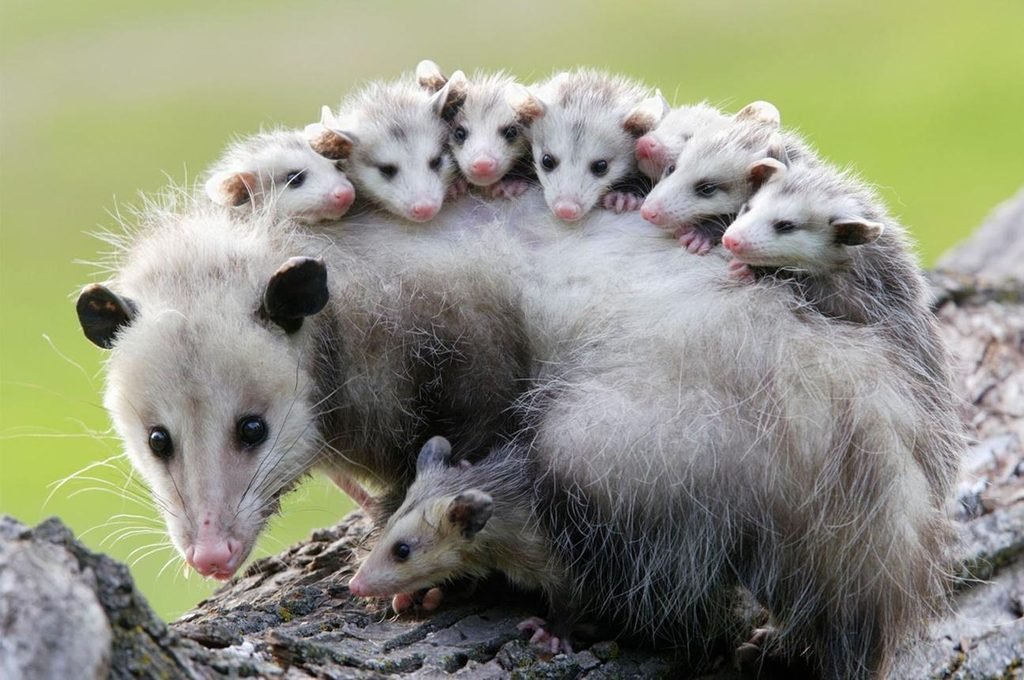
- Mothers carry their young. After leaving the pouch, young opossums may ride on their mother’s back.
- Their lifespan is relatively short. The Smithsonian reports typical lifespans of 1.5–2 years in the wild and 3–4 years under human care for Virginia opossums.
National Zoo
+3
These traits make opossums interesting wildlife to observe. They do not, by themselves, mean the animals are suited to household life.
Frequently Asked Questions
Can opossums bond with humans?
Some captive opossums may become familiar with a regular caregiver and tolerate that person’s presence. However, this is not the same as the predictable social bond many people expect from a domesticated dog or cat. Individual behavior depends on factors such as species, previous experiences, health, and handling.
A calm animal may still feel stressed when someone picks it up or restricts its movement. Avoid assuming that eating from a person’s hand proves affection. If you encounter a wild opossum, respect its space rather than attempting to build a relationship through feeding or handling.
Is it a good idea to keep an opossum as a pet?
For most people, keeping an opossum is not a practical choice. These animals have specialized needs, natural wild behaviors, and legal restrictions that can make ownership difficult. A person with relevant experience may be able to care for a legally acquired captive animal, but that requires careful preparation and access to an appropriate veterinarian.
If you find an opossum outside, do not bring it home simply because it looks small or friendly. Contact a wildlife rehabilitator if it appears injured or orphaned. People seeking an interactive companion should research domesticated species with established care guidance.
What is the lifespan of a possum?
The lifespan depends on the species and living conditions. For the North American Virginia opossum, the Smithsonian’s National Zoo reports a typical lifespan of around 1.5 to 2 years in the wild and 3 to 4 years under human care.
National Zoo
These figures should not be applied to Australian possums or short-tailed opossums. Nor do they guarantee how long a particular animal will live. Health, nutrition, environment, and access to veterinary treatment can affect an individual’s lifespan. If you are researching a specific species, ask a qualified veterinarian or reputable species-focused organization for relevant information.
Are possums friendly to humans?
Opossums are generally shy, solitary animals rather than naturally social companions. They may tolerate people when they have become accustomed to their presence, but they can hiss, drool, or behave defensively when frightened or cornered.
Wildlife
+1
A wild opossum visiting a garden is usually looking for food, water, or shelter, not human friendship. Avoid cornering or handling one. Keep household pets at a safe distance, and contact a wildlife professional if the animal appears injured or shows unusual signs of distress.
Can you litter-train an opossum?
Do not assume an opossum can learn household toileting habits in the same way as a cat. Behavior varies by species and individual, and reliable household-training expectations should not replace a suitable enclosure and cleaning plan. Anyone caring for a legally kept exotic animal should ask an experienced veterinarian about sanitation and safe husbandry.
Do opossums need a special veterinarian?
Yes, finding a veterinarian with relevant experience is an important part of planning for captive care. Not every clinic has the training or equipment needed to examine an opossum or manage its nutritional and medical needs. The veterinary literature discusses species-specific concerns, including nutrition-related disease and dental problems.
PubMed
+1
Before considering ownership, confirm that a qualified clinic will accept the exact species. Ask about routine examinations, emergency arrangements, likely diagnostic needs, and costs. If you find an injured wild opossum, contact a licensed wildlife rehabilitator or wildlife veterinarian rather than trying to treat it yourself.
Final Thoughts
Opossums are fascinating animals, but their unusual appearance does not make them easy household companions. Their nighttime habits, specialized nutritional needs, and natural defensive behaviors require careful consideration.
Before acquiring any opossum, identify the exact species, confirm local ownership laws, and arrange access to a qualified veterinarian. Consider the animal’s long-term welfare rather than focusing only on its purchase price or how friendly it appears in videos.
If you find a wild opossum in your yard, you usually do not need to intervene. Give it space, keep pets away, and contact a licensed wildlife rehabilitator if it appears injured or orphaned. A healthy animal can often continue living in its natural habitat without human assistance.
Wildlife Center of Virginia
+1
If your goal is to enjoy an unusual companion, research domesticated small mammals before choosing an exotic species. Rats, guinea pigs, and other established companion animals still require proper care, but their needs may be easier to plan for with help from experienced pet professionals.
The most responsible choice is one that meets the animal’s needs while respecting wildlife laws and natural behavior.

Sophia Bennett is an animal care contributor at PetJournalHub. She writes educational articles about companion animals, pet wellness, training, and daily care. She believes that trustworthy information helps every pet owner build a healthier and happier life for their pets.