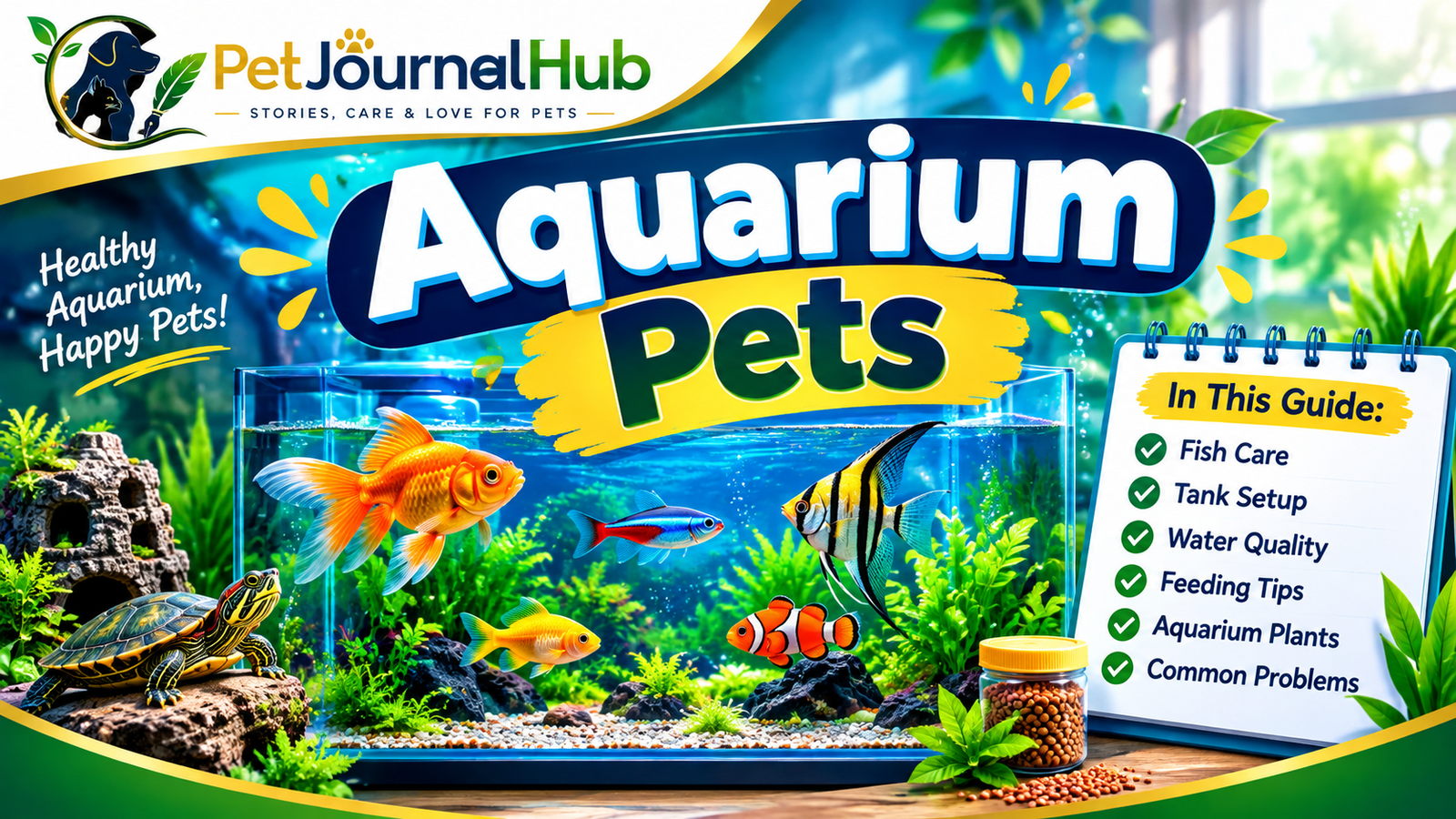
Aquarium pets are aquatic animals that people keep in home tanks for enjoyment, observation, and learning. Popular choices include guppies, bettas, mollies, platies, and tetras. Each species needs suitable water conditions, enough swimming space, proper food, and a healthy environment. A successful aquarium starts with research and preparation, not simply buying a fish and filling a tank.
Key Takeaways
- Freshwater fish generally offer a more manageable starting point than marine aquarium animals.
- Guppies, platies, and mollies can suit beginners when their needs receive proper attention.
- A larger, properly filtered tank usually provides more stable water conditions than a tiny bowl.
- Always cycle a new aquarium and test the water before introducing fish.
- In Pakistan, fish prices vary by species, size, seller, and location. Equipment often costs more than expected.
- Never release unwanted aquarium animals into rivers, lakes, canals, or other natural waterways.
Introduction
An aquarium can bring color, movement, and a relaxing atmosphere into your home. Watching fish swim among plants and decorations can also help children learn about aquatic life. However, keeping fish involves more responsibility than many first-time owners expect.
People searching for aquatic pets often want to know which species are easiest to care for, how much a complete setup costs, and where they can buy healthy animals. Others want a small tank for a bedroom, a peaceful display for their living room, or a hobby that fits a limited budget.
The right choice depends on your available space, experience, budget, and willingness to maintain water quality. A fish that looks inexpensive in a shop may need a much larger tank, specialized equipment, or a carefully planned diet. Some fish also grow larger than new owners expect.
This guide explains how to choose suitable species, prepare a healthy aquarium, estimate costs, and avoid common mistakes. It also covers buying considerations for people in Pakistan.
Most importantly, you will learn why a fish’s welfare depends on more than clean-looking water. A well-planned aquarium provides stable conditions, enough room, suitable food, and opportunities for natural behavior.
What Are Aquarium Pets?
Aquatic pets are animals that live in water and depend on their owners to provide suitable living conditions. Home aquariums most often house freshwater fish, although some owners keep shrimp, snails, and marine species.
Freshwater aquariums usually make a better starting point for beginners. Marine tanks require additional attention to salinity, water chemistry, and the needs of saltwater species.
Common examples include:
- Guppies: Small, colorful fish that give birth to live young and can reproduce quickly.
- Bettas: Tropical fish with striking fins. Their housing and tankmate needs require careful planning.
- Mollies and platies: Active livebearing fish that need suitable water conditions and enough space.
- Tetras: Small schooling fish that generally need compatible companions.
- Goldfish: Popular coldwater fish that need much more space than small decorative bowls provide.
- Aquatic shrimp and snails: Invertebrates that may suit carefully planned community aquariums.
Not every aquatic animal can share one tank. Temperature, adult size, behavior, water chemistry, and feeding needs all affect compatibility. Research each species before purchasing it.
Quick Facts Box
| Fact | Details |
| Main aquarium type for beginners | Freshwater |
| Popular starter fish | Guppies, platies, and mollies |
| Essential equipment | Suitable tank, filter, and water-testing supplies |
| Additional equipment | Heater and thermometer for species that need them |
| Important water tests | Ammonia, nitrite, and nitrate |
| Typical maintenance | Daily observation and regular water care |
| Main buying consideration | Lifetime care needs, not just purchase price |
| Important safety rule | Never release aquarium animals into the wild |
Where Do Aquarium Pets Come From?
Different aquatic animals come from different parts of the world. Many freshwater aquarium fish originate in rivers, streams, lakes, floodplains, and tropical wetlands. Marine species come from saltwater habitats, including coral reefs and coastal waters.
Pet shops may sell captive-bred fish, wild-caught animals, or a mixture, depending on the species and supplier. Ask the seller about the animal’s origin and any special care requirements.
Captive breeding can make some species more available to hobbyists. However, captive-bred fish still need appropriate water conditions, nutrition, and housing.
Understanding an animal’s natural habitat helps you recreate the conditions it needs. For example, schooling fish often need groups of their own kind, while territorial species may need separate spaces.
History and Evolution
People have kept fish for centuries, initially in ponds and other basic water containers. Modern aquarium keeping developed as people gained better ways to maintain water, supply oxygen, control temperature, and observe aquatic animals indoors.
Today, home aquariums range from simple freshwater community tanks to complex marine reef systems. Improvements in filters, heaters, lighting, and water-testing equipment have made many setups easier to manage.
Yet modern equipment does not remove the need for knowledge. Fish still depend on stable water chemistry and suitable surroundings. New technology helps owners meet those needs, but it cannot replace regular observation and maintenance.
Key Characteristics and Care Needs
Every species has different needs, but all aquarium animals depend on a suitable environment. Before choosing a fish, consider its adult size, behavior, preferred water conditions, diet, and social needs.
Tank size and swimming space
Choose the tank according to the species and its expected adult size. Larger aquariums generally maintain more stable temperatures and water chemistry than very small containers.
Goldfish need considerably more room than many beginners expect. Avoid buying a tiny bowl simply because a fish looks small at the shop.
Filtration and water quality
A suitable filter removes particles and supports beneficial bacteria. These bacteria help process ammonia from fish waste into less harmful substances.
Test water regularly because clear water does not always mean healthy water. Ammonia and nitrite should remain at zero in a properly established aquarium.
RSPCA
+1
Temperature and oxygen
Tropical species often need a heater with a thermostat, while many coldwater species have different temperature requirements. Use a thermometer to monitor conditions instead of relying on room temperature.
Good surface movement and appropriate aeration help supply oxygen. Keep the filter running as intended, and plan for power interruptions where electricity supply is unreliable.
Food and behavior
Select food that matches the species. Some fish eat prepared flakes or pellets, while others need different foods or feeding methods.
Avoid overfeeding. Uneaten food adds waste to the water and can harm fish health. Also research whether a species needs companions, hiding places, open swimming areas, or separation from other fish.
Quick Comparison Snapshot
| Option | Best For | Key Difference |
| Guppies | Beginners who want colorful fish | Livebearers that may reproduce quickly |
| Platies | Beginners planning a freshwater community | Active fish that can coexist with compatible species |
| Bettas | Owners interested in one distinctive fish | Territorial behavior and careful tankmate selection |
| Tetras | Owners who enjoy watching groups of fish | Many species need a group and suitable tank conditions |
These are general starting points, not guarantees of easy care. Confirm the needs of the exact species and variety before choosing a tank.
Aquarium Pets List
A good species list helps you compare animals before visiting a shop. The following options cover several common freshwater choices, but their needs differ.
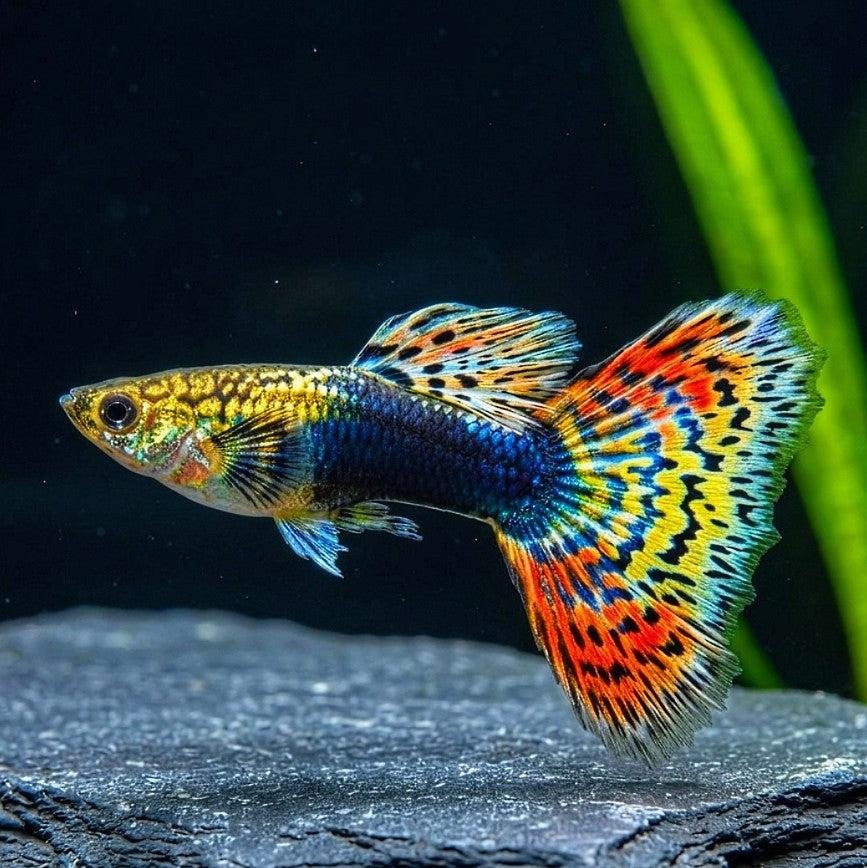
1. Guppies
Guppies have bright colors and active swimming habits. They suit established freshwater aquariums when owners manage water quality and population growth. Keep males and females together only if you are prepared for frequent breeding.
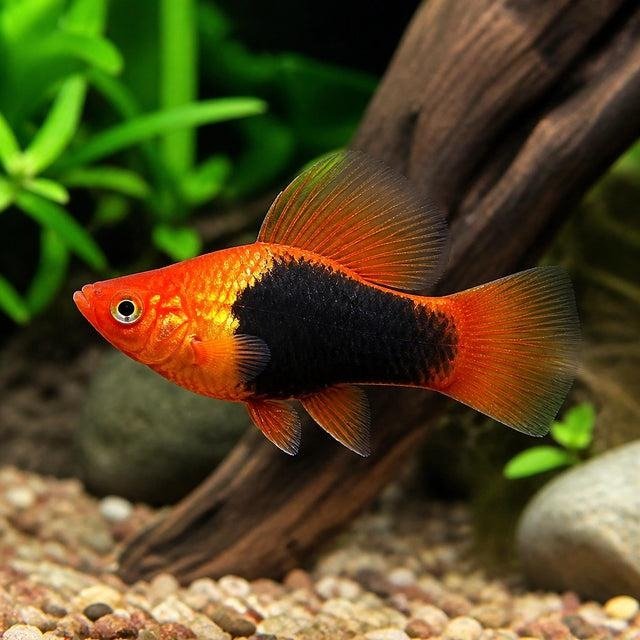
2. Platies
Platies come in several color patterns and often work well in peaceful community tanks. Choose compatible tankmates and provide enough room for their activity and potential breeding.
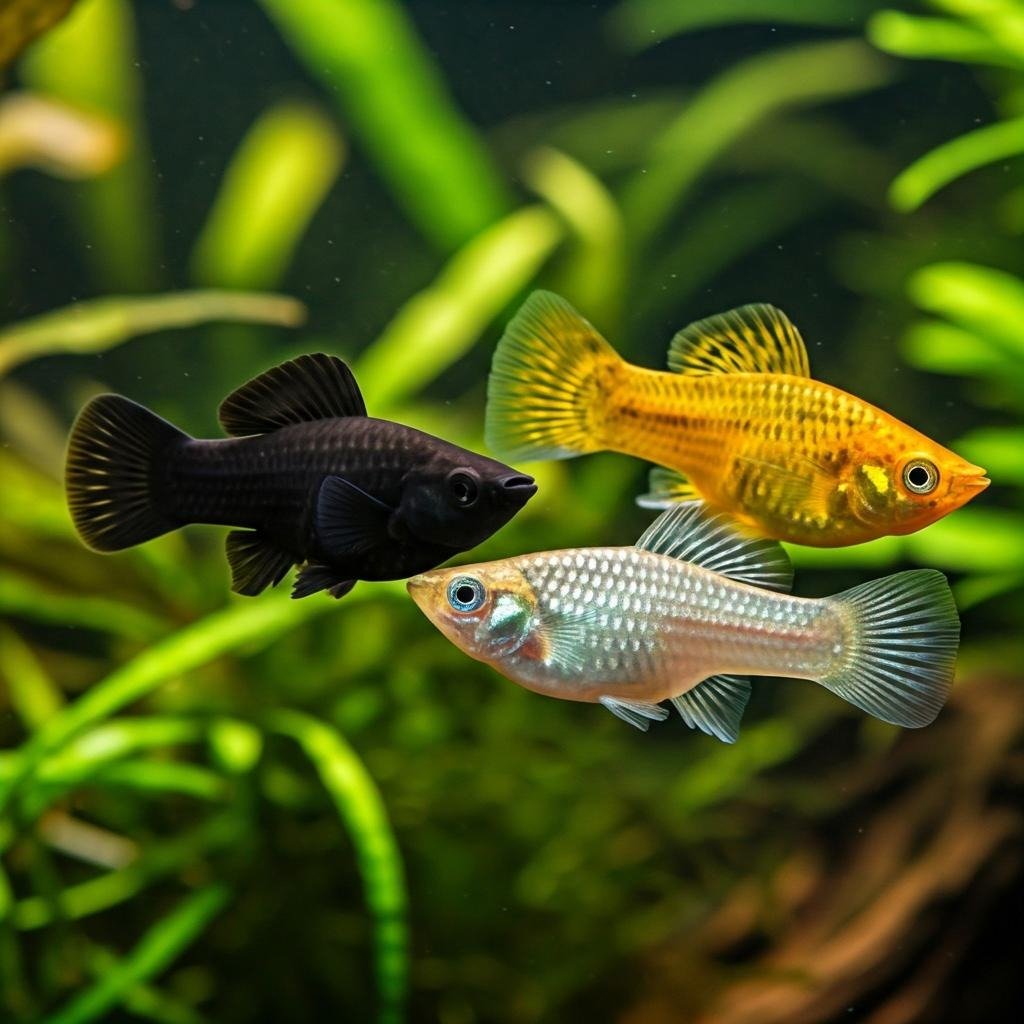
3. Mollies
Mollies are active livebearers with different colors and body shapes. Their water preferences and space needs matter, so check the requirements of the particular variety you buy.
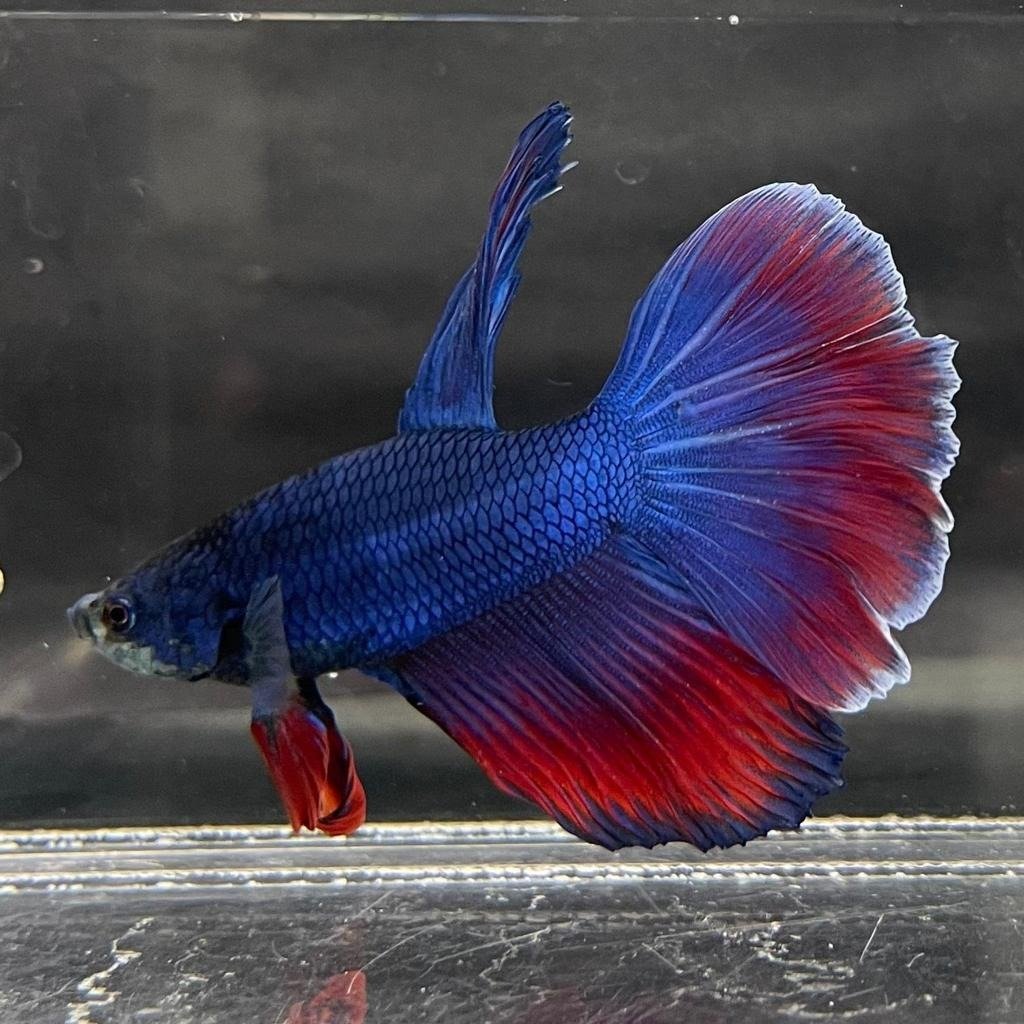
4. Betta fish
Bettas have distinctive fins and come in many colors. A suitable heated, filtered aquarium usually provides better conditions than a tiny decorative container. Some individuals cannot safely share space with other fish.
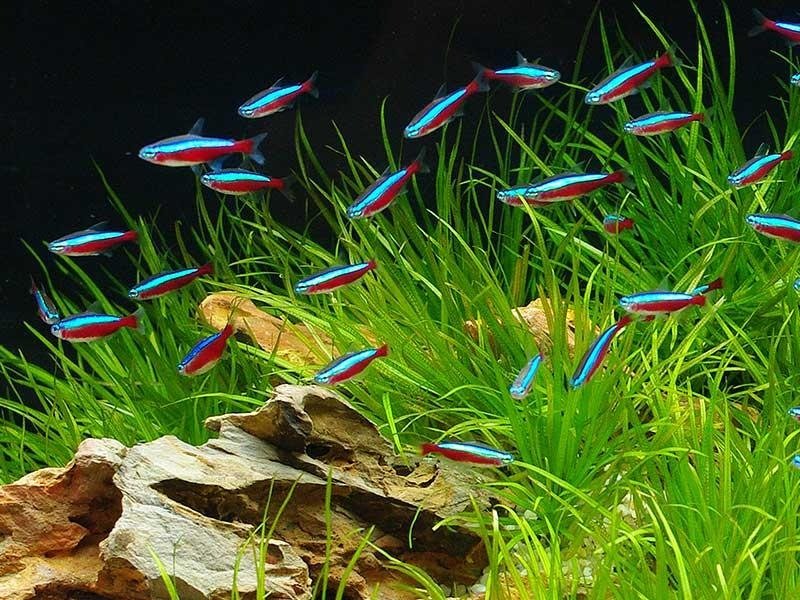
5. Tetras
Many tetras display bright stripes and look striking in groups. They need suitable water conditions, compatible companions, and enough room to swim together.
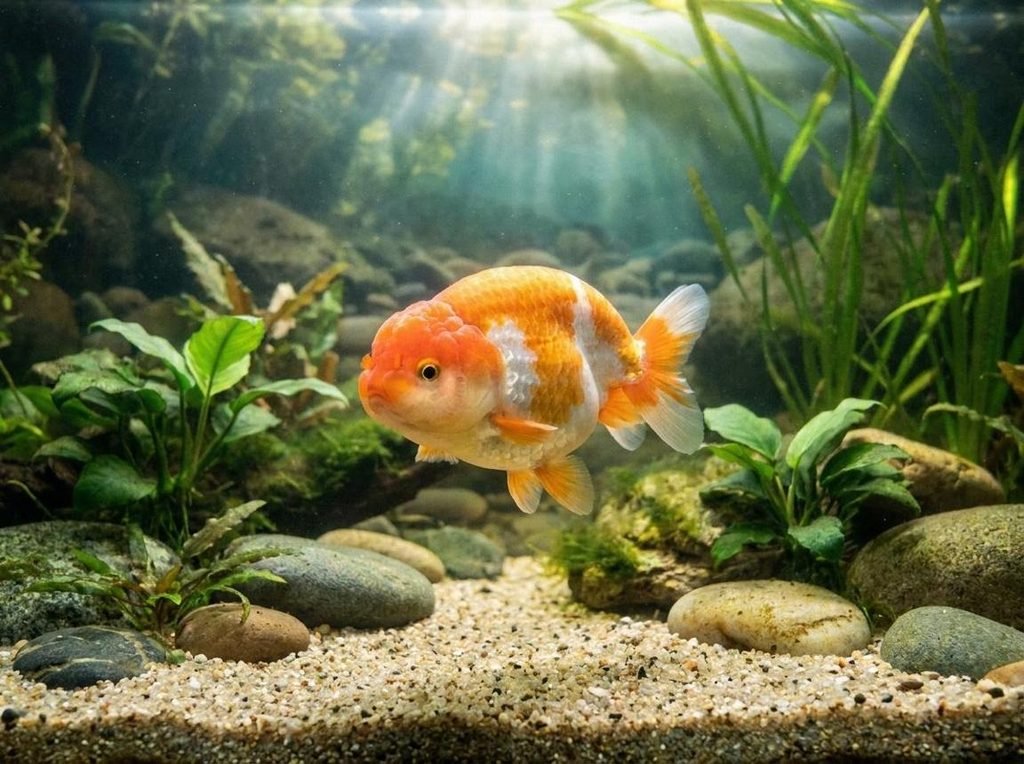
6. Goldfish
Goldfish are familiar and attractive, but they produce substantial waste and can grow large. Plan for a spacious, filtered environment rather than a small bowl.
Other possibilities include suitable freshwater snails and aquarium shrimp. These animals still need compatible water conditions and protection from predators. Some species also reproduce quickly, so learn their requirements before adding them to a community tank.
Aquarium Pets in Pakistan
People in Pakistan can explore local aquarium shops, specialist fish sellers, and online pet marketplaces. Availability varies by city, season, species, and supplier.
Before visiting a shop, decide which species you want and research its adult size and care needs. Ask the seller whether the fish is captive-bred or wild-caught when that information matters, and request details about its diet and preferred water conditions.
Inspect the holding tanks carefully. Healthy fish should swim normally and show no obvious wounds, severe fin damage, or unusual breathing. Avoid shops with dead fish, badly overcrowded tanks, or visibly poor water conditions.
RSPCA
+1
If you buy online, check the seller’s reputation, transport method, replacement policy, and delivery conditions. Avoid sellers who cannot explain how they transport live animals safely.
Also consider your home’s electricity supply and summer temperatures. Filters, aeration, and temperature control may need extra planning during power cuts or periods of extreme heat.
Aquarium Pets Price in Pakistan
The total cost depends on the animal, tank dimensions, equipment, and local market. A low fish price does not necessarily mean an inexpensive aquarium.
Use these estimates as a starting point for budgeting, not as guaranteed shop quotations.
| Item | Indicative planning range |
| Guppy | Rs 60–1,000 each |
| Goldfish | Rs 100–1,500 each |
| Molly, platy, or swordtail | Rs 100–400 each |
| Tetra | Rs 150–600 each |
| Angelfish | Rs 400–2,000 each |
| Basic tank without equipment | Rs 2,500–8,000 |
| Larger tank, around 3–4 feet | Rs 8,000–25,000 |
| Filter with pump and light | Around Rs 3,500–4,000 |
These approximate ranges come from a Pakistan-focused market guide published in August 2026. Individual prices can differ substantially by seller, location, size, and quality. Verify current rates before buying.
Petsin
+1
Budget for more than the tank and fish. You may also need a water conditioner, testing kit, suitable filter media, heater, thermometer, substrate, food, and electricity. Replacement equipment and unexpected animal-health problems can add further costs.
Aquarium Pets Price
When comparing prices, separate the purchase price from the ongoing cost of keeping the animal healthy.
A cheap fish may need expensive equipment or a large aquarium. A more expensive species may also require specialist food or water conditions that increase its lifetime cost.
Compare these expenses before making a decision:
- Initial setup: Tank, stand, filter, lighting, and other essential equipment.
- Water care: Conditioner, testing supplies, and filter maintenance.
- Feeding: Species-appropriate food and any special dietary items.
- Electricity: Filter operation, lighting, and heating where needed.
- Unexpected expenses: Replacement equipment and advice from an aquatic veterinarian when available.
Do not choose a fish based on price alone. Choose one whose care needs fit your budget for its entire life.
Aquarium Pets List With Pictures
Pictures can help you recognize common species, but appearance alone cannot tell you whether an animal suits your aquarium.
Use the illustrated list above to compare guppies, platies, mollies, bettas, tetras, and goldfish. Before buying any of them, identify the exact species or variety and check its adult size, temperature range, diet, and social behavior.
Two fish may look similar but have different requirements. Even fish within one broad group can vary in aggression, water preferences, and space needs.
Ask the seller for the fish’s correct name instead of relying only on a label such as “small tropical fish.” This makes it easier to research reliable care guidance and choose compatible tankmates.
Aquarium Pets for Sale
You can look for aquatic animals at established aquarium shops and reputable specialist sellers. Online listings may help you compare availability, but a listing does not prove that an animal is healthy or that its seller provides suitable care.
Before paying, ask:
- What is the exact species and expected adult size?
- What temperature and water conditions does it need?
- Does it need a group or should it live alone?
- What food does it currently eat?
- Has it shown any signs of illness?
- Can the seller explain safe transport and acclimation?
Choose fish that swim normally and have no obvious sores, damaged fins, or severe breathing difficulty. Do not buy an animal just because the seller offers a discount or describes it as suitable for every tank.
Transport fish promptly and avoid sudden temperature changes. Prepare the destination aquarium before bringing the animal home. Never add a new fish to an uncycled tank simply because it arrived from the shop.
Daily Care Routine: How to Get Started
A reliable routine makes aquarium care more manageable. Most problems become easier to prevent when owners check the environment regularly and avoid sudden changes.
Step 1: Choose the right aquarium
Measure your available space and research the adult size of your chosen species. Select a stable stand that can safely support the filled aquarium.
Keep the tank away from direct sunlight, heat sources, and household sprays. Ensure that electrical equipment remains safely positioned around water.
Step 2: Install the equipment
Add a suitable filter and other equipment that the species needs. Tropical fish often need a thermostatically controlled heater. Use an aquarium thermometer to confirm the water temperature.
Add suitable substrate and decorations. Avoid sharp edges, unsafe materials, and objects that can trap or injure fish.
Step 3: Cycle the aquarium
Before adding fish, establish the biological filter. During the nitrogen cycle, beneficial bacteria develop and help process fish waste.
Use a fishless cycling method and monitor ammonia and nitrite. Do not rely on a fixed number of days alone; add fish only when water tests confirm that the aquarium can process waste safely. This process can take several weeks.
RSPCA
+1
Step 4: Introduce fish gradually
Buy healthy fish from a reputable seller. Acclimate them according to the species’ needs and the seller’s reliable guidance.
Avoid adding many fish at once. Introduce compatible animals gradually, and monitor water conditions as the biological filter adjusts to the additional waste.
Step 5: Feed and observe
Offer an appropriate amount of species-specific food. Remove uneaten food and watch for changes in appetite, swimming, breathing, and appearance.
Step 6: Maintain water quality
Test water according to your aquarium’s maturity and condition. Perform regular partial water changes using appropriately conditioned water with a suitable temperature.
Clean filter media carefully. Avoid washing biological filter media under untreated tap water, which can damage beneficial bacteria. Never replace all filter media at once unless a qualified aquatics professional advises you to do so.
Cost Breakdown
A practical budget includes setup costs and recurring expenses. Your final amount depends on tank size, equipment quality, the species you choose, and local prices.
| Expense | What to plan for |
| Aquarium and stand | A suitable size and a stable support |
| Filter | Reliable filtration for the tank’s stocking level |
| Heater and thermometer | For species that require controlled warmth |
| Water conditioner | Safe preparation of replacement water |
| Testing supplies | Monitoring ammonia, nitrite, nitrate, and other relevant parameters |
| Food | A diet suited to the animal |
| Maintenance supplies | Siphon, dedicated cleaning tools, and filter media |
| Emergency reserve | Equipment failure and unexpected care needs |
A small, properly equipped freshwater aquarium may cost less to run than a large or specialized marine system. However, buying the cheapest possible equipment can create problems if it cannot meet the animals’ needs.
Before you buy, calculate the complete setup cost and the monthly running cost. If the budget only covers the fish, wait until you can afford the necessary habitat.
Common Mistakes Pet Owners Make
Many aquarium problems begin with decisions made before the fish enter the tank. Avoid these common errors to protect animal health and reduce avoidable expenses.
- Buying before preparing the aquarium: Fish need a suitable environment from the start.
- Using a tiny bowl: Small water volumes can change temperature and water chemistry quickly.
- Skipping cycling: An immature biological filter may fail to process toxic waste.
- Overstocking: Too many animals increase waste and competition for food and space.
- Mixing incompatible species: Different temperature, water, or behavior needs can cause stress and injury.
- Overfeeding: Leftover food increases pollution and can worsen water quality.
- Changing all the water unnecessarily: Sudden changes can stress fish and disrupt the tank’s biological balance.
- Replacing all filter media at once: This may remove much of the beneficial bacterial colony.
- Trusting clear water: Harmful ammonia and nitrite may exist even when water looks clean.
- Releasing unwanted fish: Introduced animals can harm local wildlife and spread disease.
Research first, maintain the environment consistently, and seek knowledgeable help when water tests or animal behavior indicate a problem.
Pros and Cons
| Pros | Cons |
| Offer an engaging way to observe aquatic life | Require regular care and monitoring |
| Come in many colors, sizes, and behaviors | Different species need different conditions |
| Can fit some homes with limited floor space | The aquarium still needs enough water volume |
| Encourage learning about ecosystems | Setup equipment can be expensive |
| Some species work well in peaceful community tanks | Compatibility problems can cause injury or stress |
| Do not need outdoor walks | Owners must plan for power cuts and equipment failures |
An aquarium can suit people who enjoy observation and consistent routines. It may not suit someone who expects a pet that needs almost no care.
Similar Options and Alternatives
If you are unsure which animal to keep, compare the following options before committing. These alternatives do not all require the same type of aquarium or provide the same experience.
| Option | Best For |
| Freshwater shrimp | Experienced beginners who can maintain stable water conditions and protect them from predators |
| Suitable freshwater snails | Owners interested in observing slow-moving invertebrates |
| Planted aquarium without animals | People who enjoy aquatic plants and want to establish the environment before adding livestock |
| Outdoor pond fish | Owners with suitable outdoor space and the ability to maintain a safe pond |
| Marine aquarium | Experienced hobbyists prepared for additional water-chemistry and equipment demands |
A planted aquarium without animals can be an excellent way to learn about lighting, plant growth, and maintenance. If you later add aquatic animals, confirm that the aquarium has suitable water conditions and equipment.
Outdoor ponds also require planning. Never move unwanted aquarium fish or invertebrates into natural waterways, even if the species seems harmless.
When to Consult a Vet or Professional
Seek advice from an aquatic veterinarian or an experienced, reputable aquatics professional when fish show unusual behavior or when water tests reveal persistent problems.
Warning signs include:
- Gasping at the surface or unusually rapid breathing.
- Sudden loss of appetite or severe weakness.
- White spots, open sores, swelling, or damaged fins.
- Repeated rubbing against objects or loss of balance.
- Several fish becoming ill or dying within a short period.
Check temperature, filtration, and water quality promptly when you notice these signs. Do not add medication based on guesswork, since the wrong treatment can harm fish or beneficial bacteria.
If several animals become ill, seek professional guidance before adding new fish or moving animals between tanks. A qualified professional can help identify likely causes and recommend an appropriate response.
Fun Facts
- Guppies give birth to live young instead of laying eggs.
- Many tetras naturally form groups, which helps explain why keeping them alone may cause stress.
- Goldfish can grow much larger than their size in a shop suggests.
- Aquarium filters support biological processes as well as removing visible particles.
- Some aquarium snails and shrimp can help consume certain leftover foods, but they do not replace cleaning or water testing.
- Different fish species occupy different parts of the water, including the surface, middle, and bottom.
- A tank can look clear while still containing harmful levels of ammonia or nitrite.
- A well-planned aquarium must match the needs of its inhabitants rather than simply look attractive.
Frequently Asked Questions
What are the best pets for an aquarium?
The best aquatic pet depends on your experience, tank size, budget, and ability to maintain water quality. Guppies, platies, and some other freshwater fish can suit beginners when owners meet their needs. Bettas may suit people who prefer a single distinctive fish, while many tetras need groups and suitable companions. Goldfish need more space than small bowls provide. Before buying, research the exact species, its adult size, feeding needs, and compatibility with other animals. A suitable, established aquarium matters more than choosing the most colorful fish in the shop.
What is the easiest pet to keep in a tank?
There is no universally easiest aquatic pet because every species has different care needs. Some commonly kept freshwater fish tolerate a reasonable range of conditions, but none can thrive without suitable water, proper food, and regular maintenance. Guppies and platies may suit prepared beginners, although their breeding can increase the population quickly. A planted tank without animals can be a simpler way to begin learning aquarium care. If you choose a live animal, prepare the tank first and make sure you can meet its needs throughout its life.
Are aquarium fish pets?
Yes, aquarium fish are pets when people keep them for companionship, enjoyment, or observation and take responsibility for their welfare. Although fish do not interact like dogs or cats, many owners recognize individual feeding habits, swimming patterns, and responses to their surroundings. Fish still experience stress when their environment does not meet their needs. Responsible ownership includes proper housing, a suitable diet, regular water testing, and attention to behavior. Owners should also arrange reliable care during holidays or emergencies instead of leaving fish without maintenance.
Which aquarium pet is the most interactive?
Some bettas, goldfish, and other individual fish may learn to associate their owners with feeding. They might swim toward the front of the tank when someone approaches. However, behavior varies by individual and species, so no single fish guarantees the most interaction. Fish should not need constant attention or handling to provide an enjoyable experience. Watch them calmly, provide suitable enrichment, and use appropriate feeding methods. Avoid tapping the glass or chasing fish around the tank, since these actions can cause stress rather than healthy interaction.
What pets can live in a fish tank?
Suitable aquariums can house freshwater fish, certain shrimp, and some aquatic snails. The correct choice depends on tank size, water temperature, water chemistry, and compatibility. Some fish eat shrimp or snails, while other species may compete for food or damage delicate animals. Do not assume that all aquatic animals can share one environment simply because they live in water. Research each animal’s needs before combining species, and ensure the aquarium has enough space, filtration, and suitable hiding places. Some aquatic animals also have specialized diets or breeding requirements.
What not to put in a fish tank?
Avoid soap, household cleaners, untreated decorative objects, toxic metals, sharp decorations, and materials that can release harmful substances into the water. Never add wild-caught animals or plants without checking their suitability and the risks of introducing parasites or disease. Do not place incompatible fish together, and avoid overcrowding the aquarium. Chemicals and medications also require care; only use products intended for aquarium use and follow their labels. If you are unsure about a decoration or treatment, ask a knowledgeable aquatics professional before adding it.
Can I keep aquarium fish without a filter?
Most common aquarium fish need effective filtration to maintain healthy water conditions. A filter helps remove particles and provides a place for beneficial bacteria to process fish waste. Without adequate filtration, harmful waste can accumulate quickly, especially in a small or crowded tank. Do not assume that frequent water changes alone will make an unsuitable setup safe. Choose filtration according to the species, tank size, and stocking level. If you are considering a specialized filter-free setup, get expert guidance and understand the additional monitoring it requires before choosing the animals.
How often should I clean an aquarium?
Aquarium cleaning depends on tank size, species, feeding habits, filtration, and water-test results. Owners commonly perform regular partial water changes and remove waste from the substrate as needed. Test the water to decide whether the aquarium needs extra attention, rather than relying only on appearance. Avoid replacing all the water or thoroughly washing biological filter media under untreated tap water. These actions can disrupt the tank’s biological balance. Establish a maintenance schedule that suits your aquarium, then adjust it when testing shows that waste levels or other conditions need attention.
Final Thoughts
Choosing an aquatic pet is about more than finding a fish with beautiful colors. The best choice is an animal whose space, water, feeding, and social needs you can meet consistently. Start with research, select appropriate equipment, and prepare the aquarium before bringing any animals home.
For beginners, a freshwater setup can provide a practical introduction to fishkeeping. Guppies, platies, and other suitable species offer different colors and behaviors, but each needs a carefully planned environment. Remember that even small fish need stable water conditions and regular attention.
If you live in Pakistan, compare local sellers and prices before buying. Include filtration, water testing, food, electricity, and future maintenance in your budget. Avoid choosing an animal solely because it costs less or comes with a discounted tank.
A healthy aquarium takes patience. Learn how the nitrogen cycle works, observe your fish every day, and seek expert advice when something seems wrong. With thoughtful preparation and consistent care, you can create a rewarding aquatic environment that supports your animals throughout their lives.

Emily Carter is a pet care writer at PetJournalHub. She enjoys creating clear, practical, and well-researched articles about pet health, nutrition, grooming, and everyday care. Her goal is to help pet owners make informed decisions through reliable, easy-to-understand content.