Featured Snippet Answer:
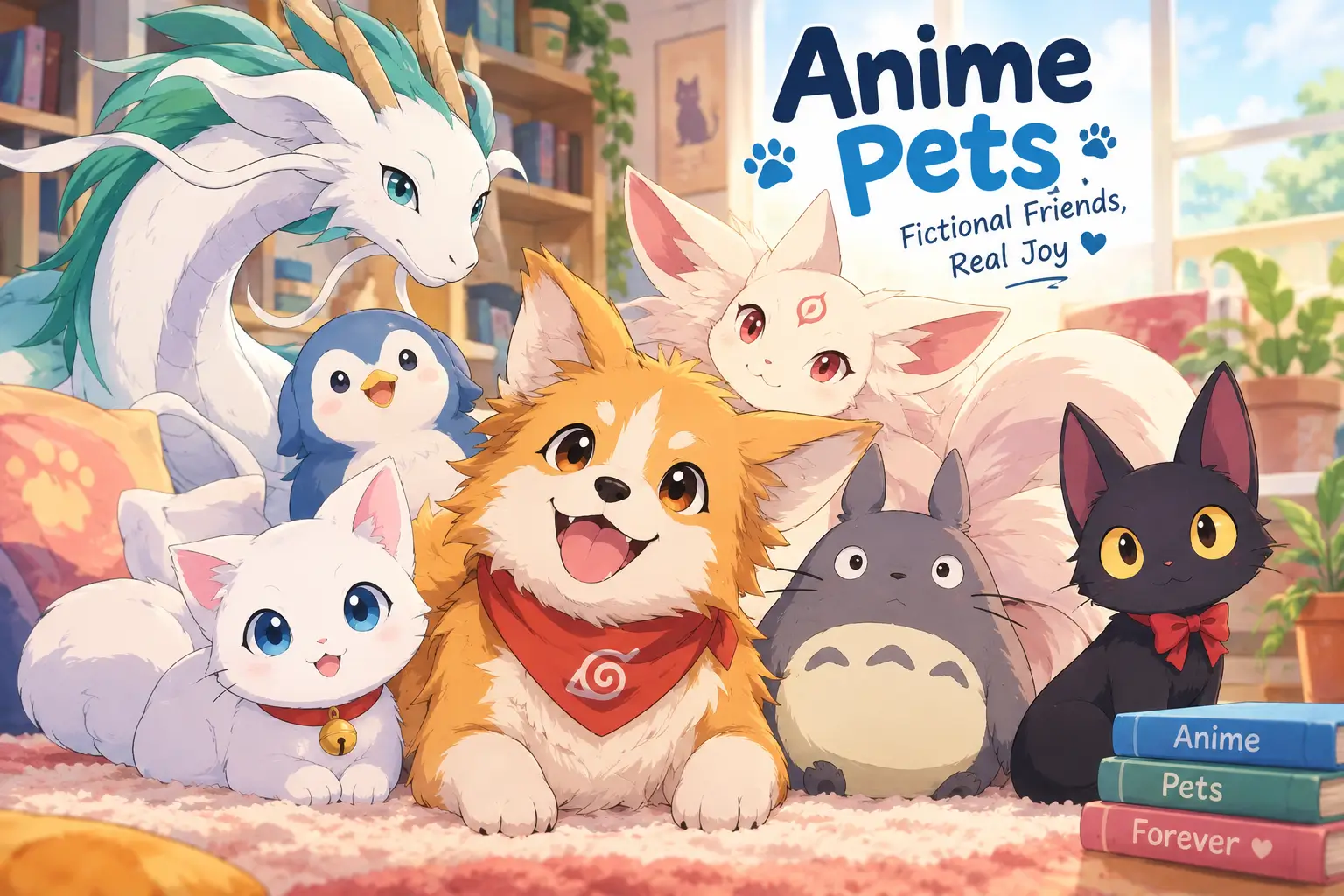
Anime pets are fictional animal companions that appear in anime, manga, and related animated stories. They range from ordinary cats and dogs to magical, talking, flying, or fantasy creatures. Popular examples include Luna from Sailor Moon, Jiji from Kiki’s Delivery Service, Akamaru from Naruto, and Ein from Cowboy Bebop.
Key Takeaways
- Anime pets can be ordinary animals, magical companions, mascots, or fantasy creatures.
- Luna, Jiji, Akamaru, and Ein are useful examples of different pet styles.
- Some fictional animals inspire real pet names, artwork, costumes, and digital screen companions.
- Fictional behavior does not show what a real animal needs for food, housing, exercise, or health care.
- If you choose a real pet inspired by an anime character, research the actual species first.
- Pet apps can create virtual companions, but they do not replace real animal care.
Introduction
People search for anime pets for several reasons. Some want a memorable character for an anime watchlist. Others want a cute name for a new kitten, puppy, hamster, or other companion. Some simply want to discover the animals that made their favorite shows more memorable.
The appeal makes sense. Anime often gives animals personalities that real pets do not have. A cat might talk, solve mysteries, guide a hero, or possess magical powers. A dog might fight beside its owner. A tiny creature might become one of the most important characters in the story.
That creativity also creates a useful question for real pet owners: Where does fictional fun end and responsible pet care begin?
This guide explores famous animal companions, naming ideas, male and female characters, virtual pet apps, and ways to turn anime inspiration into responsible real-world pet choices. It also separates fictional traits from genuine animal behavior.
Classic series continue to introduce new generations of viewers to memorable animal characters. Sailor Moon, for example, features Luna as a talking black cat who helps Usagi become Sailor Moon. Meanwhile, Kiki’s Delivery Service follows Kiki and her black cat Jiji.
So whether you’re looking for a character, a pet name, or inspiration for your own animal, the key is knowing what belongs to fiction and what belongs to real pet care.
What Is anime pets?
Anime pets are animal characters that appear as companions, mascots, helpers, or important supporting characters in Japanese animation and related media.
They do not all function as traditional pets. Some live with human characters, while others travel alongside them or exist as independent companions.
You will find several common types.
Ordinary animals look and behave more like real pets. Jiji from Kiki’s Delivery Service is a black cat and Kiki’s constant companion.
Magical animals add abilities that real animals do not possess. Luna from Sailor Moon is a talking cat who plays an important role in the story.
Fantasy companions may have unusual bodies, powers, intelligence, or origins. They can act more like friends, teammates, or guardians than household pets.
Animal-like mascots sit somewhere between pets and characters. They may look cute and behave like animals while having human-level personalities.
This difference matters for pet owners. A fictional cat can survive adventures that would be dangerous for a real cat. An anime dog can eat, fight, fly, or travel without the practical limits that real animals face.
Use anime as inspiration, not as a care manual.
Quick Facts Box
| Fact | Details |
| Main topic | Fictional animal companions in anime and related media |
| Common species | Cats, dogs, hamsters, birds, magical creatures, and fantasy animals |
| Popular cat example | Luna from Sailor Moon |
| Popular dog examples | Akamaru from Naruto and Ein from Cowboy Bebop |
| Popular black cat | Jiji from Kiki’s Delivery Service |
| Real-pet connection | Names, themes, artwork, costumes, and virtual companions |
| Important safety point | Fictional behavior does not equal real animal care |
Where Does anime pets Come From?
The idea comes from the long tradition of giving animals important roles in Japanese animation, manga, and popular storytelling.
There is no single anime or creator that “invented” the concept. Animal companions appear across many genres, from fantasy and adventure to comedy and family stories.
Cats have a particularly strong presence. A Crunchyroll feature on anime cats includes characters such as Luna and Happy while also noting that Happy is technically an Exceed rather than a cat.
Dogs also appear in many major series. Crunchyroll has highlighted characters including Ein from Cowboy Bebop, Black Hayate from Fullmetal Alchemist, and Akamaru from Naruto.
The tradition works because animals can add humor, emotion, loyalty, mystery, or visual appeal without requiring the story to focus entirely on them.
For viewers, that creates a strong emotional shortcut. A cute animal can make a character more approachable. A loyal dog can reinforce friendship. A mysterious cat can add another layer to a fantasy story.
History and Evolution
Animal characters have changed along with anime itself.
Older and classic anime often used animals as mascots, comic characters, companions, or symbolic figures. Later works expanded the idea by giving animals deeper personalities and more important story roles.
Hamtaro offers a useful example of the cute-animal side of anime culture. The series follows Hamtaro and his hamster friends, with hundreds of animated episodes produced between 1999 and 2013.
The concept also continues through newer digital experiences. Modern Android apps now offer anime-style screen companions that walk, jump, and interact with a phone display.
That shift matters because the idea no longer stays inside television shows and movies. Fans can now interact with virtual animal characters directly through phones and other digital platforms.
Still, the core appeal remains the same: personality, companionship, cuteness, and imagination.
Key Characteristics / Care Needs
The defining feature of an anime pet is usually personality rather than realistic animal behavior.
A fictional pet may understand human speech, solve problems, travel long distances, or protect its owner. A real animal has species-specific needs that fiction often ignores.
If an anime character inspires you to get a real pet, focus on the real animal first.
Species matters
A cat, dog, hamster, bird, rabbit, and reptile all need different care. Their food, housing, exercise, social needs, and veterinary care differ.
Never choose an animal solely because it resembles a favorite character.
Food matters
Real animals need species-appropriate nutrition. For example, cats require nutrients that support normal body function, including taurine. Fresh, clean water should remain available.
Dogs also need balanced nutrition that matches factors such as age, size, activity, and health.
Enrichment matters
Pets need more than food and shelter. Dogs benefit from exercise and mental stimulation, while cats often benefit from safe spaces and opportunities to climb or observe their surroundings.
The exact routine depends on the species and individual animal.
Veterinary care matters
A fictional character never needs a vaccine, wellness examination, parasite prevention plan, or dental check.
Real pets do.
The AVMA describes veterinary care as including preventive exams, nutrition guidance, behavior support, and broader animal-welfare care.
Quick Comparison Snapshot
| Option | Best For | Key Difference |
| Luna | Fans of magical cat characters | Talking cat with an important guide role |
| Jiji | Cat lovers and Studio Ghibli fans | Ordinary black cat presented with a strong personality |
| Akamaru | Dog lovers and action-anime fans | Loyal canine companion connected to ninja adventures |
| Ein | Corgi fans | Intelligent, comedic dog companion in a science-fiction setting |
Luna’s role comes directly from the official Sailor Moon material, which describes her as a talking cat who helps Usagi. Jiji is Kiki’s black cat and constant companion in Kiki’s Delivery Service.
Anime pets names
Good anime-inspired pet names usually work best when they are short, easy to say, and connected to a character you genuinely like.
For a real pet, avoid choosing a name only because it sounds unusual. You will say the name every day, so pronunciation and clarity matter.
Cat name ideas
- Luna
- Jiji
- Tama
- Yuki
- Momo
- Neko
- Kiki
- Sora
- Chibi
- Nami
Luna and Jiji have especially clear connections to famous anime-related stories. Luna comes from Sailor Moon, while Jiji comes from Kiki’s Delivery Service.
Dog name ideas
- Akamaru
- Ein
- Hachi
- Koro
- Inu
- Kuma
- Kenji
- Sora
- Taro
- Kiba
Before choosing a name, say it aloud several times. A short name often works well during training and everyday interaction.
Small-pet name ideas
For hamsters, guinea pigs, rabbits, and other small companions, cute names can fit better than dramatic ones.
Try:
- Mochi
- Pocky
- Chibi
- Momo
- Nori
- Yuki
- Suki
- Tama
The best name depends on the pet’s personality, appearance, and your own preference.
Anime pets male
Male anime animal characters cover a wide range of personalities, from loyal dogs to funny mascots and powerful fantasy companions.
Ein from Cowboy Bebop is one recognizable example. Crunchyroll identifies Ein as a corgi and describes him as an important dog character in the series.
Akamaru from Naruto provides another example. He is associated with Kiba Inuzuka and appears as part of the ninja character’s animal-based abilities. The official Naruto site confirms the series’ long-running status and its continuing franchise presence.
If you’re looking for male-inspired names rather than character recommendations, consider:
- Ein
- Akamaru
- Kiba
- Hachi
- Kuma
- Kenji
- Taro
- Hiro
- Sora
- Ren
Remember that some names come from human characters rather than actual pets. Check the original series before describing a character as an animal companion.
Anime pets list
A useful list should include different species and roles instead of repeating similar cat characters.
Here are several recognizable examples:
- Luna — Sailor Moon: a talking black cat and important guide for Usagi.
- Jiji — Kiki’s Delivery Service: Kiki’s black cat and constant companion.
- Akamaru — Naruto: Kiba’s loyal canine companion.
- Ein — Cowboy Bebop: a corgi and memorable supporting character.
- Black Hayate — Fullmetal Alchemist: a military-connected dog featured in the series.
- Hamtaro — Hamtaro: a hamster whose adventures center on friendship and everyday life.
- Happy — Fairy Tail: a cat-like Exceed who is technically a different fictional species.
- Tama — Tama of the 3rd District: a cat whose story follows everyday life with other cats and dogs.
This list shows why the term can become confusing. Some characters function like household pets. Others act more like friends, teammates, guides, or independent heroes.
Anime pets app
Anime-style pet apps create virtual companions rather than real animals. They can add animated characters to a phone screen while the user browses or uses other apps.
Several Android listings currently describe Shimeji-style apps that let small anime characters walk, jump, climb, or react to touch.
This can appeal to people who love the visual side of anime pets but cannot keep a real animal.
Before installing one, check a few things:
- Read the app’s permissions.
- Check its privacy information.
- Look at its age rating.
- Review advertising and in-app purchase details.
- Download through a trusted app store.
- Avoid granting permissions that the app does not reasonably need.
A screen pet can be fun, but it does not provide the responsibility or relationship of a real companion animal.
Anime pets female
Female animal characters often include cats, magical companions, mascots, and other fictional creatures.
Luna is one of the clearest examples. The official Sailor Moon description identifies her as a black cat with a crescent-moon mark who helps Usagi become Sailor Moon.
For naming inspiration, female-style names can include:
- Luna
- Jiji
- Yuki
- Momo
- Kiki
- Nami
- Suki
- Hana
- Sakura
- Mimi
Not every name on this list belongs to an animal character. Some are simply anime-inspired names that work well for female pets.
If you’re naming a real animal, choose something your household can pronounce consistently.
Best anime pets
There is no objective single “best” fictional pet because the answer depends on what you value.
Some viewers prefer realistic animals. Others want magical companions. Some like funny characters, while others prefer loyal sidekicks.
Luna stands out for her role as a guide. Jiji works well for viewers who like a more familiar cat personality. Akamaru appeals to fans of loyal canine companions. Ein combines a recognizable real-world breed with an unusual story role.
The better question is: What kind of fictional companion do you enjoy?
Choose based on traits such as:
- Cute appearance
- Humor
- Loyalty
- Intelligence
- Magical abilities
- Importance to the story
- Similarity to a real animal
- Potential as a real-pet name
That approach gives you a personal favorite without pretending that fiction has an objective ranking.
Daily Care Routine / How to Get Started
If an anime character inspires you to get a real pet, start with the animal’s needs rather than the character.
Step 1: Identify the real species
A fictional cat may inspire you to adopt a cat. That does not mean every cat has the same personality or needs.
Research the species and, if relevant, the breed.
Step 2: Check your living situation
Consider your home size, landlord rules, family members, allergies, and access to veterinary care.
Make sure the animal fits your actual environment.
Step 3: Build the basic setup
Prepare food, water, housing, bedding or litter, enrichment items, cleaning supplies, and other species-specific equipment before bringing the animal home.
Responsible care includes appropriate food, clean water, grooming, exercise, social interaction, and veterinary care.
Step 4: Establish a routine
Feed at appropriate times. Refresh water. Clean the living area. Provide exercise or enrichment. Observe normal behavior.
Routine makes it easier to notice changes.
Step 5: Arrange veterinary care
Ask a licensed veterinarian about preventive care, vaccines where appropriate, nutrition, parasite prevention, and other health needs.
Do not copy a fictional character’s diet or behavior.
Cost Breakdown
The fictional character itself costs nothing to own, but a real pet inspired by that character can require a serious budget.
Costs vary by species, location, age, health, housing, food, and veterinary needs.
For example, dog ownership can include food, routine medical care, parasite prevention, grooming, training, boarding, and other expenses. The ASPCA publishes example annual and initial cost categories for dogs and cats, while noting that real expenses vary.
Before bringing home an anime-inspired pet, budget for:
- Initial adoption or purchase costs
- Housing and setup
- Food and treats
- Routine veterinary care
- Preventive care
- Grooming
- Toys and enrichment
- Emergency medical expenses
- Boarding or pet sitting
- Replacement equipment
A cute character should never become the reason someone skips the financial planning that real pet ownership requires.
Common Mistakes Pet Owners Make
One common mistake involves treating a fictional animal like a real one.
Anime characters can ignore biological limits. Real animals cannot.
Another mistake involves choosing a pet because it looks like a favorite character. Appearance alone tells you very little about whether the animal fits your household.
Other mistakes include:
- Buying a pet before researching its needs.
- Copying fictional diets.
- Assuming small pets require little care.
- Ignoring exercise or enrichment.
- Skipping routine veterinary care.
- Buying unsafe costumes or accessories.
- Using human food without checking whether it suits the species.
- Choosing an exotic animal without researching local rules and specialist care.
ASPCA guidance emphasizes species-appropriate food, clean water, veterinary care, grooming, exercise, social interaction, and protection from hazards.
Pros and Cons
| Pros | Cons |
| Provides fun naming inspiration | Fiction can create unrealistic expectations |
| Helps fans connect with animal characters | Characters may not behave like real animals |
| Offers many species and personality ideas | Some fictional creatures have no real-world equivalent |
| Works well for artwork and digital themes | Anime-inspired products can cost extra |
| Can encourage interest in animal care | Appearance alone should not guide pet selection |
The biggest benefit comes from using anime as creative inspiration.
The biggest risk comes from confusing storytelling with real animal behavior.
Similar Breeds/Products/Alternatives
These alternatives broaden the idea beyond the four examples in the quick comparison.
| Option | Best For |
| Hamtaro | Fans of cute small-animal characters |
| Happy | Viewers who enjoy cat-like fantasy companions |
| Black Hayate | Fans of realistic dog characters |
| Tama | Viewers who prefer everyday cat-and-dog stories |
| PUI PUI Molcar | Fans of unusual hamster-inspired animation |
| Virtual Shimeji pets | People who want a digital companion instead of a real animal |
Hamtaro remains a recognizable hamster character with a long-running animated history. PUI PUI Molcar takes the animal-character idea in a stranger direction by portraying guinea-pig-like creatures as tiny car hybrids.
These examples show how broad the category can become.
When to Consult a Vet or Professional
Talk with a veterinarian whenever a real pet shows a meaningful change in eating, drinking, activity, behavior, breathing, mobility, or bathroom habits.
Do not use an anime character’s behavior as a health guide.
You should also ask a professional before changing a pet’s diet, starting supplements, treating a suspected illness, or managing a recurring behavior problem.
The AVMA notes that veterinary teams provide preventive care, nutrition guidance, behavior support, and advice on pet selection.
For exotic or unusual species, look for a veterinarian with relevant experience. Some animals need specialized housing, diets, temperatures, or medical care.
If a pet seems seriously ill or injured, seek veterinary attention promptly rather than trying a home remedy inspired by something seen in anime.
Fun Facts
- Luna is a talking black cat in Sailor Moon.
- Jiji is Kiki’s black cat companion in Kiki’s Delivery Service.
- Ein is a corgi in Cowboy Bebop.
- Akamaru is associated with Kiba in Naruto.
- Happy from Fairy Tail looks like a cat but belongs to the fictional Exceed race.
- Hamtaro’s anime series produced hundreds of episodes between 1999 and 2013.
- Modern Shimeji apps can place animated companions over a phone screen.
- Anime animal characters can range from realistic pets to completely fictional creatures.
Frequently Asked Questions
Who is the best anime pet?
There is no objective answer because fictional pets serve different roles. Luna works well for viewers who enjoy magical guides, while Jiji suits people who prefer a familiar black-cat companion. Akamaru appeals to fans of loyal dogs, and Ein offers a recognizable corgi with an unusual science-fiction setting. Crunchyroll has separately highlighted several of these characters when discussing memorable anime animals. If you are choosing a character for a real pet’s name, focus on the name’s sound and your animal’s personality rather than trying to find a universal winner.
Which is an 18+ anime?
“18+ anime” usually refers to anime intended for adults, but the exact age rating depends on the country, platform, and content. The phrase can also refer to explicit adult animation rather than ordinary mature television anime. Those categories should not get mixed together. If you’re checking whether a specific series suits a viewer, use the rating and content guidance on the platform carrying it. Ratings can change between regions and releases, so a general “18+ anime” list may not apply everywhere. This question also has little connection to real pet ownership, so parents should check age guidance separately from animal-themed content.
What are the 10 most popular pets?
The answer depends on the country and how “popular” gets measured. Common household companion animals include dogs, cats, fish, birds, rabbits, guinea pigs, hamsters, and other small mammals. Exact rankings can change by survey and region. For an anime-focused list, popularity works differently because fictional characters do not have real ownership statistics. A character can become widely recognized without representing a common real pet. That distinction matters when using anime-inspired content for pet education. A popular fictional animal should not automatically become a recommendation for a real animal species.
What are some cute pets in anime?
Cute animal characters appear across many genres. Jiji offers a classic black-cat example, while Hamtaro represents the small, round hamster style. Luna combines a cute cat appearance with a magical role in Sailor Moon. Happy takes the cat-like look into fantasy territory as an Exceed. Other examples include dog characters such as Ein and Akamaru. If you want a real pet name, look for a character whose name is easy to pronounce and whose personality does not encourage unsafe expectations about real animals.
Can I name my real pet after an anime character?
Yes. Anime-inspired names can work well for cats, dogs, rabbits, hamsters, birds, and other companion animals. Choose a name that your household can pronounce consistently and that you will feel comfortable using in public. Keep the animal’s actual needs separate from the fictional character. A cat named Luna still needs normal feline nutrition, safe housing, enrichment, and veterinary care. The name adds personality, but it does not change the species’ biology.
Are anime pets real animals?
Most anime pets are fictional characters, even when creators base their appearance on real species. Jiji resembles a normal black cat, for example, but his role and personality belong to the fictional story. Other characters have magical abilities or belong to imaginary species. When an anime character resembles a real animal, use reliable animal-care sources to understand the real species. Fiction can inspire interest, but it cannot replace veterinary or animal-welfare guidance.
Final Thoughts
Anime animal companions work because they combine two things people naturally enjoy: animals and memorable characters.
Some are ordinary cats or dogs with strong personalities. Others become magical guides, loyal teammates, mascots, or completely fictional creatures. That range gives fans plenty of choices for character lists, pet names, artwork, and digital companions.
The most important distinction comes when fiction inspires real pet ownership.
A character can live through an adventure that would be unsafe for a real animal. A fictional cat can talk, fly, fight, or eat almost anything because the story controls the rules. Real pets follow biology, not storytelling.
So use anime for inspiration and creativity. Use veterinary and animal-welfare guidance for actual pet care.
If you’re choosing a name, pick one you love and can use easily. If you’re choosing a real animal, research its species, costs, housing, nutrition, exercise, and health needs first.
That balance lets you enjoy the fun of anime while giving a real companion the care it deserves.

Emily Carter is a pet care writer at PetJournalHub. She enjoys creating clear, practical, and well-researched articles about pet health, nutrition, grooming, and everyday care. Her goal is to help pet owners make informed decisions through reliable, easy-to-understand content.