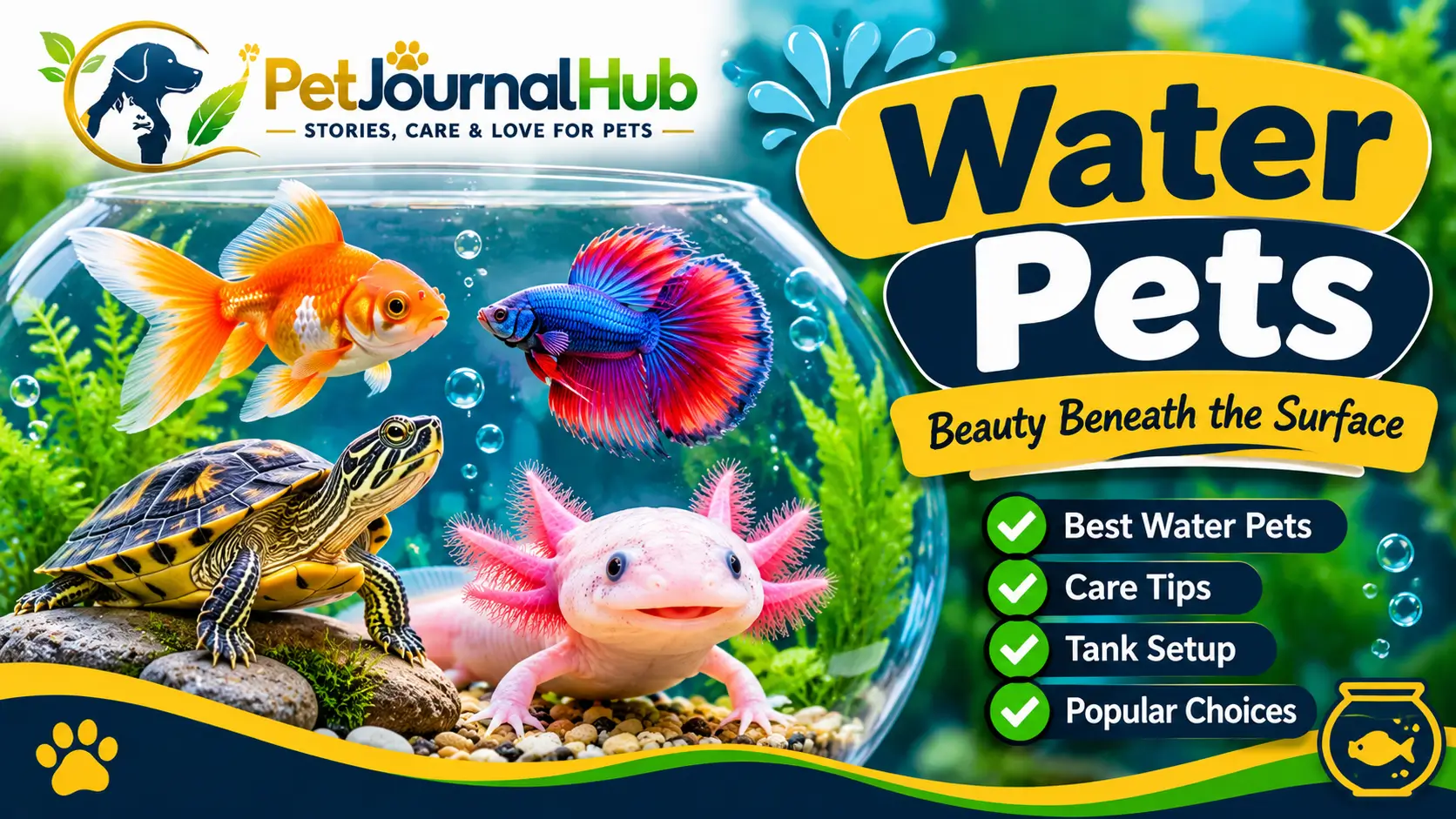
Animals for pets are companion animals that people keep for friendship, enjoyment, and companionship. Popular choices include dogs, cats, rabbits, guinea pigs, hamsters, birds, fish, turtles, and some small reptiles. The right pet depends on your lifestyle, available space, budget, experience, and ability to provide proper food, daily care, veterinary treatment, and a safe home.
Key Takeaways
- Dogs and cats suit people who can provide daily attention, exercise, and long-term care.
- Fish, hamsters, and birds still need specialized habitats, regular cleaning, and proper nutrition.
- Rabbits and guinea pigs need more space and care than many first-time owners expect.
- Pakistan’s climate, housing rules, local veterinary services, and household budget can affect pet choice.
- Always research an animal’s adult size, lifespan, diet, behavior, and legal ownership requirements before bringing it home.
- Avoid buying wild-caught animals or species that require care you cannot provide.
Introduction
Choosing a pet can be exciting, especially when you want a friendly companion for yourself or your family. However, an animal that looks cute in a photograph may have very different needs in everyday life. Some pets need several hours of attention, while others require carefully managed habitats, special diets, or experienced handling.
People searching for animals to keep at home often want to know which species make good companions, how much they cost, and which choices suit children, apartments, or first-time owners. These questions matter because the right decision protects both the animal and the household.
In Pakistan, potential owners should also consider summer temperatures, access to qualified veterinarians, local animal welfare rules, and the availability of suitable food and supplies. A pet that thrives in one home may struggle in another. Even a small animal needs enough space, clean water, enrichment, and timely veterinary care.
This guide explains popular companion animals, their care requirements, likely expenses, and the questions to ask before adopting or buying one. It also covers common mistakes and alternatives for people who are not ready for a demanding pet.
The goal is simple: help you choose a companion whose needs match your daily routine and resources, rather than choosing an animal based on appearance alone.
What Are Animals for Pets?
Animals kept as pets are companion animals that people care for in their homes or other suitable living spaces. They may provide companionship, encourage daily routines, and help families learn responsibility.
Common companion animals include domesticated mammals, birds, fish, and certain reptiles. However, not every animal belongs in a household. Wild animals can have complex behavioral, dietary, and environmental needs that ordinary pet owners cannot meet.
A responsible choice starts with the animal’s welfare. Consider its natural behavior, adult size, social needs, lifespan, and need for veterinary care. Also check whether local laws permit ownership of that species.
Quick Facts Box
| Fact | Details |
| Main purpose | Companionship and responsible animal care |
| Common choices | Dogs, cats, rabbits, guinea pigs, hamsters, birds, and fish |
| Suitable for beginners | Depends on the species and the owner’s preparation |
| Main expenses | Purchase or adoption, food, housing, cleaning, and veterinary care |
| Important climate factor | Heat, humidity, ventilation, and access to fresh water |
| Before choosing | Research welfare needs, lifespan, legality, and local veterinary support |
Key Characteristics and Care Needs
Different pets need different kinds of care. Understanding these differences can prevent expensive mistakes and improve an animal’s quality of life.
Dogs
Dogs often form strong bonds with their families. They need daily exercise, training, social contact, grooming, and regular veterinary care. Their needs vary by age, health, temperament, and breed.
Cats
Cats often suit people who want a companion without the same outdoor exercise routine as many dogs. They still need daily play, a clean litter box, scratching surfaces, suitable food, and regular health checks.
Rabbits and Guinea Pigs
These small mammals need more than a cage and a food bowl. Rabbits require room to move, safe chewing opportunities, and a suitable diet rich in grass hay. Guinea pigs need appropriate housing, hay, fresh water, and a source of vitamin C. Both species benefit from owners who understand their behavior and health needs.
Hamsters
Hamsters need a secure enclosure, deep bedding for burrowing, enrichment, and a species-appropriate diet. Many hamster species live alone, so owners should not assume that sharing a cage will keep them happy.
Birds
Birds need enough space to move, appropriate perches, mental stimulation, and a suitable diet. Social needs vary by species. Some birds vocalize loudly or require substantial daily interaction, so owners should research their needs before choosing one.
Fish
Fish need a properly prepared aquarium, suitable filtration, water-quality monitoring, and species-compatible tankmates. A small bowl is not a suitable default home for every fish.
Reptiles
Some reptiles can thrive in captivity when owners provide the correct temperature gradients, lighting, humidity, diet, and enclosure. These requirements can be demanding, and specialist veterinary care may be harder to find.
Quick Comparison Snapshot
| Option | Best For | Key Difference |
| Dog | Active households | Needs regular exercise, training, and interaction |
| Cat | People seeking an indoor companion | Needs litter care, enrichment, and safe surroundings |
| Guinea pig | Prepared owners who enjoy small mammals | Needs suitable housing, hay, vitamin C, and social consideration |
| Fish | People interested in aquarium care | Requires stable water conditions rather than physical interaction |
This table offers a starting point, not a ranking. A well-matched pet is more important than choosing the most popular species.
Animals for Pets List
Here is a practical list of popular companion animals to research before making a decision.
- Dogs: Social companions that need training, exercise, and consistent care.
- Cats: Independent in some ways but still dependent on daily attention and enrichment.
- Rabbits: Intelligent small mammals that need space, hay, and careful handling.
- Guinea pigs: Social animals with specific dietary and housing requirements.
- Hamsters: Small mammals that need secure enclosures and opportunities to burrow.
- Budgerigars: Small parrots that need suitable housing, enrichment, and social interaction.
- Canaries: Birds known for their songs, with species-specific housing and dietary needs.
- Fish: Aquatic pets whose requirements depend on their species and aquarium setup.
- Leopard geckos: Reptiles that need carefully managed temperatures and appropriate food.
- Turtles: Long-lived reptiles that may need substantial aquatic or land habitats, depending on the species.
The list includes different types of animals, but it does not mean every option suits every home. Research each species before deciding.
Top 10 Animals for Pets
The following ten choices cover a range of household needs. Their order reflects variety, not a scientific ranking of the best pets.
1. Dogs
Dogs may suit households that can provide daily companionship, walks, training, and veterinary care. Consider the dog’s adult size, energy level, and temperament rather than choosing based on breed appearance alone.
2. Cats
Cats can suit apartments and houses when owners provide safe indoor spaces, play, scratching areas, and clean litter facilities. Some cats need more interaction or medical support than others.
3. Rabbits
Rabbits can make rewarding companions for people who understand their behavior. They need room to move, appropriate food, gentle handling, and access to a veterinarian experienced with rabbits.
4. Guinea Pigs
Guinea pigs can suit owners who enjoy observing and caring for small mammals. They need suitable enclosures, daily feeding, regular cleaning, and companionship arrangements that respect their social needs.
5. Hamsters
Hamsters may suit people who prefer observing a small animal rather than carrying it around frequently. Their activity patterns and handling tolerance vary, and many are most active in the evening or at night.
6. Budgerigars
Budgerigars can be engaging companions for people willing to learn bird care. They need flight-appropriate space, enrichment, a balanced diet, and daily attention.
7. Canaries
Canaries may appeal to owners who enjoy birdsong and observation. Their needs include an appropriate enclosure, clean water, suitable food, and protection from smoke, fumes, and temperature extremes.
8. Aquarium Fish
Fish suit people who enjoy maintaining an aquatic environment. They are not maintenance-free pets; poor water quality can quickly harm them.
9. Leopard Geckos
Leopard geckos may suit experienced or well-prepared owners who can maintain a suitable enclosure and provide appropriate live food. Check local availability of reptile veterinary care first.
10. Turtles
Turtles may suit people prepared for specialized housing and long-term responsibility. Many species live for decades, and their adult size and habitat needs can surprise inexperienced owners.
Animals for Pets in Pakistan
Pet ownership in Pakistan requires attention to climate, housing, local veterinary access, and animal welfare. Dogs, cats, birds, fish, rabbits, and guinea pigs are among the companion animals people may encounter, but responsible availability varies by location.
Consider the Local Climate
Many parts of Pakistan experience very hot weather. Animals can suffer when owners leave them in direct sunlight, poorly ventilated rooms, or vehicles. Never assume that an animal can tolerate local heat simply because it is commonly sold nearby.
Provide suitable ventilation, clean drinking water, shade where appropriate, and species-specific temperature control. Reptiles and aquatic animals may need carefully managed environmental conditions rather than ordinary room temperatures.
Check Veterinary Access
Before choosing a species, locate a veterinarian who treats it. A nearby clinic that mainly treats dogs and cats may not have the expertise needed for birds, rabbits, or reptiles.
Ask about routine examinations, emergency care, parasite prevention, vaccination requirements where applicable, and the availability of suitable diets.
Check Housing and Local Rules
Landlords, apartment buildings, housing societies, and local authorities may have rules that affect pet ownership. Certain wildlife species may also face legal restrictions.
Confirm the current requirements for your location and species before purchasing or adopting an animal.
Choose Responsible Sources
When possible, consider reputable rescues and adoption organizations. If you buy an animal, assess its health and living conditions, ask about its history, and avoid sellers who cannot explain its origin or care requirements.
Do not buy protected wildlife or animals captured from the wild. Their needs may be difficult to meet, and their trade may violate local law.
Animals for Pets Price in Pakistan
Pet prices in Pakistan vary by species, age, breed, location, seller, and availability. There is no single reliable price that applies to every animal, so treat any advertised amount as only one part of the total cost.
| Pet | Main Cost Considerations |
| Dog | Adoption or purchase, food, vaccinations, preventive care, training, and supplies |
| Cat | Adoption or purchase, food, litter, sterilization where appropriate, and veterinary care |
| Rabbit | Enclosure, hay, vegetables as appropriate, enrichment, and specialist veterinary care |
| Guinea pig | Suitable housing, hay, vitamin C, bedding, and veterinary care |
| Hamster | Secure enclosure, deep bedding, food, enrichment, and veterinary care |
| Bird | Enclosure, perches, food, toys, and avian veterinary care |
| Fish | Aquarium, filter, lighting where needed, water treatment, food, and testing supplies |
| Reptile | Secure habitat, heating, lighting, humidity control, appropriate food, and specialist veterinary care |
Budget Beyond the Purchase Price
The initial price may be smaller than the ongoing commitment. Some animals need costly equipment before they can safely come home. Others need regular supplies or emergency treatment.
Before deciding, estimate these expenses:
- Initial enclosure, tank, or safe living area.
- Food, fresh water supplies, bedding, and cleaning products.
- Routine veterinary examinations and preventive care.
- Grooming, training, and enrichment where needed.
- Emergency treatment and replacement equipment.
Ask local veterinary clinics and reputable suppliers for current estimates. Do not choose a pet solely because its purchase price seems low.
Animals for Pets for Sale
If you plan to buy a companion animal, research the seller before paying. A responsible seller should answer questions about the animal’s age, health history, diet, behavior, origin, and care requirements.
Look for a clean environment, access to fresh water, suitable housing, and animals that do not show obvious signs of distress. A seller should also explain the animal’s expected adult size and any special needs.
Be cautious if someone pressures you to pay immediately, refuses to answer basic questions, offers protected wildlife, or cannot explain where the animal came from.
Adoption may be another option. Local rescues and animal welfare groups can sometimes help you find a suitable companion and understand its known history.
Never arrange an animal purchase without considering transport, safe housing, veterinary access, and the animal’s needs after arrival.
10 Pet Animals List
For readers who want a quick reference, these ten animals represent several common pet categories.
| Animal | Typical Care Focus |
| Dog | Exercise, training, companionship, and veterinary care |
| Cat | Litter hygiene, play, scratching, and health checks |
| Rabbit | Hay-based diet, space, enrichment, and gentle handling |
| Guinea pig | Hay, vitamin C, suitable housing, and social needs |
| Hamster | Burrowing, secure housing, and species-appropriate care |
| Budgerigar | Enrichment, social contact, and balanced nutrition |
| Canary | Bird-safe housing, food, and environmental safety |
| Fish | Water quality, filtration, and compatible tankmates |
| Leopard gecko | Temperature control, suitable lighting, and appropriate food |
| Turtle | Species-specific habitat, diet, and long-term care |
Use this list to begin your research, not as a substitute for a species-specific care plan.
Daily Care Routine: How to Get Started
A consistent routine helps you notice changes in behavior, appetite, activity, and health. The exact schedule depends on the animal.
Morning
Refresh drinking water and provide the correct food. Check that the animal looks alert and moves normally. For fish, check equipment and observe the tank without making unnecessary changes to the water.
During the Day
Provide appropriate enrichment, exercise, or social contact. Keep animals away from dangerous household chemicals, open windows, toxic plants, and extreme temperatures.
If you leave home for long periods, arrange suitable care. Some pets need regular interaction or monitoring that cannot wait until evening.
Evening
Feed according to the animal’s needs, clean soiled areas, and offer suitable play or activity. Many small mammals and some other pets become more active later in the day.
Weekly and Ongoing Tasks
- Clean the enclosure or litter area according to species-specific needs.
- Inspect equipment, toys, perches, and habitat fittings.
- Monitor food intake, weight where appropriate, and normal behavior.
- Schedule veterinary examinations and follow professional advice.
- Review whether the animal has enough space, stimulation, and social contact.
Before bringing a pet home, prepare its habitat and supplies. Do not buy the animal first and assume you can arrange everything later.
Common Mistakes Pet Owners Make
Good intentions do not always lead to good pet care. Avoid these common mistakes.
Choosing by appearance alone: A cute animal may have demanding dietary, social, or environmental needs.
Underestimating expenses: Food and purchase prices do not cover every cost. Housing, preventive care, and emergencies also matter.
Buying unsuitable cages or tanks: Small enclosures can limit movement and prevent natural behavior. Research the animal’s actual space requirements.
Feeding the wrong diet: Different species have different nutritional needs. Do not assume that seeds, bread, lettuce, or generic pet food can meet every animal’s requirements.
Ignoring climate risks: Heat can harm pets, especially when ventilation and temperature control are poor.
Handling animals too much: Small mammals, birds, and reptiles may become frightened when people handle them incorrectly or too often.
Keeping incompatible animals together: Different species may injure one another, spread disease, or experience stress. Never assume that two animals will get along.
Delaying veterinary care: Changes in appetite, breathing, movement, or behavior may signal a health problem. Seek professional guidance when concerns arise.
Pros and Cons of Keeping Pets
| Pros | Cons |
| Can provide companionship | Requires regular time and attention |
| Can encourage responsible routines | Creates ongoing financial obligations |
| Can offer opportunities to learn about animal behavior | Some species need specialized care |
| May support family activities and bonding | Travel and housing choices may become more complicated |
| Can be rewarding when needs are met | Owners must plan for illness, aging, and emergencies |
The benefits depend on responsible care. A pet should not be treated as a temporary toy or a gift that someone else must look after.
Similar Options and Alternatives
If a particular animal does not fit your home, consider another option rather than compromising its welfare.
| Option | Best For |
| Adult rescue dog | People seeking a companion whose established behavior may be easier to assess |
| Adult rescue cat | Households that want to learn about an animal’s existing temperament |
| Aquarium invertebrates | People interested in aquatic habitats who have researched the needs of the specific species |
| Pet-sitting | People who enjoy animals but cannot make a long-term commitment |
| Volunteering at a rescue | People who want practical animal experience before adopting |
| Supporting a local animal shelter | People who want to help animals without keeping one at home |
Fish and invertebrates still require proper habitats, and rescue animals may need additional care. Pet-sitting or volunteering can help you understand the responsibility before making a long-term decision.
When to Consult a Vet or Professional
Consult a qualified veterinarian before adopting an animal with specialized dietary, habitat, or medical needs. A professional can help you prepare an appropriate care plan and explain preventive health requirements.
Seek prompt veterinary advice if a pet shows difficulty breathing, collapse, significant bleeding, repeated vomiting, sudden weakness, unusual neurological signs, or another serious change. Do not wait for symptoms to worsen.
Birds, rabbits, guinea pigs, and reptiles may hide signs of illness. If one becomes unusually quiet, stops eating, or changes its normal behavior, contact a veterinarian familiar with that species.
For behavior problems, consider a qualified trainer or behavior professional who uses humane, evidence-based methods. Avoid punishment or handling techniques that cause fear or injury.
You should also seek professional guidance if you are unsure about quarantine, introducing a new animal, parasite control, or safe interactions between pets and children.
Fun Facts About Companion Animals
- Dogs use body language, scent, and vocal signals to communicate.
- Cats use scratching for several purposes, including claw maintenance and communication.
- Rabbits need opportunities to chew appropriate materials because their teeth continue to grow throughout life.
- Guinea pigs require dietary vitamin C because they cannot make enough of it themselves.
- Many hamsters are most active during evening or nighttime hours.
- Birds need more than food and a cage; environmental enrichment helps support their behavioral needs.
- Fish depend on water conditions suited to their species, including suitable temperature and water quality.
- Some turtles live for decades, making them a substantial long-term commitment.
These facts highlight why species-specific research matters. Animals differ in behavior, biology, and care requirements, even when they look similar.
Frequently Asked Questions
What is the top 10 best pet?
There is no universal top ten because households have different needs. Dogs, cats, rabbits, guinea pigs, hamsters, budgerigars, canaries, fish, leopard geckos, and turtles are ten options people may research. However, the best choice depends on available time, budget, space, experience, and access to veterinary care. An active household may suit a dog, while someone interested in maintaining an aquarium may prefer fish. Before deciding, compare the animal’s lifespan, adult size, diet, behavior, and housing needs. Choose the animal whose needs you can meet consistently.
Which is the best animal to keep as a pet?
The best pet is one whose needs match your lifestyle. Cats may suit some indoor households, while dogs may suit people who can provide regular exercise and companionship. Small mammals can appeal to owners who enjoy observing and caring for them, but they still require suitable habitats and specialized diets. Fish may suit people who enjoy aquarium maintenance rather than physical interaction. Consider allergies, family members, rental restrictions, veterinary access, and travel plans. If you have never kept a pet, research several options and speak with a qualified veterinarian or reputable rescue before committing.
What are 20 common pets?
Twenty animals or companion-animal types people may research include dogs, cats, rabbits, guinea pigs, hamsters, gerbils, mice, rats, budgerigars, canaries, cockatiels, finches, goldfish, betta fish, guppies, leopard geckos, bearded dragons, turtles, tortoises, and ferrets. Their suitability varies considerably. Some need social companionship, while others may require separate housing. Birds and reptiles also have specialized environmental needs. This list does not mean that every species is legal or easy to care for in every location. Research local ownership rules, expected lifespan, diet, habitat requirements, and veterinary access before choosing an animal.
What are the top 20 cutest animals?
Cuteness is subjective, so there is no objective ranking of the cutest pets. People often find kittens, puppies, rabbits, guinea pigs, hamsters, gerbils, chinchillas, hedgehogs, budgerigars, cockatiels, canaries, fancy rats, mice, ferrets, dwarf goats, miniature pigs, leopard geckos, bearded dragons, turtles, and small aquarium fish appealing. However, appearance should never be the main reason to acquire an animal. Some species need specialized care, and others may not suit ordinary homes. Before bringing home an appealing animal, research its adult size, temperament, legal status, diet, habitat, and long-term welfare needs.
Which pet is suitable for a small apartment?
Cats may suit many apartments when owners provide enrichment, safe resting places, and clean litter facilities. Some small dogs can also adapt well, but size alone does not determine suitability; energy level and exercise needs matter. Small mammals need adequate enclosures, not simply a small cage placed in a corner. Fish need a properly sized, maintained aquarium. Check rental rules, noise concerns, ventilation, and access to veterinary care. Choose an animal based on its behavior and needs rather than assuming that every small species requires little space.
Are small pets easy to care for?
Small pets are not automatically easy to care for. Hamsters need suitable enclosures, burrowing opportunities, and appropriate diets. Rabbits and guinea pigs require substantial attention to housing and nutrition. Birds need enrichment and safe surroundings, while fish depend on stable water conditions. Some small animals also hide illness, which makes observation important. Before adopting one, calculate the cost of housing, food, cleaning supplies, and veterinary treatment. Choose a pet only when you understand its needs and can provide proper care throughout its life.
Final Thoughts
Choosing a companion animal is a long-term decision that deserves careful thought. The right pet should fit your home, routine, budget, and experience while allowing the animal to express natural behaviors and remain healthy.
Start by comparing a few species instead of buying the first animal that catches your eye. Research its adult size, expected lifespan, daily care needs, diet, housing, and veterinary requirements. If you live in Pakistan, also consider summer heat, local ownership rules, housing restrictions, and access to a veterinarian who treats that species.
Prepare the habitat before bringing an animal home. Set aside money for routine supplies and unexpected medical needs. If you are unsure whether you can make a long-term commitment, consider volunteering or pet-sitting first.
Every animal deserves a safe environment, suitable food, gentle handling, and responsible care. By matching your circumstances to the animal’s needs, you can make a thoughtful choice and build a rewarding relationship with your new companion.

Emily Carter is a pet care writer at PetJournalHub. She enjoys creating clear, practical, and well-researched articles about pet health, nutrition, grooming, and everyday care. Her goal is to help pet owners make informed decisions through reliable, easy-to-understand content.