Featured Snippet Answer: The best low maintenance pets are animals whose daily care fits your time, budget, space, and experience. Fish, certain reptiles, guinea pigs, cats, and some small rodents can suit different households, but each has specific needs. Before choosing a pet, consider its lifespan, diet, housing, social needs, cleaning routine, and access to veterinary care.
Key Takeaways
- No pet is completely maintenance-free. Every animal needs daily attention and suitable living conditions.
- Cats and some small rodents may fit certain busy households, but their social and health needs still matter.
- Fish and reptiles require careful habitat setup, water quality or temperature control, and species-specific care.
- Families should choose pets based on an adult’s willingness to manage daily care, not a child’s promises.
- Purchase prices rarely reflect the full cost of ownership. Food, housing, supplies, and veterinary care can cost much more over time.
- Check local laws, housing rules, and access to an experienced veterinarian before choosing an unusual species.
Introduction
Many people want a pet but worry that work, school, family duties, or a small home will leave little time for animal care. Others want companionship without committing to the demanding exercise and training routines that some pets need. The key is to find an animal whose needs match your everyday life.
Searching for the best low maintenance pets can help you narrow your options, but the phrase needs a little context. A quiet animal may still need frequent habitat cleaning. A small pet may need more space than you expect. Even a seemingly independent cat needs fresh water, a clean litter box, play, and regular health checks.
Your best choice depends on more than convenience. Think about how long the animal may live, whether it needs company of its own species, how much space it requires, and whether you can afford proper veterinary care. You should also consider what happens when you travel, work late, or become ill.
This guide compares popular companion animals, explains their care needs, and highlights the differences between beginner-friendly pets and animals that require specialized equipment or experience. You’ll also find practical advice for apartments, families, children, and adults with busy schedules.
The goal isn’t to find an animal that needs the least attention at any cost. It’s to find a companion whose needs you can meet consistently, so both you and your pet can enjoy a healthy, comfortable life.
What Are Low-Maintenance Pets?
Low-maintenance pets are animals whose care routines may fit more easily into a person’s daily schedule, space, and experience. They still need proper nutrition, a safe environment, attention, and health care throughout their lives.
Some pets need regular walks and training. Others spend more time in a suitable enclosure but need careful feeding, cleaning, or temperature control. The amount of work depends on the species, the individual animal, and the setup you provide.
For example, an adult cat with a known temperament may suit someone who works outside the home. A properly set-up aquarium may suit someone who enjoys observing animals rather than handling them. A hamster may appeal to someone with limited space, although it needs a suitable enclosure and often stays active at night.
Here are the main options worth considering:
- Cats: Often adaptable to indoor living, with daily feeding, litter care, play, and companionship.
- Hamsters: Small, generally solitary animals that need secure housing, enrichment, and gentle handling.
- Gerbils: Active burrowing rodents that need deep bedding, enrichment, and appropriate social housing.
- Fish: Good for people who enjoy observing animals and can maintain water quality.
- Leopard geckos: Reptiles with specific heating, lighting, feeding, and habitat requirements.
- Guinea pigs: Social animals that need suitable space, a species-appropriate diet, and regular cleaning.
- Adult dogs: Some calm individuals may suit quieter homes, but all dogs need exercise, companionship, and training.
The right choice depends on what you mean by easy care. Consider time, costs, handling, cleaning, and veterinary access before choosing.
Quick Facts Box
| Fact | Details |
| Best overall approach | Match the animal’s needs to your lifestyle |
| Potentially suitable for apartments | Cats, hamsters, gerbils, and suitable fish setups |
| Best for physical affection | Individual cats or friendly, well-socialized animals that enjoy handling |
| Best for observation | Fish and some reptiles |
| Daily care | Food, water, health checks, and species-specific attention |
| Main ongoing costs | Food, habitat supplies, cleaning products, and veterinary care |
| Before adoption | Check local laws, rental rules, and access to suitable veterinary care |
Where Do Low-Maintenance Pet Choices Come From?
The idea of an easy-care pet doesn’t come from one specific breed or historical trend. It reflects a practical question: which companion animal can a household care for responsibly with the time and resources it has?
People have kept cats, dogs, birds, fish, and small mammals as companions for generations. Their care needs differ widely, even within the same species. Modern housing, work schedules, family needs, and access to veterinary services also affect which animals suit a particular home.
Online searches and social media can make some animals look easier to care for than they really are. Short videos rarely show habitat cleaning, specialist food preparation, vet visits, or the full cost of ownership.
Instead of choosing an animal because it looks easy, research its natural behavior and welfare needs. The RSPCA offers useful guidance on matching pets to available time, space, money, and experience.
rspca.org.uk
Key Characteristics and Care Needs
Different animals require different kinds of work. A pet that needs little grooming may still require a carefully managed habitat or frequent cleaning.

Cats
Cats often suit people who want companionship without daily outdoor walks. They still need fresh food and water, a clean litter box, daily play, scratching surfaces, and regular veterinary care. Coat care and activity needs vary.
Hamsters
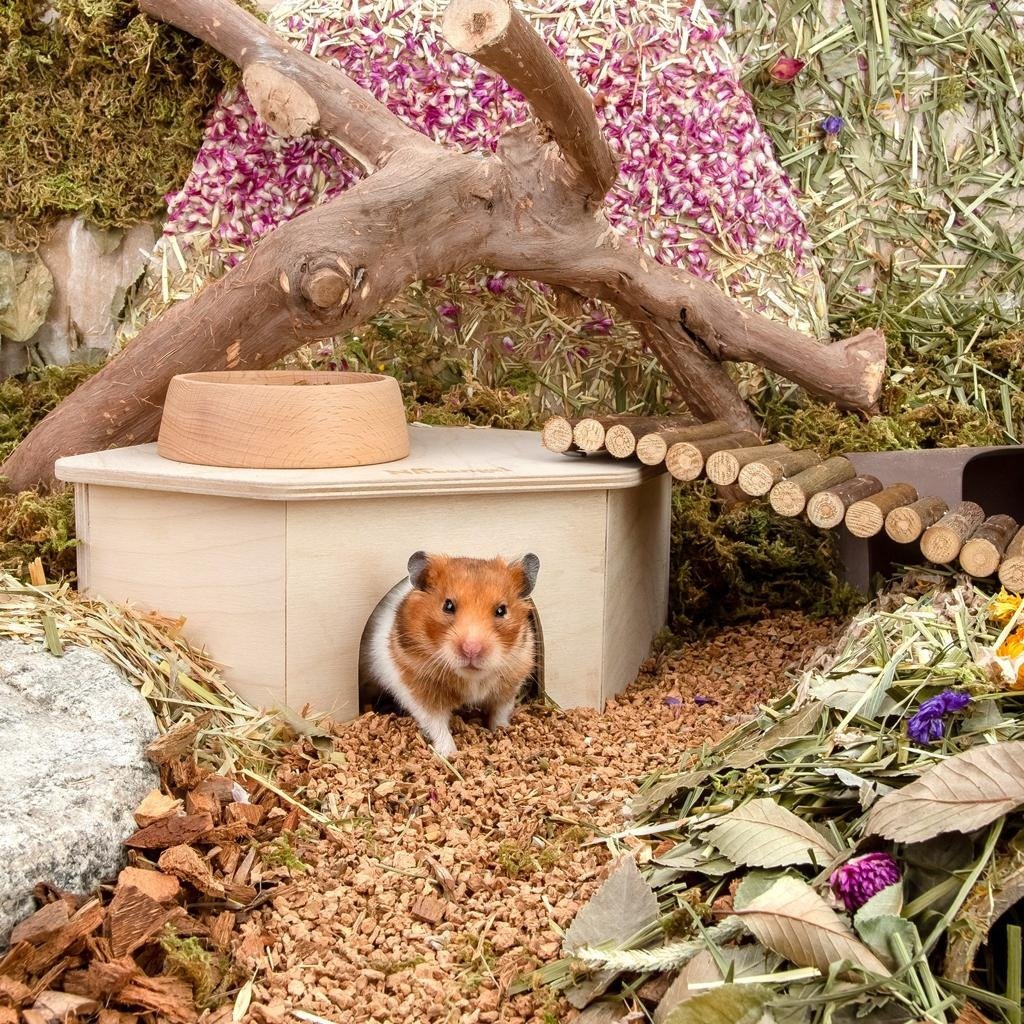
Hamsters need secure enclosures, deep bedding, suitable hiding places, enrichment, and a balanced diet. Many are active in the evening or at night. They generally prefer living alone, depending on the species.
Gerbils
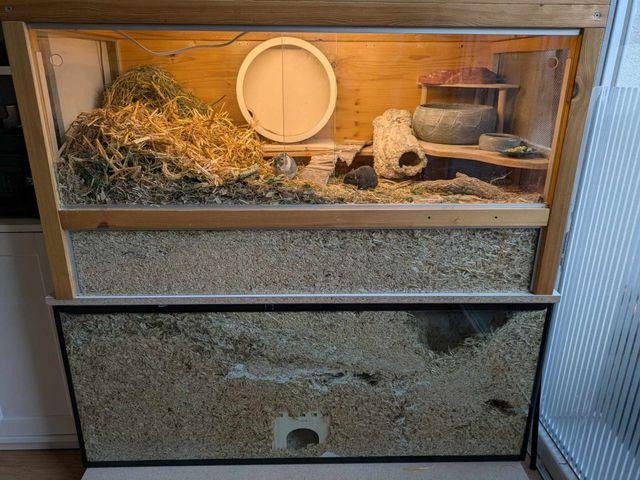
Gerbils enjoy digging and exploring. They need deep bedding and a suitable enclosure, plus social arrangements that meet their species’ needs. They may be fun to watch but don’t always enjoy being held.
Fish
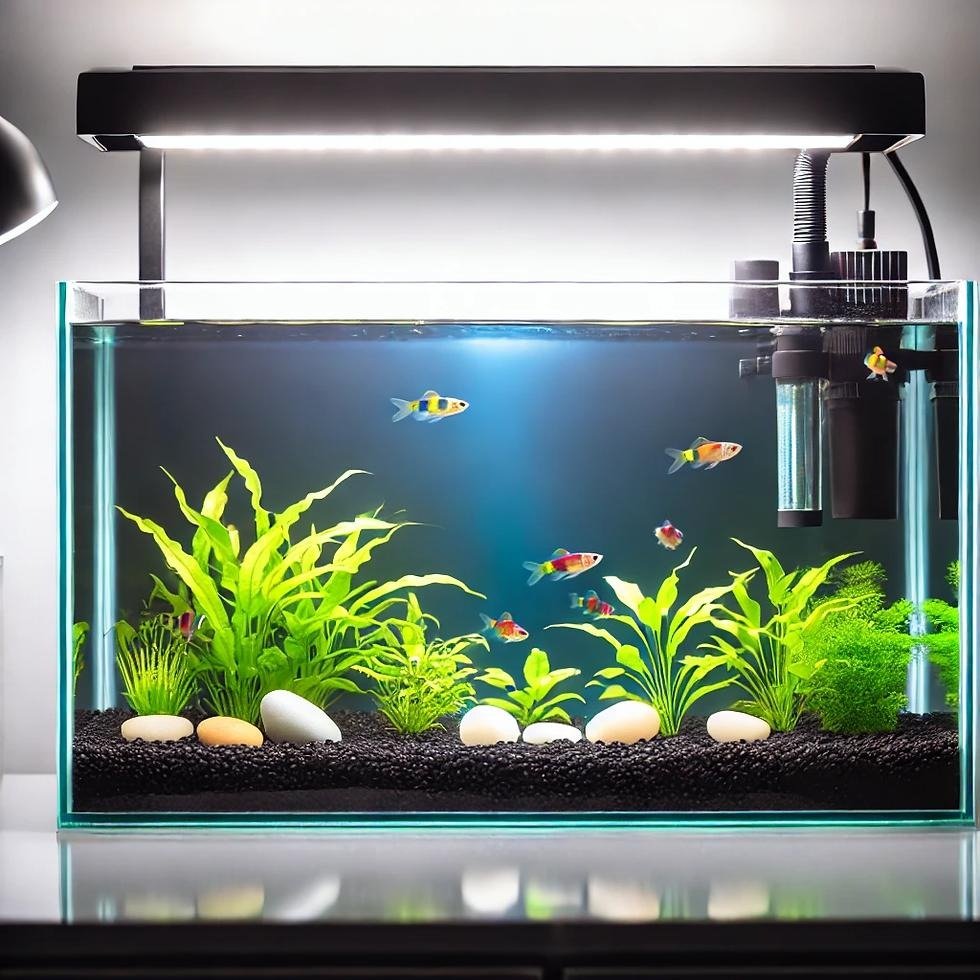
Fish need the right tank size, compatible species, filtration, and suitable water conditions. Aquarium maintenance includes water testing and partial water changes. A small tank isn’t automatically easier to manage.
Leopard geckos
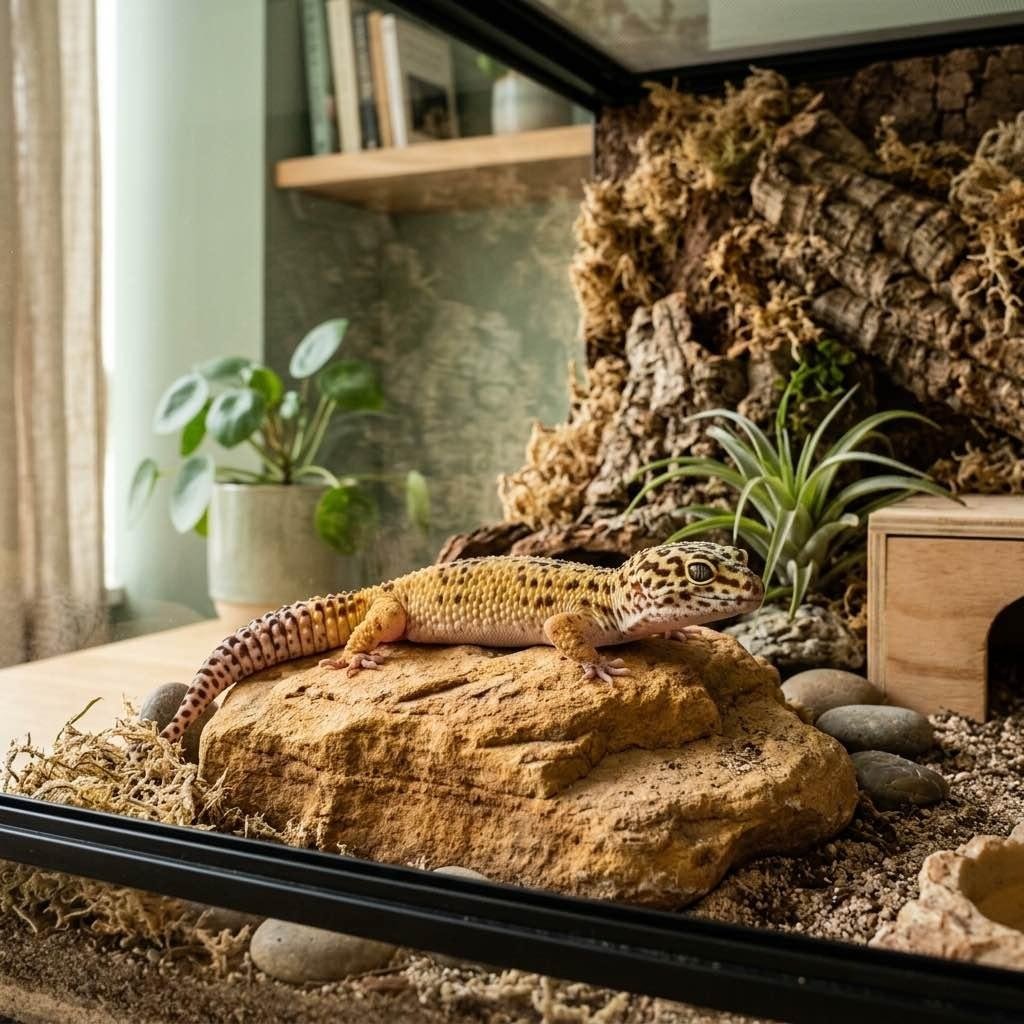
These reptiles need a carefully designed enclosure with appropriate heat, hides, temperature monitoring, and a suitable insect-based diet. Their specialized setup makes them a poor choice for anyone seeking a pet that requires almost no work.
Quick Comparison Snapshot
| Option | Best For | Key Difference |
| Adult cat | People who want an affectionate companion | Needs daily interaction and litter care |
| Hamster | People with limited floor space | Mostly nocturnal and generally solitary |
| Gerbil | Owners who enjoy watching active animals | Needs deep bedding and opportunities to burrow |
| Fish | People who prefer observing pets | Water quality and tank maintenance are essential |
These are starting points, not guarantees. An animal’s temperament, health, age, and housing needs can change how much work it requires.
Low maintenance pets that like to cuddle
Some pets enjoy close contact, but no species guarantees a cuddly personality. If affection matters to you, look for an individual animal that already shows relaxed, friendly behavior around people.
An adult cat with a known temperament can be a good option. Some cats enjoy sitting on laps, while others prefer staying nearby without being touched. Ask a rescue or previous owner about the animal’s behavior before making a decision.
Guinea pigs may learn to feel comfortable with gentle handling, but many prefer sitting beside a person rather than being held for long periods. Hamsters also vary, and sudden handling can frighten them.
Remember that cuddling should always suit the animal. Never squeeze, restrain, or wake a sleeping pet just because you want attention. Give it a way to move away.
Best low maintenance pets for adults
Adults with demanding schedules may prefer a pet with a manageable routine rather than one that needs frequent training or long exercise sessions. An adult cat, a well-matched adult dog, or a carefully planned fish tank may suit different lifestyles.
Start by considering your working hours and the time you spend away from home. Cats may cope better than dogs with a typical workday, but they still need daily care and enrichment. Some dogs need more activity and company than a busy household can offer.
Fish may suit adults who enjoy a quiet hobby. However, aquarium setup and maintenance require learning and consistent effort.
Before choosing, calculate the cost of food, supplies, cleaning, preventive veterinary care, and emergency treatment. If you travel often, arrange dependable pet care before bringing an animal home.
Top 10 easiest pets to take care of
There is no universal top ten because each pet has different needs. These ten options are worth researching if you want a companion with a care routine that may suit your household.
- Adult cat: Often a good match for people who want companionship without scheduled outdoor walks.
- Hamster: Small and interesting to observe, but needs a proper enclosure and nighttime activity.
- Gerbil: Active and engaging, with a strong need to dig and explore.
- Domestic rats: Intelligent and social; they generally need compatible rat companions and daily interaction.
- Guinea pigs: Often gentle, but require suitable social housing, space, hay, and daily care.
- Leopard gecko: May suit an owner who enjoys reptiles and can maintain a species-specific habitat.
- Betta fish: Needs an appropriately sized, heated, filtered aquarium and stable water conditions.
- Other suitable freshwater fish: May fit an aquarium hobbyist who understands species compatibility and tank maintenance.
- Adult dog with a known temperament: May suit a household prepared to provide daily exercise, training, and companionship.
- Budgerigar: A small bird that needs social interaction, space to move, enrichment, and a suitable diet.
Don’t treat this as a ranking from least to most work. For example, a well-maintained aquarium may require less direct interaction than a dog, but it demands specialized knowledge. Likewise, small animals still need suitable housing, cleaning, and health care.
Before choosing any species, research its social needs. Some animals should live alone, while others need compatible companions. Never house different species together just because they are similar in size.
Low-maintenance pets that can be left alone
Some pets tolerate periods without direct human interaction better than others, but no pet should be left without the care it needs. Your choice should account for feeding, water, temperature, cleaning, health monitoring, and the length of your absence.
A healthy adult cat may spend time resting while you’re at work, provided you meet its social and environmental needs. A properly maintained aquarium can also offer a quieter form of companionship, although its equipment and water conditions still need regular checks.
Small mammals need reliable access to food and water, suitable housing, and routine observation. Reptiles may have less need for physical interaction, but their temperature, humidity, and feeding needs can make them demanding to maintain.
What about overnight trips or vacations? Arrange a responsible caretaker who understands the animal’s needs. Don’t assume an automatic feeder, water dispenser, or large enclosure replaces human checks. Never leave a pet unattended for an extended period without an appropriate care plan.
Best low maintenance pets for families
Families should choose a pet that fits the household’s schedule, available space, budget, and children’s ages. An animal’s temperament matters more than its size or appearance.
An adult cat may suit a family that wants an affectionate companion and can respect the animal’s boundaries. Some adult dogs may also fit well, provided the family can meet their exercise and training needs.
Fish can help children learn about animal behavior and responsibility through observation. However, adults must manage aquarium maintenance and water quality. Small mammals can also interest children, but many dislike rough handling, loud noise, or frequent disturbance.
Before choosing a family pet, discuss who will handle each task. An adult should remain responsible for feeding, cleaning, health checks, and veterinary appointments. Children can help with age-appropriate jobs under supervision.
Avoid buying a pet as a surprise gift. Every household member should understand the commitment, and the animal should have a quiet, safe place to retreat.
Best low maintenance pets for kids
The best pet for a child is one that the adults in the home can care for responsibly. No animal should depend entirely on a young child’s ability to remember daily tasks or handle it safely.
Fish can be suitable for children who enjoy watching animals and learning about habitats. A family may also consider a calm, adult cat if everyone understands how to interact gently and respect the cat’s space.
Hamsters and guinea pigs need more careful thought. Hamsters may sleep during the day, while guinea pigs need space, suitable companionship, and a proper diet. Neither should be chosen simply because it looks small or inexpensive.
Teach children to wash their hands after handling animals or cleaning their habitats. Supervise young children closely, and prevent pets from reaching unsafe foods, cleaning products, electrical cords, or other household hazards.
Best small pets for cuddling
Small pets can offer companionship, but their size doesn’t tell you whether they enjoy being held. The animal’s individual personality, past experiences, and natural behavior all matter.
Guinea pigs may become comfortable with calm, gentle interaction. Some enjoy resting on a person’s lap when properly supported, while others prefer to explore at ground level. Rats can form close bonds with people, but they need social interaction and appropriate companionship with other rats.
Hamsters may become comfortable with gentle handling, although many prefer exploring on their own terms. Rabbits can also bond closely with people, but many dislike being lifted and need substantial space and enrichment.
Choose an animal whose preferences match what you want from a pet. If you mainly want to cuddle, consider adopting an individual animal whose behavior is already familiar rather than choosing based on species alone.
Low-maintenance pets for apartments
Apartment living can work well for several pet species, provided the home offers enough space and suitable conditions. Floor space, noise, ventilation, temperature, landlord rules, and access to veterinary care all affect your choice.
An adult cat may adapt to indoor living when you provide scratching posts, hiding spots, vertical space, play, and clean litter facilities. Hamsters and gerbils need secure enclosures with enough room to express their natural behaviors.
Fish can suit apartments if you have a stable place for a properly sized aquarium. Check the floor or furniture’s ability to support the tank’s weight, and keep electrical equipment away from water.
Don’t assume rabbits or guinea pigs need only a small cage. Both require more room and enrichment than many basic pet-store setups provide. Dogs may also thrive in apartments, but their exercise, toilet breaks, training, and companionship still need attention.
Before bringing an animal home, confirm your lease permits it. Also consider how you’ll manage noise, cleaning, and emergency veterinary visits.
Daily Care Routine: How to Get Started
A simple daily routine makes pet care easier to manage. Build the routine around your animal’s actual needs instead of trying to fit every species into the same schedule.
1. Prepare the habitat before bringing your pet home
Set up the enclosure, bedding, food bowls, hiding places, and other supplies first. For fish and reptiles, learn the habitat requirements and confirm the environment works properly before introducing the animal.
2. Follow a reliable feeding routine
Choose a species-appropriate diet and follow trusted veterinary or species-care guidance. Keep clean drinking water available where the animal’s needs require it. Avoid feeding table scraps or treats that don’t suit the species.
3. Check your pet every day
Look for changes in appetite, drinking, movement, breathing, droppings, and behavior. Small changes can signal a problem, especially in prey animals that hide signs of illness.
4. Clean the right areas regularly
Remove soiled bedding, clean litter facilities, and maintain food and water containers. Aquariums need species-appropriate water testing and maintenance rather than complete, unnecessary water changes.
5. Make time for exercise and enrichment
Offer safe toys, climbing structures, digging opportunities, play, or gentle interaction according to the species. Mental stimulation helps pets express natural behaviors and avoid boredom.
6. Plan veterinary care
Find a veterinarian who treats your chosen species before an emergency occurs. Ask about preventive exams, vaccinations where appropriate, dental care, parasite prevention, nutrition, and warning signs that need prompt attention.
7. Prepare for days when you’re unavailable
Choose a dependable pet sitter or caretaker. Leave clear instructions for feeding, cleaning, handling, emergency contacts, and any special needs.
A predictable routine benefits both the animal and the owner. It also helps you spot problems before they become harder to manage.
Cost Breakdown
Pet ownership costs depend on the species, your location, the quality of the setup, and the animal’s health. A low purchase or adoption fee does not necessarily mean low lifetime costs.
| Expense | What to budget for |
| Initial adoption or purchase | Adoption fees or the cost of obtaining the animal responsibly |
| Housing | Enclosures, carriers, bedding, aquariums, filters, or habitat equipment |
| Food and water | Species-appropriate food and ongoing supplies |
| Cleaning | Litter, bedding, cleaning tools, and safe habitat products |
| Enrichment | Toys, hides, scratching posts, and exercise equipment |
| Veterinary care | Exams, preventive care, diagnostic tests, and treatment |
| Emergency care | Unexpected illness, injury, or urgent specialist visits |
| Pet sitting | Care during holidays, travel, or unexpected absences |
Before adopting, research typical local prices and ask a veterinarian about likely preventive costs. Reptiles and aquarium fish may require specialized equipment, while cats and dogs may need ongoing parasite prevention, dental care, or other treatment.
Keep an emergency fund if possible. Consider pet insurance where suitable plans exist, but review exclusions, waiting periods, limits, and reimbursement rules before enrolling.
Common Mistakes Pet Owners Make
Even a manageable pet can struggle when owners underestimate its needs. Avoid these common mistakes:
- Choosing by size alone: Small animals still need enough room to move, hide, explore, and exercise.
- Assuming independence means neglect is acceptable: Pets that need less direct attention still require daily checks and care.
- Buying supplies before researching the species: A basic cage or aquarium kit may not meet an animal’s actual needs.
- Ignoring social needs: Some animals need compatible companions, while others do better alone.
- Expecting every pet to enjoy cuddling: Respect body language and allow the animal to move away.
- Skipping veterinary planning: Find suitable veterinary care before your pet becomes ill.
- Forgetting future changes: Moving, changing jobs, having a baby, or traveling can affect your ability to care for an animal.
- Relying on children alone: Adults must remain responsible for the pet’s welfare.
Responsible ownership starts with realistic expectations. Choose an animal whose needs you can meet even during busy or difficult weeks.
Pros and Cons
Every pet offers different rewards and challenges. Use this overview to compare the general trade-offs rather than treating any species as universally easy.
| Pros | Cons |
| Some animals fit smaller homes | Housing must still meet species-specific needs |
| Certain pets need less direct interaction than dogs | They still require daily checks and routine care |
| Observing animals can be enjoyable and educational | Not every pet enjoys handling or cuddling |
| A predictable routine can simplify care | Cleaning and maintenance never disappear |
| Adult animals may have known temperaments | Individual health and behavior can still change |
| Small pets may have lower initial costs | Specialized equipment or veterinary care can be expensive |
Similar Options and Alternatives
If none of the main choices feels right, consider these alternatives. Each brings a different kind of companionship and commitment.
| Option | Best For |
| Adult rescue cat | Someone who wants companionship and can offer daily play and care |
| Adult rescue dog | A household prepared for walks, training, and regular interaction |
| Domestic rats | Owners who enjoy social, intelligent small mammals and can keep compatible companions |
| Budgerigar | People ready to provide bird-safe space, enrichment, social interaction, and a suitable diet |
| Rabbit | Households able to provide substantial space, enrichment, and appropriate rabbit companionship |
| Freshwater aquarium | People who enjoy maintaining water conditions and observing aquatic life |
| Leopard gecko | Experienced or well-prepared owners comfortable with reptile habitat management |
| Gerbils | People who enjoy watching active animals dig, explore, and interact |
Rabbits and birds often need more attention and space than beginners expect. They aren’t automatic substitutes for a cat or hamster. Research the needs of any alternative before deciding.
When to Consult a Vet or Professional
Consult a veterinarian whenever you notice concerning changes in your pet’s health or behavior. Seek prompt help for breathing difficulty, collapse, serious bleeding, seizures, suspected poisoning, or other signs of an emergency.
Arrange a veterinary examination when you first bring a pet home. Ask about preventive care, appropriate nutrition, habitat conditions, dental health, parasite prevention, and how often your particular animal needs checkups.
Contact a qualified behavior professional if your pet shows persistent fear, aggression, or distress. For reptiles, fish, birds, and other specialized species, choose a professional with relevant experience.
Don’t rely on online advice to diagnose an illness or choose a medication dose. Animals can deteriorate quickly, and treatment needs depend on their species, age, health, and symptoms.
If you keep an exotic species, check local laws and confirm that a suitable veterinarian can treat it. Responsible care includes knowing where to get help before you need it.
Fun Facts
- Cats use scent marking and scratching as part of their normal behavior, so scratching surfaces serve more than one purpose.
- Hamsters often become active during the evening and night, which can affect when you interact with them.
- Gerbils naturally dig and burrow, making deep bedding an important part of their environment.
- Fish rely on water conditions suited to their species, not just clean-looking water.
- Guinea pigs need dietary vitamin C, which makes proper nutrition especially important.
- Rats are social and intelligent animals that can learn routines and interact with their caregivers.
- Many reptiles depend on their environment to regulate body temperature, so habitat setup matters greatly.
- A pet’s individual personality can differ from the general behavior associated with its species.
These facts highlight why species research matters. An animal may look simple to care for, but its natural behavior tells you what it needs to stay healthy.
Frequently Asked Questions
1. What is the easiest pet to take care of?
The easiest pet depends on your experience, schedule, home, and expectations. An adult cat may suit someone who wants companionship without daily walks. A hamster may suit someone who enjoys observing a small animal and can provide proper housing, cleaning, and enrichment. Fish may appeal to people who prefer watching rather than handling their pets, but aquariums require careful maintenance. Before choosing, compare daily care, social needs, expected lifespan, and veterinary access. The best choice is an animal whose needs you can meet consistently, not simply the animal that appears to require the least work.
2. What is the best pet with low-maintenance?
An adult cat can be a practical choice for some households because cats often manage their own activity and don’t need scheduled outdoor walks. However, cats still need daily attention, litter cleaning, appropriate food, play, and health care. A fish tank may suit someone who enjoys maintaining an aquarium, while a gerbil may suit someone who prefers watching active small mammals. There is no single best choice for every person. Consider your budget, working hours, available space, and interest in handling animals. If you travel frequently, arrange reliable care before choosing any pet.
3. What is the easiest cuddly pet to take care of?
An adult cat with a known affectionate temperament may be one of the more practical choices for someone who wants a cuddly companion. Some cats enjoy sitting on laps, while others prefer being nearby without physical contact. Individual personality matters more than breed labels or appearance. If you adopt through a shelter or rescue, ask staff about the cat’s behavior around people and its preferred level of handling. Remember that even an affectionate pet needs daily care, play, and veterinary attention. Give the animal space whenever it wants to rest or move away.
4. What pet has the least amount of maintenance?
No pet has zero maintenance, and the answer depends on which tasks you find manageable. Fish don’t need walks or physical cuddling, but their aquarium needs suitable filtration, stable water conditions, and regular upkeep. Cats avoid some of the exercise demands associated with dogs, yet they still need litter care, interaction, and health checks. Small mammals require appropriate enclosures, cleaning, and species-specific diets. Rather than looking for the pet with the fewest tasks, compare the time, skills, equipment, and money each species requires. This approach helps you avoid choosing an animal whose needs exceed your resources.
5. How much time should I set aside for a pet each day?
The time commitment varies by species, age, health, and housing. Every pet needs daily observation and basic care, while some also need exercise, training, social contact, or habitat maintenance. Before adopting, write down the tasks you’ll need to complete each morning and evening. Include weekly cleaning, supply shopping, and veterinary appointments too. Ask an experienced veterinarian or reputable rescue about the needs of the specific animal you’re considering. Build a routine that still works on busy days, and arrange backup care for emergencies or travel.
6. Is it cheaper to own a small pet than a cat or dog?
Not always. A small animal may cost less to adopt, but its enclosure, bedding, food, and specialized veterinary care can add up. Fish and reptiles may need equipment such as filters, heaters, lighting, or temperature controls. Cats and dogs also bring ongoing costs, including food, preventive health care, and unexpected treatment. Compare the full expected cost rather than the purchase price alone. Ask local veterinary clinics about examination fees and common preventive expenses before making a decision. A realistic budget should include an emergency fund whenever possible.
Final Thoughts
Choosing a pet should start with the life you can offer, not a promise of effortless companionship. Some animals need less direct interaction than others, but every species has its own physical, social, and environmental needs.
If you want affection, consider an adult animal whose personality is already familiar. If you prefer observing animals, research a suitable aquarium or small mammal. If you enjoy reptiles, make sure you understand the habitat equipment, feeding requirements, and veterinary support they need.
Think beyond your current routine. Consider future moves, changes in working hours, travel, and the animal’s expected lifespan. These details can make the difference between a good match and a stressful experience for both of you.
Before bringing a pet home, prepare its living space, research a suitable diet, locate an experienced veterinarian, and plan who will care for it when you’re away. Adoption may also give you a chance to learn about an individual animal’s temperament and needs.
The right companion isn’t necessarily the smallest, quietest, or least expensive animal. It’s the one whose needs you can meet with patience, care, and consistency for its entire life.

Daniel Brooks is a pet research writer at PetJournalHub. He specializes in pet behavior, product research, and responsible pet ownership. He focuses on delivering accurate, reader-friendly guides that help pet owners provide the best care for their animals.