
Featured Snippet Answer: The best lizard pets depend on your experience, budget, available space, and preferred level of interaction. Bearded dragons, leopard geckos, and crested geckos suit many first-time owners. Blue-tongued skinks appeal to keepers who can provide more room. Every species needs proper heating, suitable lighting, balanced food, and regular veterinary care.
Key Takeaways
- Best for interaction: Bearded dragons often become comfortable with gentle, patient handling.
- Best small option: Leopard geckos suit owners who prefer a ground-dwelling lizard and can feed live insects.
- Best climber: Crested geckos need vertical space and suitable humidity.
- Best for confident keepers: Blue-tongued skinks need larger enclosures and a varied diet.
- Most important expense: Budget for the full habitat, heating, lighting, food, and exotic-animal veterinary care.
- Safety first: Never choose a species based on appearance alone. Check its adult size, care needs, legal status, and expected lifespan.
Introduction
Choosing a pet lizard can feel exciting until you start comparing species. Some lizards stay relatively small and spend much of their time exploring their enclosures. Others grow large, need carefully controlled humidity, or require more space than a typical household can offer.
That difference matters because the right pet should fit your daily routine, experience, and budget. A beautiful reptile may still make a poor match if you cannot meet its habitat needs or find a veterinarian who treats reptiles.
When comparing the best lizard pets, look beyond color and temperament. Consider how the animal eats, when it stays active, how much room it needs, and whether you can care for it throughout its life. Many pet lizards live for a decade or longer, so this decision deserves careful thought.
Merck Veterinary Manual
+1
This guide compares six popular choices, explains their care needs, and helps you decide which species suits your household. You will also learn what to budget for, how to set up a safe habitat, and which warning signs deserve veterinary attention.
One important point: no lizard is completely hands-off. Even species with straightforward routines need the right environment, fresh food or prepared diets, regular cleaning, and close observation.
What Are the Best Lizard Pets?
The best pet lizards are species whose care requirements match an owner’s experience, available space, and ability to provide proper food and habitat conditions. Bearded dragons, leopard geckos, and crested geckos often suit beginners, while larger or more specialized species demand additional planning.
Here are six options worth researching before making a decision.

1. Bearded dragon
A daytime-active lizard with an alert appearance and a reputation for tolerating careful handling. It needs a spacious enclosure, strong appropriate UVB lighting, basking heat, and a diet that changes with age.

2. Leopard gecko
A small, ground-dwelling gecko with movable eyelids. It eats insects and needs warm and cooler areas, suitable hides, and a secure enclosure.
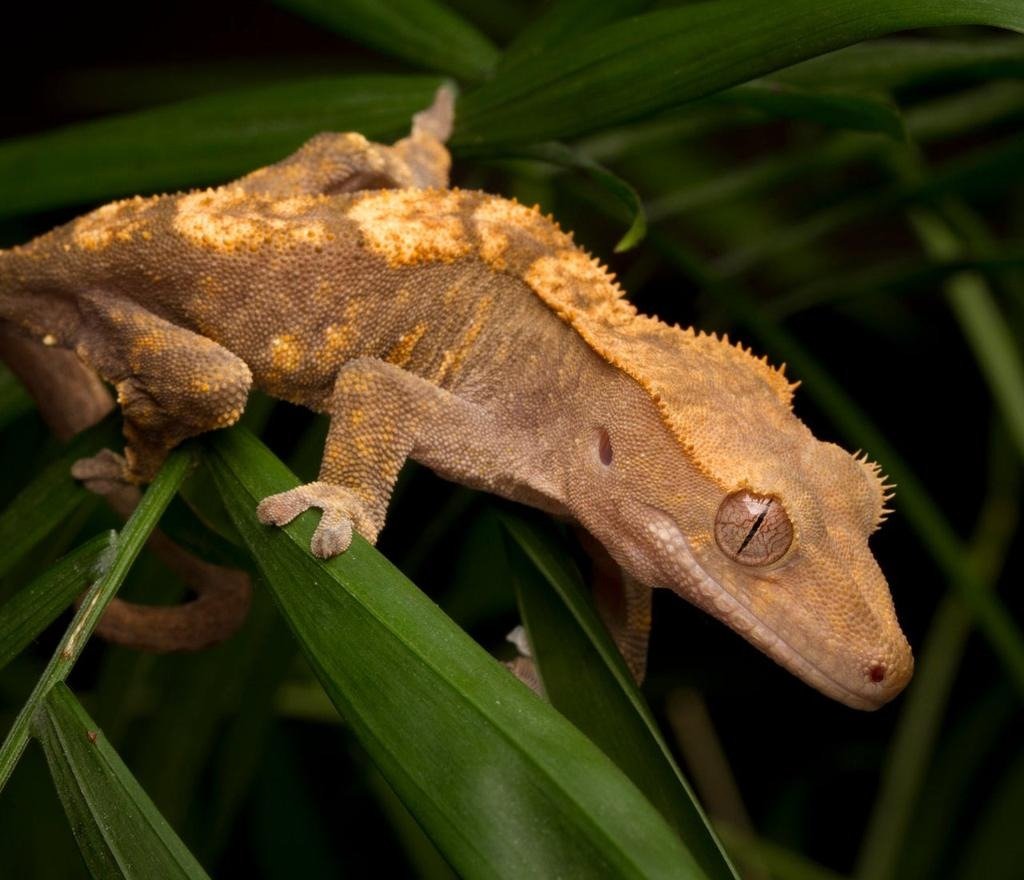
3. Crested gecko
A climbing species that needs a tall habitat, climbing surfaces, and suitable humidity. Commercially prepared crested gecko diets can simplify feeding when owners use an appropriate complete formula.
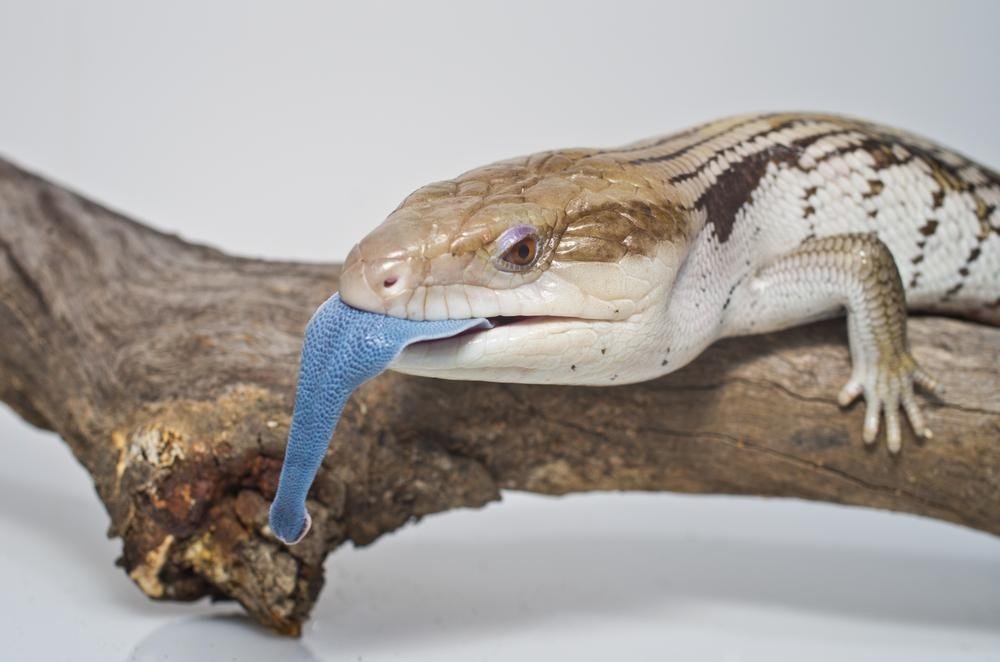
4. Blue-tongued skink
A sturdy, ground-dwelling lizard with a distinctive blue tongue. It needs more floor space than smaller geckos and a carefully balanced, species-appropriate diet.
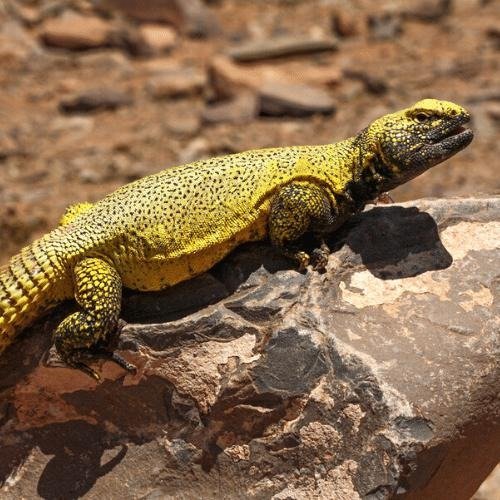
5. Uromastyx
A desert-adapted, mostly plant-eating lizard. Its strong basking heat, lighting, and diet requirements make careful research essential before purchase.

6. Green anole
A small, active climber that can appeal to people who enjoy observing natural behavior. Its delicate body and specific habitat needs make it less suitable for frequent handling.
These species differ in important ways, so do not treat their care instructions as interchangeable. A reputable reptile veterinarian or species-specific care guide can help you confirm the exact setup each animal needs.
Veterinary Medicine & Biomedical Sciences
+2
Quick Facts Box
| Fact | Details |
| Animal group | Reptiles |
| Common beginner choices | Bearded dragon, leopard gecko, crested gecko |
| Diet | Varies by species; may include insects, plants, or complete prepared diets |
| Habitat | Secure terrarium with species-specific heat, lighting, humidity, and hides |
| Lifespan | Often 10 years or longer in popular pet species; varies widely |
| Handling | Depends on species and individual temperament |
| Veterinary care | Choose a veterinarian experienced with reptiles |
| Main commitment | Habitat setup, daily monitoring, feeding, cleaning, and long-term costs |
Where Do Pet Lizards Come From?
Pet lizards come from many parts of the world, and their natural habitats explain much of their care. Bearded dragons originate from Australia, leopard geckos from parts of South Asia and nearby regions, and crested geckos from New Caledonia.
These origins help explain why species need different conditions. A desert-adapted lizard does not need the same humidity as a tropical climber. Likewise, a ground-dwelling gecko needs different climbing structures from an arboreal species.
Always research the exact species rather than relying on a broad label such as “desert lizard.” Even related reptiles can have different temperature, moisture, and dietary needs.
PetMD
+2
History and Evolution of Pet Lizards
People have kept reptiles for many years, and modern pet keeping offers more information about their care than many owners had in the past. Better access to specialist veterinary advice, species-specific equipment, and captive-bred animals can help responsible owners prepare.
However, popularity does not prove that a species suits beginners. A lizard may appear frequently in videos or pet shops while still needing advanced habitat control.
Captive-bred animals can also help reduce pressure on wild populations when owners buy from responsible sources. Ask for clear information about the animal’s origin, feeding history, health, and legal documentation before you commit.
Key Characteristics and Care Needs
The right choice depends on more than size. Temperament, feeding habits, activity times, habitat requirements, and expected lifespan all affect daily ownership.
Temperament and handling
Bearded dragons and leopard geckos often tolerate gentle handling after they settle in. Crested geckos may also become comfortable with calm, brief interactions, but they can jump suddenly. Blue-tongued skinks may tolerate handling, yet their larger bodies need secure support.
Never assume a lizard enjoys being picked up. Watch its body language, avoid grabbing its tail, and let it retreat when it wants space.
Heating and lighting
Lizards rely on environmental heat to regulate body temperature. Most need a temperature gradient, which gives them access to warmer and cooler areas. Many species also benefit from suitable UVB lighting for normal vitamin D and calcium function.
Merck Veterinary Manual
+1
Use reliable thermometers and a thermostat-controlled heat source where appropriate. Follow a species-specific guide for basking temperatures, nighttime conditions, UVB strength, and bulb placement.
Food and water
Different lizards need different diets. Bearded dragons eat a changing mix of insects and plant foods as they grow. Leopard geckos eat insects, while crested geckos can eat a suitable complete commercial diet.
Provide clean water and maintain appropriate food storage. Ask a reptile veterinarian about supplements, especially when you are unsure whether the diet provides enough calcium or other nutrients.
Space and enrichment
A suitable enclosure allows the lizard to move, hide, climb or dig as its species requires. Add safe structures and multiple hiding areas. Keep the enclosure secure, well ventilated, and easy to clean.
A small enclosure may look convenient, but it can limit natural movement and make it harder to maintain a stable habitat.
Quick Comparison Snapshot
| Option | Best For | Key Difference |
| Bearded dragon | Owners seeking daytime activity | Needs strong UVB lighting, basking heat, and a varied diet |
| Leopard gecko | Owners who prefer a smaller ground dweller | Eats insects and uses ground-level hides |
| Crested gecko | Owners who enjoy climbing species | Needs vertical space and careful humidity control |
| Blue-tongued skink | Owners with more space and experience | Larger body and more involved enclosure needs |
This is a starting comparison, not a substitute for a complete care plan. Confirm adult size and enclosure requirements before buying any animal.
Merck Vet Manual
+2
Best Lizard Pets for Adults
Adults should choose a lizard based on their schedule, living space, and interest in reptile care. A busy adult may prefer a species with a predictable feeding routine, while someone who enjoys daily interaction may favor a bearded dragon.
A leopard gecko can suit an adult who wants a smaller pet and feels comfortable feeding insects. A crested gecko may appeal to someone who enjoys watching a climbing animal rather than handling it often.
Consider these questions before choosing:
- Can you maintain the habitat every day, including weekends and holidays?
- Will your landlord allow a reptile and its heating equipment?
- Can you afford an enclosure, replacement bulbs, food, and veterinary visits?
- Is an exotic-animal veterinarian available near your home?
Adults with limited space should not automatically choose the smallest lizard. Even a small species needs enough room to move, hide, and access suitable temperature zones.
Best Lizard Pets for Beginners
Beginners should start with a species whose needs they can meet consistently. Leopard geckos, bearded dragons, and crested geckos are common starting points, but each requires a different habitat and feeding plan.
Veterinary Medicine & Biomedical Sciences
+2
A leopard gecko may suit someone who prefers a ground-dwelling animal. A bearded dragon may suit someone who wants a more visible, daytime-active pet. A crested gecko can appeal to owners who enjoy watching climbing behavior.
Before bringing one home, learn how to measure temperature and humidity. Set up the enclosure first, then check that it stays within the correct ranges.
Avoid choosing a lizard because a seller calls it “easy.” Ask for its scientific name, adult size, feeding schedule, expected lifespan, and exact care requirements. A beginner-friendly species still needs proper equipment and a reliable long-term care plan.
Best Lizard Pets for Kids
Some lizards can work in family homes, but adults must take full responsibility for their care. Children can help with supervised observation, food preparation, and simple cleaning tasks when they understand safe handling.
A calm bearded dragon may suit a family that can provide a large habitat. A leopard gecko may fit a household that prefers a smaller reptile. Neither species should become a toy or an animal that children carry around freely.
Teach children to wash their hands after touching a reptile or anything inside its enclosure. Reptiles can carry Salmonella even when they look healthy. Keep them away from food preparation areas, and supervise young children closely.
Merck Veterinary Manual
+1
Families with children under five, older adults with weakened immune systems, or other vulnerable household members should discuss reptile-related infection risks with a healthcare professional before bringing one home.
Top 10 Best Lizard Pets
There is no universal ranking because the right lizard depends on the keeper. Still, these ten species are worth researching for different reasons.
- Bearded dragon: A popular choice for owners who want a daytime-active reptile.
- Leopard gecko: A smaller ground dweller with a well-established pet-care profile.
- Crested gecko: A climbing species suited to a vertical habitat.
- Blue-tongued skink: A larger lizard for owners who can provide more floor space.
- Uromastyx: A plant-eating desert lizard with specialized heat and lighting needs.
- Green anole: A small, active species best appreciated through observation.
- African fat-tailed gecko: A ground-dwelling gecko that needs species-specific moisture and temperature control.
- Gargoyle gecko: A climbing gecko with particular humidity and enclosure needs.
- Rankin’s dragon: A smaller relative of the bearded dragon that still needs suitable heat and UVB.
- Ackie monitor: An active monitor lizard that requires substantial space, enrichment, and experienced care.
This list does not mean all ten species suit first-time owners. Monitor lizards and other specialized reptiles may demand more advanced care. Research the individual species before treating it as a practical option.
Top 10 Lizard Pets for Beginners
A list of ten can help you explore the options, but it should not imply that every species makes an equally suitable first pet. Some lizards have more demanding habitat or dietary needs than others.
For a first-time keeper, start your research with these species:
- Bearded dragon
- Leopard gecko
- Crested gecko
- African fat-tailed gecko
- Gargoyle gecko
- Rankin’s dragon
- Blue-tongued skink
- Uromastyx
- Green anole
- Ackie monitor
The last four require particular care when assessing space, feeding, heat, humidity, and experience. Their presence on this research list does not make them easy choices.
For many beginners, the most sensible shortlist is a bearded dragon, leopard gecko, or crested gecko. Choose between them after comparing their full care requirements rather than relying on a ranking.
Veterinary Medicine & Biomedical Sciences
+2
Best Lizard Pets for Sale
When shopping for a pet lizard, look for a responsible breeder, reputable reptile specialist, or rescue that can explain the animal’s background and care history. Availability, prices, and local rules vary, so verify these details before making a purchase.
A responsible seller should answer questions about the lizard’s age, feeding habits, health history, origin, and current habitat. Ask whether the animal eats reliably and whether it has any known health concerns.
Check the following before paying:
- Legal status: Confirm that local laws permit ownership and sale of the species.
- Captive-bred status: Ask for documentation where available and avoid animals collected illegally from the wild.
- Physical condition: Look for alert behavior, clear eyes, normal movement, and a body condition appropriate for the species.
- Feeding history: Ask what food the lizard accepts and how often it eats.
- Veterinary access: Find a reptile veterinarian before bringing the animal home.
- Complete setup: Have the correct enclosure, lighting, heating, and monitoring tools ready first.
Do not buy a lizard on impulse because of an unusual color or a low price. The purchase cost often represents only a small part of the total commitment.
Daily Care Routine: How to Get Started
A consistent routine helps you notice changes before they become serious problems. Your exact schedule depends on the species, age, diet, and habitat.
Morning checks
- Check the enclosure’s temperature and humidity with suitable instruments.
- Confirm that heating and lighting equipment work correctly.
- Replace dirty water and remove leftover food or waste.
- Observe the lizard’s movement, appetite, breathing, and general appearance.
Feeding and cleaning
Offer the correct food for the species and life stage. Feed insects from a reliable source when required, and follow a veterinarian-approved plan for supplements. Remove uneaten insects when appropriate so they cannot stress or injure the lizard.
Spot-clean the enclosure regularly. Follow a safe cleaning routine, use reptile-appropriate products, and keep the animal away from cleaning chemicals.
Handling and enrichment
Allow a new lizard time to settle in. Keep early handling short and gentle, and support the animal’s body rather than squeezing it. Avoid handling during periods of stress or when the animal shows clear signs of distress.
Provide suitable hides, climbing structures, or digging areas according to the species. Enrichment should encourage natural behavior without creating hazards.
Weekly and monthly checks
Review the enclosure for damaged equipment, loose fittings, dirty surfaces, and changes in temperature or humidity. Check UVB bulb replacement guidance from the manufacturer. Some bulbs continue to glow after their useful UVB output declines.
Keep a simple log of feeding, shedding, weight when appropriate, and unusual behavior. This record can help a reptile veterinarian spot patterns during an examination.
Merck Veterinary Manual
+2
Cost Breakdown
The cost of keeping a lizard includes far more than the animal itself. Your total spending depends on species, enclosure size, equipment quality, food needs, local availability, and veterinary fees.
| Expense | What to budget for |
| Initial purchase or adoption | Species, age, breeder, and local availability affect price |
| Enclosure | Secure housing sized for the adult animal |
| Heating and thermostat | Species-appropriate heat sources and temperature control |
| UVB lighting | Suitable fixture, bulb, and replacement schedule |
| Substrate and hides | Safe flooring, shelters, and enrichment |
| Food and supplements | Insects, vegetables, prepared diets, or other suitable food |
| Monitoring tools | Thermometers and humidity gauges |
| Veterinary care | Initial examination, routine checks, and unexpected illness |
| Ongoing utilities | Electricity for heating and lighting |
Do not rely on a single online price as a universal estimate. Local markets differ, and a cheap starter kit may not meet the animal’s needs.
Before buying, calculate the initial setup cost and recurring monthly expenses. Keep an emergency fund for veterinary care. If the correct habitat is outside your budget, wait until you can provide it.
Common Mistakes Pet Owners Make
Many reptile health problems start with poor habitat planning or incorrect assumptions about care. Avoid these common mistakes:
- Buying before preparing the enclosure: Set up and test the habitat first.
- Using the same temperature for every species: Follow a species-specific temperature gradient.
- Skipping appropriate UVB lighting: Ask a reptile veterinarian which lighting setup your species needs.
- Guessing humidity: Measure it rather than relying on how the enclosure feels.
- Feeding an unsuitable diet: Match food and supplements to the species and age.
- Handling too often: Give the animal time to settle and retreat.
- Housing incompatible lizards together: Many species do better alone, and competition can cause stress or injury.
Merck Veterinary Manual
+1 - Ignoring changes in behavior: Reduced appetite, unusual weakness, and abnormal shedding may signal a problem.
- Releasing an unwanted pet outdoors: Contact a reputable rescue or reptile organization instead. Released reptiles can suffer and may harm local wildlife.
The goal is not to make care complicated. It is to avoid preventable problems by getting the basics right from day one.
Pros and Cons
Pet lizards can be rewarding companions, but their needs differ from those of cats and dogs.
| Pros | Cons |
| Fascinating natural behaviors | Specialized heating and lighting |
| Many species and sizes to explore | Equipment and electricity costs |
| Some tolerate calm, gentle handling | Others prefer observation over handling |
| No daily walks required | Feeding and cleaning still need consistency |
| Can suit different living arrangements | Space and local rules may limit your choices |
| Offer a chance to learn about animal biology | Access to reptile veterinary care may be limited |
A lizard may suit your lifestyle if you enjoy observing animals and maintaining a carefully controlled habitat. It may not suit you if you want a pet that actively seeks affection or needs little equipment.
Similar Lizard Options and Alternatives
If the six main choices do not match your needs, consider these alternatives. Each offers a different balance of size, behavior, and care demands.
| Option | Best For |
| African fat-tailed gecko | Owners who prefer a ground-dwelling gecko and can manage its humidity needs |
| Gargoyle gecko | Keepers interested in climbing behavior and a vertical enclosure |
| Rankin’s dragon | Owners seeking a smaller dragon-type lizard with appropriate specialist care |
| Green iguana | Experienced keepers who can provide a very large enclosure and demanding long-term care |
| Chinese water dragon | Experienced owners prepared for a large, humid, climbing habitat |
| Ackie monitor | Knowledgeable keepers who can provide substantial space and enrichment |
Green iguanas and Chinese water dragons are not casual starter pets. Their adult size, habitat requirements, and long-term care needs can overwhelm unprepared owners.
If you want an animal that needs less specialized heating equipment, consider whether a different type of pet would suit your household better. A leopard gecko still needs proper temperature control, and a crested gecko still needs suitable environmental conditions. No reptile should be chosen simply because its care sounds effortless.
When to Consult a Vet or Professional
Find a reptile-experienced veterinarian before bringing your lizard home. An initial health check can help establish a baseline and identify husbandry concerns. Ask the clinic about preventive care, parasite testing, nutrition, and follow-up visits.
Seek veterinary advice promptly if your lizard shows:
- Persistent refusal to eat or unexpected weight loss.
- Weakness, unusual difficulty moving, or trouble gripping surfaces.
- Swelling, wounds, burns, or discharge around the eyes or mouth.
- Labored breathing, open-mouth breathing outside normal species-specific behavior, or unusual breathing sounds.
- Repeated incomplete shedding or retained shed around the toes or tail tip.
- A swollen abdomen, difficulty passing waste, or sudden changes in behavior.
Contact a veterinarian urgently for severe breathing problems, collapse, major injuries, or suspected burns. Do not try to treat serious symptoms with human medication or home remedies.
A reptile veterinarian can also help you check whether the habitat provides suitable heat, UVB exposure, humidity, and nutrition. These factors often play an important role in reptile health.
Merck Veterinary Manual
+2
Fun Facts About Pet Lizards
Lizards have several interesting traits that make them rewarding to observe.
- They rely on outside heat. Lizards are ectotherms, so their environment helps regulate body temperature.
- They shed their skin. This process, called ecdysis, occurs throughout a reptile’s life.
- Some geckos have movable eyelids. Leopard geckos can close their eyes, unlike many geckos that lack movable eyelids.
- Some lizards can drop their tails. This defense is called tail autotomy. Regrowth varies by species and may not restore the original appearance.
- Many species use their tongues to gather information. Tongue-flicking helps some lizards collect chemical cues from their surroundings.
- Not all lizards eat insects. Some species eat mostly plants, while others require a mixed or specialized diet.
- Climbing ability varies. Some geckos use specialized toe pads, while ground-dwelling species rely on different movement strategies.
These traits are useful reminders that lizards are not interchangeable pets. Their biology shapes how they move, eat, interact, and respond to their environment.
Merck Veterinary Manual
+2
Frequently Asked Questions
What is the friendliest type of lizard?
Bearded dragons often rank among the more handle-tolerant pet lizards. Many become comfortable with gentle interaction when owners give them time to settle and support their bodies properly. Leopard geckos can also suit owners who want a smaller lizard that may tolerate calm handling. However, no species guarantees a friendly personality. Individual temperament, past experiences, health, and handling methods all matter. Look for an alert, healthy animal, respect its signals, and avoid forcing contact. If you want a pet that actively seeks affection, remember that even a calm lizard may prefer observation to physical interaction.
What are the top 10 cutest lizards?
“Cute” depends on personal taste, but many reptile enthusiasts enjoy the appearance of bearded dragons, leopard geckos, crested geckos, gargoyle geckos, African fat-tailed geckos, blue-tongued skinks, uromastyx, Rankin’s dragons, green anoles, and leopard geckos with distinctive natural patterns. Choose based on care needs rather than looks alone. Some attractive species need more space, precise humidity, or specialized diets. Color varieties can also have different prices, so avoid paying extra without understanding the animal’s background. A healthy lizard with an appropriate habitat matters far more than a rare pattern.
What are beginner friendly lizards?
Leopard geckos, bearded dragons, and crested geckos are common first choices because their care needs are well documented. The best match depends on the kind of animal you want to observe and the habitat you can maintain. Leopard geckos need insects and ground-level hides. Bearded dragons need suitable UVB lighting, basking heat, and a varied diet. Crested geckos need vertical climbing space and appropriate humidity. Before choosing, find a reptile veterinarian and prepare the full enclosure. Beginners should avoid assuming that small size means simple care or that any lizard can live comfortably in a basic tank.
What is the lowest maintenance lizard pet?
No lizard qualifies as maintenance-free. Leopard geckos can have a manageable routine for owners who are comfortable feeding insects and maintaining temperature zones. Crested geckos may simplify some feeding tasks when owners use a suitable complete commercial diet, but they still need correct humidity, enclosure care, and monitoring. Bearded dragons often require more varied food preparation and careful lighting management. The best way to reduce avoidable work is to choose a species that fits your routine, automate suitable heating with a thermostat, and use reliable monitoring tools. Never cut essential care to save time.
Do pet lizards need UVB lighting?
Many pet lizards benefit from UVB lighting, and some species rely on it for normal vitamin D production and calcium balance. The exact requirement depends on the species and setup. Nocturnal habits do not automatically mean a lizard gains no benefit from UVB. Ask a reptile veterinarian to help select an appropriate lamp, exposure level, distance, and lighting schedule. Glass and plastic can block much of the useful UVB radiation, so placing a lamp outside a closed glass enclosure may not provide the intended exposure.
Merck Veterinary Manual
+1
Can you keep two lizards in one tank?
Keeping two lizards together can cause competition, stress, injuries, or aggression. Some species have specialized social or breeding arrangements, but owners should not assume that two animals will share space safely. Different species also have different temperature, humidity, and feeding needs. For most new owners, a separate enclosure for each lizard offers better control over care and health monitoring. Before attempting any group housing, consult a reptile veterinarian or an experienced specialist who understands the exact species. Never add another lizard simply because the enclosure looks large enough.
How long do pet lizards live?
Lifespan varies widely by species, individual health, genetics, and care. Several popular pet lizards can live for a decade or longer, and some may live considerably longer. This means buying a lizard can create a long-term responsibility that continues through changes in housing, work, and family life. Ask a reputable breeder, rescue, or reptile veterinarian about the expected lifespan of the exact species you are considering. Plan for future costs, holidays, emergency care, and what will happen if you can no longer provide suitable housing. Do not base your decision on a short estimate from a seller.
Final Thoughts
Choosing a pet lizard is about finding the right match, not finding the most popular species. A bearded dragon may suit someone who enjoys daytime activity and gentle interaction. A leopard gecko may appeal to an owner who prefers a smaller ground-dwelling reptile. A crested gecko can be a good fit for someone who enjoys watching a climbing animal.
Before you decide, consider the animal’s adult size, diet, habitat needs, expected lifespan, and access to veterinary care. Set up the enclosure in advance and check its temperature and humidity before bringing your new pet home.
Remember that even a beginner-friendly lizard needs consistent care. Proper lighting, suitable food, a safe habitat, and routine health checks all contribute to its well-being.
Take your time comparing species, ask questions of responsible breeders or rescues, and seek advice from a reptile veterinarian when needed. With careful planning, you can choose a lizard that fits your household and provide a safe, enriching home for years to come.

Emily Carter is a pet care writer at PetJournalHub. She enjoys creating clear, practical, and well-researched articles about pet health, nutrition, grooming, and everyday care. Her goal is to help pet owners make informed decisions through reliable, easy-to-understand content.