Rat poison safe for pets is a common search from owners who want to remove rats and mice without putting their dogs, cats, or other animals at risk. However, no conventional poison bait is completely safe for pets. The safest approach starts with blocking rodent entry points, removing food sources, and using properly placed traps. If poison exposure occurs, contact a veterinarian immediately, even when your pet appears healthy.
Key Takeaways
- No conventional rodenticide offers a guarantee of safety for pets.
- Poison can harm pets through direct bait consumption or, in some cases, eating a poisoned rodent.
- Anticoagulants, bromethalin, cholecalciferol, and zinc phosphide cause different types of poisoning.
- Snap traps, sealed food containers, and blocked entry points can reduce the need for poison.
- Never induce vomiting or give home remedies unless a veterinary professional directs you to do so.
- Keep product packaging and the active ingredient information available if exposure occurs.
Introduction
Rats and mice can damage walls, chew electrical wires, contaminate food, and leave droppings around the home. When these pests appear, many pet owners reach for a quick solution. The challenge is finding a way to control rodents without endangering the animals that share the house.
Dogs may chew bait blocks out of curiosity. Cats may investigate a dead mouse. Rabbits, guinea pigs, birds, and other small pets may also encounter traps or chemicals in places where they roam. Even a product placed behind furniture can become accessible when a curious animal squeezes into a tight space.
That is why choosing a control method requires more than reading a product’s marketing claims. You need to understand the active ingredient, the risks of accidental exposure, and the limits of protective bait stations.
The good news is that poison is not the only way to manage a rodent problem. Careful cleaning, food storage, sealing gaps, and correctly positioned traps can help prevent repeat infestations. Larger or persistent problems may require a qualified pest-control professional who understands how to protect pets.
This guide explains common rodenticides, warning signs, emergency steps, product-label considerations, and practical alternatives. It also answers common questions about household safety so you can make a more informed choice for your home.
What Is Rat Poison Safe for Pets?
There is no conventional rat poison that owners should treat as completely pet-safe. Some products use protective bait stations to limit access, but the poison inside can still harm an animal that manages to reach it.
Rat and mouse poisons, also called rodenticides, contain active ingredients that kill rodents through different biological processes. Some interfere with blood clotting, while others damage the nervous system or disrupt calcium balance. These differences matter because symptoms and treatment vary by ingredient.
ASPCA
+1
For pet owners, the key distinction is between reducing exposure risk and making a toxic product harmless. A secure station may reduce the chance of contact, but it cannot remove the danger entirely.
Consider these three approaches:
- Poison bait: Can control rodents but creates a poisoning risk for pets and wildlife.
- Mechanical traps: Avoid rodenticide chemicals, although an accessible trap can still injure a pet.
- Prevention and exclusion: Sealing entry points and removing food sources helps reduce the reasons rodents enter.
For most homes with curious pets, prevention and well-protected mechanical traps deserve consideration before poison bait.
Quick Facts Box
| Fact | Details |
| Product category | Rodenticide or rat and mouse poison |
| Main purpose | Control rats and mice |
| Common active ingredients | Anticoagulants, bromethalin, cholecalciferol, zinc phosphide |
| Pet safety | Conventional poison bait can cause serious harm |
| Possible exposure | Eating bait or, with some products, a poisoned rodent |
| Warning signs | Bleeding, weakness, vomiting, tremors, seizures, or breathing problems |
| First response | Contact a veterinarian or animal poison-control service immediately |
| Safer starting point | Prevention, entry-point sealing, and protected traps |
Where Does Rat Poison Come From?
Rodenticides are pest-control products developed to kill rodents that damage buildings, contaminate food, or spread disease. Manufacturers formulate them with active chemicals and bait materials that encourage rodents to feed.
The bait may look like a block, pellet, paste, or another food-like material. Its appearance does not tell you whether it is safe for a pet. Different products can look alike while containing very different chemicals.
The United States Environmental Protection Agency (EPA) regulates many household rodenticide products sold in the US. Its consumer-safety guidance emphasizes following the label, securing bait, and limiting access by children and pets. Rules and approved products vary by country, so owners elsewhere should check their local pesticide requirements.
US EPA
+1
History and Evolution
Rodent control has changed from basic traps and household remedies to specialized baits, chemical products, and tamper-resistant stations. Modern pest management also emphasizes preventing access to food and shelter rather than relying on poison alone.
Anticoagulant rodenticides became widely used because they interfere with blood clotting. Other chemicals, including bromethalin and cholecalciferol, work through different processes. These products have different risks, and some can cause severe poisoning after a single exposure.
ASPCA
+1
Today, pet owners can combine exclusion, sanitation, mechanical traps, and professional pest management. This approach can address the infestation while reducing unnecessary exposure to chemicals.
Key Characteristics and Pet Safety Needs
A rodent-control product’s safety depends on its active ingredient, its formulation, how people use it, and whether an animal can reach it. A label that describes a bait station as resistant to tampering does not mean a pet can safely eat its contents.
Common types of rodenticides
The following table describes general hazards, not a ranking of products to use around pets.
| Active ingredient or group | Main hazard to pets |
| Anticoagulants | Can interfere with blood clotting and cause internal bleeding |
| Bromethalin | Can damage the nervous system and cause tremors or seizures |
| Cholecalciferol (vitamin D3) | Can cause dangerous calcium changes and kidney injury |
| Zinc phosphide | Can release toxic phosphine gas in the stomach |
These chemicals need different veterinary treatment plans. Do not assume that one remedy or antidote works for every poison.
ASPCA
+1
What about bait stations?
Tamper-resistant stations can help limit access when people use them exactly as the label directs. However, station design and protection levels differ. A dog may chew or move an inadequately secured station, while a small pet may reach bait in an exposed location.
Never place bait where a pet can investigate it, and never leave loose poison accessible. Keep unused products in their original, securely closed packaging, away from food and pet supplies.
Secondary poisoning
Some rodenticides can also threaten pets that eat poisoned rodents. The degree of risk depends on the active ingredient, the amount involved, and the animal’s exposure. Do not assume a dead mouse is harmless because your pet did not touch the original bait.
MSD Veterinary Manual
+1
Quick Comparison Snapshot
These options serve different purposes. The table compares control approaches rather than suggesting that any poison is safe for pets.
| Option | Best For | Key Difference |
| Prevention and exclusion | Reducing rodent entry | Removes access routes without poison |
| Enclosed snap trap | Catching rodents in a controlled area | Uses a mechanical mechanism instead of rodenticide |
| Professional pest management | Persistent or widespread infestations | Allows an expert to assess risks and select a control plan |
| Rodenticide in a labeled bait station | Situations where other methods may not resolve the problem | Still contains toxic bait and requires strict precautions |
For homes with pets, start by reducing access to food and shelter. If you need traps, select a design and location that prevent your particular animals from reaching them. A pest-control professional can help assess more difficult infestations.
US EPA
+1
Best rat poison safe for pets
There is no conventional poison bait that I can responsibly recommend as completely safe for a pet-owning household. The better choice depends on the severity of the infestation and whether you can control access to the affected area.
Before buying a product, consider these questions:
- Can your dog, cat, or small pet reach the bait?
- Could a pet enter the treatment area later?
- Does the label identify the active ingredient and explain safe use?
- Could your pet catch or eat a poisoned rodent?
- Can you address the infestation with exclusion and mechanical traps instead?
If a professional recommends a rodenticide, ask about the active ingredient, exposure risks, station security, and how to protect pets during treatment. Do not rely on words such as pet-friendly without checking the actual product label and intended use.
Symptoms of rat poison in humans
Rat poison can also harm people, particularly children who accidentally touch or swallow bait. The symptoms depend on the chemical and the amount of exposure. Some anticoagulant poisons may cause delayed bleeding, while other ingredients can affect the nervous system or internal organs.
National Pesticide Information Center
+1
Possible warning signs include unusual bruising, bleeding gums, nosebleeds, blood in urine or stool, vomiting, confusion, weakness, or breathing difficulties. A person may initially feel normal despite a dangerous exposure.
If someone swallows rat poison, contact a poison-control service or emergency medical service immediately. In the US, Poison Control is available at 1-800-222-1222. Elsewhere, contact your local poison center or emergency department. Do not wait for symptoms or try to treat the exposure at home.
Which rat poison is dangerous to humans?
All rodenticides require careful handling, but their specific hazards vary by active ingredient and formulation. Anticoagulants can interfere with blood clotting. Bromethalin affects the nervous system, while zinc phosphide can release toxic phosphine gas after ingestion. Cholecalciferol can cause serious disturbances in calcium levels.
MSD Veterinary Manual
+1
Children may mistake bait for food, and adults can face exposure when handling damaged packaging or cleaning up a spill. Never transfer poison into an unmarked container or store it beside food.
Read the product label before use. If exposure occurs, seek professional guidance immediately rather than trying to identify the risk from bait color, shape, or smell.
What to do if your dog eats rat poison home remedies
Do not rely on home remedies if your dog eats rat poison. Contact a veterinarian or animal poison-control service immediately, even if your dog seems normal.
Take these steps while arranging help:
- Move your dog away from the bait and keep other pets away.
- Find the original packaging, product name, and active ingredient if you can do so safely.
- Estimate when the exposure happened and how much bait may be missing. Do not delay the call to obtain exact details.
- Follow the veterinary professional’s instructions about transport and immediate care.
- Bring the packaging or a clear photograph of the label to the clinic.
Do not induce vomiting, give milk, administer oil, use salt, or give human medicines unless a veterinarian specifically instructs you to do so. The right response depends on the substance and your dog’s condition.
ASPCA
+1
Is Tomcat rat poison safe for pets?
Tomcat is a brand that sells rodent-control products, and its products do not all necessarily share the same formulation. You must check the exact product name and label rather than assuming every Tomcat bait carries identical risks.
For example, a US EPA label for Tomcat Rat Killer identifies bromethalin as its active ingredient and describes a bait station designed to resist tampering by children and dogs. The label also warns users not to let pets play with the station. That protection does not make the bait safe to swallow.
US EPA
+1
Before using any Tomcat product, verify the active ingredient, permitted use, station design, and current instructions on the package. Product formulations can differ by market and change over time. If your pet reaches the bait, contact a veterinarian immediately and share the label details.
Mouse poison safe for pets and kids
No conventional mouse poison should be treated as harmless to both pets and children. A tamper-resistant bait station can lower the chance of accidental access, but it cannot eliminate every risk. Children and animals may encounter misplaced bait, damaged stations, or poisoned rodents.
US EPA
+1
A better first step is to remove food sources and seal gaps around pipes, doors, vents, and other entry points. Store grains and pet food in tightly closed containers, and clean up crumbs promptly.
If you use traps, place them inside secured areas that children and pets cannot enter. For a persistent infestation, ask a qualified pest-control professional to recommend a plan based on your household’s risks. Keep all chemicals locked away and follow local disposal rules.
Rat poison safe for pets reddit
Pet owners sometimes turn to Reddit and other discussion forums to ask which rodent-control products worked in homes with dogs or cats. These discussions can reveal practical concerns, such as a dog chewing a bait station or a cat bringing a dead mouse indoors. However, an owner’s positive experience does not prove a product is safe.
A pet may show no immediate symptoms after exposure and still develop serious complications later. The active ingredient, amount swallowed, animal’s size, and timing all affect the risk.
Use online discussions to identify questions worth asking, not to choose a poison or treat an exposed animal. Check the product label and seek advice from a veterinarian or recognized poison-control service. I would not rank a poison as pet-safe based on anonymous reviews alone.
What are the first signs of rat poison in dogs?
The first signs depend on the poison. Some dogs develop vomiting, weakness, or unusual behavior, while anticoagulant poisoning may not cause obvious bleeding for several days. Bromethalin can cause neurological signs, and cholecalciferol can damage the kidneys. A dog may look healthy at first even after a dangerous exposure.
ASPCA
+1
Watch for:
- Vomiting or loss of appetite
- Weakness, unusual tiredness, or pale gums
- Bruising, nosebleeds, or blood in urine or stool
- Stumbling, tremors, or seizures
- Rapid or difficult breathing
These signs can also occur with other illnesses, so they cannot identify the poison by themselves. If you suspect exposure, do not wait for symptoms. Contact a veterinarian or animal poison-control service immediately.
Daily Care Routine: How to Get Started
A simple daily routine can help control rodents without making poison the first option. The goal is to remove what attracts rats, block the routes they use, and check for signs of continued activity.

1. Store food securely
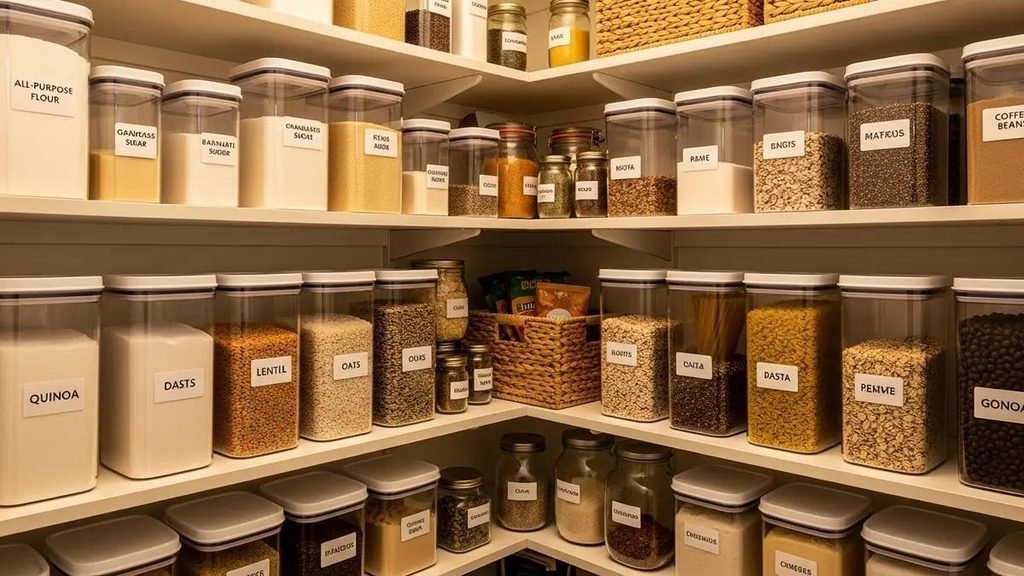
Put pet food, birdseed, and pantry staples in sturdy, closed containers. Avoid leaving food bowls out overnight if your pet’s feeding routine allows you to remove them safely.
2. Inspect entry points
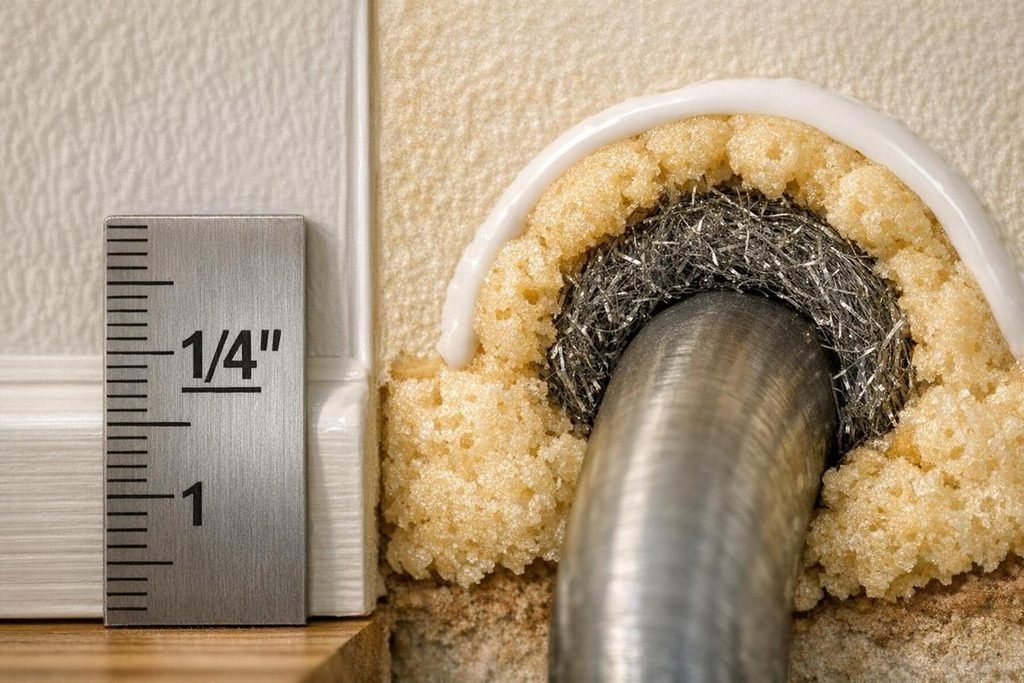
Look around pipes, vents, doors, cabinets, and utility lines. Seal suitable gaps with materials appropriate to the location, and repair damaged screens or door sweeps.
3. Choose protected traps
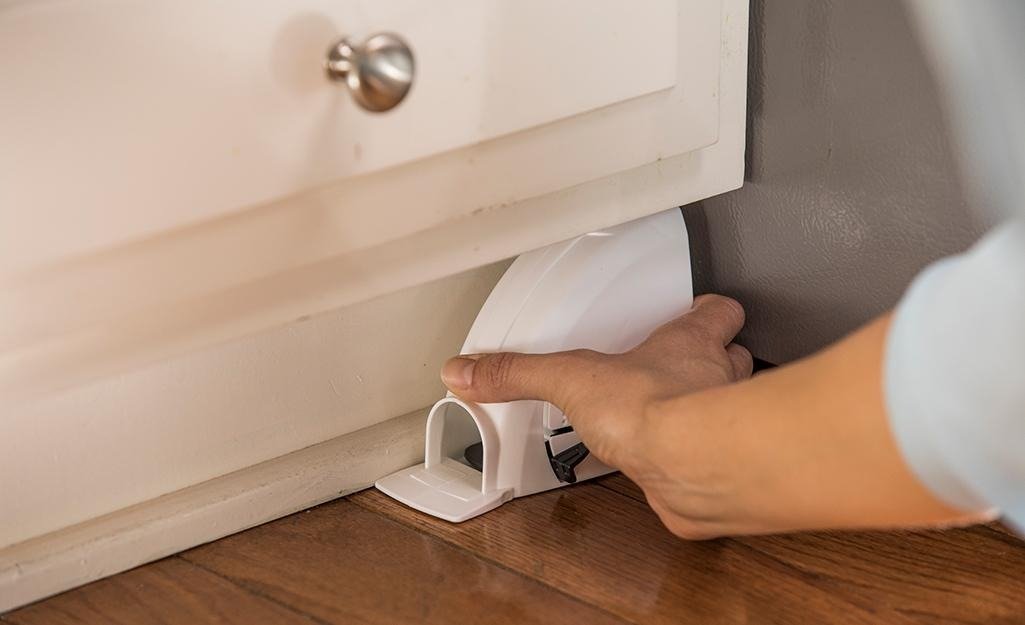
Select a suitable mechanical trap and position it where pets cannot reach or dislodge it. Follow the manufacturer’s setup instructions and inspect traps regularly.
4. Clean and monitor
Remove crumbs, close rubbish bins, and look for droppings or gnaw marks. Use appropriate precautions when cleaning rodent waste, and follow public-health guidance.
The US Centers for Disease Control and Prevention recommends traditional snap traps for household rodent control and advises keeping traps and bait away from children and pets. If the problem continues, consider professional help.
CDC
+1
Cost Breakdown
The cost of rodent control varies with the size of the infestation, the property, local labor rates, and the method you choose. There is no single price that applies to every home or region.
| Expense | What affects the cost |
| Entry-point repairs | Number and size of gaps, doors, vents, and damaged materials |
| Food-storage containers | Size, material, and number of containers needed |
| Mechanical traps | Trap type, quantity, and protective housing |
| Professional inspection | Local rates, property size, and severity of activity |
| Exclusion work | Repairs needed to prevent rodents from returning |
| Veterinary emergency care | Exposure type, examination, tests, treatment, and hospitalization |
A low-cost poison product may seem attractive at first, but the price does not reflect the risk of accidental poisoning or the cost of emergency care. Compare options based on how well they address the infestation and protect your household.
Ask a pest-control provider for a written estimate. Confirm which services the estimate covers, whether follow-up visits cost extra, and what steps they will take to protect your pets.
Common Mistakes Pet Owners Make
Small oversights can turn a routine pest problem into a serious safety concern. Avoid these common mistakes:
- Trusting marketing claims: Words like pet-friendly do not guarantee that a bait or chemical is safe to eat.
- Choosing by bait color: Similar-looking blocks or pellets can contain different active ingredients.
- Leaving food available: Open rubbish bins and uncovered pet food can keep attracting rodents.
- Ignoring dead rodents: Some poisons can expose pets through a poisoned animal.
- Waiting for symptoms: Some toxic effects develop slowly.
- Moving bait without checking the label: Relocating a product can create a new exposure route.
- Using online remedies: Advice from a forum cannot replace veterinary guidance after poisoning.
A reliable plan addresses both the current rodent activity and the conditions that allow it to return.
Pros and Cons of Pet-Conscious Rodent Control
No method suits every home. The best option depends on the infestation, the animals living there, and your ability to secure the treatment area.
| Pros | Cons |
| Exclusion reduces access without toxic bait | Repairs may take time and effort |
| Mechanical traps avoid rodenticide chemicals | Traps can still injure pets if accessible |
| Professional assessment helps manage complex infestations | Service costs vary |
| Secured bait stations can reduce accidental access compared with exposed bait | The poison remains toxic if an animal reaches it |
| Better food storage reduces rodent attraction | Consistent daily habits are needed |
For many pet-owning households, combining prevention with carefully placed traps offers a sensible starting point. If rodents continue to appear, an expert can assess whether additional measures are necessary.
Similar Options and Alternatives
The following alternatives add practical choices beyond the quick comparison above. Each serves a different role, and none removes the need to consider your pet’s behavior and access.
| Option | Best For |
| Door sweeps and gap seals | Blocking common routes into kitchens, garages, and storage areas |
| Hard-sided food containers | Protecting dry food and pet supplies from rodents |
| Covered rubbish bins | Limiting access to food scraps |
| Property inspection | Finding hidden entry points and signs of activity |
| Professional exclusion service | Repairing difficult-to-reach gaps and recurring access routes |
| Secured mechanical traps | Catching rodents in areas where pets cannot reach the mechanism |
Avoid homemade poison mixtures or improvised chemical treatments. They may create unpredictable risks for pets, children, and wildlife. Also avoid placing traps where your pet can reach the mechanism or the captured rodent.
If you rent your home, ask your landlord or property manager to repair structural gaps. For a large infestation, choose a professional who will discuss your pets before recommending a treatment.
When to Consult a Vet or Pest-Control Professional
Contact a veterinarian immediately if your pet may have swallowed rodenticide, chewed a bait station, or eaten a potentially poisoned rodent. Do not wait for visible signs. Early veterinary assessment gives your pet the best chance of receiving the right treatment.
ASPCA
+1
Seek emergency veterinary care if your pet develops seizures, severe weakness, bleeding, collapse, or difficulty breathing. Tell the clinic about the suspected exposure before arrival so the team can prepare.
A pest-control professional can help when you find repeated droppings, hear rodents inside walls, notice extensive gnawing, or cannot locate the entry point. Tell the provider that pets live in the home and identify where they eat, sleep, and exercise.
Ask the provider to explain the proposed treatment, active ingredients, access restrictions, cleanup requirements, and precautions for returning pets to the area. If the plan includes rodenticide, request clear instructions for monitoring bait and removing dead rodents.
Fun Facts About Rodent Control and Pet Safety
These practical facts explain why rodent management needs more than a quick product choice.
- Bait appearance can mislead you. The color and shape of a bait cannot reliably identify its active ingredient. Read the label instead.
ASPCA
+1 - Some symptoms appear late. Anticoagulant poisoning may not cause obvious bleeding right away.
MSD Veterinary Manual
+1 - Different poisons work differently. One affects blood clotting, while another may damage the nervous system.
ASPCA
+1 - Poison is not the only control method. Sealing entry points and using mechanical traps can reduce rodent activity without rodenticide bait.
US EPA
+1 - Station design matters. Products differ in the level of protection they offer against access or tampering.
US EPA
+1 - Dead rodents need attention. Prompt removal helps reduce the chance that pets or wildlife will eat a contaminated animal.
US EPA
+1
Frequently Asked Questions
How to get rid of rats without harming pets?
Start by removing the things that attract rodents. Store food in sealed containers, close rubbish bins, clean up crumbs, and repair gaps around doors, pipes, and vents. These steps reduce access to food and shelter. You can also use suitable mechanical traps in locations your pets cannot reach. Check traps regularly and remove captured rodents safely. If the infestation persists, ask a qualified pest-control professional to design a plan around your animals’ needs. Avoid loose poison and homemade chemical mixtures. No single method guarantees that rodents will disappear immediately, so monitor the property and maintain prevention measures.
What kills rats quickly?
Mechanical snap traps can kill rats when the trap fits the target animal and works correctly. However, placement matters because rats may avoid unfamiliar objects, and a trap can injure a pet that reaches it. Follow the manufacturer’s instructions and place traps in secured locations away from children and animals. Poison products can also kill rodents, but they may cause serious harm to pets and wildlife. They can create additional risks when predators or household animals eat affected rodents. If rats remain active despite trapping and prevention, consult a pest-control professional. Choose an effective approach that considers both the infestation and the safety of your household.
Is rat poison dog friendly?
No. Conventional rat poison is not dog-friendly, even when the manufacturer packages it inside a tamper-resistant station. The station aims to reduce access; it does not make the bait harmless. Dogs may chew a station, reach exposed bait, or eat a poisoned rodent. Different active ingredients cause different forms of poisoning, and some symptoms develop after a delay. Keep rodenticides locked away, follow every label instruction, and consider prevention and mechanical traps first. If your dog may have swallowed bait, contact a veterinarian or animal poison-control service immediately. Do not wait for symptoms or try a home remedy.
Is rat poison harmful to animals?
Yes. Rat poison can harm many animals, including dogs, cats, and wildlife. The level of danger depends on the active ingredient, the amount swallowed, and the animal’s exposure. Some poisons interfere with blood clotting, while others can damage the nervous system or kidneys. Animals may encounter bait directly or, in some cases, eat a poisoned rodent. Keep poison products secured and remove dead rodents promptly while following safe handling and disposal instructions. If an animal may have eaten bait, seek veterinary guidance immediately. Do not assume that a small amount or a lack of immediate symptoms means the exposure is harmless.
Can cats get poisoned by eating a rat?
Yes. A cat can face a poisoning risk after eating a rodent that has consumed certain rodenticides. The risk depends on the poison, the amount present, and the cat’s exposure. Not every poisoned rodent causes the same outcome, but you should never assume that a captured or dead mouse is safe to eat. If your cat eats a rodent and you know or suspect that poison is present nearby, contact your veterinarian promptly. Share any available product information and explain when the cat ate the animal. Do not wait for symptoms before seeking advice.
How can I tell which rat poison was used?
Check the original package for the product name, active ingredient, concentration, and registration details where applicable. If the package is missing, contact the person or pest-control company that placed the bait. A photograph of the bait alone cannot reliably identify the chemical. If your pet may have swallowed an unknown product, seek veterinary help immediately rather than spending time trying to identify it yourself. Tell the veterinarian what you know, when the exposure may have occurred, and whether any packaging is available. Treatment decisions depend on the specific substance and the animal’s condition.
Final Thoughts
Rodent problems are frustrating, especially when you share your home with animals that explore every corner. But you do not need to choose a poison simply because you want fast results.
The best starting point is to remove food sources, close entry gaps, keep rubbish secured, and consider mechanical traps placed where pets cannot reach them. These steps can reduce rodent activity while limiting exposure to toxic chemicals.
If the infestation continues, a qualified pest-control professional can help you compare suitable options. Ask about active ingredients, bait-station security, cleanup, and the precautions your household needs to follow. Always check product labels and local rules before using pesticides.
Most importantly, treat possible rodenticide exposure as an emergency. Keep the packaging, contact a veterinarian promptly, and avoid home remedies unless a veterinary professional specifically directs you to use them.
A thoughtful control plan protects more than your home from rodents. It also helps protect the pets who depend on you to keep their environment safe.

Daniel Brooks is a pet research writer at PetJournalHub. He specializes in pet behavior, product research, and responsible pet ownership. He focuses on delivering accurate, reader-friendly guides that help pet owners provide the best care for their animals.