Frogs can make fascinating pets for people who enjoy observing wildlife and maintaining a carefully controlled habitat. Popular choices include White’s tree frogs, Pacman frogs, and certain dart frogs. Each species has different needs for temperature, humidity, space, food, and lighting. Before choosing one, research its care requirements, legal status, expected lifespan, and access to an amphibian veterinarian.
Key Takeaways
- Frogs suit people who enjoy observing animals rather than handling them often.
- White’s tree frogs and Pacman frogs are popular choices for first-time keepers, but neither is maintenance-free.
- Every species needs a suitable enclosure, clean water, proper temperatures, and an appropriate insect-based diet.
- Amphibian skin absorbs harmful substances, so avoid chemicals and unnecessary handling.
- Buy captive-bred animals from reputable, legal sources whenever possible.
- Plan for ongoing costs, veterinary care, and the frog’s full lifespan before bringing one home.
Introduction
Frogs attract pet owners with their unusual colors, quiet movements, interesting feeding habits, and remarkable variety. Some climb plants and rest on leaves. Others spend much of their time buried in moist substrate, waiting for food to pass nearby. Watching these behaviors can make an amphibian enclosure an engaging part of your home.
However, choosing a frog involves more than picking a colorful animal from a pet shop. Frogs have sensitive skin and specific environmental needs. The wrong water, unsuitable temperatures, poor ventilation, or an incorrect diet can create serious health problems. Even a small enclosure requires regular attention.
Many people also want to know which species suit beginners, whether frogs enjoy human contact, and how much ownership costs. These questions matter because a frog that looks easy to care for may need specialized equipment and live feeder insects.
This guide explains the main species to consider, the equipment you’ll need, everyday care, common mistakes, and signs that call for veterinary help. It also covers responsible purchasing and the ethics of keeping wild animals in captivity.
The goal is simple: help you decide whether a frog fits your household before you commit to caring for one. A well-chosen species and a properly prepared habitat give you a much better starting point.
What Are Pet Frogs?
Pet frogs are amphibians that people keep in suitable indoor habitats for observation and care. Unlike dogs and cats, most frogs don’t seek regular physical affection. Their appeal comes from their appearance, natural behaviors, and specialized environments.
Frogs belong to the animal class Amphibia. Different species live in trees, on forest floors, near freshwater, or in damp tropical habitats. Their natural environments help determine the conditions they need in captivity.
VCA Animal Hospitals
+1
Common types include:
- White’s tree frog: A climbing frog known for its sturdy body and generally manageable captive-care needs.
- Pacman frog: A ground-dwelling ambush predator with a broad mouth and a habit of waiting for prey.
- Dart frogs: Often brightly colored, with habitat and feeding needs that can challenge beginners.
- Red-eyed tree frogs: Climbing frogs known for their striking eyes and colorful sides.
- Oriental fire-bellied toads: Semi-aquatic amphibians that need both water and land areas.
These animals don’t share one universal care plan. A tree frog needs climbing space, while a terrestrial species needs suitable ground cover and hiding places. Always choose care equipment according to the exact species rather than its appearance.
Quick Facts Box
| Fact | Details |
| Animal group | Amphibians |
| Typical diet | Insects and other suitable invertebrates |
| Habitat | Terrestrial, arboreal, or semi-aquatic, depending on species |
| Activity | Many species become active at night |
| Handling | Keep it to a minimum |
| Water | Clean, species-appropriate, dechlorinated water |
| Equipment | Enclosure, thermometer, hygrometer, hides, and suitable lighting or heating |
| Veterinary care | An amphibian-experienced veterinarian |
| Lifespan | Varies greatly by species and care |
| Best ownership style | Observation-focused, responsible keeping |
These facts describe frogs in general. Exact temperature, humidity, enclosure size, diet, and lifespan depend on the species. Use a species-specific care guide and confirm the setup with an experienced veterinarian.
Merck Veterinary Manual
+1
Where Do Pet Frogs Come From?
Pet frogs come from many parts of the world, including tropical rainforests, grasslands, wetlands, and other freshwater habitats. Their natural range influences their behavior and the conditions they need in captivity.
For example, White’s tree frogs originate from Australia and New Guinea. Many dart frog species come from Central and South American tropical regions. Pacman frogs belong to South American groups of ground-dwelling frogs.
Their origins explain why one species may thrive in a humid, planted enclosure while another needs a different balance of moisture, ventilation, and temperature. A habitat that works for one frog may harm another.
Always ask a seller where the animal came from and whether it was captive-bred. Never assume that a wild-caught frog will adapt easily to life in a home.
History and Evolution
People have studied and displayed frogs for generations, but keeping them as household pets requires more than placing one in a glass tank. Modern amphibian care draws on knowledge of their biology, natural habitats, nutrition, and sensitivity to environmental conditions.
Today’s keepers can use digital thermometers, humidity gauges, thermostats, safer water treatments, and improved enclosure designs. These tools make it easier to monitor a habitat, but they don’t replace species-specific knowledge.
There is no need to claim that frog ownership is suddenly booming to understand its appeal. Colorful species, planted vivariums, and interest in unusual animals may attract new keepers, but responsible ownership depends on preparation rather than trends.
Key Characteristics and Care Needs
Frogs vary in size, activity, temperament, and habitat needs. Before choosing a species, consider its adult size, feeding habits, sensitivity to handling, and environmental requirements.
Temperament and behavior
Most pet frogs are animals to observe rather than cuddle. Some climb, some burrow, and others remain still for long periods while waiting for prey. A quiet or motionless frog isn’t necessarily sick, because normal behavior varies by species and time of day.
Temperature and humidity
Every species has a preferred temperature range and moisture level. A thermometer and hygrometer help you monitor conditions instead of guessing. Some tropical frogs need higher humidity than species from drier habitats, so avoid using one universal setting.
Merck Veterinary Manual
+1
Water and skin health
Frogs absorb water and other substances through their skin. Use water prepared for amphibian safety, and avoid exposing the enclosure to pesticides, cleaning sprays, fragrances, or other chemicals. Change water regularly and clean bowls without leaving harmful residue.
Feeding and nutrition
Most commonly kept frogs eat insects or other suitable invertebrates. Depending on the species, suitable feeder foods may include crickets, roaches, or flightless fruit flies. The size and variety of prey matter, and some frogs require carefully planned vitamin and mineral supplementation. Ask an amphibian veterinarian to review the diet.
Space and enrichment
Tree frogs need secure climbing areas and resting spots. Ground-dwelling frogs need suitable substrate and places to hide. Semi-aquatic species need a properly designed water area. The enclosure should support natural behavior, not just keep the animal contained.
Quick Comparison Snapshot
The following comparison helps narrow down your choices. These are broad starting points, not a substitute for checking the exact species and its captive-care requirements.
| Option | Best For | Key Difference |
| White’s tree frog | Beginners willing to monitor humidity and temperature | Climbs and uses vertical space |
| Pacman frog | Keepers interested in a ground-dwelling ambush predator | Spends much of its time waiting for prey |
| Red-eyed tree frog | Experienced observers who enjoy tropical displays | Needs careful control of its humid habitat |
| Dart frog | Dedicated keepers with suitable setup experience | Often needs specialized feeding and enclosure planning |
Veterinary references describe White’s tree frogs and Pacman frogs as common captive choices, while also stressing the importance of suitable environments and limited handling. Dart frogs require particular attention to diet and habitat.
VCA Animal Hospitals
+2
Frog Pets List
A useful species list should explain what each frog needs rather than rank animals by color alone. These five options illustrate the main types a prospective keeper might research.
1. White’s tree frog

White’s tree frogs are sturdy, climbing amphibians with a rounded appearance. They can suit prepared beginners who can provide suitable temperatures, humidity, ventilation, and climbing areas.
They need live feeder insects and a safe water source. Although some individuals tolerate limited handling, frequent contact isn’t a good goal.
2. Pacman frog
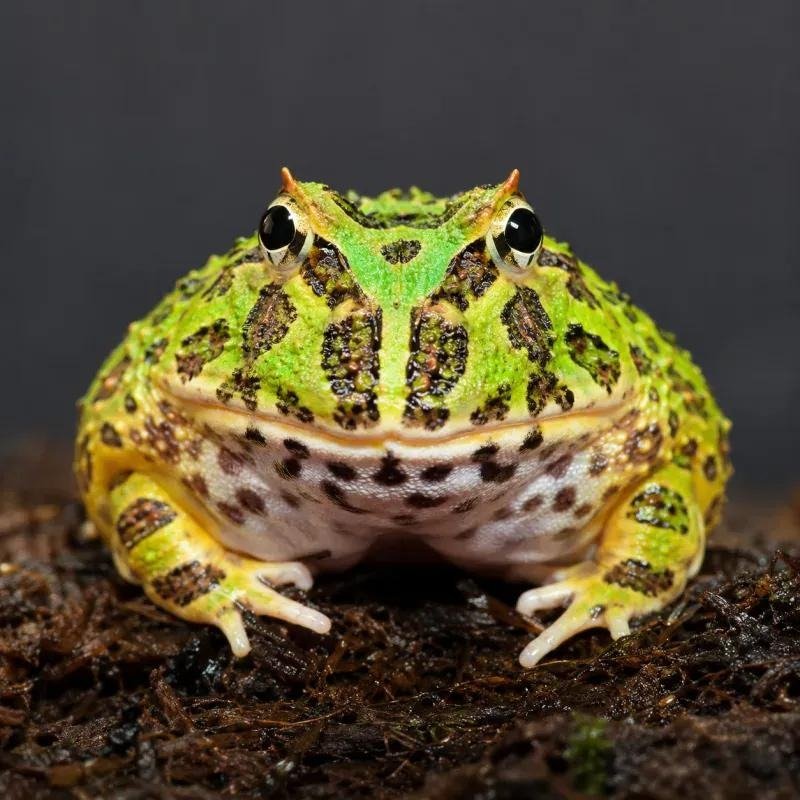
Pacman frogs spend much of their time on the ground, often partly buried in suitable substrate. Their broad mouths and ambush-feeding behavior make them interesting to observe.
They aren’t ideal pets for frequent handling. Their bites can hurt, and their skin is delicate. A keeper must also provide appropriate moisture, temperature, hiding places, and prey.
3. Red-eyed tree frog
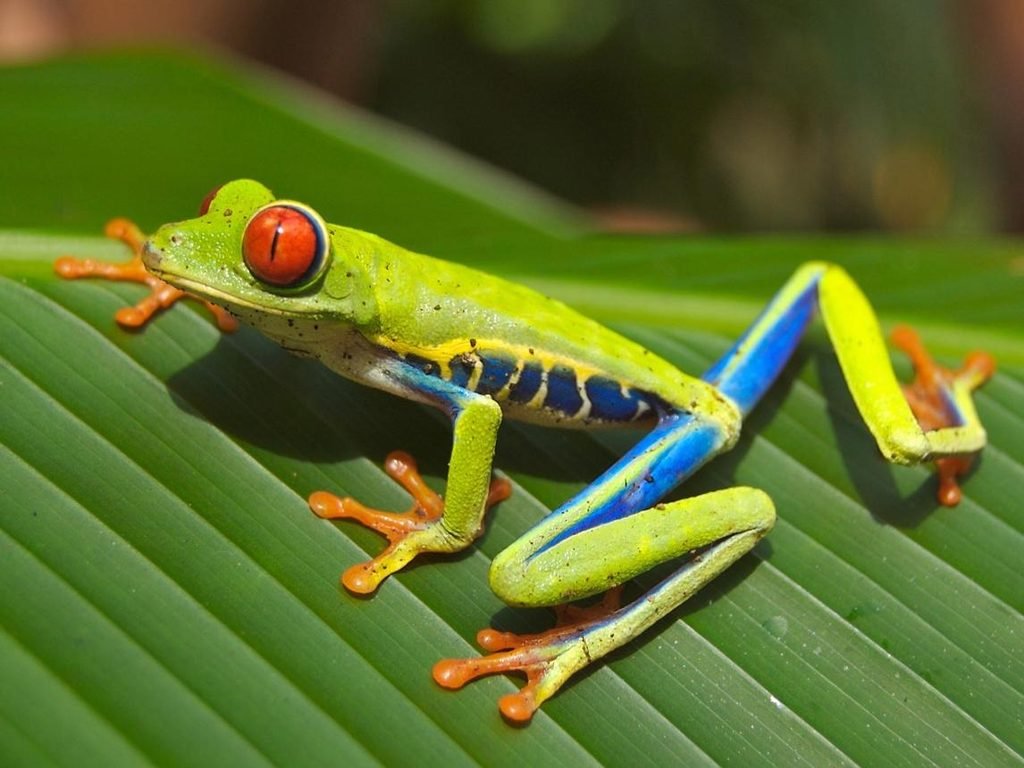
Red-eyed tree frogs have bright eyes and colorful bodies. Their tropical habitat needs make them a better choice for someone willing to monitor enclosure conditions closely.
Research their humidity, temperature, lighting, ventilation, and feeding needs before buying one. Their appearance alone shouldn’t determine whether they’re suitable for your home.
4. Dart frog
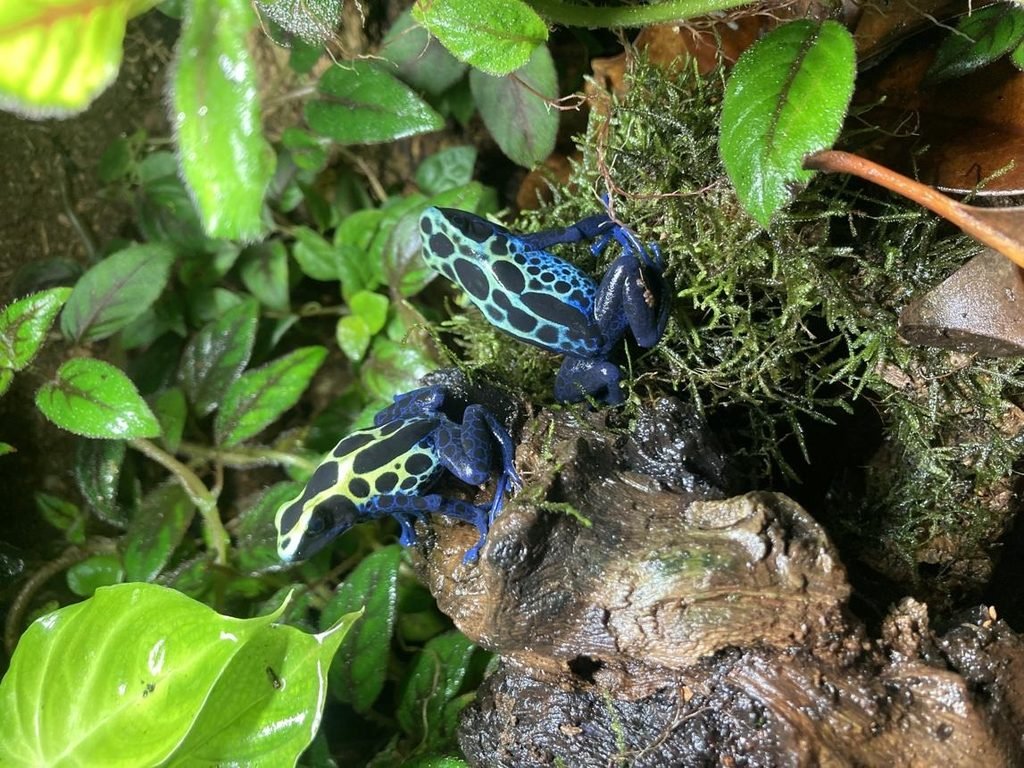
Dart frogs can have striking colors and active daytime behavior. However, many species need tiny feeder insects, stable environmental conditions, and carefully planned planted enclosures.
Some wild dart frogs carry toxins associated with their natural diet. Captive-bred animals raised on different foods may have a different toxin profile, but never assume an animal is harmless or handle it casually.
WWF
5. Oriental fire-bellied toad
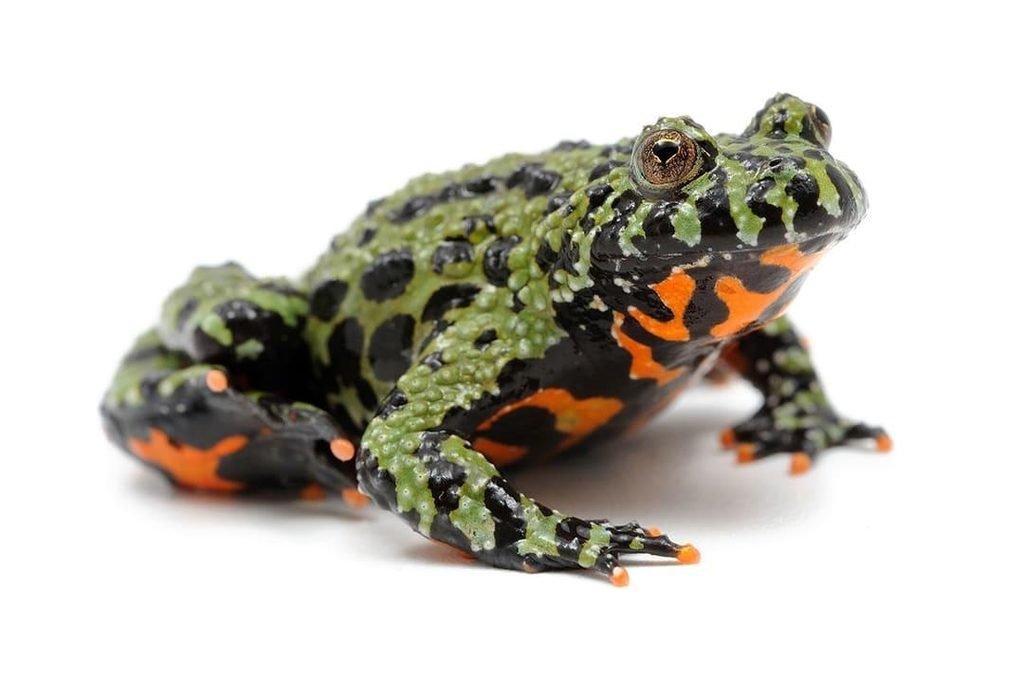
Despite its common name, this animal is a toad and belongs to the broader frog group. It needs a suitable semi-aquatic enclosure with safe water and a land area.
This option may appeal to keepers who enjoy observing animals moving between water and land. Research the exact species’ legal status, social needs, and water-quality requirements before choosing it.
Frog Pets for Sale
When looking for a frog to buy, focus on the seller’s knowledge, the animal’s origin, and the quality of its care. A low price or unusual color doesn’t prove that an animal is healthy or suitable for beginners.
Look for a reputable breeder or specialist shop that can explain:
- Whether the frog was captive-bred or wild-caught.
- Its exact species and approximate age.
- What it currently eats and how often it feeds.
- Its housing, temperature, and humidity requirements.
- Any known health issues or recent treatment.
- Which permits or restrictions apply where you live.
Ask to see the frog feeding if practical, and look for clear eyes, normal movement, and skin without obvious injuries. These observations cannot guarantee health, but they may help identify reasons to pause the purchase.
Avoid sellers who cannot identify the species, offer no care guidance, or encourage you to release an unwanted animal outdoors. Wild capture and trade can harm amphibian populations and may break local laws. The CDC also advises against keeping wild-caught amphibians as pets.
CDC
If you live in Pakistan, check applicable wildlife and import rules before buying an exotic frog. Regulations may depend on the species, its origin, and the relevant authority.
Best Pet Frogs for Beginners
The best beginner frog is one whose care needs you can meet consistently. White’s tree frogs and Pacman frogs are worth researching first, but they suit different types of keepers.
Choose a White’s tree frog if you want to watch a climbing animal explore branches and leaves. You must provide enough vertical space, secure perches, appropriate humidity, and a reliable feeding routine.
Choose a Pacman frog if you prefer observing a ground-dwelling animal. It needs suitable substrate, hiding places, and prey that matches its size. Its feeding response and potential to bite make handling a poor choice.
Before deciding, ask yourself three questions:
- Can I maintain the correct temperature and humidity every day?
- Can I obtain suitable live feeder insects regularly?
- Can I reach a veterinarian who treats amphibians?
If you answer no to any of these questions, prepare the setup and solve the problem before bringing a frog home. A beginner-friendly species still needs informed, consistent care.
VCA Animal Hospitals
+1
Is It Cruel to Keep Frogs as Pets?
Keeping a frog in captivity isn’t automatically cruel, but it raises real welfare concerns. The ethical question is whether the animal can enjoy a good quality of life in a safe, species-appropriate environment.
A responsible keeper provides enough space, proper temperatures, suitable food, clean water, hiding places, and veterinary care. They also respect the frog’s natural behaviors and avoid unnecessary handling.
Problems arise when people buy frogs impulsively, keep them in unsuitable tanks, fail to meet their dietary needs, or treat them as toys. Wild capture can also create conservation and welfare concerns.
Consider the animal’s origin before purchasing it. A reputable captive-bred frog may help you avoid supporting the removal of wild animals, although captive breeding alone doesn’t guarantee good welfare.
The RSPCA emphasizes that amphibians aren’t automatically easy pets. Their specific needs must be understood and met throughout their lives.
RSPCA Knowledgebase
If you cannot provide the right habitat, reliable food, and specialist veterinary access, choosing not to own a frog is the kinder decision.
Best Frog Pets for Handling
No frog makes an ideal handling pet. Most species do better when owners watch them inside their enclosures and touch them only when necessary for essential care.
Some individual White’s tree frogs may tolerate brief handling better than many other species. However, tolerance doesn’t mean the frog enjoys contact, and frequent handling can still cause stress or skin damage.
Pacman frogs may bite when they mistake fingers for food or feel threatened. Their skin also needs protection from oils, lotions, soap residue, and other substances on human hands.
If you must move a frog, follow species-specific advice from an amphibian veterinarian. A suitable soft net or carefully prepared container may reduce direct contact. When gloves are necessary, use the type recommended for that species and task.
Always wash your hands before and after handling an amphibian or cleaning its habitat. Avoid touching your face during care, and keep amphibians away from food preparation areas. Frogs can carry Salmonella even when they appear healthy.
CDC
+1
White Tree Frog

The White’s tree frog, also called White’s tree frog, is one of the better-known captive amphibians. It has a rounded body, broad toes suited to climbing, and a calm-looking appearance.
This species can suit a first-time keeper who has researched amphibian care and prepared the enclosure in advance. It still needs controlled environmental conditions, suitable insects, and regular cleaning.
Habitat requirements
Provide a secure, well-ventilated enclosure with vertical climbing opportunities. Add stable perches, hiding spots, and a shallow water dish that the frog can enter and leave easily.
Use a thermometer and hygrometer to monitor conditions. Don’t guess at temperature or humidity, and don’t copy settings from a care sheet for another frog. White’s tree frogs need a suitable temperature range and humidity level for their species and life stage.
WWF
+1
Feeding and handling
Offer appropriately sized, nutritious feeder insects according to a species-specific feeding plan. Ask an amphibian veterinarian about feeder variety and supplements, especially if the frog is young or has health concerns.
Keep handling rare. This frog may appear relaxed when sitting on your hand, but that behavior doesn’t prove it wants continued contact. Observe it in its enclosure whenever possible.
Daily Care Routine: How to Get Started
A consistent routine helps you notice changes before they become serious problems. The exact schedule depends on the frog species, enclosure design, age, and feeding plan.
Before bringing your frog home
Prepare the entire habitat before purchasing the animal. Run the heating, lighting, and moisture controls, and check that the enclosure maintains the correct conditions throughout the day and night.
Gather the essential supplies:
- A secure enclosure suited to the species.
- A digital thermometer and hygrometer.
- Species-appropriate substrate, hides, and climbing structures.
- Safe, dechlorinated water and a suitable water dish.
- Lighting and heating equipment, where needed.
- Suitable live feeder insects and approved supplements.
- Cleaning supplies that won’t leave harmful chemical residues.
- Contact details for an amphibian-experienced veterinarian.
Every day
Check the temperature, humidity, water quality, and the frog’s general appearance. Remove leftover food and visible waste as appropriate. Replace dirty water, and follow the enclosure’s cleaning plan.
Observe the frog’s posture, movement, appetite, and skin. Some frogs naturally hide or rest during daylight, so compare behavior with the normal pattern for that species.
Every week
Review the enclosure for waste buildup, mold, damaged equipment, and unsafe decorations. Clean or replace substrate according to your habitat design. Bioactive enclosures also need monitoring, even when their maintenance routine differs from a simple terrarium.
Inspect feeder supplies and make sure insects receive suitable nutrition before feeding. Check your records for changes in appetite, body condition, or activity.
Keep a simple care log
Record temperatures, humidity readings, meals, cleaning, shedding observations, and unusual behavior. This record helps you spot gradual changes and gives your veterinarian useful information if the frog becomes ill.
Don’t change several environmental settings at once unless an urgent safety issue requires it. If you suspect a problem, check reliable species-specific guidance and contact a qualified veterinarian.
Cost Breakdown
The total cost of frog ownership includes more than the animal. You’ll need to budget for the enclosure, equipment, food, replacement supplies, electricity where applicable, and veterinary care.
Actual prices vary by country, species, seller, enclosure quality, and local access to specialist care. The following table lists the main expense categories without inventing universal price estimates.
| Expense | What to Budget For |
| Initial purchase | The frog, lawful sourcing, and any required paperwork |
| Enclosure | A secure tank with the correct dimensions and ventilation |
| Habitat setup | Substrate, hides, branches, plants, and water dish |
| Monitoring equipment | Thermometer, hygrometer, and suitable control devices |
| Heating and lighting | Species-appropriate equipment and ongoing electricity |
| Food | Regular feeder insects and suitable supplements |
| Maintenance | Replacement substrate, cleaning supplies, and equipment repairs |
| Veterinary care | Initial assessment, routine advice, and unexpected illness |
Before buying, request local prices for the full setup rather than just the frog. Specialist veterinary access can also affect the real cost of ownership.
Set aside money for emergencies. If you cannot afford suitable equipment and veterinary care, wait until you can provide both.
Common Mistakes Pet Owners Make
Many frog health problems begin with a habitat that doesn’t match the species. Avoid these common mistakes.
1. Choosing by appearance alone. A colorful frog may need specialized food or a carefully controlled environment. Research its adult size and care needs first.
2. Guessing the temperature. A room that feels comfortable to you may be too warm or too cool for a frog. Use reliable monitoring equipment.
3. Using unsafe water. Tap water can contain substances that harm amphibians. Prepare water according to reliable species-specific guidance, and never assume that clear water is safe.
4. Handling too often. Frequent contact can damage sensitive skin or cause stress. Observe your frog instead of trying to make it behave like a mammal.
5. Feeding an unsuitable diet. One insect type may not provide everything a frog needs. Ask an experienced veterinarian about prey size, variety, and supplementation.
6. Mixing incompatible species. Frogs may differ in size, diet, disease risk, and habitat requirements. Don’t house different species together without expert guidance.
7. Cleaning with harmful chemicals. Residues from cleaners, pesticides, air fresheners, or other household products may endanger amphibians. Use safe cleaning methods and rinse equipment thoroughly when appropriate.
8. Ignoring early warning signs. A sudden appetite change, unusual skin color, poor movement, or unexplained swelling deserves attention. Contact an amphibian veterinarian rather than trying random home remedies.
9. Releasing an unwanted frog. A captive animal may die outdoors, spread disease, or threaten local wildlife. Arrange responsible rehoming instead.
CDC
+2
Pros and Cons
Frogs can be rewarding pets for people who enjoy observing animal behavior, but they aren’t the right match for every household.
| Pros | Cons |
| Interesting behaviors and appearances | Sensitive skin and specific habitat needs |
| No daily walks required | Regular enclosure maintenance |
| Many species need relatively little floor space | Some require tall or specialized enclosures |
| Quiet compared with many mammals | Some call loudly, especially at night |
| Feeding routines can be predictable | Live feeder insects may be necessary |
| Can be fascinating to observe | Limited suitability for handling |
| No fur to shed around the home | Specialist veterinary care may be harder to find |
The biggest advantage is the opportunity to observe a unique animal in a carefully designed habitat. The biggest drawback is the responsibility of maintaining that habitat every day, even when the frog seems inactive.
Similar Breeds, Species, and Alternatives
If a frog doesn’t fit your needs, another small animal or amphibian may be worth researching. These alternatives have different requirements, so compare their care needs rather than assuming they’re easier.
| Option | Best For |
| African dwarf frog | Keepers interested in a fully aquatic amphibian and prepared to manage water quality |
| Axolotl | Experienced aquarium keepers who can provide cool, clean water and suitable filtration |
| Fire-bellied toad | People interested in observing semi-aquatic amphibian behavior |
| Leopard gecko | Keepers who prefer a terrestrial reptile and can meet its heating and feeding needs |
| Crested gecko | People interested in an arboreal reptile and a carefully controlled enclosure |
| Freshwater aquarium fish | People who enjoy observing aquatic animals and can maintain stable water conditions |
These alternatives aren’t interchangeable. African dwarf frogs and axolotls need aquatic environments, while geckos need reptile-specific housing and nutrition. Research each animal before making a decision.
When to Consult a Vet or Professional
Contact a veterinarian with amphibian experience if your frog develops unusual symptoms or you notice a significant change in its normal behavior. Amphibians can become ill from environmental problems, infections, nutritional deficiencies, and other causes that require professional assessment.
Watch for these warning signs:
- Refusing food or struggling to catch prey.
- Unusual redness, sores, or other skin changes.
- Swelling, abnormal posture, or difficulty moving.
- Unexplained weight loss or a change in body condition.
- Trouble breathing or remaining upright.
- Unusual weakness or a sudden drop in activity.
Some changes may reflect normal behavior, shedding, or seasonal patterns. However, don’t assume that a concerning symptom is harmless without checking.
Review the enclosure’s temperature, humidity, and water quality while arranging veterinary advice. Avoid giving human medications, applying creams, or changing supplements without professional guidance.
For transport, ask the clinic how to prepare a secure, ventilated container and maintain a suitable temperature. Amphibians can suffer from heat or cold stress during travel.
Merck Veterinary Manual
+1
Fun Facts About Frogs
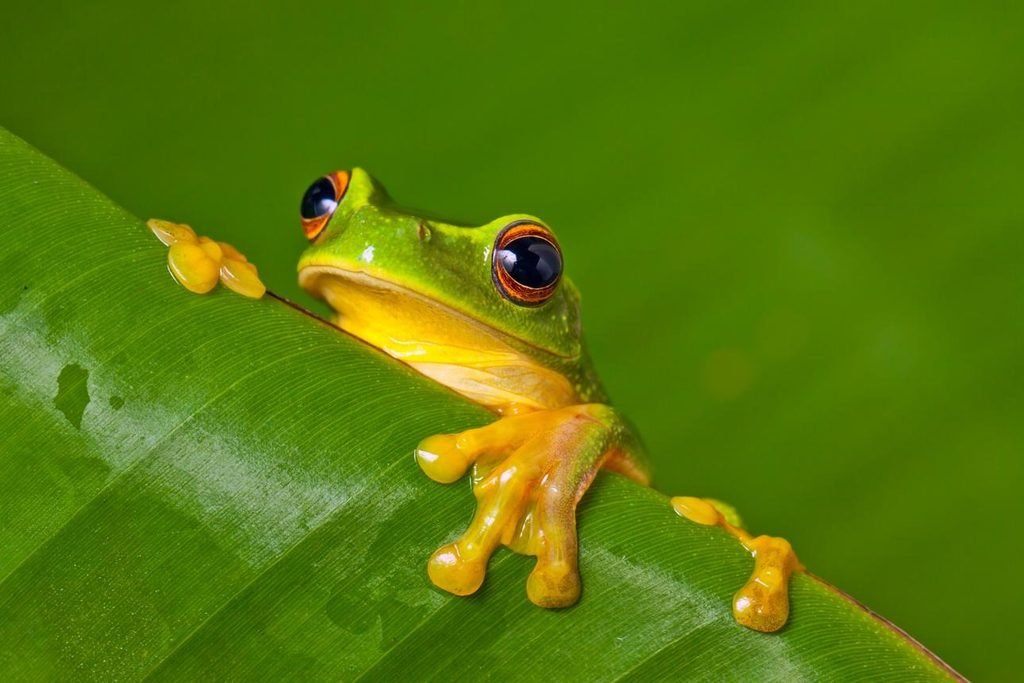
1. Many frogs climb.
Tree frogs have specialized toe pads that help them grip suitable surfaces. This is why their enclosures need safe climbing structures.
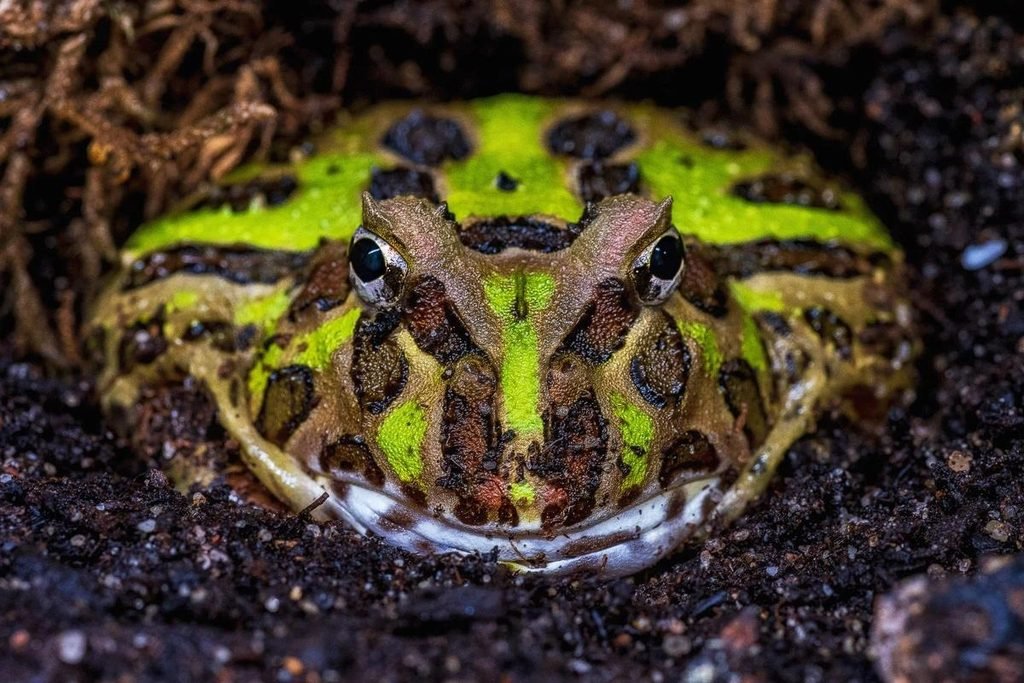
2. Some frogs are ambush predators.
Pacman frogs often wait for prey rather than actively chasing it around an enclosure.
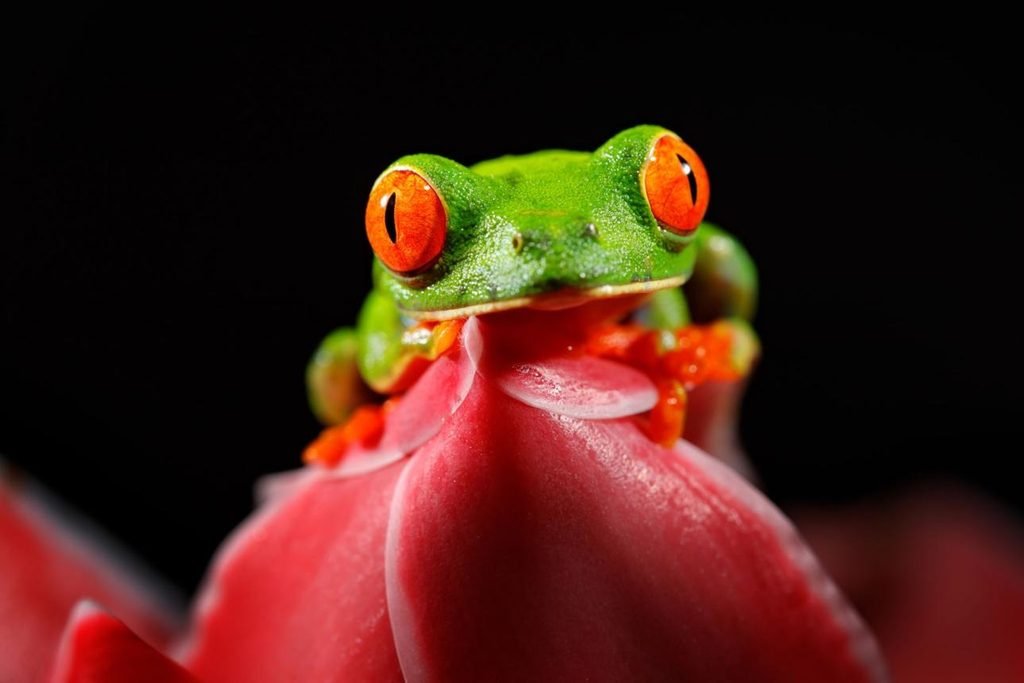
3. Frog colors vary widely.
Species can display greens, browns, yellows, blues, and other colors. Color alone doesn’t tell you how easy a frog is to care for.

4. Water quality matters even for land-dwelling frogs.
Terrestrial frogs still need safe moisture and, in many cases, access to a shallow water dish.
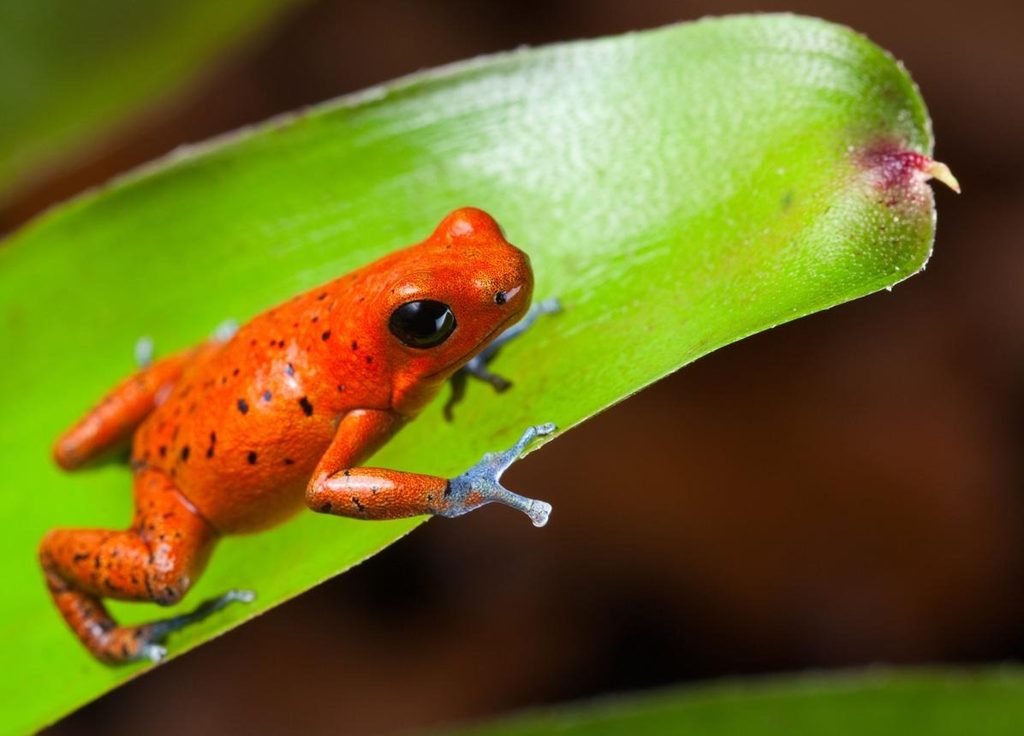
5. Some wild frogs carry toxins.
Certain dart frogs obtain toxic compounds through their natural diets. Their toxin profiles can differ in captivity, so avoid handling them unnecessarily.
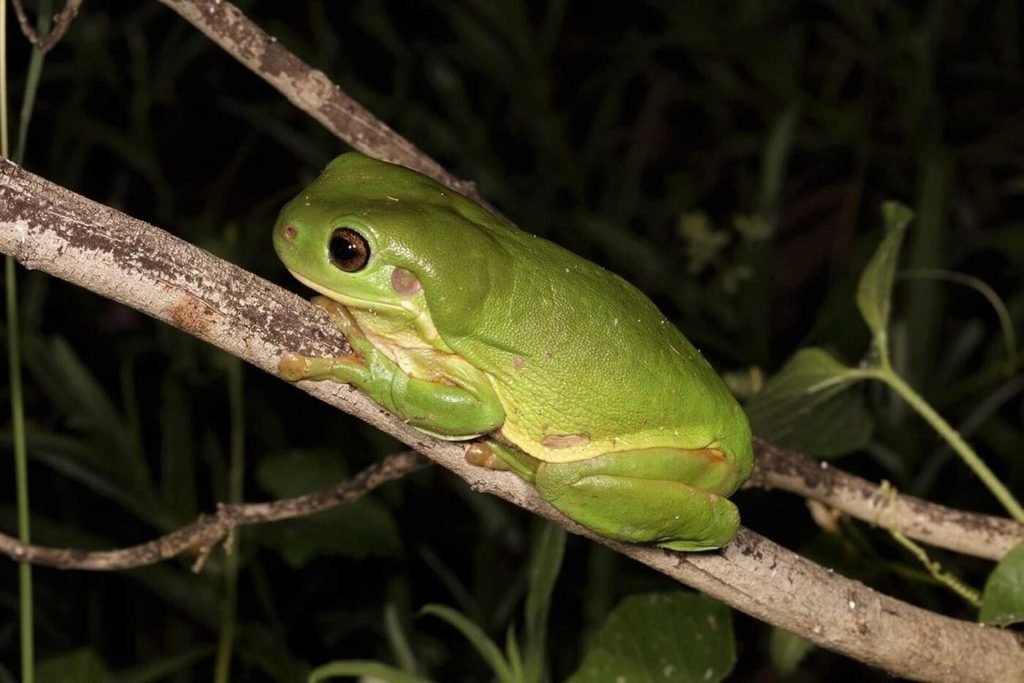
6. Many frogs are most active at night.
Nocturnal habits can affect when you see your pet moving, calling, or feeding.
These examples illustrate why species-specific research matters. Frogs share some basic biological traits, but their behaviors and environmental needs can differ considerably.
VCA Animal Hospitals
+2
Frequently Asked Questions
Do frogs make good pets?
Frogs can make good pets for people who enjoy observing animals and can maintain a suitable habitat. They don’t usually provide the physical interaction that people expect from dogs or cats. Their care involves monitoring temperature and humidity, providing safe water, feeding suitable prey, and cleaning the enclosure. Some species also need specialized equipment or tiny live insects. Before buying a frog, research its adult size, lifespan, legal status, and veterinary needs. If you want an animal that enjoys frequent handling, a frog probably isn’t the best choice for your household.
What is the best frog to have as a pet?
White’s tree frogs and Pacman frogs are common options worth researching if you’re new to amphibians. White’s tree frogs use vertical space and need suitable climbing areas, while Pacman frogs spend much of their time on the ground. Neither species is completely effortless to keep. The right choice depends on your available space, budget, access to feeder insects, and ability to maintain the correct habitat. Ask an amphibian veterinarian or experienced, reputable breeder to review your planned setup before you purchase an animal. Choose a species you can care for throughout its life.
What does “frog” mean in LGBTQ?
In LGBTQ conversations, the word “frog” doesn’t have one universal meaning. Its interpretation depends on the speaker, community, and context. Sometimes people use animal imagery as a playful nickname, meme, or personal symbol. In other settings, a word may have a local meaning that isn’t widely shared. Don’t assume that someone is LGBTQ, or infer their identity, simply because they use the word. If you saw it in a specific post, profile, or conversation, the surrounding wording can help explain what the person intended. When in doubt, ask respectfully rather than treating one interpretation as a universal definition.
Can pet frogs bond with humans?
Frogs can learn patterns associated with their care, such as recognizing feeding routines or becoming less reactive to familiar activity around their enclosure. However, these behaviors don’t establish that a frog forms an emotional bond with a person in the same way a dog might. Scientists cannot reliably infer affection from a frog sitting still or accepting food nearby. The most responsible approach is to build a predictable routine and avoid unnecessary contact. Let the frog display natural behaviors, provide a secure habitat, and judge its welfare by its health and behavior rather than by how much interaction it tolerates.
Do pet frogs smell?
A healthy, well-maintained frog usually shouldn’t produce a strong, unpleasant odor. Bad smells more often point to waste buildup, leftover food, dirty water, mold, or another enclosure problem. Check the habitat, remove waste, and review your cleaning routine if an odor develops. Don’t spray air freshener or household deodorizer near the tank, because airborne chemicals can harm amphibians. If the smell persists or comes with skin changes, poor appetite, or unusual behavior, contact an amphibian veterinarian. The correct cleaning routine depends on the species and the type of enclosure.
Can frogs live together in one tank?
Some frogs of the same species may live together under suitable conditions, but shared housing isn’t automatically safe. Differences in size, feeding behavior, territorial behavior, and disease risk can create problems. Larger frogs may injure or eat smaller tankmates, and competition can prevent one animal from getting enough food. Different species also may need different temperatures, humidity levels, or diets. Before housing frogs together, confirm compatibility with an experienced amphibian veterinarian or a reliable species-specific husbandry source. Make sure the enclosure provides adequate space and resources for every animal, and prepare a separate enclosure if problems arise.
Final Thoughts
Choosing a frog is about more than finding an unusual pet. It’s about understanding an animal’s natural behavior and creating an environment where it can thrive.
For many first-time keepers, White’s tree frogs and Pacman frogs are sensible species to research. However, your available space, budget, access to live food, and ability to maintain stable habitat conditions should guide your decision.
Prepare the enclosure before purchasing the animal. Learn how to monitor temperature and humidity, provide safe water, and maintain a suitable diet. Find an amphibian veterinarian before an emergency happens.
Remember that frogs generally thrive with minimal handling. You can enjoy their colors, climbing, feeding habits, and other behaviors without treating them like cuddly companions.
Responsible ownership also means buying legally, avoiding wild capture, and never releasing an unwanted pet into the environment. If you cannot meet a frog’s needs, waiting or choosing another animal is a responsible decision.
With careful preparation and consistent care, keeping a frog can become a rewarding way to learn about amphibians and appreciate their unique place in the natural world.

Daniel Brooks is a pet research writer at PetJournalHub. He specializes in pet behavior, product research, and responsible pet ownership. He focuses on delivering accurate, reader-friendly guides that help pet owners provide the best care for their animals.