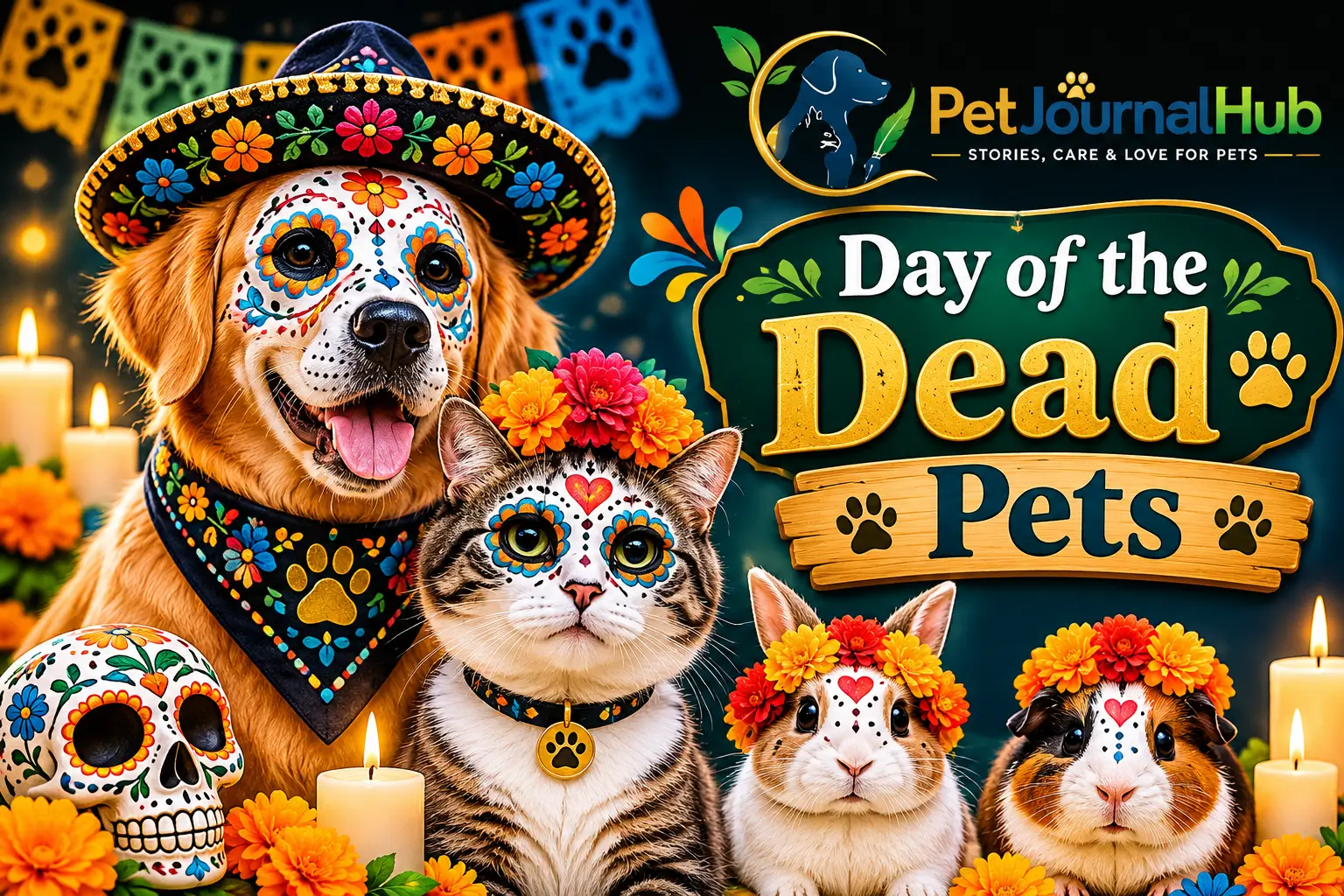
The Day of the Dead pets tradition gives families a special opportunity to remember dogs, cats, and other beloved animals who have passed away. In Mexico, October 27 has become a popular date for honoring deceased pets during Día de Muertos. Families create small ofrendas with photographs, favorite toys, flowers, water, and meaningful keepsakes. This practice celebrates the lasting bond between people and their animals.
Key Takeaways
- October 27 is widely recognized in modern Mexican traditions as a day to remember deceased pets.
- Families often create a small ofrenda with photographs, flowers, water, toys, and favorite foods.
- October 28 traditionally honors people who died in tragic circumstances in some popular calendars.
- The pet-remembrance date has gained popularity in recent years, but its exact origin remains uncertain.
- Día de Muertos is a cultural celebration that honors loved ones through memories, offerings, and family traditions.
- Keep candles, food, flowers, and decorations away from living pets to prevent accidents.
Introduction
Pets become important members of our families. Dogs greet us after long days, cats bring comfort, and smaller animals create special memories through their daily habits. Losing one can leave a lasting space in our homes and hearts.
That’s one reason the Day of the Dead pets tradition has attracted attention among animal lovers. It gives families a meaningful way to remember their deceased companions during Mexico’s famous Día de Muertos celebrations.
Many families recognize October 27 as the day when the spirits of departed pets symbolically return home. They prepare small memorial altars with photographs, favorite toys, food, water, and colorful marigold flowers.
This practice also reflects how people view companion animals today. Many owners consider their pets family members rather than simply animals living in their homes.
However, there’s an important cultural detail. The October 27 observance represents a relatively recent development in popular remembrance practices. It does not have one universally documented ancient origin.
Whether you lost a dog, cat, rabbit, bird, or another companion, you can use this occasion to celebrate the happiness they brought into your life. You don’t need an elaborate altar or expensive decorations. A photograph and a meaningful memory can create a beautiful tribute.
What Is Day of the Dead Pets?
The Day of the Dead pets tradition is a modern remembrance practice connected with Mexico’s Día de Muertos celebrations. Families use October 27 to honor deceased companion animals through photographs, flowers, food, and personal keepsakes.
The wider Día de Muertos celebration honors deceased family members and loved ones. It combines Indigenous traditions and religious influences that developed over generations.
During the celebration, families prepare an ofrenda, which means offering in Spanish. This altar represents a welcoming place for remembering those who have passed away.
Pet owners adapt this custom by creating a special space for their animals. A dog might receive its favorite toy, while a cat might have a photograph and a small bowl of water.
Some families include:
- Photographs of their deceased animals.
- Favorite toys, collars, or blankets.
- Food and fresh drinking water.
- Orange marigold flowers.
- Candles or flameless lights.
- Small notes describing happy memories.
These objects represent affection, remembrance, and the relationship families shared with their animals.
The tradition doesn’t require families to follow one exact design. Each household can create a tribute that reflects its own culture, beliefs, and memories.
Quick Facts Box
| Fact | Details |
| Celebration | Día de Muertos |
| Popular pet remembrance date | October 27 |
| Related date | October 28 |
| Country most closely associated | Mexico |
| Spanish name | Día de Muertos para mascotas |
| Memorial altar | Ofrenda para mascotas |
| Common flowers | Cempasúchil (marigolds) |
| Common offerings | Photos, water, toys, and food |
| Animals remembered | Dogs, cats, birds, rabbits, and other pets |
| Main purpose | Remembering deceased companion animals |
| 2026 date | Tuesday, October 27 |
| Celebration type | Cultural remembrance |
Where Does This Tradition Come From?
The modern practice of honoring deceased pets connects with Mexico’s much older Día de Muertos celebration.
Traditional Mexican remembrance customs have Indigenous roots and developed through cultural and religious influences. Families create ofrendas to welcome and remember deceased loved ones.
Animals also have an important place in some Indigenous Mexican beliefs. The Xoloitzcuintli, a traditional Mexican hairless dog, has a historical connection with stories about the journey of souls after death.
In some Mexica beliefs, dogs helped guide the deceased through the afterlife. This connection gives dogs a special place in discussions about animals and Mexican traditions.
However, the modern October 27 pet-remembrance date has a different history. Recent Mexican reporting describes the dedicated observance as a relatively new custom that gained popularity around 2019.
Therefore, it’s important to distinguish the ancient cultural background from the newer practice of setting aside a specific date for companion animals.
jornada.com.mx+2
History and Evolution of Pet Remembrance
The wider Mexican celebration has a long cultural history. Its Indigenous roots include traditions honoring deceased relatives and maintaining connections with ancestors.
Over time, Spanish religious influences helped shape the celebration that many families recognize today.
The traditional observances generally center on November 1 and 2. Different communities also recognize additional dates during the surrounding period.
As family relationships with companion animals changed, people began including them in these remembrance customs.
The October 27 observance gained wider attention through recent campaigns, media coverage, and social sharing. Mexican families increasingly began preparing separate altars for deceased dogs, cats, and other animals.
The Associated Press has also documented families creating pet altars with photographs, flowers, candles, and personal offerings.
AP News+1
Today, families can celebrate in several ways. Some create traditional altars, while others share memorial photographs or visit places that remind them of their pets.
The meaning remains simple: remembering animals that brought love, friendship, and happiness into people’s lives.
Key Characteristics of a Pet Ofrenda
A pet ofrenda is a small memorial space that honors an animal through meaningful objects. Its appearance can range from a simple tabletop display to a detailed family altar.
Each object carries a personal or cultural meaning.
1. Photographs
A photograph gives the memorial a personal center. Choose an image that shows your pet’s personality.
It might show a dog playing outside, a cat sleeping in sunlight, or a rabbit enjoying its favorite activity.
2. Marigold Flowers
Marigolds, known as cempasúchil in Spanish, play an important role in traditional ofrendas.
Their bright orange color makes them a familiar part of Día de Muertos decorations. Traditional interpretations connect their color and fragrance with remembrance and welcoming departed souls.
Mexico City+1
3. Water and Food
Families sometimes place a small bowl of water and a symbolic serving of their pet’s favorite food.
These offerings represent hospitality and care. They also make the altar more personal.
4. Toys and Personal Belongings
A favorite ball, collar, blanket, or toy can bring back special memories.
Choose something that reminds you of your animal’s personality rather than buying unnecessary decorations.
5. Candles and Decorative Items
Candles represent light in many ofrenda traditions. Papel picado, colorful paper decorations, can add a festive appearance.
For households with living pets, flameless candles provide a safer decorative alternative.
Quick Comparison Snapshot
Families can choose different ways to remember their animals. These options offer different levels of effort and personal meaning.
| Option | Best For | Key Difference |
| Traditional pet ofrenda | Families following Mexican traditions | Includes cultural altar elements |
| Photo memorial | Owners who prefer simplicity | Focuses on photographs and memories |
| Pet memory box | Owners preserving keepsakes | Stores personal belongings |
| Digital memorial | Families living far apart | Allows relatives to share memories online |
Day of the Dead pets October 27
October 27 is the popular date for remembering deceased pets during the Día de Muertos season. Many Mexican families prepare their pet ofrendas before this date.
According to Mexico’s tourism information, the calendar recognizes October 27 as the day for pet remembrance.
Tradiciones, Altares y Celebraciones
Families may believe their departed animals return home on this date. They prepare photographs, food, water, and flowers as symbolic welcomes.
You can prepare your memorial on October 26 or earlier. This gives you time to arrange everything without rushing.
If you live outside Mexico, you can still participate respectfully. Learn about the cultural meaning of the celebration and adapt the remembrance in a way that honors its traditions.
What Should You Prepare Before October 27?
- Select a favorite photograph.
- Clean a small table or shelf.
- Gather a collar, toy, or blanket.
- Choose suitable flowers.
- Prepare a short written memory.
- Arrange safe lighting and decorations.
You don’t need to purchase an expensive memorial kit. Personal items often carry more meaning than decorative products.
Day of the Dead for Pets 2026
In 2026, the pet-remembrance date fell on Tuesday, October 27. Families could prepare their altars before the date and keep their displays during the wider Día de Muertos season.
The main traditional celebration continues around November 1 and 2.
For families who missed October 27, there is no reason to feel that they missed their opportunity to remember a pet. You can honor your animal on another day that feels meaningful.
A memorial doesn’t depend on a calendar. The date simply gives families a shared occasion to celebrate their pets.
You can also include your deceased companion in a larger family ofrenda. Some households prefer a separate pet section, while others place photographs of animals beside those of human relatives.
Day of the Dead pets name
People use several names when discussing this remembrance practice. The most common English expression is Day of the Dead for pets.
In Spanish, families may use Día de Muertos para mascotas or Día de Muertos de las mascotas.
The memorial itself is called an ofrenda para mascotas. This means an offering or altar dedicated to pets.
Here are some useful terms:
| Term | Meaning |
| Día de Muertos | Day of the Dead |
| Mascotas | Pets |
| Ofrenda | Offering or memorial altar |
| Ofrenda para mascotas | Pet memorial altar |
| Cempasúchil | Mexican marigold |
| Veladora | Candle or devotional light |
| Recuerdo | Memory or remembrance |
| Calaverita | Small decorative skull or playful skull-themed verse |
These expressions can help you understand Mexican articles, cultural displays, and conversations about the celebration.
Day of the dead pets October 28
October 28 has a different meaning in some popular Mexican Day of the Dead calendars. It often honors people who died in tragic circumstances, such as accidents or violence.
This distinction matters because October 27 and October 28 don’t represent the same observance.
Some modern calendars place departed pets on October 27. They then recognize other groups of deceased people on following dates.
However, these calendars aren’t universal. Customs vary between communities and families. Some households follow different schedules or keep their ofrendas throughout the celebration.
Mexico’s public information about Día de Muertos also presents different dates for different groups of departed people.
Tradiciones, Altares y Celebraciones+2
If you’re creating a pet memorial, October 27 is the more widely recognized date for that purpose. You can still keep the altar beyond that date.
Day of the Dead for pets altar
A pet ofrenda provides a special place to remember an animal that once shared your home. You can create one using a small table, shelf, or decorative surface.
Start with a photograph of your pet. Place it where family members can see it easily.
Next, add personal belongings that reflect your animal’s life. A collar, favorite toy, or small blanket can make the display feel more meaningful.
What to Include on a Pet Altar
Día de Muertos 2025: ¿Qué debe llevar una ofrenda para mascotas y cómo hacerla?
Puentes al más allá: Ofrenda para honrar a nuestras mascotas fallecidas
Ofrendas para perros y gatos: cómo hacer un altar para tu mascota
11
Consider including:
- A photograph or portrait.
- A small bowl of water.
- A symbolic portion of favorite food.
- A favorite toy or collar.
- Marigold flowers.
- Papel picado decorations.
- A written message or name card.
- A flameless candle.
You can personalize the arrangement with your pet’s favorite colors or familiar objects.
How to Arrange the Altar
Place the photograph in the center or at the back. Arrange flowers and decorations around it.
Keep small objects together rather than filling every available space. A neat arrangement helps each item stand out.
If children participate, let them add drawings or write short messages about their favorite memories.
Most importantly, keep the altar away from curious animals. Food, flowers, cords, small decorations, and open flames can create hazards for living pets.
When did day of the Dead for pets start?
The exact beginning of the modern pet-remembrance observance remains uncertain. Recent Mexican reporting has described the dedicated October 27 practice as a relatively new development.
A 2025 report from La Jornada traced the modern observance to around 2019 and linked its spread to an advertising campaign.
jornada.com.mx
That doesn’t mean people only began remembering animals in recent years. Families have valued their animal companions for generations.
The newer development involves giving deceased pets a more visible place within the wider Día de Muertos season.
This distinction helps explain why the practice feels traditional to some families while others describe it as a modern addition.
There isn’t one documented starting event that every community recognizes. It’s best to understand the date as a growing remembrance custom connected to an older cultural celebration.
Day of the dead for pets when to light candles
Families who follow the October 27 pet-remembrance custom often prepare their altars before that date. Some light candles during the evening as part of their personal remembrance.
However, no single candle-lighting time applies to every family or community.
Traditional ofrendas use candles as symbolic lights. Some families believe these lights help welcome departed loved ones.
You can choose a time that fits your household’s customs. Evening remembrance may provide a peaceful opportunity to share stories and look through photographs.
Candle Safety Around Living Pets
Dia de Muertos for Pets: Honoring Beloved Animals | To Lose a Dog
Open flames can burn curious cats and dogs. They can also ignite nearby decorations, paper, or fabric.
Follow these precautions:
- Use flameless LED candles when possible.
- Keep electrical cords away from chewing pets.
- Never leave a burning candle unattended.
- Place decorations on stable surfaces.
- Keep matches and lighters out of reach.
- Avoid putting candles near curtains or paper decorations.
A safe memorial should protect the animals who still share your home.
Day of the Dead for pets in Spanish
The Spanish language offers several useful expressions for discussing this celebration.
The main celebration is called Día de Muertos or Día de los Muertos. Both expressions refer to the Mexican Day of the Dead tradition.
For pet remembrance, you can use Día de Muertos para mascotas.
Here are some helpful translations:
| English | Spanish |
| Day of the Dead for pets | Día de Muertos para mascotas |
| Pet memorial altar | Ofrenda para mascotas |
| Deceased pet | Mascota fallecida |
| My beloved dog | Mi querido perro |
| My beloved cat | Mi querida gata |
| Pet photograph | Fotografía de la mascota |
| Favorite toy | Juguete favorito |
| Marigold flower | Flor de cempasúchil |
| Remembering our pets | Recordando a nuestras mascotas |
| Our pets are family | Nuestras mascotas son familia |
You can write a short message on your altar, such as:
Siempre estarás en nuestros corazones.
This means, “You will always be in our hearts.”
A simple Spanish message can add a meaningful cultural touch to your memorial.
Daily Care Routine: How to Prepare a Pet Memorial
Preparing a memorial doesn’t need to take an entire day. A few thoughtful steps can help you create something beautiful and personal.
Step 1: Choose a Suitable Location
Find a quiet place inside your home. A small table, shelf, or corner can work well.
Choose a location away from busy walkways and areas where living pets play.
Step 2: Select a Favorite Photograph
Choose a photograph that reminds you of your animal’s personality.
You might select a picture from a favorite walk, birthday, or relaxing afternoon. You can also print several smaller photographs.
Step 3: Gather Personal Belongings
Collect a few objects that belonged to your pet. These might include a collar, feeding bowl, favorite toy, or blanket.
Only use clean, safe items. Avoid anything with sharp edges or damaged parts.
Step 4: Add Flowers and Decorations
Marigolds are a traditional choice for Día de Muertos. You can also use paper flowers or other decorations.
Keep flowers away from pets that might chew them. Some plants can harm cats and dogs.
Step 5: Add a Personal Message
Write your pet’s name and a short message. You could mention a funny habit or a favorite memory.
For example:
“Thank you for every happy moment, every greeting, and every memory. You will always be part of our family.”
Step 6: Invite Family Members to Participate
Let everyone contribute something meaningful. Children can draw pictures, while adults can share favorite stories.
This creates a shared opportunity to remember the animal together.
Step 7: Keep the Display Safe
Check the arrangement before leaving it unattended. Remove open flames, exposed wires, and anything that could harm living animals.
Cost Breakdown: How Much Does a Pet Memorial Cost?
A pet memorial can cost very little. You can create a meaningful display using belongings you already own.
The total expense depends on your decoration choices, flower arrangements, printing needs, and memorial products.
Here are general planning estimates in US dollars. These are illustrative budgets, not verified market prices.
| Memorial Item | Budget-Friendly Choice | More Elaborate Choice |
| Photograph | Existing printed photo | Professional framed portrait |
| Flowers | A few fresh flowers | Larger floral arrangement |
| Decorations | Homemade paper decorations | Purchased altar decorations |
| Lighting | Flameless LED candle | Decorative LED lantern |
| Keepsakes | Existing collar or toy | Custom engraved keepsake |
| Display | Existing shelf or table | Dedicated memorial stand |
Ways to Save Money
You don’t need to spend much to honor your pet.
- Reuse an existing photograph frame.
- Make papel picado decorations at home.
- Use a favorite toy instead of buying new decorations.
- Print a photograph yourself.
- Choose a small arrangement of flowers.
- Write your own memorial message.
Avoid spending money because you feel pressured to create a perfect altar. The memories behind the display matter much more than its price.
Common Mistakes Pet Owners Make
A memorial should create comfort, not introduce unnecessary stress or safety risks. A few common mistakes can make the experience less meaningful.
1. Treating October 27 as a Universal Ancient Rule
Many families recognize October 27, but the dedicated pet-remembrance date represents a modern development.
Avoid presenting it as an ancient rule followed by every Mexican community.
2. Forgetting About Living Pets
Food offerings, flowers, decorations, and candles can attract curious animals.
Place your display somewhere your living pets cannot reach.
3. Using Unsafe Flowers
Some flowers and decorative plants can harm animals. Lilies, for example, pose a serious poisoning risk to cats.
Choose pet-safe decorations and check unfamiliar plants before bringing them home.
4. Leaving Candles Unattended
Open flames can cause burns and household fires. Use flameless candles for a safer display.
5. Buying Too Many Decorations
A crowded altar can distract from the memories you want to celebrate.
Choose a few meaningful objects instead.
6. Comparing Your Memorial With Others
Every family remembers animals differently. Some people prefer traditional altars, while others choose photographs or written memories.
There isn’t one perfect way to honor a deceased companion.
Pros and Cons of Creating a Pet Ofrenda
Creating a memorial altar offers several meaningful benefits. However, families should also consider the practical responsibilities of maintaining one.
| Pros | Cons |
| Creates a special place for remembrance | Requires space in the home |
| Helps families share memories | Some decorations need regular care |
| Encourages children to express feelings | Fresh flowers require attention |
| Connects pet remembrance with cultural traditions | Open flames can create safety risks |
| Allows personal and creative expression | Some families may find the process emotional |
| Can use inexpensive household items | Food offerings may attract living pets |
The experience is personal. You can adjust the display to match your family’s needs and beliefs.
Similar Memorial Options and Alternatives
Not every pet owner wants to create a traditional altar. Other memorial ideas can also help preserve memories.
| Option | Best For |
| Pet memory scrapbook | Owners who enjoy collecting photographs and stories |
| Paw print keepsake | Families who have a safely preserved print |
| Memorial garden | Owners with suitable outdoor space |
| Personalized memorial stone | Families who want a permanent outdoor tribute |
| Pet remembrance journal | Owners who prefer writing personal memories |
| Digital photo album | Families who want to share pictures remotely |
| Memorial donation | Owners who want to support animal welfare |
| Framed artwork | Families who appreciate personalized decorations |
These alternatives can complement an ofrenda or provide a different way to remember an animal.
For example, you could create a small altar on October 27 and keep a memory scrapbook throughout the year.
A memorial garden can also provide a quiet place to reflect. Check local rules before placing permanent objects outdoors.
When to Consult a Vet or Professional
Remembering a deceased pet usually doesn’t require veterinary care. However, certain situations may require help from a veterinarian or another qualified professional.
If your animal recently passed away and you have questions about the cause, contact your veterinarian. They can explain available examination options and help you understand what happened.
You should also seek professional guidance when:
- Another pet suddenly develops unusual behavior after a household loss.
- A living pet eats food, flowers, or decorations from the altar.
- You suspect exposure to a candle, essential oil, or toxic plant.
- You need advice about safely handling or storing cremated remains.
- You want guidance about preserving paw prints or other keepsakes.
What If Your Living Pet Eats Something From the Altar?
Don’t wait for symptoms if you suspect poisoning. Contact your veterinarian or an animal poison control service promptly.
Provide details about the item, the amount your pet may have eaten, and when the exposure happened.
Don’t try home treatments or induce vomiting unless a veterinary professional specifically instructs you.
When Grief Becomes Difficult
Losing an animal can affect everyday routines and emotional well-being. Some people experience sadness long after the loss.
If grief begins interfering with daily life, consider talking with a qualified counselor or pet-loss support group.
You don’t have to handle every difficult feeling alone.
Fun Facts About Pet Remembrance and Día de Muertos
Here are some interesting cultural details that help explain the connection between animals and this celebration.
1. October 27 has a special modern connection with pets: Many families use this date to remember deceased companion animals.
2. Ofrenda means offering: The word describes the memorial offerings that families arrange for departed loved ones.
3. Marigolds have a special place: The orange cempasúchil flower appears in many traditional Day of the Dead displays.
4. Xoloitzcuintli dogs have historical significance: Some Mexica beliefs associated dogs with guiding souls through the afterlife.
5. Personal belongings matter: Families often use photographs and meaningful objects to make an altar personal.
6. Papel picado adds color: These decorative paper designs commonly appear in Mexican celebrations and ofrendas.
7. The wider celebration has UNESCO recognition: UNESCO included Mexico’s Indigenous festivity dedicated to the dead on its Intangible Cultural Heritage list in 2008.
UNESCO Intangible Cultural Heritage+2
Frequently Asked Questions
1. Is October 27th the Day of the Dead for pets?
Yes. October 27 is widely recognized in contemporary Mexican remembrance customs as the date for honoring deceased pets. Families often prepare small ofrendas with photographs, flowers, water, and favorite toys. However, this specific observance represents a relatively recent addition to popular Día de Muertos practices. It isn’t a universal rule followed by every Mexican community. Some families also keep their pet memorials throughout November 1 and 2, alongside tributes to deceased human relatives.
2. What is the Day of the Dead for pets?
It is a remembrance practice that celebrates the lives of deceased companion animals during Mexico’s Día de Muertos season. Pet owners use the occasion to remember dogs, cats, rabbits, birds, and other animals that once shared their homes. Some families believe departed pets symbolically return to visit them. Others simply use the date to reflect on happy memories. The practice combines personal remembrance with cultural traditions and offers families a meaningful way to recognize their animals’ importance.
3. Does Day of the Dead celebrate pets?
Yes. Many modern Day of the Dead celebrations include deceased companion animals. Families may dedicate a separate altar space to their pets or place animal photographs alongside pictures of human relatives. This practice reflects the emotional importance of animals in many households. However, the dedicated October 27 observance doesn’t appear as a universal requirement in every traditional community calendar. Families can decide how they want to include their animals while respecting the cultural meaning of Día de Muertos.
4. What are the animals called in Day of the Dead?
There isn’t one special name for all animals remembered during Día de Muertos. Spanish speakers commonly use mascotas for companion pets and animales for animals in general. The Xoloitzcuintli, a traditional Mexican dog breed, has a special place in cultural stories about death and the afterlife. Some Mexica beliefs associate this dog with guiding souls on their journey. Today, families may remember dogs, cats, rabbits, birds, and many other companion animals through personal offerings.
5. Can You Include Photos and Toys of Your Deceased Pet on an Ofrenda?
Absolutely. Photographs and familiar belongings make a pet ofrenda more personal. You can include a favorite toy, collar, blanket, or small feeding bowl. Choose objects that remind you of your animal’s personality and daily habits. If you have several pets to remember, you can arrange their photographs together or create separate spaces. Keep the objects clean and avoid damaged items with sharp edges. If living animals share your home, place the keepsakes somewhere they cannot chew or swallow them.
Final Thoughts
Remembering a pet is about celebrating the happiness, comfort, and companionship they brought into your life. The October 27 observance gives families an additional opportunity to honor those memories during the Día de Muertos season.
A traditional ofrenda can include photographs, marigolds, favorite toys, water, and personal belongings. You can also choose a simpler memorial if that better reflects your family’s preferences.
The most important part is creating something meaningful. You don’t need expensive decorations, a large altar, or a perfect arrangement.
If you have children, invite them to share drawings and stories about their favorite animal. These small activities can help families celebrate the special relationships they shared.
Remember to keep decorations safe for living pets, especially when using flowers, food, candles, and small objects.
Whether you remember a dog, cat, rabbit, bird, or another companion, their place in your family’s story remains important. A thoughtful memorial offers a beautiful way to celebrate that bond.

Sophia Bennett is an animal care contributor at PetJournalHub. She writes educational articles about companion animals, pet wellness, training, and daily care. She believes that trustworthy information helps every pet owner build a healthier and happier life for their pets.