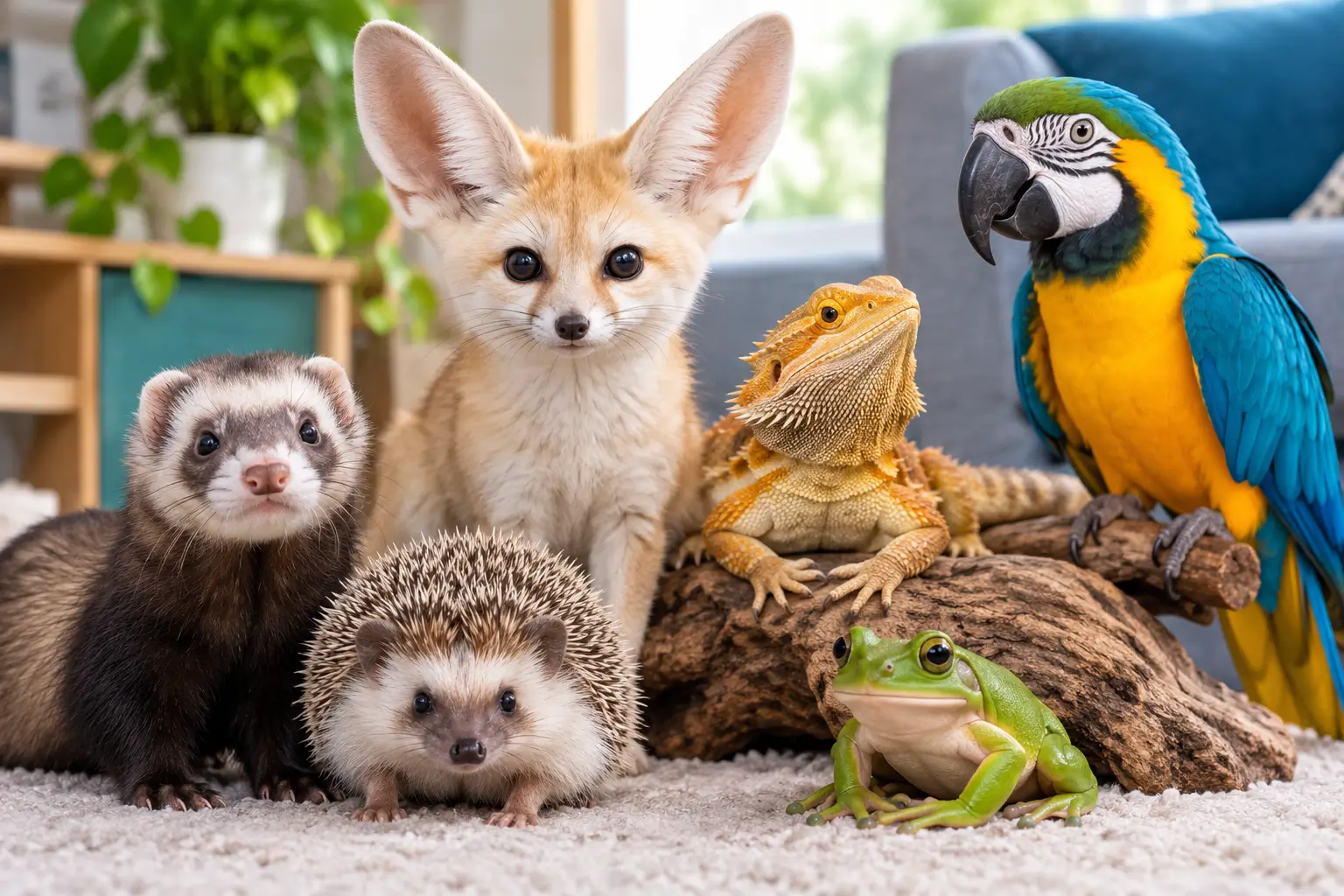
Cool animals to have as pets are species that go beyond the typical cat or dog — think hedgehogs, axolotls, bearded dragons, and sugar gliders. They offer unique personalities and low-maintenance care, but each comes with its own legal rules, housing needs, and cost. Picking the right one starts with matching the animal to your lifestyle.
Key Takeaways
- “Cool” pets range from tiny hermit crabs to social parrots — there’s an option for almost any budget and space.
- Legality varies by state and city, so always check local exotic pet laws before buying.
- Many unusual pets are actually easier to care for than a dog, since they don’t need daily walks.
- Startup costs (habitat, heating, enclosure) often cost more than the animal itself.
- Kids can enjoy several of these pets, but adult supervision matters for handling and hygiene.
- Always research a species’ lifespan — some, like tortoises, can outlive their owners.
Introduction
Search interest in unusual pets has climbed steadily over the last few years. Videos of sugar gliders gliding between hands or axolotls smiling from their tanks rack up millions of views. People want something different from the usual cat or dog routine.
That curiosity makes sense. A lot of pet owners live in small apartments, work long hours, or simply want a pet with a bit more novelty. Cool animals to have as pets can fit all of those situations, often with less daily upkeep than a traditional dog.
But “cool” doesn’t always mean “easy.” Some unusual pets need specialized diets, controlled humidity, or years of commitment. Others are illegal to own in certain states without a permit. This guide walks through real options, honest care needs, and the legal details most articles skip.
By the end, you’ll know which unusual pets fit your space, your schedule, and your experience level — and which ones are better admired from a distance.
What Is a “Cool Animal” Pet?
A cool animal pet is any non-traditional species kept as a companion instead of a cat, dog, or common fish. This includes small exotics, reptiles, amphibians, and some birds.
The category is broad on purpose. It covers pocket pets like hedgehogs and sugar gliders, reptiles like bearded dragons and leopard geckos, amphibians like axolotls, and even hardy invertebrates like hermit crabs. What ties them together is novelty — most people haven’t owned one before.
Some of these animals are domesticated and bred for pet life. Others, like certain reptiles, are captive-bred but still behave close to their wild instincts. Knowing which category an animal falls into helps set realistic care expectations.
Quick Facts Box
| Fact | Details |
| Popular category examples | Hedgehogs, sugar gliders, bearded dragons, axolotls, fancy rats, hermit crabs |
| Typical lifespan range | 2 years (hermit crabs, some rodents) to 15+ years (tortoises, parrots) |
| Legal status | Varies by state/country — always check local exotic pet laws |
| Average startup cost | $100–$500 for habitat setup, excluding the animal |
| Best for beginners | Leopard geckos, guinea pigs, fancy rats |
| Best for experienced owners | Sugar gliders, parrots, larger reptiles |
Where the “Cool Pet” Trend Comes From
There isn’t one clear origin story for unusual pets — interest has built up over decades through breeders, reptile expos, and more recently, social media. It’s less a single trend and more a steady shift in what people consider a “normal” pet.
Reptile and small-exotic keeping has existed as a hobby since at least the 1970s and 80s, driven by breed clubs and specialty pet stores. What’s changed recently is visibility. Platforms like TikTok and Reddit’s pet communities have introduced species like axolotls and sugar gliders to people who’d never seen one before.
This doesn’t mean every viral pet trend is a good match for your home. Sudden popularity can lead to impulse buys, and some species suffer when demand outpaces good breeding and care information. It’s worth researching an animal thoroughly before following a trend.
Key Characteristics and Care Needs
Care needs vary enormously across this category, so there’s no single checklist that fits every animal. That said, a few patterns show up again and again.
Most small exotics need a specific temperature range, and getting this wrong is one of the most common care mistakes. Reptiles and amphibians are cold-blooded, so their enclosure needs a heat source, a thermometer, and sometimes a humidity gauge.
Diet is another area where generic advice fails. A bearded dragon eats live insects and vegetables. An axolotl eats meaty foods like worms and pellets. A sugar glider needs a varied diet close to what it eats in the wild. Feeding a “generic exotic pet diet” isn’t a real strategy — species-specific research is required.
Temperament also spans a wide range. Some animals, like guinea pigs, enjoy gentle handling daily. Others, like hermit crabs, are mostly meant to be observed rather than held.
Quick Comparison Snapshot
| Option | Best For | Key Difference |
| Bearded Dragon | First-time reptile owners | Calm temperament, easy to handle daily |
| Sugar Glider | Owners wanting a social, bonded pet | Needs a companion glider and nightly attention |
| Axolotl | Low-noise, low-handling households | Fully aquatic, should not be handled often |
| Hermit Crab | Small spaces and beginners | Very low cost, but short-lived without proper care |
10 Most Awesome and Unusual Pets
Some animals stand out simply because most people have never met one in person. A short list can help narrow down where to start.
- Axolotl – an aquatic salamander known for its permanent “smile.”
- Sugar Glider – a small marsupial that glides between perches.
- Bearded Dragon – a friendly, easy-to-handle lizard.
- Hedgehog – a spiky, mostly nocturnal pocket pet.
- Fennec Fox – a tiny desert fox with huge ears; ownership is restricted in many states.
- African Grey Parrot – highly intelligent, capable of mimicking speech.
- Chinchilla – soft-furred rodent that needs dust baths, not water baths.
- Hermit Crab – a low-cost, low-noise beginner pet.
- Leopard Gecko – one of the easiest reptiles to care for.
- Fancy Rat – social, smart, and easy to bond with.
This list mixes easy beginner pets with more advanced ones, so it’s worth reading each animal’s specific care needs before choosing.
Unusual Pets That Are Legal to Own
Legal status is one of the most overlooked parts of choosing an unusual pet. Many species are legal in most states but banned or restricted in a few.
Generally legal across most of the U.S. (always confirm locally):
- Bearded dragons and leopard geckos
- Hedgehogs (banned in a few states, including California and Hawaii)
- Sugar gliders (restricted in some states like California and Alaska)
- Chinchillas and fancy rats
- Hermit crabs
- Many domesticated parrot species
This can vary depending on your specific city or county, so it’s best to confirm with your local animal control office or state wildlife agency before bringing an animal home. Some cities add extra permit requirements on top of state law.
Cool Pets to Have in Your Room
Apartment and bedroom setups work best with pets that don’t need much floor space or make much noise. Several unusual pets fit that description well.
A 20-gallon tank easily houses a leopard gecko, hermit crab colony, or a small aquatic setup for an axolotl. These animals don’t need to roam free, which makes them a good match for small rooms or shared living spaces.
Fancy rats and hedgehogs need a bit more room — a proper cage with vertical space works well on a dresser or desk. Sugar gliders need the most vertical space of this group, since they’re used to gliding between branches in the wild.
Noise level matters too. Reptiles, amphibians, and hermit crabs are silent. Rats and hedgehogs are mostly quiet but may run on a wheel at night.
Cool Pets That Are Cheap
Budget matters, and some unusual pets cost far less than a dog or cat over their lifetime. Cheap doesn’t mean lower quality care — it just means lower ongoing expenses.
- Hermit crabs: Often under $20 each, with simple tank setups.
- Fancy rats: Inexpensive to buy, though they need social companionship (at least two).
- Leopard geckos: Low food costs since they eat a few insects a few times a week.
- Guinea pigs: Affordable food and bedding costs.
The catch is startup cost. A proper heat lamp, thermometer, and enclosure for a reptile can cost more upfront than the animal itself. Ongoing costs tend to stay low once the setup is in place.
Top 10 Easiest Pets to Take Care Of
Easy care usually means a simple diet, a stable environment, and low handling needs. These tend to top most beginner lists.
- Leopard gecko
- Hermit crab
- Betta fish
- Guinea pig
- Bearded dragon
- Fancy rat
- Corn snake
- Chinchilla
- Parakeet (budgie)
- Hedgehog
Each of these still needs proper research. “Easy” means manageable for a beginner, not zero effort.
Cool Animals to Have as Pets for Kids
Kid-friendly pets should be sturdy enough for gentle handling and simple enough that a parent can help with daily care. A few unusual pets check both boxes.
Guinea pigs are a common first exotic-style pet for kids, since they’re social and rarely bite. Bearded dragons are also popular in family homes because of their calm nature, though reptile hygiene needs adult supervision.
Hermit crabs work well for younger kids who want to observe rather than handle a pet daily. Always wash hands after handling any reptile, amphibian, or crustacean, since they can carry salmonella.
Sugar gliders and hedgehogs need gentler handling and more patience, so they tend to suit older kids or teens better than young children.
Exotic Animals Worth Knowing About
There’s a wide range of exotic pet species out there, far more than any single list can cover. Rather than trying to name them all, it helps to sort them into a few categories.
Small mammals include sugar gliders, hedgehogs, and chinchillas. Reptiles include bearded dragons, leopard geckos, and corn snakes. Amphibians include axolotls and certain frog species. Invertebrates include hermit crabs and some tarantula species kept by experienced hobbyists.
Some exotic species, like large snakes, big cats, or primates, aren’t suitable pets at all and are illegal in most places for good reason. When researching exotic animals, stick to species with an established pet-keeping history and clear care guides from reputable sources.
Best Exotic Pets That Cuddle
Not every unusual pet enjoys physical affection, but a handful genuinely bond with their owners. Cuddliness usually comes down to species temperament and how much time you invest early on.
Sugar gliders are known for bonding closely with their owners once tamed, often riding in a bonding pouch during the day. Guinea pigs enjoy lap time and gentle petting once they trust you. Fancy rats are famously affectionate and often seek out interaction.
Bearded dragons tolerate handling well and some seem to enjoy sitting on a shoulder, though this is closer to calm tolerance than true affection. Reptiles in general show less emotional bonding behavior than mammals.
Daily Care Routine and How to Get Started
Getting started well means research first, purchase second. Rushing the setup is the most common reason unusual pets struggle in their first weeks.
Steps to get started:
- Research the species’ full adult size, lifespan, and legal status in your area.
- Set up the enclosure completely before bringing the animal home.
- Buy a thermometer and, if needed, a humidity gauge — don’t guess.
- Source food in advance, especially live insects or specific pellets.
- Find an exotic-animal vet in your area before you need one.
- Start with short handling sessions to build trust gradually.
Daily care usually includes spot-cleaning the enclosure, checking temperature and water, and feeding on a species-appropriate schedule. Weekly care often includes a deeper enclosure clean and health checks.
Cost Breakdown
Costs vary a lot by species, but most unusual pets fall into a similar pattern: higher setup cost, lower monthly cost.
| Expense | Typical Range |
| Enclosure/tank | $50–$300 |
| Heating/lighting equipment | $30–$150 |
| Initial supplies (substrate, hides, dishes) | $30–$100 |
| Monthly food | $10–$40 |
| Vet checkups (exotic vet) | $50–$150 per visit |
This can vary depending on the species, your location, and whether you buy new or secondhand equipment, so treat these as a starting estimate rather than an exact quote.
Common Mistakes Pet Owners Make
Several mistakes show up again and again with first-time exotic pet owners. Most are avoidable with a bit of planning.
- Skipping the legal check. Some buyers don’t realize their state restricts a species until after purchase.
- Guessing on temperature. Reptiles and amphibians need precise ranges, not “close enough.”
- Buying a single social animal. Sugar gliders and rats need same-species company, not just human attention.
- Underestimating lifespan. Some tortoises and parrots can live for decades.
- Feeding a generic diet. Species-specific nutrition matters more than most new owners expect.
Pros and Cons of Owning an Unusual Pet
| Pros | Cons |
| Unique companionship most pets don’t offer | Vet care can be harder to find and pricier |
| Often lower daily time commitment than a dog | Legal restrictions vary by location |
| Wide range of budgets and space requirements | Specialized setup needed (heat, humidity, diet) |
| Great conversation starter and learning experience | Some species have long lifespans requiring long commitment |
Similar Alternatives Worth Considering
Beyond the animals already covered, a few other options are worth a look if none of the above feel right.
| Option | Best For |
| Betta fish | Owners wanting color and low cost with zero handling |
| Corn snake | Beginners interested in snakes specifically |
| Parakeet (budgie) | Owners wanting a small, social bird |
| Tarantula (docile species) | Experienced keepers comfortable with minimal handling |
| Quaker parrot | Owners wanting a talkative, interactive bird (check local legality) |
When to Consult a Vet or Professional
Any new or unusual pet should see an exotic-animal vet within the first few weeks of ownership, even if it seems healthy. Not every general vet treats reptiles, amphibians, or small exotics, so it helps to find one in advance.
Contact a vet right away if you notice loss of appetite, lethargy, unusual discharge, skin or shell changes, or difficulty breathing. These can be signs of a health issue that needs quick attention.
Never attempt to diagnose or treat a health issue yourself, especially with medication dosing for small or exotic animals. A licensed veterinarian is the only reliable source for treatment decisions.
Fun Facts
- Axolotls can regrow limbs, and even parts of their spinal cord, throughout their lives.
- Sugar gliders can glide up to about 150 feet between trees in the wild.
- Hedgehogs have a natural behavior called “anointing,” where they lick a scent and spread frothy saliva on their spines.
- Hermit crabs must switch to a larger shell as they grow, since they can’t grow their own.
- Bearded dragons can wave one arm in a circular motion as a social signal to other dragons.
- Chinchillas have one of the densest fur coats of any land mammal, which is why they need dust baths instead of water.
- Fancy rats are known to laugh, in an ultrasonic range humans can’t hear, when they’re happy.
Frequently Asked Questions
What is the coolest animal to have as a pet? “Coolest” depends on what you value most. Axolotls draw attention for their strange, smiling look and unique regenerative ability. Sugar gliders appeal to people who want an interactive, bonded pet. If you want something visually striking with lower daily care, an axolotl is a strong pick. If you want an animal that actively seeks you out, a sugar glider fits better.
What are the 20 most popular pets? Dogs and cats top most popularity lists, followed by freshwater fish, rabbits, and guinea pigs. Beyond that, hamsters, parakeets, turtles, hermit crabs, bearded dragons, leopard geckos, chinchillas, fancy rats, hedgehogs, ferrets, corn snakes, cockatiels, betta fish, tortoises, and sugar gliders round out a broader popularity list. Rankings shift by region and survey source, so exact order can vary.
What is the number one friendliest animal? Among common companion animals, dogs are generally considered the friendliest due to thousands of years of domestication built around human bonding. Within the unusual pet category, fancy rats and guinea pigs are often described as the friendliest, since both actively seek interaction and rarely show aggression toward gentle handlers.
What are the top 20 cutest animals? Cuteness is subjective, but hedgehogs, axolotls, sugar gliders, guinea pigs, chinchillas, rabbits, corgis, red pandas, quokkas, otters, fennec foxes, baby goats, ferrets, hamsters, cockatiels, kittens, puppies, capybaras, pygmy marmosets, and harp seal pups appear consistently on public “cutest animal” lists. Not all of these are legal or suitable to own as pets, so check a species’ pet-keeping status before assuming you can bring one home.
Final Thoughts
Cool animals to have as pets open up a whole world beyond the usual cat-or-dog choice. Whether you want a low-maintenance leopard gecko or a bonded sugar glider, there’s likely a match for your space, schedule, and experience level.
The animals that thrive best are the ones chosen with real research, not impulse. Check your local laws, set up the habitat before bringing the animal home, and find an exotic vet early. A little preparation goes a long way toward a happy, healthy pet.
Whatever you choose, give it time to adjust and build trust at its own pace. That patience is usually what turns an unusual pet into a genuinely great companion.

Sophia Bennett is an animal care contributor at PetJournalHub. She writes educational articles about companion animals, pet wellness, training, and daily care. She believes that trustworthy information helps every pet owner build a healthier and happier life for their pets.