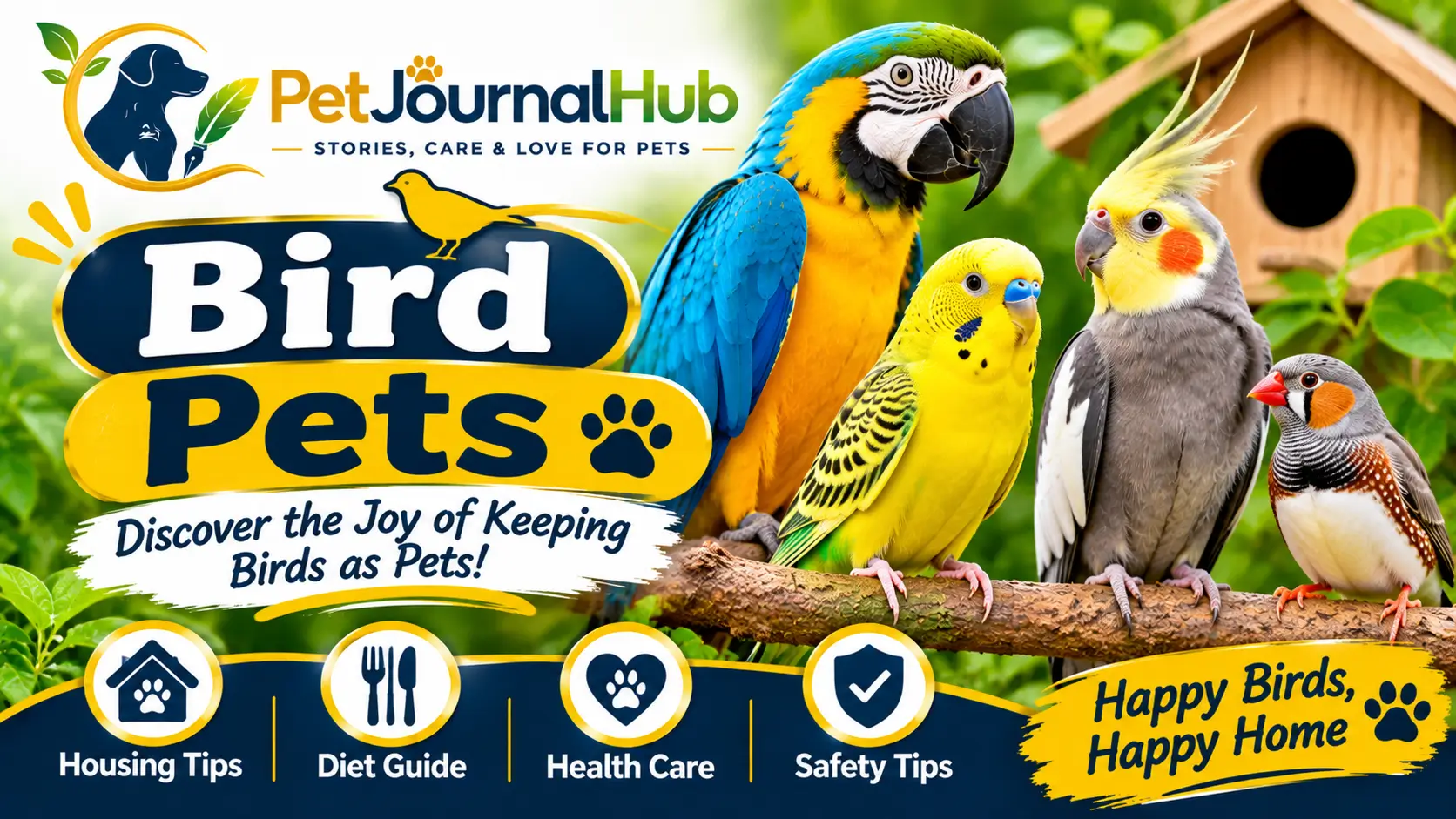
The best birds for pets include budgies, cockatiels, canaries, finches, lovebirds, parrotlets, and conures. Each species offers a different personality, noise level, social needs, and care routine. Beginners often prefer budgies or cockatiels, while experienced bird owners may enjoy larger parrots. The right choice depends on your time, space, budget, and lifestyle.
Key Takeaways
- Budgies and cockatiels make appealing choices for prepared first-time bird owners.
- Canaries and finches suit people who enjoy watching birds more than handling them.
- African gray parrots and Amazon parrots offer impressive learning abilities but need experienced care.
- Every pet bird needs a suitable enclosure, balanced nutrition, enrichment, and regular veterinary attention.
- Children should never carry full responsibility for a bird’s care.
- Adoption can offer a home to birds that need another chance.
Introduction
Birds bring color, music, personality, and plenty of entertainment into a home. Some whistle cheerful tunes, while others learn words and develop strong bonds with their families. Even a small bird can make a big difference in someone’s daily life.
However, choosing a pet bird involves more than picking the prettiest feathers. Different species have different personalities, social needs, noise levels, and life spans. A bird that suits one household might struggle in another.
For example, a busy family might enjoy a friendly cockatiel, while someone who prefers a quieter home might appreciate a canary. A curious person who enjoys training could find a budgie especially rewarding.
Many people search for the best birds for pets because they want a companion that fits their home without creating an unrealistic care burden. They also want to understand which birds talk, which enjoy human interaction, and which suit beginners.
This guide compares popular pet bird species and explains their everyday needs. You’ll learn about feeding, housing, handling, training, veterinary care, and ownership costs.
Most importantly, you’ll discover how to choose a bird based on its welfare rather than appearance alone. A happy bird needs more than a beautiful cage. It needs a safe environment, meaningful activity, and consistent care.
What Are the Best Birds for Pets?
Pet birds are domesticated or captive-bred bird species that people keep for companionship, observation, and interaction. Popular choices include small parrots, songbirds, doves, and other species with different social behaviors.
Some birds enjoy learning tricks and spending time with people. Others prefer flying, singing, and interacting with another bird.
Here are some popular options:
- Budgerigars (budgies)
- Cockatiels
- Canaries
- Zebra finches
- Lovebirds
- Parrotlets
- Green-cheeked conures
- African gray parrots
- Amazon parrots
- Doves
Not every species suits every owner. A bird’s personality also matters, and individual behavior can differ within the same species.
The best approach involves researching the exact species before bringing one home. Speak with an avian veterinarian or an experienced rescue organization about its needs.
Quick Facts Box
| Fact | Details |
| Animal group | Birds |
| Popular pet types | Parrots, finches, canaries, doves |
| Beginner-friendly options | Budgies and cockatiels |
| Talking ability | Common in some parrots |
| Main diet | Species-appropriate balanced nutrition |
| Housing | Spacious, safe enclosure |
| Social needs | Depend on species and individual |
| Exercise | Daily opportunities for movement and flight |
| Veterinary care | Regular avian veterinary checkups |
| Common commitment | Several years to multiple decades |
Where Do Popular Pet Birds Come From?
Pet birds come from different parts of the world. Their natural habitats help explain their behavior, diet, and environmental needs.
Budgerigars and cockatiels originate from Australia. Their natural environments include open landscapes where they travel and forage.
Lovebirds come from Africa. Different lovebird species occupy different habitats, including woodland and dry regions.
African gray parrots originate from parts of Africa. They live in forest environments and display complex social behavior.
Canaries originate from the Canary Islands and nearby Atlantic islands, including Madeira. Their natural history helps explain their popularity as songbirds.
Understanding a bird’s natural background helps owners create a more suitable home. However, captive birds still need species-specific care rather than a simple copy of their wild environment.
History and Evolution of Pet Birds
People have kept birds for companionship, beauty, and their ability to sing for centuries. Songbirds and parrots have appeared in homes, royal collections, and cultural traditions across different regions.
Over time, captive breeding produced different colors and varieties of familiar pet species. Budgies and canaries became especially popular among household bird keepers.
Modern bird ownership has also changed. Responsible owners now place greater attention on enrichment, flight opportunities, balanced nutrition, and veterinary care.
Animal welfare groups also encourage people to consider adoption. Many parrots need new homes because their original owners underestimate their intelligence, noise, or long-term needs.
Today, responsible ownership means understanding a bird’s natural behavior rather than treating it as a decorative animal.
Key Characteristics and Care Needs
Every bird has its own physical and behavioral characteristics. Understanding these differences helps you choose a suitable companion.
Personality and Temperament
Budgies often show curious, playful behavior. Cockatiels frequently enjoy whistling and interacting with familiar people.
Lovebirds can show strong personalities despite their small size. Some become territorial, especially around their cages or preferred spaces.
Canaries and finches usually suit observation-focused owners. They often prefer flying and interacting with other birds instead of frequent handling.
Size and Space
Small birds still need enough room to move naturally. A tiny cage does not become suitable simply because the bird has a small body.
Choose an enclosure that allows your bird to spread its wings, move between perches, climb, and engage in natural behavior.
Horizontal space matters because many birds need room for short flights. Provide safe opportunities for supervised flight outside the enclosure when appropriate.
The RSPCA explains the importance of flight space and environmental enrichment in bird housing guidance.
RSPCA Knowledgebase+1
Nutrition
Bird nutrition varies by species. Many companion parrots benefit from a suitable formulated pellet diet alongside appropriate fresh vegetables and other foods.
Seeds alone do not provide balanced nutrition for many pet parrots. However, different species have different dietary requirements.
Never assume that every bird can eat the same food. Avoid toxic foods such as avocado, chocolate, caffeine, and alcohol. Ask an avian veterinarian about a suitable diet.
Social Interaction
Parrots often need substantial social interaction and mental stimulation. Finches and some other species may prefer compatible bird companionship.
A bird that spends most of its day alone can develop stress-related behavior. Make a realistic daily interaction plan before choosing a species.
Noise and Lifespan
Birds communicate through calls, whistles, songs, and other sounds. Even species that people describe as quiet make regular noises.
Some small birds live for several years, while larger parrots may live for decades. Always check the expected lifespan of the exact species.
Quick Comparison Snapshot
| Option | Best For | Key Difference |
| Budgie | First-time owners | Small, active, and capable of learning words |
| Cockatiel | Interactive companionship | Expressive crest and whistling ability |
| Canary | Song lovers | Enjoyed mainly for singing and observation |
| Zebra finch | Watching bird behavior | Active social songbird that generally dislikes handling |
Top 10 Best Birds for Pets
These ten popular choices offer different experiences for bird enthusiasts. Their suitability depends on your household and ability to meet their needs.
1. Budgerigar
What is a Budgie Bird: Explain This Popular Pet Bird Species
Budgerigars, commonly called budgies, are small Australian parrots with lively personalities. They come in many colors, including green, blue, yellow, and white.
They can learn whistles, sounds, and sometimes human words. Patient training helps build trust and encourages natural interaction.
Budgies need daily activity, suitable toys, and enough space to move. They also benefit from meaningful social contact.
Best for: People who want a small, active bird and enjoy patient training.
2. Cockatiel
Korela chocholatá: chov, povaha, krmení a péče – Atlas papoušků | Zveráč.cz
Cockatiels are recognizable by their tall crests and orange cheek patches. These Australian parrots often develop affectionate relationships with familiar caregivers.
Many enjoy whistling, exploring toys, and spending time outside their enclosures. Some learn simple sounds or words.
Cockatiels produce feather dust and regular contact calls. Owners should consider these characteristics before choosing one.
Best for: People who want an expressive companion with a playful personality.
3. Canary
Canari : pourquoi il ne chante plus, soins et alimentation — VoxPet.fr
Canaries attract bird lovers with their beautiful songs and bright colors. Male canaries often produce stronger singing displays than females.
These birds generally prefer observation over frequent handling. They need suitable flight space, a balanced diet, and a clean environment.
A canary may suit someone who enjoys listening to birds without expecting constant physical interaction.
Best for: People who appreciate singing and independent bird behavior.
4. Zebra Finch
20 Fun Trivia Facts About Zebra Finches – PAINTEDBIRD.SHOP
Zebra finches are small, active songbirds with distinctive markings. Their social behavior makes them interesting birds to observe.
They generally do better with compatible finch companions than as birds kept alone for human attention. They also need suitable flight space.
Frequent handling usually does not suit their natural temperament.
Best for: Bird enthusiasts who enjoy observing active social birds.
5. Lovebird
Rosy-faced lovebird (agapornis rosiecollis)
Lovebirds are small parrots with colorful feathers and strong personalities. They often show curiosity and enjoy exploring their surroundings.
Some become closely attached to their owners. Others show territorial behavior or resist handling.
They need daily enrichment, careful socialization, and plenty of appropriate activity. Their small size should not fool beginners into thinking they require little attention.
Best for: Owners who enjoy interactive parrots and can provide consistent attention.
6. Parrotlet
Parrot Profile: Pacific Parrotlet – Exotic Wings & Pet Things Inc
Parrotlets are tiny parrots with bold personalities. They enjoy exploring, chewing safe toys, and learning through positive training.
Some develop strong bonds with familiar people. However, they may show territorial behavior and need thoughtful handling.
Their small bodies do not mean they need less mental stimulation than other parrots.
Best for: Owners who want a small parrot with an active personality.
7. Green-Cheeked Conure
5 Things You Need To Know About Green-Cheeked Conures | Chewy
Green-cheeked conures are playful parrots known for their curious behavior. Many enjoy climbing, exploring toys, and learning simple activities.
They can develop strong relationships with their caregivers. However, they still make regular calls and need daily interaction.
They also have strong beaks and require safe chewing materials.
Best for: Owners who want an interactive parrot and can manage its daily needs.
8. African Gray Parrot
African gray parrots have impressive learning and vocal abilities. They can imitate sounds and develop complex communication patterns.
Their intelligence also creates significant care responsibilities. They need regular interaction, problem-solving activities, and a stimulating environment.
These parrots can experience serious welfare problems when owners cannot meet their social and mental needs.
Best for: Experienced owners who understand long-term parrot care.
9. Amazon Parrot
Parrot Who’s ‘Mad at His Toy’ Is Giving All the Vibes – PetHelpful
Amazon parrots are colorful, intelligent birds with strong personalities. Many enjoy vocal interaction and learning new activities.
They can become loud and demanding. Their beaks also require safe chewing opportunities.
Potential owners should research the exact Amazon species because temperament and care requirements vary.
Best for: Experienced bird keepers with enough space and time.
10. Dove
Selective focus closeup of a white dove perching on the tree branch
Doves offer a different experience from parrots. Their gentle movements and soft cooing appeal to people who prefer calmer birds.
They need appropriate space, clean housing, suitable nutrition, and opportunities to move naturally.
Some doves become comfortable around familiar people, although they do not generally offer parrot-like talking or trick training.
Best for: People who appreciate gentle behavior and quieter companionship.
Best Pet Birds for Beginners
Budgies and cockatiels often make sensible choices for prepared beginners. Both offer opportunities for interaction without the demanding size and complexity of larger parrots.
However, beginners should consider their available time, budget, and willingness to learn bird care.
Budgies for First-Time Owners
Budgies are small, active, and curious. They can learn to step onto a finger through patient, reward-based training.
They need daily interaction, safe flight opportunities, and a balanced diet. Consider their social needs before deciding whether to keep one bird or a compatible pair.
Cockatiels for New Bird Owners
Cockatiels often develop friendly relationships with their caregivers. Their whistles and playful movements make them enjoyable companions.
They need regular attention and a suitable enclosure. Their feather dust and contact calls also deserve consideration.
Canaries for Low-Handling Households
Canaries suit people who prefer watching birds rather than touching them. Their songs provide entertainment without requiring constant physical interaction.
However, they still need daily cleaning, fresh food, and suitable space.
Beginner tip: Choose a bird based on its complete care requirements, not just its purchase price or reputation for being friendly.
Best Birds for Pets That Talk
Some parrots can imitate human speech and household sounds. However, no bird comes with a guarantee that it will learn to talk.
African gray parrots, budgies, Amazon parrots, and certain other parrots have notable vocal learning abilities.
African Gray Parrots
African grays can imitate words, sounds, and different vocal patterns. Some individuals learn to use words in meaningful contexts.
Their intelligence requires extensive mental stimulation and careful social care.
Budgerigars
Budgies can learn human words despite their small size. Some develop impressive vocabularies, although individual abilities vary.
They may also imitate whistles, phone sounds, and other noises around the home.
Amazon Parrots
Amazon parrots often have strong vocal abilities. Some learn clear words and enjoy interacting with familiar people.
However, their loud calls and social needs make them challenging for some households.
Indian Ringneck Parakeets
Indian ringnecks can learn to imitate human speech. They have distinctive long tails and colorful plumage.
They need patient socialization and regular mental enrichment.
Remember that talking ability should never determine a bird’s value. A bird that never speaks can still make a wonderful companion.
Types of Birds for Pets That Talk
Several parrot groups can imitate human sounds. Their speaking abilities depend on individual personality, learning opportunities, and the environment.
| Bird Type | Talking Ability | Important Consideration |
| African gray | Often excellent | High mental and social needs |
| Budgerigar | Can be impressive | Small but active and social |
| Amazon parrot | Often strong | Can produce loud calls |
| Indian ringneck | Good potential | Needs patient socialization |
| Quaker parakeet | Often good | Check local ownership laws |
| Cockatiel | Usually limited | Better known for whistles |
Speech training should remain positive and voluntary. Never shout at a bird, punish mistakes, or force repeated practice.
Spend time talking naturally around your bird. Reward calm interaction and allow it to rest whenever it loses interest.
Best Pet Birds That Like to Be Handled
Some birds enjoy sitting on a familiar person’s hand or shoulder. However, individual preferences matter more than breed labels.
Budgies, cockatiels, green-cheeked conures, and some hand-socialized lovebirds may enjoy gentle interaction.
Building Trust Before Handling
Give a new bird time to settle into its environment. Avoid chasing it around the enclosure or grabbing it to force contact.
Start with calm conversation and allow the bird to approach voluntarily.
You can introduce simple training activities:
- Sit near the enclosure and speak softly.
- Offer an appropriate treat without forcing contact.
- Introduce your hand gradually when the bird feels comfortable.
- Reward voluntary movement toward your hand.
- Practice short sessions and stop before the bird becomes stressed.
Watch body language carefully. Lunging, biting, leaning away, or repeated escape attempts can signal discomfort.
Birds That Prefer Less Handling
Canaries and finches usually suit observation-focused owners. Doves may become comfortable around people, but individual preferences differ.
Never force physical contact just because you want a cuddly companion.
Pet Birds for Sale: What Should You Check?
People searching for pet birds for sale should focus on health, welfare, and responsible sourcing rather than choosing the cheapest available bird.
A reputable breeder, rescue organization, or responsible adoption center should answer questions about the bird’s background and care.
Questions to Ask Before Buying
- What species and subspecies is the bird?
- What is its approximate age?
- Does it eat independently?
- What food does it currently eat?
- Has it received veterinary attention?
- Does it have any known health or behavioral concerns?
- Has it lived with other birds?
- Can you provide records of its background and health checks?
Signs of a Healthy Bird
Look for a bird that appears alert, active, and responsive to its surroundings.
Check its feathers, eyes, nostrils, feet, and general movement. Watch how it breathes and interacts with nearby birds.
Avoid birds that appear unusually weak, struggle to breathe, or show discharge around their eyes or nostrils.
The CDC also recommends matching a bird’s temperament and activity level to the household.
CDC+1
Adoption or Buying?
Consider adoption before purchasing a bird. Rescue organizations may have adult birds that need stable homes.
An adult bird also gives you a better opportunity to understand its established personality and behavior.
If you buy from a breeder, choose someone who prioritizes animal welfare, proper weaning, and transparent health information.
Never purchase a wild-caught bird or support illegal wildlife trading.
Cockatiel
Closeup of Cockatiel bird sitting on a branch
The cockatiel deserves special attention because many people consider it when choosing their first companion parrot.
This Australian bird belongs to the cockatoo family. Its recognizable crest, orange cheek patches, and expressive personality make it easy to identify.
Cockatiels often enjoy whistling, climbing, and spending time with familiar people. Some learn simple words, although their whistles usually attract more attention.
Cockatiel Personality
Many cockatiels show gentle and curious behavior. They may approach familiar people, accept treats, and enjoy supervised activities.
However, every bird has its own temperament. Some need more time to build trust.
Cockatiel Care Requirements
A cockatiel needs:
- A spacious enclosure with suitable horizontal room.
- Multiple safe perches with different textures.
- A balanced, species-appropriate diet.
- Safe toys and chewing opportunities.
- Daily interaction and exercise.
- Regular checkups with an avian veterinarian.
Cockatiels also produce fine feather dust. People with respiratory sensitivities should consider this before adopting one.
Is a Cockatiel Right for You?
A cockatiel may suit someone who enjoys daily interaction and can provide a safe environment.
It may not suit someone who expects a completely quiet, low-maintenance animal. Contact calls and daily cleaning come with responsible ownership.
For more species-specific guidance, consult the VCA cockatiel care guide.
Best Birds for Kids
Budgies and cockatiels may suit families that want to introduce children to responsible pet ownership. However, an adult must always supervise their care.
Children should never treat birds like toys. Even gentle birds can bite when frightened or uncomfortable.
Why Budgies May Suit Families
Budgies are small and entertaining. Children can observe their behavior, help prepare food with adult supervision, and learn simple training activities.
Their delicate bodies require gentle handling and a calm environment.
Why Cockatiels May Suit Families
Cockatiels can develop friendly relationships with household members. Their whistles and playful behavior can make them interesting family companions.
However, children must respect the bird’s boundaries.
Important Safety Rules
Teach children to:
- Wash their hands after handling birds or cleaning enclosures.
- Avoid squeezing, chasing, or grabbing birds.
- Keep their fingers away from the bird’s beak when it shows discomfort.
- Never open the enclosure without adult permission.
- Avoid loud noises and sudden movements around the bird.
The CDC recommends close supervision when children interact with pet birds.
CDC
Important: Adults must remain responsible for feeding, cleaning, veterinary care, and daily welfare.
Daily Care Routine: How to Get Started
A consistent daily routine supports your bird’s health and helps it feel secure. The exact schedule depends on species, age, health, and housing arrangements.
Morning Care
Start each morning by checking your bird’s behavior and environment.
Replace drinking water with fresh water. Provide the appropriate morning food and remove spoiled fresh items.
Check the enclosure for damaged toys, unusual droppings, and food debris.
Feeding and Nutrition
Follow a diet plan recommended for your exact species. Provide suitable fresh vegetables and other approved foods where appropriate.
Avoid relying on seed mixes alone for parrots. Discuss dietary changes with an avian veterinarian.
Exercise and Enrichment
Give your bird opportunities to climb, forage, explore, and fly safely.
Rotate suitable toys to prevent boredom. Provide safe branches, chewable materials, and puzzle-feeding activities when appropriate.
Evening Care
Clean food and water dishes. Remove waste and check the enclosure before bedtime.
Keep the sleeping area quiet and comfortable. Follow species-specific guidance about light and sleep routines.
Weekly Maintenance
- Wash perches and food dishes.
- Inspect toys for damage.
- Clean enclosure surfaces.
- Check food supplies.
- Review your bird’s weight and behavior when appropriate.
A daily routine should support natural behavior rather than keeping a bird occupied every minute.
Cost Breakdown: How Much Does a Pet Bird Cost?
Bird ownership involves more than the initial purchase or adoption fee. Food, housing, enrichment, cleaning supplies, and veterinary care all contribute to the total cost.
Prices vary by species, location, breeder, age, and availability. Pakistan-based buyers may also face different costs for imported products and specialist veterinary services.
| Expense | What You Need to Budget For |
| Adoption or purchase | Bird’s initial cost |
| Enclosure | Suitable cage or aviary |
| Food | Pellets, seeds where appropriate, fresh foods |
| Perches | Safe perches in different sizes |
| Toys | Chewing, climbing, and foraging toys |
| Cleaning supplies | Bird-safe cleaning products |
| Veterinary care | Wellness visits and emergency treatment |
| Transport | Safe carrier and travel arrangements |
Initial Setup Costs
The enclosure often represents a major initial expense. Choose one based on the bird’s size and movement needs rather than appearance.
You also need food dishes, water containers, perches, toys, and a suitable carrier.
Monthly Expenses
Food and replacement enrichment supplies create ongoing costs. Some birds also need more specialized diets and larger enclosures.
Emergency Veterinary Costs
Birds can hide signs of illness, so unexpected veterinary visits may create financial pressure.
Set aside money for emergency treatment before adopting a bird. Identify an avian veterinarian in your area before bringing one home.
Common Mistakes Pet Owners Make
Even caring owners can make mistakes when they misunderstand bird behavior. Avoiding these problems helps create a safer and healthier environment.
Choosing a Bird Only for Its Appearance
Beautiful feathers do not tell you whether a species suits your lifestyle. Research its daily needs before making a decision.
Using a Small Cage
A small enclosure can restrict natural movement. Choose a spacious habitat with suitable flight opportunities.
Feeding Only Seeds
An all-seed diet can create nutritional problems in many companion parrots. Ask an avian veterinarian for a balanced feeding plan.
Ignoring Social Needs
Some birds need regular human interaction, while others benefit from compatible bird companionship. Learn the needs of your particular species.
Expecting Every Bird to Talk
Talking ability varies between individuals. Do not neglect a bird or lose interest because it never learns words.
Ignoring Household Hazards
Birds face risks from several common household items.
Pay special attention to:
- Overheated nonstick cookware fumes.
- Cigarette smoke and aerosols.
- Open windows and exterior doors.
- Ceiling fans.
- Toxic plants and household chemicals.
- Unsupervised contact with cats and dogs.
Keep birds away from kitchen fumes and never leave them unsupervised around other pets.
Skipping Veterinary Checkups
Birds may hide illness until their condition becomes serious. Regular examinations help owners monitor their health.
Find a qualified avian veterinarian before problems appear.
Pros and Cons of Keeping Pet Birds
Birds offer enjoyable companionship, but they also require consistent care. Consider both sides before adopting one.
| Pros | Cons |
| Many species have colorful feathers | Some species produce considerable noise |
| Some learn words and whistles | Talking ability varies |
| Small species may need less floor space | They still need adequate flight space |
| Birds offer interesting natural behaviors | Daily cleaning takes time |
| Training can build trust | Training requires patience |
| Some species form strong relationships | Social needs can be demanding |
| Different species suit different households | Some birds live for decades |
The biggest benefit comes from building a relationship based on trust and understanding. The biggest challenge involves meeting your bird’s needs consistently throughout its life.
Similar Pet Bird Options and Alternatives
Beyond the most familiar species, several other birds may suit experienced or carefully prepared owners.
| Option | Best For |
| Pionus parrot | Owners interested in a medium-sized companion parrot |
| Bourke’s parakeet | People who appreciate quieter parrot behavior |
| Diamond dove | Owners who enjoy observing gentle birds |
| Society finch | People interested in social songbirds |
| Rosella | Experienced keepers with suitable aviary space |
| Senegal parrot | Owners prepared for an intelligent, active parrot |
| Pigeon | People who can provide appropriate space and companionship |
These options are not interchangeable. Some need specialized housing, particular diets, or more experience.
Research the exact species before considering any alternative.
When to Consult a Vet or Bird Care Professional
Birds often hide signs of illness. Small changes in behavior, appetite, breathing, or droppings deserve attention.
Contact an avian veterinarian if you notice:
- Loss of appetite or reduced drinking.
- Unusual weakness or reduced activity.
- Persistent fluffed-up feathers.
- Changes in droppings.
- Discharge around the eyes or nostrils.
- Breathing difficulty or open-mouth breathing.
- Sudden changes in balance or movement.
- Repeated feather plucking or self-injury.
Breathing problems, collapse, severe weakness, and suspected poisoning require urgent veterinary attention.
Do not attempt to diagnose illness or give medication without professional guidance.
An avian veterinarian can also help with nutrition, weight monitoring, behavior concerns, and preventive care.
The Association of Avian Veterinarians offers useful resources for bird owners.
Fun Facts About Pet Birds
Here are some interesting facts about popular companion birds:
- Budgies come from Australia: Wild budgerigars naturally live in large, mobile flocks.
- Cockatiels have expressive crests: Their crest movements can offer clues about their mood and attention.
- Canaries are famous singers: Male canaries often produce elaborate songs.
- African grays imitate sounds: They can copy human speech and sounds from their surroundings.
- Lovebirds belong to the parrot family: Their small size does not prevent them from showing strong personalities.
- Finches communicate through calls: Their vocal behavior helps them interact with other birds.
- Doves produce soft cooing sounds: Their vocalizations differ from the sharper calls of many parrots.
Frequently Asked Questions
1. What is the friendliest bird to have as a pet?
Cockatiels and budgies often make friendly companions when owners build trust through patient interaction. Cockatiels may enjoy sitting near familiar people, while budgies often become curious and playful around their caregivers. However, friendliness depends on individual personality, early experiences, and socialization. Some birds prefer watching people rather than physical contact. Spend time observing a bird before adopting it. Choose one that shows a comfortable temperament and matches the kind of relationship you want.
2. What is the best bird to buy as a pet?
The best bird to buy depends on your experience, home environment, and available time. A budgie may suit someone who wants a small, active companion. A cockatiel may appeal to someone who enjoys whistles and regular interaction. Canaries suit people who appreciate birdsong without expecting frequent handling. Before buying, check the bird’s health, background, diet, and living conditions. Consider adoption as well. A responsible rescue or breeder should help you understand the bird’s individual needs.
3. Which bird is the easiest to care for as a pet?
No pet bird requires zero effort, but some species have less demanding social needs than others. Canaries and zebra finches can suit people who prefer observing birds rather than handling them. Budgies may suit prepared beginners who want more interaction. However, every species needs proper nutrition, clean housing, enrichment, exercise, and veterinary care. The easiest bird is the one whose needs you can consistently meet. Always research its species-specific requirements before making a commitment.
4. What are the 10 smartest birds?
Many birds display impressive problem-solving, communication, and learning abilities. Ten notable examples include:
- African gray parrots.
- Kea parrots.
- New Caledonian crows.
- Ravens.
- Cockatoos.
- Amazon parrots.
- Macaws.
- Budgerigars.
- Pigeons.
- Jays.
These birds demonstrate different types of intelligence. Some solve puzzles, others imitate sounds, and some show remarkable memory. Intelligence alone does not determine whether a bird makes a suitable household companion. Several species on this list need specialized care or should remain in appropriate wild environments.
5. Do pet birds need a companion?
Some bird species benefit from living with compatible birds, while others can develop strong relationships with human caregivers. Finches, for example, generally thrive with suitable social companionship. Parrots also have complex social needs, although housing arrangements vary by species and individual temperament. Never place unfamiliar birds together without a proper introduction and health precautions. Ask an avian veterinarian or qualified behavior professional about the best arrangement for your bird.
6. Can pet birds live inside an apartment?
Yes, several bird species can live in suitable apartments. Budgies, cockatiels, and some smaller parrots may adapt well when owners provide enough space, enrichment, and exercise. However, noise matters. Even small birds produce calls that neighbors may hear through shared walls. Make sure your landlord allows birds and consider the household’s noise tolerance. Keep the enclosure away from kitchen fumes, direct overheating, and unsafe windows. Apartment living should never mean restricting a bird’s natural movement.
7. How long do pet birds usually live?
A pet bird’s lifespan depends on its species, genetics, nutrition, veterinary care, and living conditions. Some small finches and budgies live for several years, while cockatiels may live much longer. Larger parrots can require a commitment lasting decades. Before adopting, research the expected lifespan of the exact species. Consider who will care for the bird if your circumstances change. Long-term planning helps prevent unwanted rehoming and protects the bird’s welfare.
8. Can I keep two different bird species together?
Some bird species can share carefully planned aviaries, but different species should never automatically share an enclosure. Differences in body size, temperament, beak strength, diet, and territorial behavior can create serious risks. Even birds that appear friendly may injure one another. Quarantine new birds and seek veterinary advice before introducing them. Separate housing often provides a safer option, particularly for beginners. Always prioritize the individual birds’ safety over convenience.
Final Thoughts
Choosing a companion bird should start with understanding its needs, not its appearance. Budgies, cockatiels, canaries, finches, and lovebirds offer different experiences for people with different lifestyles.
Some owners enjoy teaching birds new sounds and activities. Others prefer listening to birdsong or watching natural behavior. Both relationships can be rewarding when owners respect the bird’s preferences.
Before adopting, consider the space, daily attention, food, cleaning, and veterinary care you can provide. Think about noise levels and long-term responsibility too.
If possible, visit a reputable rescue organization or responsible breeder. Spend time observing the birds and ask questions about their health and behavior. An avian veterinarian can also help you make an informed decision.
A good bird owner does more than provide food and shelter. They create a safe, stimulating environment where their companion can express natural behaviors.
The right choice is the bird whose needs you can meet throughout its life.

Emily Carter is a pet care writer at PetJournalHub. She enjoys creating clear, practical, and well-researched articles about pet health, nutrition, grooming, and everyday care. Her goal is to help pet owners make informed decisions through reliable, easy-to-understand content.