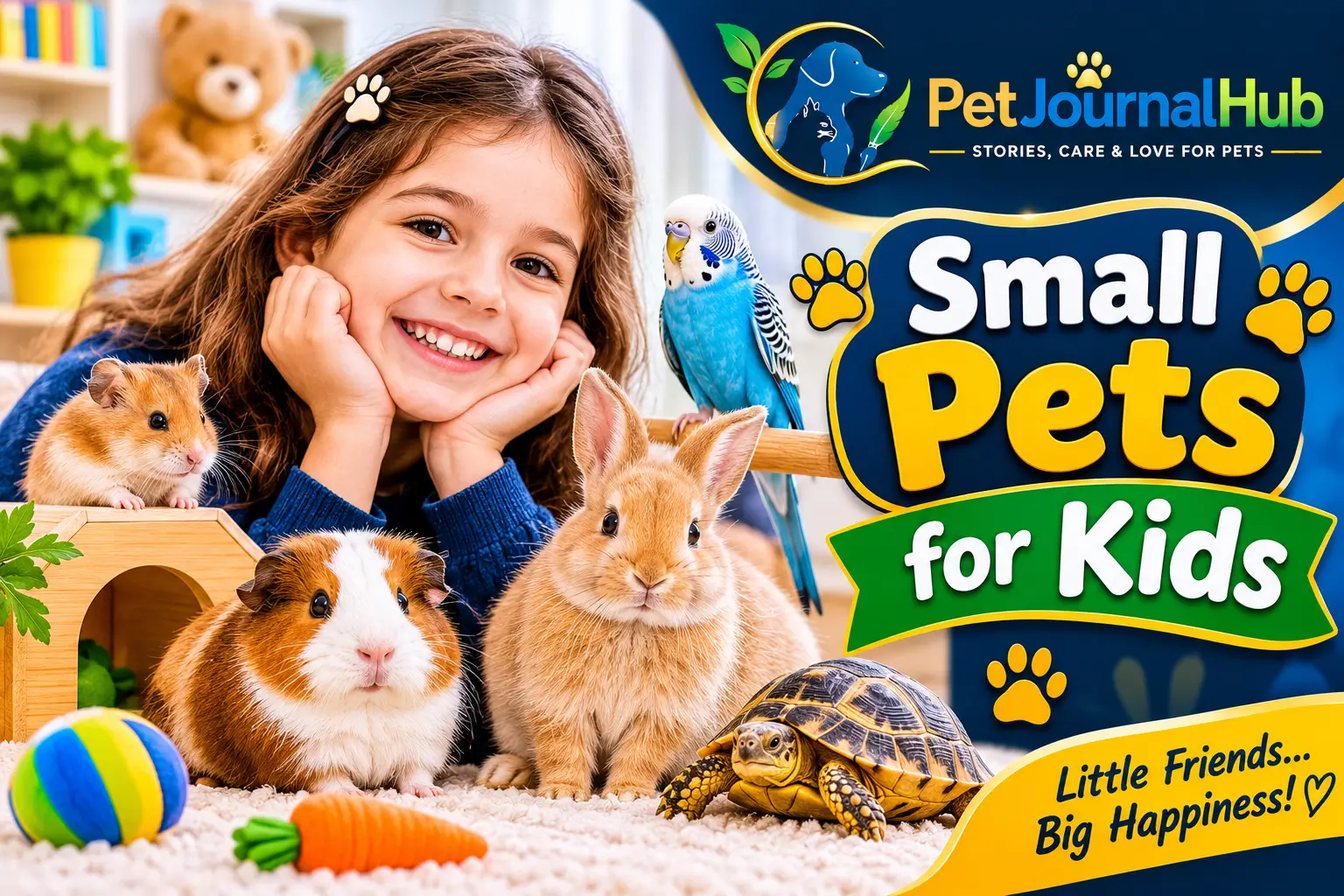
Featured Snippet Answer: Small pets for kids are companion animals such as guinea pigs, hamsters, gerbils, rats, rabbits, and fish that families can enjoy caring for together. The right choice depends on a child’s age, handling skills, family schedule, available space, and budget. Adults must supervise interactions and remain responsible for the animal’s health, safety, and daily care.
Key Takeaways
- Guinea pigs, rats, gerbils, hamsters, rabbits, and fish offer different experiences for children.
- Guinea pigs and domesticated rats can make engaging family companions with proper care.
- Hamsters often sleep during the day, which may not match a child’s schedule.
- Rabbits need plenty of space, companionship, and careful handling.
- Fish offer an observation-based pet experience but still need proper aquarium care.
- Parents must manage veterinary visits, feeding, cleaning, and long-term expenses.
Introduction
Choosing a pet for a child can be an exciting family decision. Children often dream about having a furry friend they can feed, watch, and spend time with. However, choosing the right animal takes more thought than picking the cutest one at a pet store.
Families often look for animals that fit smaller homes, busy schedules, and limited budgets. They may also want a pet that helps children learn patience, kindness, and responsibility. Small pets can offer these experiences, but each animal has different needs.
Some animals enjoy gentle human interaction, while others prefer watching the world from a safe enclosure. Certain pets stay active during the day, while others become playful at night. These differences matter when matching an animal with a child’s personality and routine.
The best small pets for kids are not always the smallest or cheapest options. Parents should consider the animal’s temperament, lifespan, housing, diet, and veterinary needs before making a decision.
This guide explores popular family-friendly animals, their advantages, possible challenges, and basic care requirements. It also explains how parents can teach children safe handling habits and choose an animal that suits the entire household.
The goal is simple: help your family find a companion whose needs match your home and lifestyle.
What Are Small Pets for Kids?
Small pets are companion animals that generally need less living space than traditional household pets such as dogs. They include small mammals, rodents, fish, and certain other animals that families keep for companionship.
Popular examples include:
- Guinea pigs
- Hamsters
- Gerbils
- Domesticated rats
- Mice
- Rabbits
- Fish
- Budgies
These animals have different personalities and care requirements. A guinea pig may enjoy gentle attention, while a hamster may prefer exploring its enclosure without frequent handling.
Some small animals need companions of their own species. Others usually live alone. Their housing, food, exercise, and social needs also differ.
Parents should never assume that a small animal needs only a tiny cage and a food bowl. Every pet needs a suitable environment, clean water, proper nutrition, enrichment, and access to veterinary care.
The best family choice depends on what the animal needs and what the household can provide.
Quick Facts Box
| Fact | Details |
| Main animal types | Rodents, small mammals, fish, and birds |
| Popular choices | Guinea pigs, hamsters, rats, and gerbils |
| Suitable age | Depends on the child’s maturity and the animal |
| Adult supervision | Essential |
| Housing | Species-specific enclosure or aquarium |
| Diet | Different for every species |
| Veterinary care | Required |
| Main responsibility | Belongs to the adult caregiver |
| Main benefit | Companionship and learning about animal welfare |
| Important consideration | Lifespan, handling, space, and cost |
Where Do Family-Friendly Small Pets Come From?
Small companion animals come from different parts of the world. Their natural habitats help explain their behavior and care needs.
For example, guinea pigs originated in the Andes region of South America. Their natural social behavior helps explain why companionship matters to their welfare.
Hamsters come from parts of Europe and Asia. Different hamster species have different natural behaviors, and many prefer living alone.
Gerbils originated in dry regions of Asia and Africa. They enjoy digging and creating tunnels, so they need suitable bedding and space.
Rats and mice have long histories of living alongside humans. Domesticated varieties have become familiar companion animals in many households.
Rabbits have a different background. Domestic rabbits descend from European wild rabbits and have specific needs for movement, grazing, and social interaction.
Understanding an animal’s natural behavior helps families create a more comfortable home. A pet should not have to change its basic instincts to fit a child’s expectations.
History and Evolution of Small Companion Animals
People have kept animals for companionship for centuries. However, the popularity of small household pets has grown alongside changes in family lifestyles and housing.
Rabbits and guinea pigs became familiar domestic companions in many parts of the world. Hamsters, gerbils, and domesticated rats also became popular household animals.
Today, families can find extensive information about small animal care through veterinary organizations, animal welfare groups, and rescue centers.
This increased access to information makes responsible ownership easier to understand. However, popularity does not always mean that an animal suits every household.
Social media can make certain animals look effortless to care for. Real ownership involves daily cleaning, proper nutrition, enrichment, and veterinary expenses.
Parents should research the species rather than making a decision based on an online video or attractive photograph.
Key Characteristics and Care Needs
Small animals differ in their behavior, activity levels, and handling preferences. Understanding these differences helps parents choose a suitable companion.
Temperament: Guinea pigs and domesticated rats can develop positive relationships with gentle, patient owners. Individual personalities still vary.
Activity levels: Hamsters are generally most active during evening and nighttime hours. Gerbils often remain active at different times throughout the day.
Social needs: Guinea pigs and rats generally need companionship from their own kind. Gerbils also benefit from suitable same-species companionship. Hamsters usually require separate housing.
Handling: Some animals tolerate gentle handling better than others. Rabbits and guinea pigs have delicate bodies and need careful support.
Housing: A suitable enclosure must provide enough room for movement, hiding, resting, and natural behaviors.
Nutrition: Every species needs a suitable diet. Guinea pigs, for example, require dietary vitamin C.
Health: Small animals can become ill without obvious early signs. Regular observation and access to an experienced veterinarian matter.
Quick Comparison Snapshot
| Option | Best For | Key Difference |
| Guinea pigs | Families seeking interactive companions | Social and vocal animals |
| Hamsters | Older children who enjoy observing animals | Usually active at night |
| Gerbils | Children who enjoy watching active animals | Love digging and tunneling |
| Domesticated rats | Families seeking interactive pets | Intelligent and social |
These are general comparisons, not guarantees of temperament. Individual animals may behave differently.
1. Good Starter Pets for 10 Year Olds
Children around age ten may understand basic animal care and follow simple routines. However, they still need adult guidance and supervision.
Guinea pigs can suit families with children who enjoy gentle interaction. They make recognizable sounds, explore their surroundings, and can learn to feel comfortable around familiar people.
Domesticated rats are another option. They are intelligent animals that can learn routines and enjoy positive interaction with patient owners.
Gerbils may suit children who prefer watching an animal dig, explore, and move through tunnels. They need suitable housing and careful handling.
Before choosing, parents should consider these questions:
- Can the child follow instructions consistently?
- Does the child understand that pets need quiet time?
- Can the family afford appropriate housing and veterinary care?
- Will an adult supervise cleaning and handling?
- Does the household have enough space?
Ten-year-olds can participate in feeding, preparing enrichment activities, and observing behavior. Adults should check that every task gets completed.
2. Small Pets for Kids at Home
Families keeping animals indoors need to consider available space, noise, cleanliness, and household routines.
Guinea pigs need a spacious enclosure, suitable bedding, hiding places, and room to move. Their enclosure should sit somewhere comfortable and away from direct sunlight and extreme temperatures.
Hamsters need secure housing with deep, suitable bedding for digging. They also need an appropriate exercise wheel and enrichment items.
Gerbils enjoy digging and exploring. Their enclosure should support natural burrowing behavior while allowing good ventilation.
Fish can suit families who prefer observing animals rather than handling them. However, an aquarium requires careful setup, filtration, water-quality management, and regular maintenance.
Before bringing an animal home, choose its permanent location. Keep enclosures away from loud televisions, unsafe household chemicals, and areas where other pets might disturb them.
A quiet, stable environment helps animals feel secure.
3. Best Small Pets for Cuddling
Some children want a pet they can hold or cuddle. However, not every small animal enjoys physical contact.
Domesticated rats often become comfortable with gentle human interaction. Some enjoy sitting with familiar people once they build trust.
Guinea pigs may enjoy gentle stroking, but many dislike being picked up. Children can build positive relationships by offering suitable treats and interacting at ground level.
Rabbits may enjoy being petted when they approach voluntarily. However, many dislike being lifted because it makes them feel unsafe.
Hamsters vary in their tolerance for handling. Some become comfortable with familiar owners, while others remain nervous or prefer limited contact.
Parents should teach children an important rule: never force an animal to cuddle.
A pet should always have a way to retreat. Children should recognize signs of discomfort, including struggling, hiding, freezing, or repeatedly trying to escape.
4. Small Pets for Kids Near Me
Families searching for local pets should focus on responsible adoption and reputable animal sources.
A nearby pet shop may have several animals, but availability alone should not determine the decision. Parents should ask about the animal’s age, health history, housing, diet, and social needs.
Local animal shelters and rescue organizations may also have small animals looking for homes.
Before visiting a seller or rescue center, research these points:
- Does the organization provide clear health information?
- Can staff explain the animal’s dietary requirements?
- Do they understand its social and housing needs?
- Can they identify an appropriate veterinarian?
- Do they offer honest advice about the animal’s temperament?
For families in Karachi, it is especially useful to identify a veterinarian who has experience treating the chosen species before adoption.
Not every general veterinary clinic has the same experience with rabbits, rodents, or other small mammals.
Also check local animal-keeping rules and confirm that the species can legally be kept in your area.
5. Best Small Pets for Kids
There is no single best animal for every family. The right choice depends on the child’s maturity, the parent’s availability, and the animal’s needs.
Here are five popular options worth considering.
Guinea pigs: These social animals can offer an enjoyable family experience. They need appropriate companionship, fresh food, clean housing, and gentle handling.
Domesticated rats: Rats can develop strong relationships with patient owners. They need social interaction, enrichment, and suitable same-species companionship.
Gerbils: These active animals are interesting to observe. Their digging and tunneling behavior makes an enriched enclosure important.
Hamsters: Hamsters can suit families who prefer observing animals. Their nighttime activity may make them less suitable for children who want daytime interaction.
Fish: Fish offer an observation-based experience. They do not need physical handling, but aquarium care requires knowledge and regular attention.
Parents should choose based on long-term suitability rather than appearance or popularity.
6. Worst Pets for Kids
Some animals may not suit younger children, particularly when their natural behavior conflicts with a child’s expectations.
This does not mean these animals are bad pets. It means they may need an experienced caregiver or a quieter household.
Chinchillas: Chinchillas need specialized housing, suitable temperatures, dust baths, and careful handling. Their delicate bodies make rough interaction dangerous.
Sugar gliders: These exotic animals have complex dietary, social, and environmental needs. They are not suitable as casual starter pets.
Hedgehogs: Hedgehogs are generally nocturnal and may curl into defensive positions when frightened. They often prefer limited handling.
Rabbits for children who want to carry pets: Rabbits can make rewarding companions, but many dislike being picked up. Their delicate bodies need careful handling.
Wild-caught animals: Wild animals may have specialized needs that household owners cannot easily meet. They may also face legal restrictions.
Parents should avoid choosing an animal simply because it looks unusual or appears easy to maintain.
7. Good Starter Pets for 8 Year Olds
Eight-year-old children can help with simple pet-care routines. However, an adult must remain responsible for the animal.
A guinea pig may suit a family that wants an animal to observe, gently stroke, and feed under supervision.
Gerbils can be interesting for children who enjoy watching natural behaviors. They often spend time digging, exploring, and interacting with their environment.
Fish may suit children who enjoy observation. Parents can teach them how to measure food and recognize changes in the aquarium.
Domesticated rats may suit families prepared to provide regular social interaction and enrichment.
At this age, children should start with small, supervised tasks.
For example, they can:
- Help measure the correct food portions.
- Refill water under adult supervision.
- Choose safe enrichment activities.
- Help organize cleaning supplies.
- Observe changes in the animal’s behavior.
Parents should complete or check every essential care task.
8. Small Pets That Are Cheap
Some animals have lower initial purchase or adoption costs than others. However, the purchase price rarely reflects the full cost of ownership.
A family should calculate both setup expenses and ongoing costs before choosing a pet.
| Expense | What Families May Need |
| Adoption or purchase | Animal adoption or purchase fee |
| Housing | Enclosure, aquarium, or secure habitat |
| Bedding | Species-appropriate bedding |
| Food | Suitable daily nutrition |
| Enrichment | Toys, tunnels, hiding places |
| Cleaning | Safe cleaning supplies |
| Veterinary care | Health checks and treatment |
| Emergency fund | Unexpected medical expenses |
Fish may appear inexpensive initially, but a proper aquarium can require equipment and water-treatment supplies.
Gerbils and hamsters also need suitable enclosures, bedding, enrichment, and veterinary care.
Guinea pigs can involve higher ongoing food and housing costs, especially when families keep compatible companions together.
Never reduce costs by choosing an undersized enclosure, poor-quality food, or skipping veterinary visits.
The cheapest pet is not necessarily the most affordable pet over its lifetime.
Daily Care Routine: How to Get Started
A consistent routine helps children understand that pets need attention every day. Parents should establish the routine before bringing an animal home.
Step 1: Prepare the Living Space
Set up the enclosure before introducing the animal. Include suitable bedding, hiding places, food containers, and enrichment items.
Check that the enclosure provides enough room for natural movement. Make sure it stays secure and comfortable.
Step 2: Learn the Correct Diet
Research the animal’s nutritional needs. Do not feed every small pet the same food.
For example, guinea pigs need hay, suitable vegetables, and vitamin C. Hamsters need a balanced hamster diet with suitable supplementary foods.
Always provide fresh, clean drinking water.
Step 3: Create a Feeding Schedule
Children can help prepare meals with adult supervision. Use appropriate portions and avoid giving too many treats.
Keep a simple feeding chart near the enclosure. This helps everyone understand the daily routine.
Step 4: Introduce Gentle Interaction
Allow a new pet time to settle into its environment. Avoid immediately picking it up or passing it between family members.
Let the animal approach voluntarily. Keep early interactions short and calm.
Step 5: Clean the Enclosure
Remove dirty bedding and leftover fresh food as needed. Follow the cleaning schedule recommended for the species.
A clean enclosure helps reduce unpleasant odors and supports good hygiene.
Step 6: Observe Daily Behavior
Watch how the animal eats, drinks, moves, and responds to people.
Changes in appetite, activity, droppings, or normal behavior can signal a health problem. Contact a veterinarian if something seems unusual.
Step 7: Arrange Veterinary Care
Find a veterinarian with experience treating the chosen species. Ask about routine examinations, preventive care, and common health concerns.
Do not wait until an emergency to identify a suitable clinic.
Cost Breakdown: What Should Families Expect?
The cost of owning a small pet depends on its species, location, housing, food, and healthcare requirements.
Families should consider three main spending categories.
Initial setup costs
These include the animal’s adoption fee, enclosure, bedding, food containers, water bottles, toys, and other essential equipment.
Some animals need more expensive equipment than their size suggests. An aquarium, for example, requires more than a bowl and a few decorations.
Monthly maintenance costs
Regular expenses include food, hay, bedding, cleaning products, and replacement enrichment items.
Animals that need companionship may also require families to budget for more than one pet.
Veterinary and emergency costs
Routine examinations, diagnostic tests, medication, and unexpected treatment can increase ownership expenses.
The exact cost varies by species and location. Families in Pakistan should contact local suppliers and veterinary clinics for current prices rather than relying on international estimates.
A sensible budget should cover normal monthly care and unexpected health problems.
Common Mistakes Pet Owners Make
Even caring families can make mistakes when choosing or raising a small animal. Understanding these problems helps prevent unnecessary stress.
Choosing based on appearance: A cute animal may have complicated needs. Research its behavior and care requirements first.
Buying an unsuitable cage: Small enclosures can restrict movement and natural behavior. Check the space requirements for the exact species.
Assuming every pet likes handling: Some animals prefer observation over physical contact. Never force interaction.
Ignoring social needs: Certain species need compatible companions. Keeping a social animal alone can affect its welfare.
Feeding unsuitable foods: Human snacks and inappropriate treats can cause nutritional problems. Follow species-specific feeding guidance.
Forgetting veterinary expenses: Small pets still need professional healthcare. Their size does not remove this responsibility.
Allowing unsupervised handling: Children may accidentally squeeze, drop, or frighten an animal. Adults should supervise every interaction.
Ignoring changes in behavior: A quiet or inactive animal may be experiencing discomfort or illness. Pay attention to unusual changes.
Expecting children to manage everything: Children’s schedules and interests change. Parents must remain responsible for the animal throughout its life.
Pros and Cons of Keeping Small Animals
| Pros | Cons |
| Can introduce children to animal care | Adults must supervise and manage care |
| Offer opportunities to learn empathy | Some animals dislike frequent handling |
| Many are suitable for indoor homes | Proper housing can require significant space |
| Different species offer different experiences | Diets and care needs vary |
| Can provide enjoyable family interaction | Veterinary care can be expensive |
| Some are quieter than dogs | Cleaning and feeding still require daily attention |
Small animals can bring positive experiences to family life. However, their welfare must always come before a child’s desire for entertainment.
Similar Options and Alternatives
Families who are unsure about rodents or other small mammals can consider different companion animals.
| Option | Best For |
| Budgies | Families interested in interactive birds |
| Cockatiels | Households prepared for regular social interaction |
| Freshwater fish | Children who enjoy observing aquatic animals |
| African dwarf frogs | Families interested in aquatic animal behavior |
| Hermit crabs | Experienced caregivers who can meet specialized habitat needs |
| Cats | Families wanting a more interactive household companion |
| Dogs | Families prepared for exercise, training, and daily attention |
These alternatives are not automatically easier than small mammals.
Birds need social interaction and appropriate flight opportunities. Fish need suitable water conditions. Hermit crabs need carefully managed habitats.
Parents should research each animal’s complete needs before making a decision.
When to Consult a Vet or Professional
Small animals can hide signs of illness. Early attention helps protect their health and prevents minor concerns from becoming serious.
Contact a veterinarian if you notice:
- Sudden loss of appetite.
- Unusual tiredness or weakness.
- Changes in breathing.
- Diarrhea or unusual droppings.
- Unexplained weight loss.
- Skin irritation or hair loss.
- Difficulty walking or moving.
- Unusual discharge around the eyes or nose.
- Repeated scratching or signs of pain.
Some symptoms need urgent veterinary attention. Difficulty breathing, collapse, severe injury, or inability to eat should never be ignored.
Choose a veterinarian who understands the species. A clinic experienced with dogs and cats may not offer the same level of care for rodents, rabbits, or exotic pets.
Parents should also consult animal-care professionals before changing a pet’s diet, introducing another animal, or using medication.
Important Hygiene and Child Safety Rules
Small mammals can sometimes carry germs that make people sick, even when they appear healthy.
The CDC advises families to wash their hands after handling small mammals, their food, or their supplies. Children under five face a higher risk of illness from germs associated with these animals.
Follow these household rules:
- Wash hands with soap and water after animal contact.
- Keep pet food and supplies away from food preparation areas.
- Never let children kiss pets or put animals near their mouths.
- Do not allow pets to roam in areas used for food preparation.
- Clean animal equipment in an appropriate area.
- Keep young children supervised around every pet.
- Seek medical advice after a concerning bite or scratch.
Families with children under five should discuss the risks of small mammals with a healthcare professional before bringing one home.
Fun Facts About Small Companion Animals
Small pets have fascinating behaviors that children can enjoy learning about.
1. Guinea pigs communicate through sounds: They use different vocalizations during social interactions and when responding to familiar situations.
2. Hamsters store food: Their expandable cheek pouches help them carry food to a storage area.
3. Gerbils enjoy digging: Their natural behavior includes creating tunnels and burrows.
4. Rats can learn: Domesticated rats can learn routines and respond to positive interaction.
5. Rabbits need movement: They enjoy exploring, hopping, and investigating their surroundings.
6. Budgies are social birds: They use vocalizations and body language to communicate.
7. Fish recognize environmental routines: Many fish respond to regular feeding patterns and familiar surroundings.
These behaviors make observation an enjoyable part of responsible pet ownership. Children can learn a great deal simply by watching how an animal interacts with its environment.
Frequently Asked Questions
1. What is the best small pet for a child?
The best choice depends on the child’s age, maturity, and interest in animals. Guinea pigs can suit families looking for social, vocal companions. Domesticated rats can be rewarding for households that enjoy interactive pets. Gerbils may suit children who prefer watching active animals. Parents should compare housing, diet, lifespan, and veterinary requirements before deciding. No animal should become a child’s sole responsibility. An adult must provide care and supervise interactions to protect both the child and the pet.
2. What is the easiest small pet to own?
There is no universally easiest small pet because every species has different requirements. Some animals need frequent social interaction, while others prefer observation and independent activity. Fish do not require physical handling, but their aquariums need proper filtration, water-quality checks, and maintenance. Hamsters may need less direct social interaction than some other small mammals, but they still need suitable housing, enrichment, and veterinary care. Families should choose an animal whose needs match their daily schedule rather than assuming one species requires little effort.
3. What is the most friendly small pet?
Domesticated rats often develop friendly relationships with people when owners provide gentle handling and positive interaction. Some guinea pigs also become comfortable around familiar family members. However, friendliness depends on the individual animal, its early experiences, and its environment. A naturally social animal may still feel frightened in a noisy household. Children should approach slowly, avoid grabbing, and allow pets to move away whenever they want. Parents should choose an animal based on its observed temperament rather than relying only on its species.
4. What are some cute pets for kids?
Guinea pigs, gerbils, hamsters, rabbits, and budgies are popular choices because of their interesting appearances and behaviors. Guinea pigs have expressive faces and recognizable sounds. Gerbils are entertaining to watch as they dig and explore. Budgies have colorful feathers and lively personalities. However, cuteness should never be the main reason for choosing a pet. Each animal needs appropriate food, housing, enrichment, and healthcare. Families should learn about these responsibilities before adopting or purchasing an animal.
5. Are guinea pigs better than hamsters for children?
Guinea pigs and hamsters suit different family lifestyles. Guinea pigs are social animals that generally need compatible companionship. Hamsters usually prefer living alone and often become active in the evening or at night. Guinea pigs may offer more opportunities for daytime observation and gentle interaction. However, their delicate bodies require careful handling. Hamsters also need patient, gentle interaction and should not be disturbed while sleeping. Parents should compare their housing and social needs before choosing either species.
6. Should children have their own pet?
Children can participate in caring for an animal, but an adult should always remain the primary caregiver. Young children may forget feeding schedules, cleaning tasks, or veterinary appointments. Their interests can also change as they grow older. Parents should decide whether they can provide lifelong care before bringing an animal home. Children can still develop responsibility by helping with supervised tasks. The goal should be to build a respectful relationship with the animal, not transfer adult responsibilities to a child.
7. Can small animals live in a child’s bedroom?
Some small animals can live indoors, but a child’s bedroom may not always provide the best environment. Noise, changing temperatures, strong smells, and irregular sleep schedules can affect an animal’s comfort. Nocturnal pets may also disturb a child’s sleep through nighttime activity. Parents should choose a quiet, well-ventilated location with stable temperatures and enough space for proper housing. The enclosure should remain secure and easy for adults to inspect and clean.
Final Thoughts
Choosing a companion animal is an important family decision. The right pet can help children develop patience, kindness, and respect for living things.
Guinea pigs, gerbils, domesticated rats, hamsters, and fish all offer different experiences. Some enjoy gentle interaction, while others are more interesting to observe. Their care requirements also vary.
Parents should look beyond the animal’s appearance and consider its long-term needs. Housing, nutrition, companionship, veterinary care, and daily attention all matter.
Before bringing a pet home, make sure your family can provide a safe and comfortable environment. Explain gentle handling rules and teach children to respect an animal’s personal space.
Most importantly, remember that pet ownership is a family commitment. Children can help with age-appropriate tasks, but adults must remain responsible for their companion’s welfare.
A thoughtful choice can create a rewarding relationship for both the animal and the entire household.

Emily Carter is a pet care writer at PetJournalHub. She enjoys creating clear, practical, and well-researched articles about pet health, nutrition, grooming, and everyday care. Her goal is to help pet owners make informed decisions through reliable, easy-to-understand content.